Letter recognition Reading Worksheets for Ages 7-8
5 filtered results
-
From - To
Our Letter Recognition Reading Worksheets for Ages 7-8 are designed to enhance your child's reading fluency and comprehension skills. Tailored specifically for young learners, these worksheets focus on recognizing both uppercase and lowercase letters, boosting phonemic awareness, and reinforcing letter-sound relationships. Fun activities, engaging exercises, and interactive tasks make learning enjoyable and effective. Perfect for classroom and home use, our worksheets provide a solid foundation for reading success, specifically targeting second graders' needs. Help your child embark on a literacy adventure with structured, age-appropriate, and beautifully designed letter recognition practices.
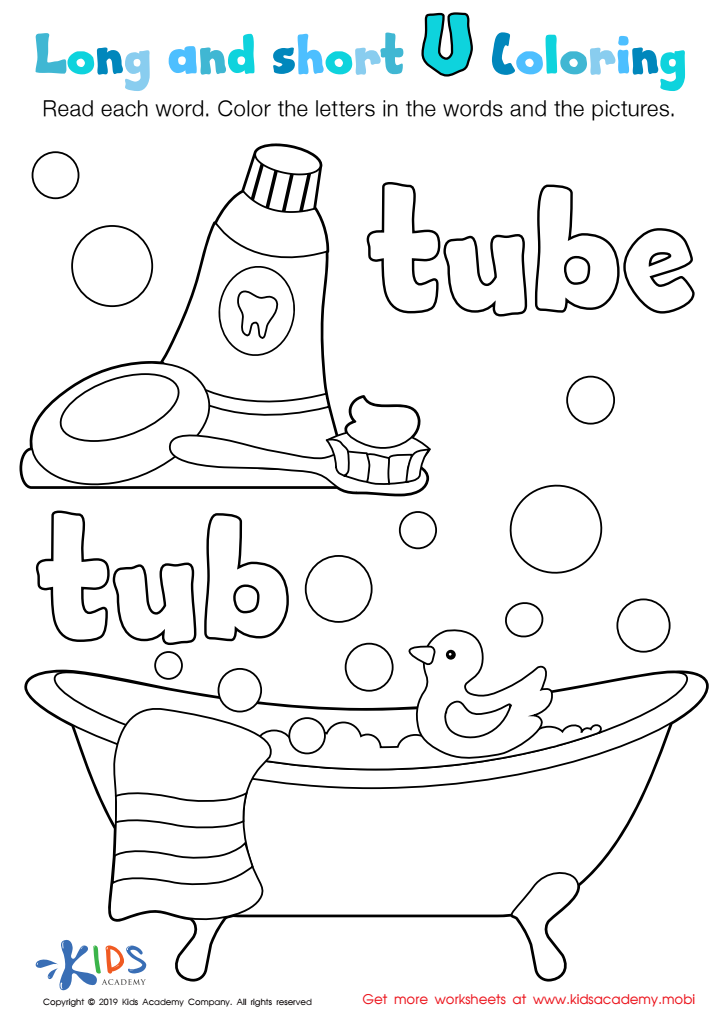
Long and Short U Worksheet
 Assign to My Students
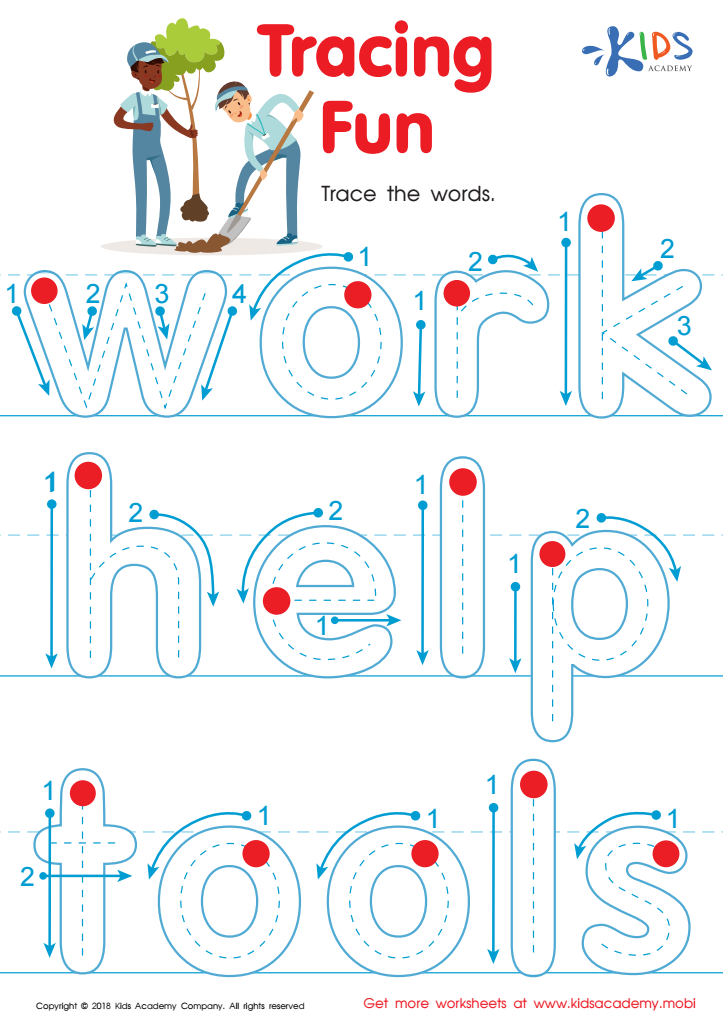
Tracing Fun Worksheet
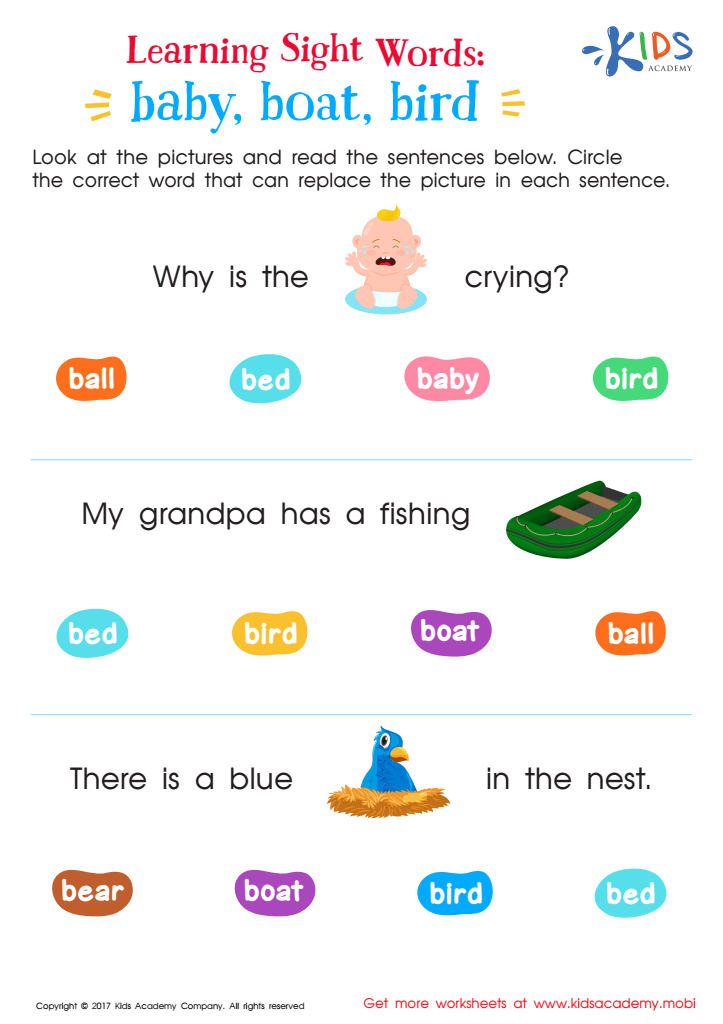
Baby, Boat, Bird Worksheet Sight Words Worksheet

Long and Short E Worksheet
Assign to My Students
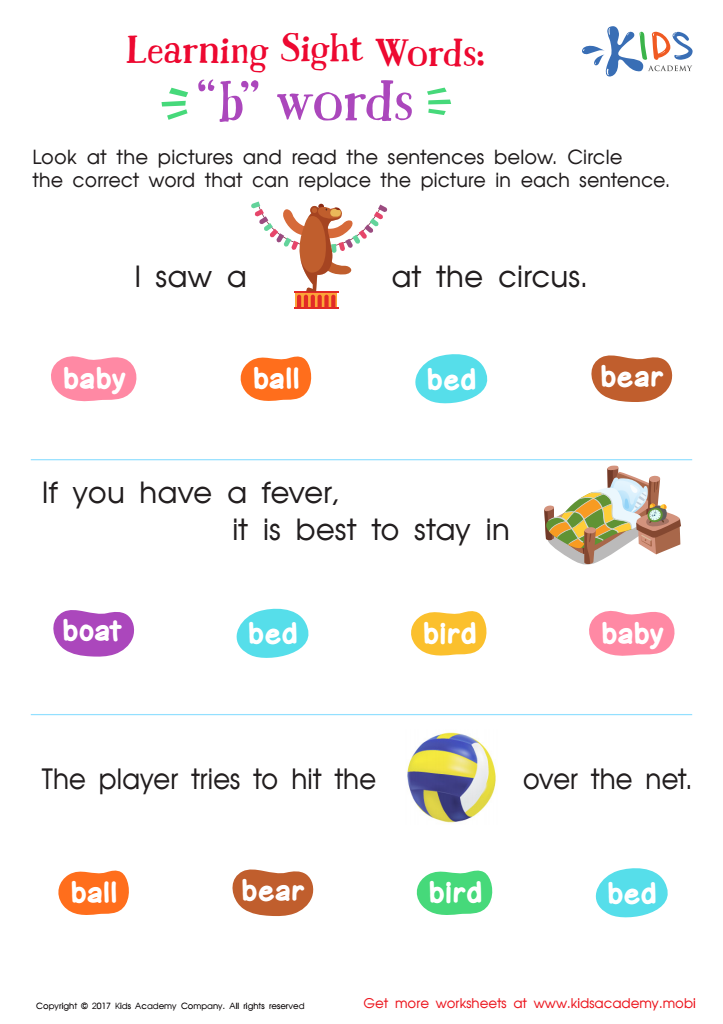
"B" Words Printable Sight Words Worksheet


.jpg)




Letter recognition is a critical skill for children ages 7-8 as it lays the foundation for reading and literacy development, which are pivotal for academic and future success. At this age, children transitioning from recognizing individual letters to decoding words and sentences. Proficient letter recognition aids in word identification, which in turn enhances reading fluency and comprehension. Children struggling with letter recognition may find reading daunting, leading to frustration and a potential disinterest in learning.
Parents and teachers should prioritize letter recognition because it supports phonemic awareness—the understanding that words are composed of sounds. This awareness is key in learning phonics, which associates these sounds with skilled reading and writing. By reinforcing letter recognition, caregivers can help prevent learning difficulties and ensure children feel confident in their ability to decode new vocabulary.
Moreover, early reading skills are linked to later academic achievement across various subjects, not just language arts. Mastery of letter recognition also bolsters a child’s self-esteem and independence in learning activities.
Engaging in fun, consistent practices like reading together, playing alphabet games, and encouraging writing can make letter recognition more enjoyable. Thus, nurturing these skills equips children with the tools they need for continuous learning progression, making early letter recognition an essential focus.








