
Recognizing Patterns Reading Worksheets for Ages 7-8
3 filtered results
Difficulty Level
Grade
Age
-
From - To
Subject
Activity
Standards
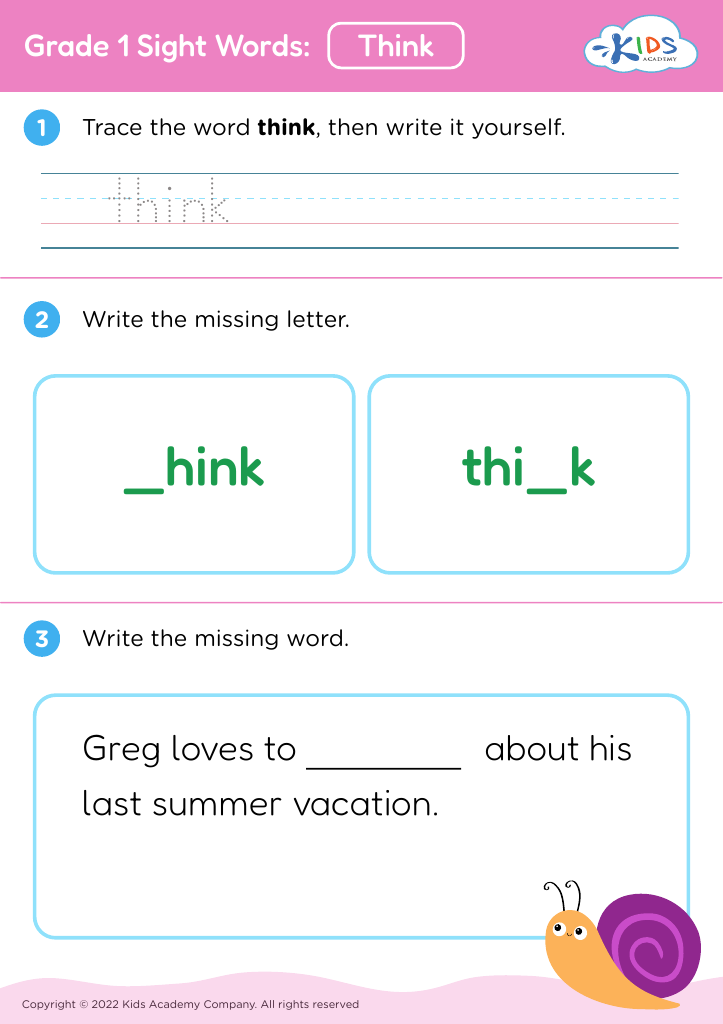
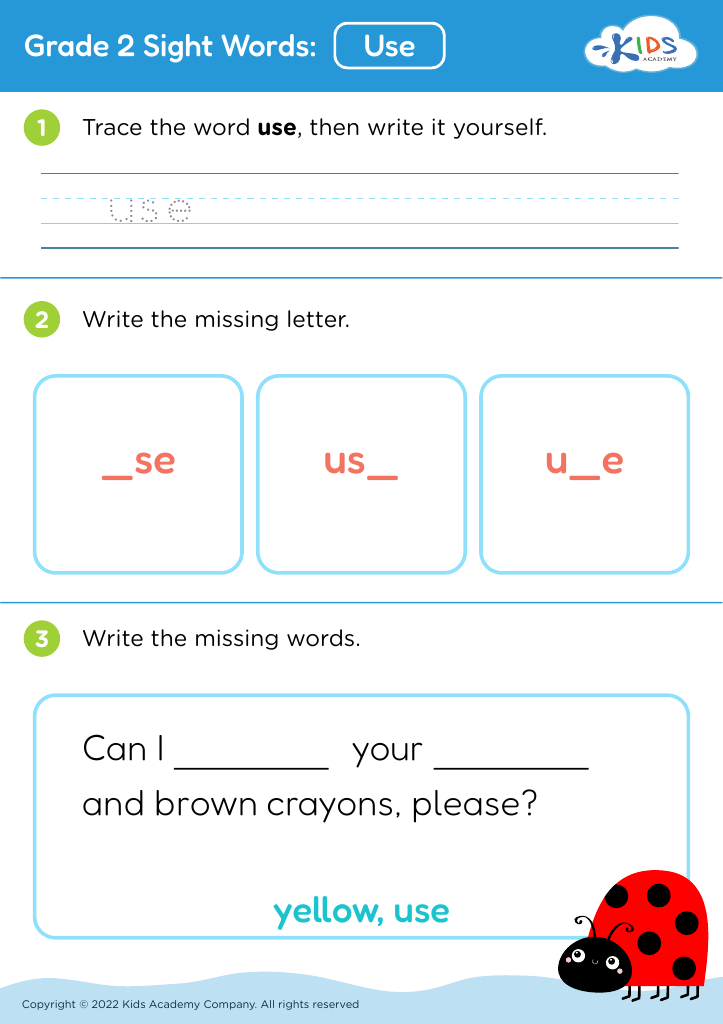
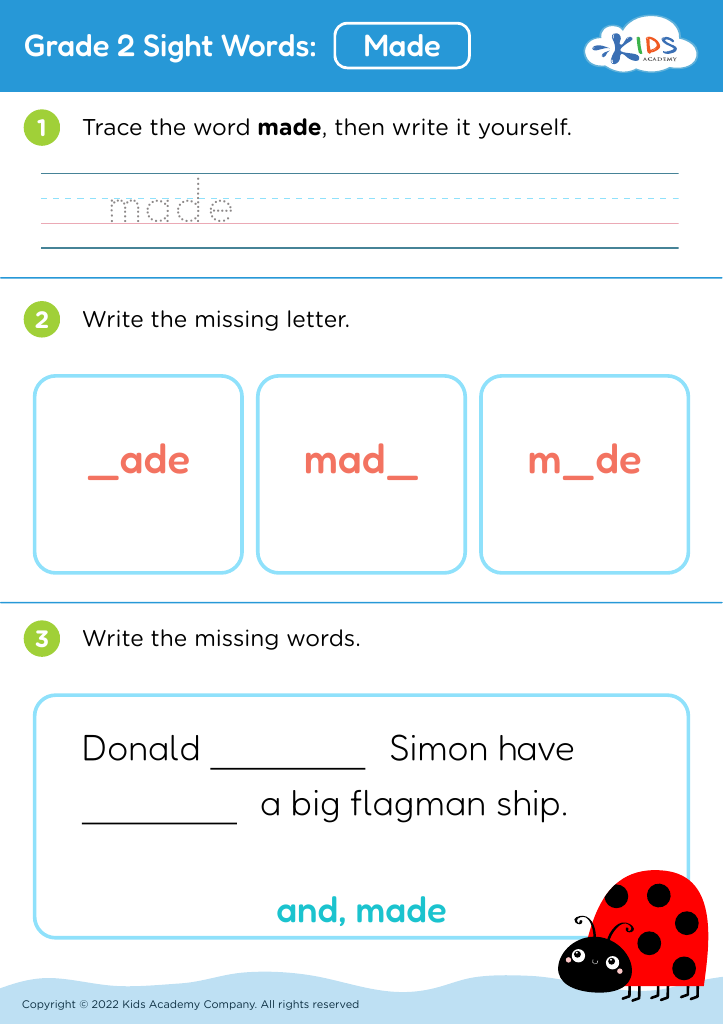
Discover our engaging "Recognizing Patterns Reading Worksheets" designed specifically for ages 7-8! These worksheets are perfect for young learners to enhance their reading comprehension skills through the identification of patterns in text. Children will enjoy interactive activities that promote critical thinking and reinforce their ability to make connections within stories. Our thoughtfully crafted exercises offer a blend of fun and educational value, aiding in vocabulary development and cognitive growth. Whether at home or in the classroom, these worksheets provide an excellent resource for keeping kids motivated while they learn how to recognize and understand patterns in reading. Start exploring today!
Favorites
With answer key
Interactive
Join Kids Academy for Free
Who is primarily going to use this learning content?






Recognizing patterns in reading is a crucial skill for children aged 7-8, benefiting both their academic development and cognitive growth. As children navigate through texts, identifying patterns—such as repeated phrases, story structures, and common themes—enhances their comprehension and retention. For instance, understanding how a story typically begins, develops, and concludes helps young readers anticipate outcomes, fostering greater engagement and curiosity.
Moreover, pattern recognition promotes critical thinking and problem-solving skills. When children can draw connections between different texts or between literature and their own experiences, they cultivate a deeper understanding of content and context. This skill is not just limited to reading; it lays the groundwork for mathematics and science, where recognizing numerical or conceptual patterns is key.
Teachers and parents should prioritize this aspect of literacy because it builds confidence and encourages a love of reading. Daily practice through shared reading experiences, discussions about stories, and pattern-centered activities will reinforce these skills. Additionally, acknowledging and celebrating a child's ability to spot patterns will motivate them further. By fostering pattern recognition in young readers, we're equipping them with foundational tools to succeed not only academically but also in life's complex scenarios.








