Learning about ecosystems Science Worksheets for Ages 7-8
4 filtered results
-
From - To
Explore our engaging "Learning about Ecosystems" science worksheets, designed specifically for children ages 7 to 8. These worksheets introduce young learners to the fascinating world of ecosystems, highlighting their essential components such as plants, animals, and habitats. Each printable resource encourages curiosity and critical thinking, featuring activities like matching, coloring, and fill-in-the-blanks. Your child will develop a solid understanding of how different organisms interact and rely on each other within their environments. With easy-to-follow instructions and vibrant illustrations, our worksheets provide a fun and educational way to ignite an early passion for science and the natural world!
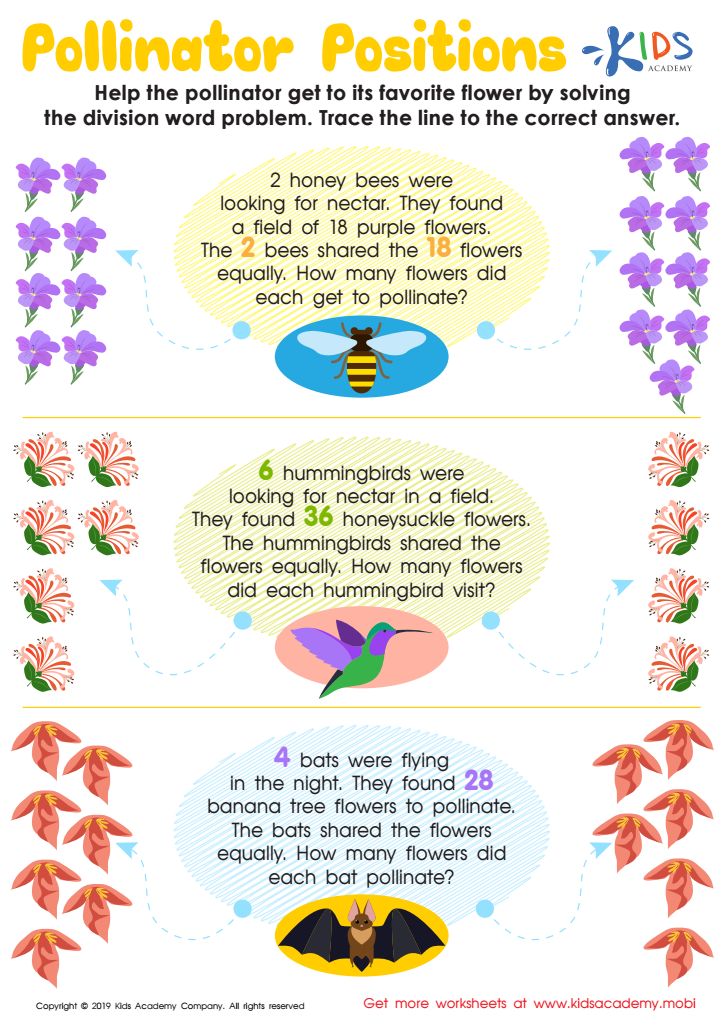
Pollinator Positions Worksheet
 Assign to My Students
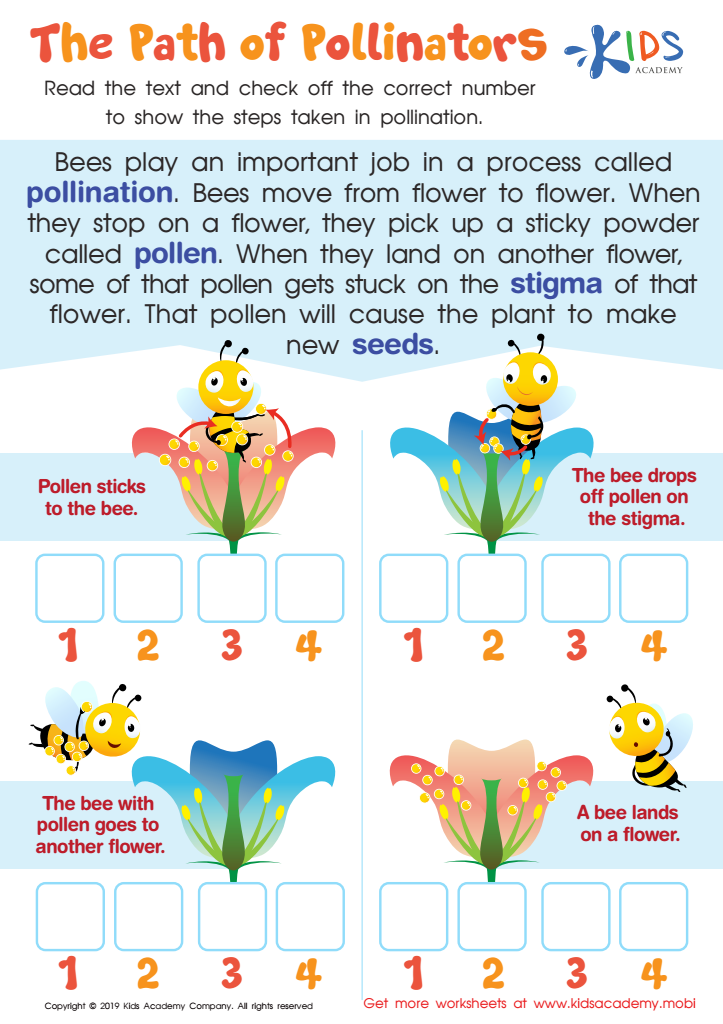
The Path of Pollinators Worksheet
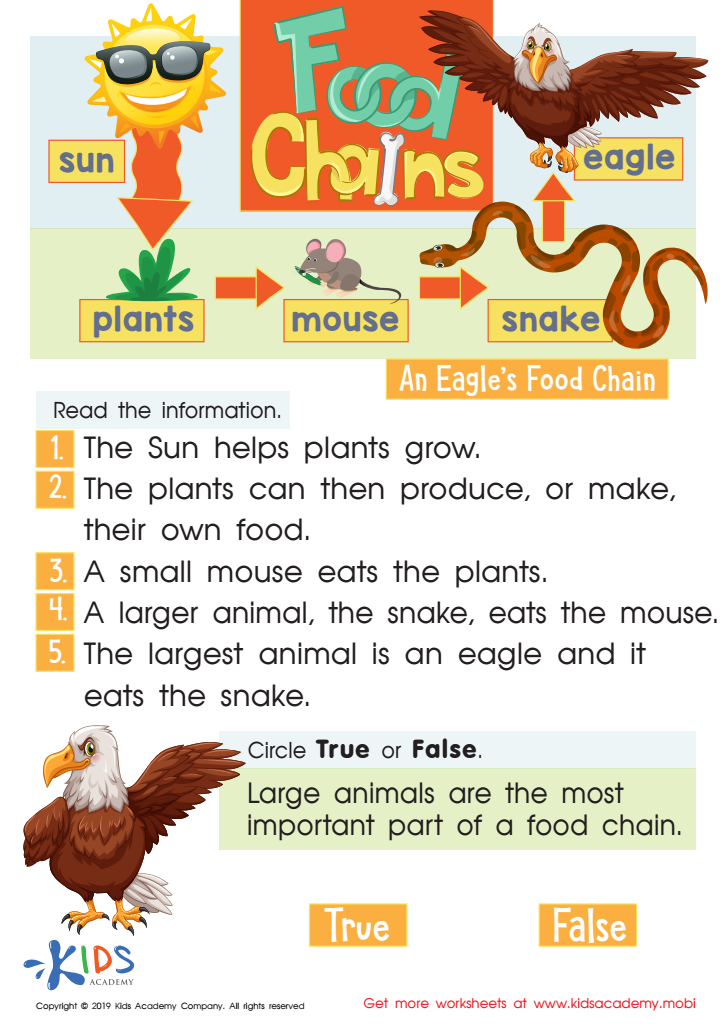
Food Chains Worksheet
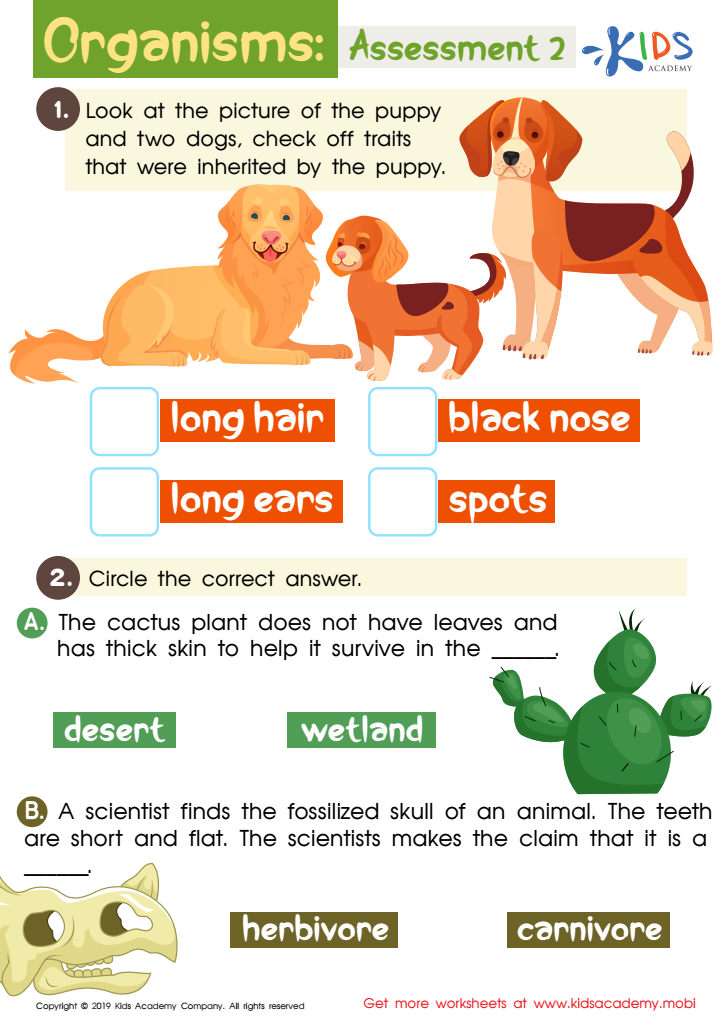
Organisms: Assessment 2 Worksheet


.jpg)





Understanding ecosystems is crucial for children ages 7-8 as it lays the foundation for their appreciation of nature and their role in the environment. At this age, children are naturally curious and eager to explore the world around them. Teaching them about ecosystems encourages this curiosity and helps them grasp the interconnectedness of living organisms and their habitats.
Early exposure to ecosystem science enriches their knowledge about biodiversity, food chains, and the importance of conservation. This knowledge fosters empathy for other living beings and instills a sense of responsibility towards the environment. By engaging with ecosystems, children learn critical thinking skills, as they observe and analyze relationships within ecosystems, enhancing their problem-solving abilities.
Furthermore, understanding ecosystems aligns with promoting sustainability. As future stewards of the planet, children who learn about ecosystems are more likely to value conservation and sustainable practices, fostering environmentally conscious citizens. Additionally, by integrating hands-on activities, such as nature walks or gardening, educators and parents can create meaningful experiences that reinforce these concepts. Overall, nurturing an understanding of ecosystems in young minds promotes a healthy relationship with the natural world, empowering them to contribute positively to its preservation.







