Number Recognition Science Worksheets for Ages 7-8
8 filtered results
-
From - To
Discover our engaging Number Recognition Science Worksheets designed specifically for children aged 7 to 8! These interactive resources enhance students' comprehension of numbers while blending foundational math skills with captivating scientific concepts. Our worksheets encourage hands-on learning, enabling young learners to identify, understand, and apply their number knowledge in real-world scientific contexts. Each worksheet features fun illustrations and age-appropriate activities that make learning enjoyable and effective. Perfect for classroom or home use, our worksheets help build confidence in number recognition and promote critical thinking. Unlock your child's potential today with our thoughtfully crafted science worksheets that encourage exploration and discovery!
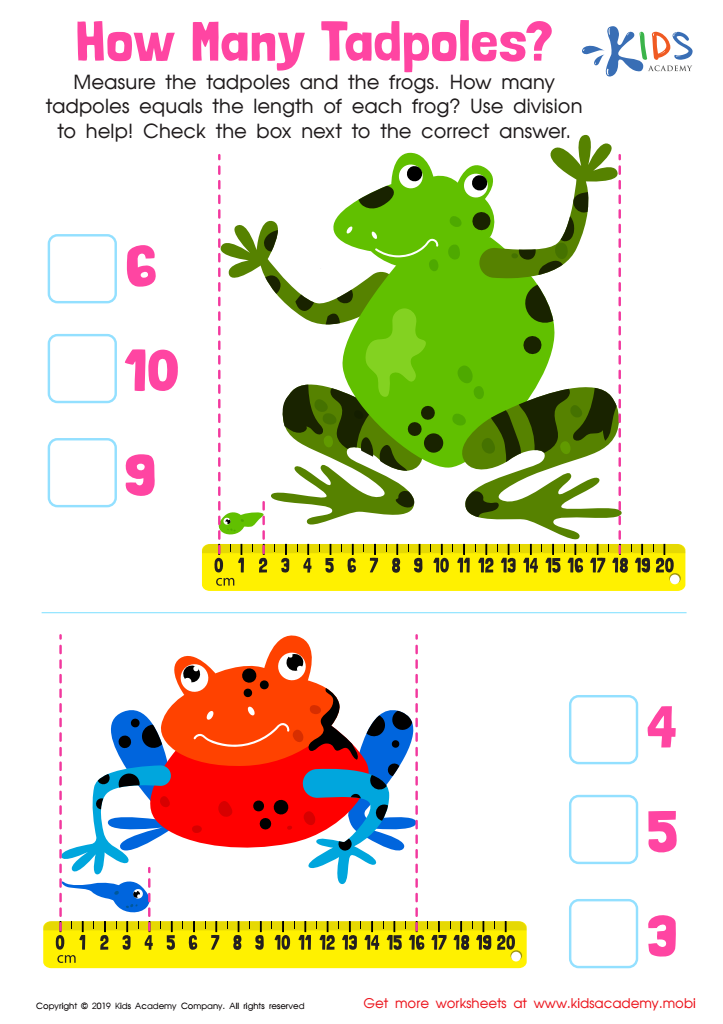
How Many Tadpoles Worksheet
 Assign to My Students
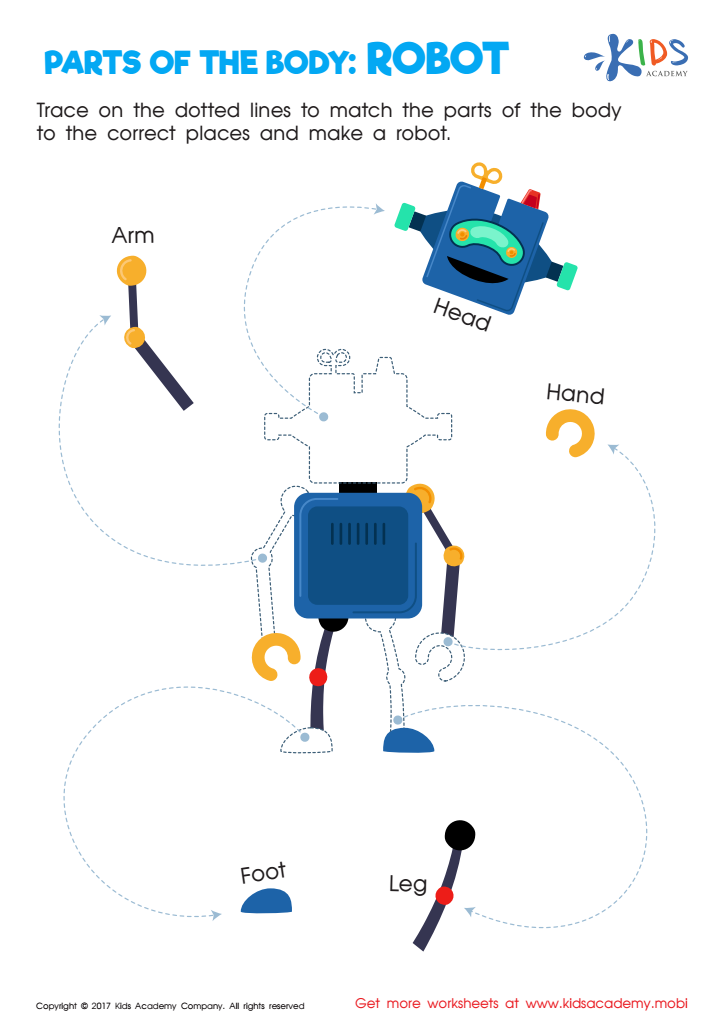
Robot Printable
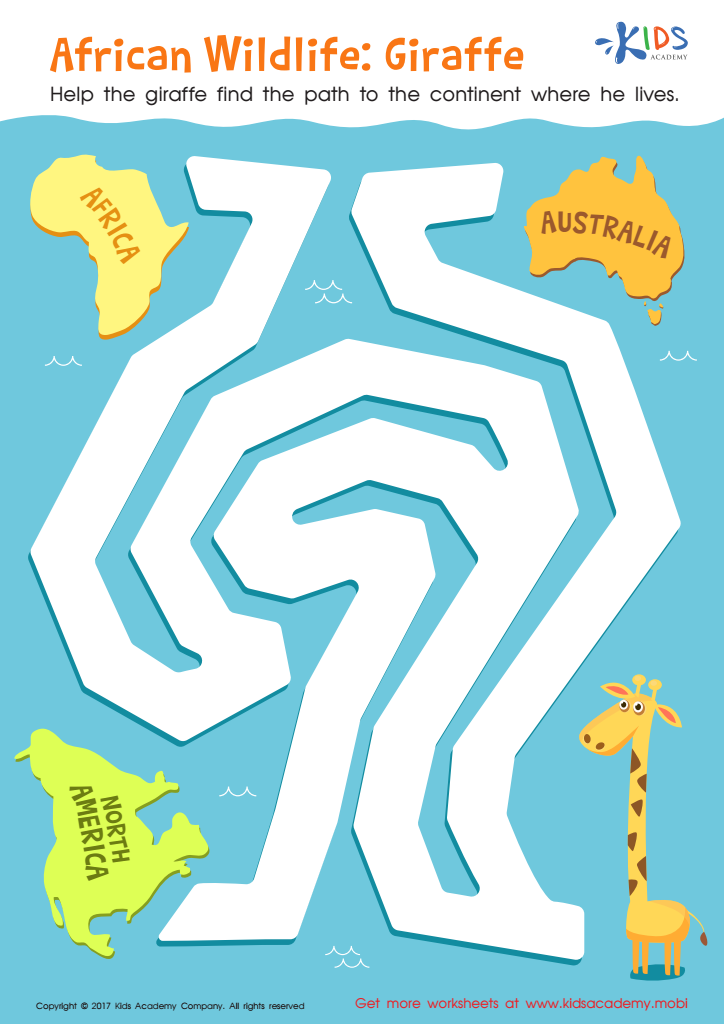
African Wildlife: Giraffe Worksheet
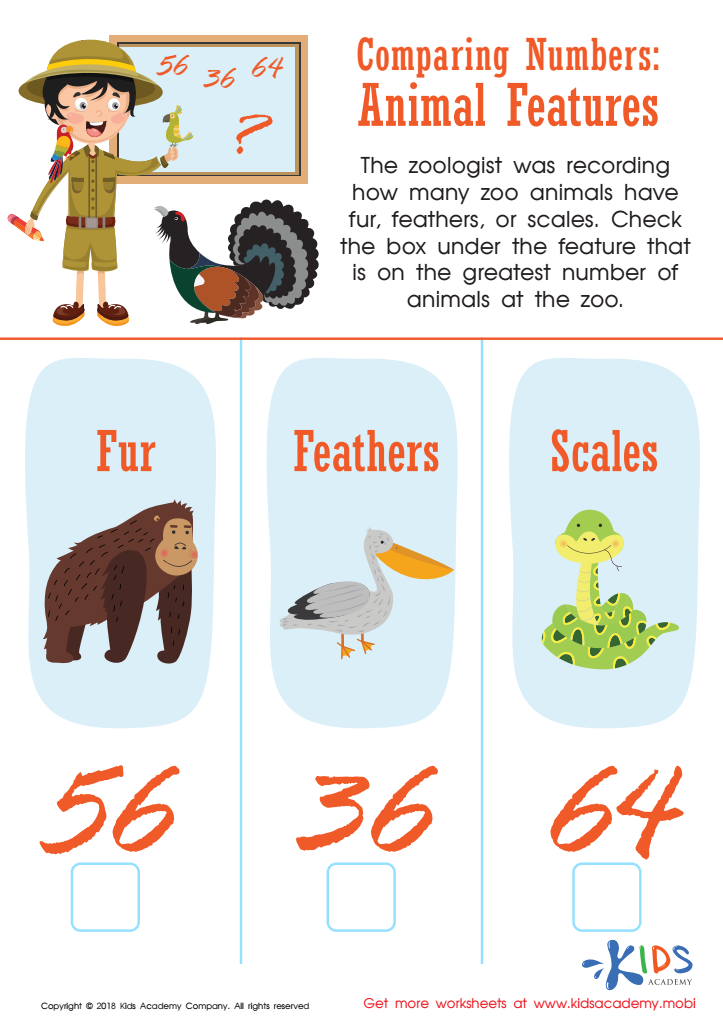
Animal Features Worksheet
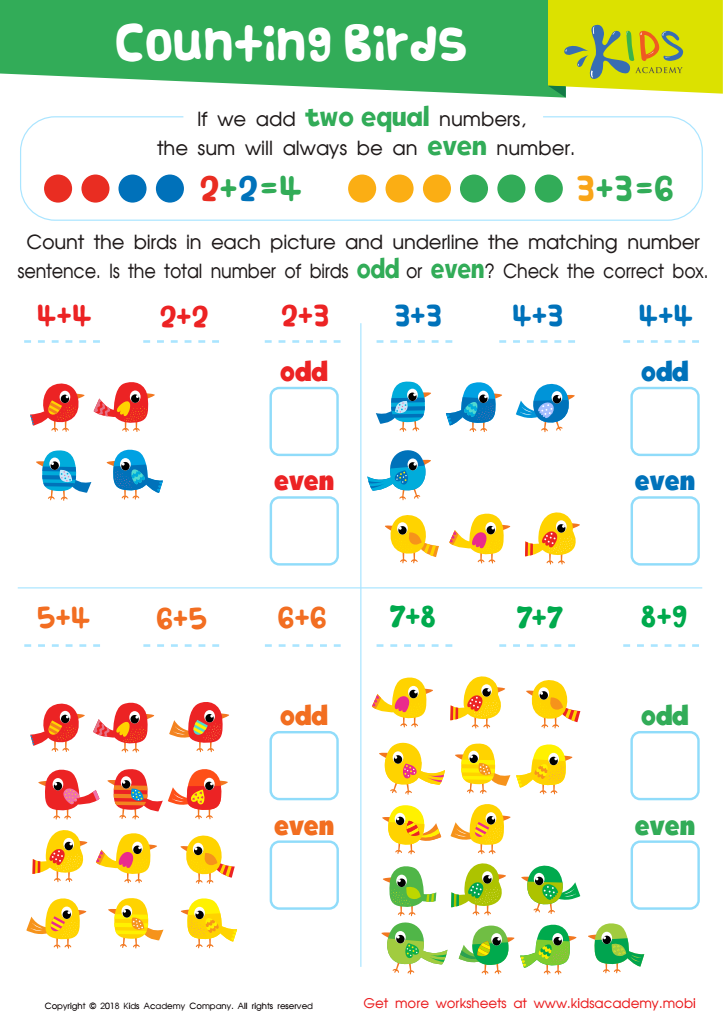
Counting Birds Worksheet
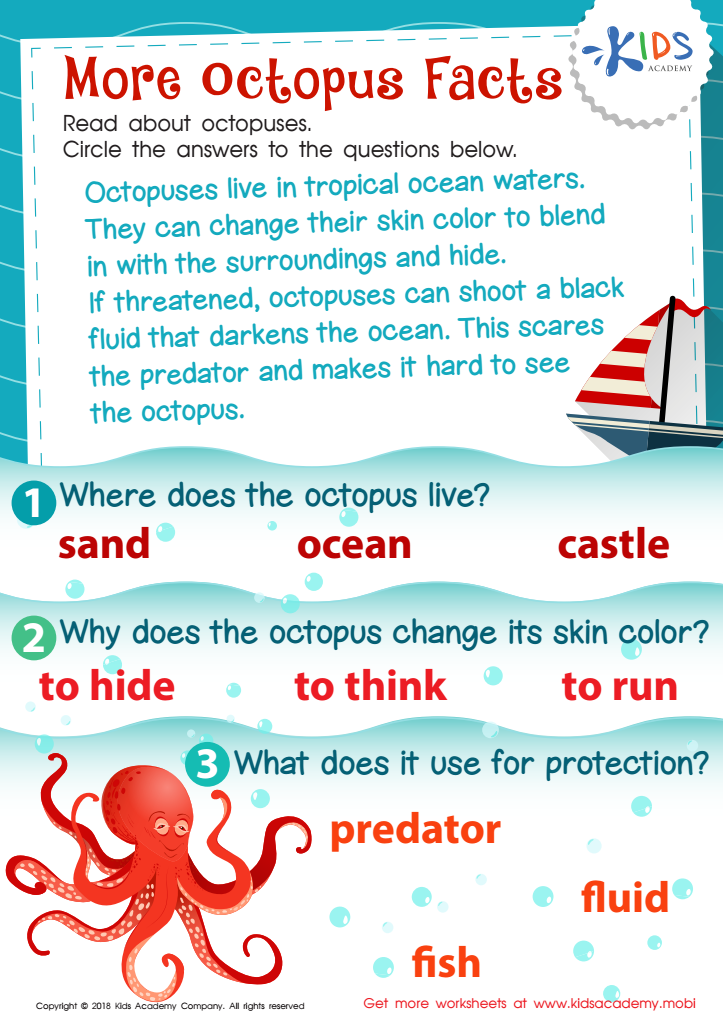
More Octopus Facts Worksheet
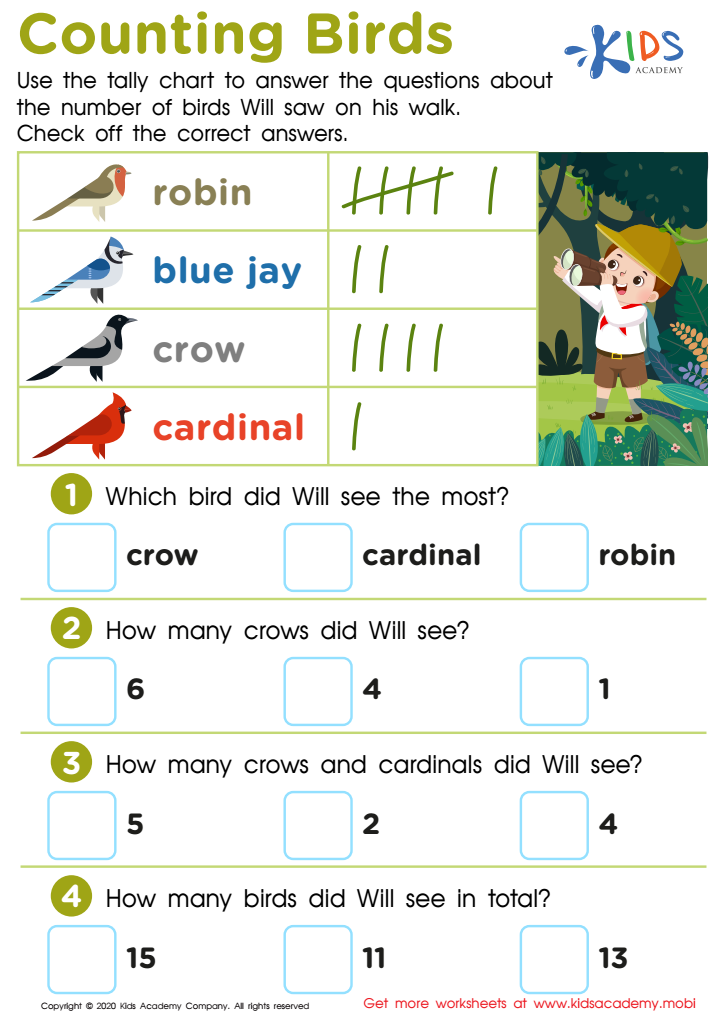
Counting Birds Worksheet
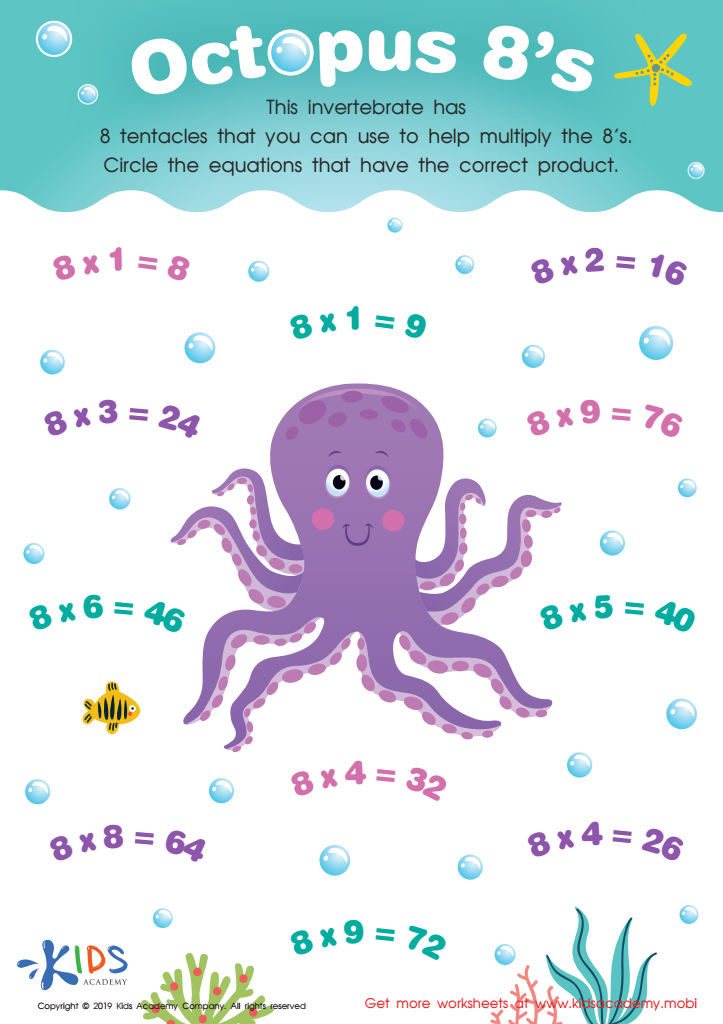
Octopus 8’s Worksheet


%20(1).jpg)



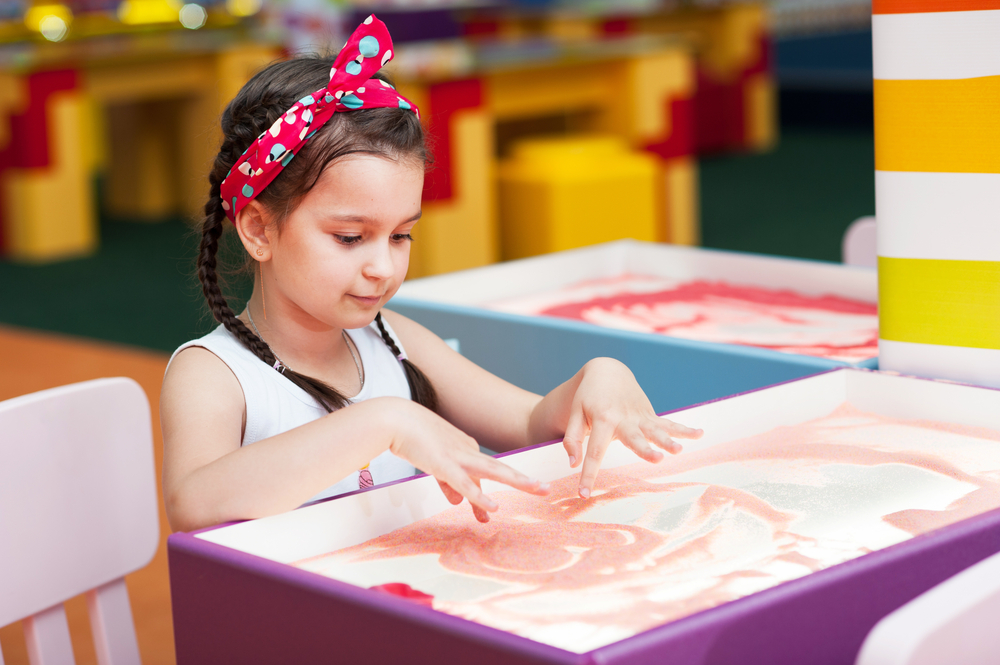

Number recognition is a fundamental skill for children ages 7-8, serving as a cornerstone for their mathematical development. At this age, children are transitioning from simple arithmetic to more complex concepts, making it crucial for parents and teachers to prioritize this skill. Mastering number recognition enhances a child's ability to understand quantity, measurement, and basic operations, setting a solid foundation for future math success.
Furthermore, number recognition extends beyond mathematics. It cultivates critical thinking and cognitive skills as children learn to identify patterns, count, and make comparisons. Engaging with numbers helps them develop problem-solving strategies, which are essential throughout their academic journey.
For parents and teachers, fostering number recognition means encouraging positive attitudes towards math, reducing math anxiety, and promoting overall confidence in children. Activities and games designed to boost number recognition can create a fun learning environment, help children engage with content creatively, and reinforce important mathematical concepts.
Ultimately, by emphasizing number recognition in early education, parents and teachers play an essential role in enabling children to develop the skills they need for academic success, lifelong learning, and practical applications of math in everyday life.







