Logical Reasoning Social Studies Worksheets for Ages 7-8
5 filtered results
-
From - To
Explore our engaging Logical Reasoning Social Studies Worksheets designed specifically for children ages 7-8. These worksheets combine key social studies concepts with logical reasoning skills, promoting critical thinking and comprehension in young learners. From puzzles to challenges, each activity encourages students to analyze information, make connections, and solve problems creatively. Ideal for both classroom use and at-home learning, our worksheets help develop essential skills while making education enjoyable. Dive into exciting topics that enrich students' understanding of the world around them, all while fostering a love for learning! Discover the perfect resources to nurture young minds today!
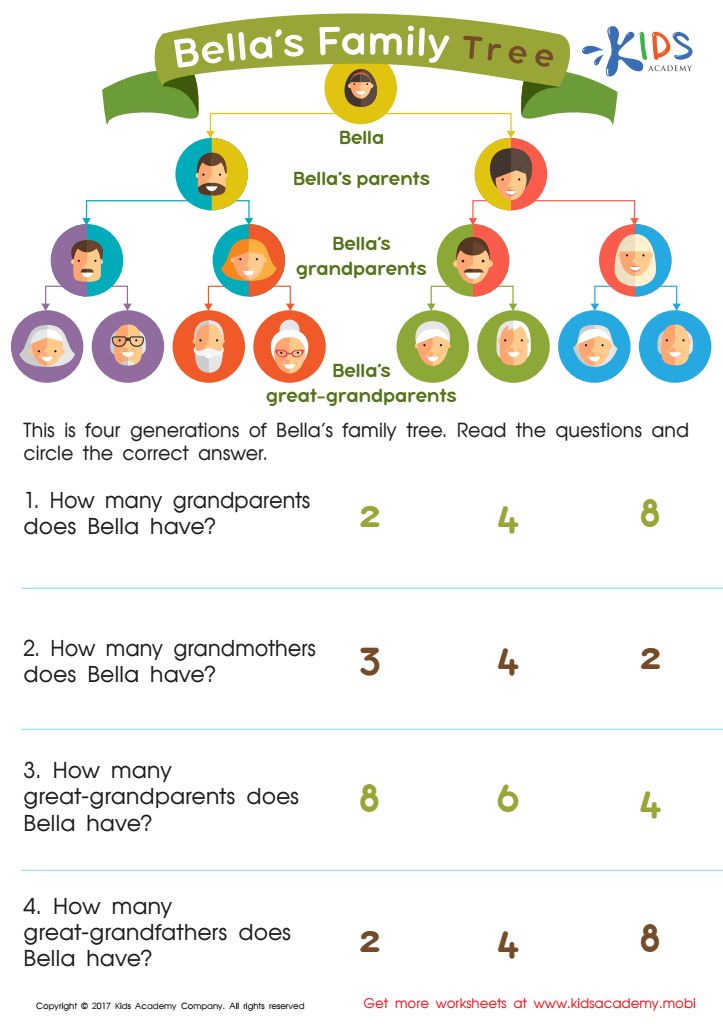
Bella's Family Tree Worksheet
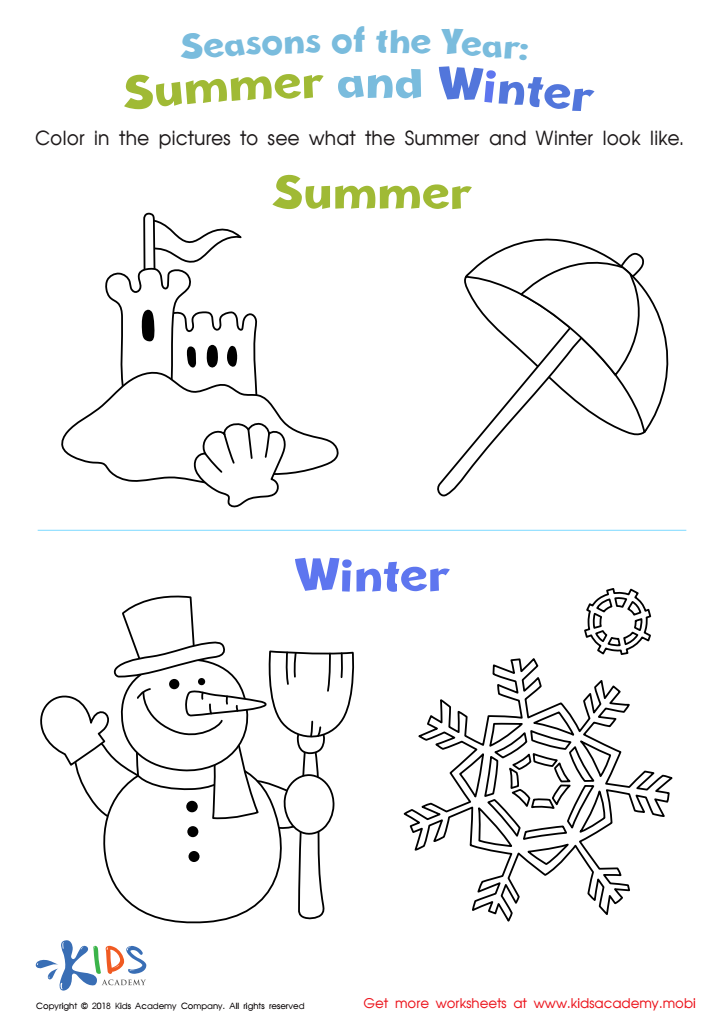
Summer and Winter Worksheet
 Assign to My Students
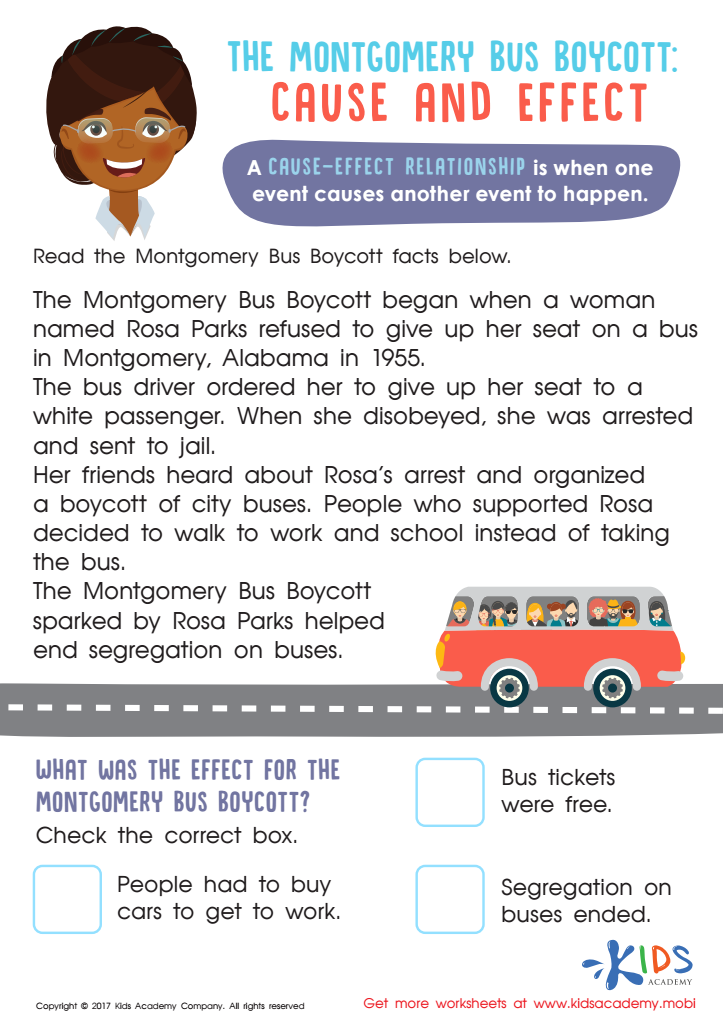
The Montgomery Bus Boycott Cause and Effect Worksheet
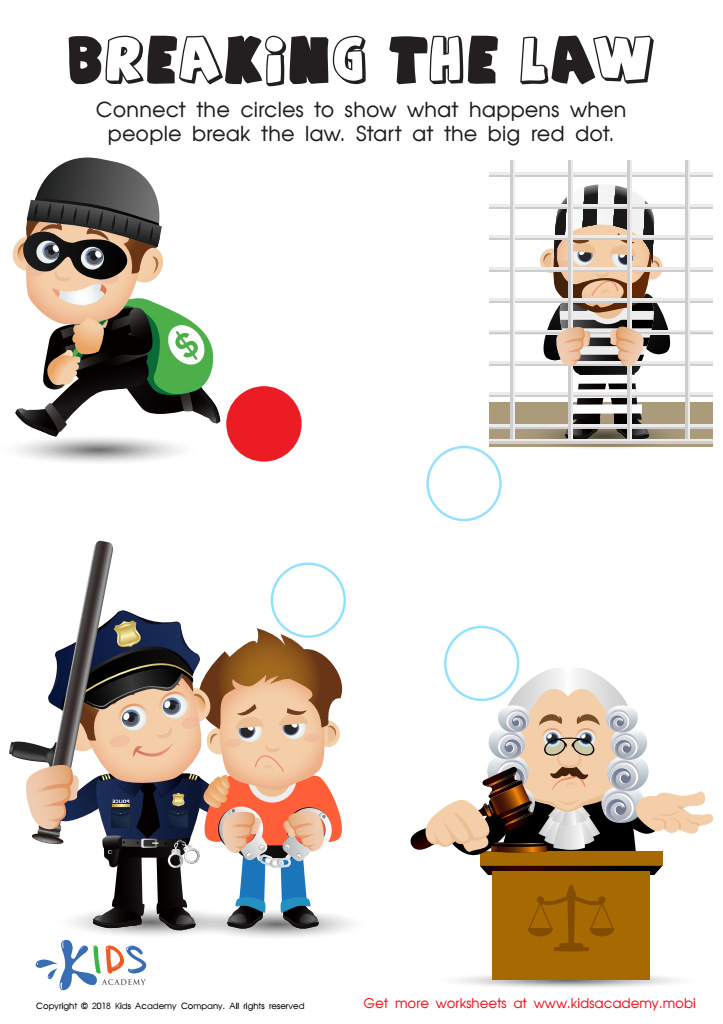
Breaking the Law Worksheet







Logical reasoning in social studies is essential for children aged 7-8 as it fosters critical thinking, enhances comprehension, and promotes a deeper understanding of the world. At this age, children are naturally curious and ready to explore complex ideas related to history, geography, and cultural studies. Integrating logical reasoning skills into social studies helps them make connections between cause and effect, understand the significance of events, and recognize the relationships between different societies and their environments.
Parents and teachers should care about this because it cultivates informed citizens who can engage thoughtfully in societal issues. Logical reasoning encourages children to question, analyze information, and form their own opinions rather than accepting facts at face value. This is particularly important in today's information-rich society, where they are often surrounded by conflicting narratives.
Furthermore, these skills promote empathy and an understanding of diversity, preparing children to navigate the complexities of a multicultural world. By prioritizing logical reasoning in social studies, we equip young learners with the tools they need to explore civic responsibilities, respect different perspectives, and become proactive participants in their communities. Ultimately, it lays a strong foundation for lifelong learning and engagement as informed adults.