Vocabulary Building Social Studies Worksheets for Ages 7-8
5 filtered results
-
From - To
Enhance your child's understanding of social studies with our engaging Vocabulary Building Worksheets designed for ages 7-8. These interactive worksheets focus on key terms and concepts, helping young learners build a solid vocabulary foundation while exploring topics like community, culture, and geography. Each worksheet is crafted to be fun and educational, making learning enjoyable and effective. With varied activities such as matching, fill-in-the-blank, and word searches, kids will reinforce their vocabulary skills while developing critical thinking. Foster a love for social studies and empower your child to communicate ideas clearly. Explore our first-grade worksheets for an enriching learning experience today!
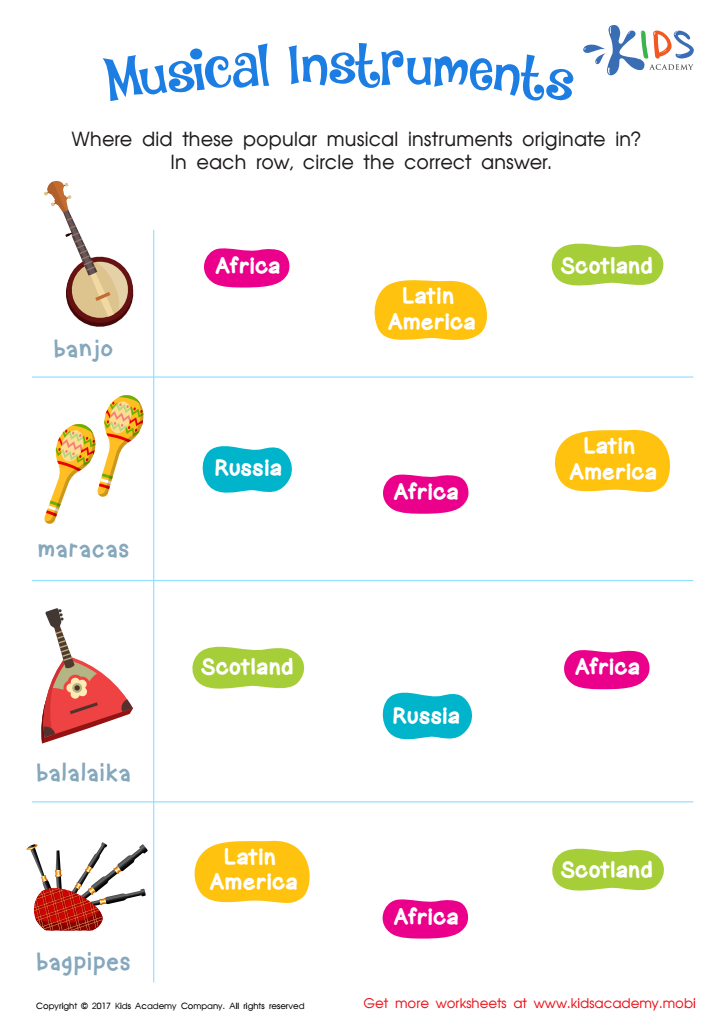
Musical Instruments Printable
 Assign to My Students
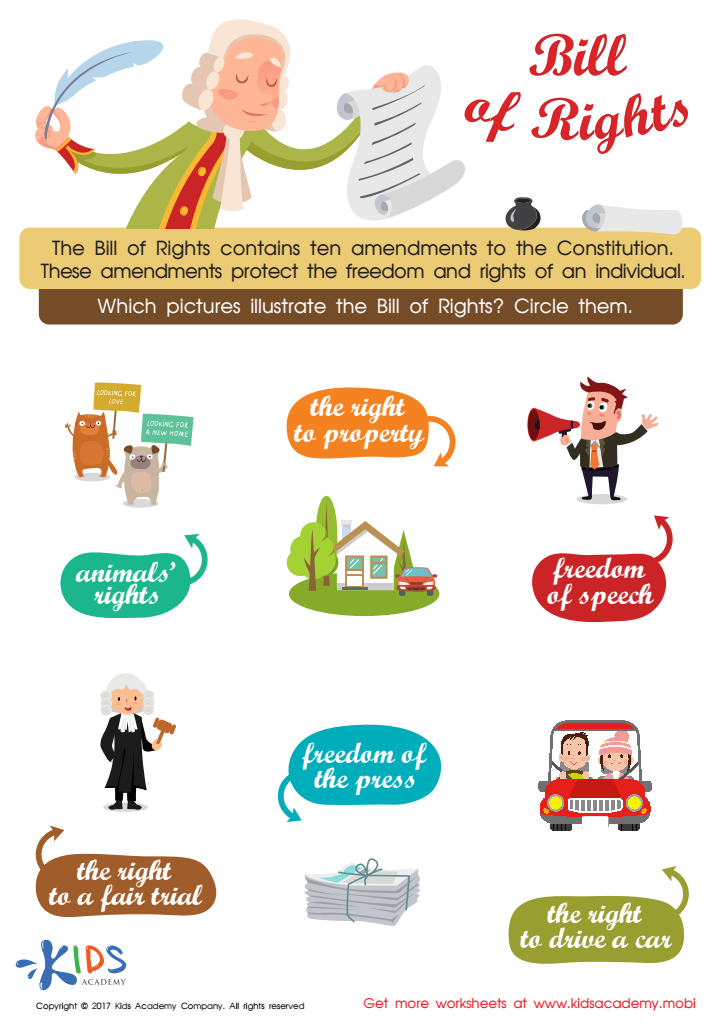
Bill of Rights Worksheet
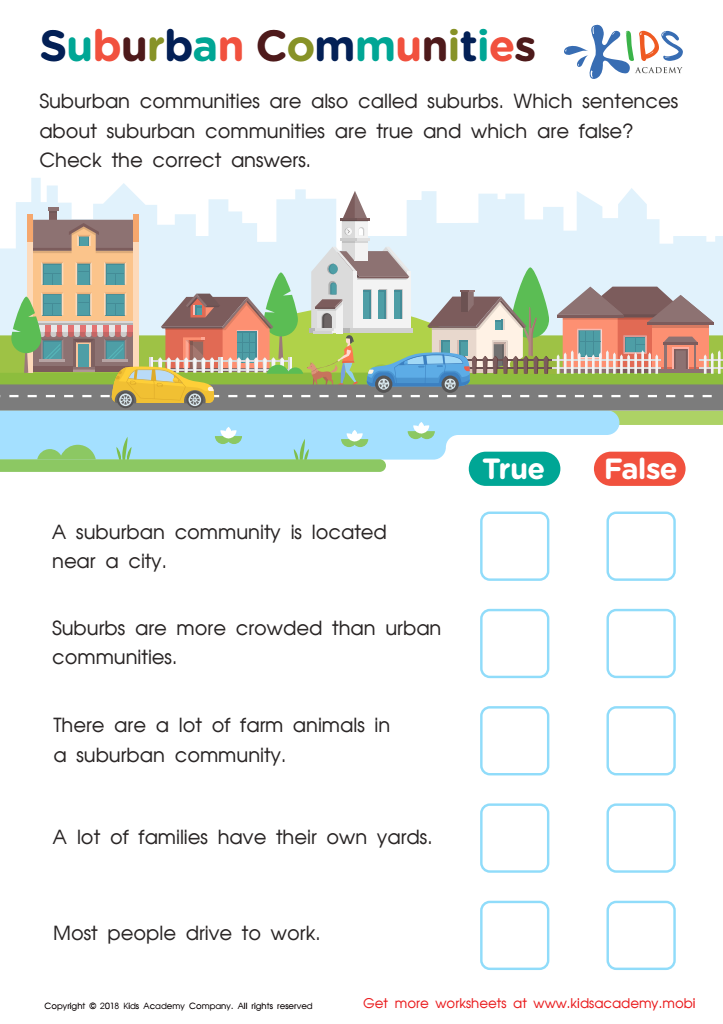
Suburban Communities Worksheet
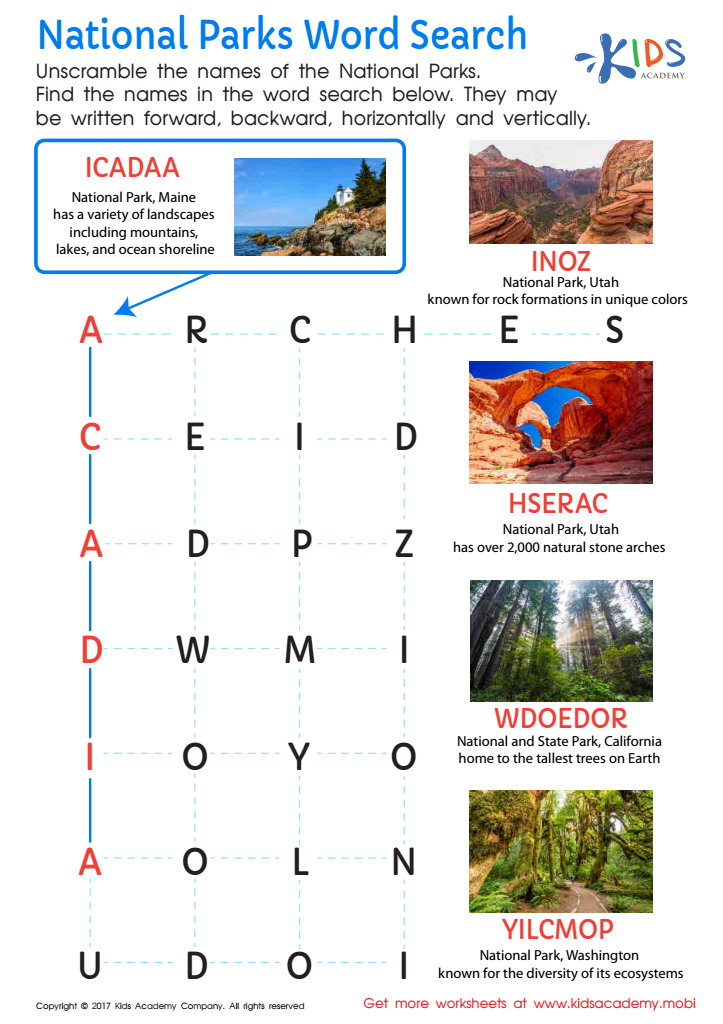
National Parks Word Search Worksheet
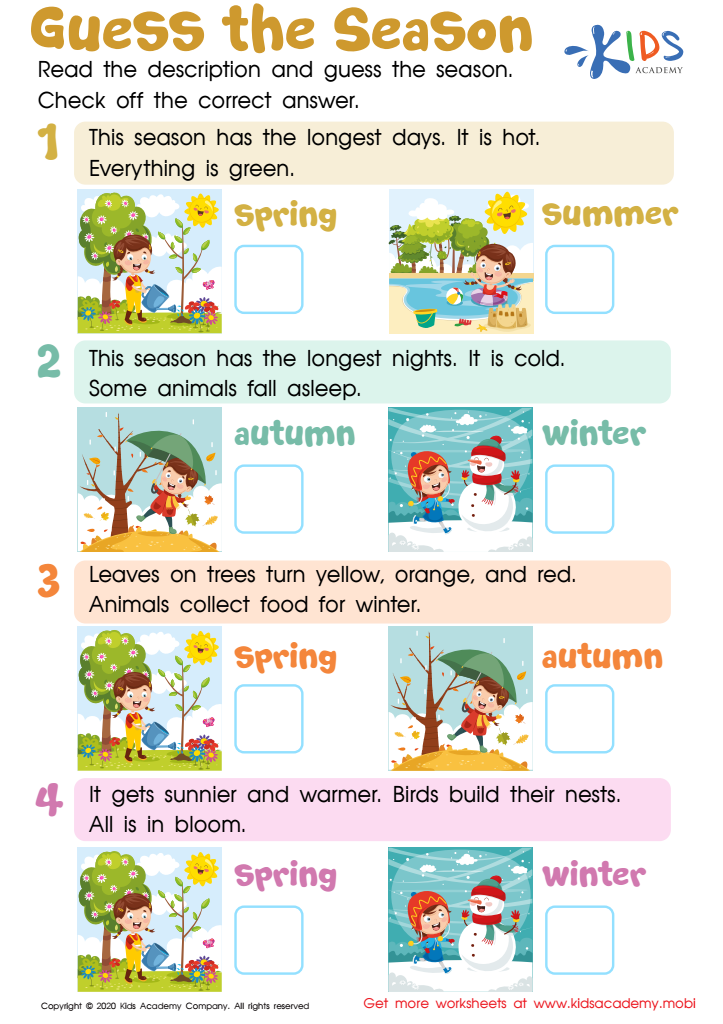
Guess the Season Worksheet








Vocabulary building in Social Studies for ages 7-8 is vital for several compelling reasons. At this age, children are developing essential language skills that form the foundation for their future academic success. Social Studies consistently exposes students to new terms related to history, geography, culture, and civics, promoting a deeper understanding of the world around them. Expanding vocabulary enables young learners to express their thoughts clearly and engage in meaningful discussions about societal issues.
Moreover, a strong vocabulary enhances reading comprehension. As children encounter new texts in Social Studies, a robust vocabulary allows them to decode and understand the material more effectively. This is crucial for fostering critical thinking skills. When students can articulate their ideas, they become active participants in their learning rather than passive observers.
Furthermore, a well-rounded vocabulary contributes to improved writing abilities. Children equipped with diverse vocabulary can better articulate their feelings and viewpoints, making their written work more compelling and persuasive.
Ultimately, investing in vocabulary building for Social Studies not only enriches children's academic profiles but also empowers them to become informed and empathetic citizens. Parents and teachers play a fundamental role in this development, ensuring children are prepared to navigate an increasingly complex world.








