Color recognition Writing Worksheets for Ages 7-8
9 filtered results
-
From - To
Introduce your child to the vibrant world of color recognition with our engaging writing worksheets designed specifically for ages 7-8! These interactive resources help young learners explore colors while enhancing their writing skills. Each worksheet incorporates fun activities, such as identifying and labeling colors, to promote both creativity and comprehension. As children express themselves through writing, they'll develop their vocabulary and understanding of color concepts, making learning enjoyable and effective. Perfect for at-home practice or classroom use, our color recognition writing worksheets provide a solid foundation in literacy while celebrating the excitement of colors. Download now and inspire your child's learning journey!
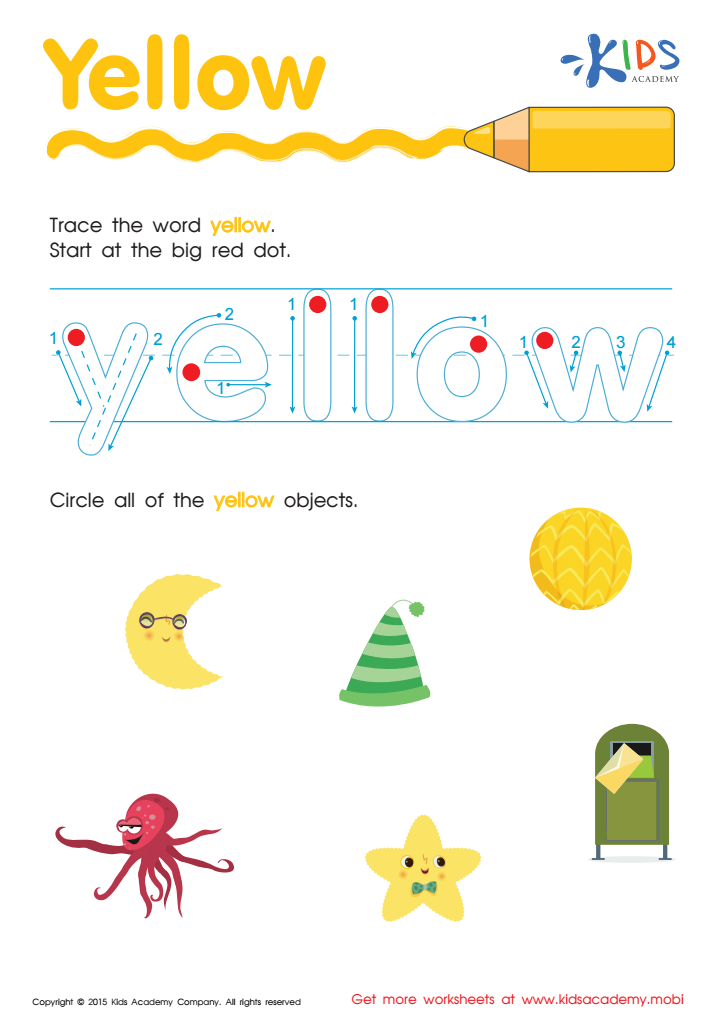
Yellow Tracing Color Words Worksheet
 Assign to My Students
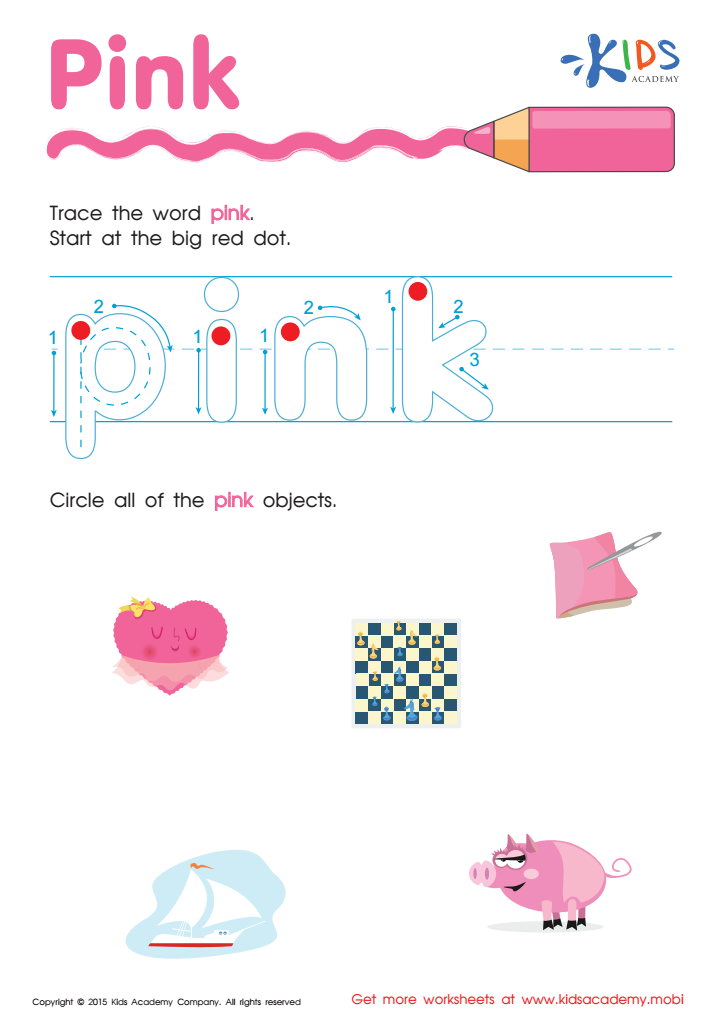
Pink Tracing Color Words Worksheet
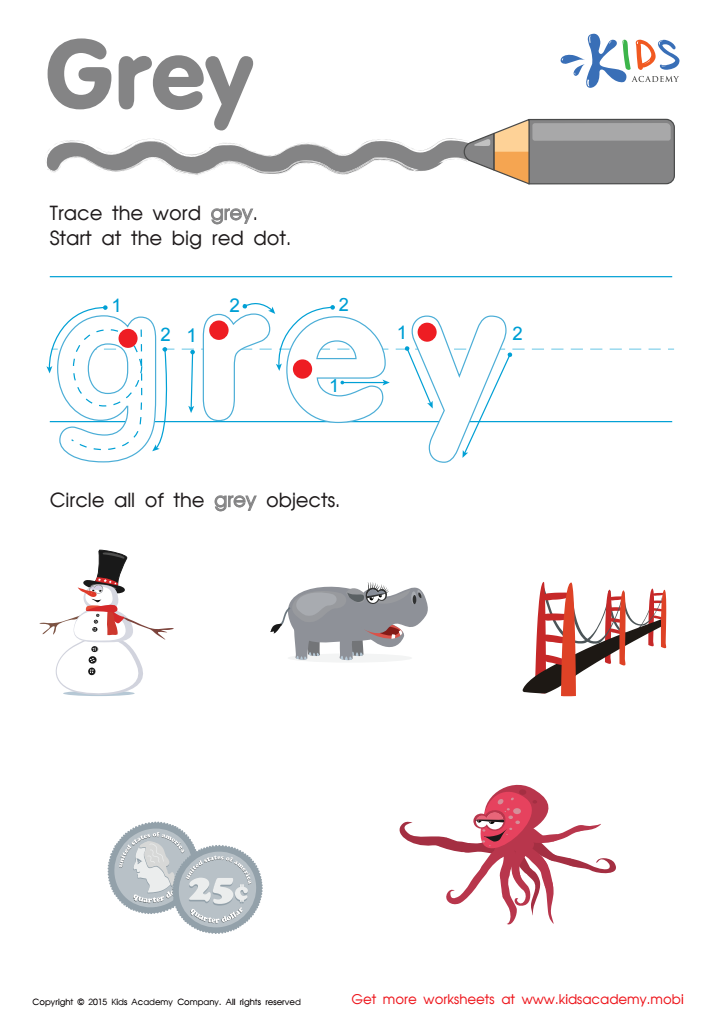
Grey Tracing Color Words Worksheet
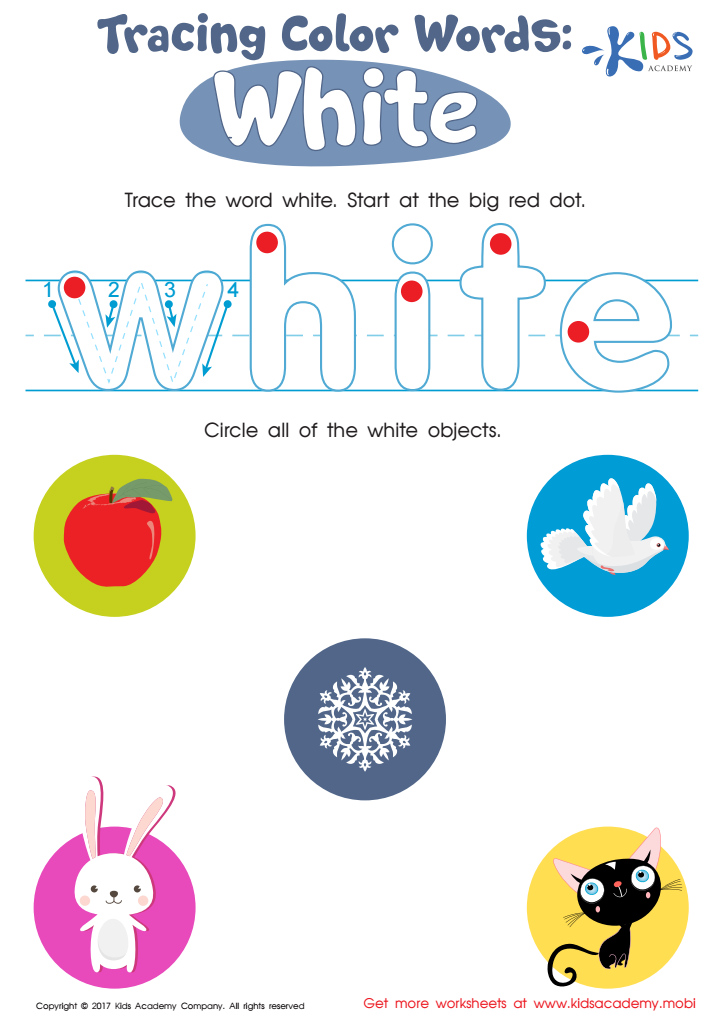
White Tracing Color Words Worksheet
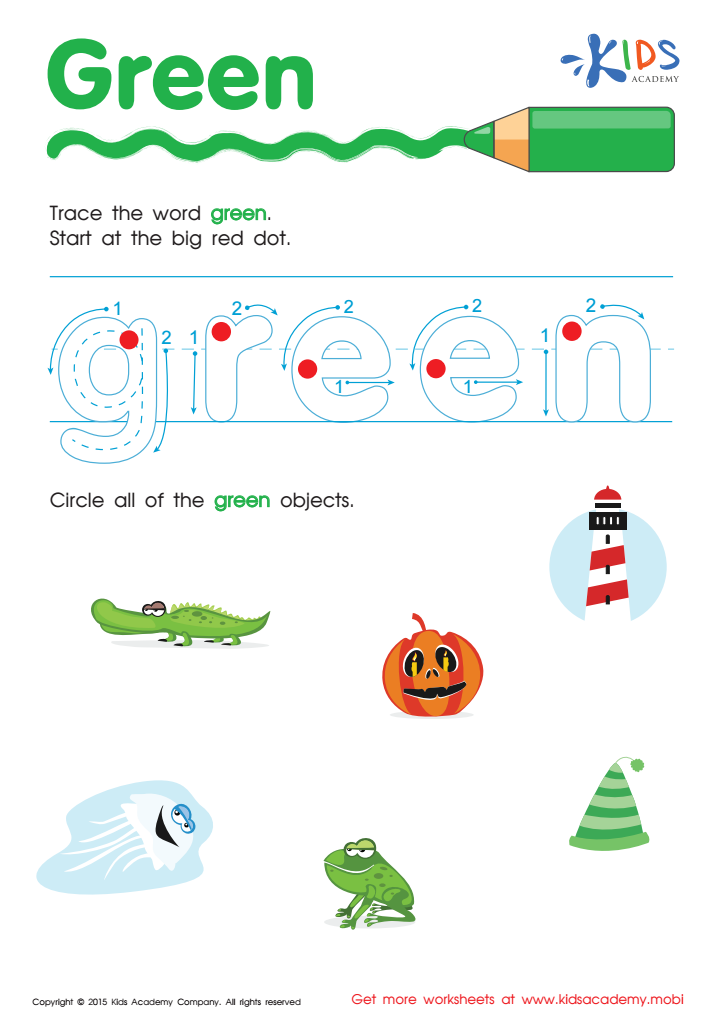
Green Tracing Color Words Worksheet
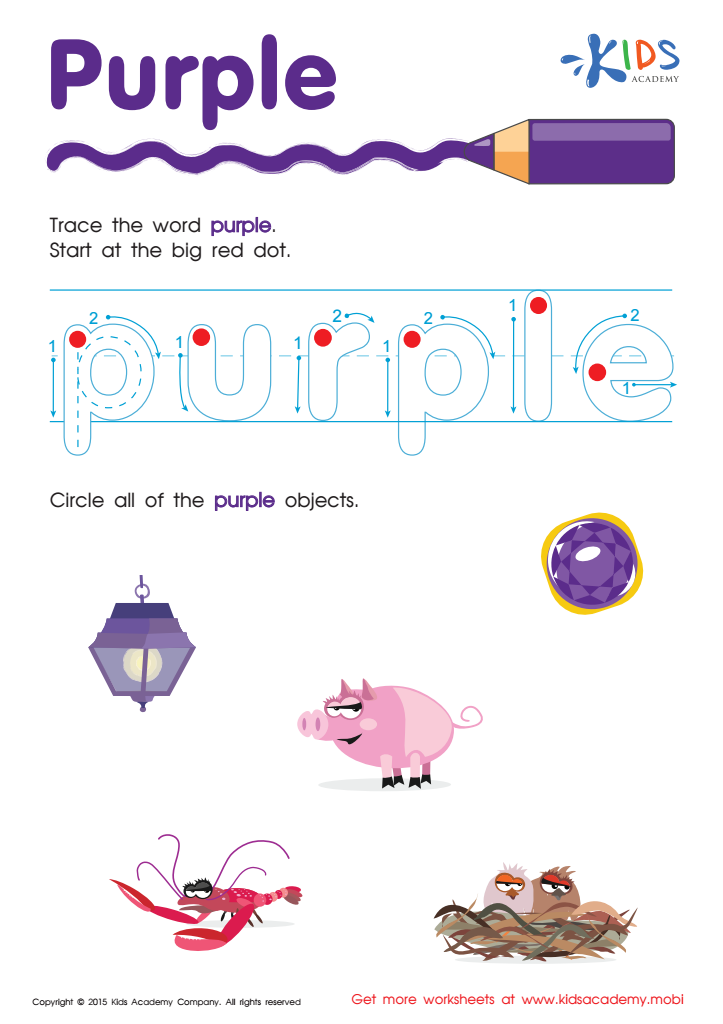
Purple Tracing Color Words Worksheet
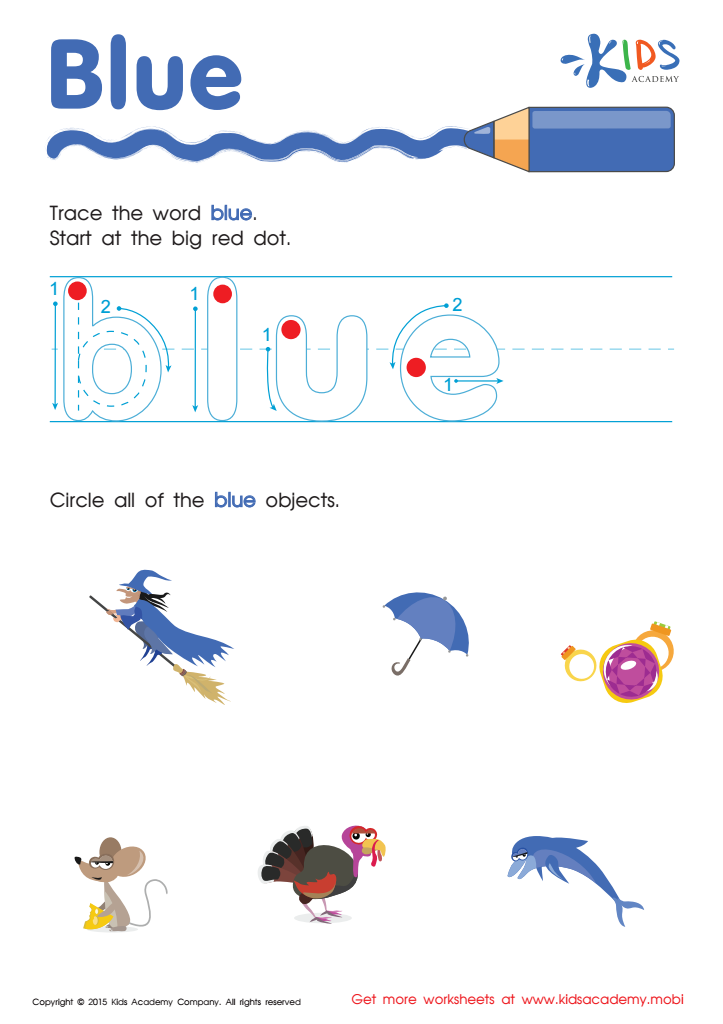
Blue Tracing Color Words Printable
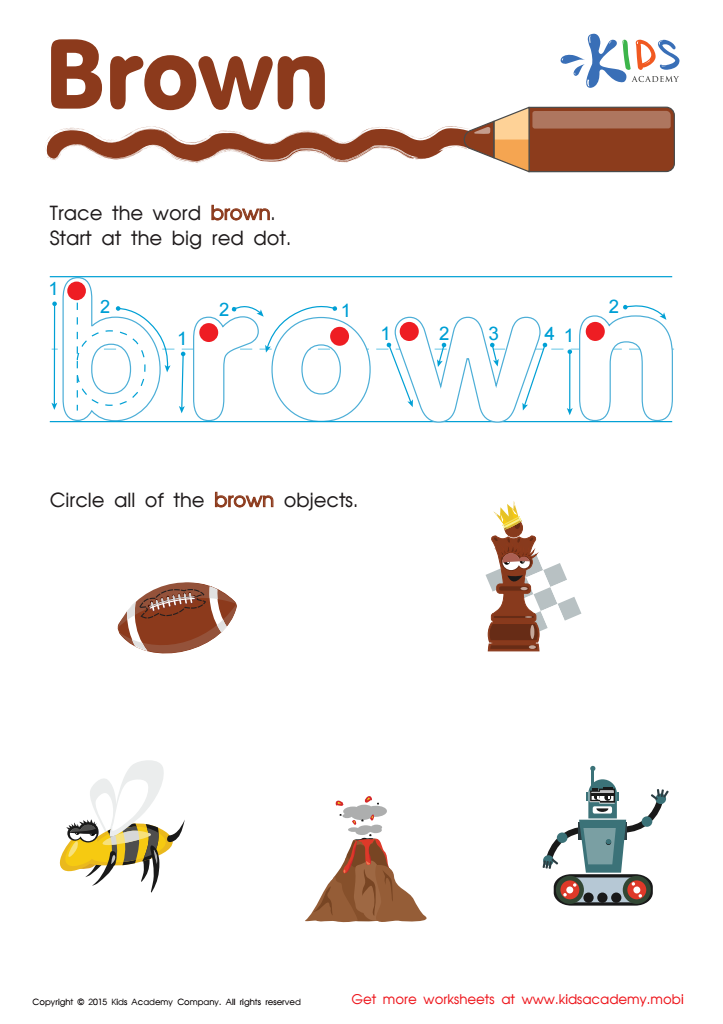
Brown Tracing Color Words Worksheet
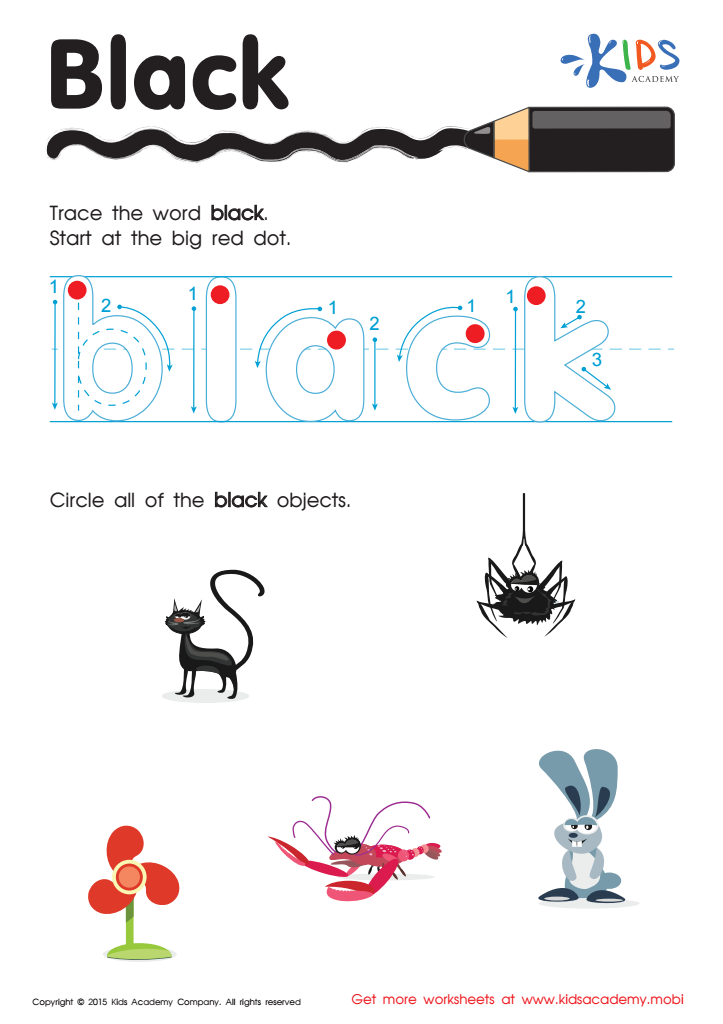
Black Tracing Color Words Printable








Color recognition is a foundational skill that plays a critical role in the cognitive and social development of children aged 7-8. At this age, children are increasingly engaged with their environment and beginning to articulate their observations about the world. Understanding colors enhances their descriptive language, helping them communicate their feelings, preferences, and experiences more effectively.
From an educational perspective, color recognition supports various learning areas, including art, math, and science. For instance, recognizing colors can aid in understanding concepts of categorization and patterns in math. In science, it fosters an appreciation of nature, as children learn to identify and describe the world around them. Furthermore, color plays an essential role in memory and association, as children often use color cues to recall information.
Socially, recognizing colors can improve peer interactions and cooperation during group activities and projects. It can also serve as a starting point for discussions about diversity and emotions, enhancing empathy among children.
In summary, prioritizing color recognition not only enriches educational experiences but also supports overall growth in communication, cognition, and social skills, ultimately laying the groundwork for lifelong learning and engagement. Teachers and parents should actively nurture this skill to foster holistic development.








