Phonics Skills Writing Worksheets for Ages 7-8
9 filtered results
-
From - To
Enhance your child's reading and writing abilities with our engaging Phonics Skills Writing Worksheets for ages 7-8! Designed to reinforce crucial phonics concepts, these worksheets offer fun, interactive exercises that promote letter recognition, sound decoding, and spelling skills. Each activity encourages children to practice word formation, blending sounds, and identifying vowel sounds through captivating prompts. Ideal for both classroom and home learning, our worksheets provide a structured yet enjoyable way to build confidence in writing. Help your 7-8 year-olds master phonics and pave the way for their reading success! Explore our collection today and watch them thrive in their literacy journey!
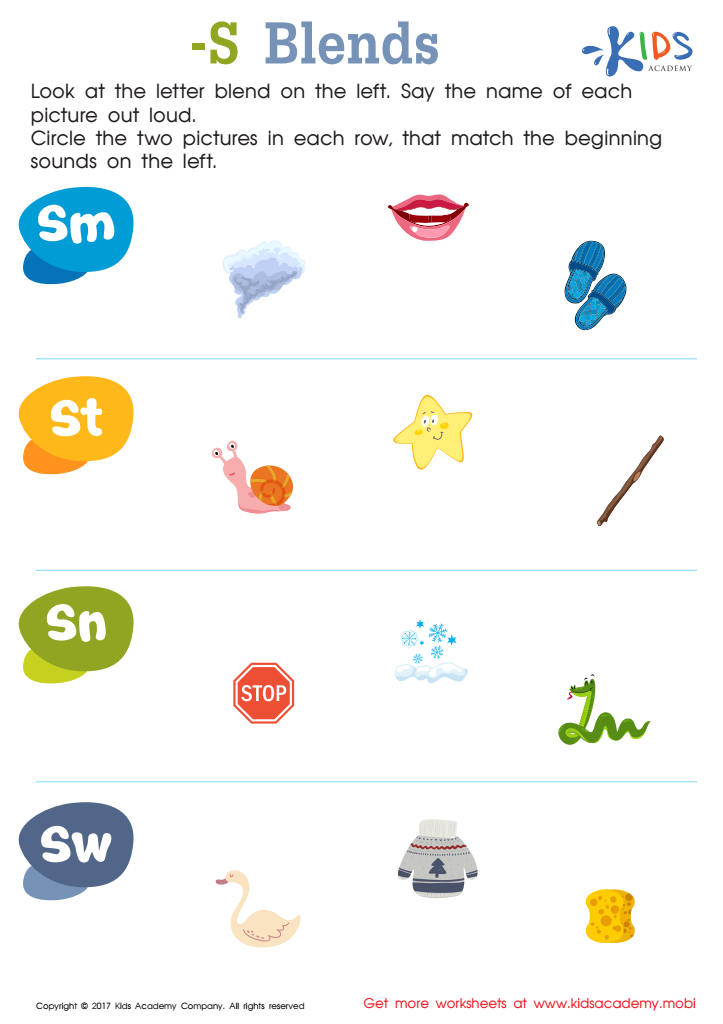
"s" Blends Spelling Printable
 Assign to My Students
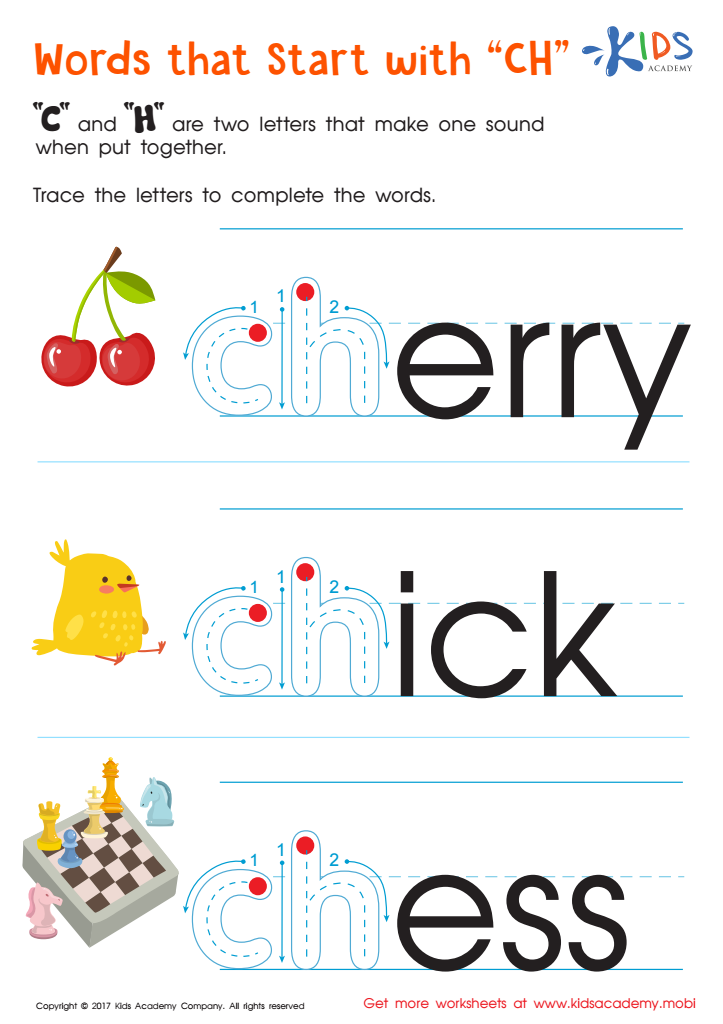
Words That Start with "ch" Spelling Worksheet
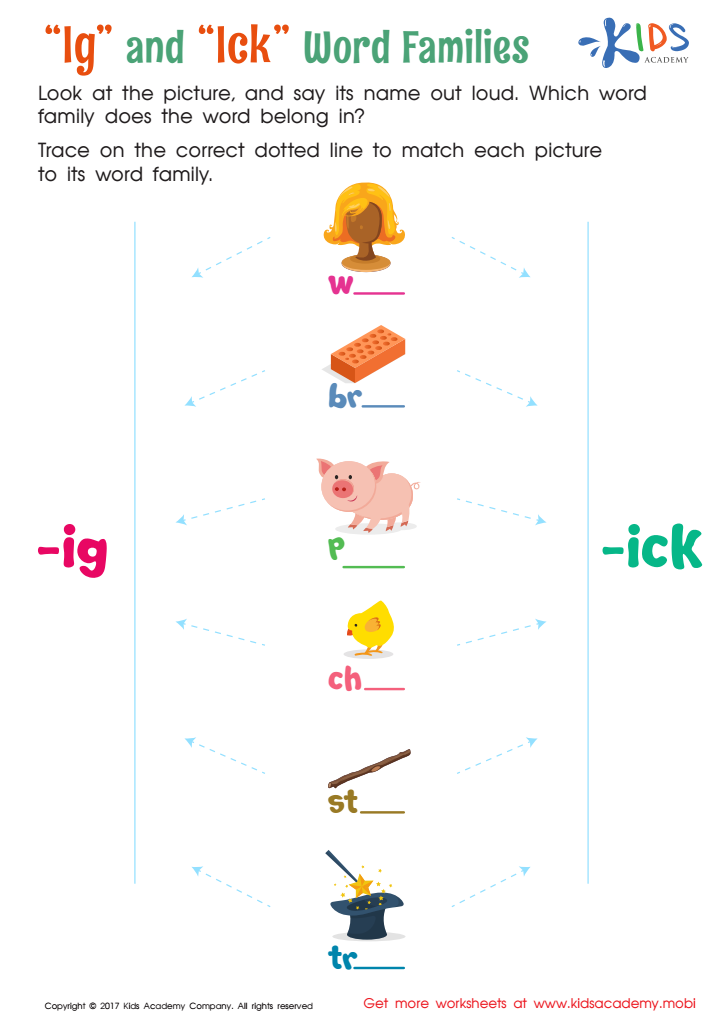
Words Families "ig" and "ick" Spelling Worksheet
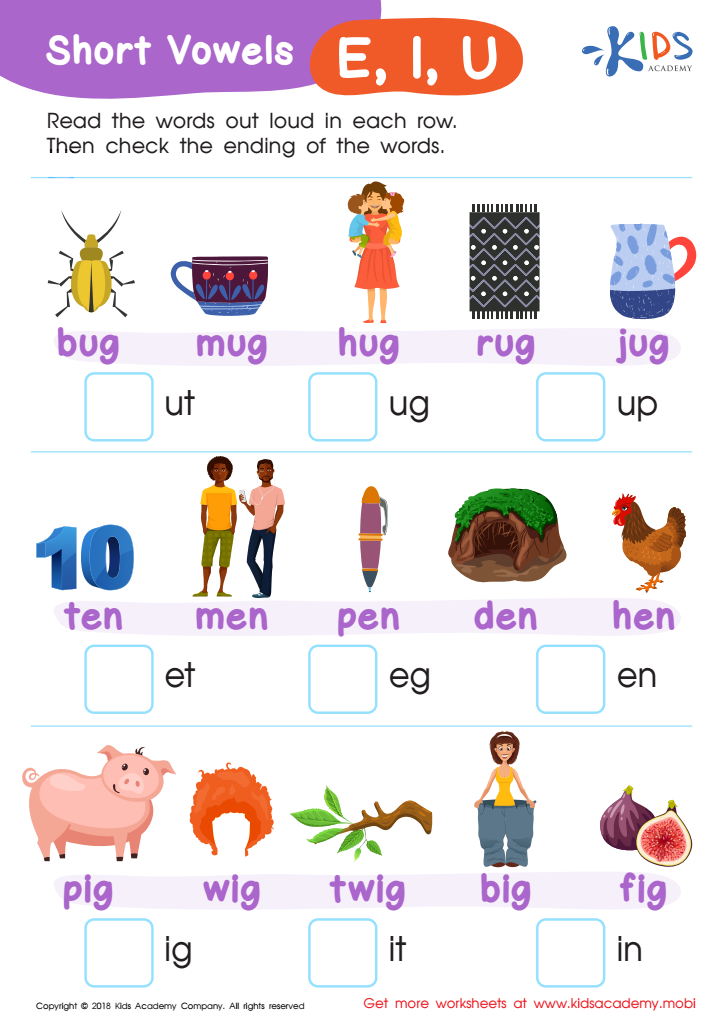
Short Vowels /e/, /i/, and /u/ Worksheet
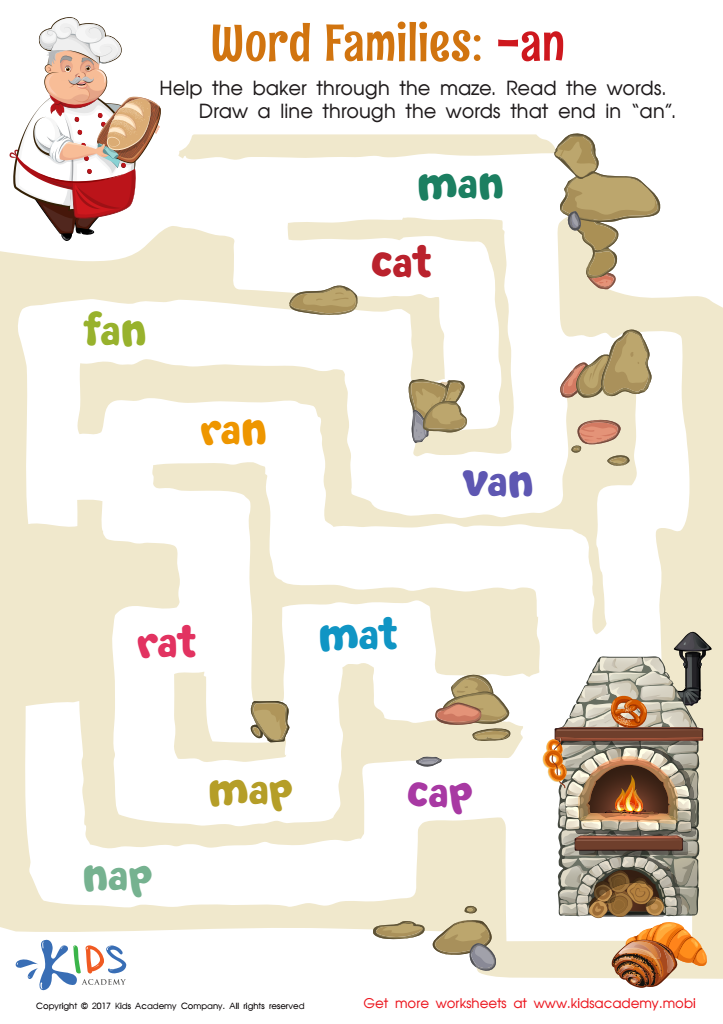
Words Families "an" Spelling Worksheet
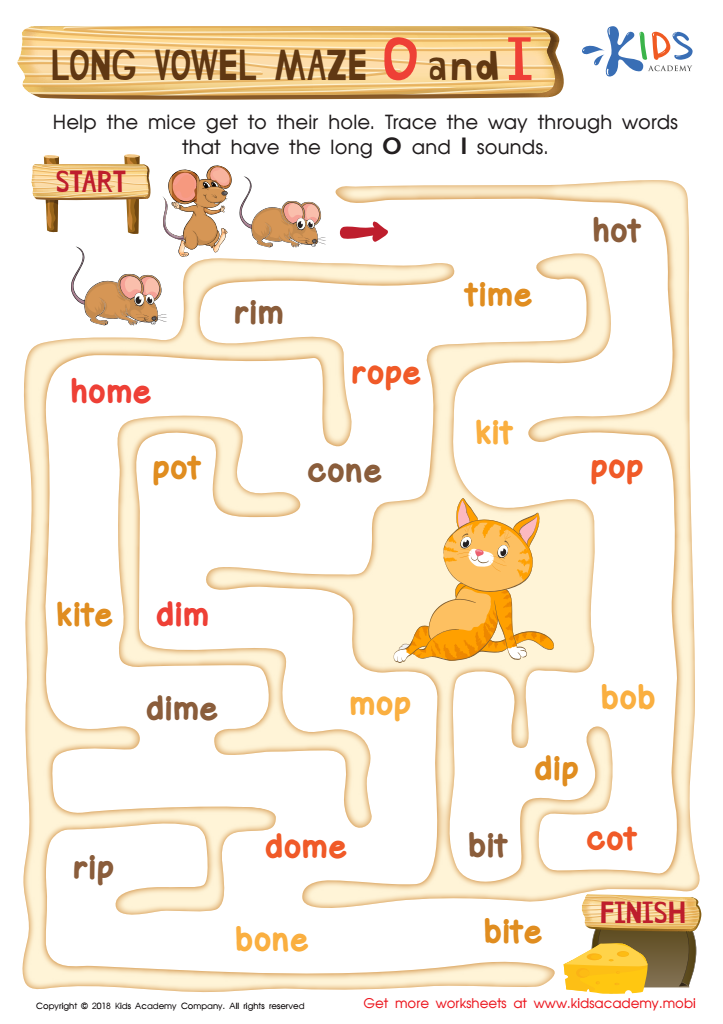
Long Vowel Maze /o/ and /i/ Worksheet
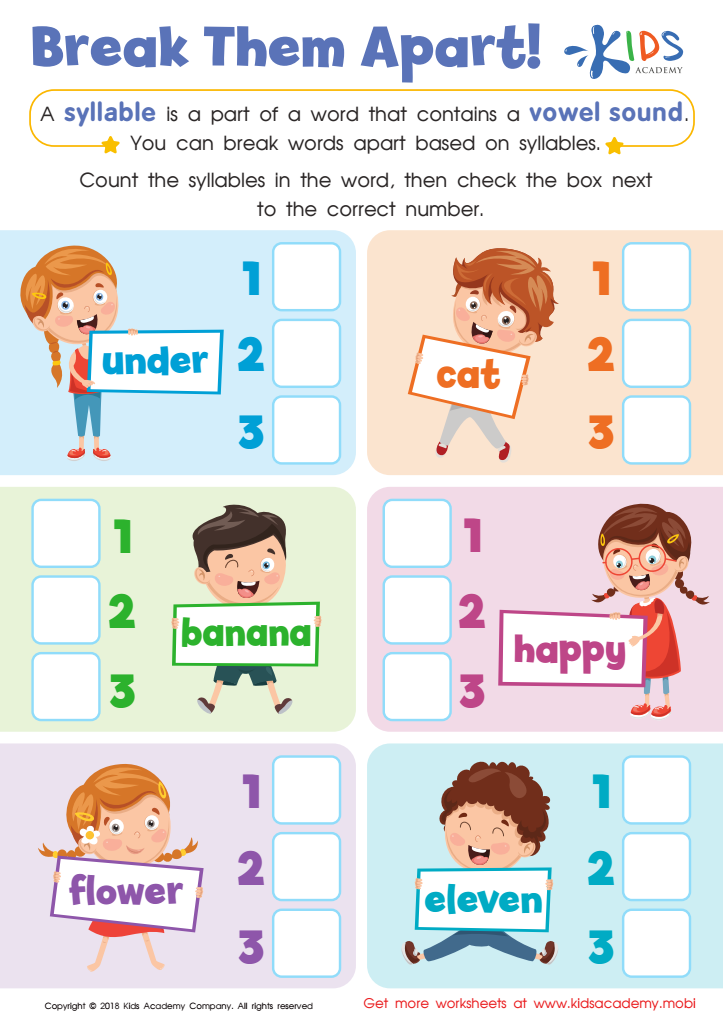
Reading: Break Them Apart Worksheet
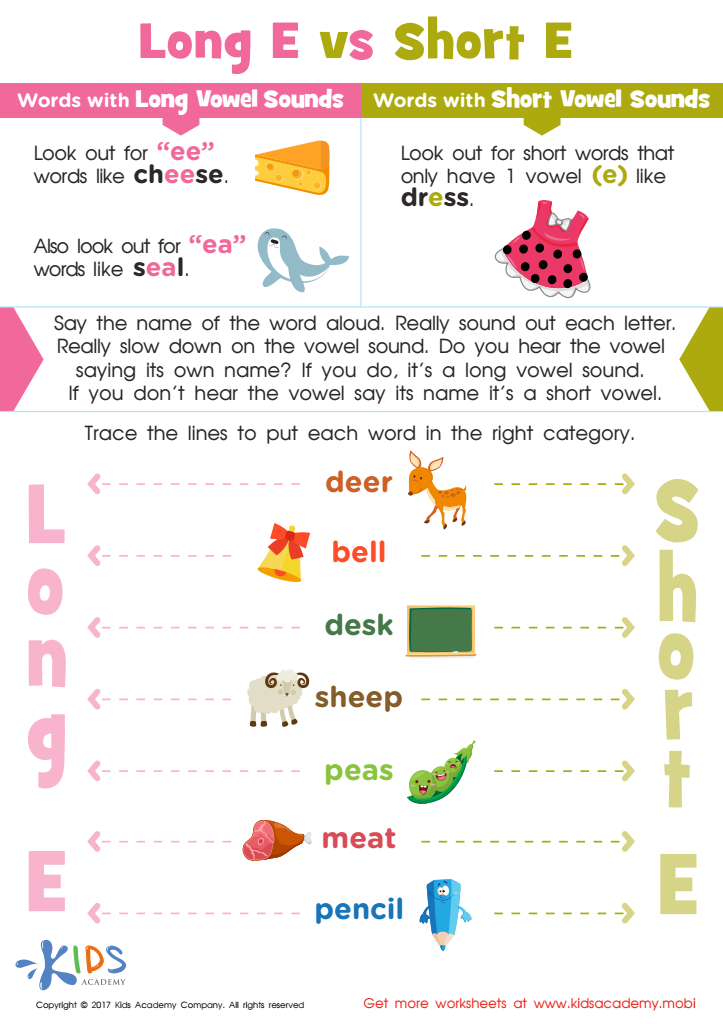
Long and Short Vowel E Spelling Worksheet
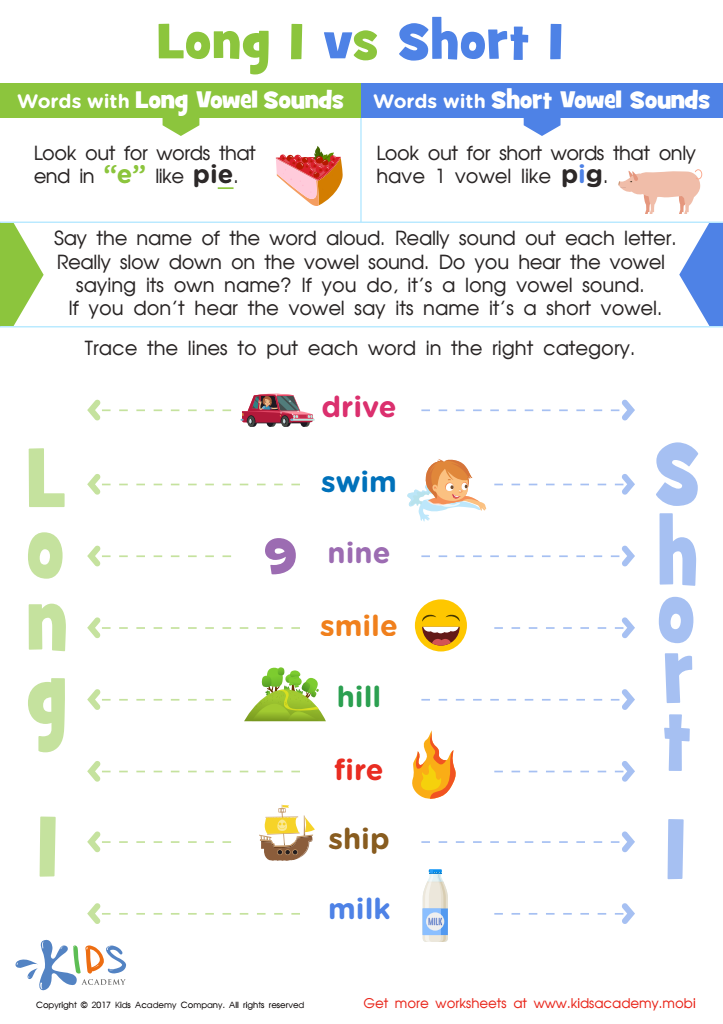
Long and Short Vowel I Spelling Worksheet


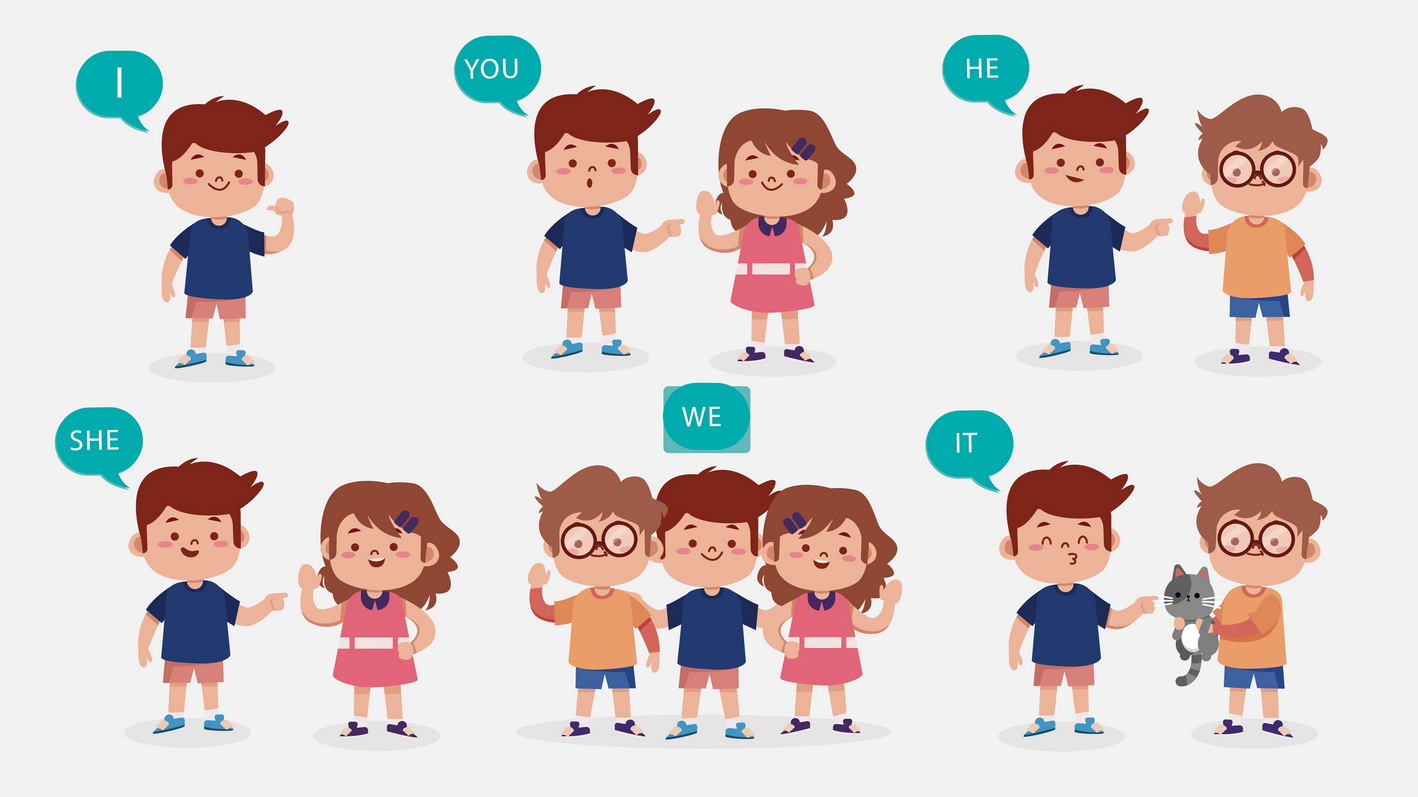




Parents and teachers should prioritize phonics skills writing for children aged 7-8 because this critical stage marks a pivotal development in literacy. At this age, children are transitioning from learning to read to reading to learn, making strong phonics skills essential. Phonics, the relationship between sounds and letters, lays the foundation for accurate spelling, fluent reading, and effective writing.
By strengthening phonics understanding, children begin to decode unfamiliar words independently, which in turn builds their confidence and motivation. This increased confidence enables them to engage more deeply with texts, expand their vocabulary, and express their thoughts more coherently in writing. Furthermore, incorporating phonics skills during writing exercises provides opportunities for practice in context, reinforcing spelling patterns and enhancing overall literacy coherence.
Moreover, strong phonics skills are linked to later academic success. By nurturing these skills early, parents and teachers are setting students on a trajectory for improved reading comprehension and writing proficiency. Since literacy is intertwined with success across all subjects, attention to phonics writing benefits children's overall educational outcomes. Ultimately, fostering phonics skills during this crucial age supports children’s communication abilities and prepares them for lifelong learning.








