Comparing sizes Worksheets for Ages 7-9
6 filtered results
-
From - To
Welcome to our engaging "Comparing Sizes Worksheets" specifically designed for children ages 7-9! These worksheets develop essential skills by helping young learners understand and compare different sizes through fun and interactive activities. With a variety of exercises focusing on measurement, sequencing, and visual comparison, kids will enhance their critical thinking and observational skills in an enjoyable way. Ideal for classroom use or homeschooling, our resources are tailored to support your child's growth in math concepts. Explore the exciting world of sizes and help your child build confidence in their learning journey today! Featuring colorful illustrations and straightforward instructions, learning has never been more fun!
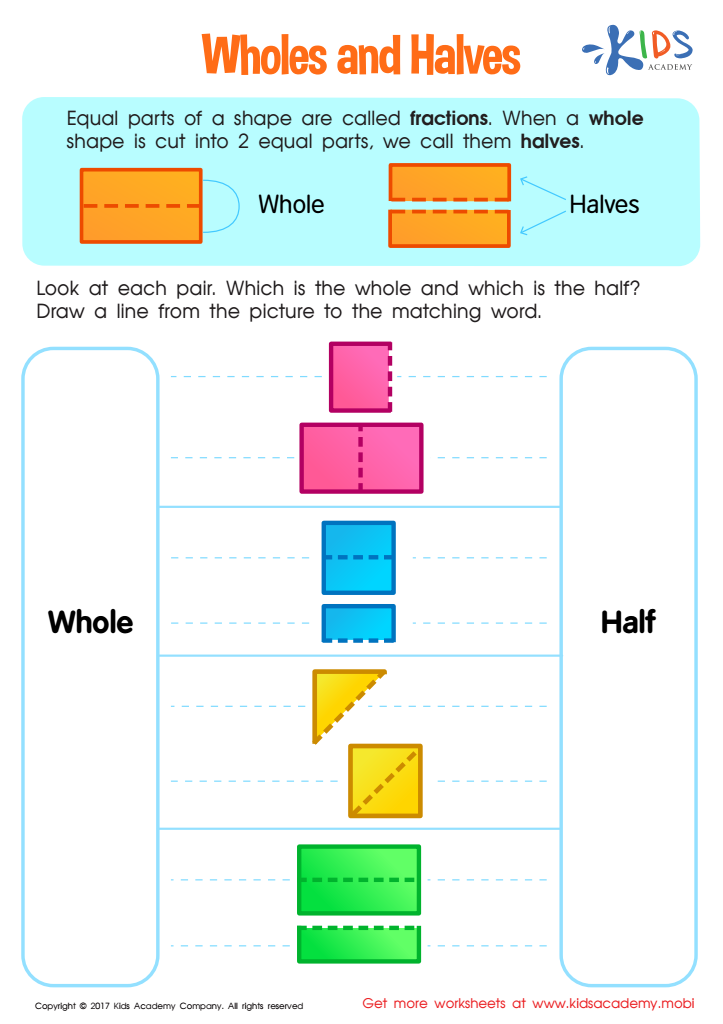
Wholes and Halves Worksheet
 Assign to My Students
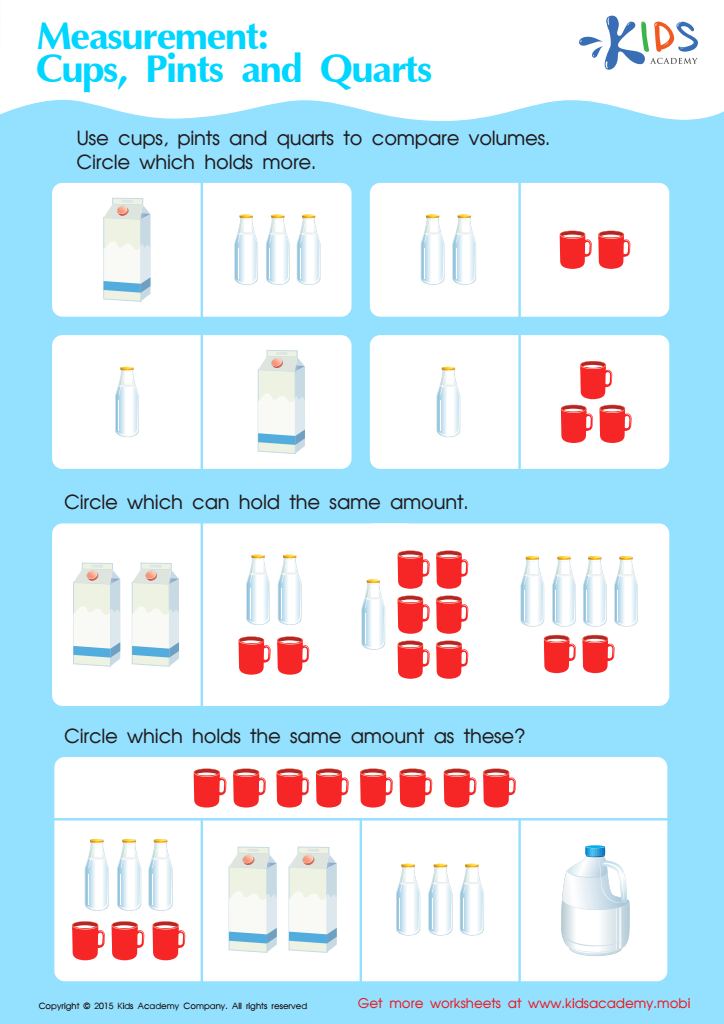
Measurement: Compare Volumes Worksheet
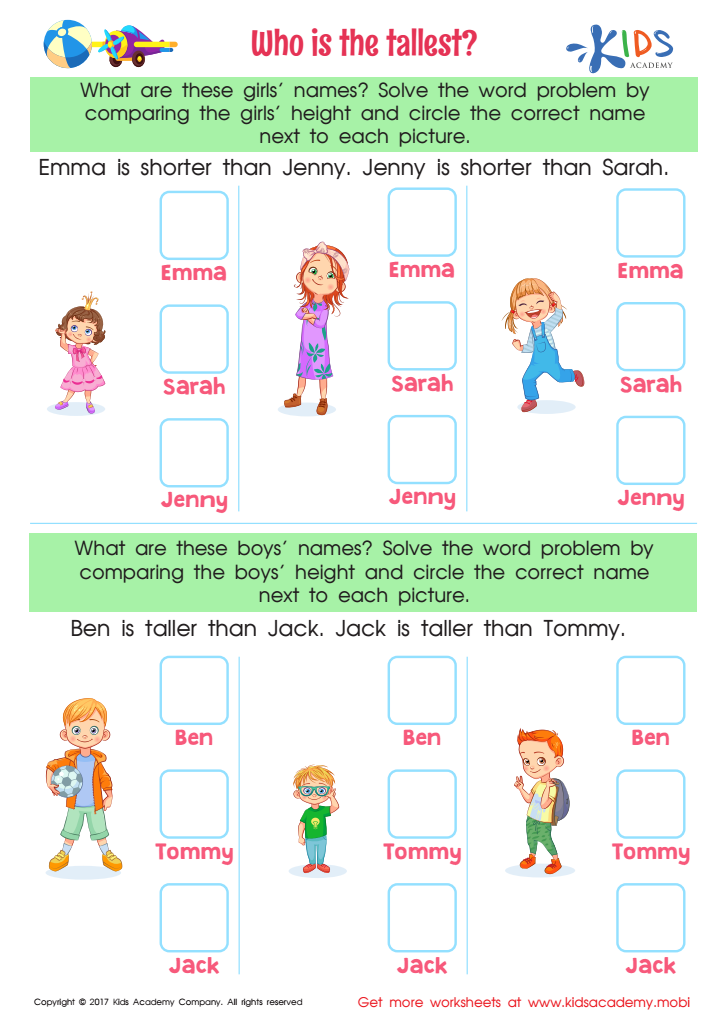
Who Tallest Printable
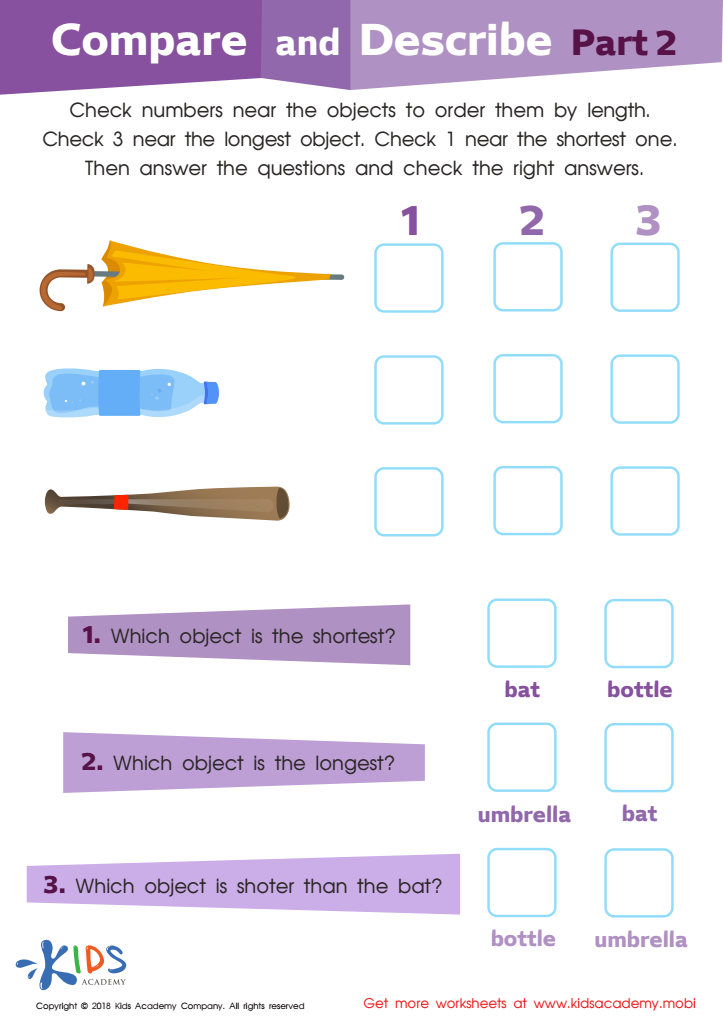
Compare and Describe: Part 2 Worksheet
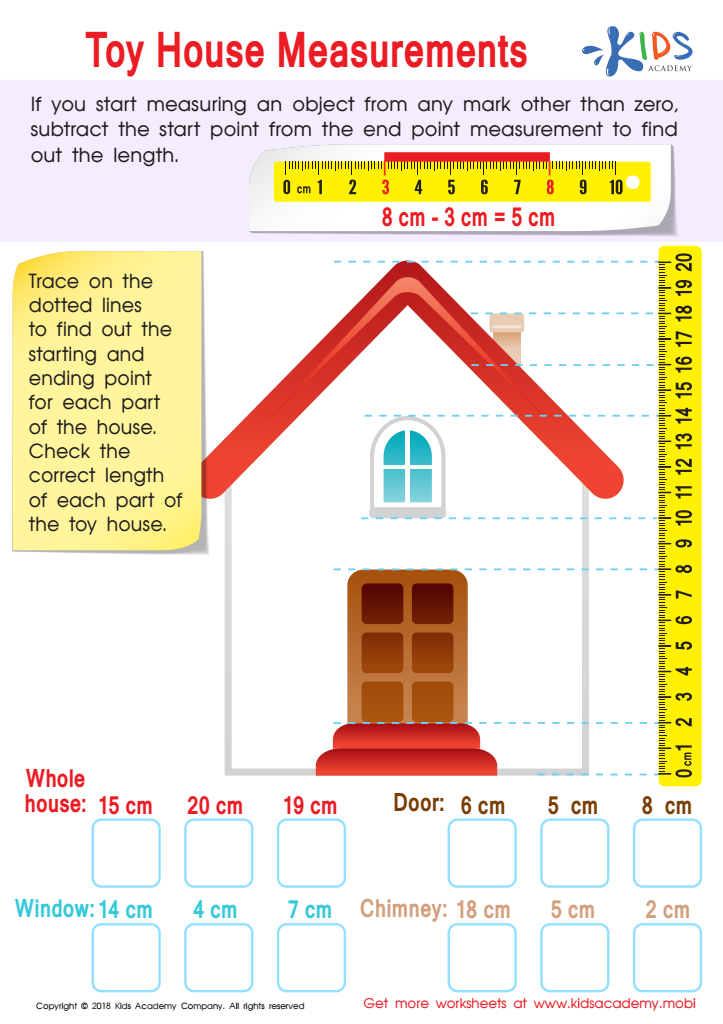
Toy House Measurements Worksheet
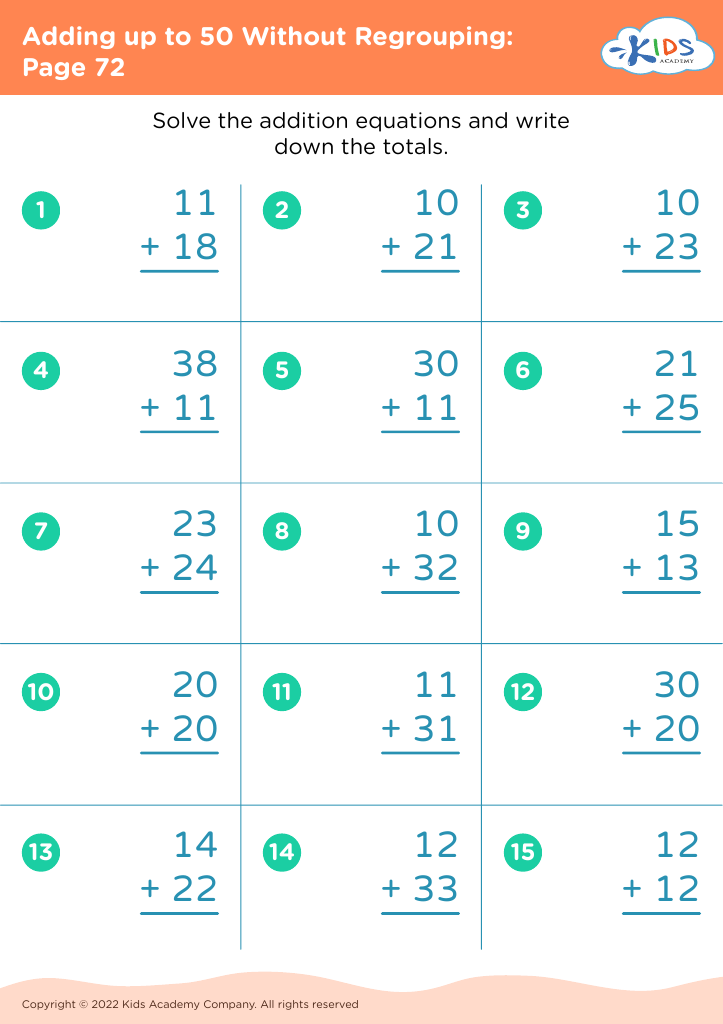




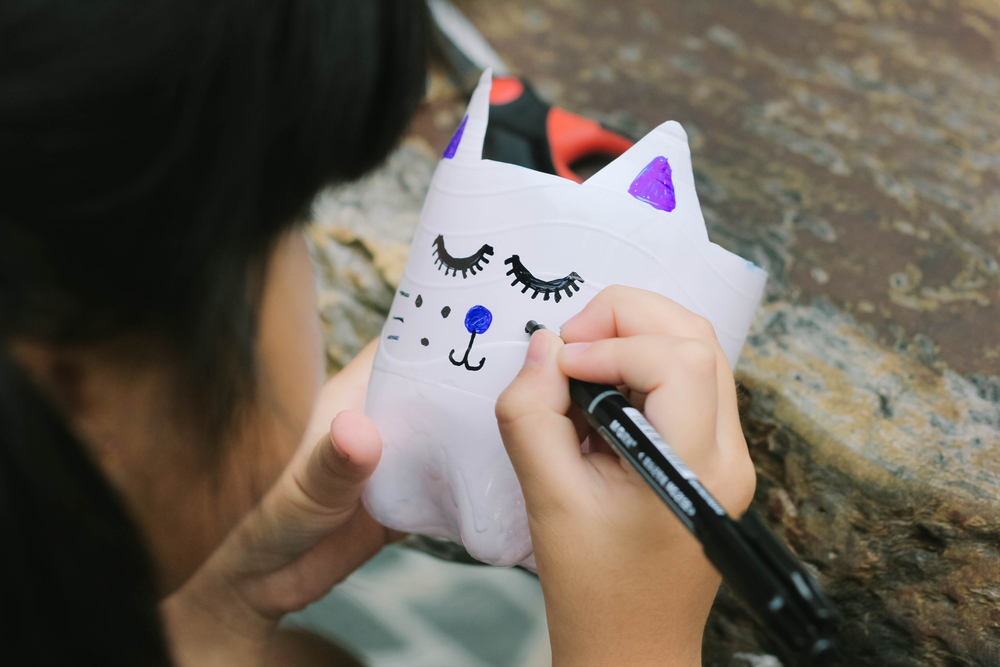

Comparing sizes is a fundamental skill that lays the groundwork for various areas of learning in children aged 7-9. At this developmental stage, children are enhancing their critical thinking and problem-solving abilities. Engaging in size comparison exercises enables them to discern differences and similarities, fostering analytical skills essential for future mathematics and science concepts.
For parents and teachers, emphasizing size comparison helps reinforce understanding of spatial relationships. This understanding is crucial not only in math but also in everyday contexts, such as organizing belongings or understanding maps. Furthermore, size comparison aids in improving vocabulary as children learn descriptive terms and concepts related to dimensions.
Moreover, incorporating size comparison into everyday activities makes learning interactive and meaningful. Whether it's through cooking, shopping, or playing with toys, children can explore these concepts in real-world situations. This experiential learning solidifies their grasp of measurements, logical thinking, and decision-making. Encouraging this skill will not only bolster their academic prowess but also build confidence as they articulate observations. Overall, focusing on size comparison enriches children's cognitive development, making it a vital area for parents and teachers to prioritize.








