Historical Knowledge Worksheets for Ages 7-9
38 filtered results
-
From - To
Unlock the wonders of history with our engaging Historical Knowledge Worksheets designed specifically for ages 7-9! Perfectly suited for young learners, these worksheets help foster critical thinking and ignite curiosity about the past. Each activity encourages exploration of historical events, figures, and cultures through fun exercises that combine learning with creativity. Whether at home or in the classroom, our user-friendly resources make history accessible and enjoyable. Parents and teachers will appreciate the versatility and structured approach of our worksheets, promoting a well-rounded understanding of the world. Inspire your child's love for history today with our captivating educational materials!
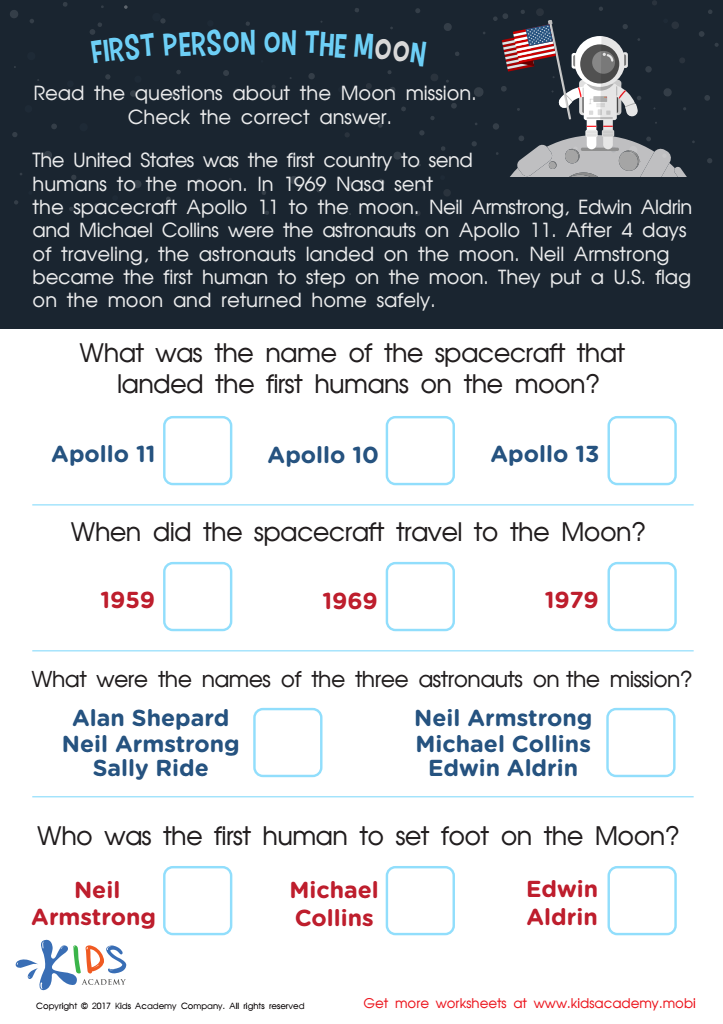
First Person on the Moon Worksheet
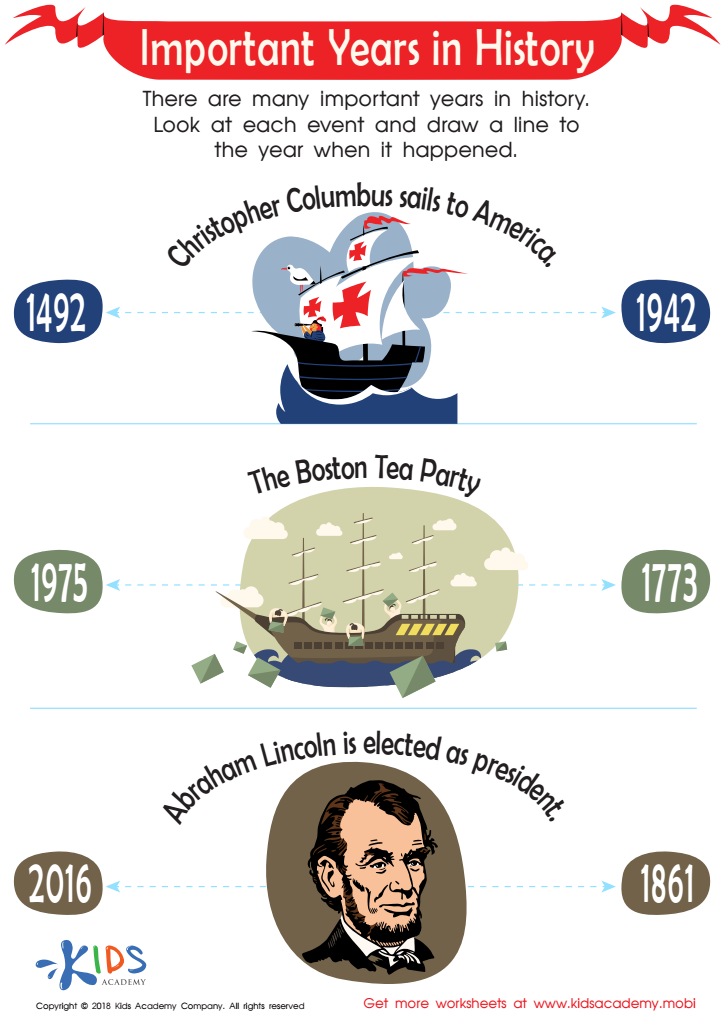
Important Years in History Worksheet
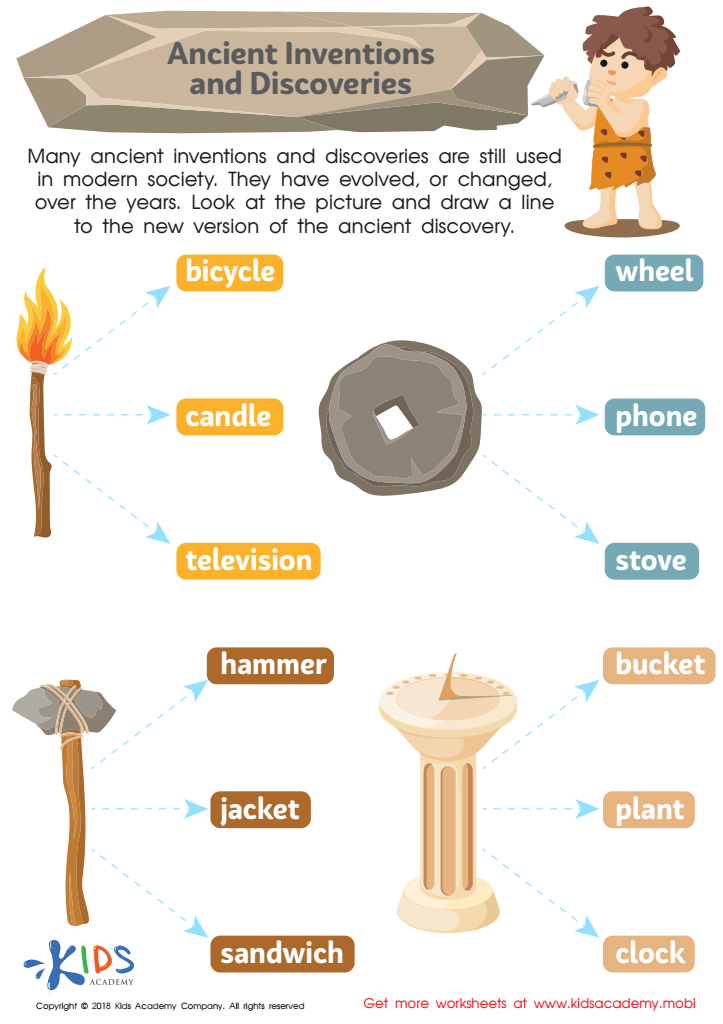
Ancient Inventions and Discoveries Worksheet
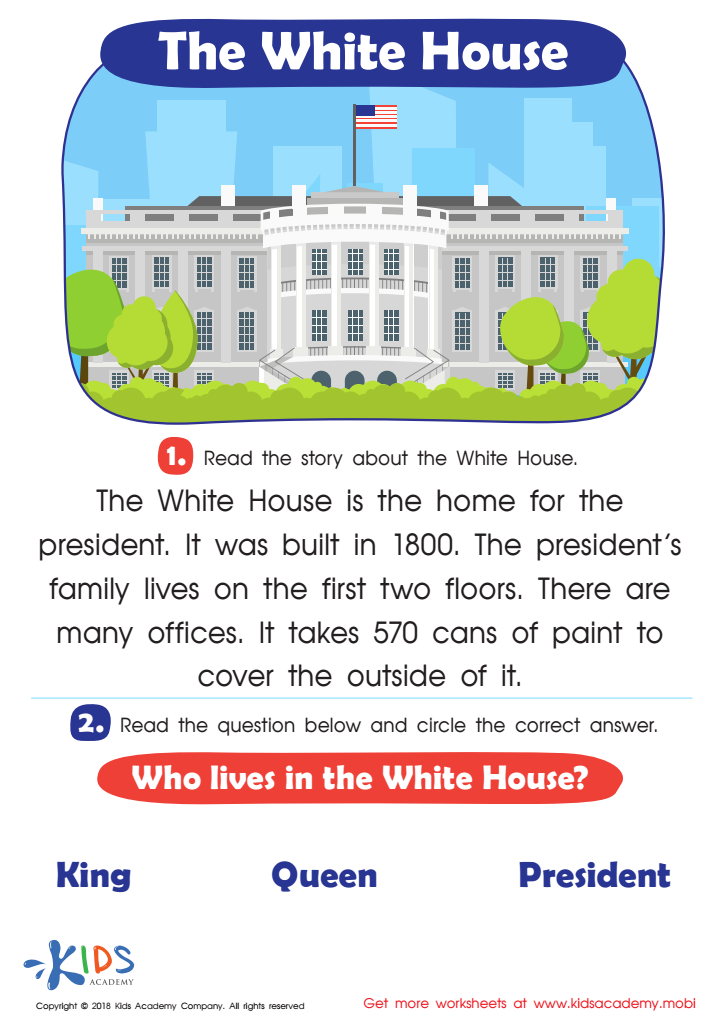
White House Worksheet
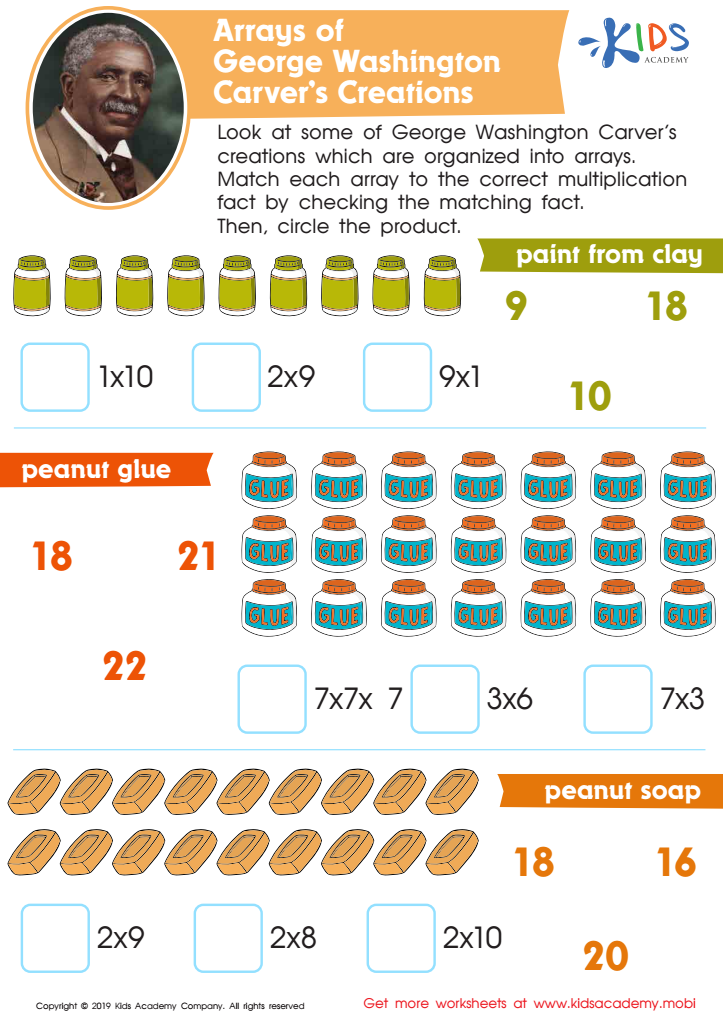
Arrays of George Washington Carver’s Creations Worksheet
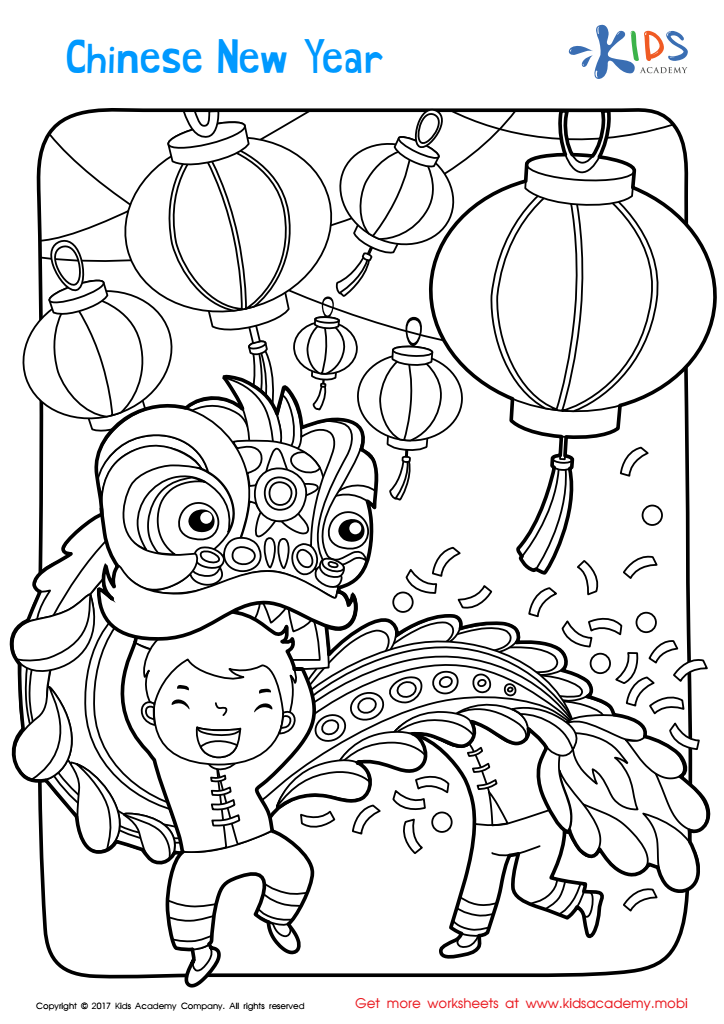
Chinese New Year Worksheet
 Assign to My Students
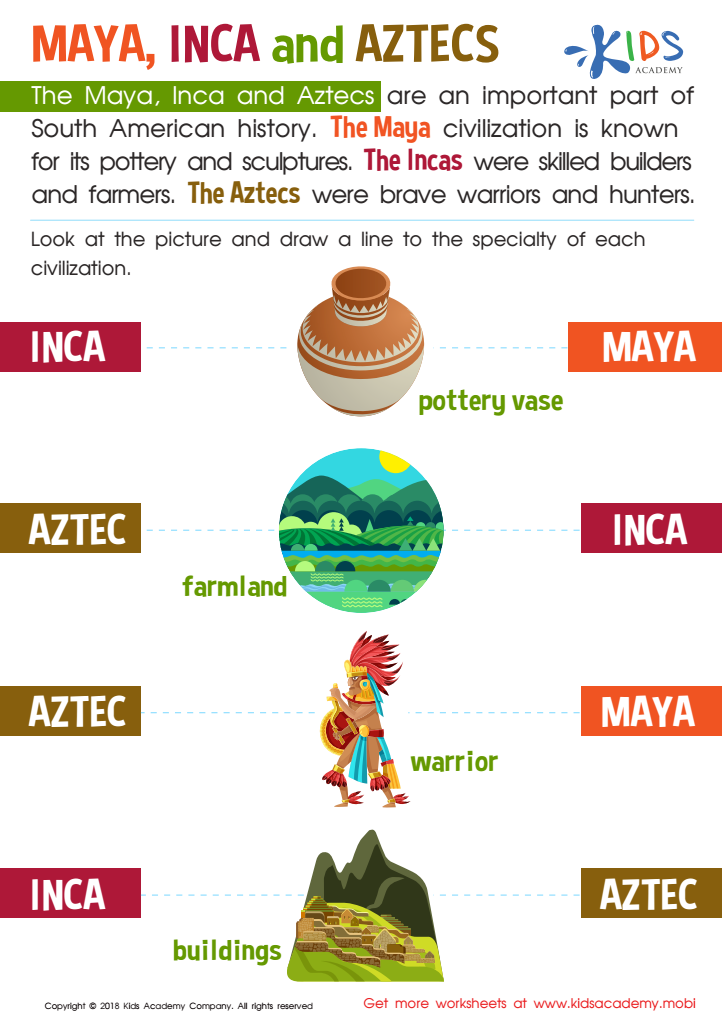
Maya, Inca and Aztecs Worksheet
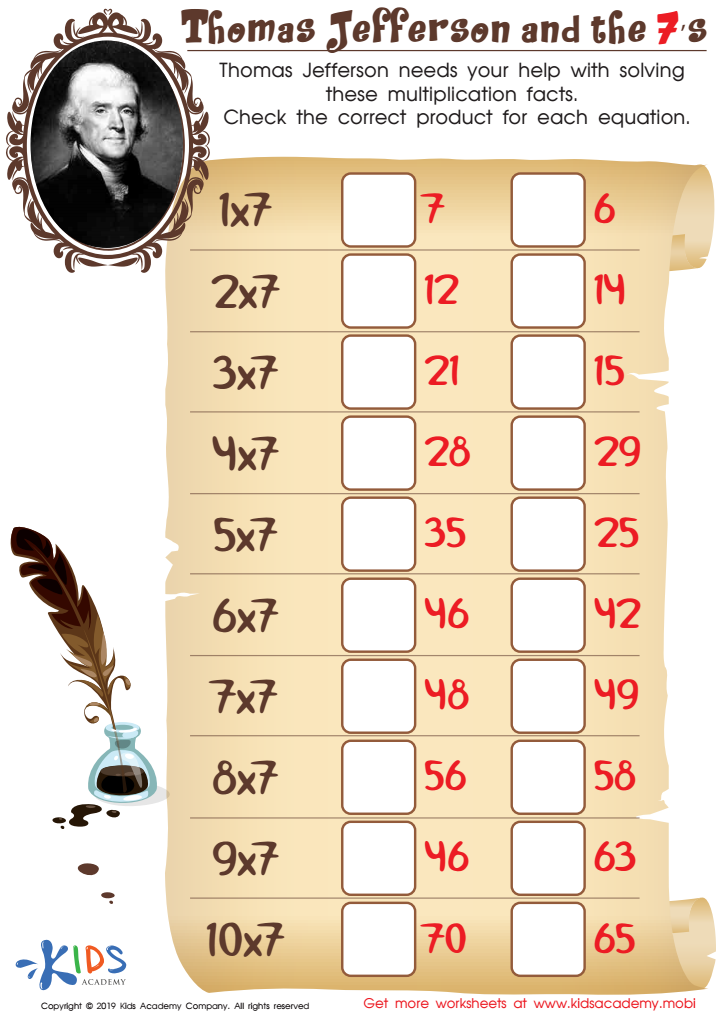
Thomas Jefferson and the 7’s Worksheet
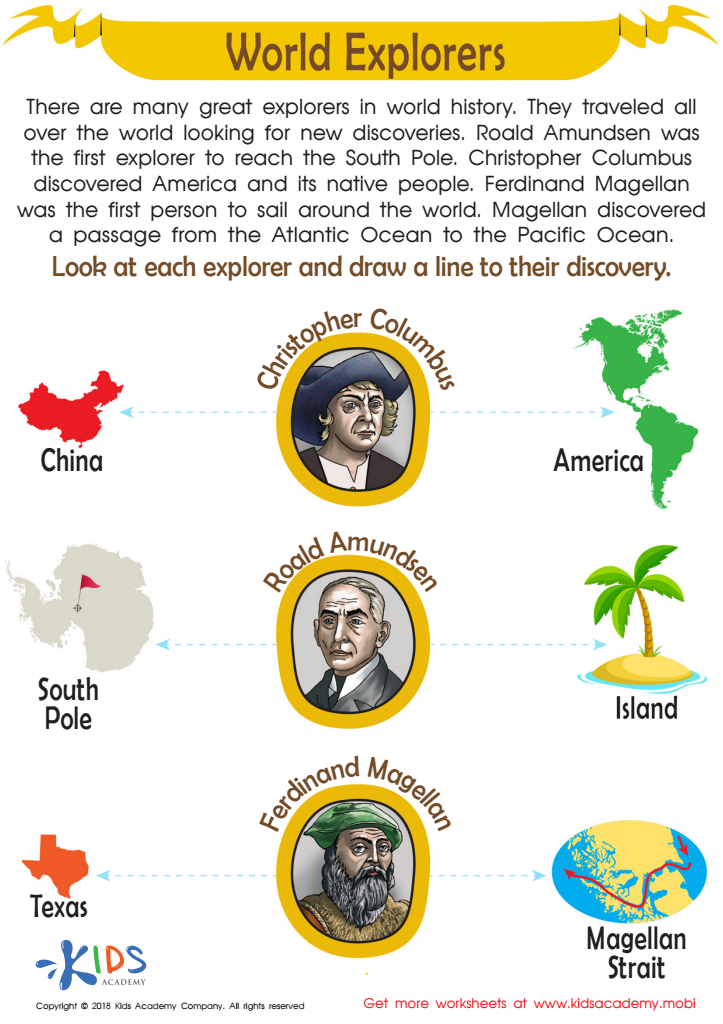
World Explorers Worksheet
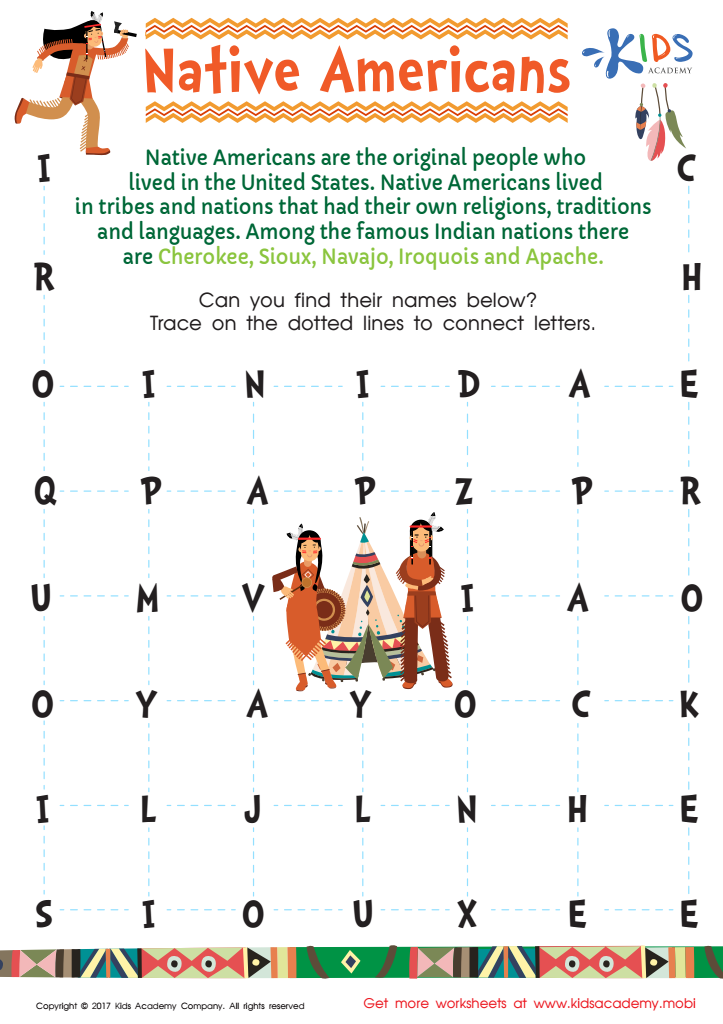
Native American Word Search Printable
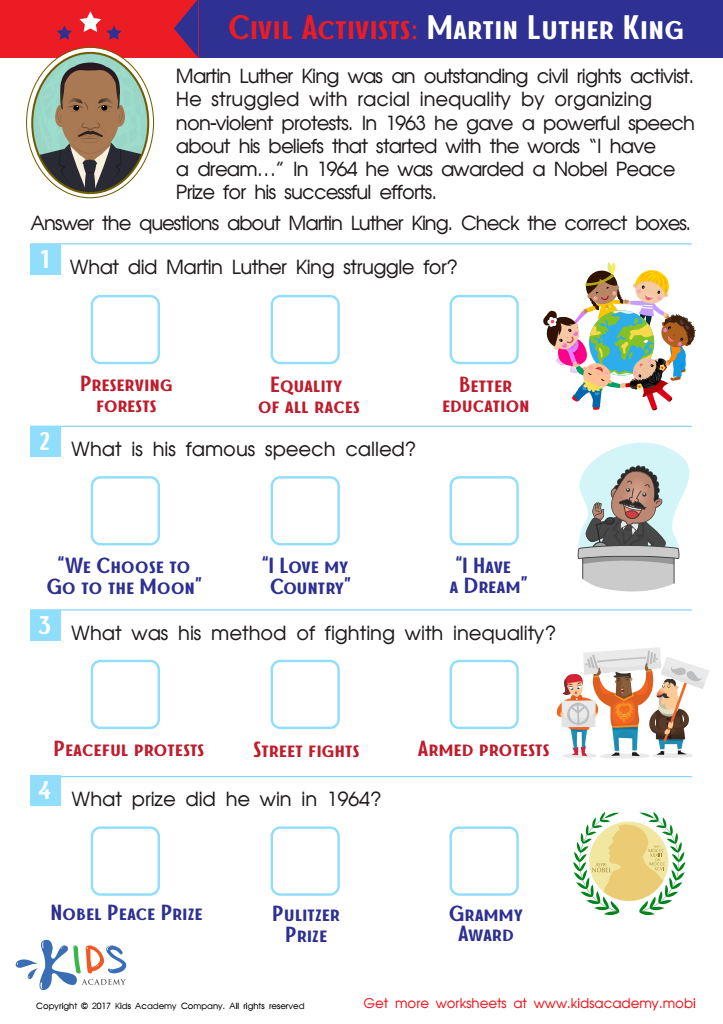
Martin Luther King Worksheet
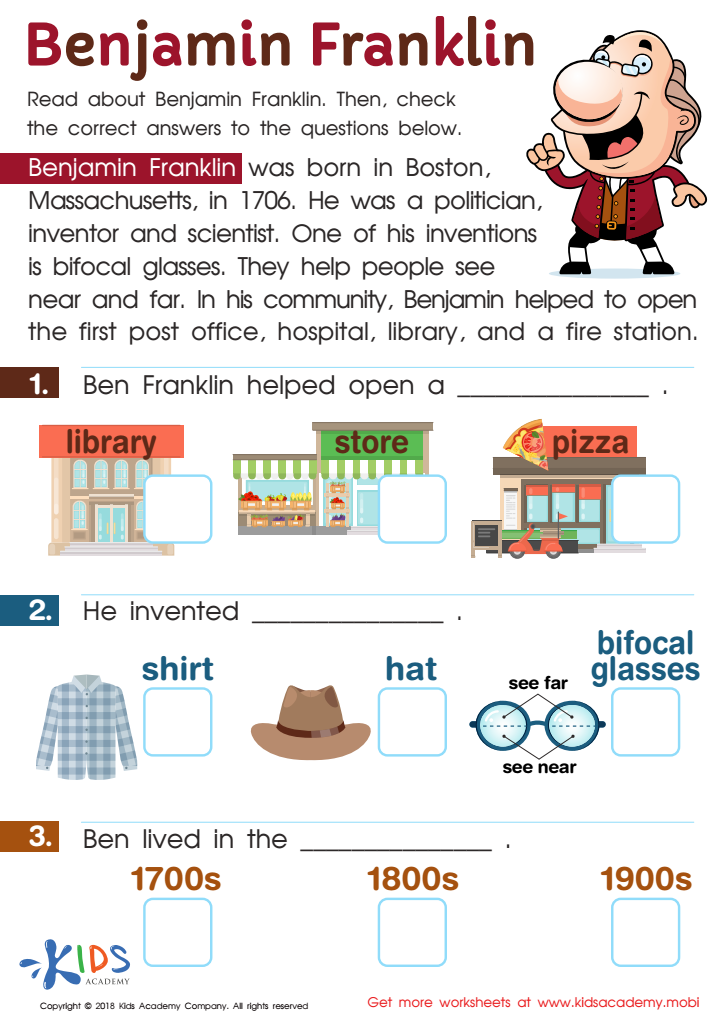
Benjamin Franklin Worksheet
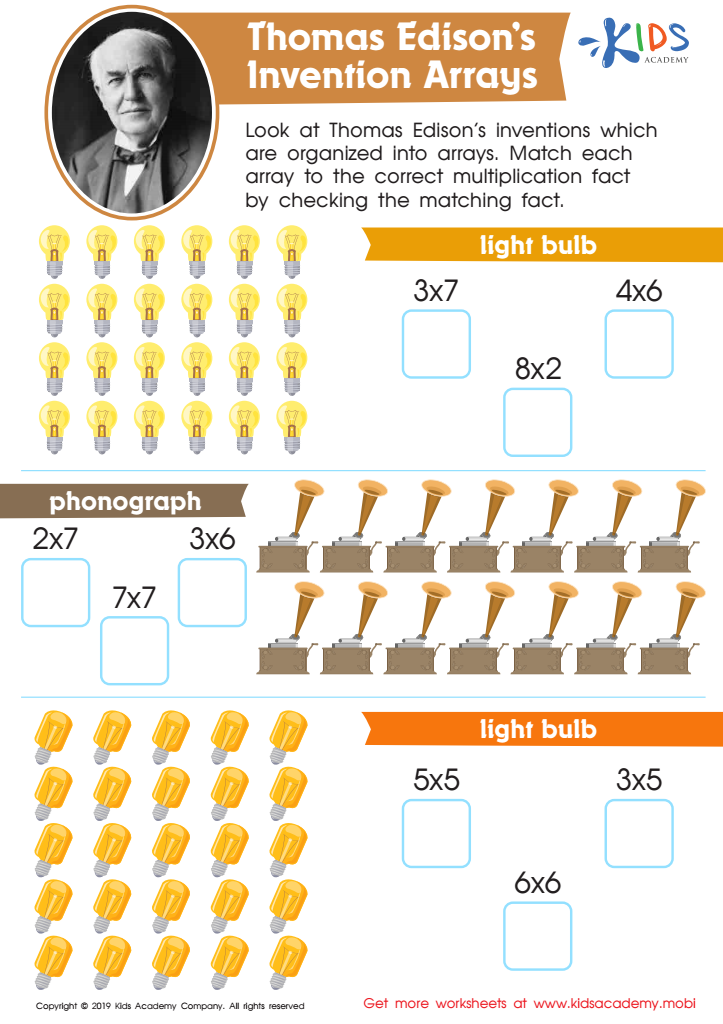
Thomas Edison’s Invention Arrays Worksheet
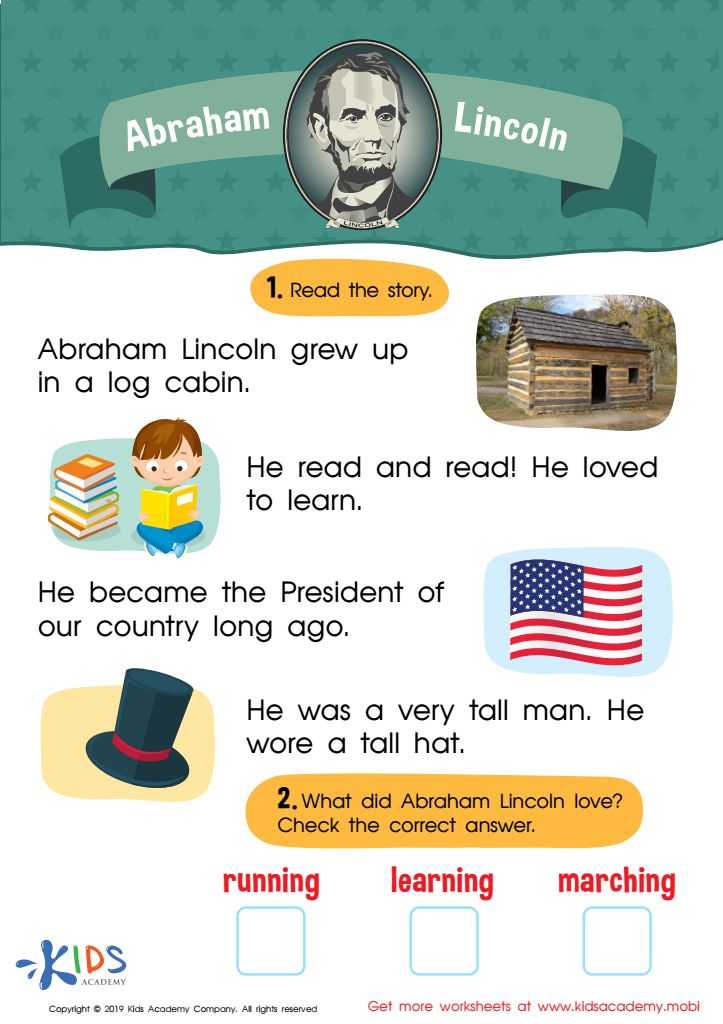
Abraham Lincoln Worksheet
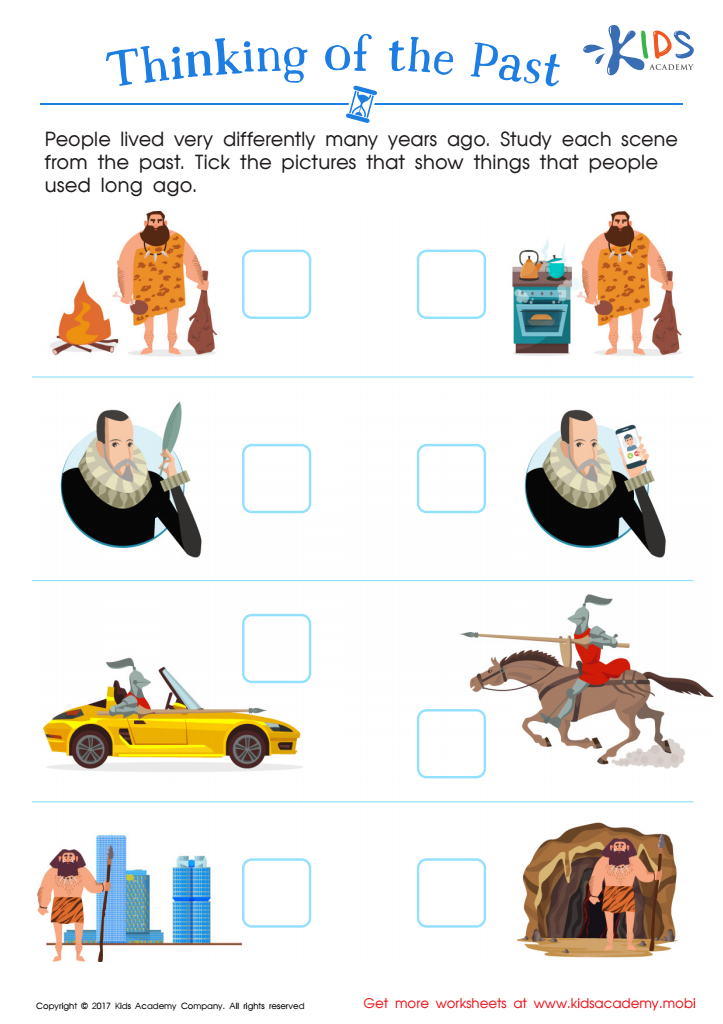
Thinking Past Printable
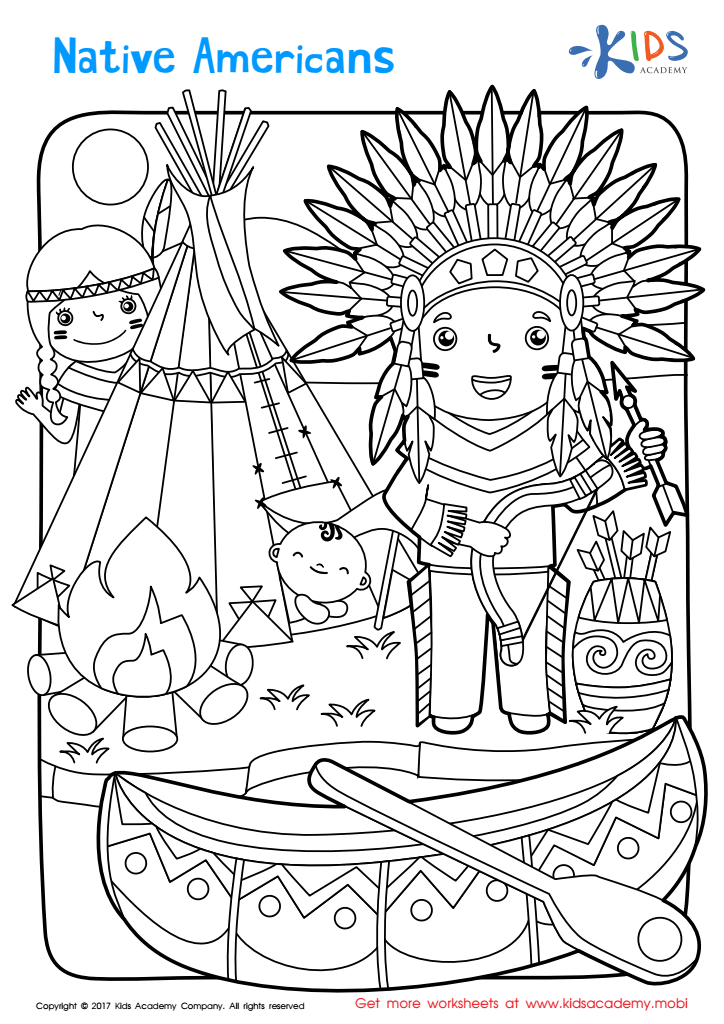
Native American Coloring Page Worksheet
Assign to My Students
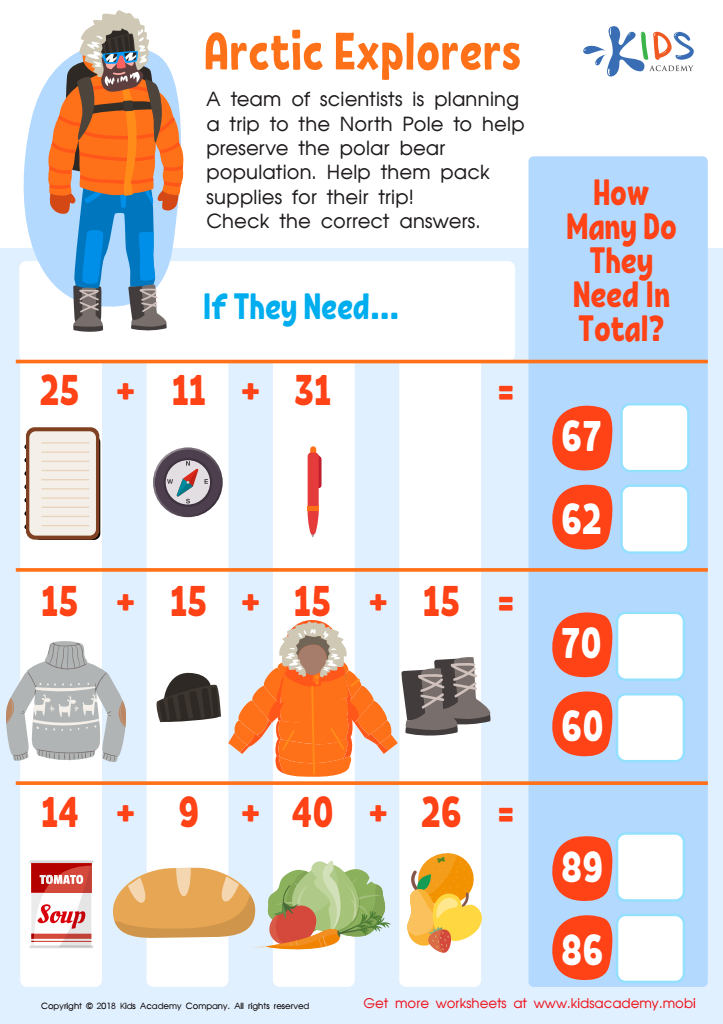
Arctic Explorers Worksheet
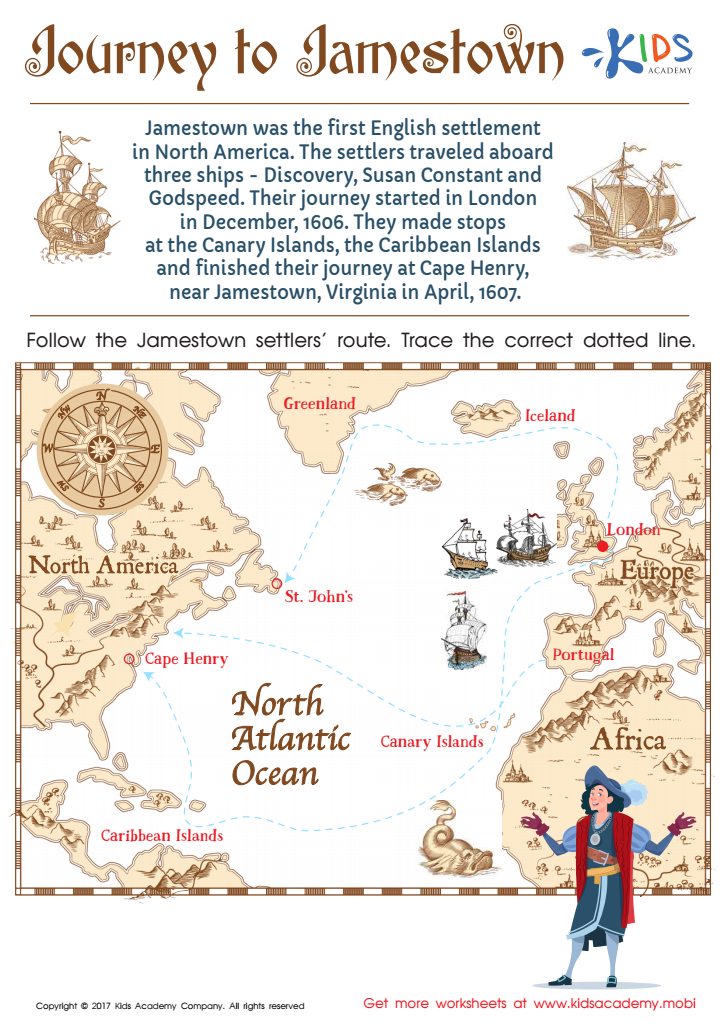
Journey to Jamestown Worksheet
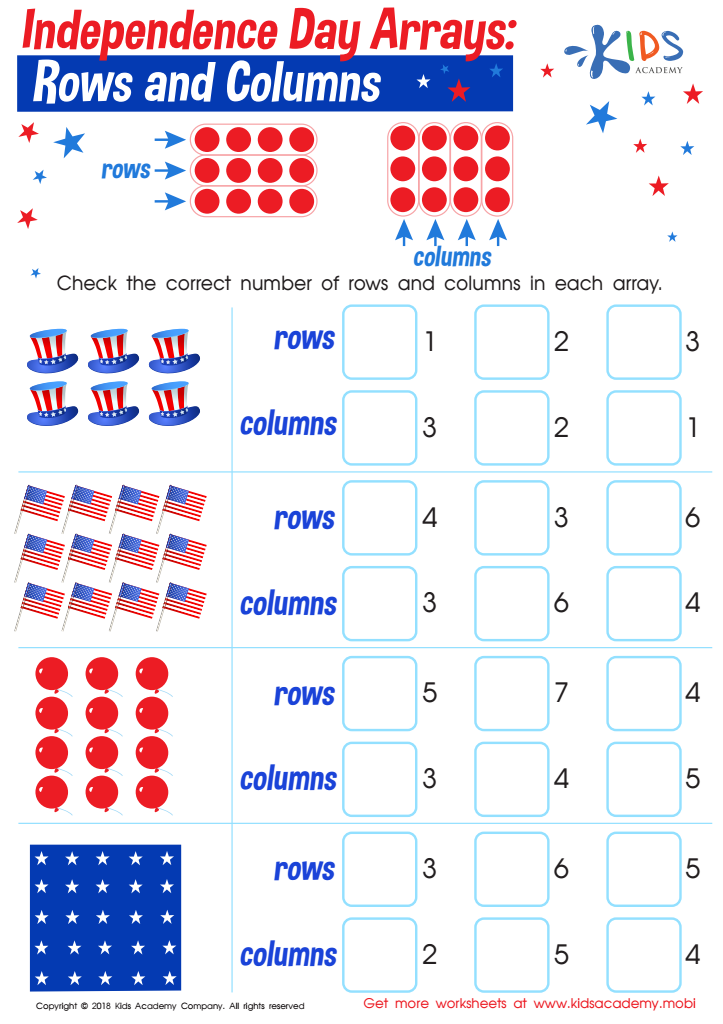
Independence Day Arrays: Rows and Columns Worksheet
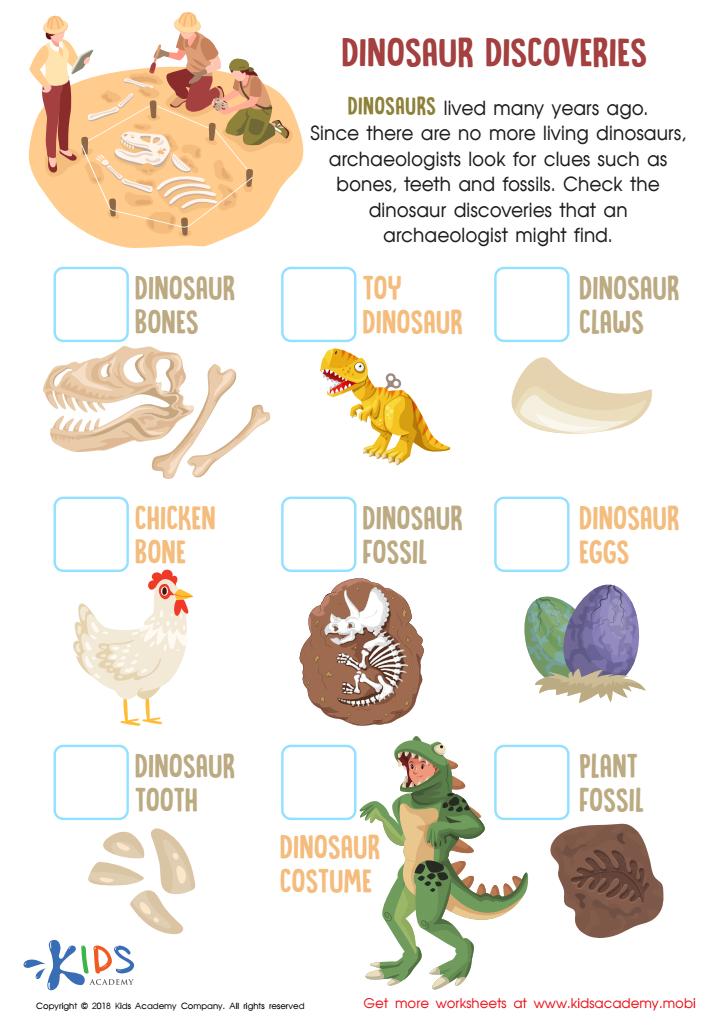
Dinosaur Discoveries Worksheet
Venice Worksheet
Assign to My Students
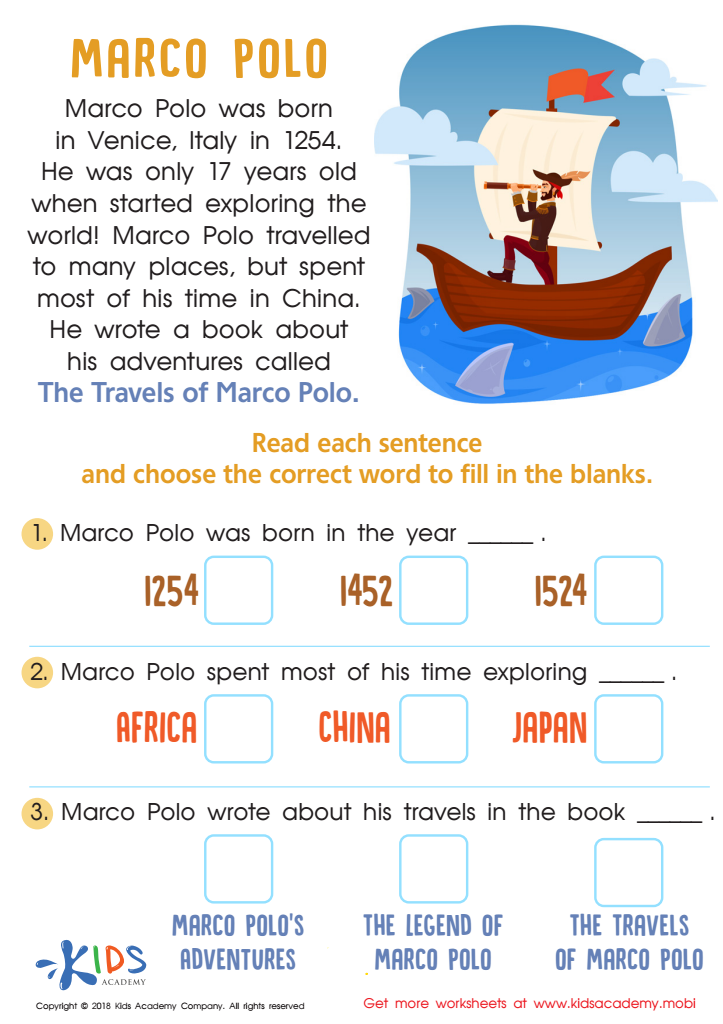
Marco Polo Worksheet
Mayflower Ship Coloring Page
Assign to My Students
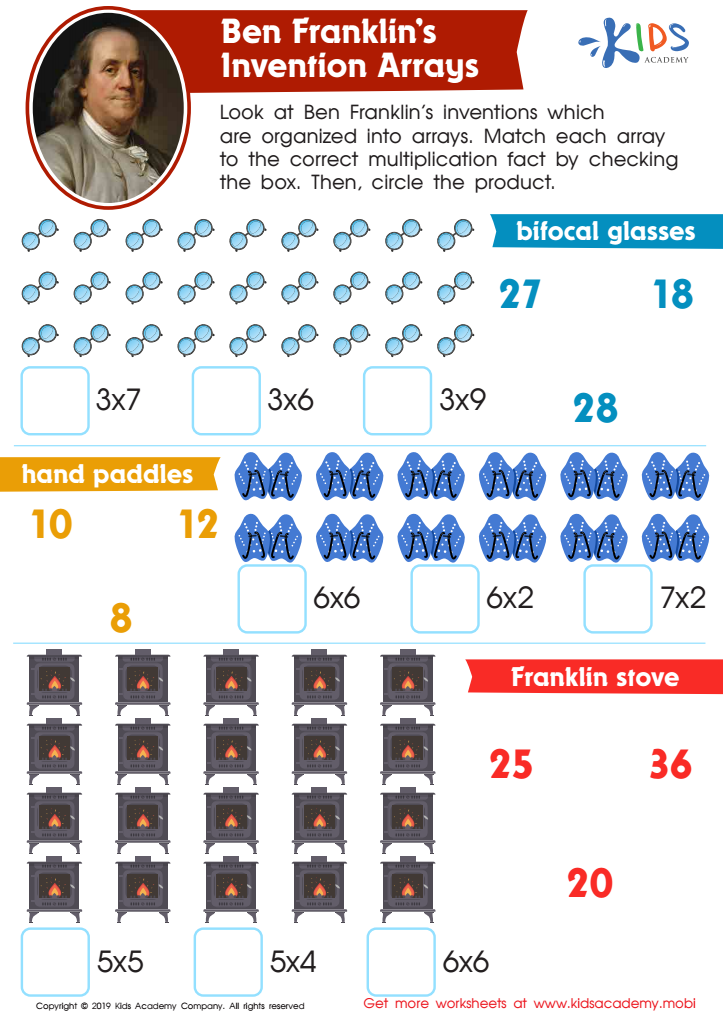
Ben Franklin’s Invention Arrays Worksheet







Parents and teachers should prioritize historical knowledge for children aged 7-9 because it lays a foundational understanding of the world they live in. At this developmental stage, children possess an innate curiosity about their surroundings and a burgeoning awareness of different cultures and events. Introducing them to historical concepts fosters critical thinking, allowing children to analyze causes and effects, differentiate between right and wrong, and develop empathy for diverse perspectives.
History provides context for the children's identities and their place in society. By understanding past events, societies, cultures, and influential figures, children can engage more deeply with the present. This knowledge encourages them to participate in discussions about current events and cultural differences, nurturing responsible citizens who appreciate multiculturalism and inclusivity.
Additionally, learning history supports literacy development—stories from the past often captivate young minds, making reading both enjoyable and educational. Engaging with history through storytelling, activities, and projects can enhance their communication skills and spark creativity.
Ultimately, teaching historical knowledge not only enriches a child's educational journey but also equips them with the tools to become informed, compassionate, and active members of their communities. Thus, parents and teachers play a crucial role in this essential aspect of education.








