Logical Reasoning Worksheets for Ages 7-9 - Page 2
41 filtered results
-
From - To
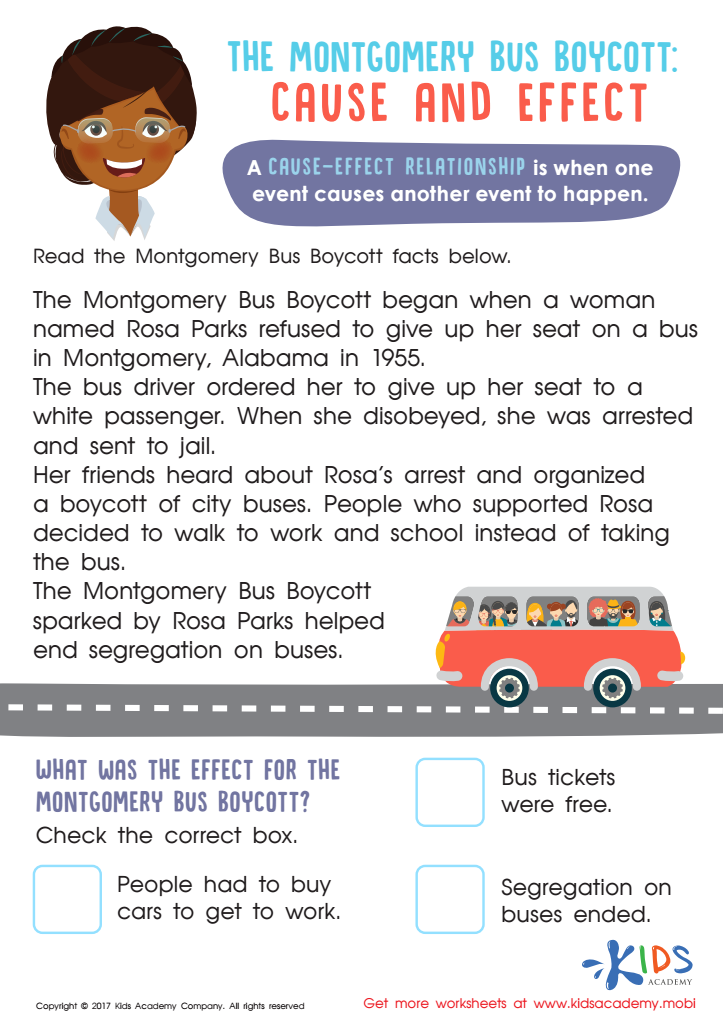
The Montgomery Bus Boycott Cause and Effect Worksheet
 Assign to My Students
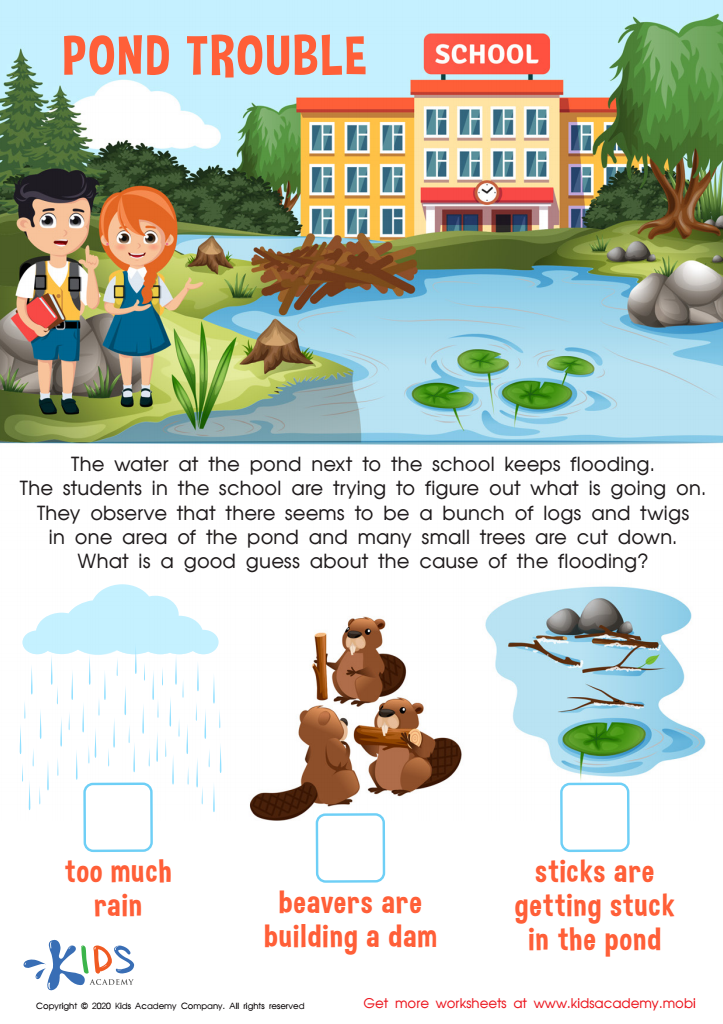
Pond Trouble Worksheet
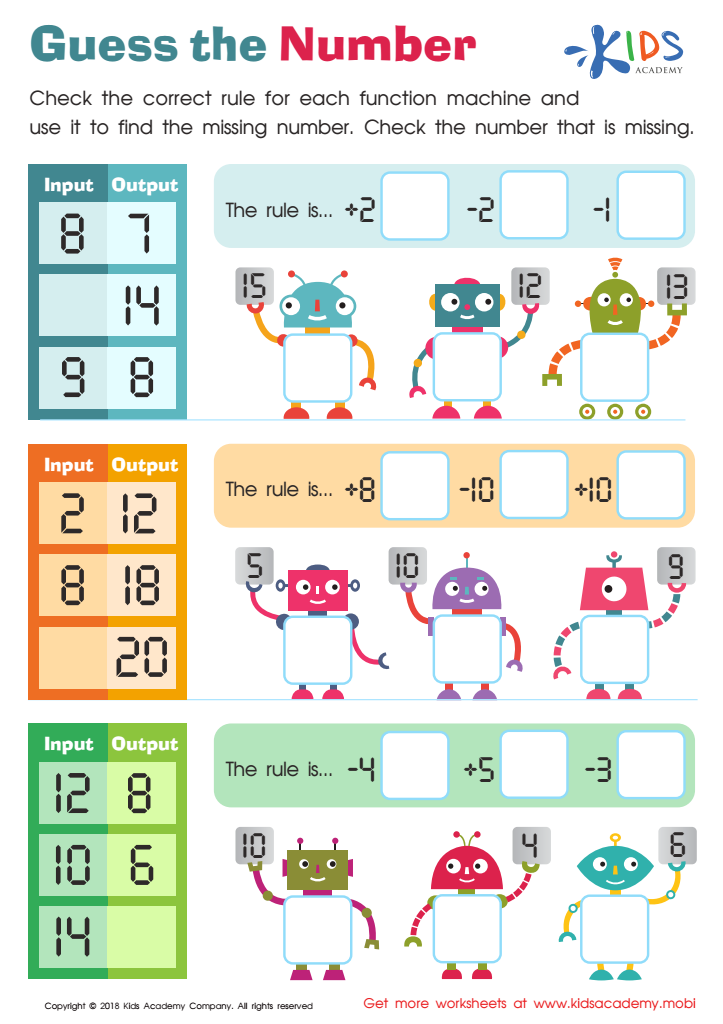
Guess the Number Worksheet
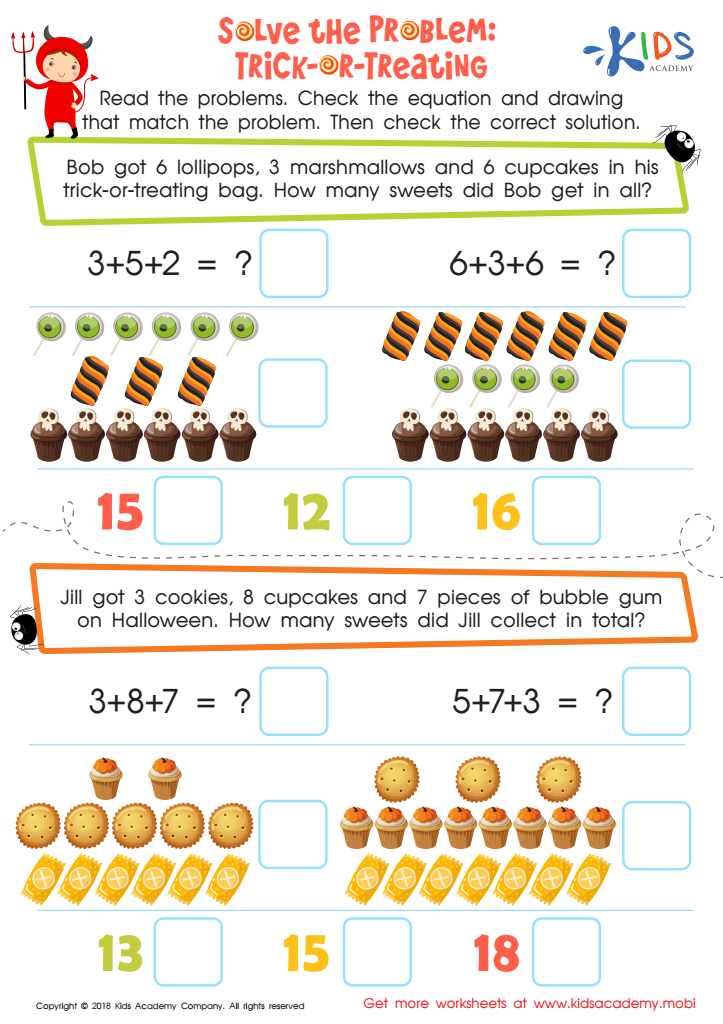
Solve the Problem: Trick–or–treating Worksheet
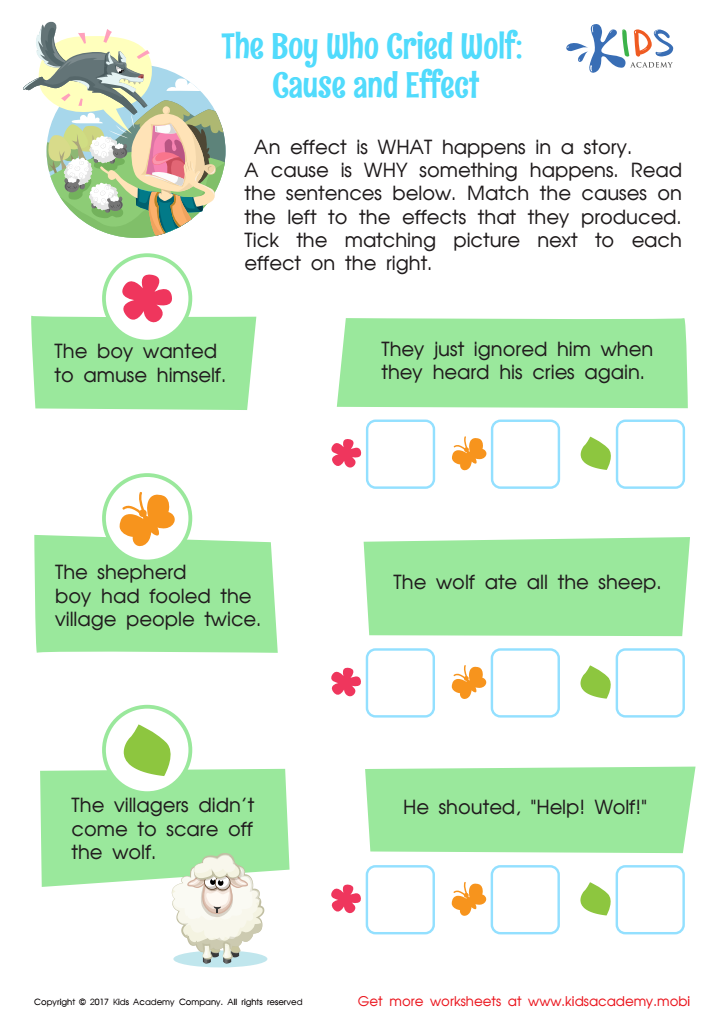
The Boy Who Cried Wolf: Cause and Effect Worksheet
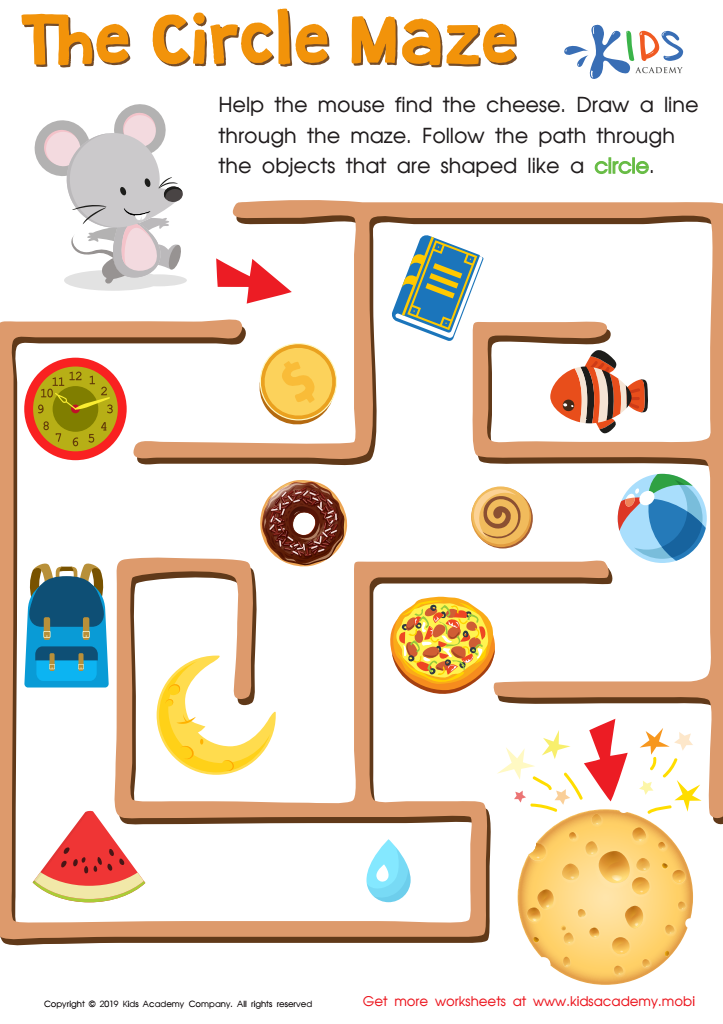
The Circle Maze Worksheet
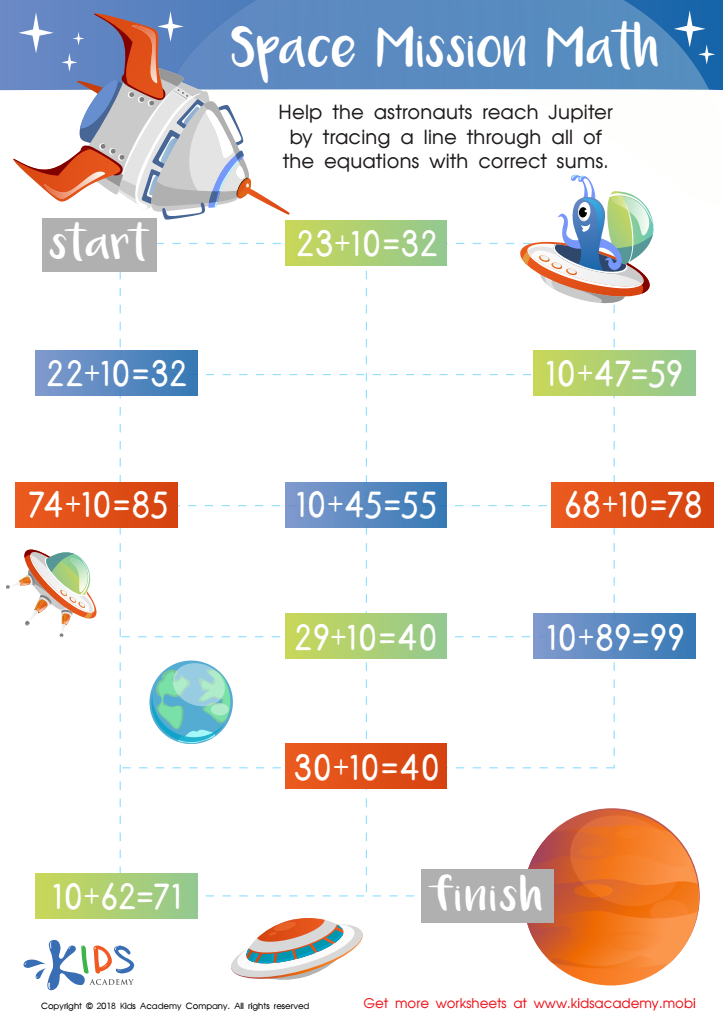
Space Mission Math Worksheet
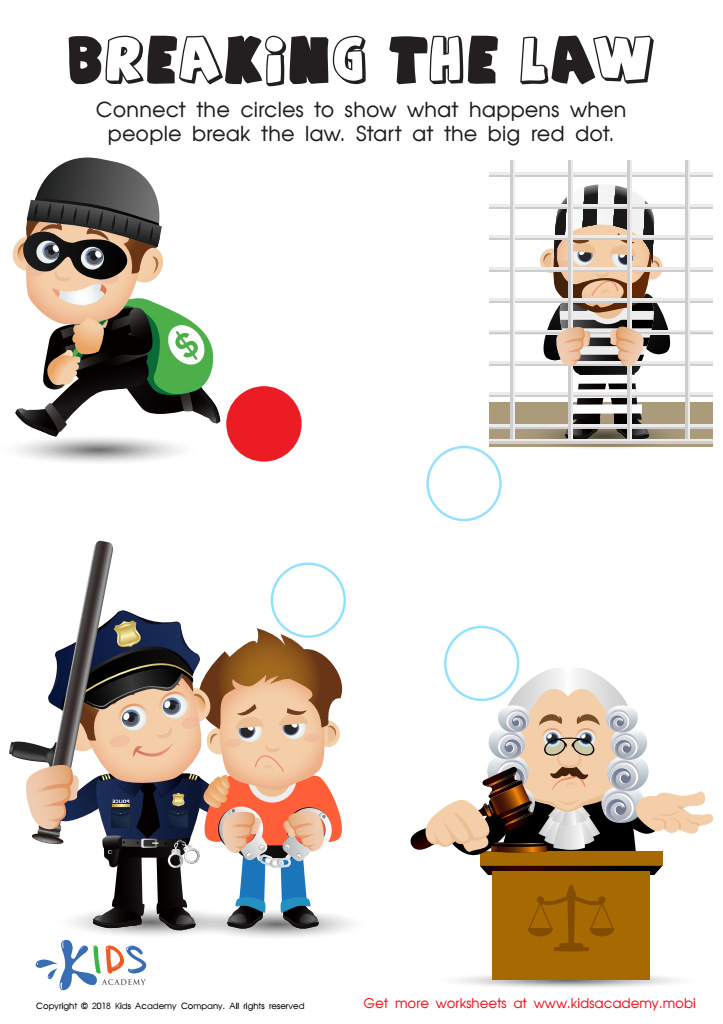
Breaking the Law Worksheet
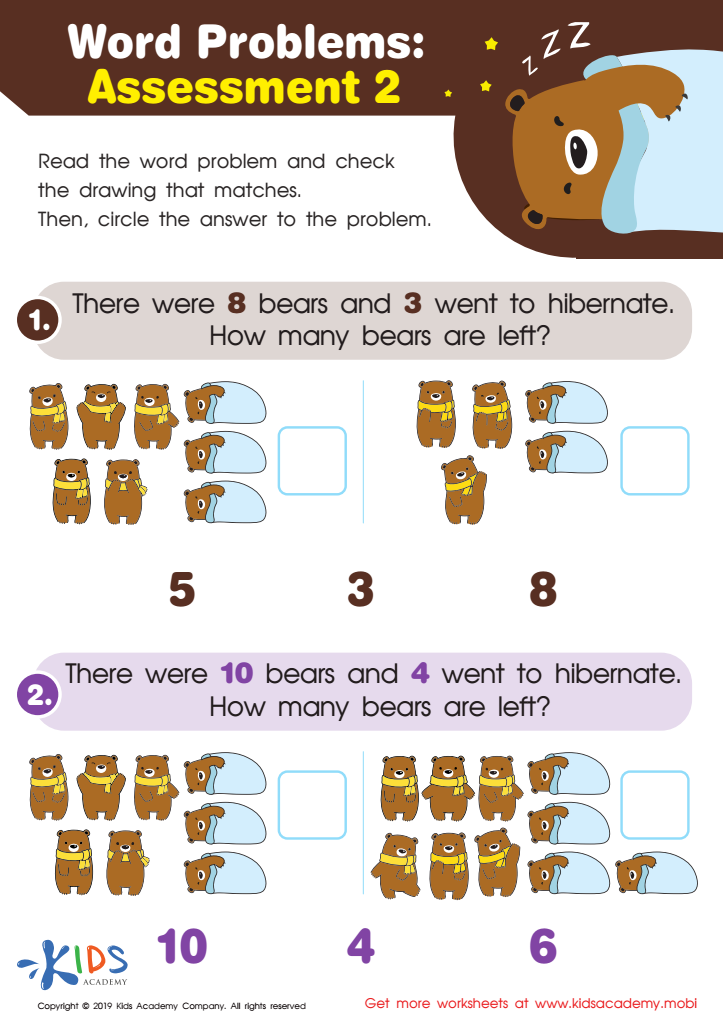
Word Problems: Assessment 2 Worksheet
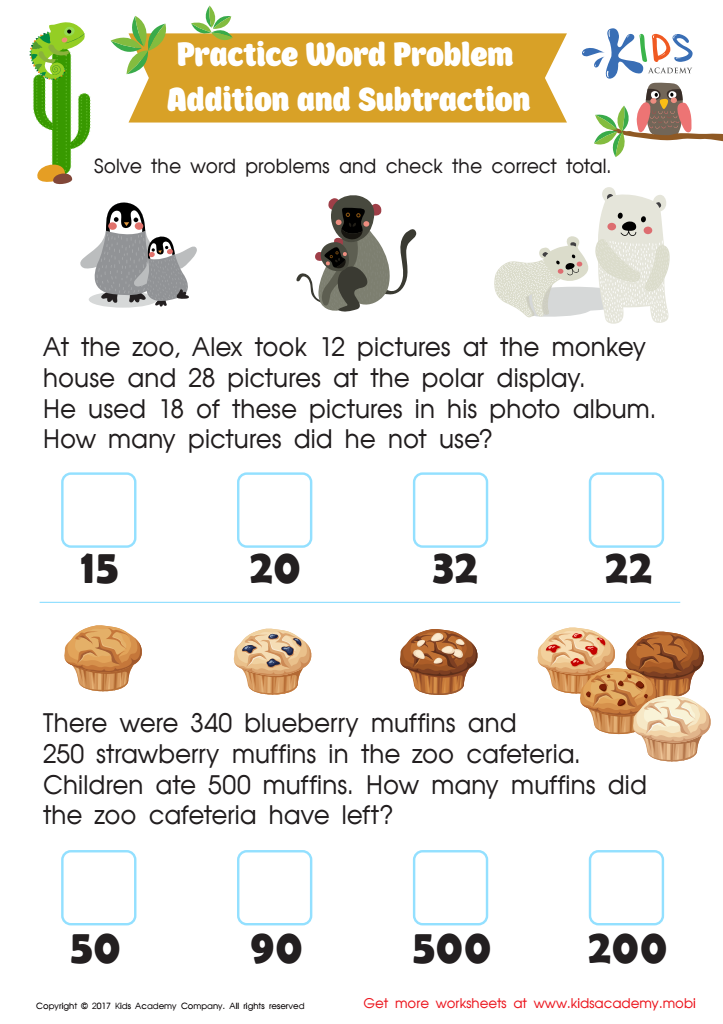
Addition and Subtraction: Word Problems Worksheet
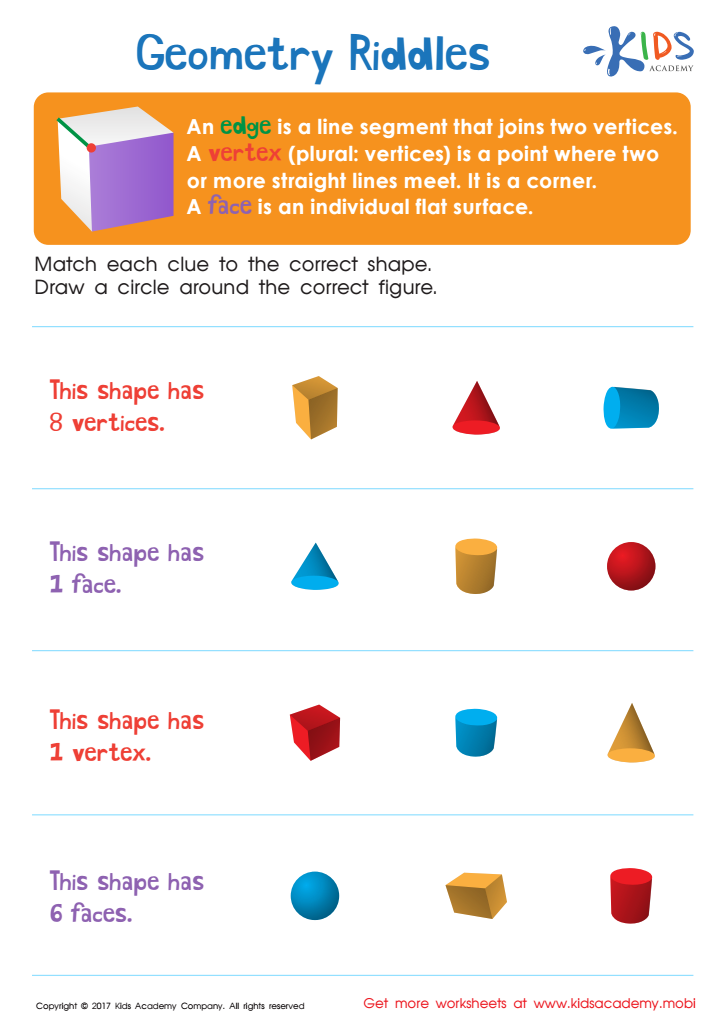
Geometry Riddles Printable

Plants and Sunlight: Part 2 Worksheet
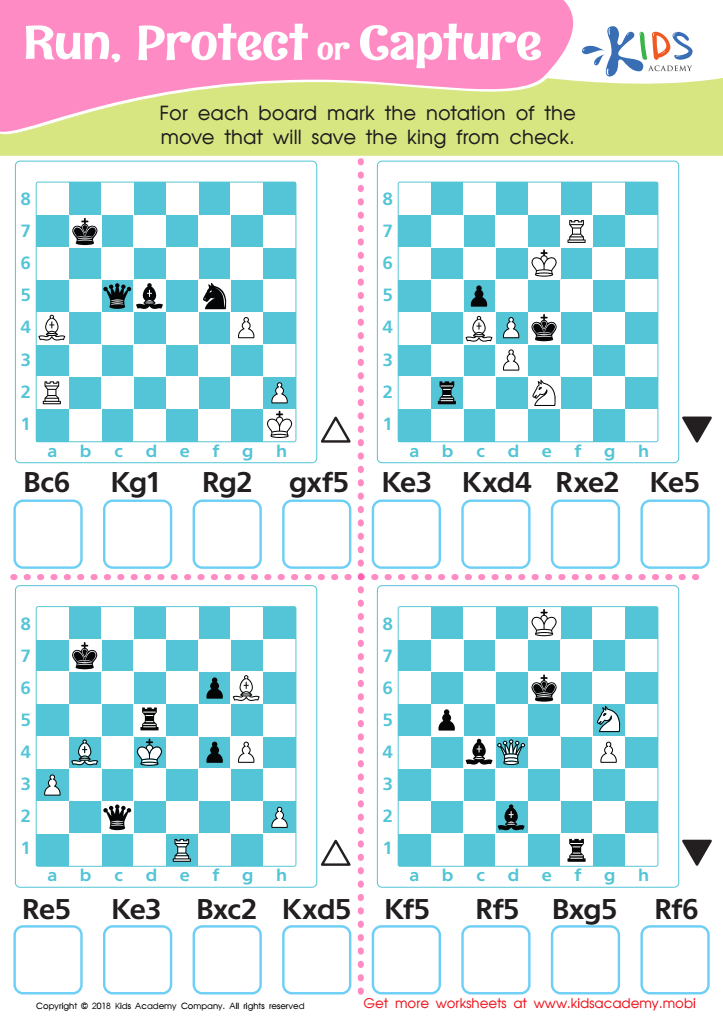
Run, Protect or Capture Worksheet
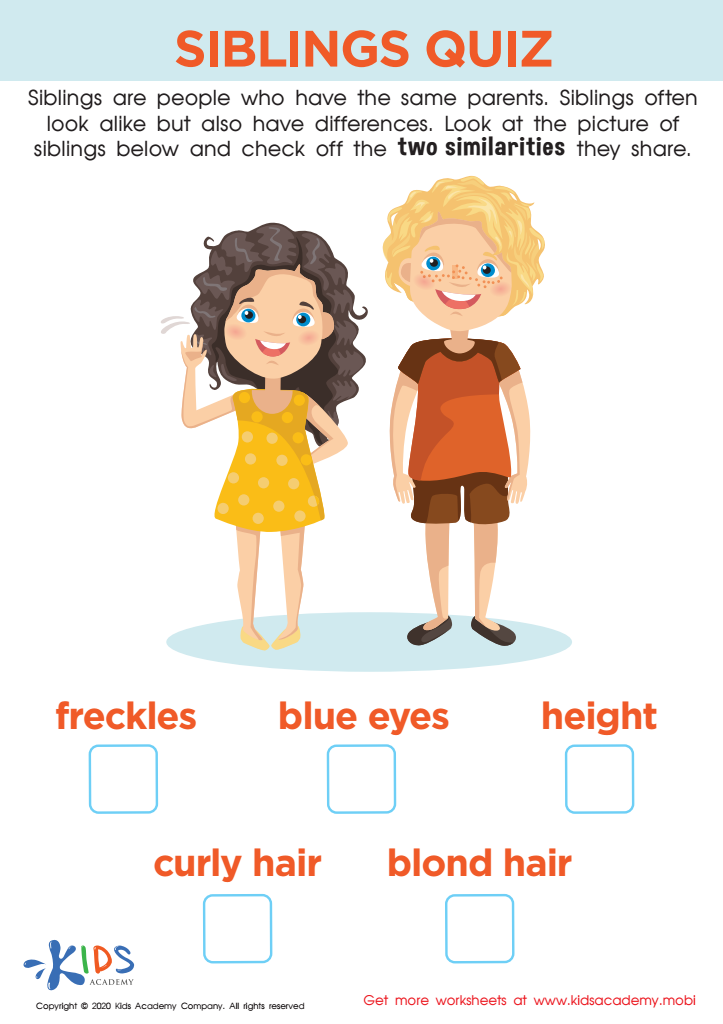
Siblings Quiz Worksheet
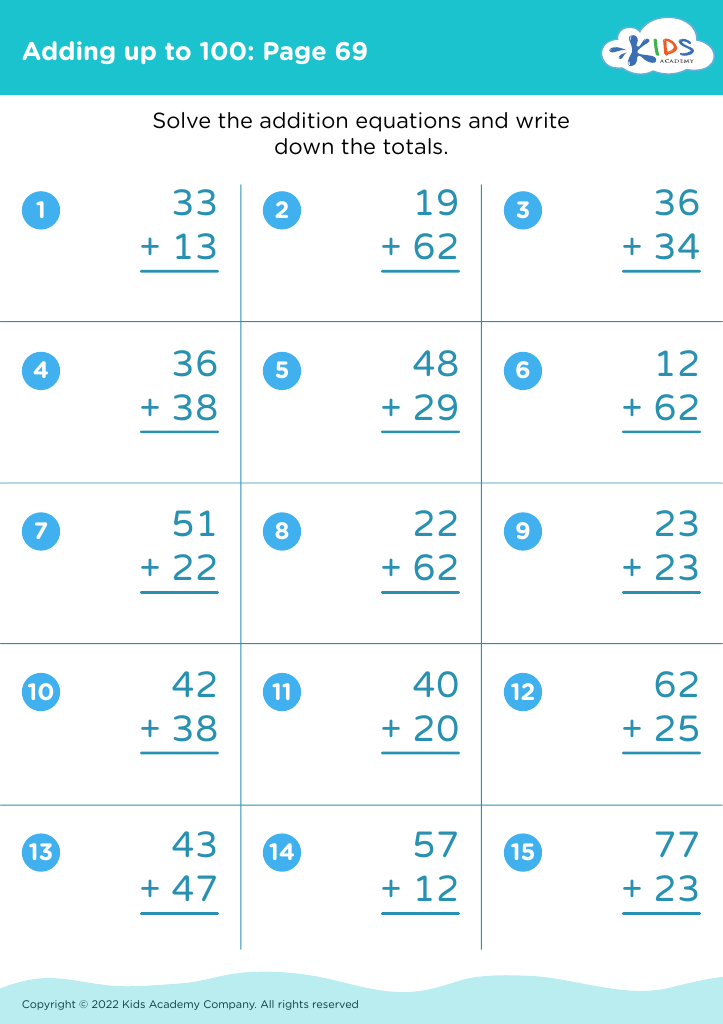
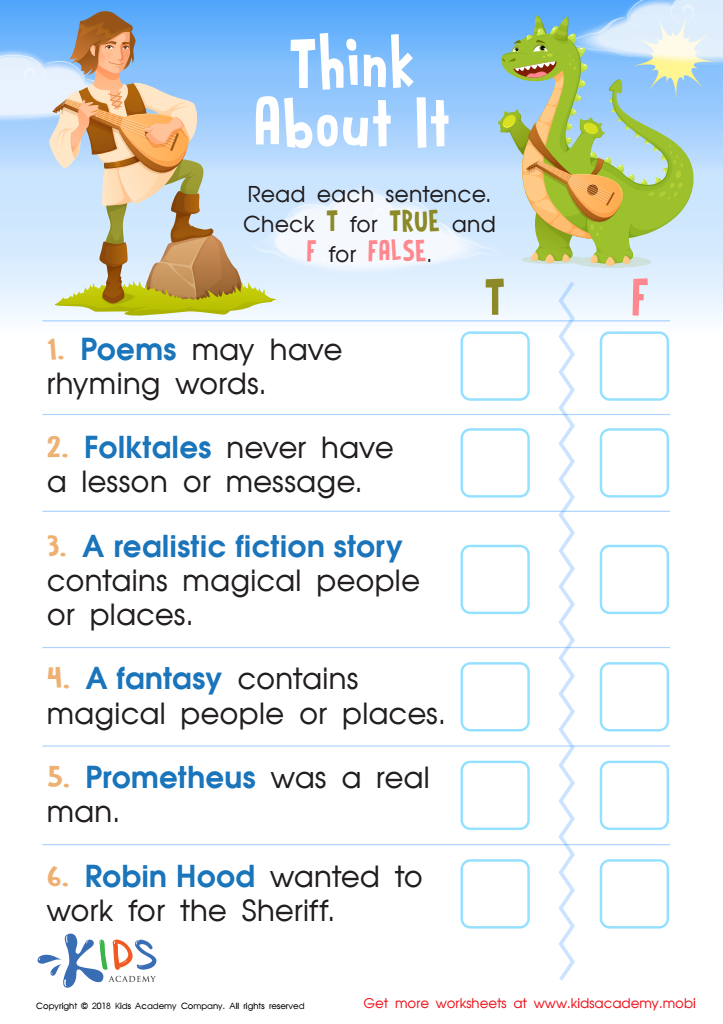
Think About It: Assessment Worksheet
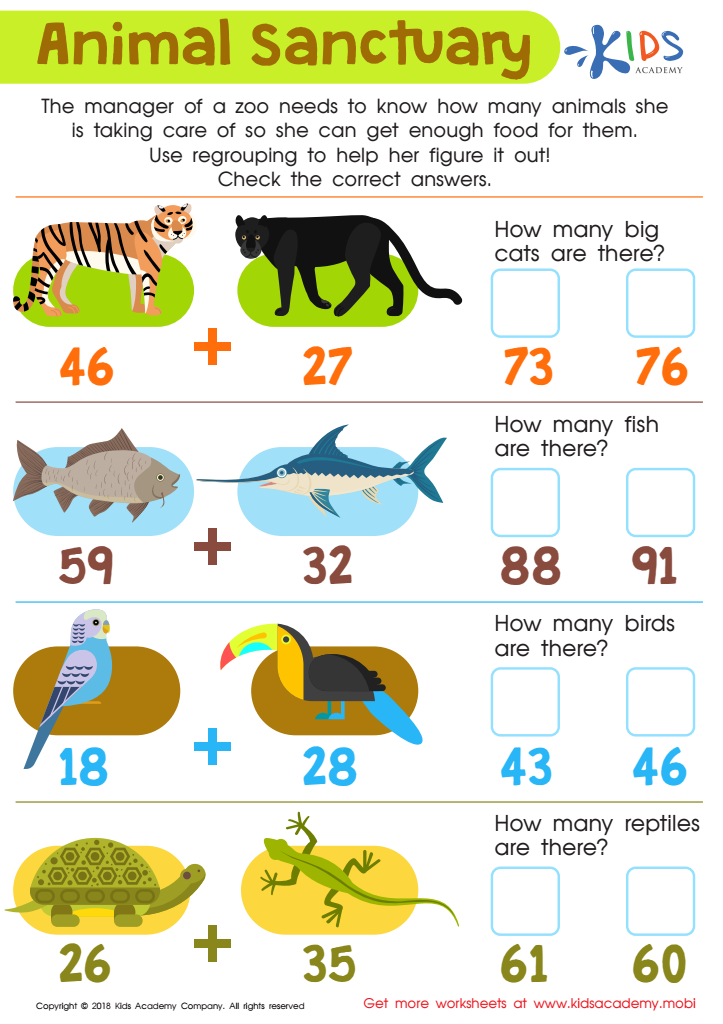
Animal Sanctuary Worksheet






Logical reasoning is a fundamental skill that supports academic success and everyday problem-solving. For children ages 7-9, nurturing this skill can play a crucial role in their development. During these years, kids are naturally curious and eager to explore new concepts. By strengthening their logical reasoning abilities, parents and teachers can enhance children's analytical thinking, helping them to make sense of the world more effectively.
Firstly, logical reasoning underpins core academic subjects like math and science. For example, understanding cause-and-effect relationships, patterns, and basic principles of logic helps children grasp numbers and scientific phenomena. This birthing of critical thinking is also essential in navigating language arts, social studies, and more.
Secondly, fostering logical reasoning aids in problem-solving and decision-making. Children equipped with this skill learn to approach challenges methodically, consider multiple solutions, and predict outcomes. It essentially sets the groundwork for intelligent, reflective thinking rather than impulsivity.
Additionally, logical reasoning helps children in social situations by improving their conflict resolution skills and empathic understanding. They learn to evaluate different perspectives and weigh evidence before drawing conclusions. This develops not just intellectual capacities, but also emotional maturity and interpersonal skills.
In sum, prioritizing logical reasoning within this age range builds a strong intellectual and emotional foundation that benefits children throughout their lives. Fleeting opportunities to foster this during a critical developmental stage should not be overlooked.








