Recognizing shapes Worksheets for Ages 7-9 - Page 2
42 filtered results
-
From - To
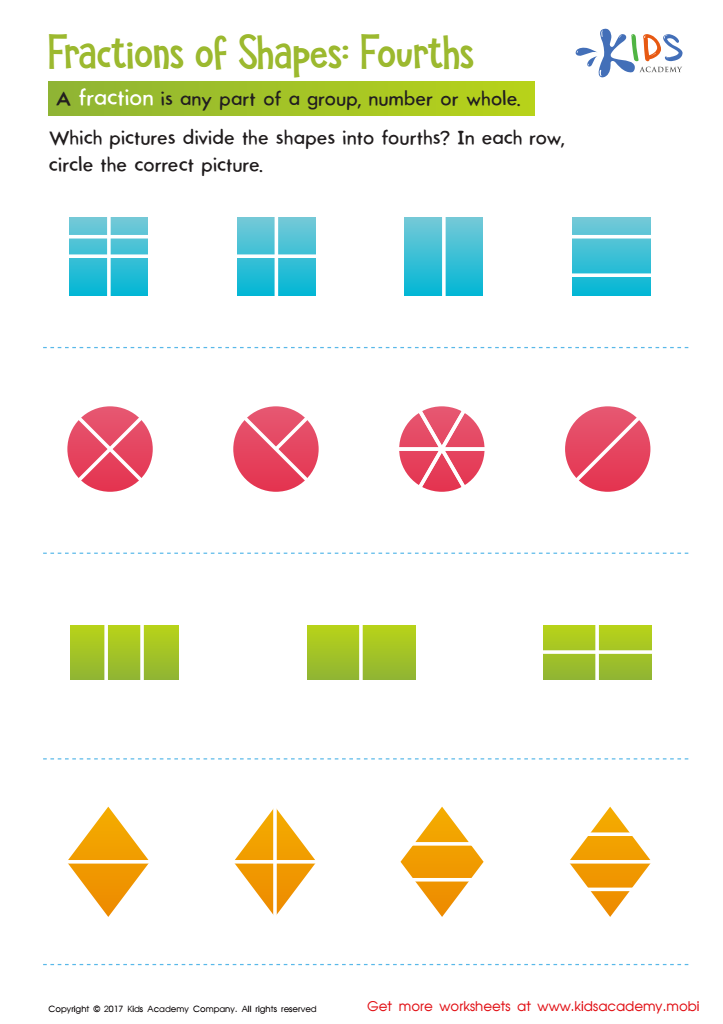
Fractions of Shapes Worksheet
 Assign to My Students
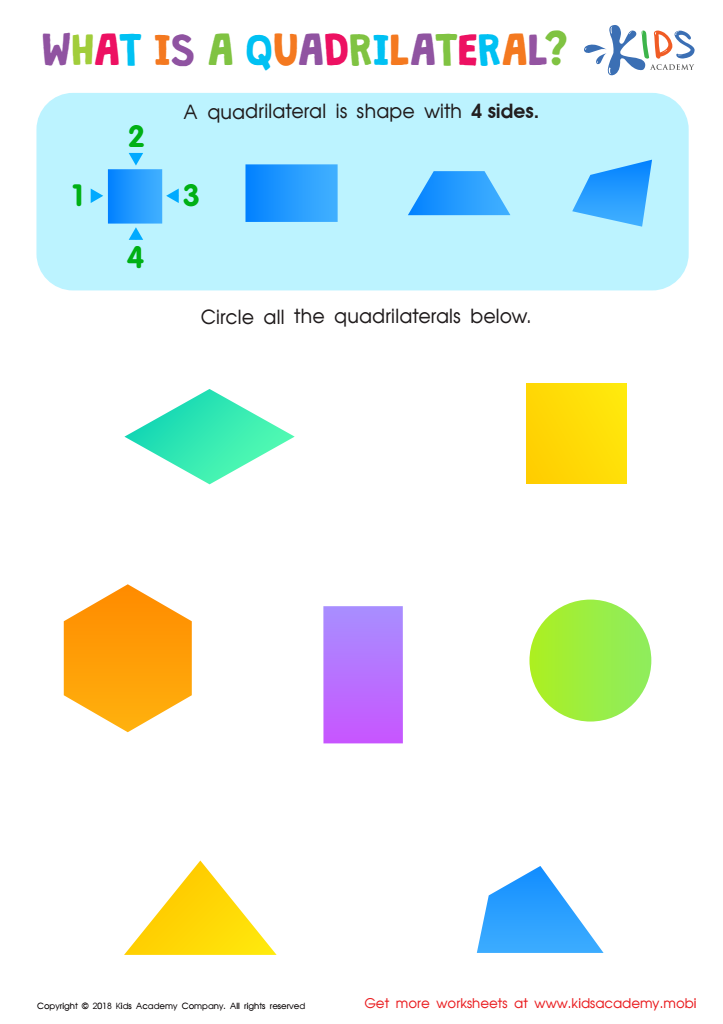
What Is a Quadrilateral? Worksheet
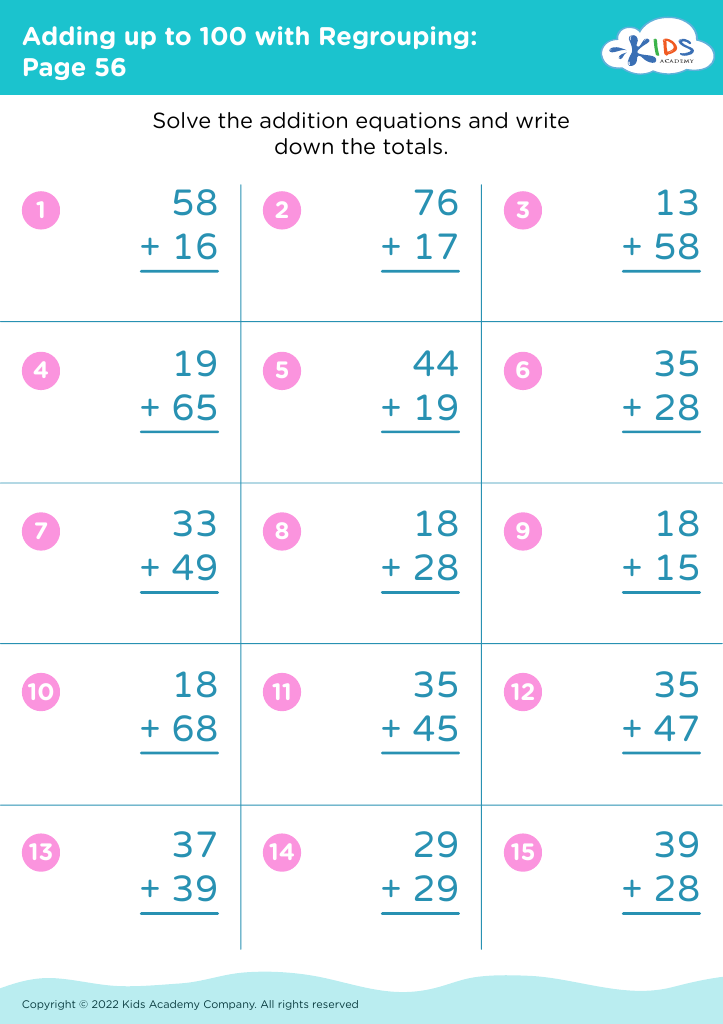
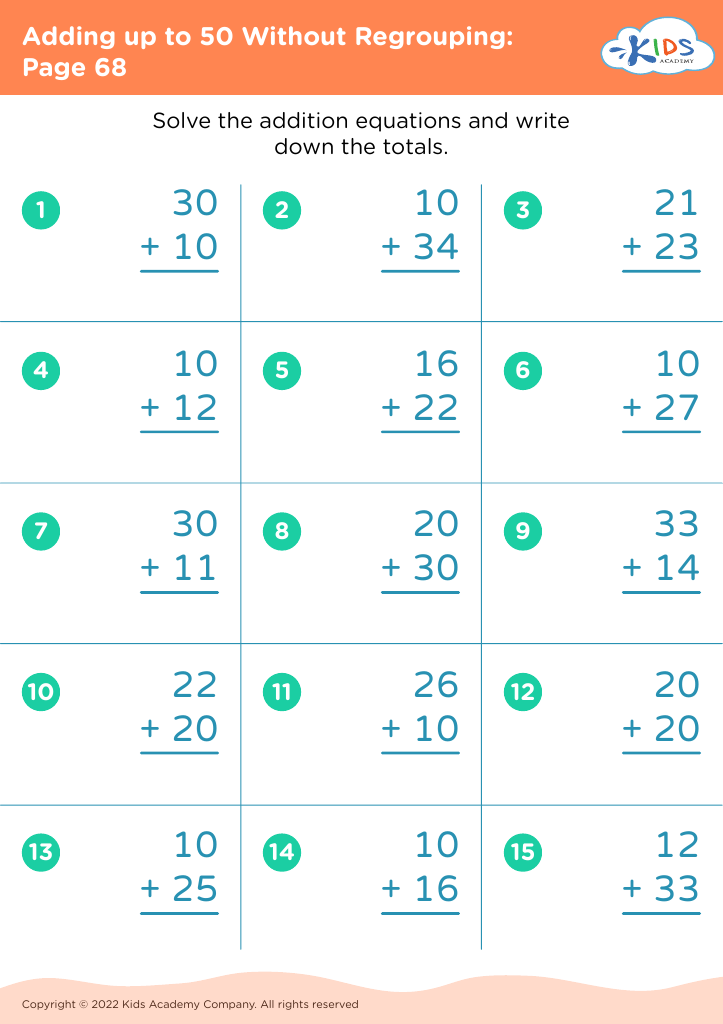
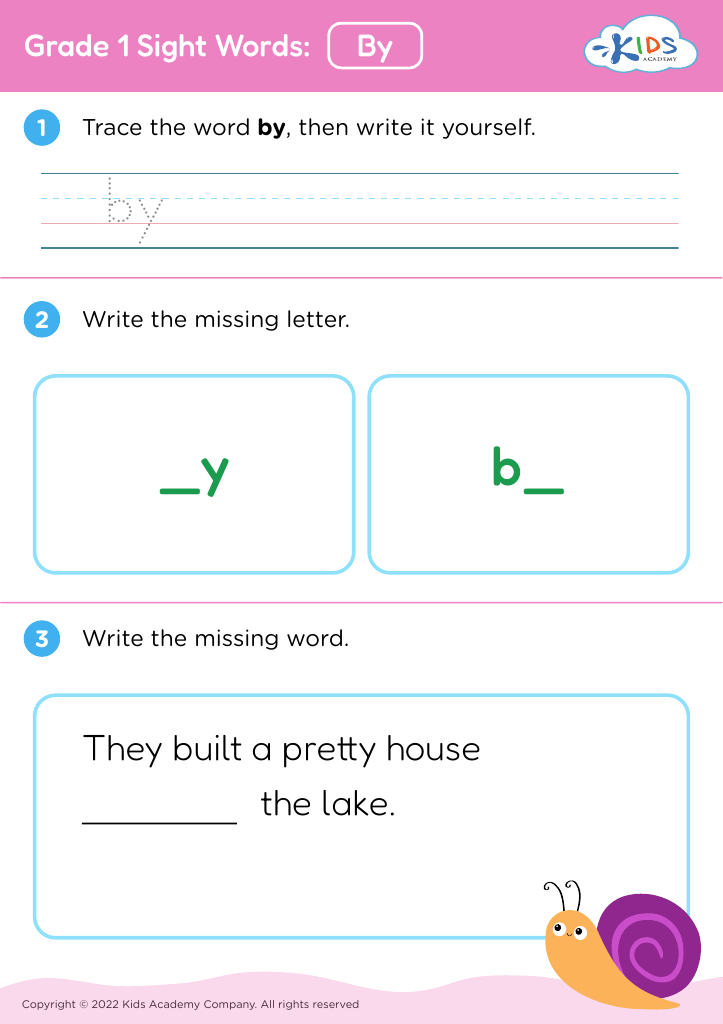








Recognizing shapes is a fundamental skill for children aged 7-9, offering significant educational and developmental benefits. For parents and teachers, fostering shape recognition goes beyond just identifying circles, squares, and triangles, providing a strong foundation for more complex mathematical concepts. Grasping shapes nurtures spatial awareness, helping children visualize and understand the physical world around them. This skill is essential for later geometry lessons and even subjects like science and technology.
Shape recognition also improves cognitive abilities, encouraging kids to discern patterns, see relationships, and enhance problem-solving skills. When children distinguish between different shapes, they are engaging critical thinking and analytical processes, laying the groundwork for logical reasoning and abstract thinking vital for academic achievement.
Moreover, recognizing shapes has practical, everyday applications. It helps children learn to organize and categorize objects, contributing to better comprehension of basic survival skills like navigating environments and interpreting signs. Emotional and social development shouldn't be overlooked either; the sense of accomplishment from recognizing and understanding shapes boosts confidence and motivates further learning.
For both parents and teachers, supporting children in mastering shape recognition offers long-lasting benefits, equipping them with the necessary tools to succeed academically and navigate their surroundings with confidence and efficiency.








