Critical Thinking Addition & Subtraction Worksheets for Ages 7-9
25 filtered results
-
From - To
Welcome to our Critical Thinking Addition & Subtraction Worksheets for ages 7-9! Designed to enhance essential math skills, these engaging worksheets promote critical thinking through fun and interactive activities. Children will work on challenging problems that require them to analyze, compare, and evaluate various mathematical concepts. Our curriculum aligns with educational standards, ensuring each worksheet supports cognitive development while reinforcing addition and subtraction skills. Whether used in the classroom or at home, these worksheets will motivate young learners to think deeply and solve problems creatively. Dive into a world of mathematical exploration and empower your child’s learning journey today!
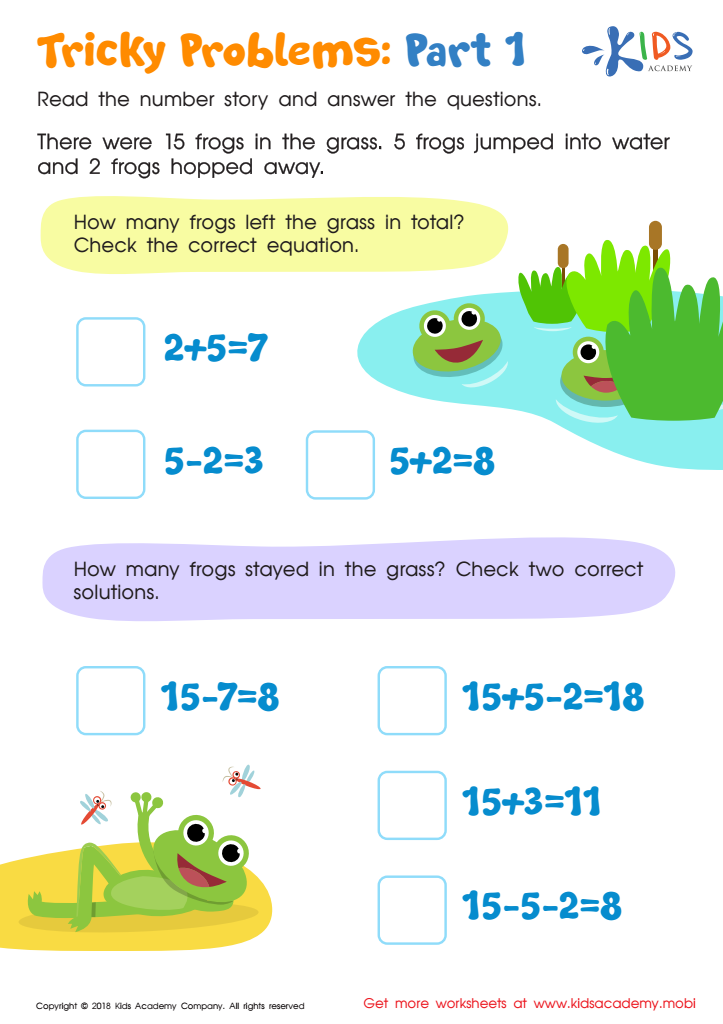
Tricky Problems Worksheet: Part 1
 Assign to My Students
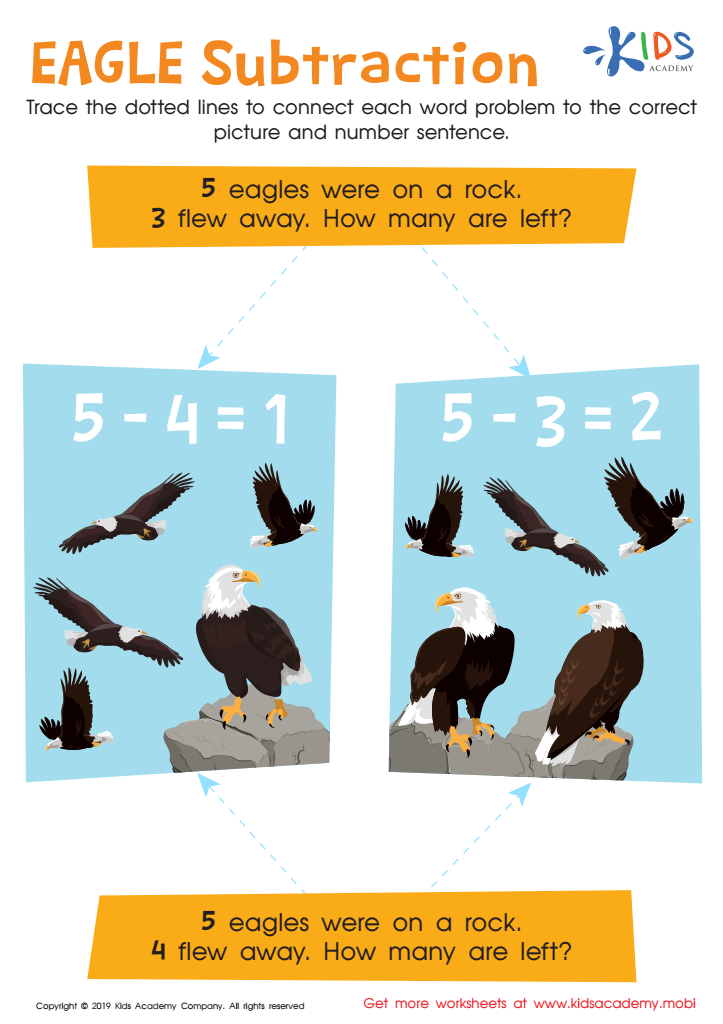
Eagle Subtraction Worksheet
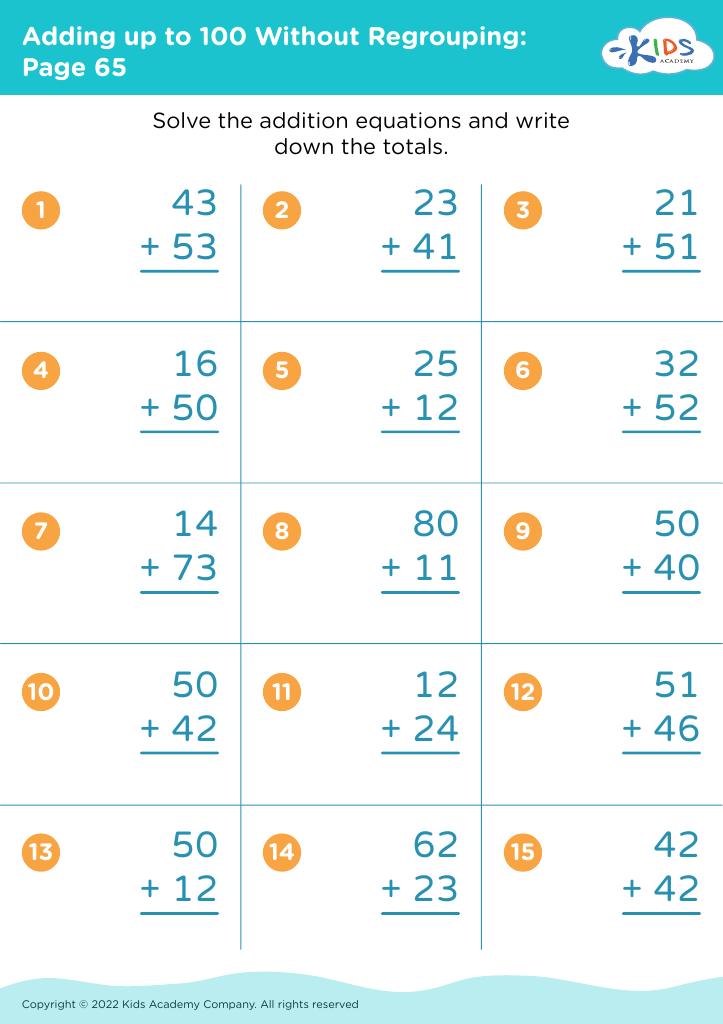
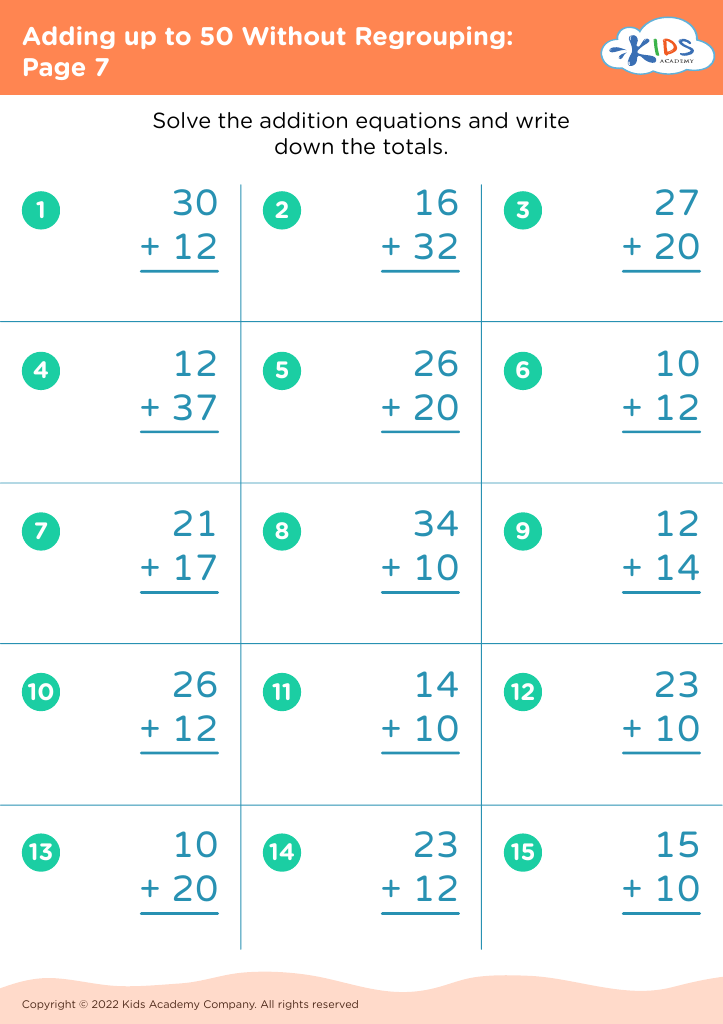
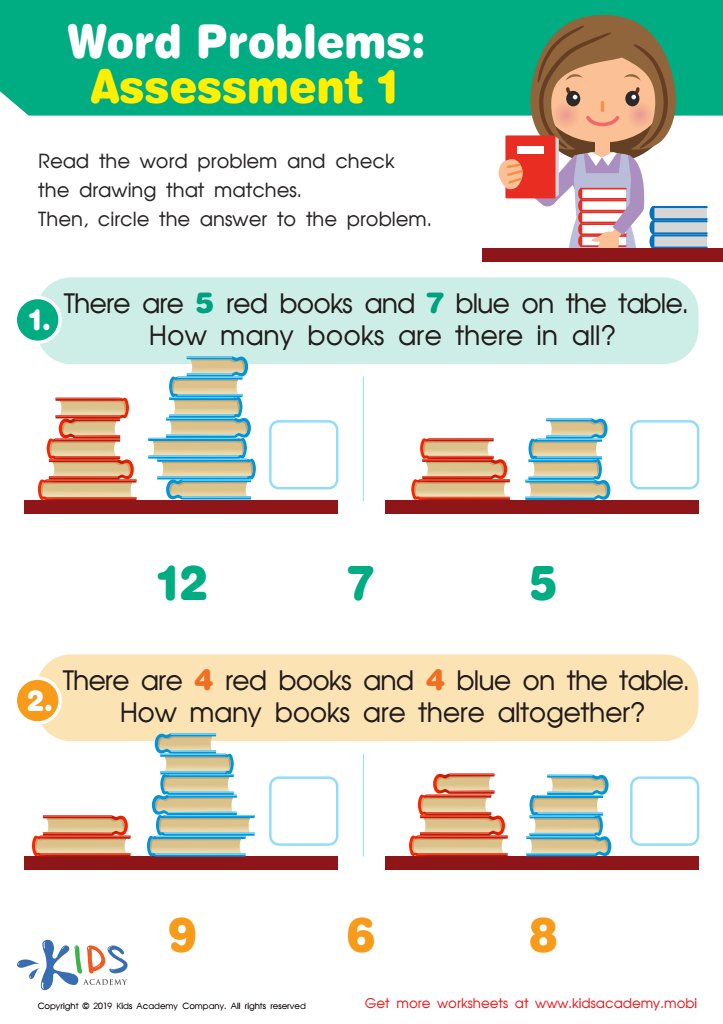
Word Problems: Assessment 1 Worksheet
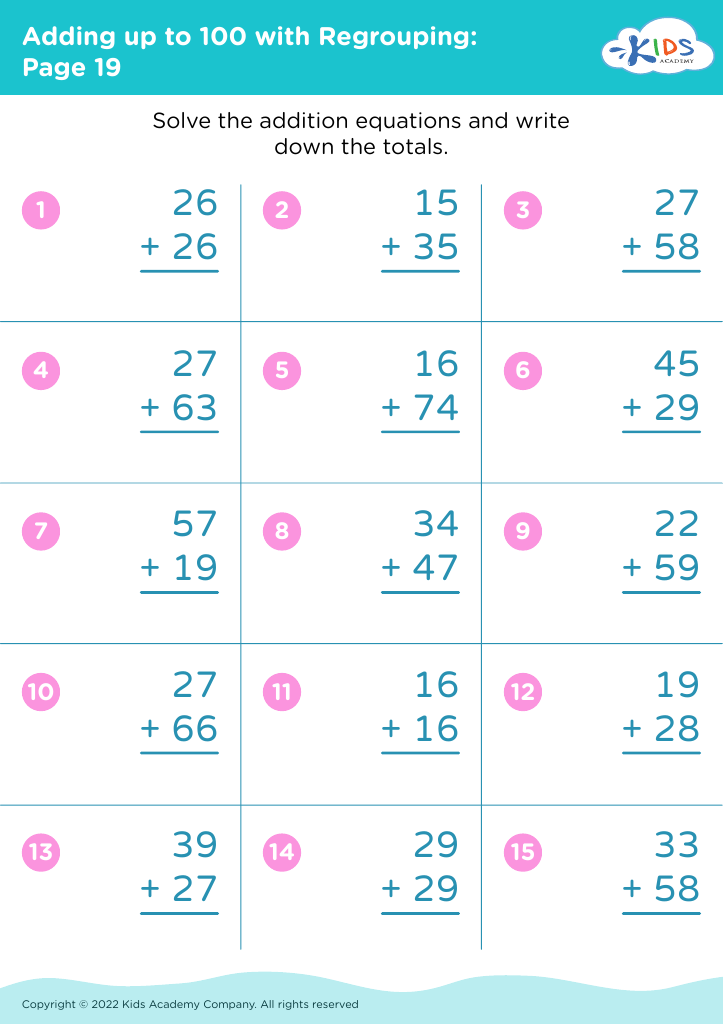
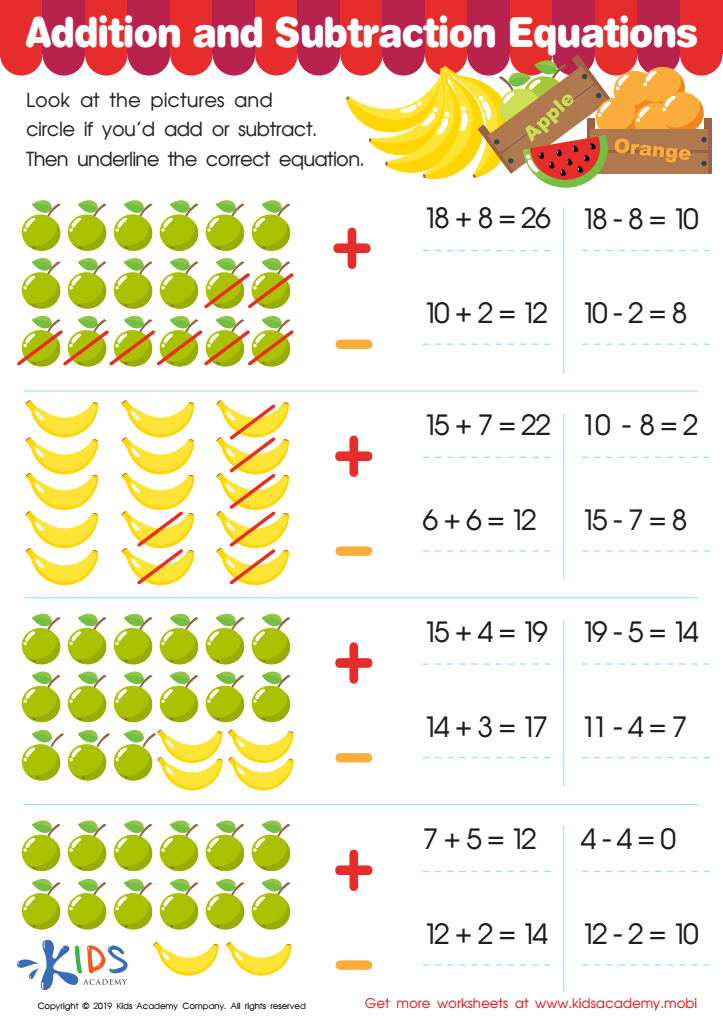
Addition and Subtraction: Equations Worksheet
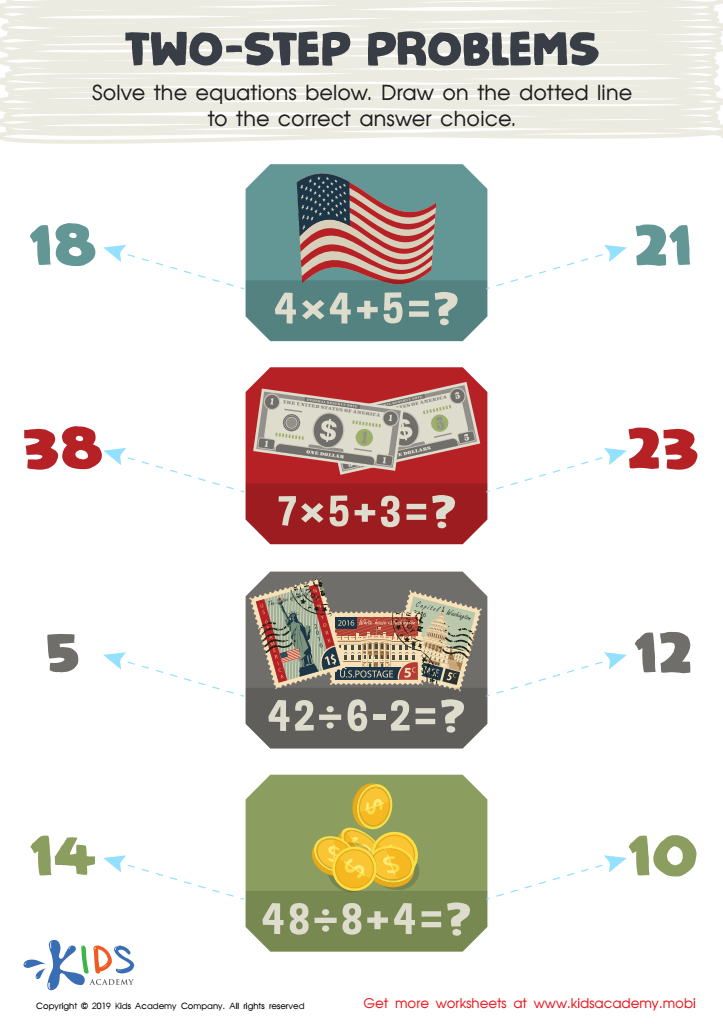
Two-Step Problems Worksheet
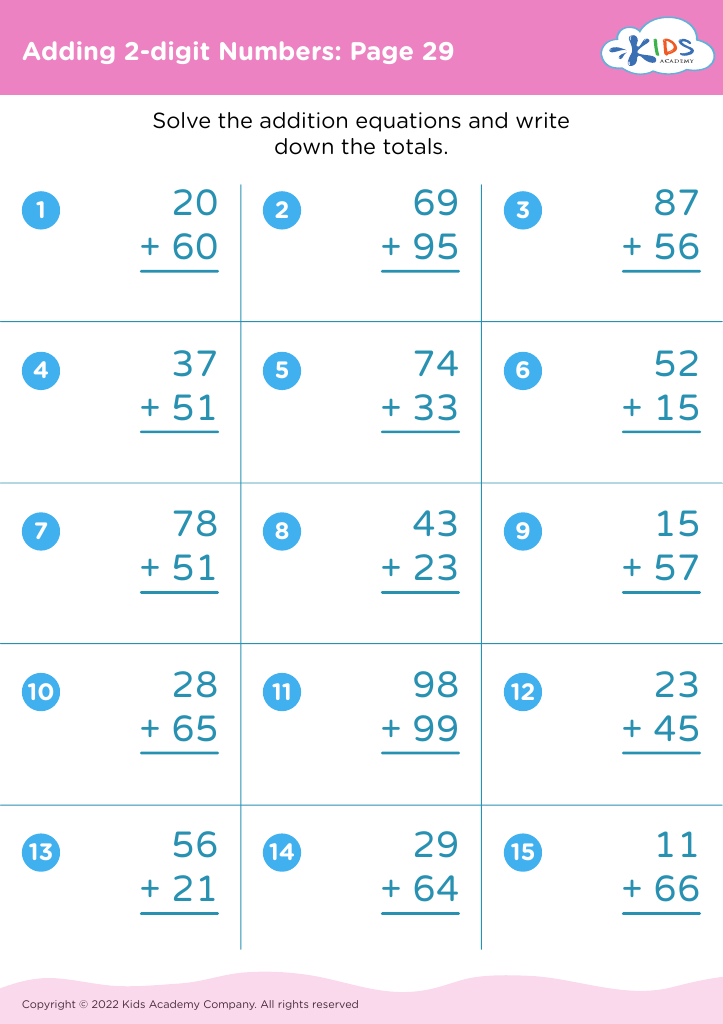
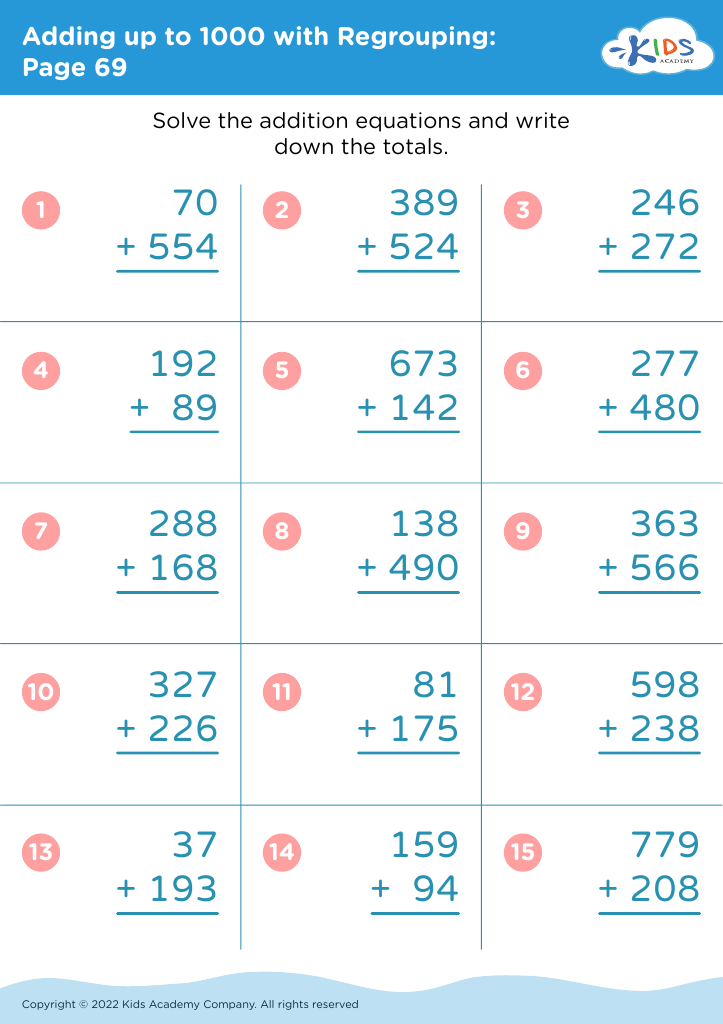
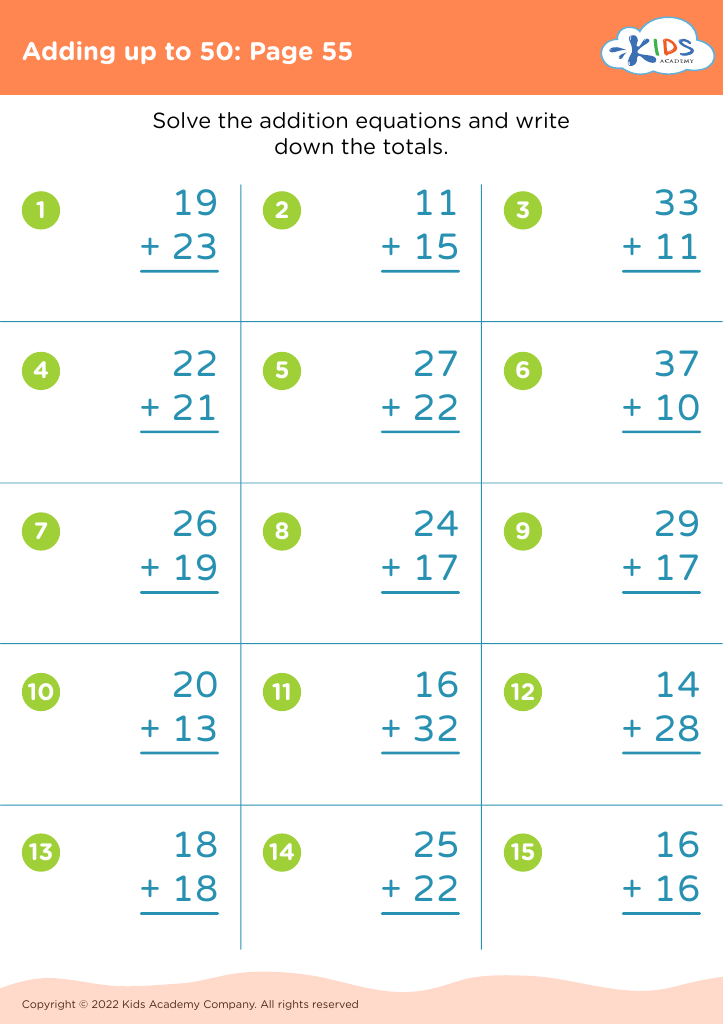
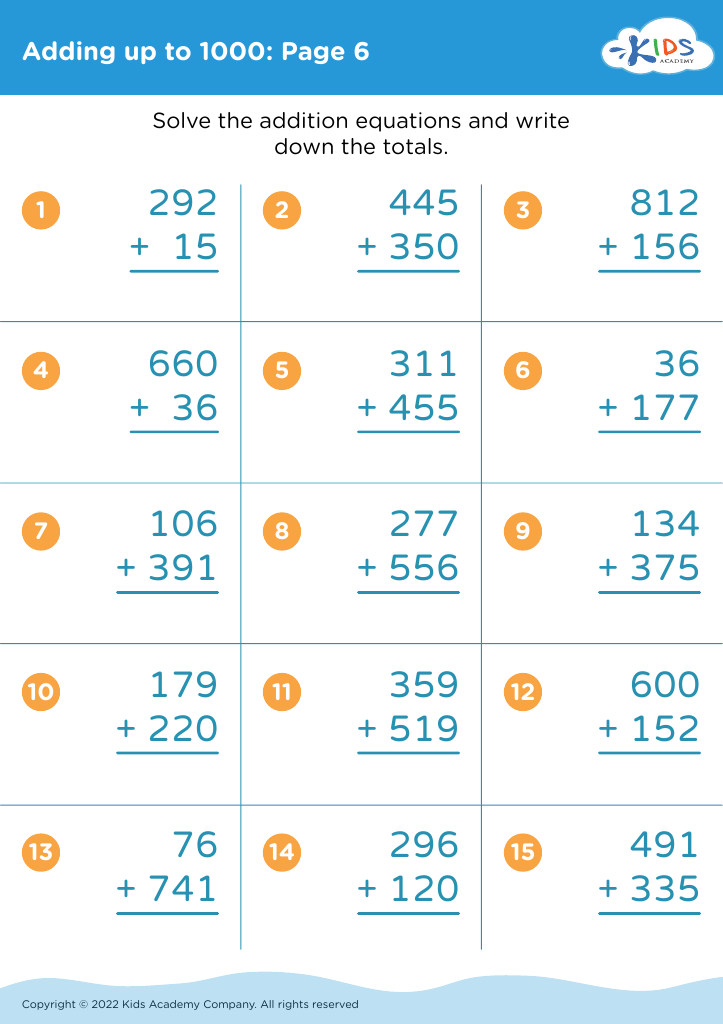
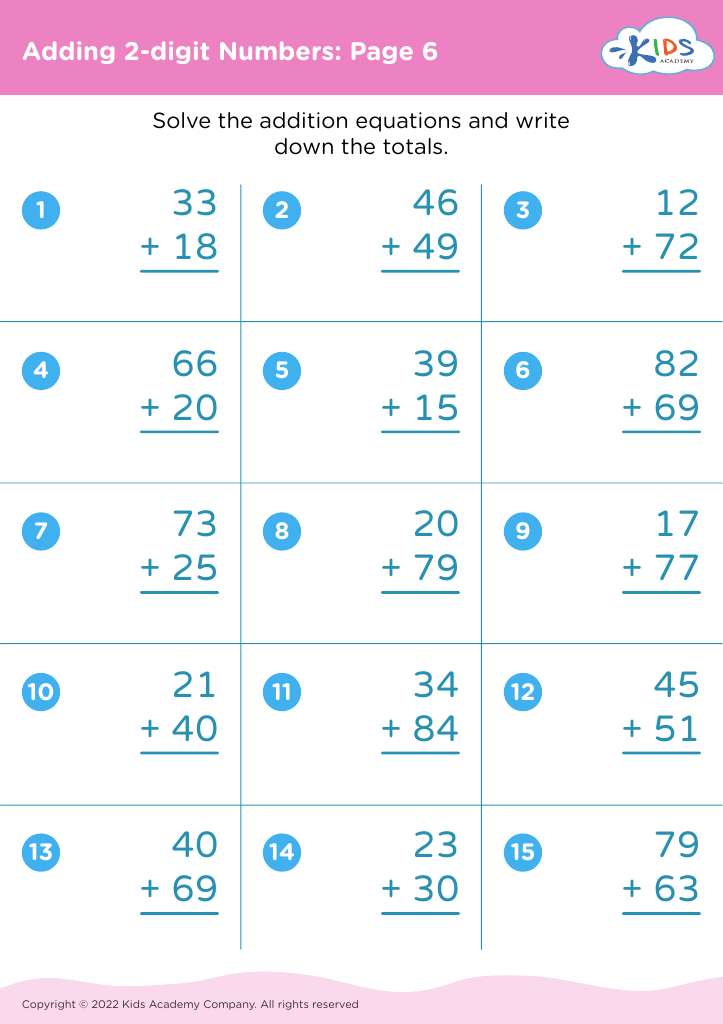
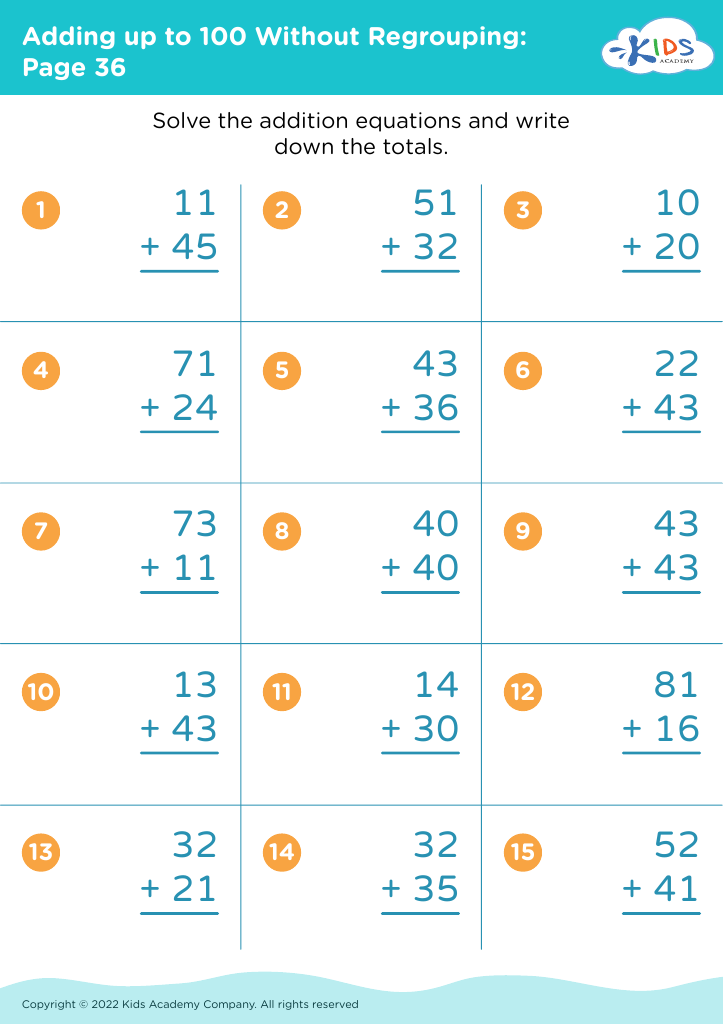
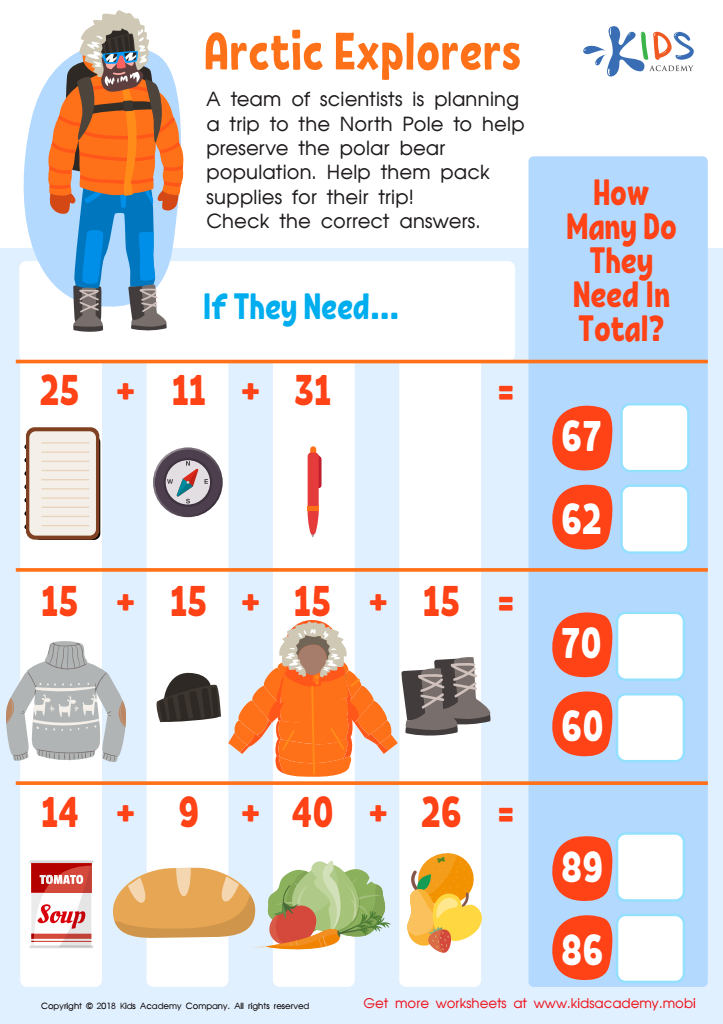
Arctic Explorers Worksheet
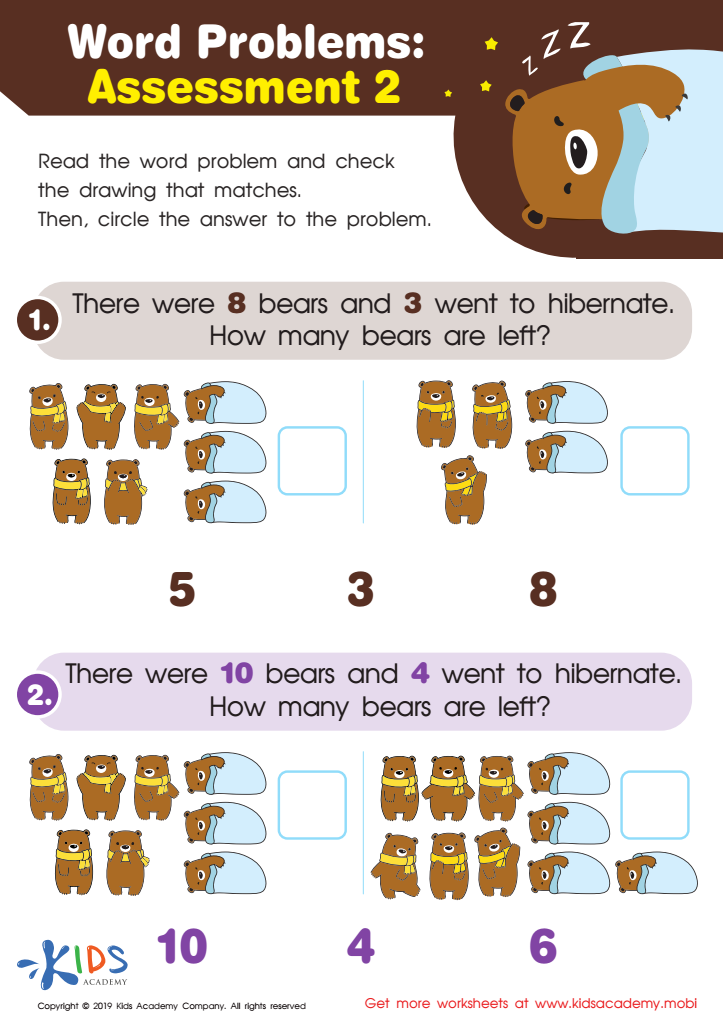
Word Problems: Assessment 2 Worksheet
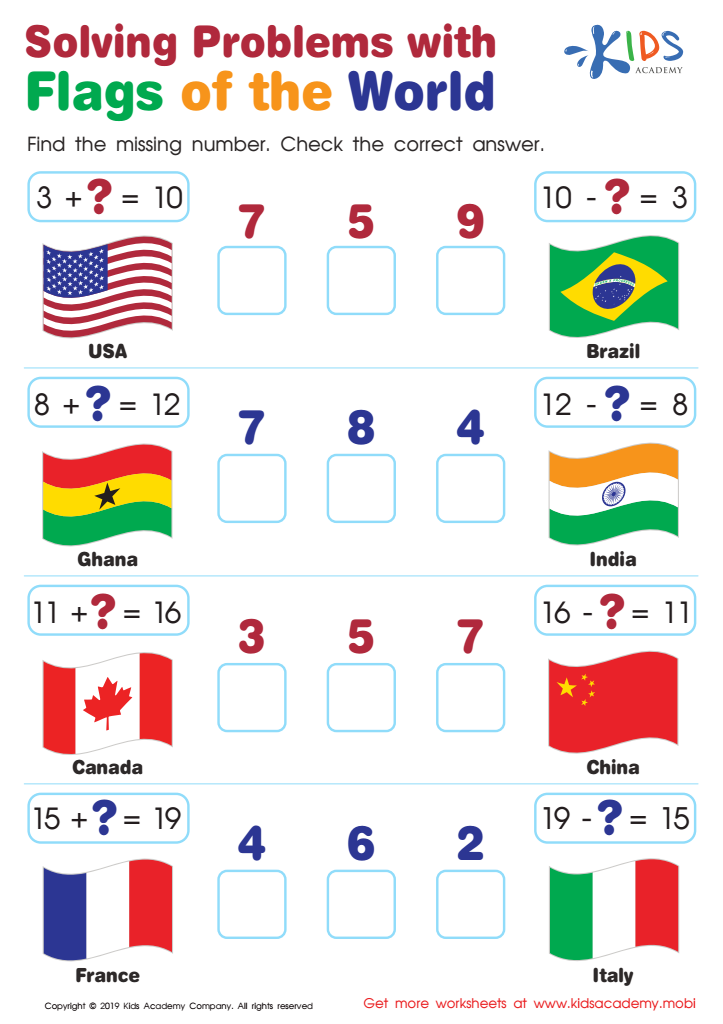
Solving Problems with Flags of the World Worksheet
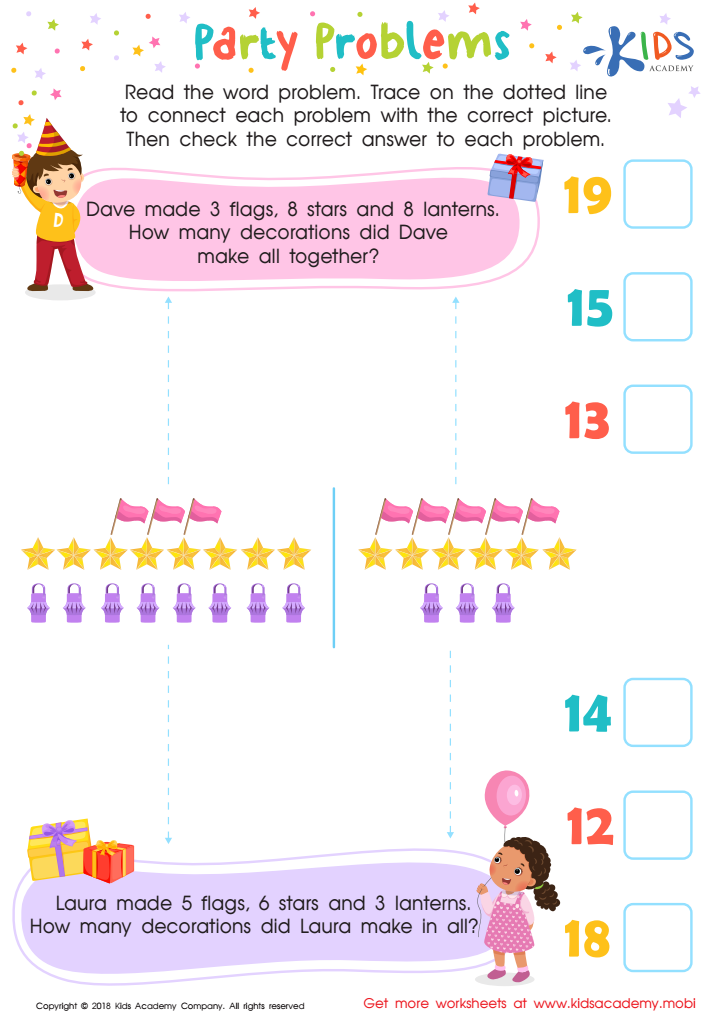
Party Problems Worksheet
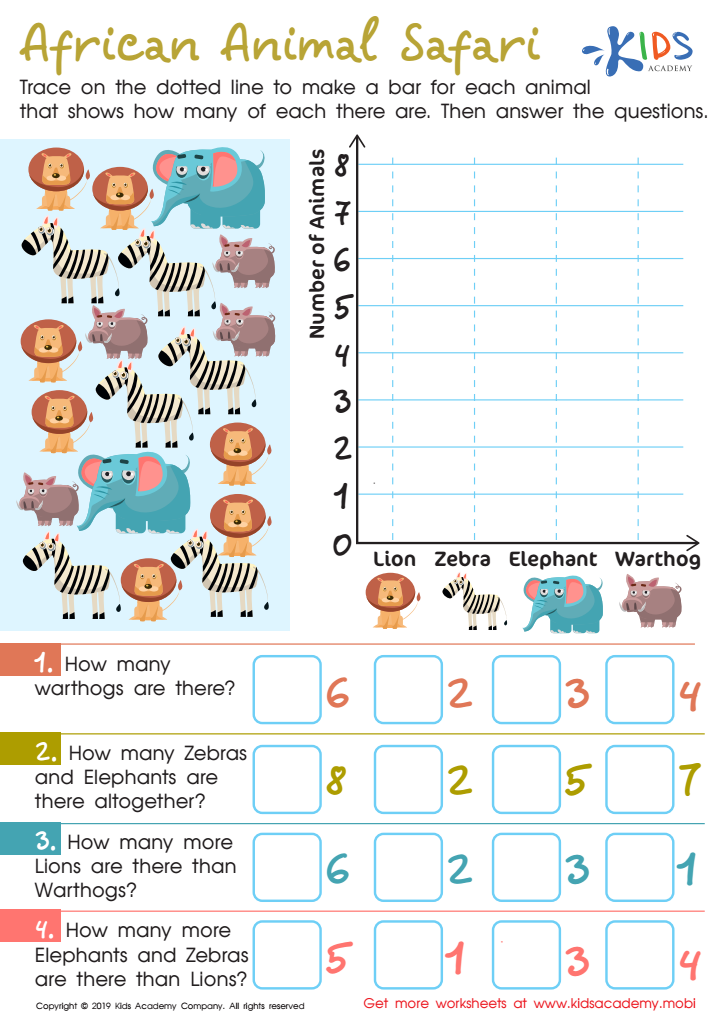
African Animal Safari Worksheet








Critical thinking in addition and subtraction is essential for children aged 7–9 as it lays the groundwork for broader cognitive skills and problem-solving capabilities. During this developmental stage, children's cognitive abilities are rapidly advancing, allowing them to grasp concepts beyond simple arithmetic. By encouraging them to think critically about mathematics, we cultivate their ability to analyze problems, identify patterns, and explore multiple strategies.
In addition, critical thinking fosters independence and confidence in their mathematical skills. When students are encouraged to explain their reasoning or to question different methods of arriving at an answer, they are engaged in deeper learning processes. This approach not only strengthens their computational skills but also promotes a positive attitude towards learning, reducing anxiety associated with math.
Furthermore, critical thinking equips children with the tools necessary to apply mathematics in real-life situations. For instance, understanding how to estimate outcomes or check the feasibility of their solutions prepares them for life challenges, reinforcing why math is vital beyond the classroom.
Ultimately, supporting critical thinking in addition and subtraction cultivates lifelong learners who are not only proficient in math but also skilled at making decisions and solving problems across various contexts. Parents and teachers play a crucial role in guiding this development, fostering a love for learning that extends far beyond early education.








