Shape Recognition Addition & Subtraction Worksheets for Ages 7-9 - Page 2
33 filtered results
-
From - To
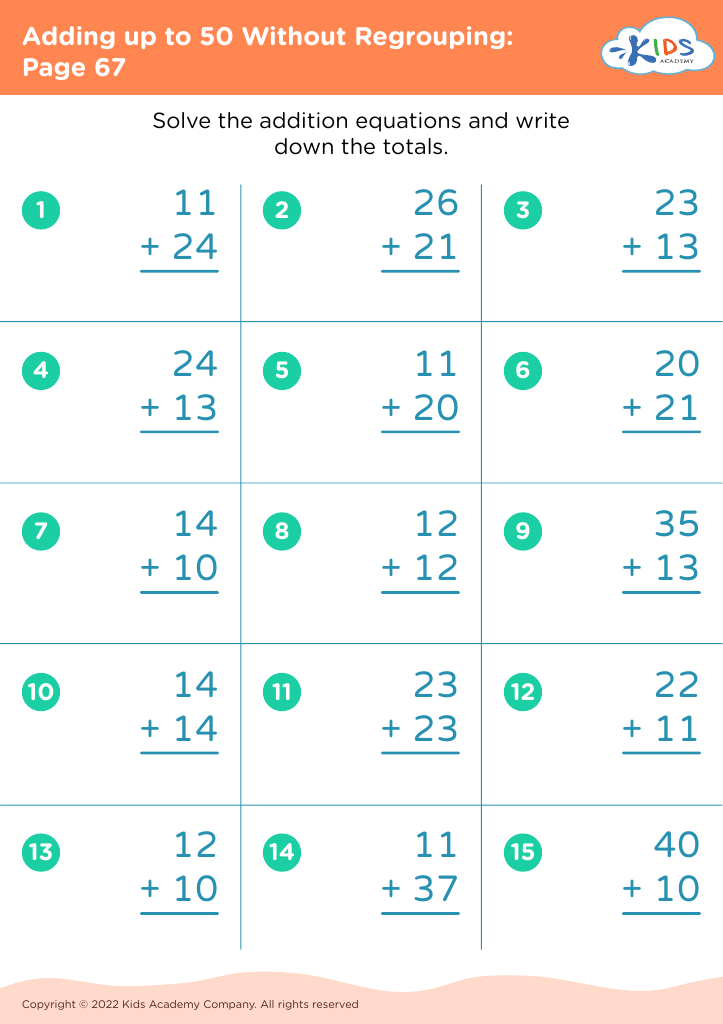
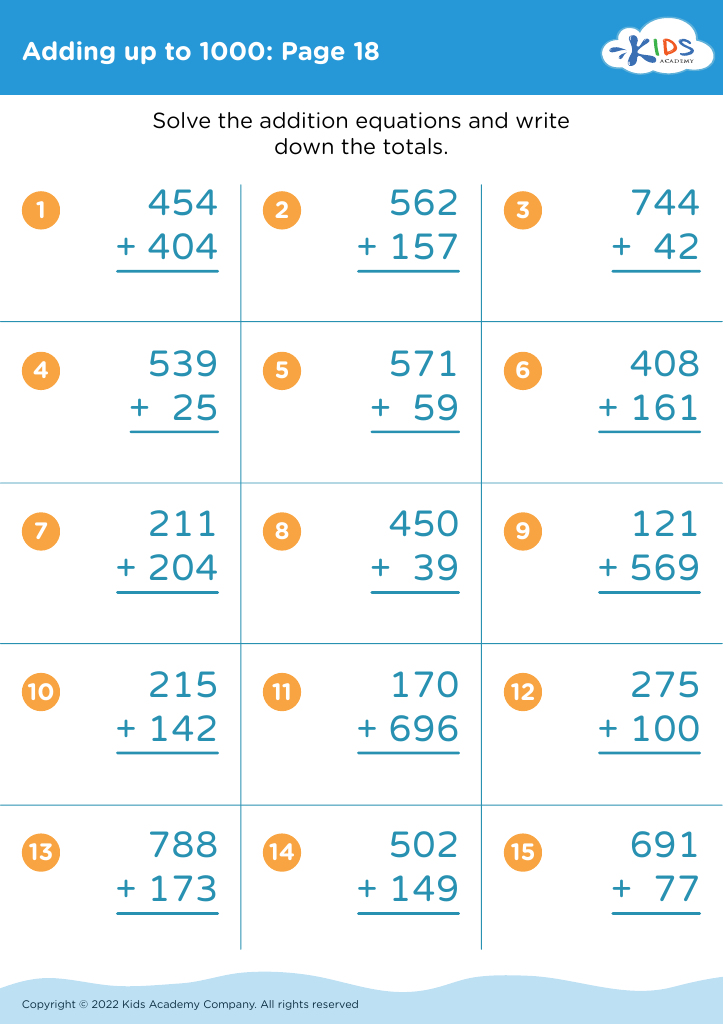
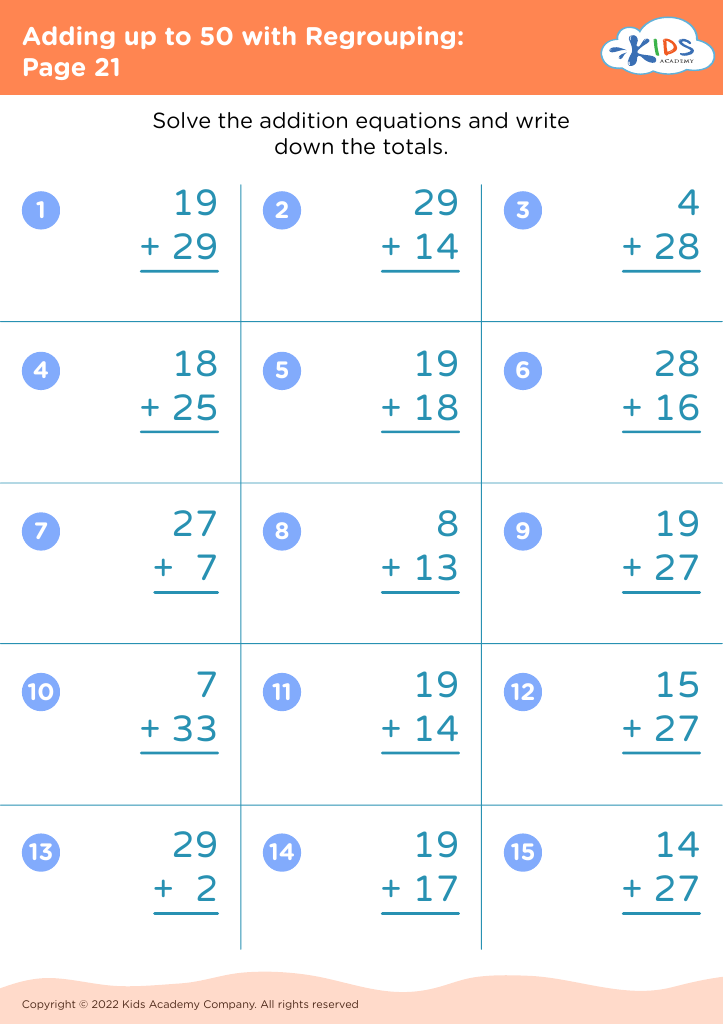
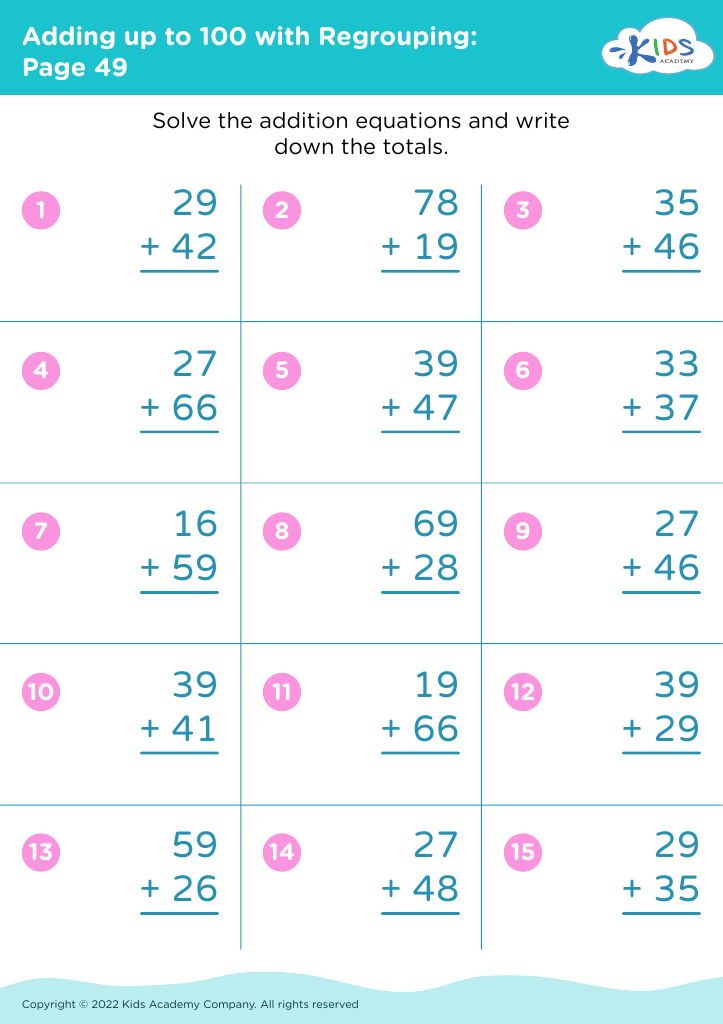
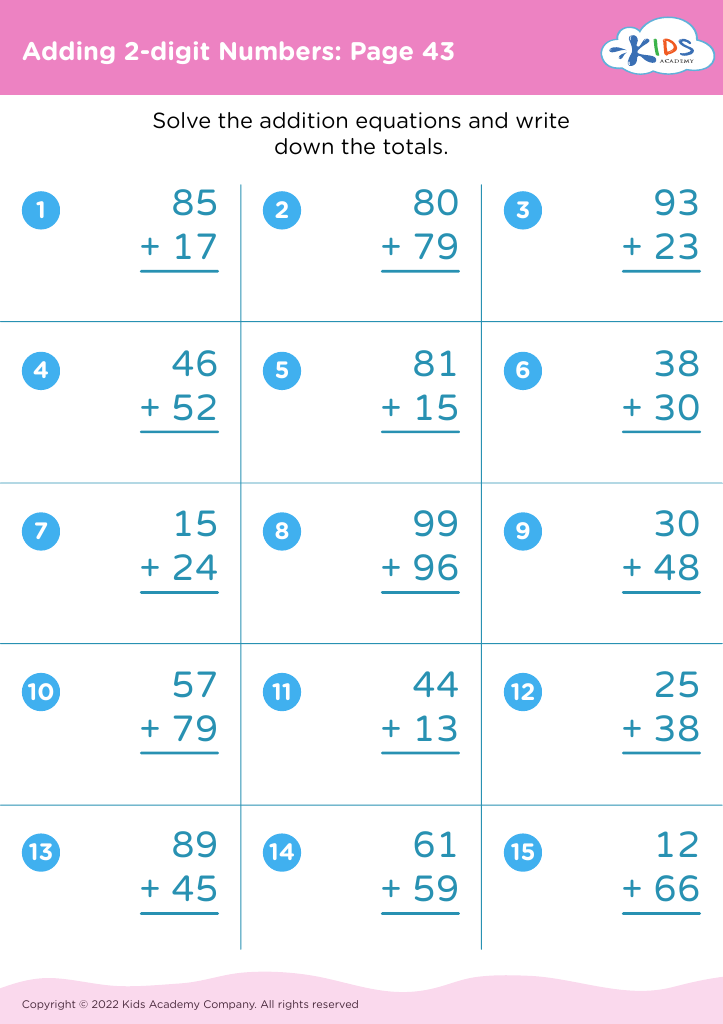
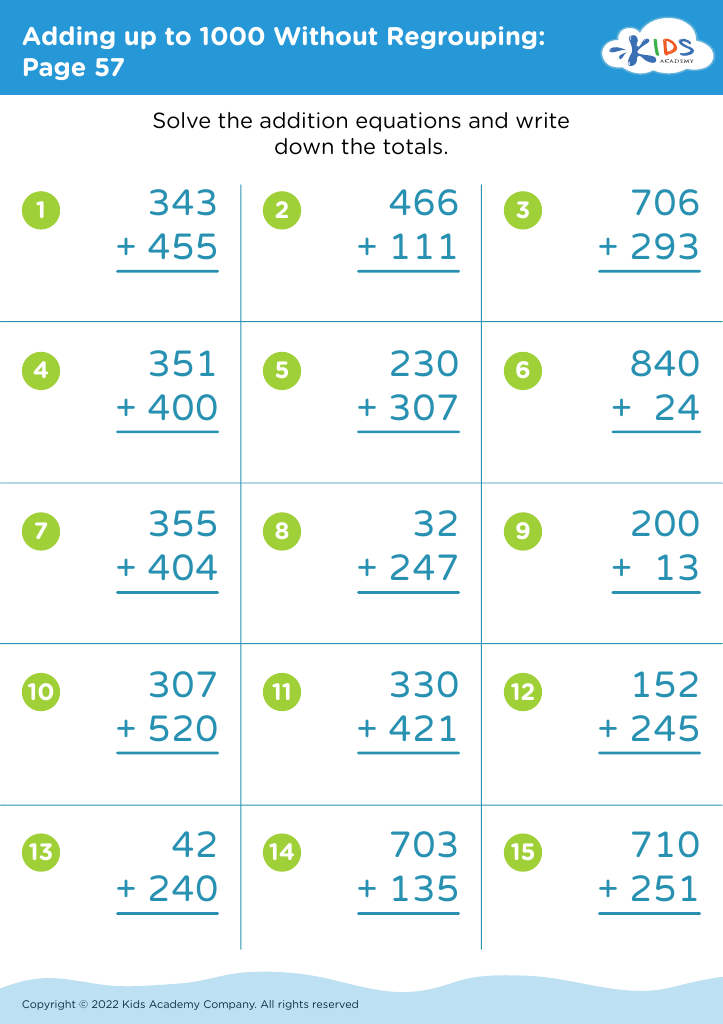
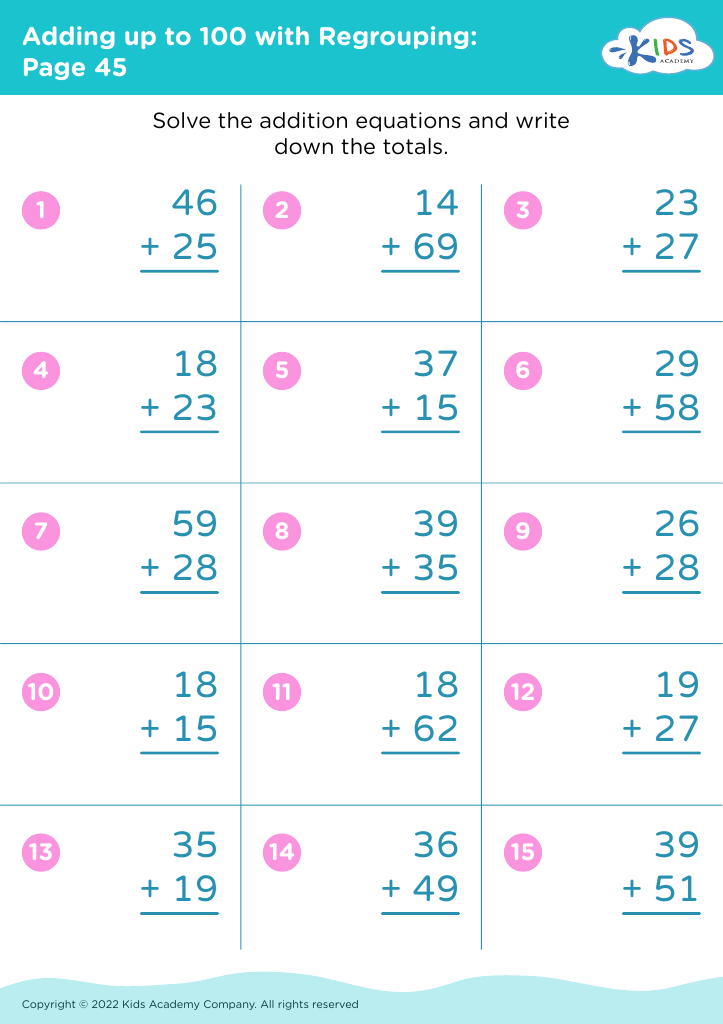
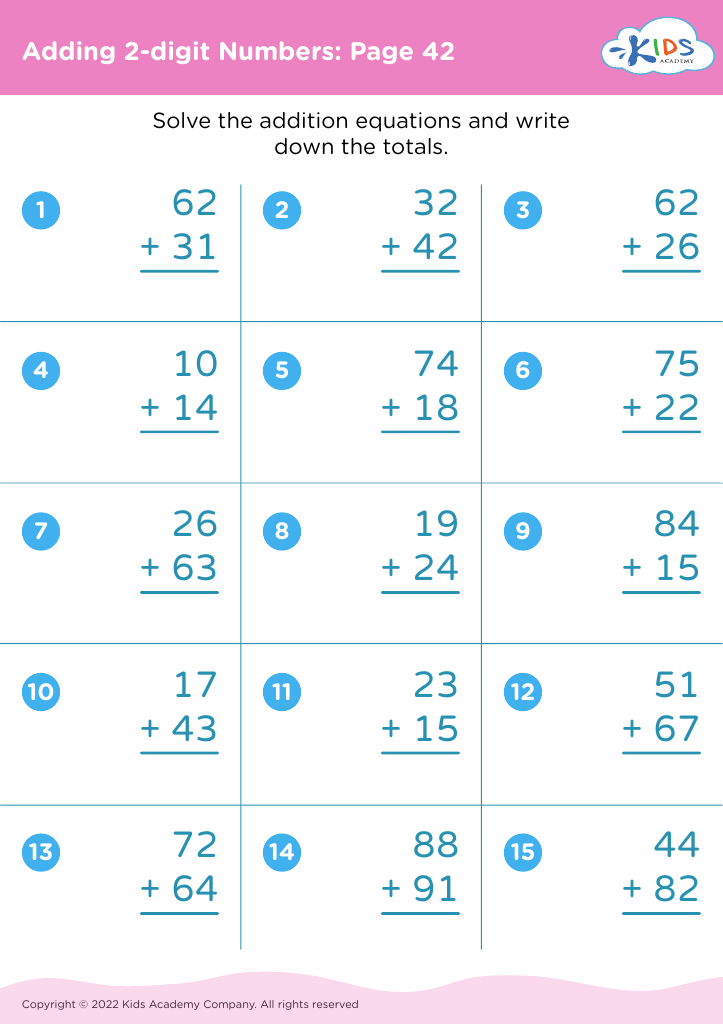
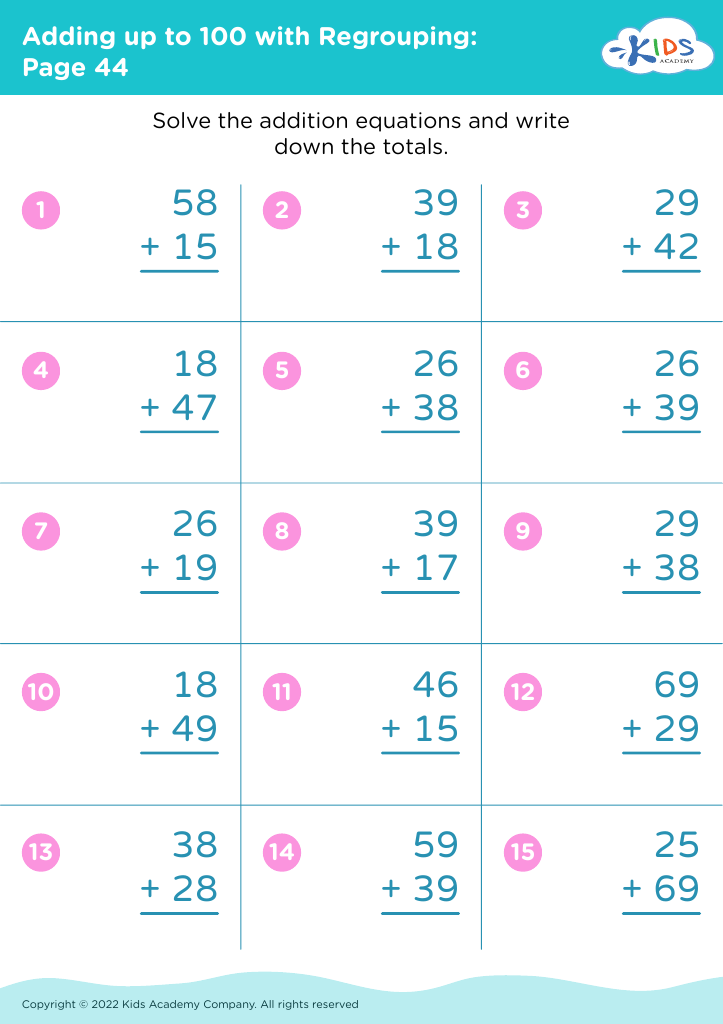








Parents and teachers should care about shape recognition, addition, and subtraction for children ages 7-9 because these skills form the foundation for more advanced mathematical concepts and critical thinking abilities. At this developmental stage, children transition from simple to more complex cognitive processes. Shape recognition nurtures their spatial awareness and geometry skills, helping them distinguish and categorize different shapes, sizes, and patterns in their environment. This visual-spatial reasoning is crucial for understanding more abstract mathematical concepts later on.
Addition and subtraction are equally vital as they are fundamental arithmetic operations. Mastering these basic skills allows children to build confidence in their mathematical abilities, fostering a positive attitude towards math as a subject. These operations teach them problem-solving strategies, logical sequencing, and the ability to manage numbers effectively. Practicing addition and subtraction can also enhance mental arithmetic, a skill that is incredibly useful in everyday life.
Moreover, integrating shape recognition with addition and subtraction can make learning more engaging. For instance, using shape puzzles that require summing or subtracting shapes can make abstract concepts tangible. This multi-faceted approach not only consolidates their understanding but also makes learning enjoyable, which is essential for lifelong educational success. So, supporting children in these areas equips them with essential skills for both academic and real-world scenarios.








