Data interpretation Numbers Worksheets for Ages 7-9
4 filtered results
-
From - To
Discover our engaging Data Interpretation Numbers Worksheets designed for children ages 7-9. These worksheets help young learners develop vital analytical skills by interpreting and analyzing various types of data. Through fun and interactive activities, kids will learn to read charts, graphs, and tables, enhancing their mathematical proficiency and critical thinking. Our materials are specifically crafted to make data analysis enjoyable, fostering a deeper understanding of how numbers work in real-life contexts. Perfect for classroom use or homeschooling, these worksheets provide a comprehensive approach to mastering data interpretation, setting a strong foundation for future math success. Start learning today!
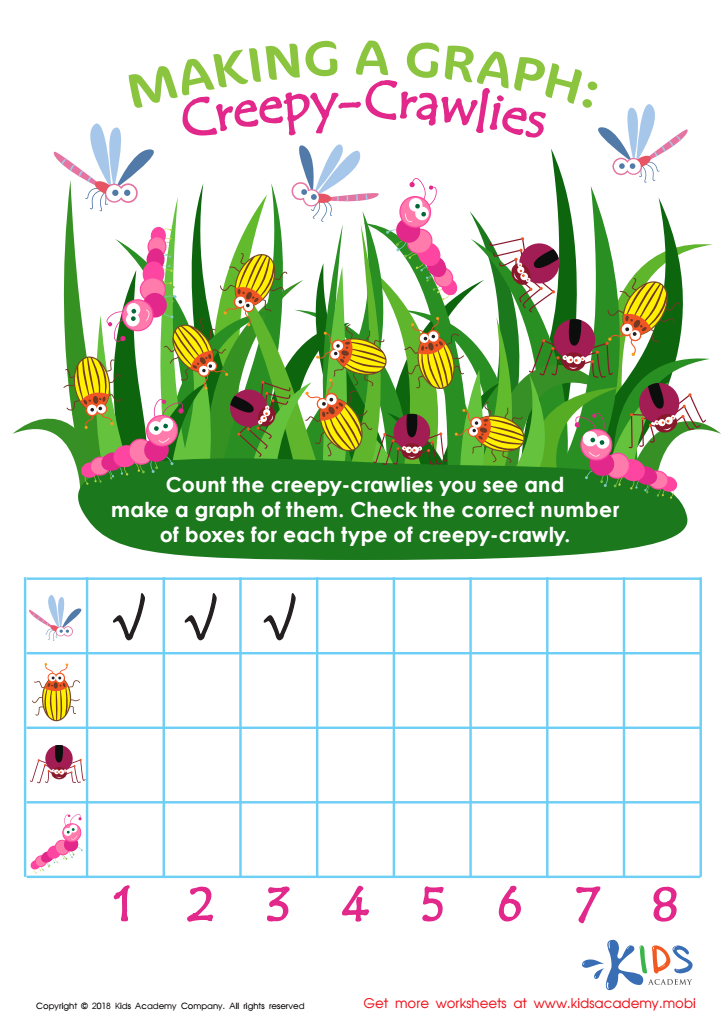
Making a Graph: Creepy Crawlies Worksheet
 Assign to My Students
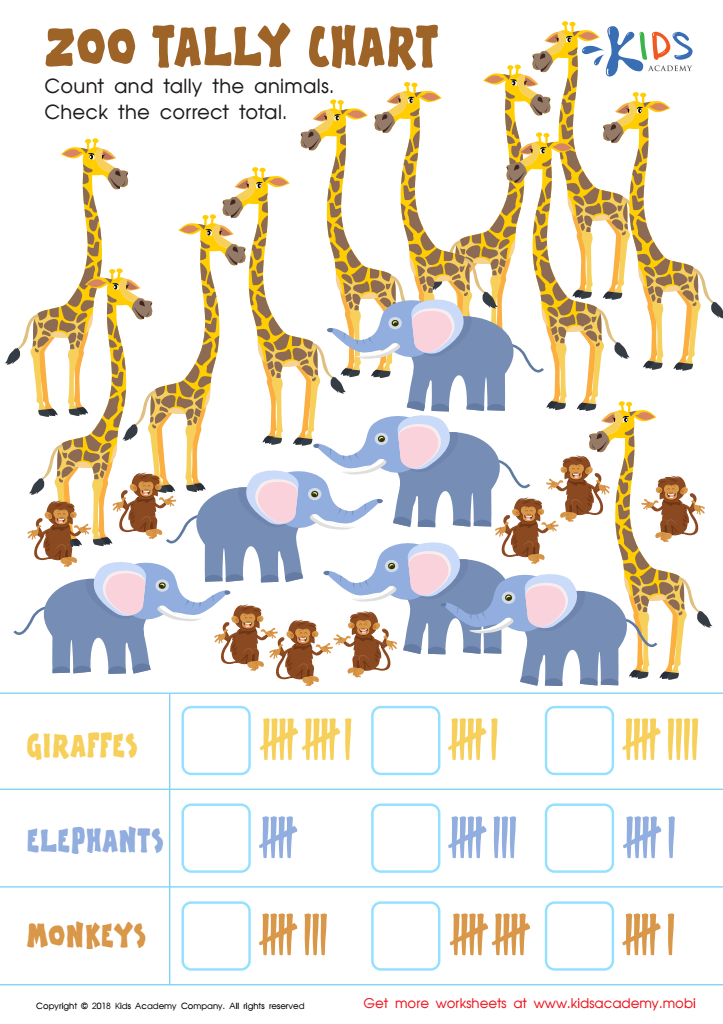
Zoo Tally Chart Worksheet
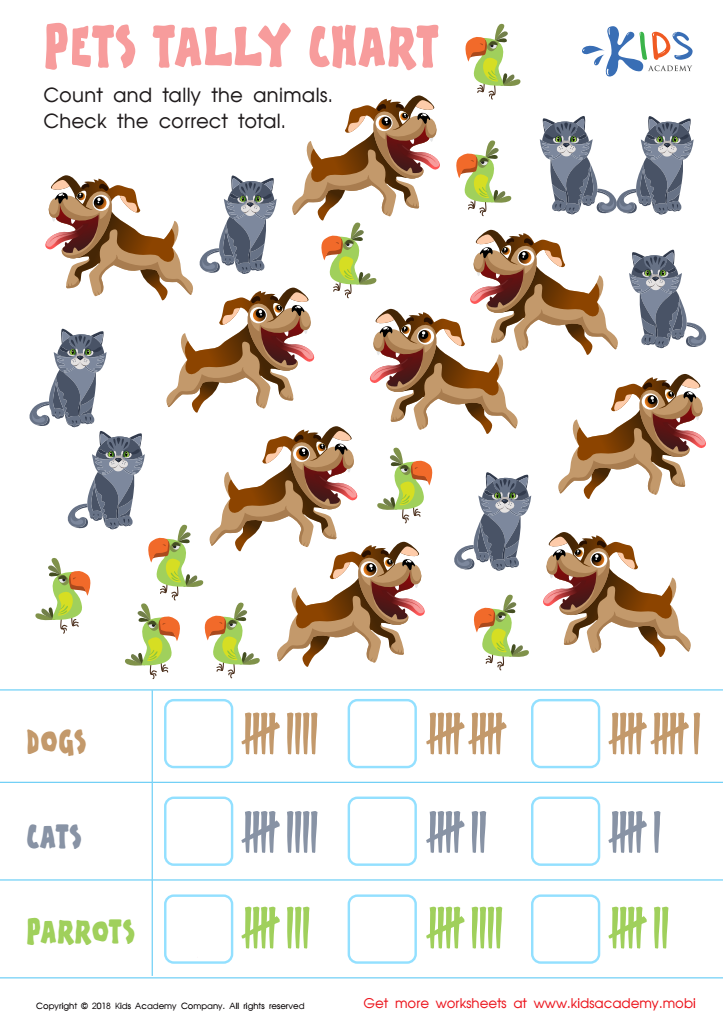
Pets Tally Chart Worksheet
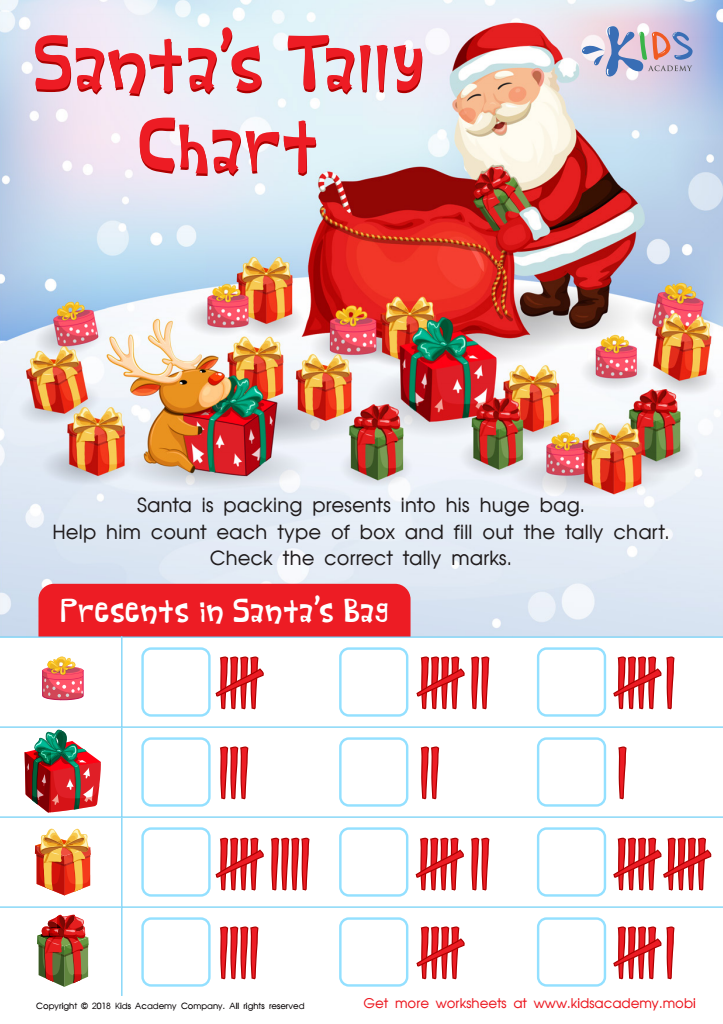
Santa Tally Chart Worksheet








Data interpretation and number skills are crucial for children aged 7-9, as they form the foundation for critical thinking and problem-solving abilities essential in today's data-driven world. At this age, children are beginning to understand more complex mathematical concepts, and engaging with data helps bridge the gap between abstract numbers and real-life applications.
Parents and teachers should prioritize data interpretation because it fosters analytical skills that aid in decision-making. Whether it’s understanding weather patterns, sports statistics, or surveys, being able to interpret data cultivates curiosity and encourages children to ask questions. This engagement increases their ability to draw conclusions based on evidence, a skill that extends beyond mathematics into subjects like science and social studies.
Moreover, fostering early data interpretation skills builds confidence in handling numbers, which can reduce math anxiety in later grades. As children learn to visualize data through graphs and charts, they become more adept at recognizing trends and making comparisons. This not only enhances their academic performance but also equips them with lifelong skills necessary for navigating an increasingly data-oriented society.
Ultimately, by emphasizing data interpretation, educators and parents help nurture well-rounded, confident learners prepared for future challenges.








