Fine Motor Skills Numbers Worksheets for Ages 7-9 - Page 2
40 filtered results
-
From - To
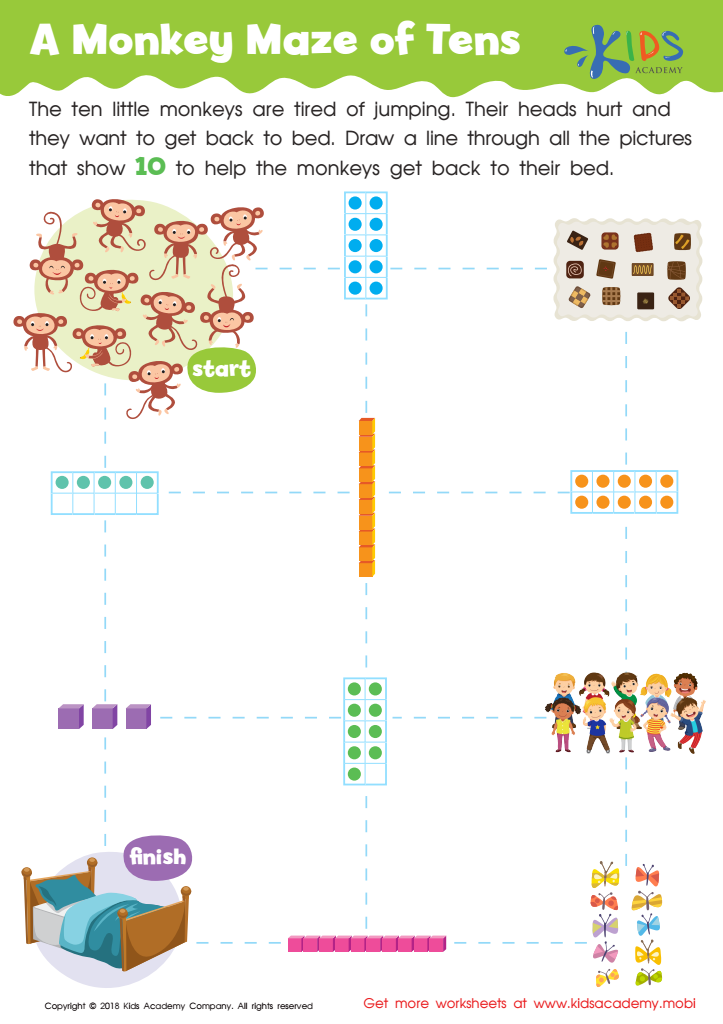
A Monkey Maze of Tens Worksheet
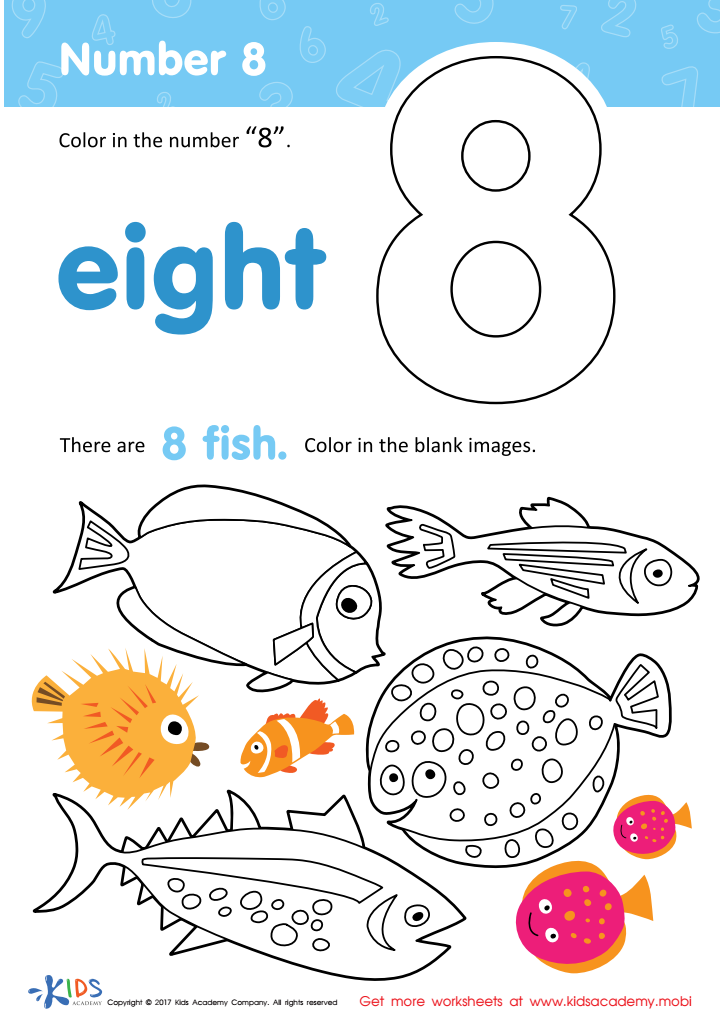
Number 8 Printable
 Assign to My Students
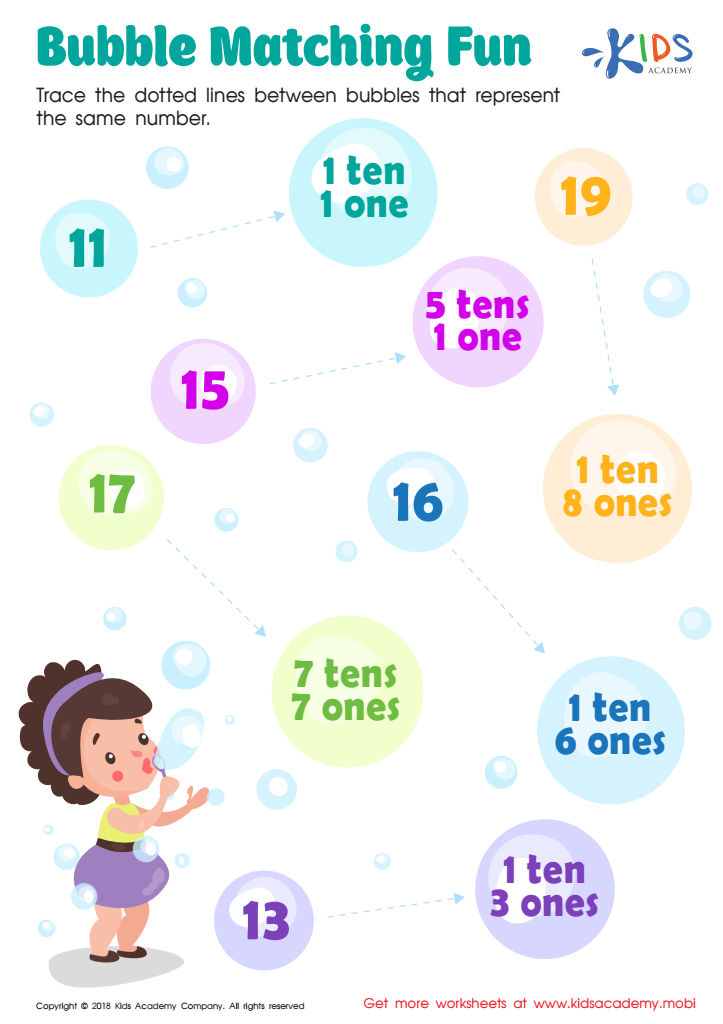
Bubble Matching Fun Worksheet
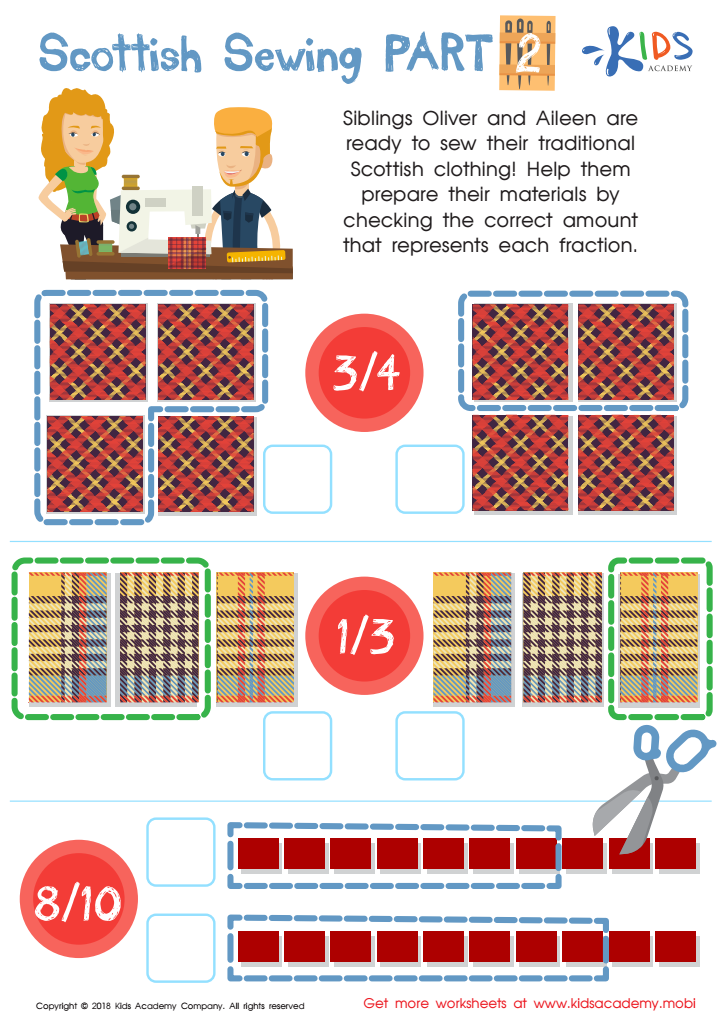
Scottish Sewing Part 2 Worksheet
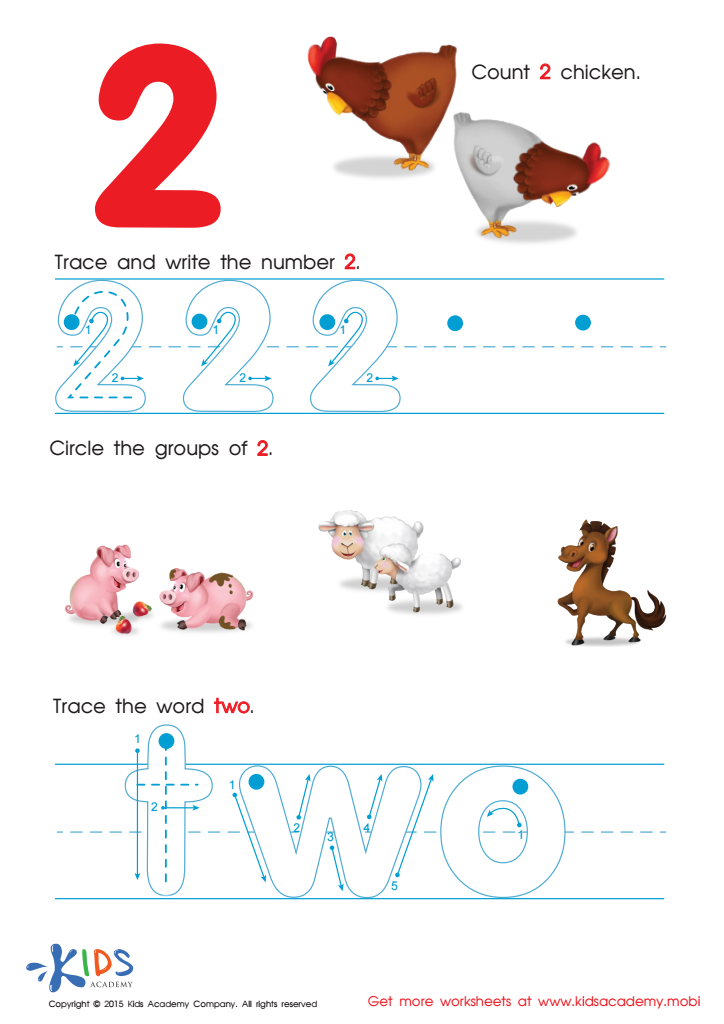
Learn to Write the Number 2 Worksheet
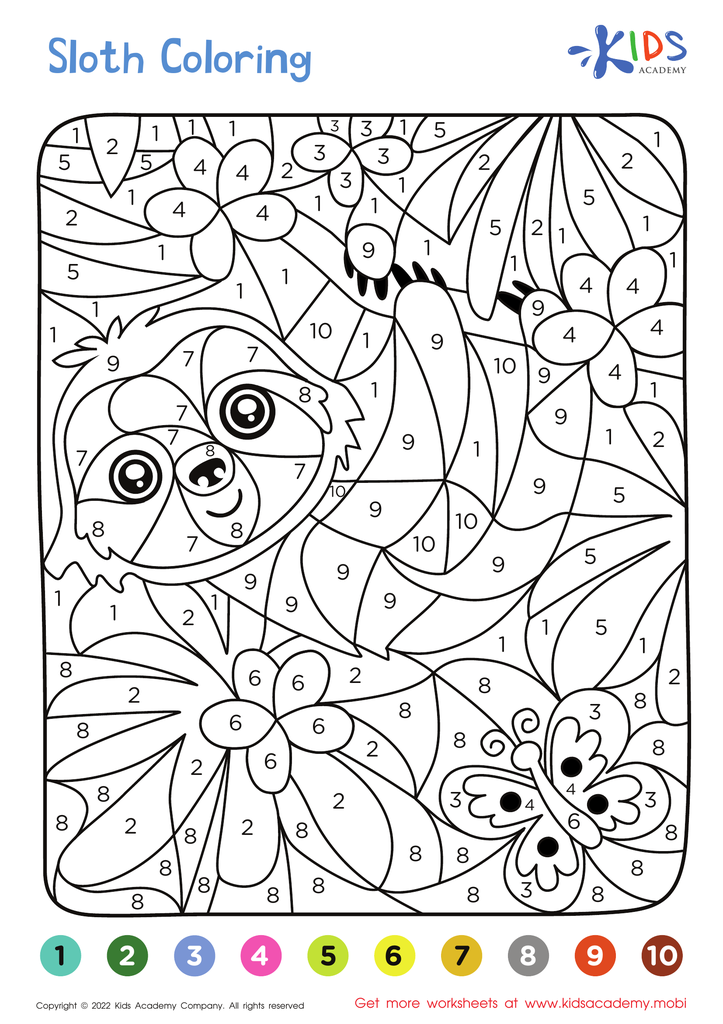
Sloth – Coloring by Numbers
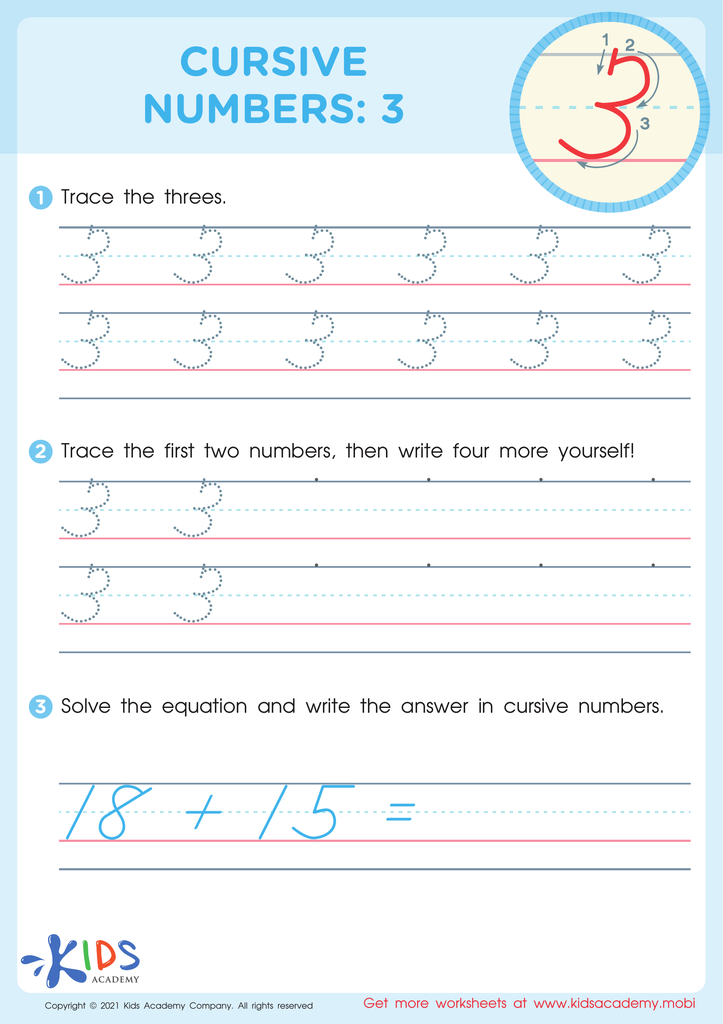
Cursive Numbers: 3 Worksheet
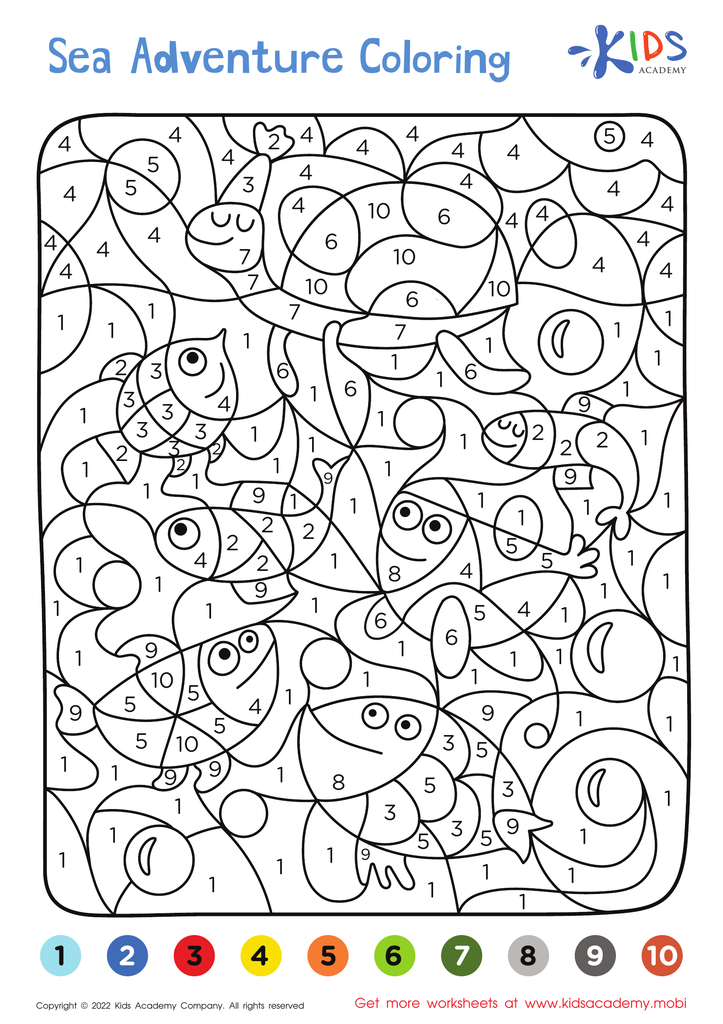
Sea Adventure – Coloring by Numbers
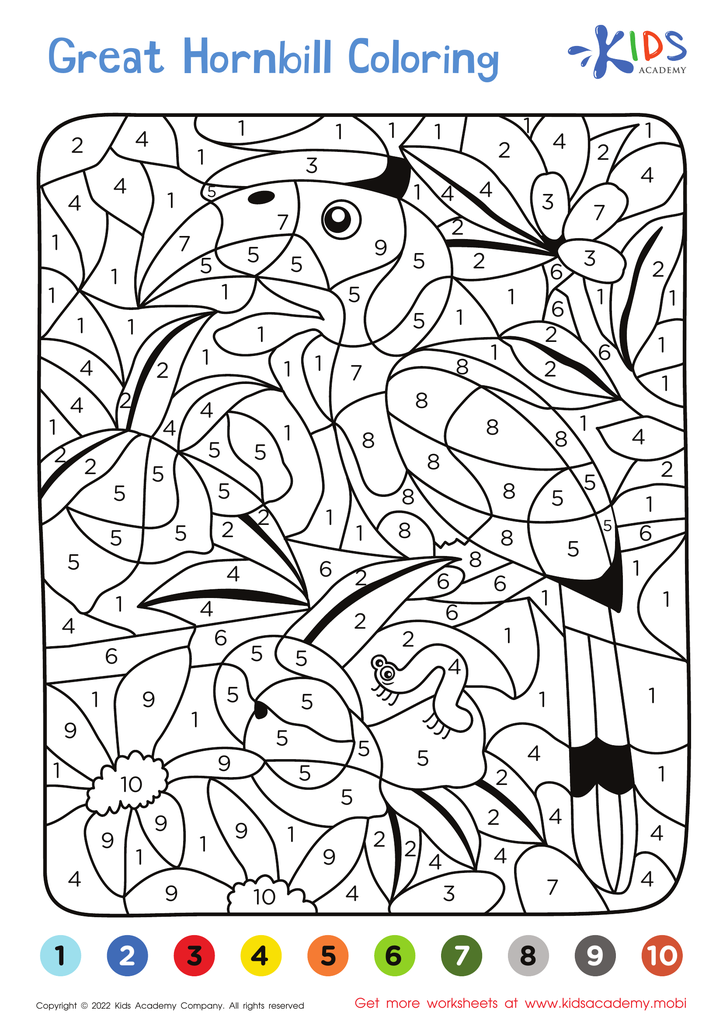
Great Hornbill – Coloring by Numbers

Counting on the City Skyline: Dot-to-Dot Worksheet
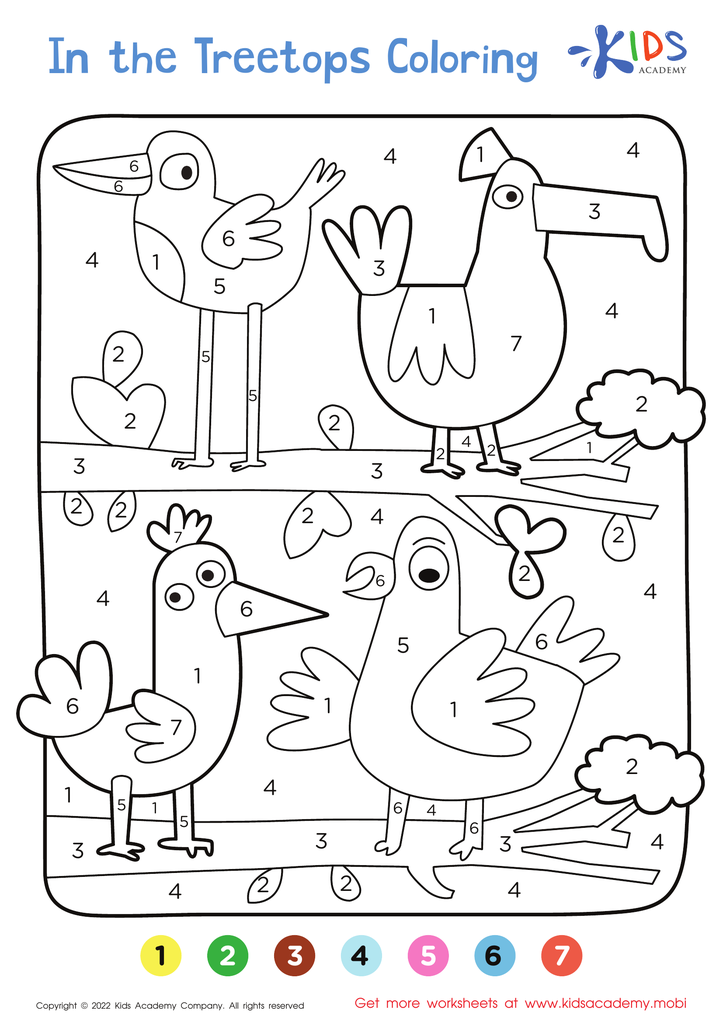
In the Treetops – Coloring Page
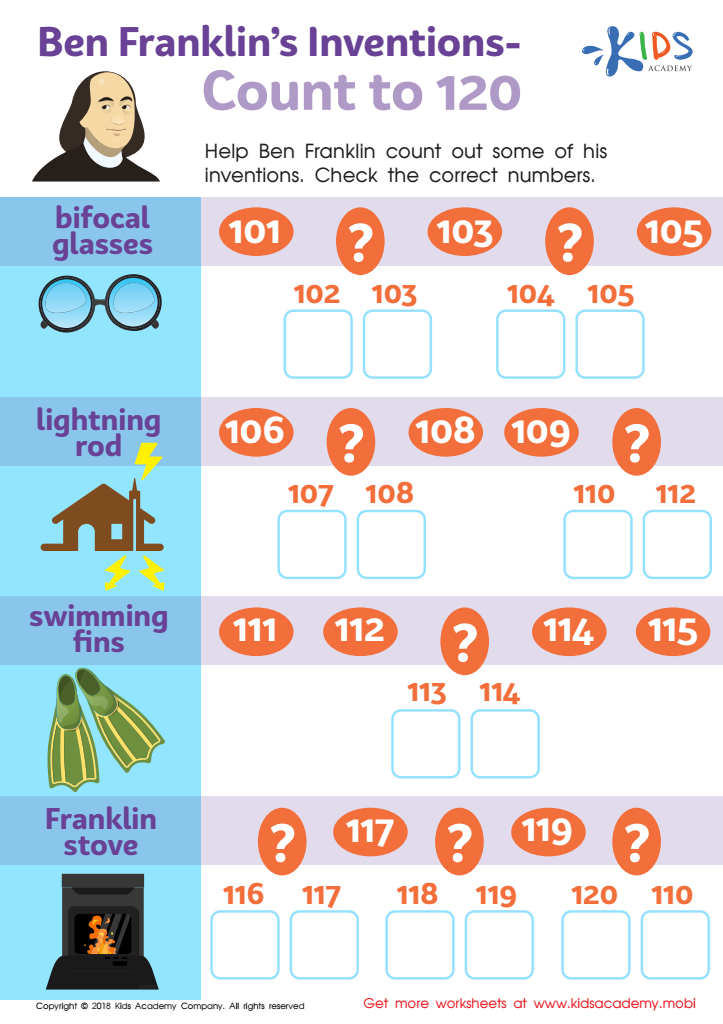
Ben Franklin’s Inventions – Count to 120 Worksheet
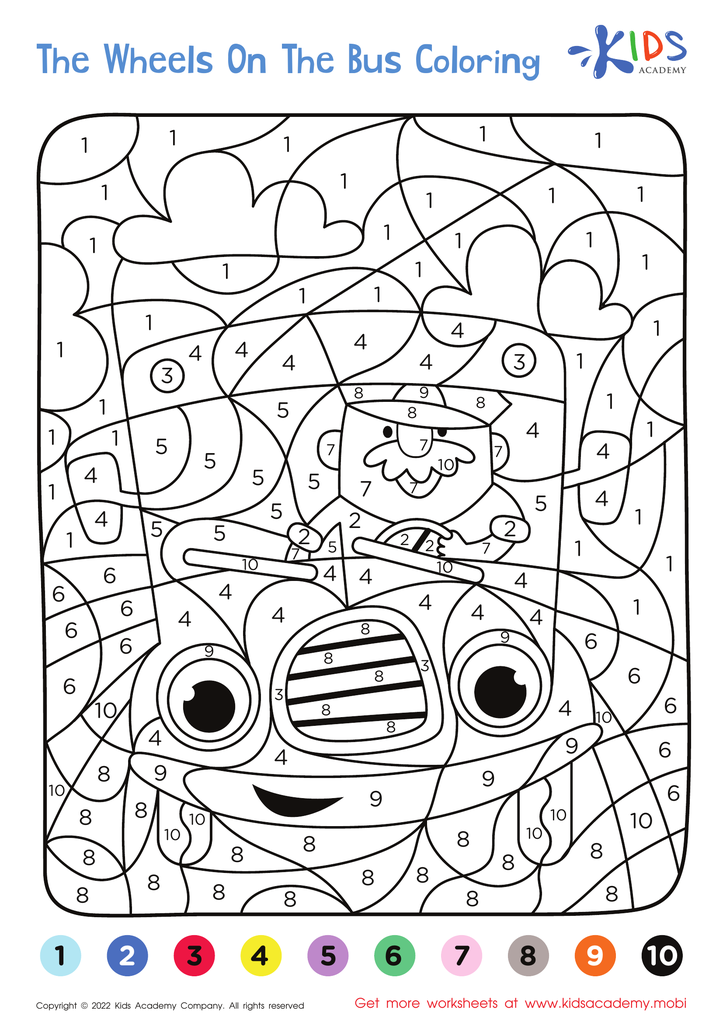
Wheels on the Bus – Coloring by Numbers
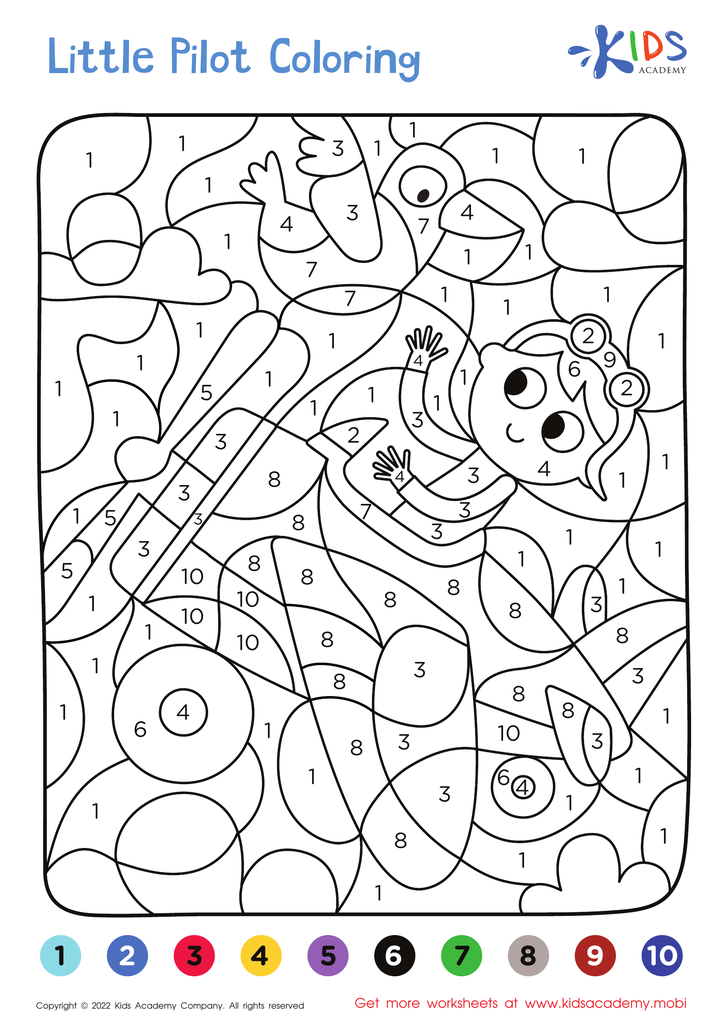
Little Pilot – Coloring by Numbers
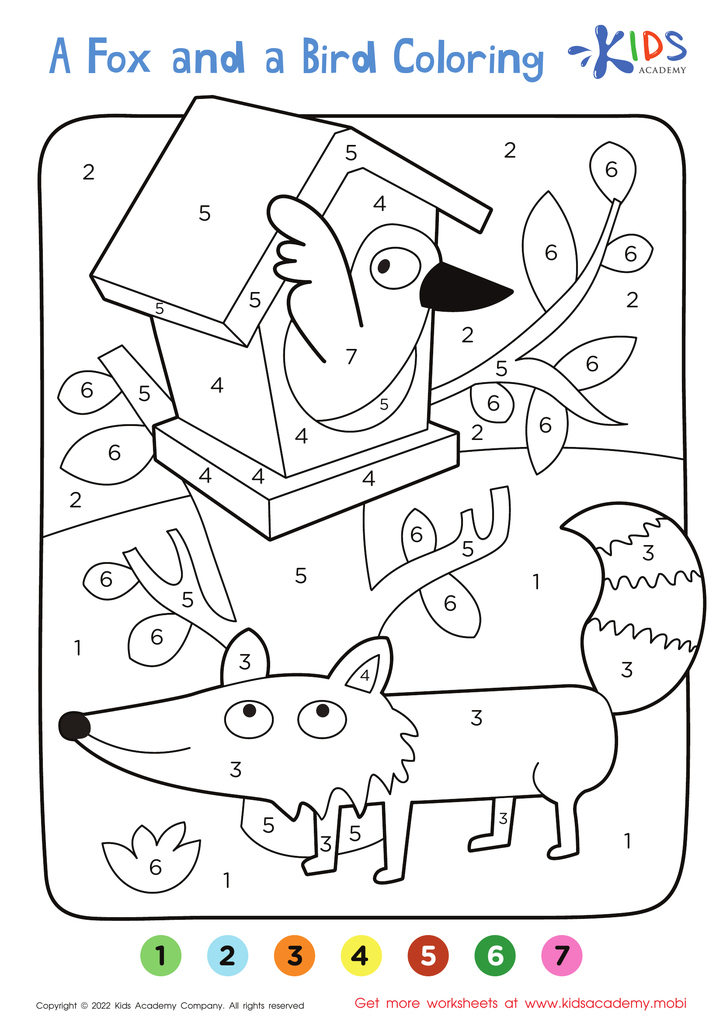
A Fox and a Bird – Coloring by Numbers
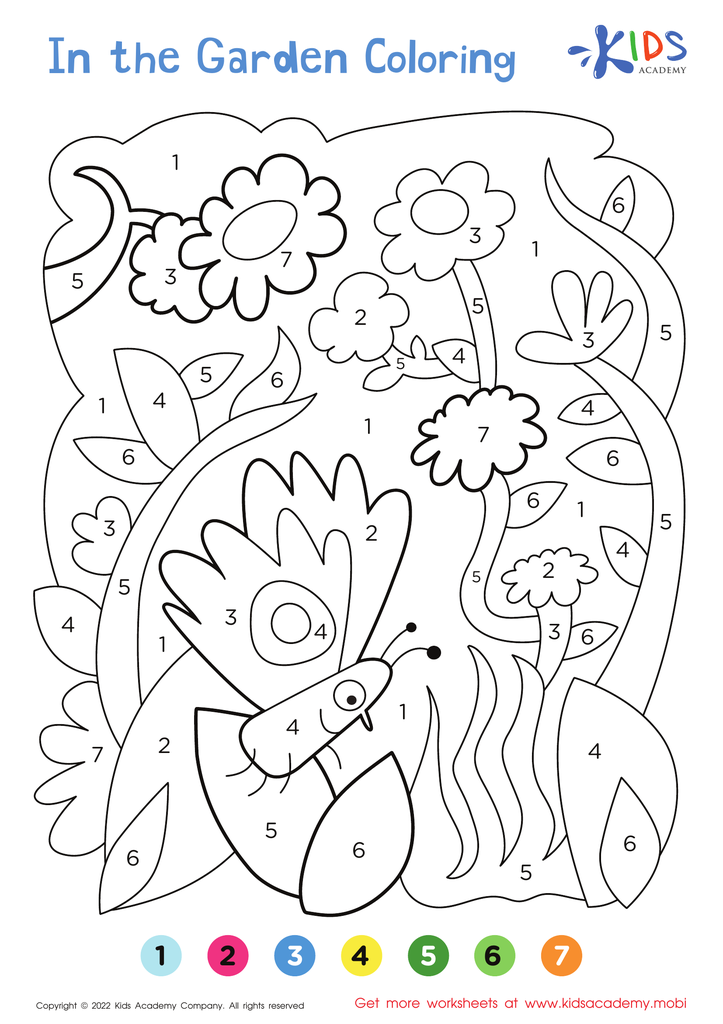
In the Garden – Coloring by Numbers








Fine motor skills are critical for children, especially ages 7-9, as they are fundamental for daily activities and academic achievement. These skills involve the coordination of small muscles in the hands and fingers, essential for writing, drawing, cutting, and manipulating small objects. When children in this age group have well-developed fine motor skills, they can better engage with classroom activities and complete tasks efficiently. This directly impacts their ability to keep up with the curriculum and fosters a positive attitude toward learning.
From a parent’s perspective, fostering these skills at home can support their child's overall development and independence. Activities like tying shoelaces, buttoning clothes, or helping with meal preparation enhance dexterity and coordination.
For teachers, integrating fine motor skill exercises into the classroom routine can improve students' handwriting, increase attention to detail, and enhance cognitive development through activities like puzzles, art, and crafts. This foundation is crucial as it directly influences a child's ability to perform academically and socially. In summary, fine motor skills are not just about hand strength but also about giving children the tools they need to succeed in more complex tasks as they progress through school and life.








