Problem-Solving Skills Numbers Worksheets for Ages 7-9 - Page 2
41 filtered results
-
From - To
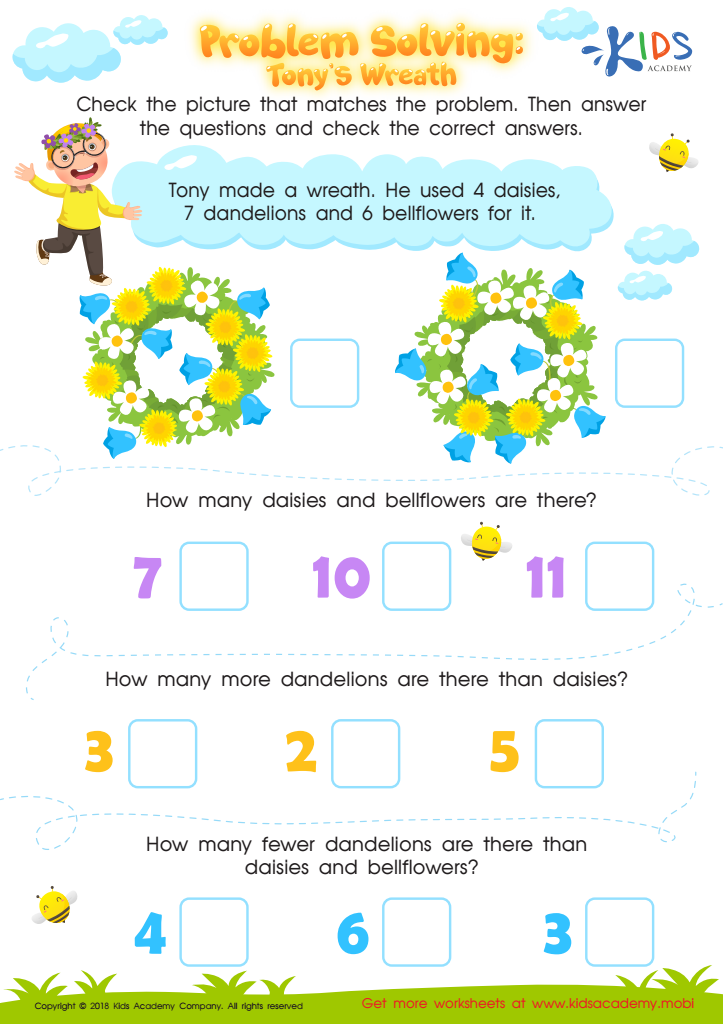
Problem Solving: Tony's Wreath Worksheet
 Assign to My Students
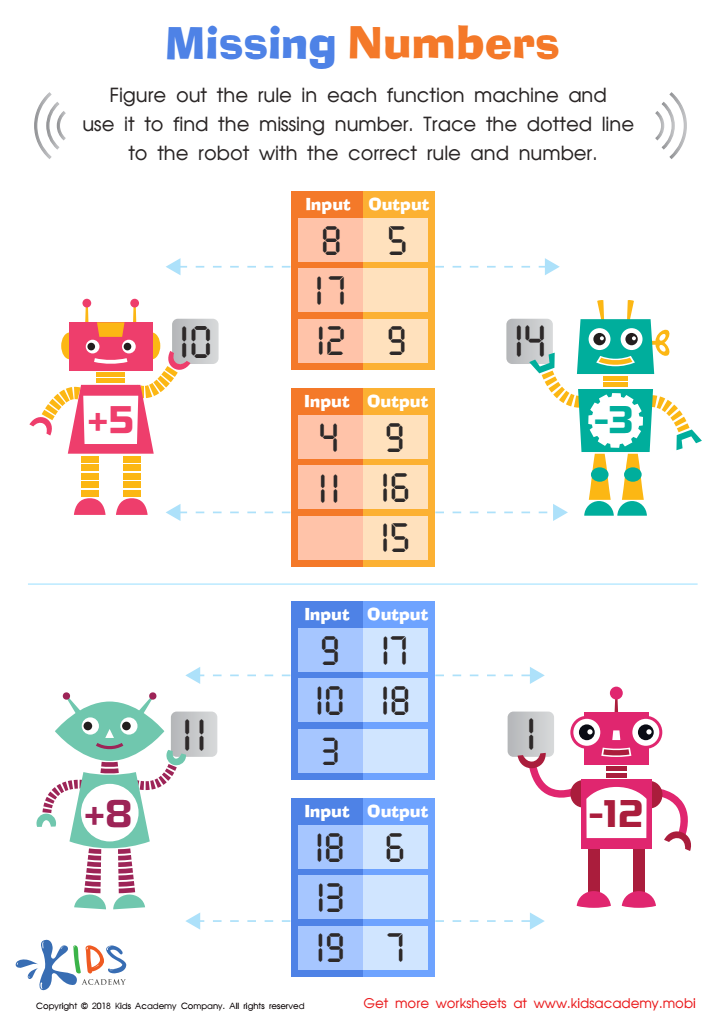
Missing Numbers Worksheet
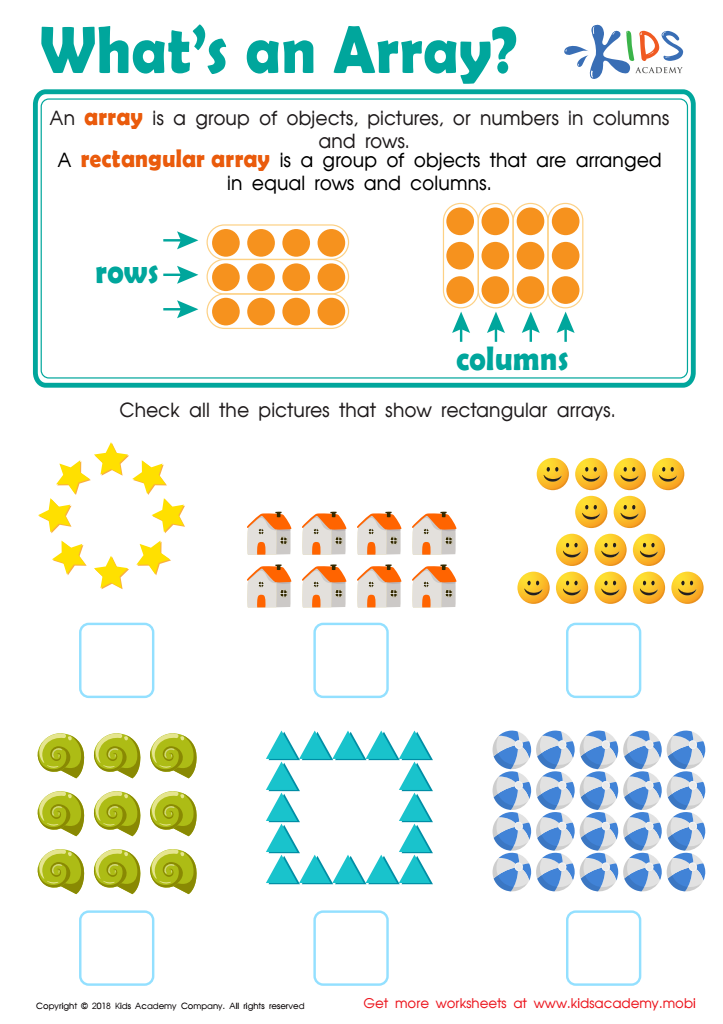
What's an Array? Worksheet
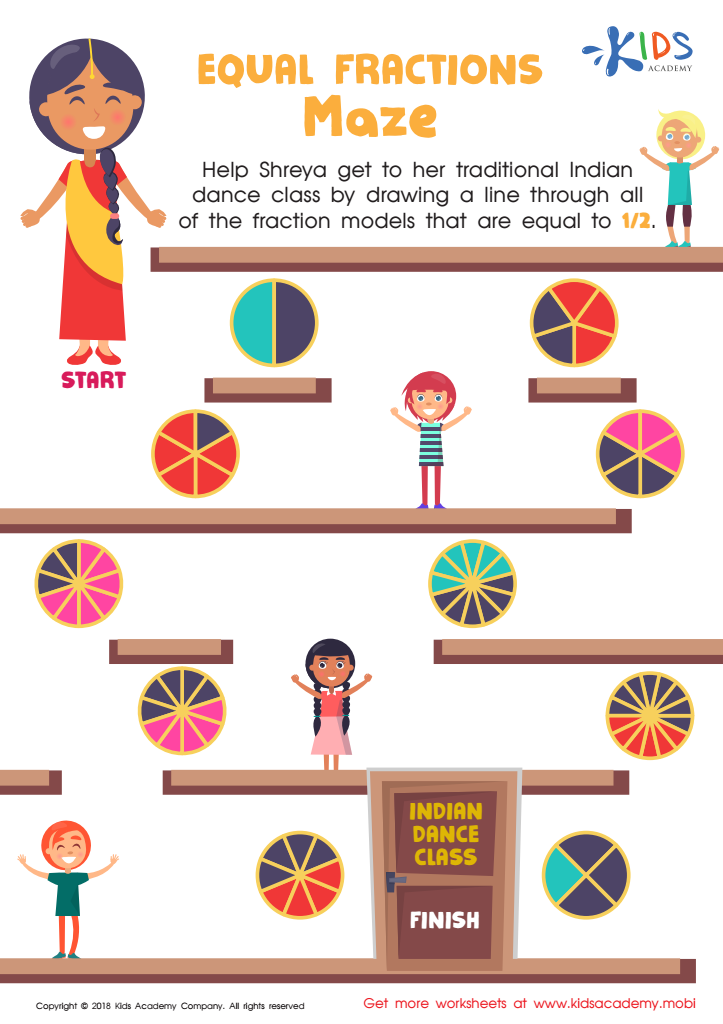
Equal Fractions Maze Worksheet
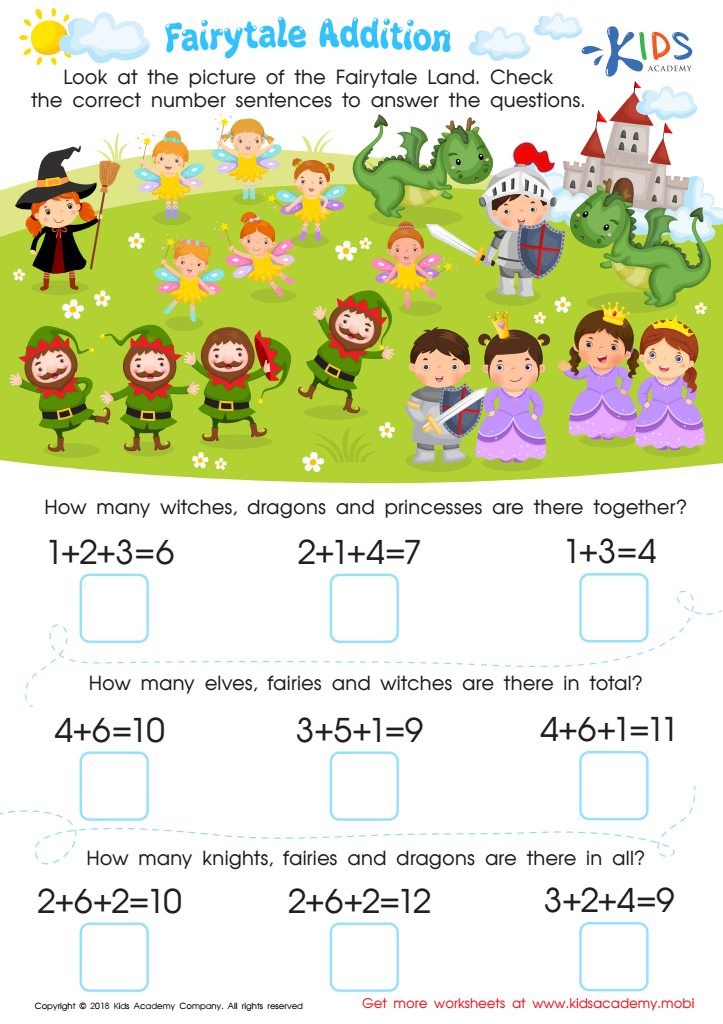
Fairytale Addition Worksheet
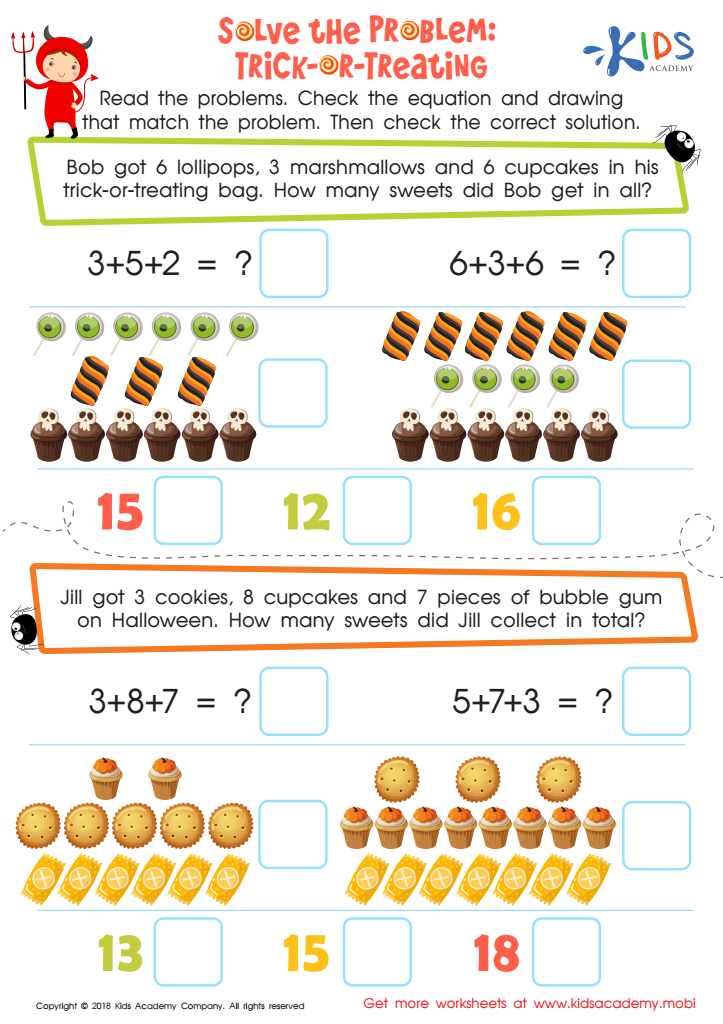
Solve the Problem: Trick–or–treating Worksheet
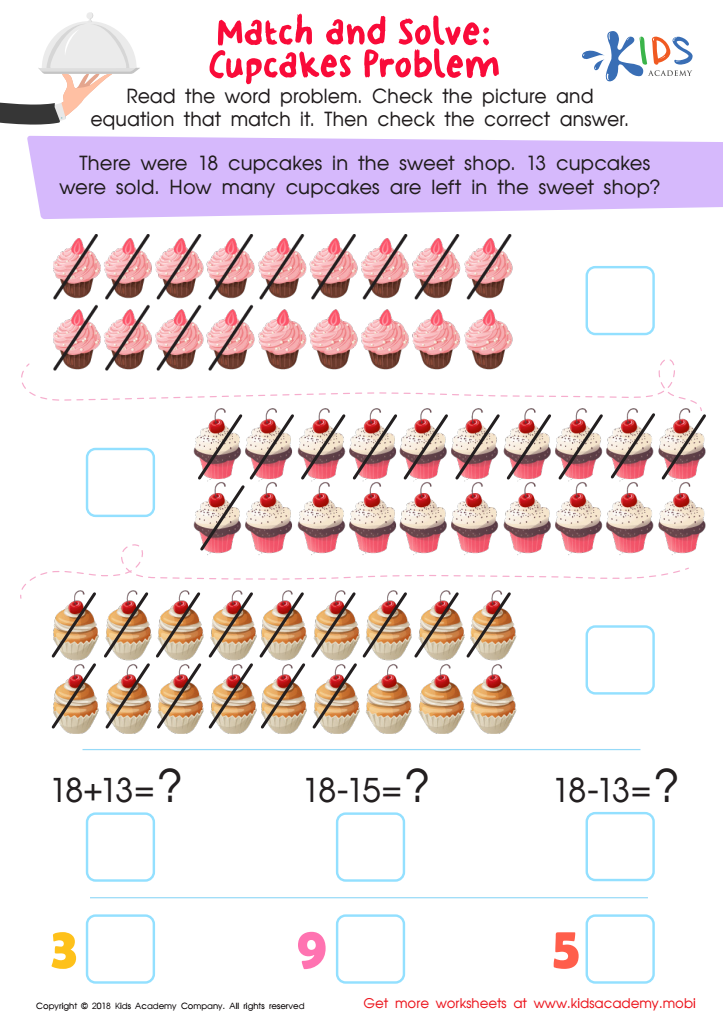
Match and Solve: Cupcakes Problem Worksheet
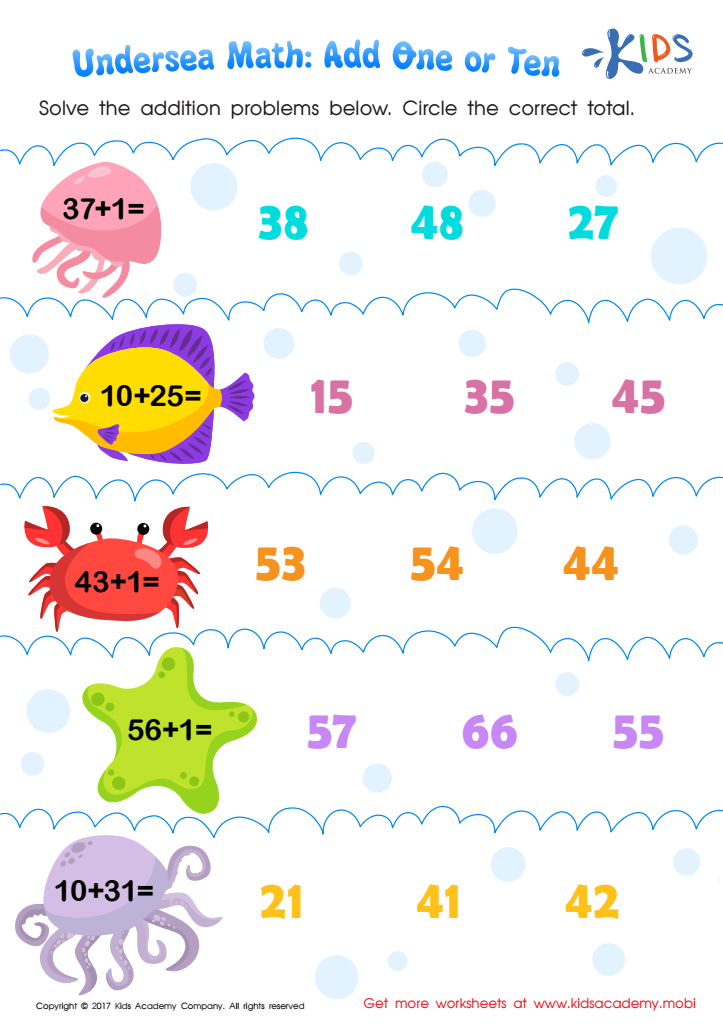
Undersea Math Worksheet
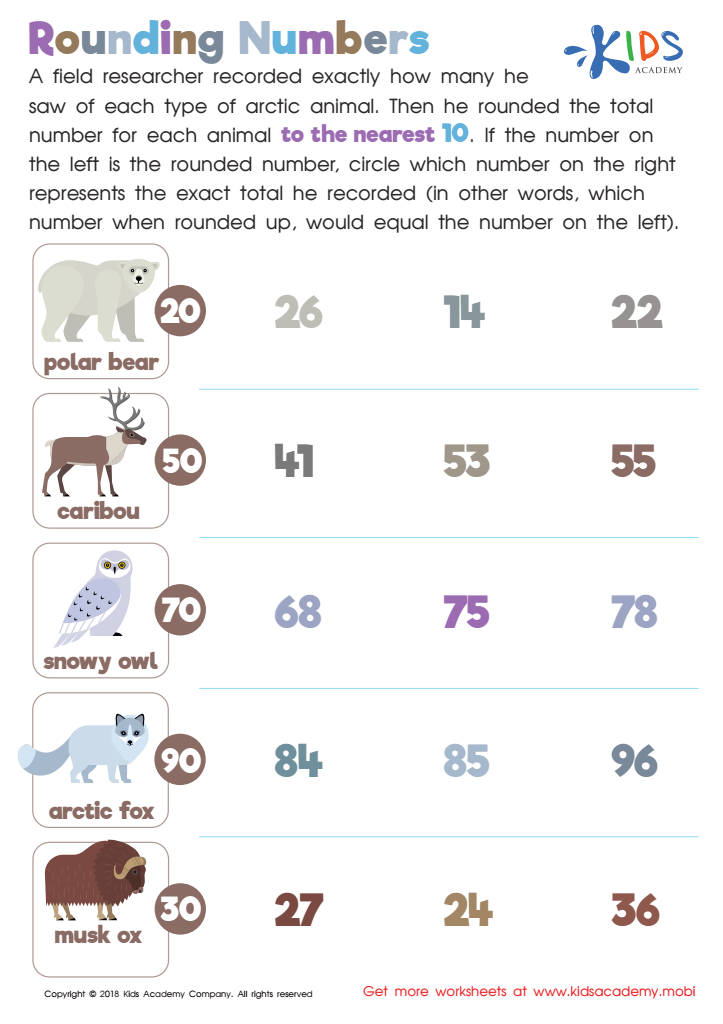
Rounding Numbers Worksheet
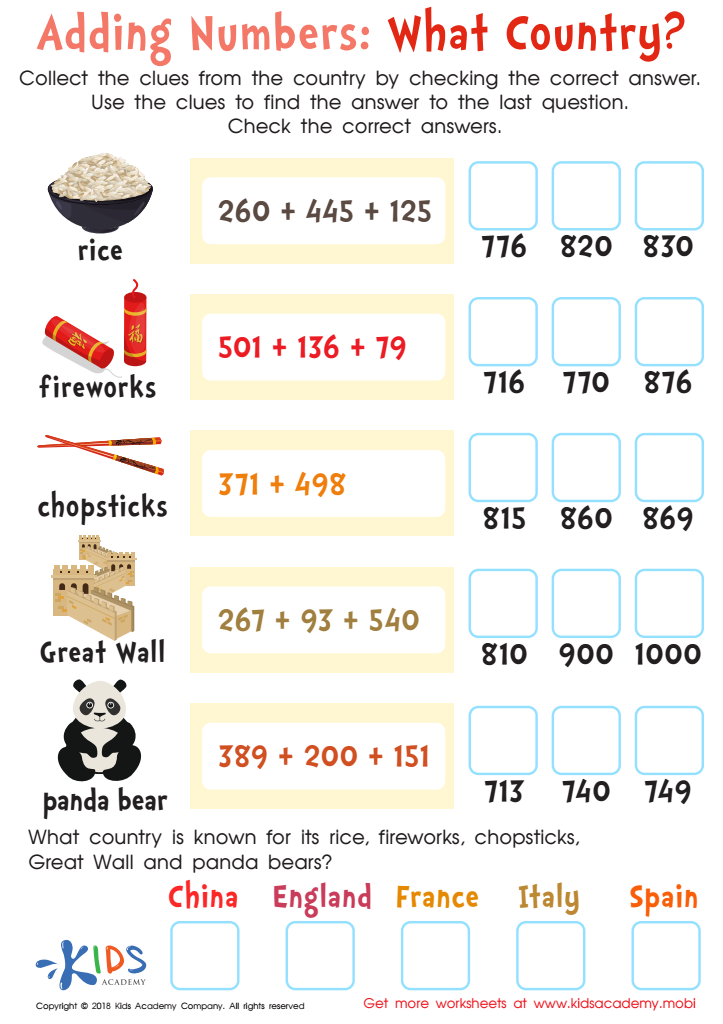
Adding Numbers: What Country Worksheet
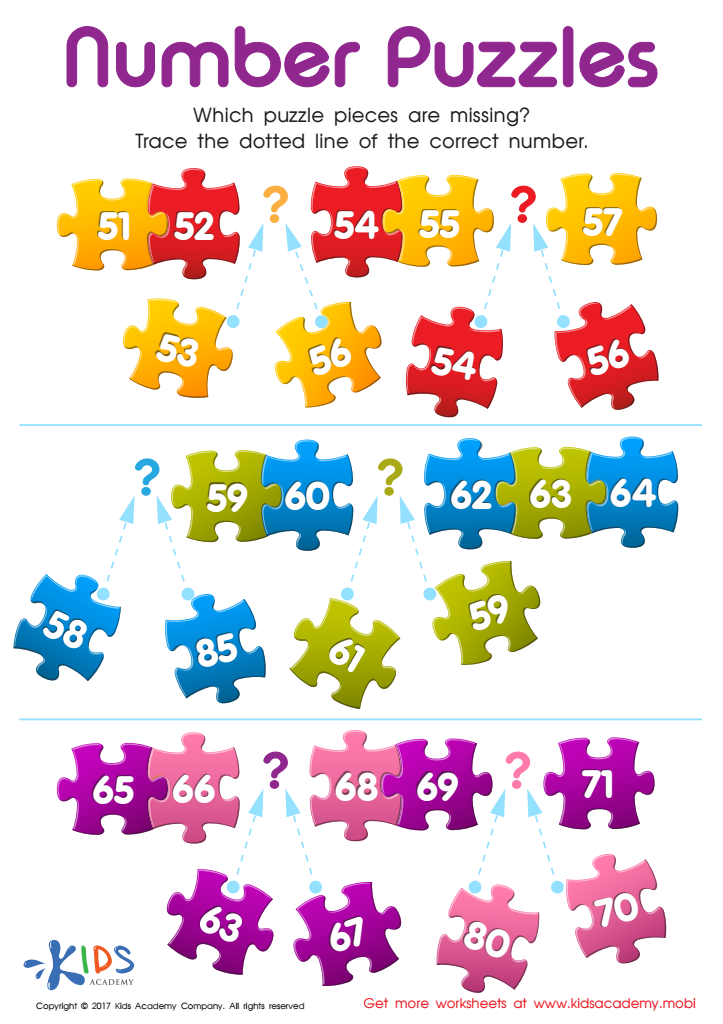
Number Puzzles Worksheet
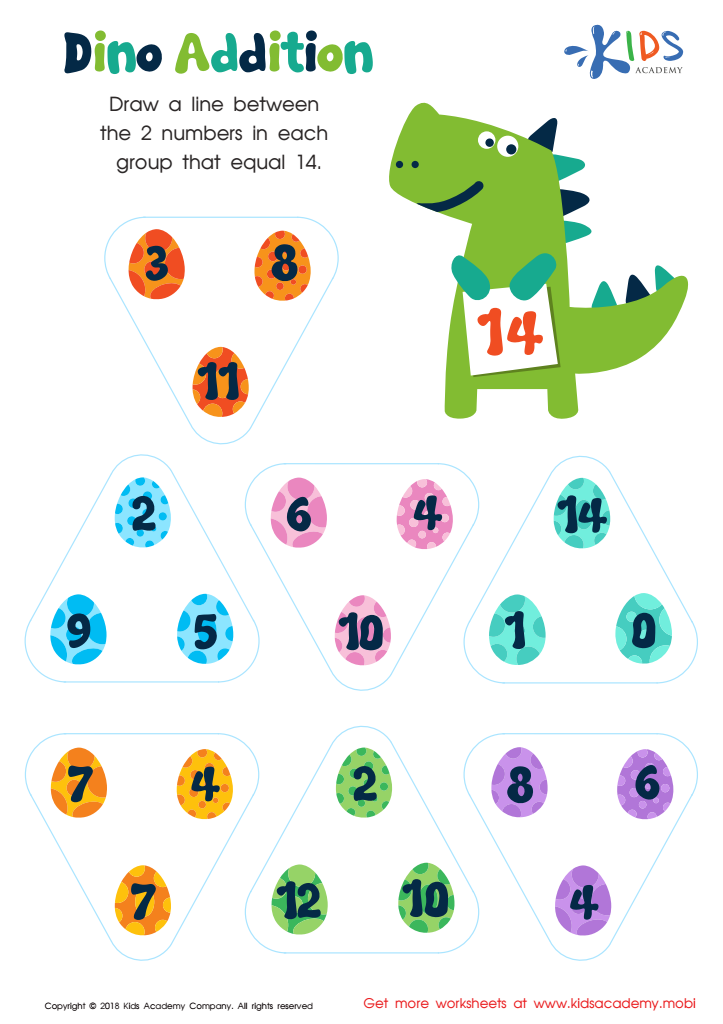
Dino Addition Worksheet
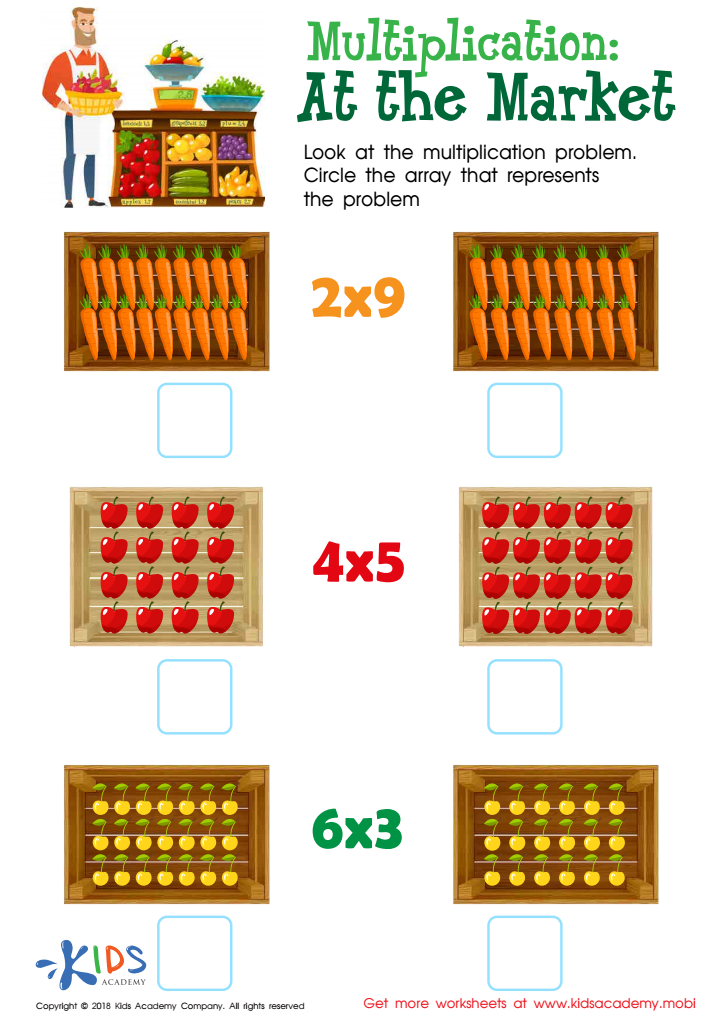
At the Market Worksheet

Leprechaun Maze Printable
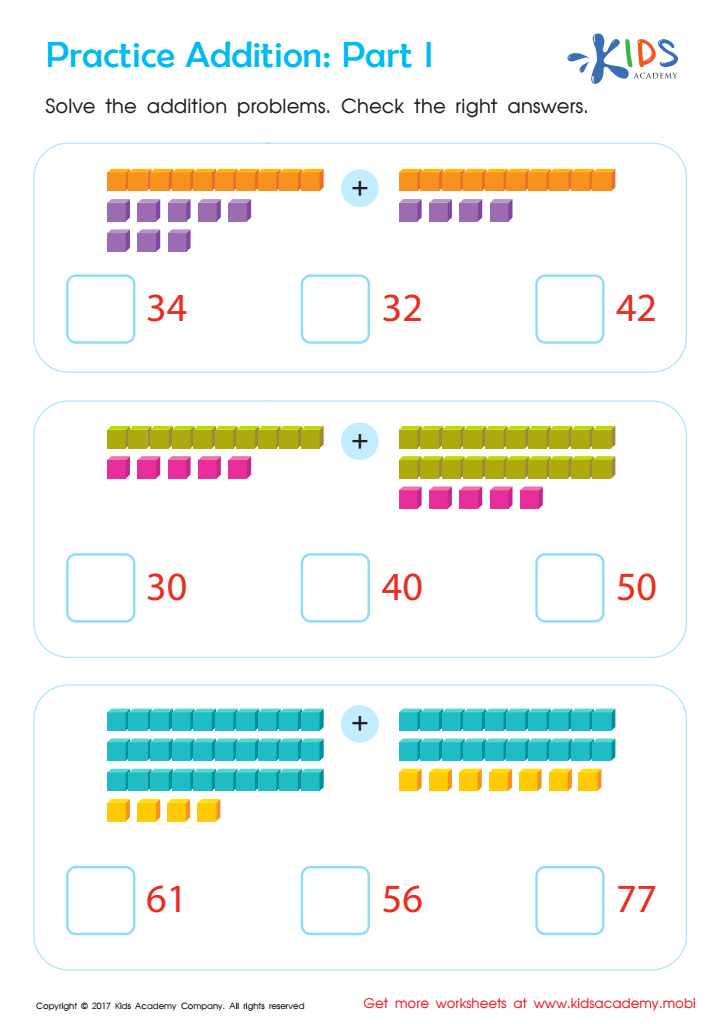
Practice Addition: Part 1 Worksheet
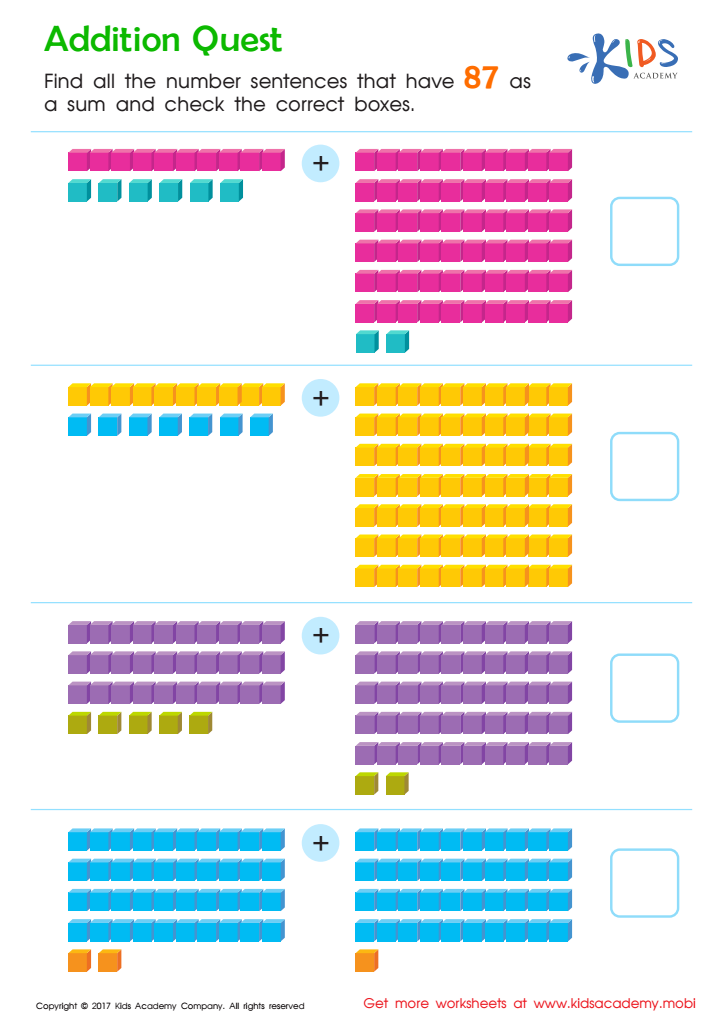
Addition Quest Worksheet: Part 1
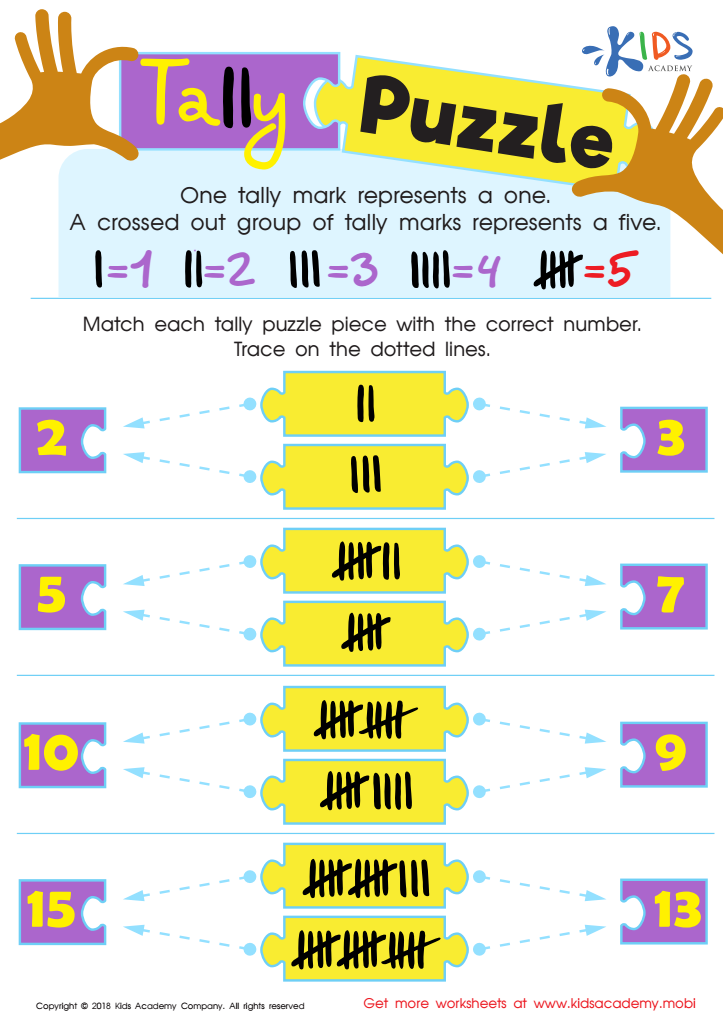
Tally Puzzle Worksheet








Parents and teachers should prioritize problem-solving skills for children aged 7-9 because these skills form the foundation for critical thinking, perseverance, and independence. This developmental stage is crucial, as children start to transition from concrete to more abstract thinking, making it an ideal time to foster analytical abilities.
Problem-solving skills help children tackle math challenges, comprehend science concepts, and navigate daily life situations. Encouraging children to approach problems with a positive mindset promotes resilience, enabling them to cope with setbacks and learn from mistakes. Furthermore, through engaging in challenging tasks, children enhance their mathematical fluency, which is vital for future academic success.
Moreover, in today’s rapidly changing world, the ability to think critically and solve problems is more important than ever. Strengthening these skills means equipping children to face complex situations later in life, both academically and in personal challenges. It lays the groundwork for collaboration and communication skills as they work with peers to find solutions.
Overall, prioritizing problem-solving skill development in young learners not only enhances their academic capabilities but also instills essential life skills that will benefit them throughout their pursuits. Engaging with these skills early fosters a lifelong love of learning and exploration.








