Basic Math Skills Math Worksheets for Ages 7-9 - Page 5
110 filtered results
-
From - To
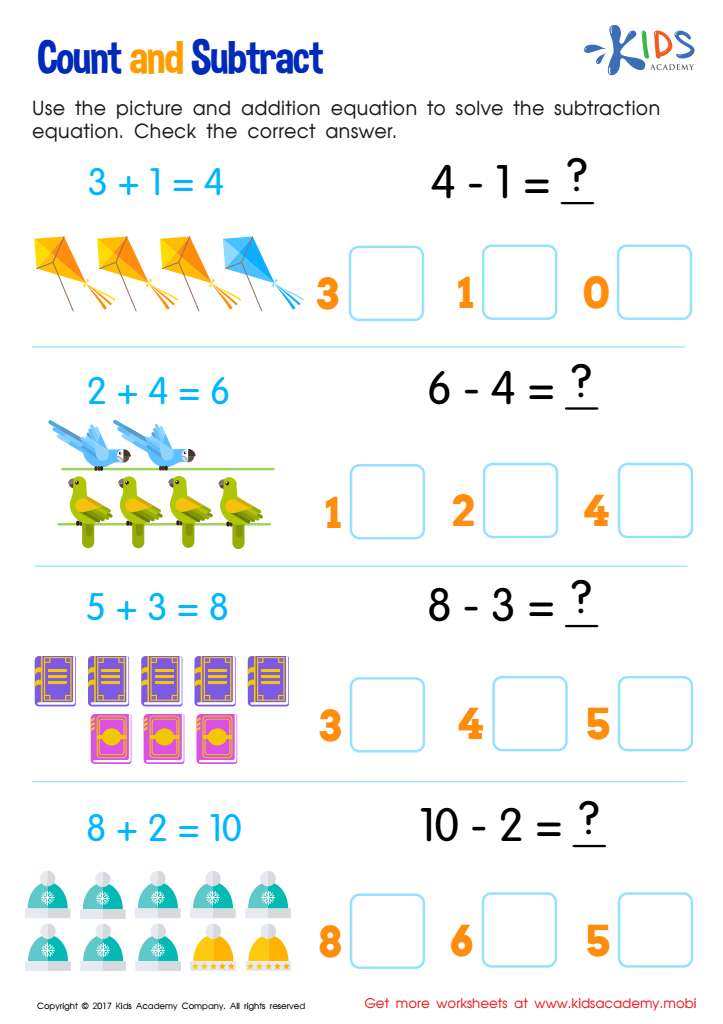
Count and Subtract Worksheet
 Assign to My Students
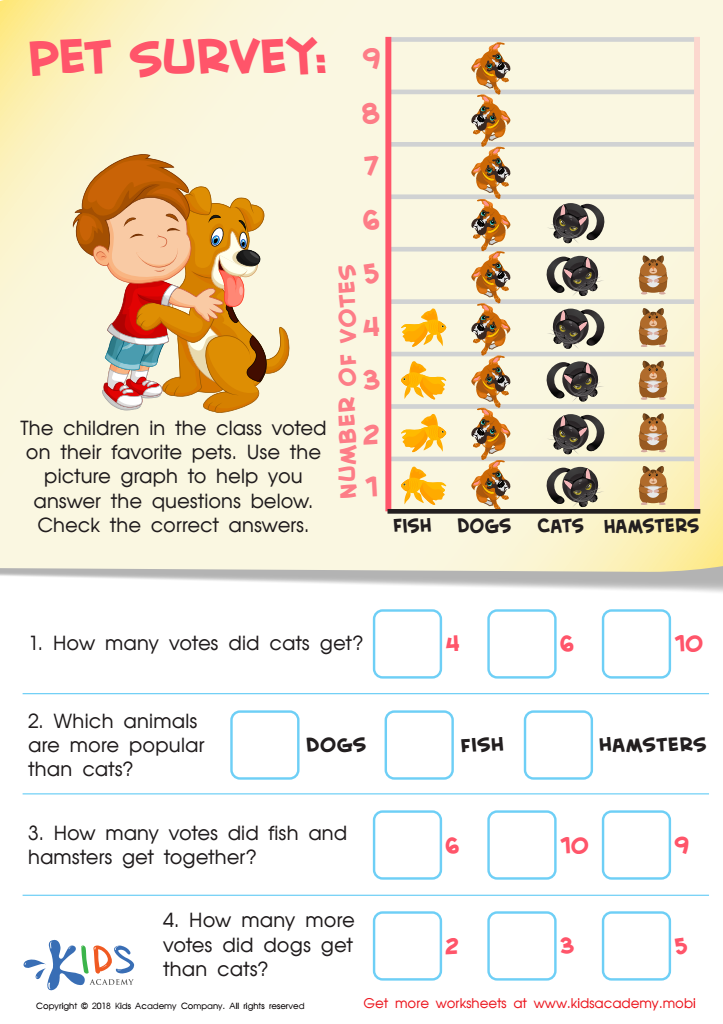
Pet Survey Worksheet
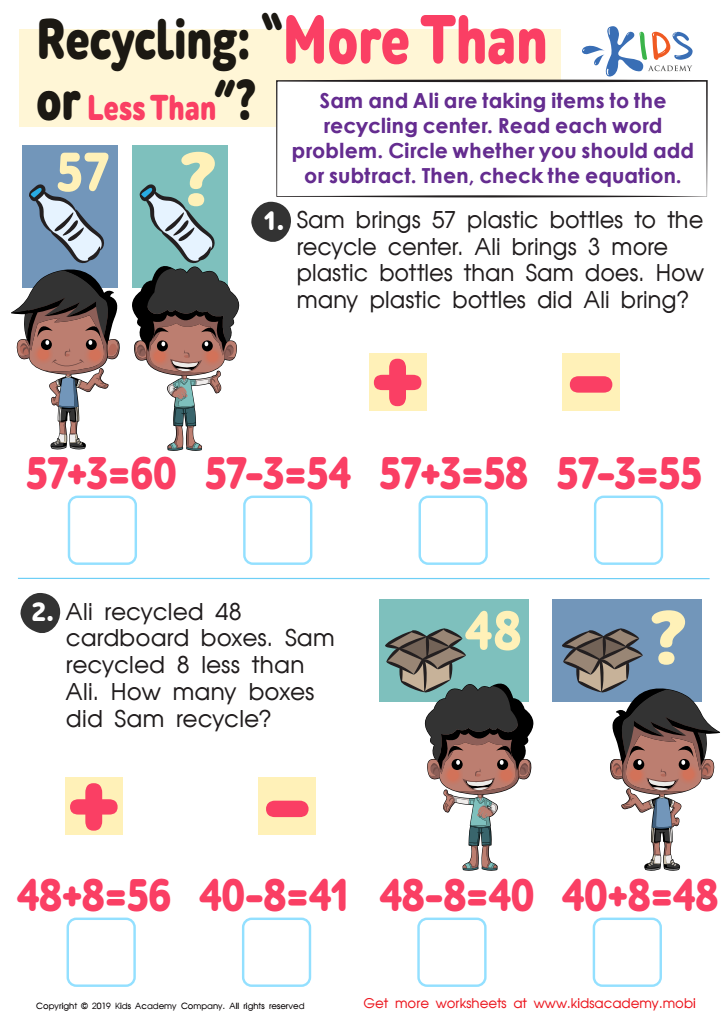
Recycling - More or Less Worksheet
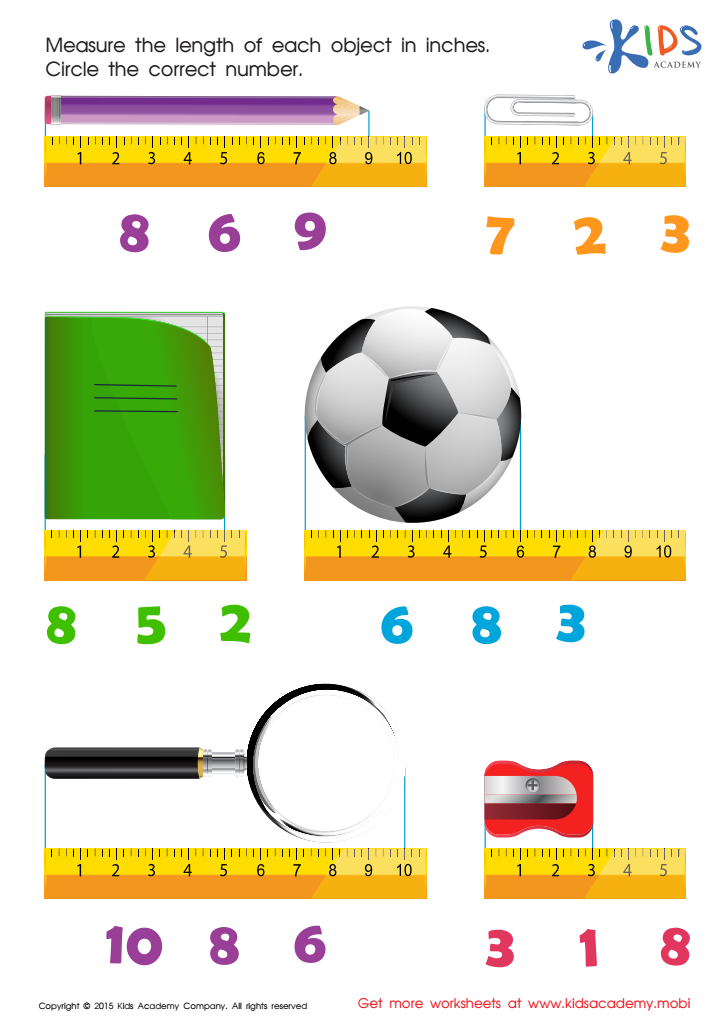
Learning measuring objects in inches Worksheet
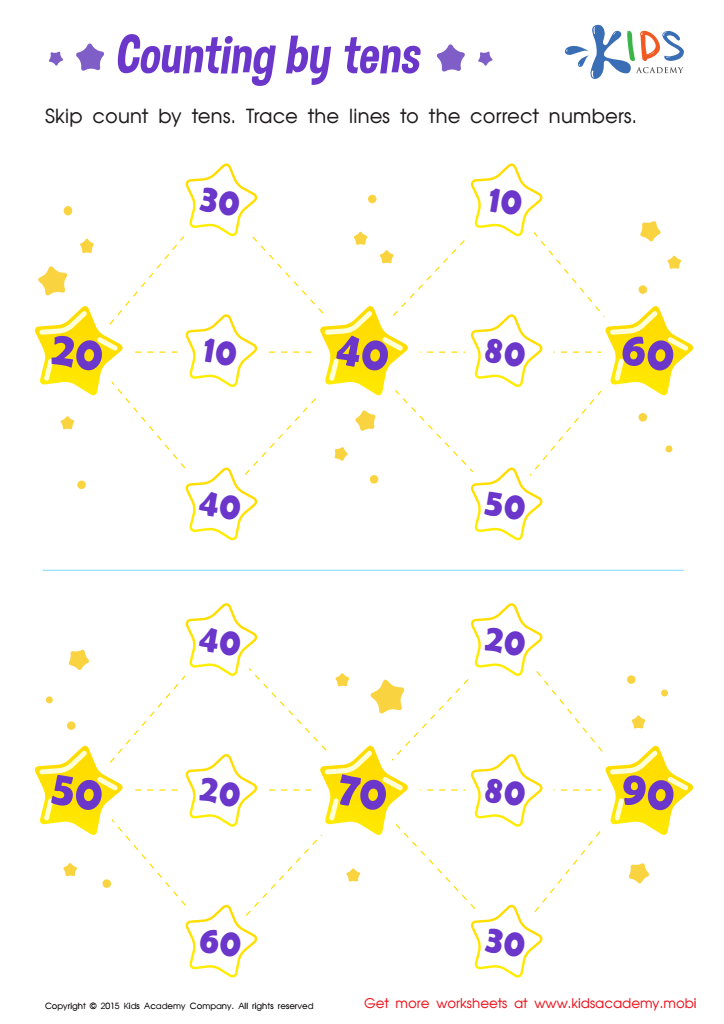
Learn Dozens: Counting by Tens Printable
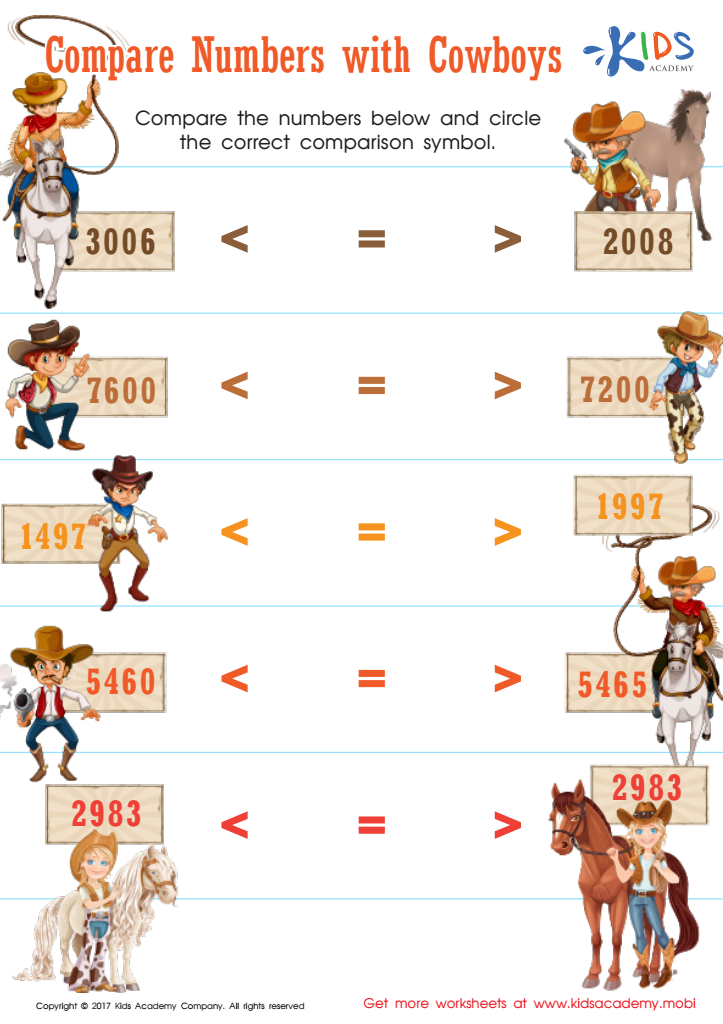
Compare Numbers Worksheet for 3rd Grade
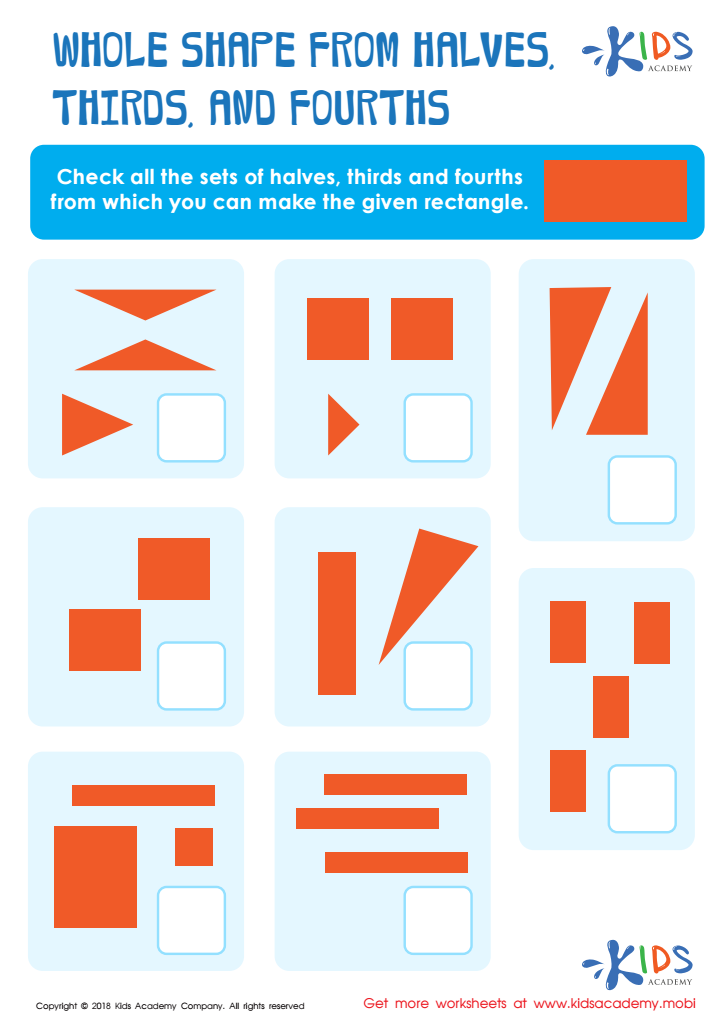
Whole Shape from Halves, Thirds and Fourths Worksheet
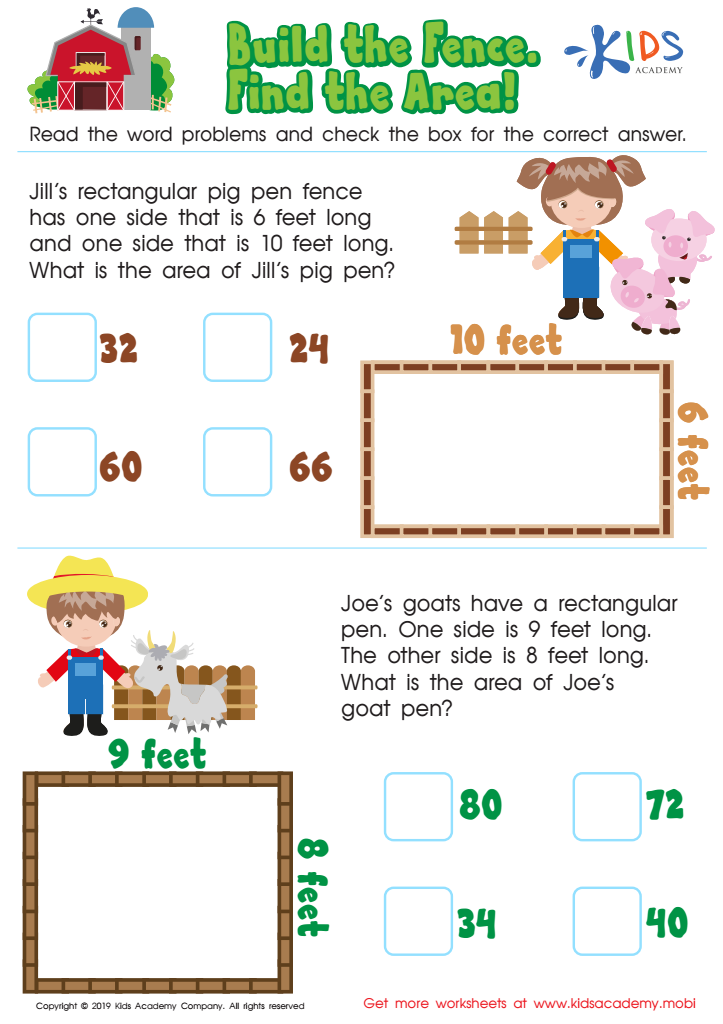
Build the Fence, Find the Area Worksheet
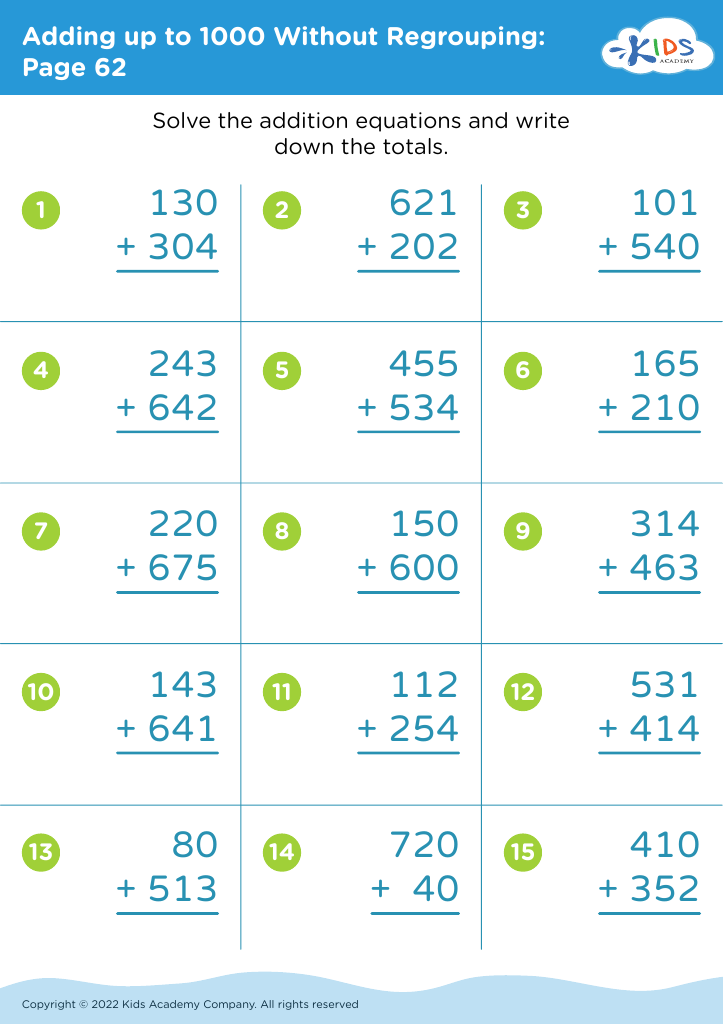
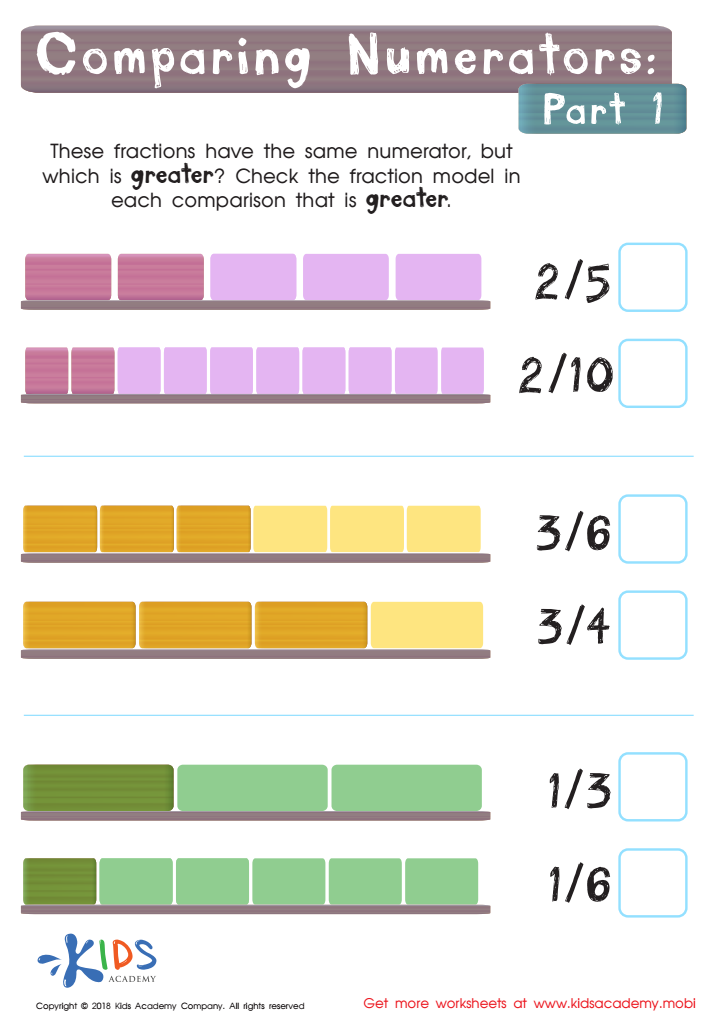
Comparing Numerators Part 1 Worksheet




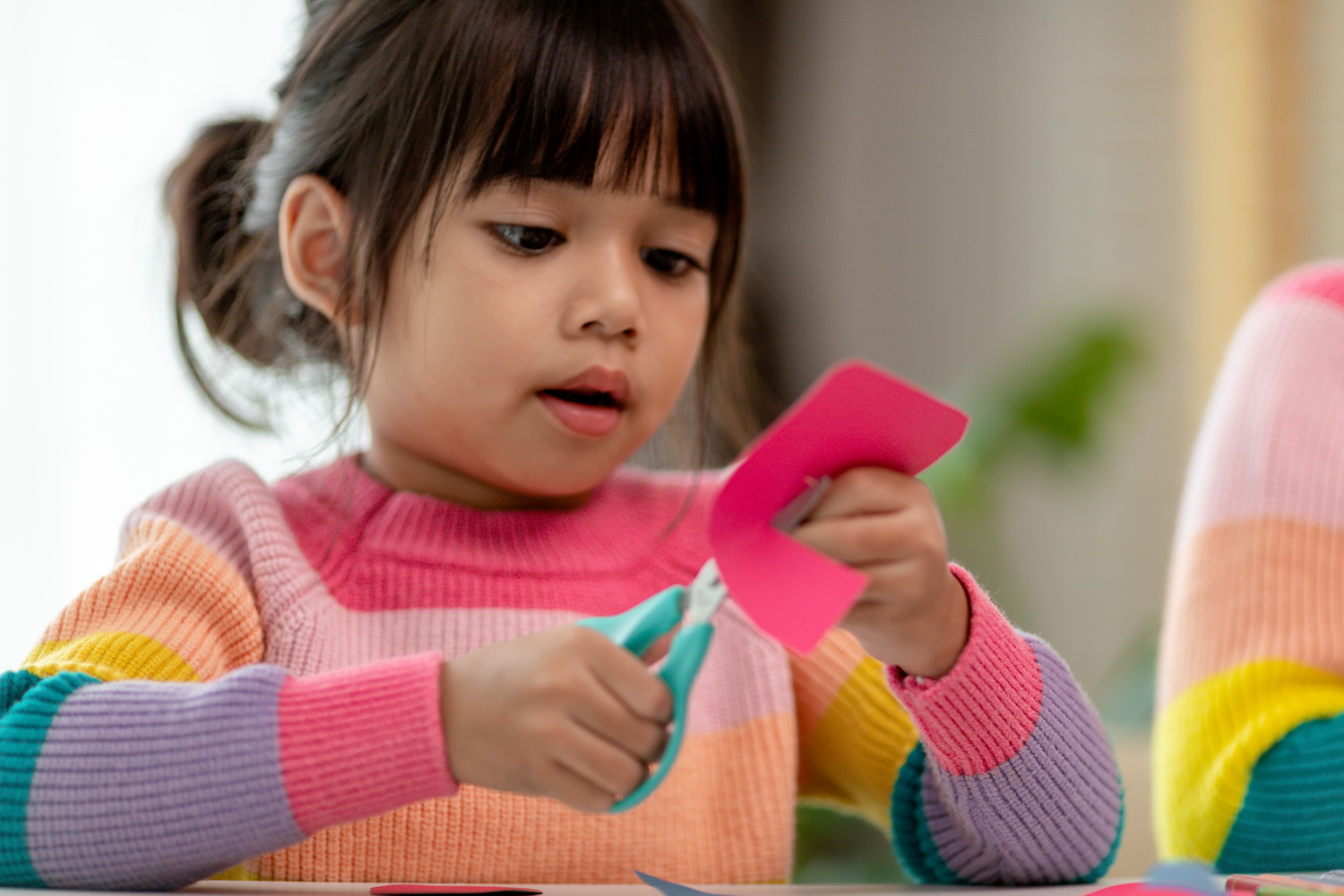


Basic math skills are essential for children aged 7-9 as they lay the foundation for future learning and everyday life. At this stage, children are typically transitioning from simple arithmetic to more complex problem-solving. Parents and teachers should care about fostering these skills for several reasons.
Firstly, mastery of basic math concepts, such as addition, subtraction, multiplication, and division, enhances a child's confidence and academic performance. Understanding these fundamentals helps children tackle more advanced math ideas in later grades, reducing future anxiety and avoiding gaps in knowledge.
Moreover, math skills are not only crucial for academic success but also for real-world applications. Children use math in everyday situations, such as budgeting, cooking, or measuring, which promotes practical problem-solving skills.
Additionally, proficiency in math fosters critical thinking and analytical abilities, encouraging children to develop logical reasoning skills that benefit them across various subjects.
Finally, cultivating a positive attitude towards math at a young age can influence lifelong learning and career prospects. By emphasizing basic math skills during this stage, parents and teachers contribute significantly to a child’s overall development, laying the groundwork for future academic achievement, self-esteem, and practical life skills.








