
Color Identification Math Worksheets for Ages 7-9
35 filtered results
Difficulty Level
Grade
Age
-
From - To
Subject
Activity
Standards
Unlock your child's color recognition skills with our engaging Color Identification Math Worksheets designed for ages 7-9! Perfect for young learners, these worksheets combine vibrant colors and fun math problems to help students enhance their understanding of color concepts while practicing essential math skills. Activities are tailored to reinforce color vocabulary and foster creativity through colorful visual aids. Whether at home or in the classroom, these worksheets promote active learning, encouraging students to explore colors while developing critical thinking and problem-solving abilities. Download our Color Identification Math Worksheets today and watch your child thrive in a joyful learning environment!
Favorites
With answer key
Interactive
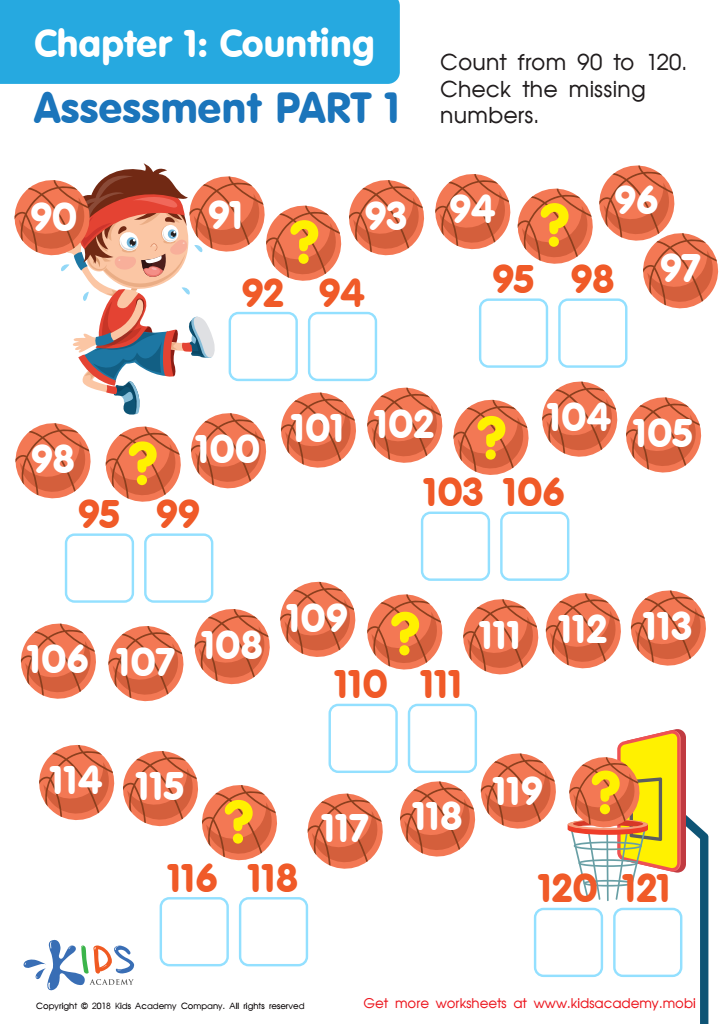
Counting Past 1: Assessment 1 Worksheet
Test your children's counting skills with this worksheet. Have them count from 90 to 120, checking for missing numbers. You'll be able to see how well they do and how far they have progressed. See how high they can count with little or no mistakes!
Counting Past 1: Assessment 1 Worksheet
Worksheet
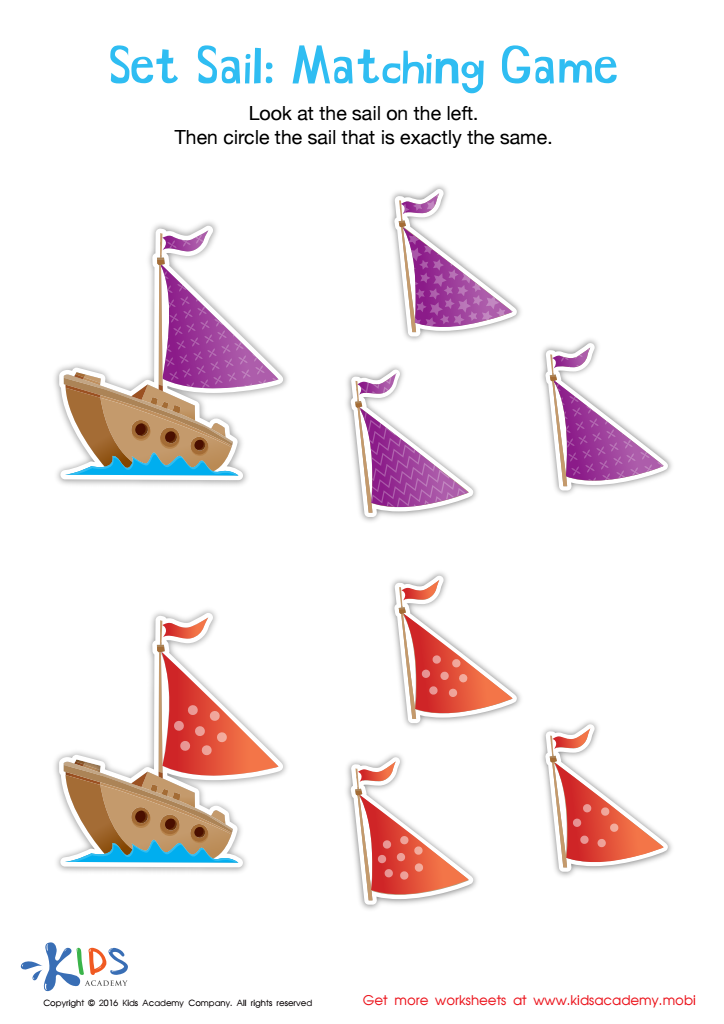
Set Sail Worksheet
Set sail with this fun matching game for toddlers! Kids will love finding the same pattern on the sails, improving their problem-solving and counting skills. Enjoy this bright and engaging worksheet!
Set Sail Worksheet
Worksheet
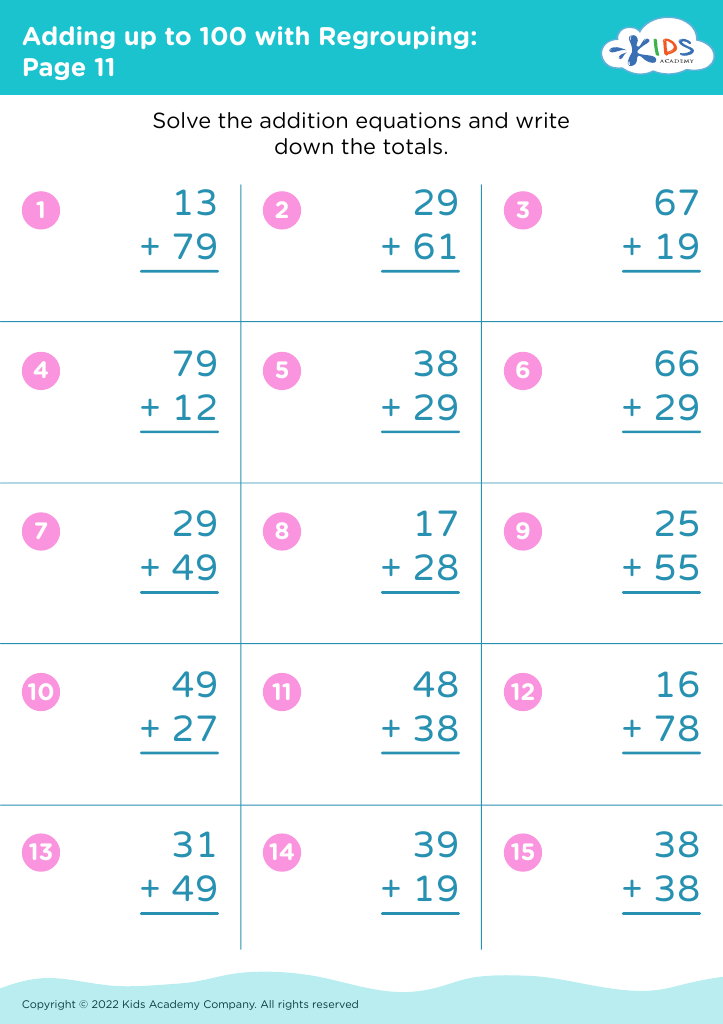
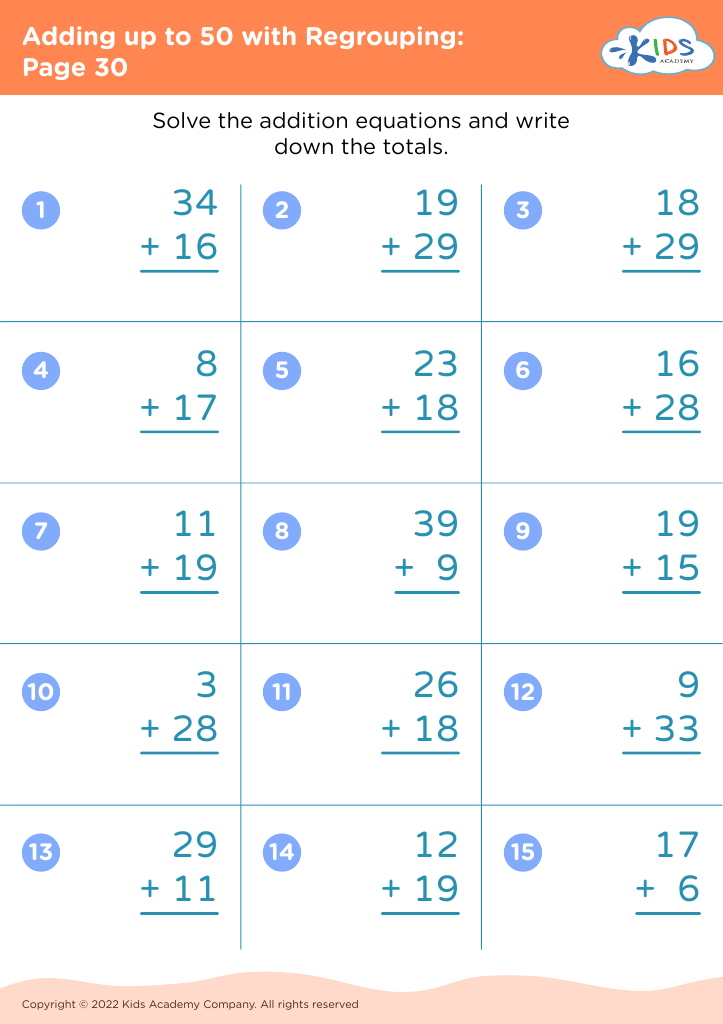
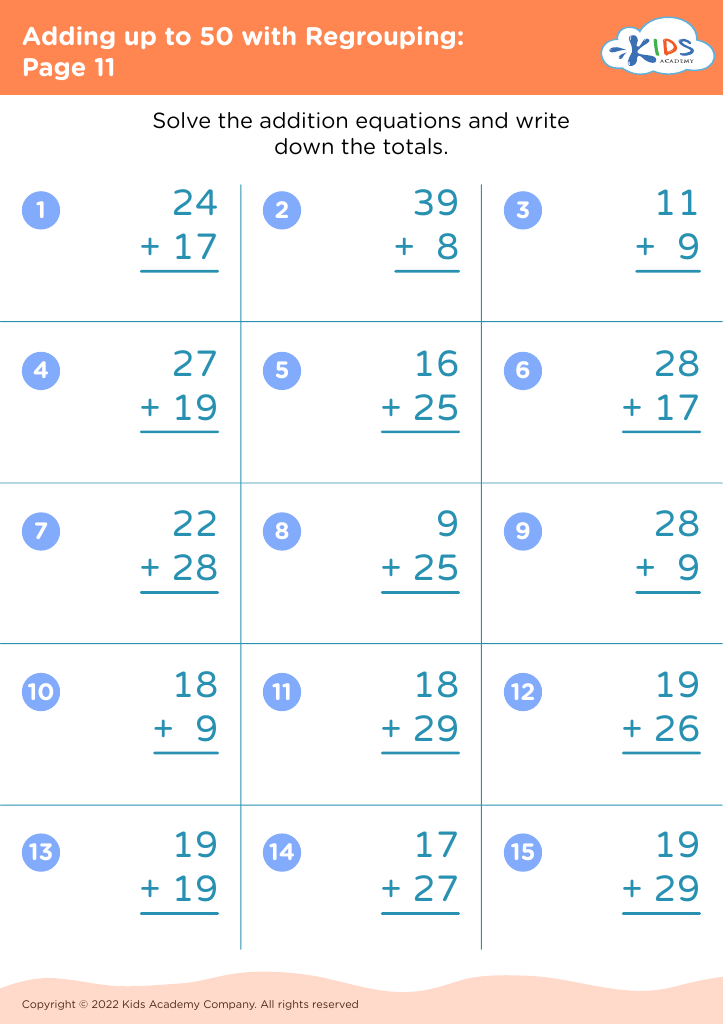
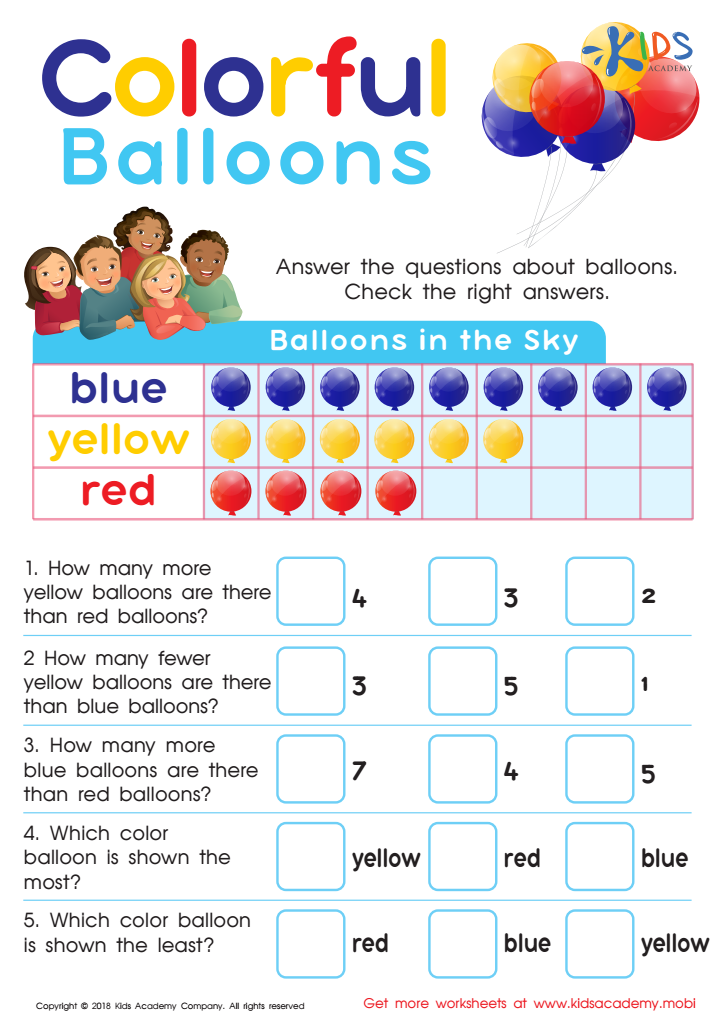
Picture Graphs: Colorful Balloons Worksheet
Kids love balloons at parties! Now you can use them to review graphs and math with this worksheet. View the balloons and count how many of each color, then answer the questions to complete math problems and report important details. Bring joy to your child's studies and make learning fun!
Picture Graphs: Colorful Balloons Worksheet
Worksheet
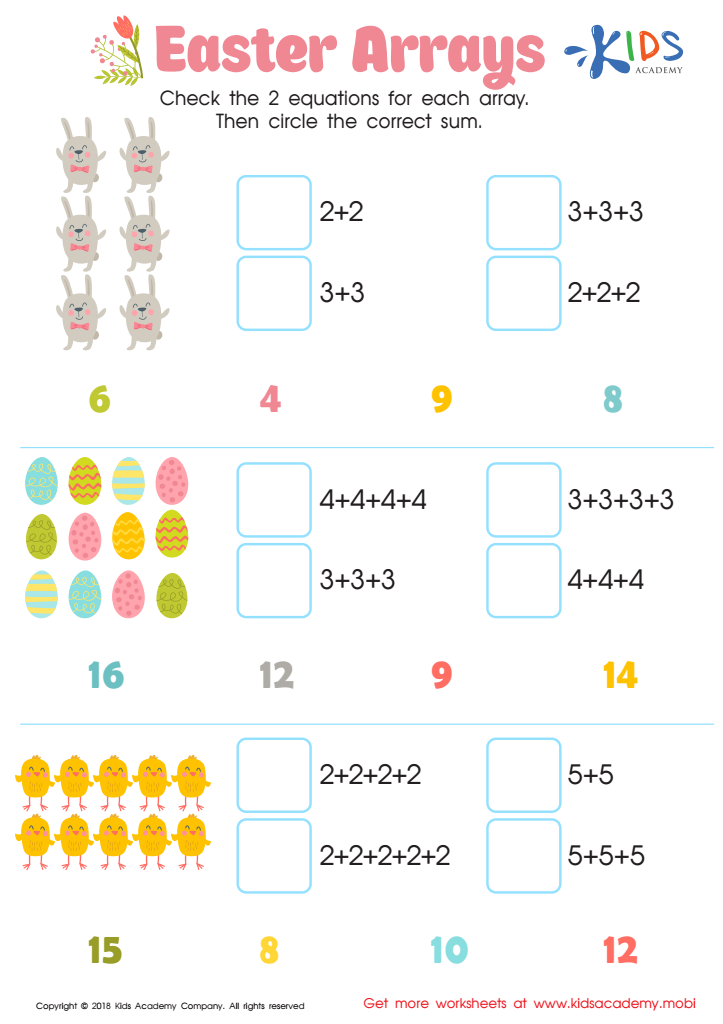
Easter Arrays Worksheet
Does your child love Easter? Do they adore the Easter bunny and egg hunts? Help them have fun with this worksheet! Go through it with them and check the equations for each array. Then, have them circle the correct sum. It's a great way to make the holiday extra exciting!
Easter Arrays Worksheet
Worksheet
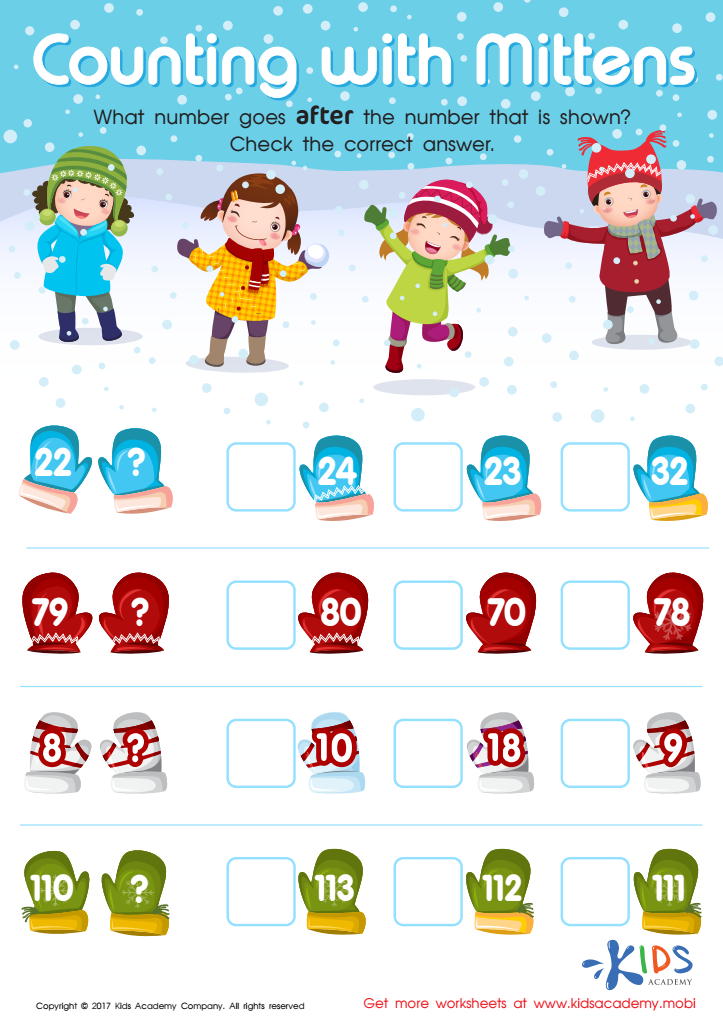
Counting with Mittens Worksheet
Let your kid have fun with this counting worksheet! It encourages them to count numbers and figure out which come next in the picture. Check the box with the correct answer - it's already provided. No more groaning and tears - this is a great way to learn!
Counting with Mittens Worksheet
Worksheet
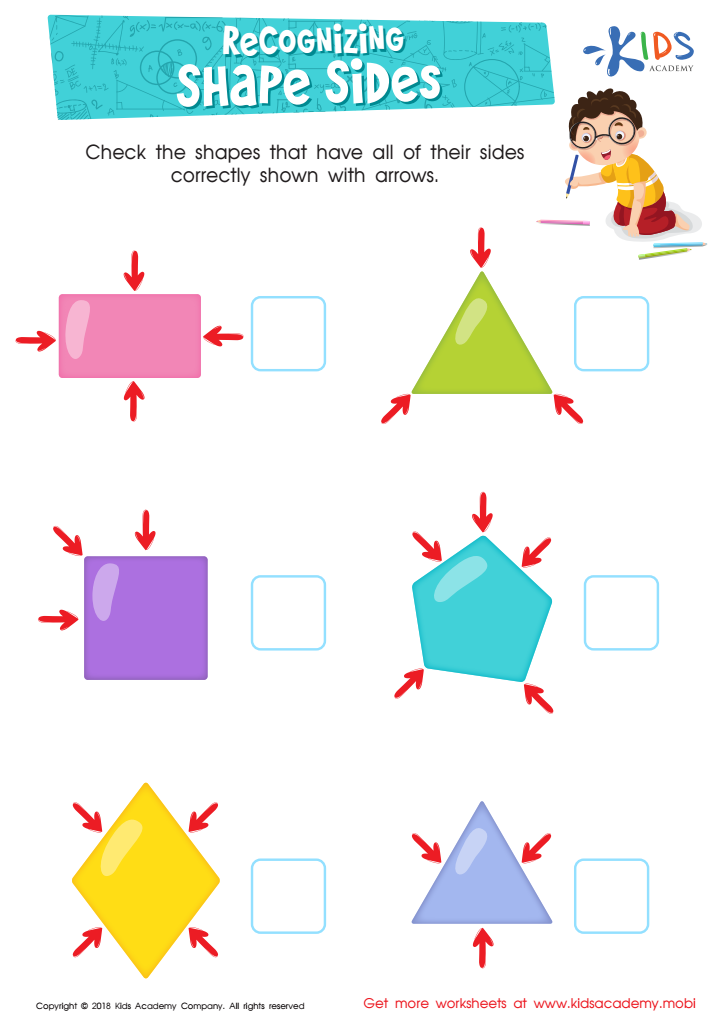
Recognizing Shape Sides Worksheet
This exercise will help your child recognize shape sides. Go over the difference between sides and angles first, then have them check the shapes with arrows to show the sides. They'll quickly get the hang of it and find it much easier after completing the colorful worksheet.
Recognizing Shape Sides Worksheet
Worksheet
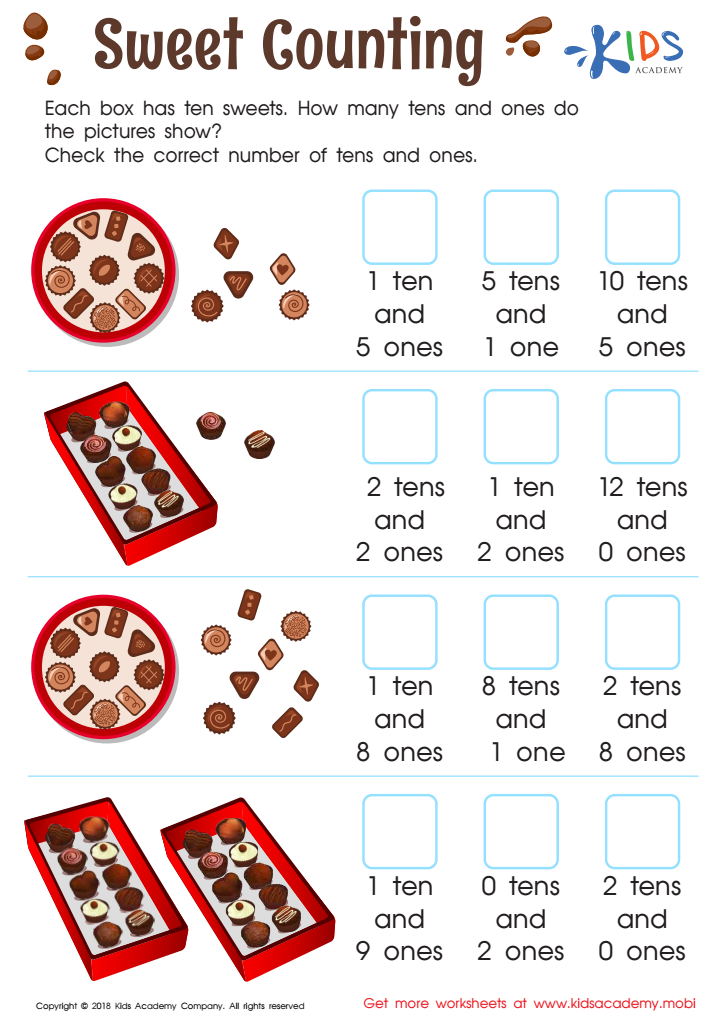
Sweet Counting - Part 2 Worksheet
Kids adore sweets! Make counting fun with this sweet-themed worksheet. Guide your child to count chocolates in boxes of 10, plus individual candies. Group them into tens and ones. Ask: "How many ones and tens are in each row?" Check the answer and complete the practice sheet.
Sweet Counting - Part 2 Worksheet
Worksheet
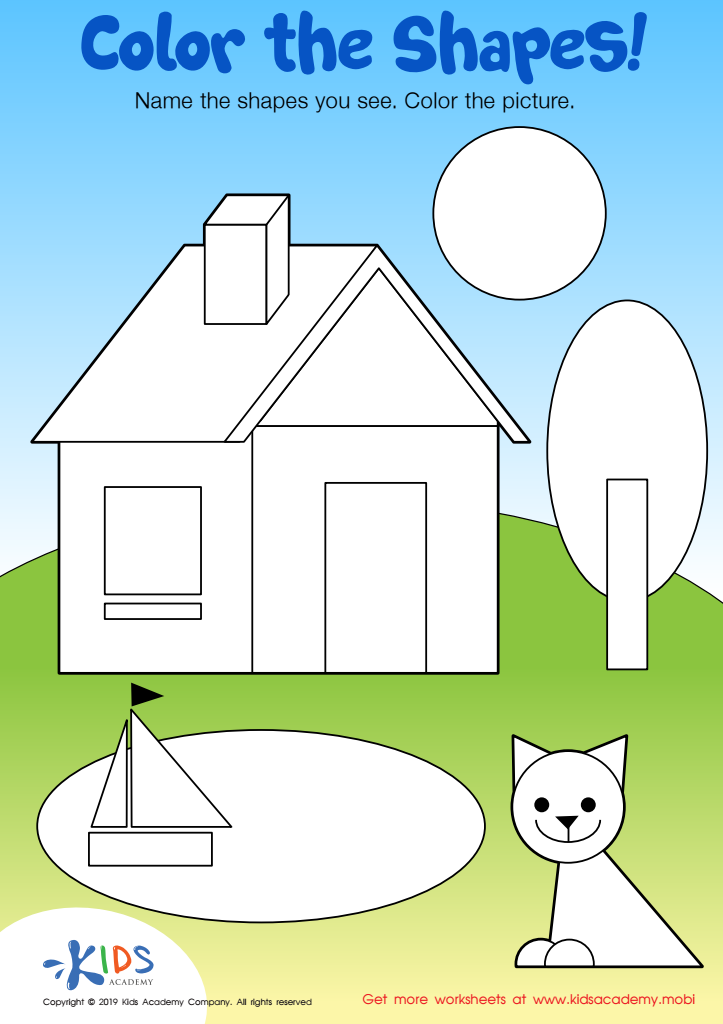
Color the Shapes Worksheet
Help your student master shape identification with this fun worksheet. Ask them to name the shapes in the picture, then color it! Ask questions like "How many squares do you see?" and "How many triangles?" to extend the learning. Identify squares, circles, triangles and rectangles with this enjoyable coloring page.
Download (PDF)
 Assign to My Students
Assign to My Students
Color the Shapes Worksheet
Worksheet
Join Kids Academy for Free
Who is primarily going to use this learning content?







.jpg)
Color identification math for ages 7-9 is a critical educational tool that enhances learning in several key areas. At this developmental stage, children are becoming more adept at understanding abstract concepts. Incorporating color identification into math lessons leverages their visual learning skills, making abstract numbers and operations more tangible and relatable.
When focusing on colors, children can engage in sorting, grouping, and counting activities that extend their mathematical reasoning. For example, utilizing colored objects can help them visualize addition and subtraction by physically manipulating items to represent quantities. Additionally, color recognition aids in the development of problem-solving skills, as students learn to interpret and analyze information differently.
Moreover, this approach promotes engagement and motivation. Vibrant colors capture children's attention and enhance memory retention, making learning more enjoyable. It also encourages collaboration and communication as they work together on colorful projects, fostering social skills alongside academic growth.
By integrating color identification into math education, parents and teachers create an enriching learning experience that addresses different facets of a child's development—cognitive, emotional, and social—ultimately better preparing them for future academic challenges.








