Comparing Fractions Reading Worksheets for Ages 7-9
25 filtered results
-
From - To
Discover engaging "Comparing Fractions Reading Worksheets" tailored for children aged 7 to 9! These interactive worksheets are designed to help young learners grasp the concept of comparing fractions in fun and accessible ways. Through colorful illustrations and clear instructions, students will develop their fraction comparison skills while enhancing their reading comprehension. Ideal for both classroom use and at-home learning, our worksheets cater to various learning styles, ensuring every child thrives. With a focus on hands-on practice, your child will gain confidence in handling fractions, making learning an enjoyable experience. Explore our resources today and empower your child's mathematical abilities!
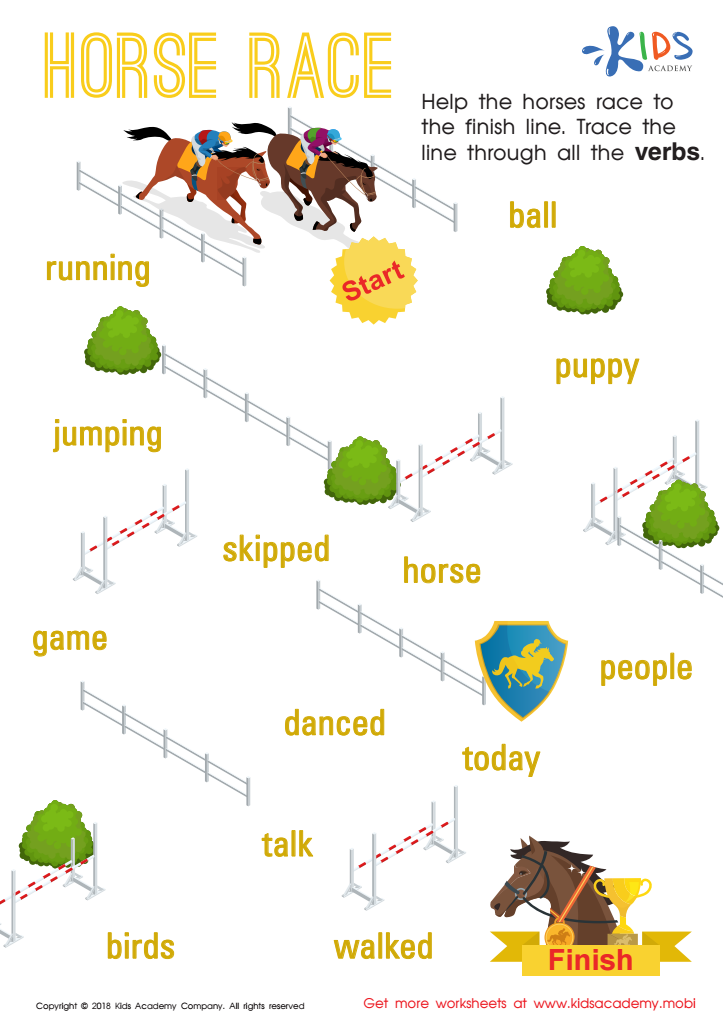
Horse Race Worksheet
 Assign to My Students
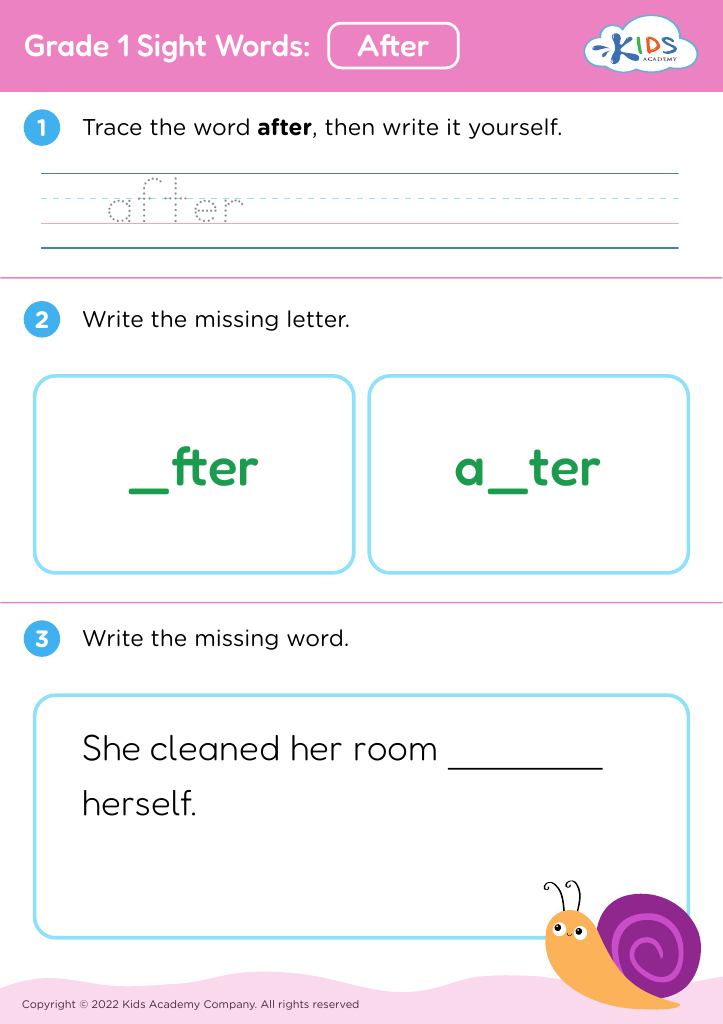
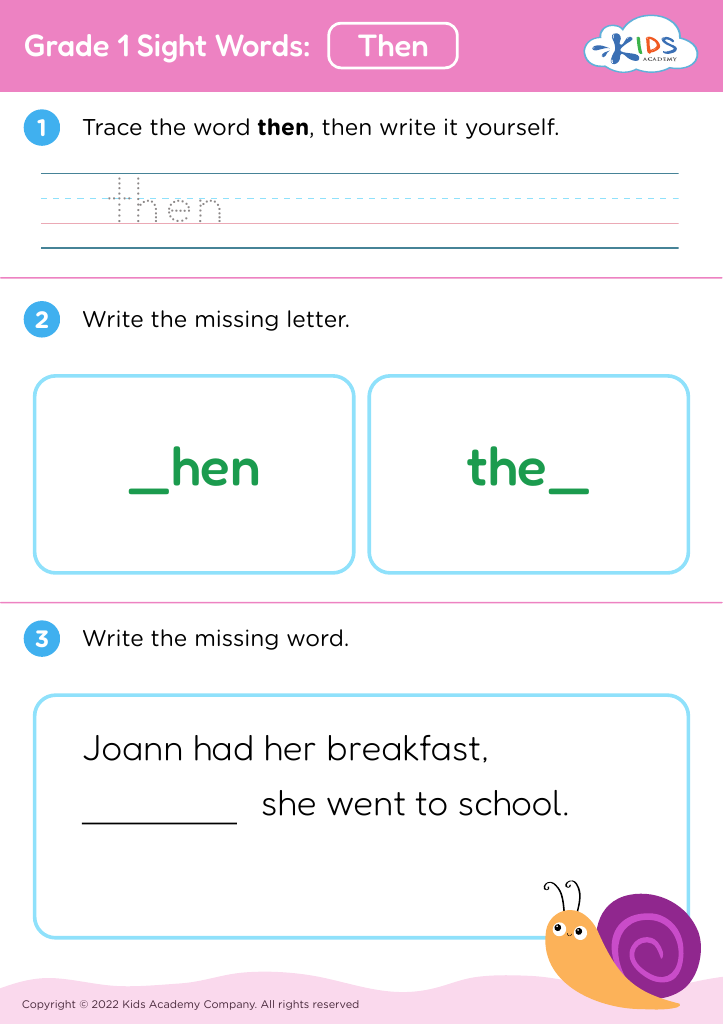
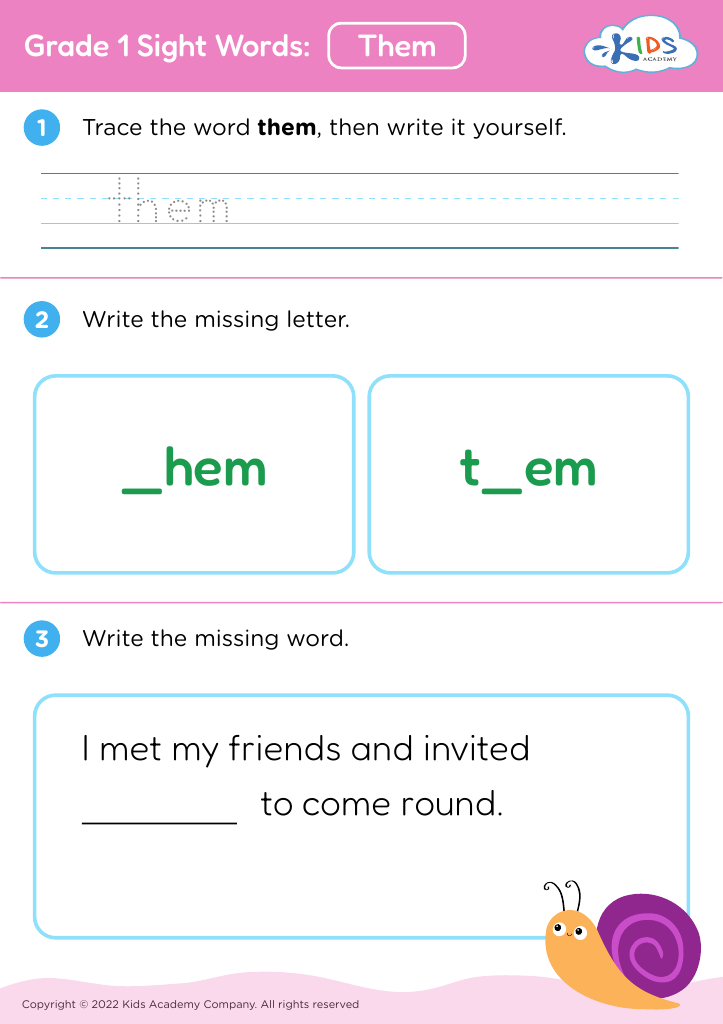








Comparing fractions is a fundamental skill that lays the groundwork for more complex mathematical concepts in later grades. For children aged 7-9, developing a strong understanding of how to compare fractions can enhance their overall numerical literacy and critical thinking abilities. Parents and teachers should care about this skill because it helps children make connections between different numbers and understand concepts such as size, part-to-whole relationships, and equivalency.
As children learn to compare fractions, they also develop problem-solving skills and logical reasoning. Engaging with fractions through reading and discussions can enrich vocabulary and improve comprehension, as children must understand terminology like "numerator," "denominator," and "greater than." Furthermore, these skills foster confidence in math, leading to a positive attitude towards learning, as children are better equipped to tackle word problems and real-world scenarios involving fractions.
Incorporating comparing fractions into educational activities promotes collaboration between parents and teachers, creating a supportive learning environment. It also encourages a growth mindset, where mistakes are viewed as learning opportunities, enhancing resilience. Ultimately, nurturing fraction comparison skills empowers children, setting them up for success in both academic pursuits and daily life.








