Fine Motor Skills Reading Worksheets for Ages 7-9 - Page 2
39 filtered results
-
From - To
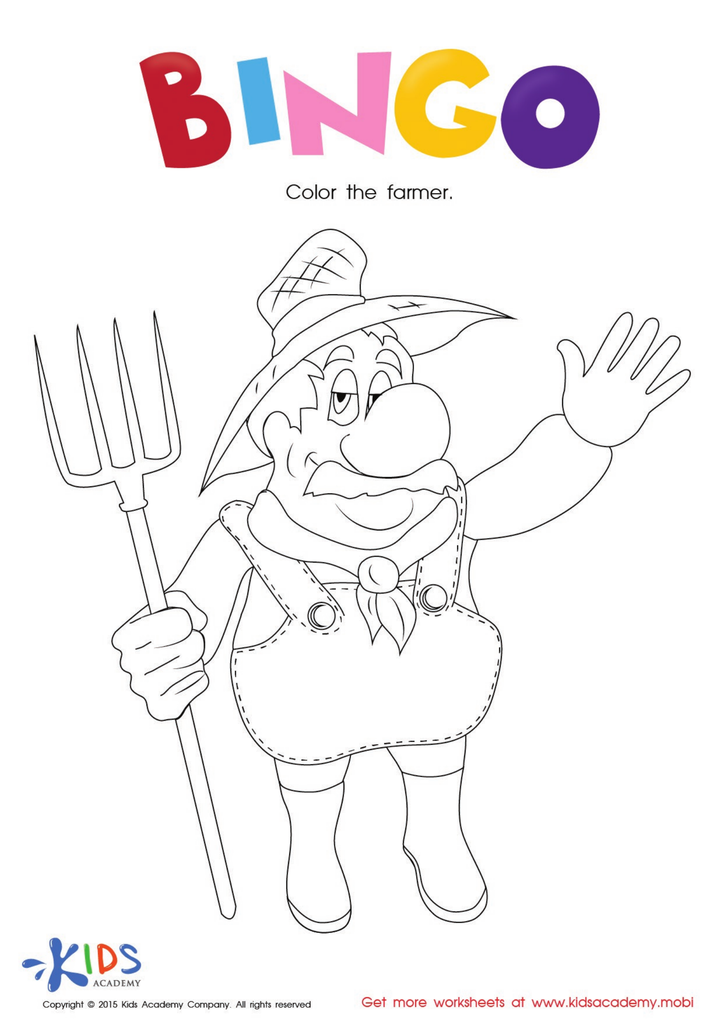
The Bingo Song: Coloring The Farmer Worksheet
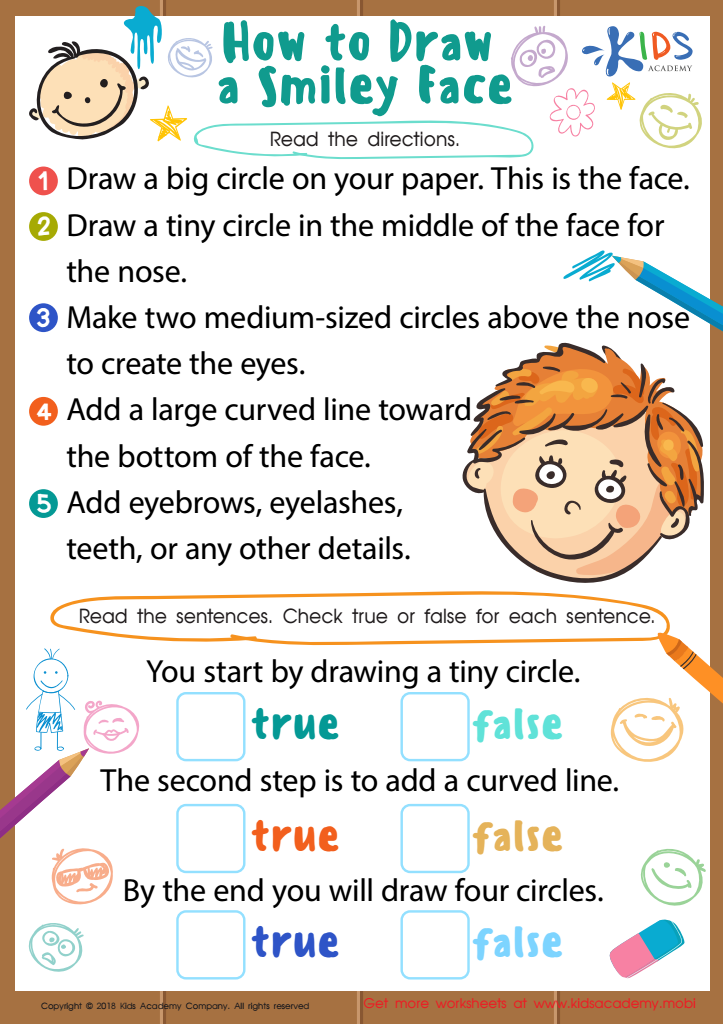
How to Draw a Smiley Face Worksheet

Happy Family Coloring Worksheet
 Assign to My Students
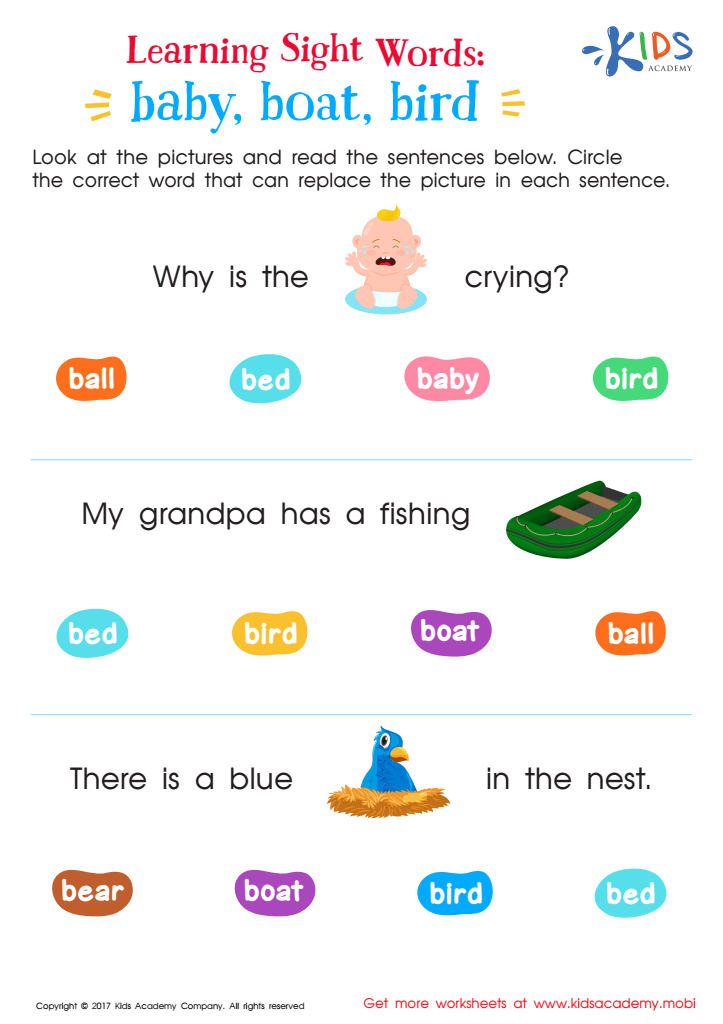
Baby, Boat, Bird Worksheet Sight Words Worksheet
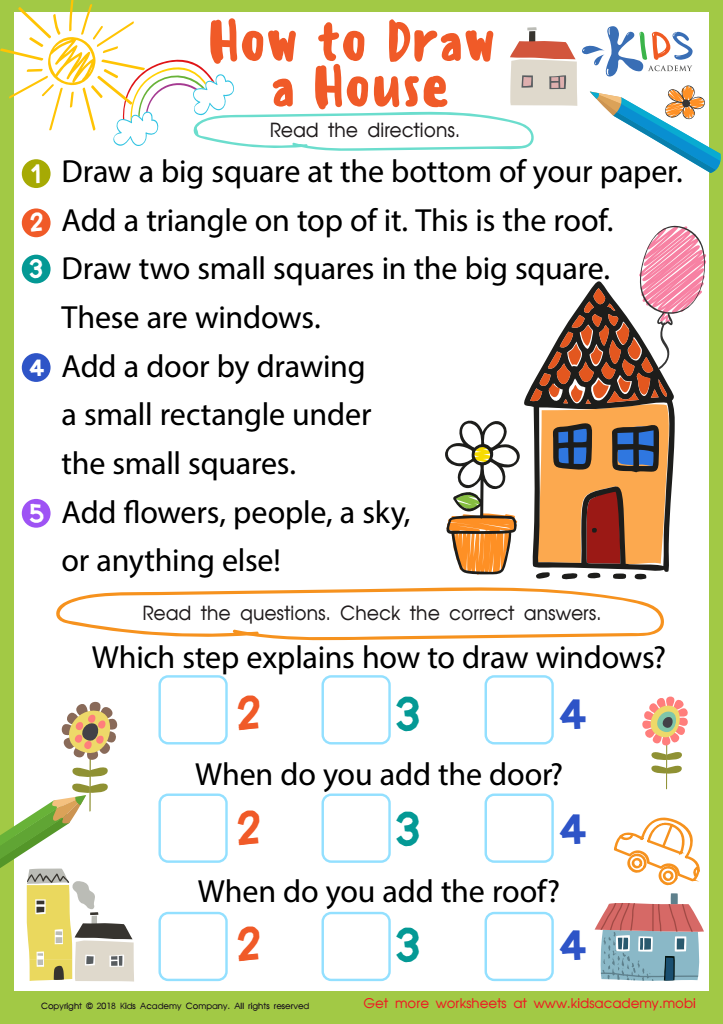
How to Draw House Worksheet

White and Pink Coloring Fun Worksheet
Assign to My Students
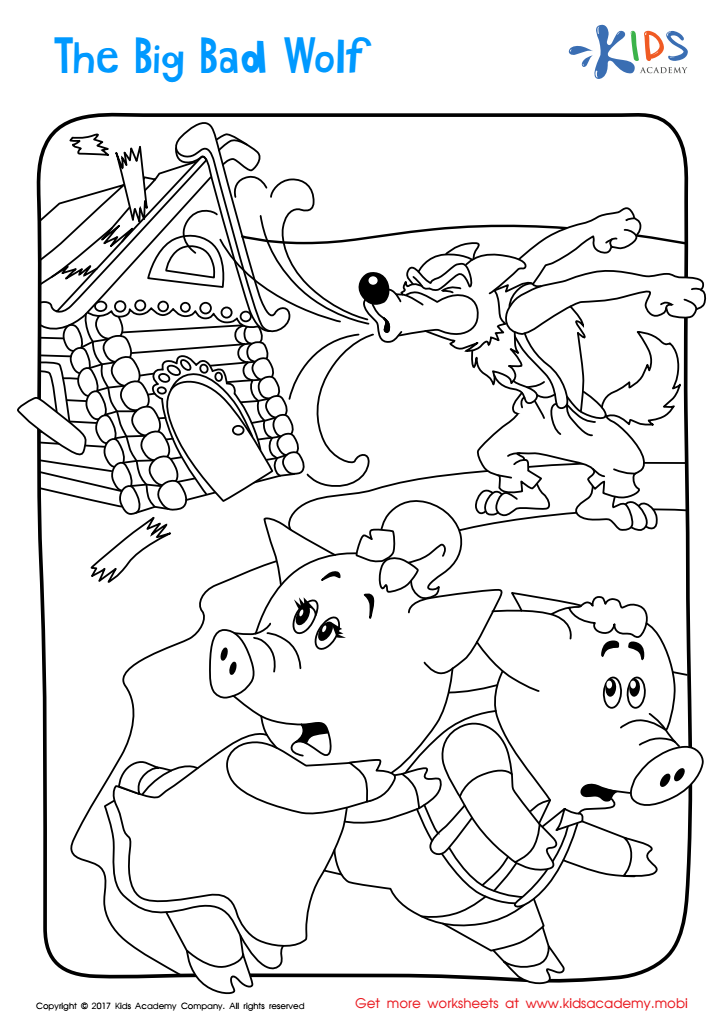
Big Bad Wolf Printable Coloring Page
Assign to My Students

The Bingo Song: Coloring The Dog Worksheet
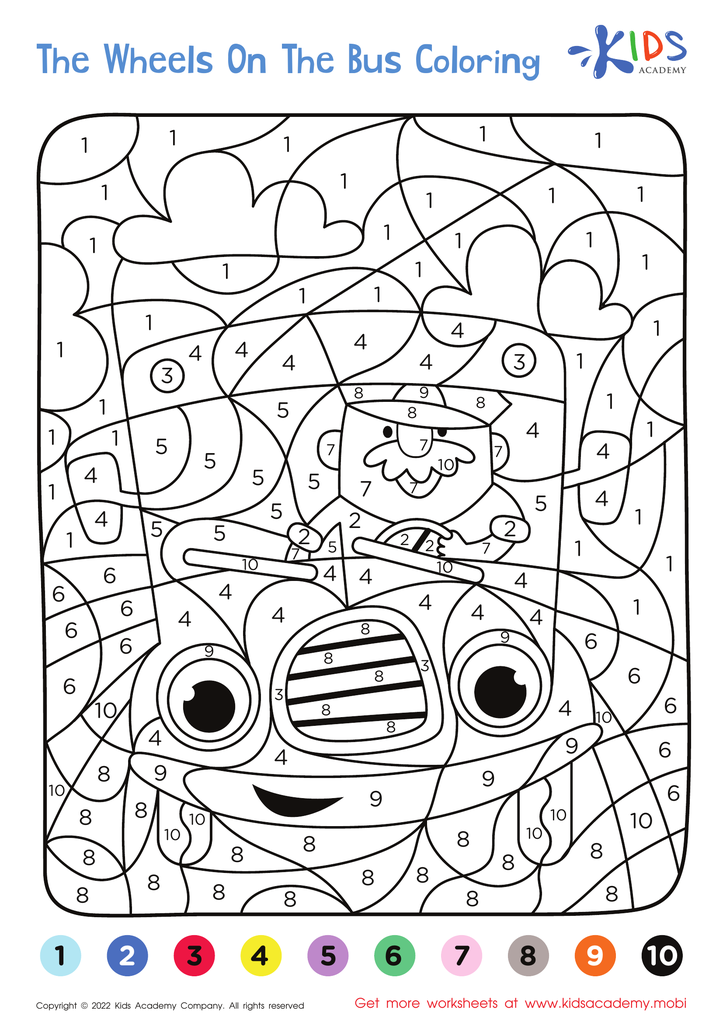
Wheels on the Bus – Coloring by Numbers
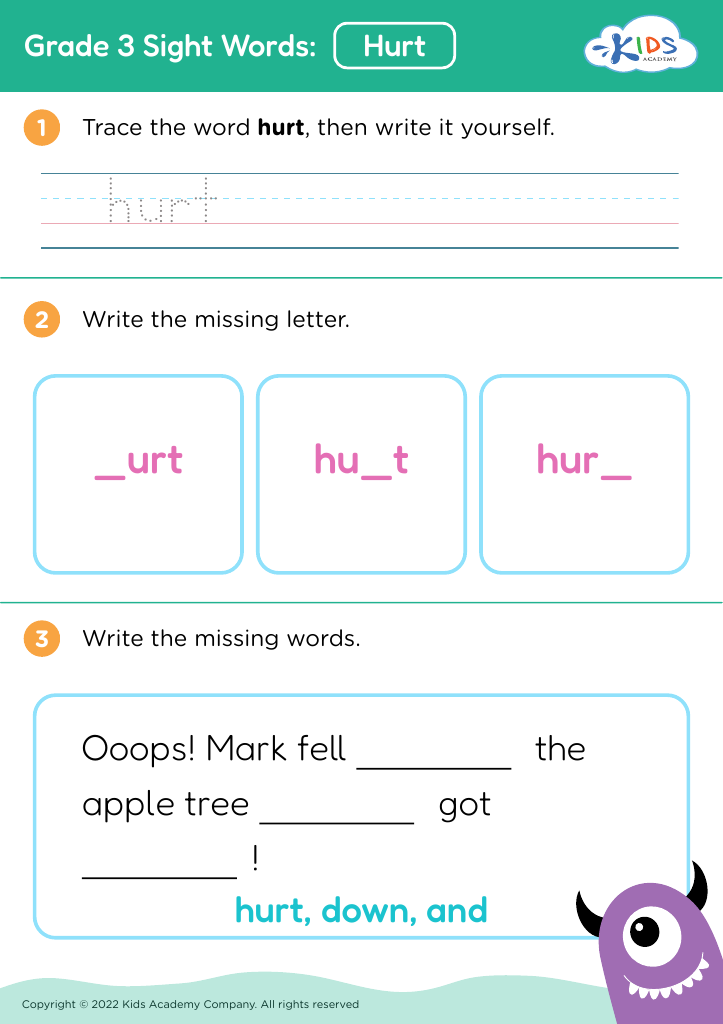
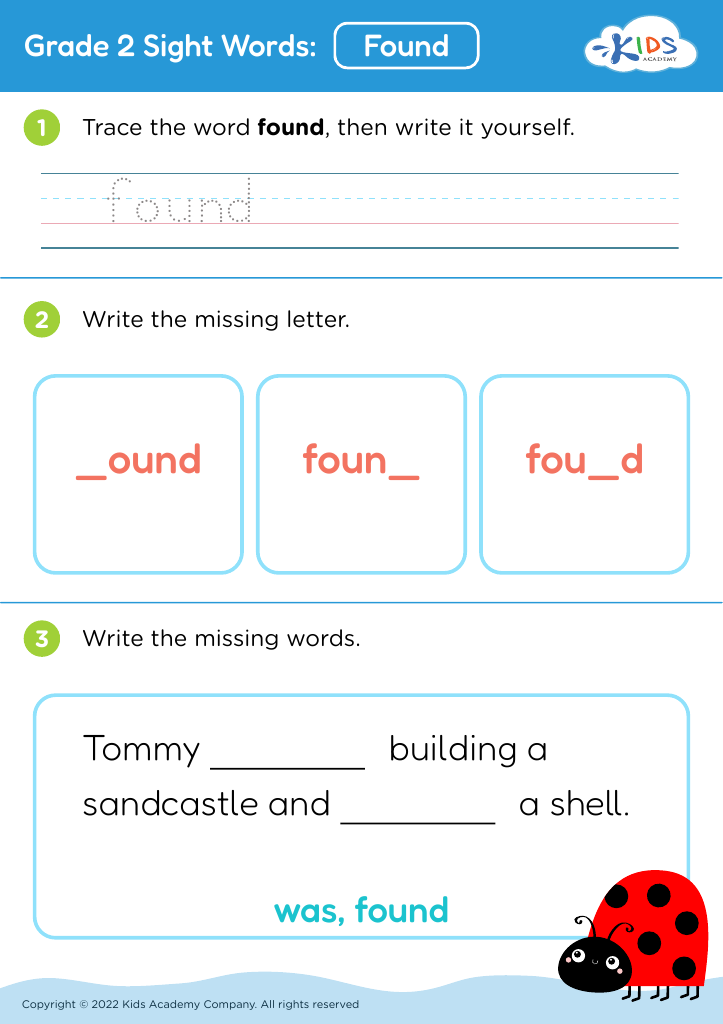
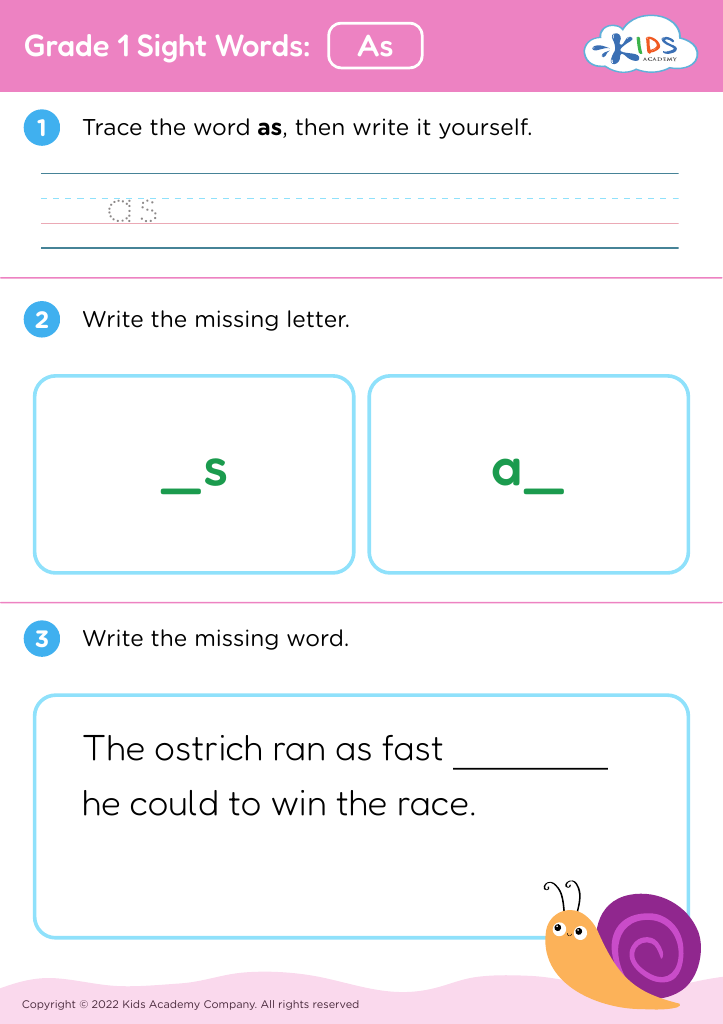
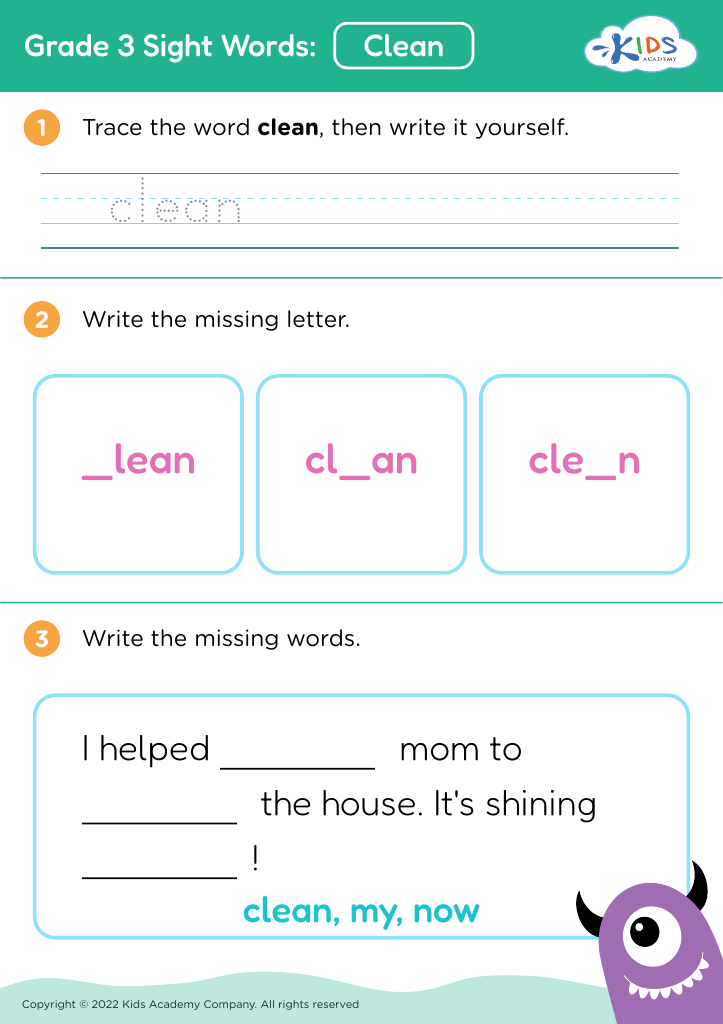








Fine motor skills are crucial for children aged 7-9 as they significantly impact their reading abilities. During this developmental stage, children are not only refining their hand-eye coordination but also enhancing skills fundamental to writing and manipulating reading tools like books and pencils. Engaging in activities that promote fine motor skills—such as cutting, drawing, or using manipulatives—supports their ability to grip and maneuver writing implements, leading to improved handwriting and note-taking, both vital for academic success.
Moreover, fine motor development is closely linked to cognitive functions. As children become more adept in their manual dexterity, they are better equipped to focus on the reading process itself. They can comfortably hold books, flip through pages, and track words without physical interference. This allows them to devote their cognitive resources toward comprehension and storytelling.
For teachers and parents, fostering fine motor skills means creating a foundation for a positive reading experience, which in turn cultivates a love for literature. Promoting fine motor activities at home and in the classroom transforms the learning environment into one that encourages creativity, confidence, and autonomy—essential components in becoming proficient and enthusiastic readers. Hence, attention to fine motor skills during these formative years is indispensable.








