Improve vocabulary Reading Worksheets for Ages 7-9
4 filtered results
-
From - To
Our specially designed "Improve Vocabulary" reading worksheets for ages 7-9 are perfect for young learners to expand their word knowledge and enhance their reading skills. These engaging activities make learning new vocabulary fun and interactive, fostering a love for reading while boosting comprehension. Each worksheet is crafted to challenge students appropriately for their grade level, featuring a mix of definitions, sentence usage, and matching exercises to solidify understanding. Ideal for both classroom use and at-home practice, these worksheets support children in building a strong vocabulary foundation, essential for academic success and confident communication. Discover the joy of learning today!
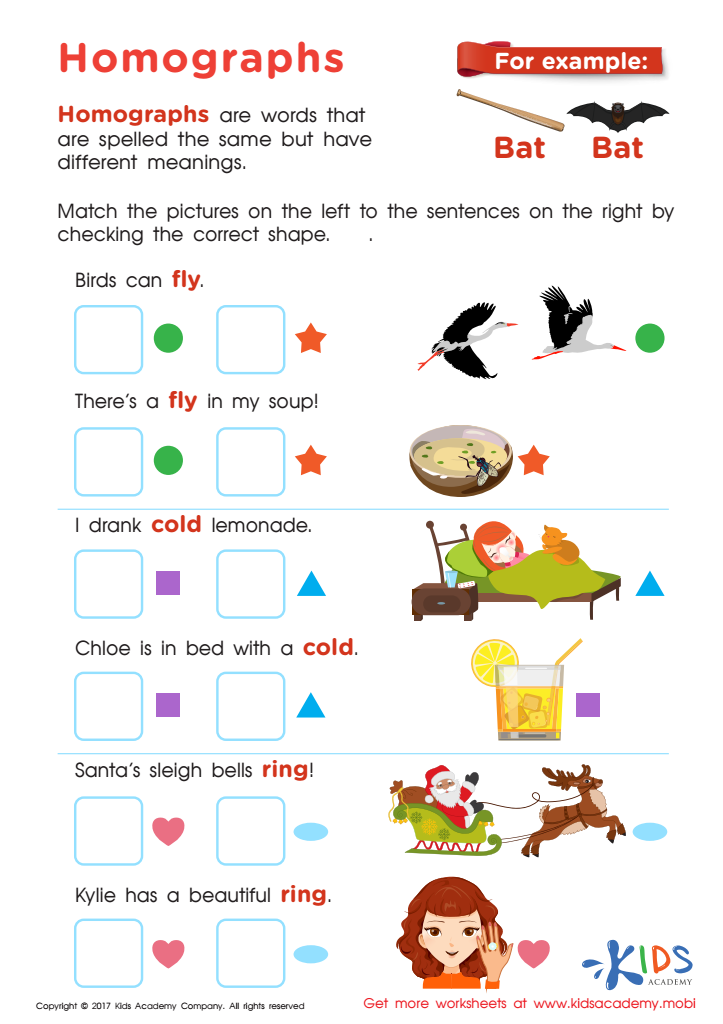
Homographs Free Printable Worksheet
 Assign to My Students
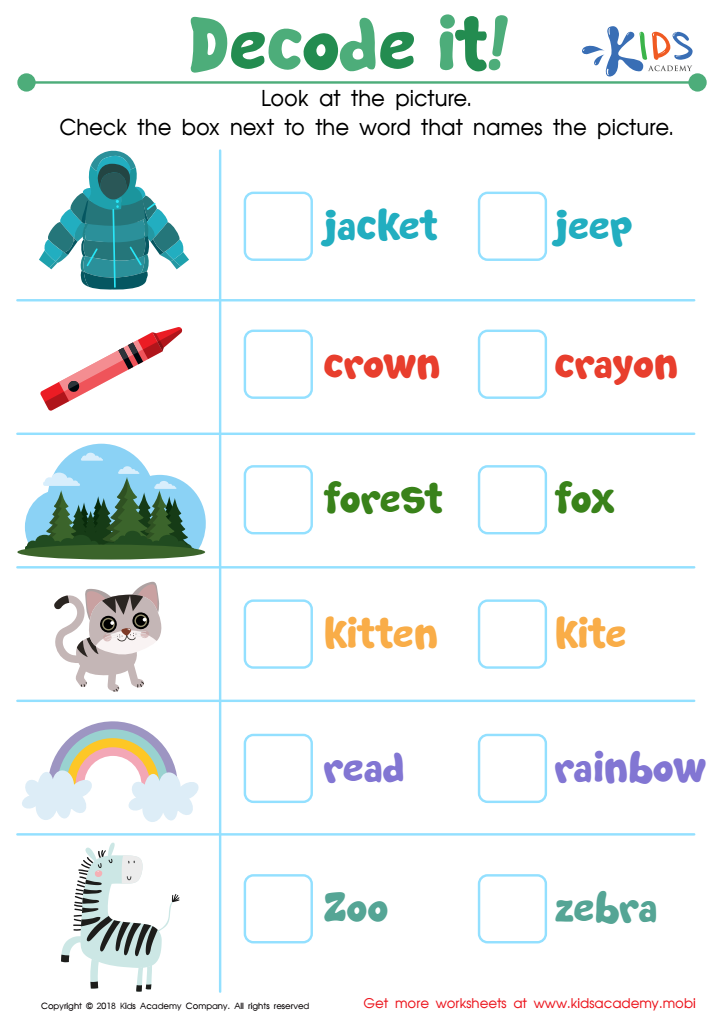
Reading: Decode It Worksheet
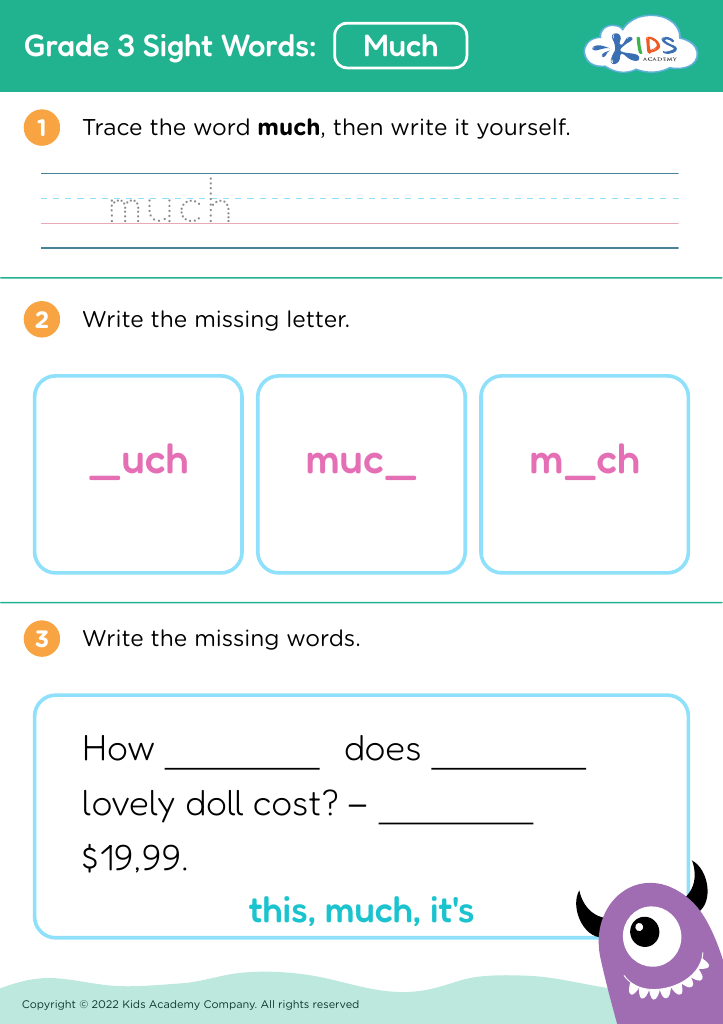
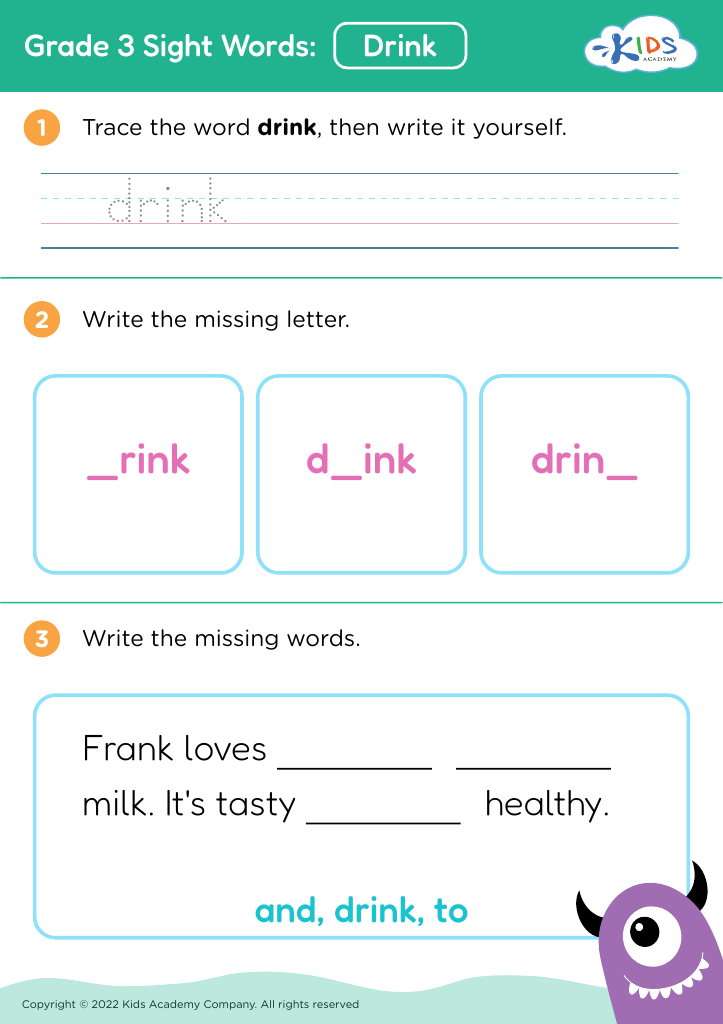








Improving vocabulary for children aged 7-9 is crucial for their overall academic and personal development. At this formative stage, children are transitioning from learning to read to reading to learn, and a robust vocabulary serves as the foundation for this shift. Parents and teachers should prioritize vocabulary enhancement to facilitate better comprehension and critical thinking skills.
A broad vocabulary allows children to understand a wider range of reading materials, making reading a more enjoyable and less frustrating experience. This enthusiasm for reading fosters a lifelong habit, essential for continual learning. Furthermore, vocabulary development directly impacts writing skills. As children learn new words, they become more adept at expressing their thoughts, emotions, and ideas with clarity and precision.
Additionally, strong vocabulary skills bolster confidence and communication abilities. This increases children’s participation in classroom discussions and social interactions, promoting a more enriched educational experience. Research has shown that a well-developed vocabulary is correlated with higher academic achievement across various subjects, including math and science.
By emphasizing vocabulary improvement, parents and teachers equip children with the critical tools for success, nurturing curious, articulate, and confident learners. This early investment pays dividends, enhancing cognitive abilities and setting the stage for future academic excellence and personal growth.








