Phonics recognition Reading Worksheets for Ages 7-9
5 filtered results
-
From - To
Phonics recognition is pivotal for honing reading skills in children aged 7-9. Our engaging and educational Phonics Recognition Reading Worksheets from Kids Academy ensure young readers master essential phonics concepts. Designed to make learning fun, these worksheets offer a variety of exercises to enhance letter-sound relationships, word formation, and reading fluency. Each activity provides ample practice and reinforces essential skills, setting a solid foundation for academic success. Whether for classroom use or home study, our expertly crafted phonics worksheets foster confidence and a love for reading. Unlock your child's potential today with Kid's Academy's trusted resources!
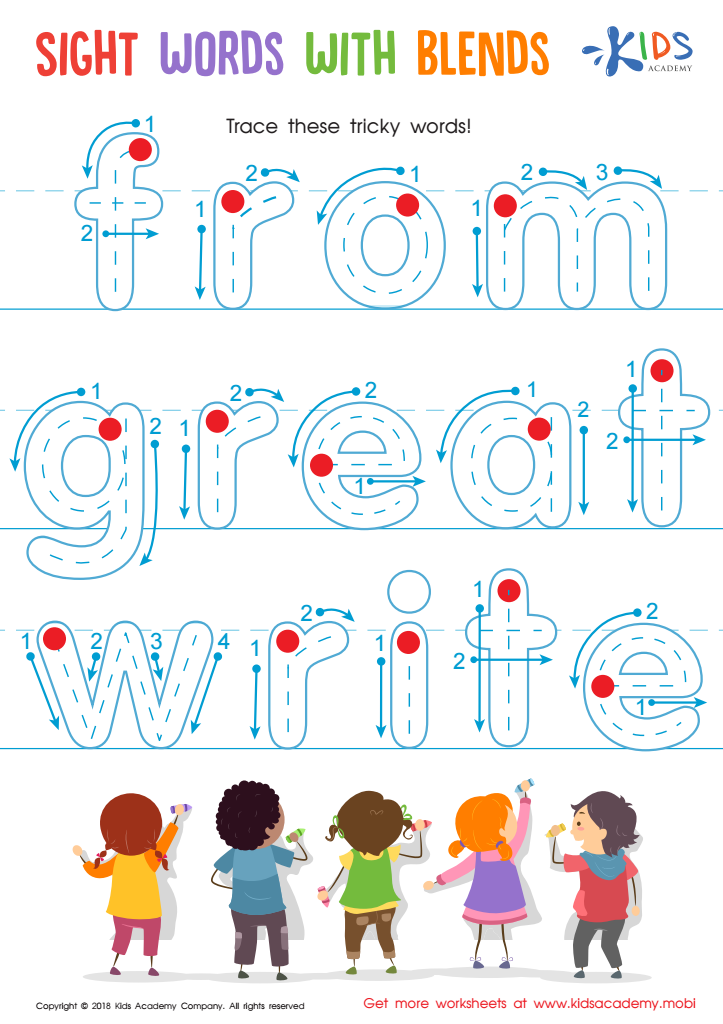
Sight Words with Blends Worksheet
 Assign to My Students
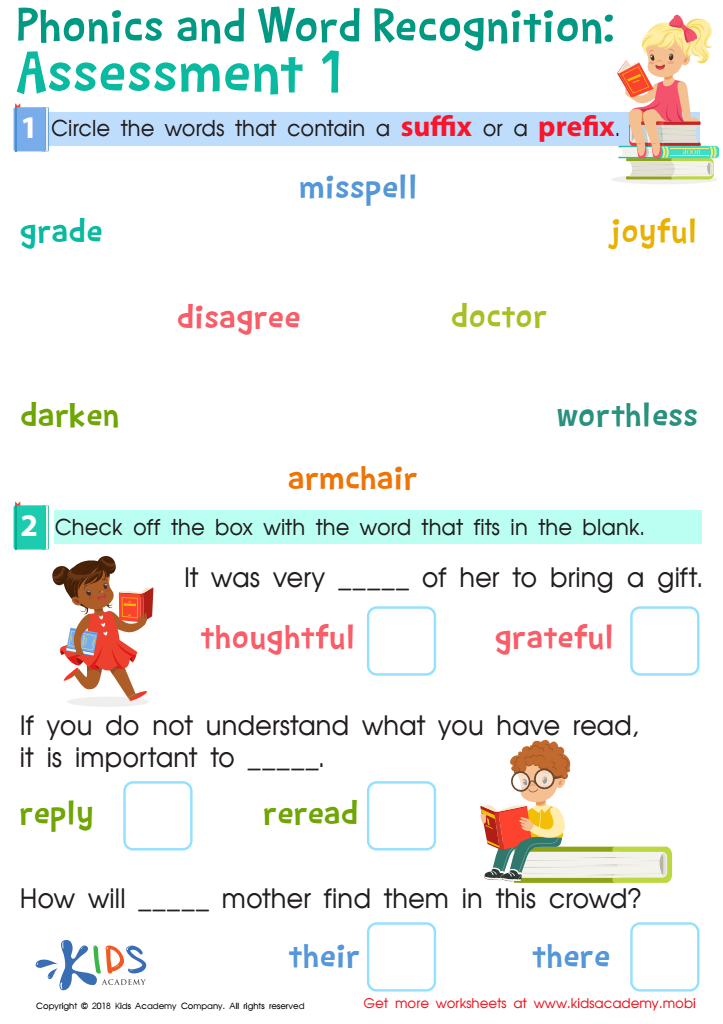
Phonics and Word Recognition: Assessment 1 Worksheet
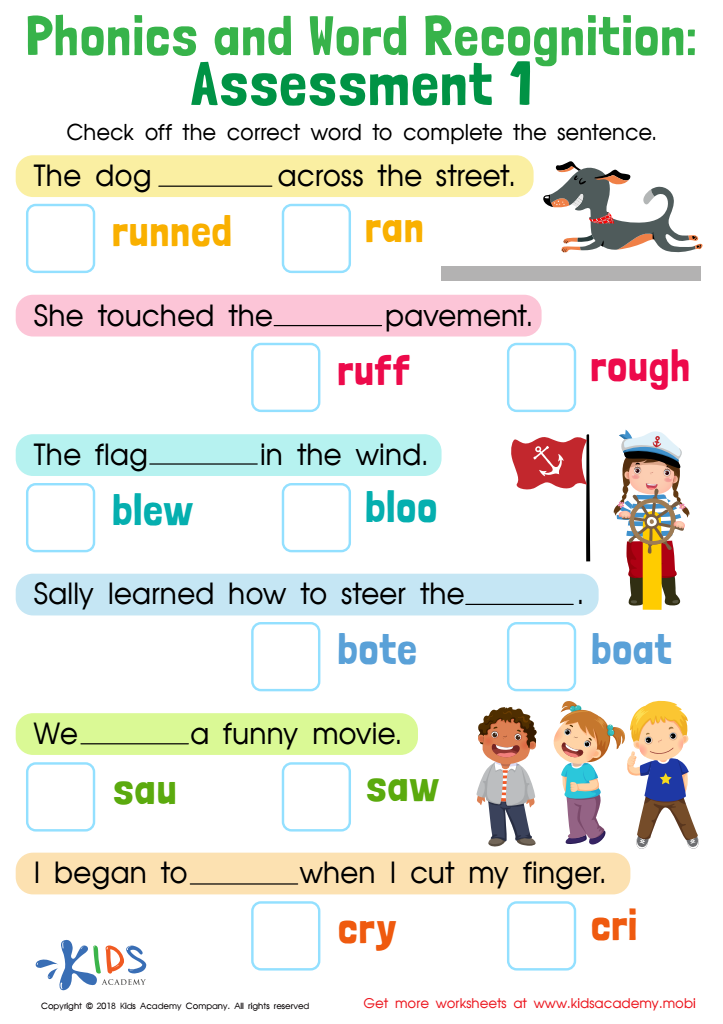
Phonics and Word Recognition: Assessment 1 Worksheet
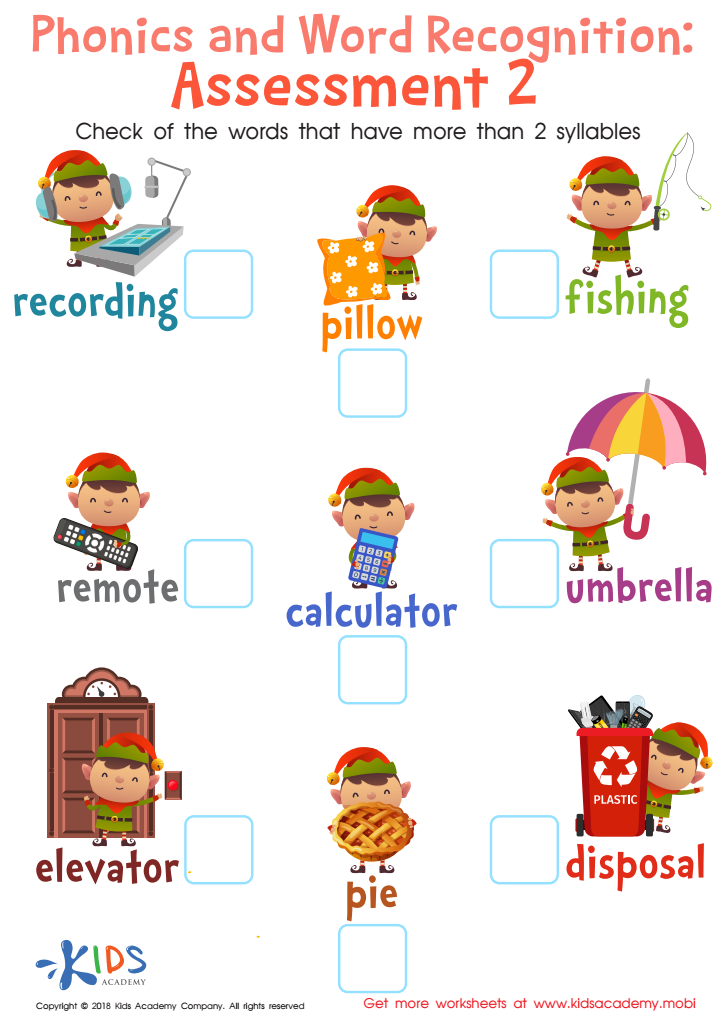
Phonics and Word Recognition: Assessment 2 Worksheet
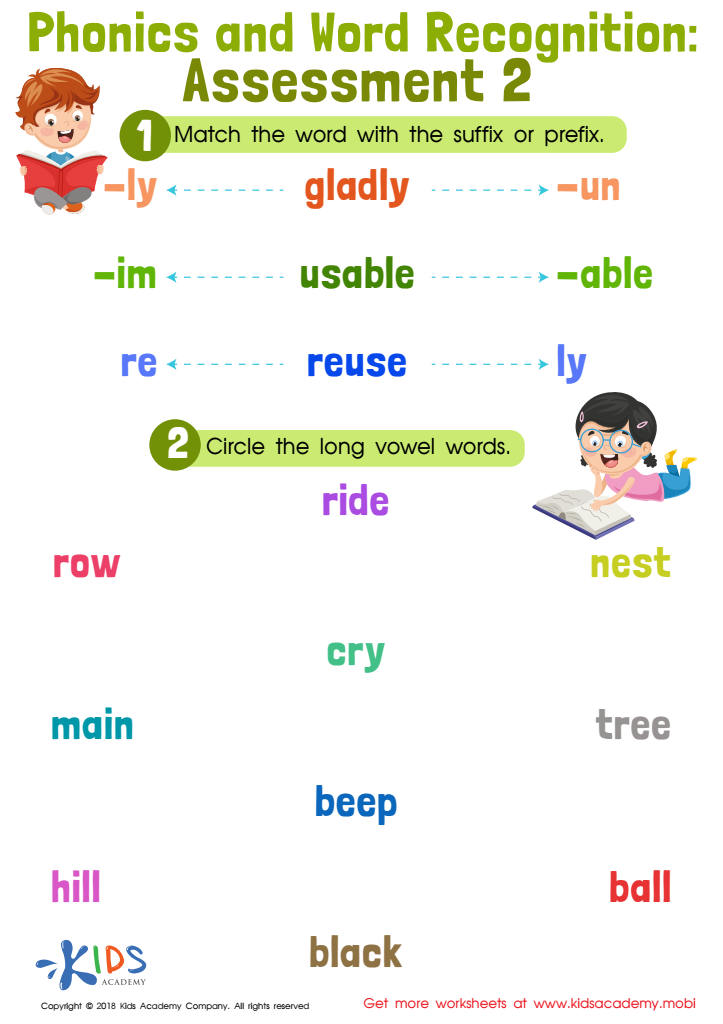
Phonics and Word Recognition: Assessment 2





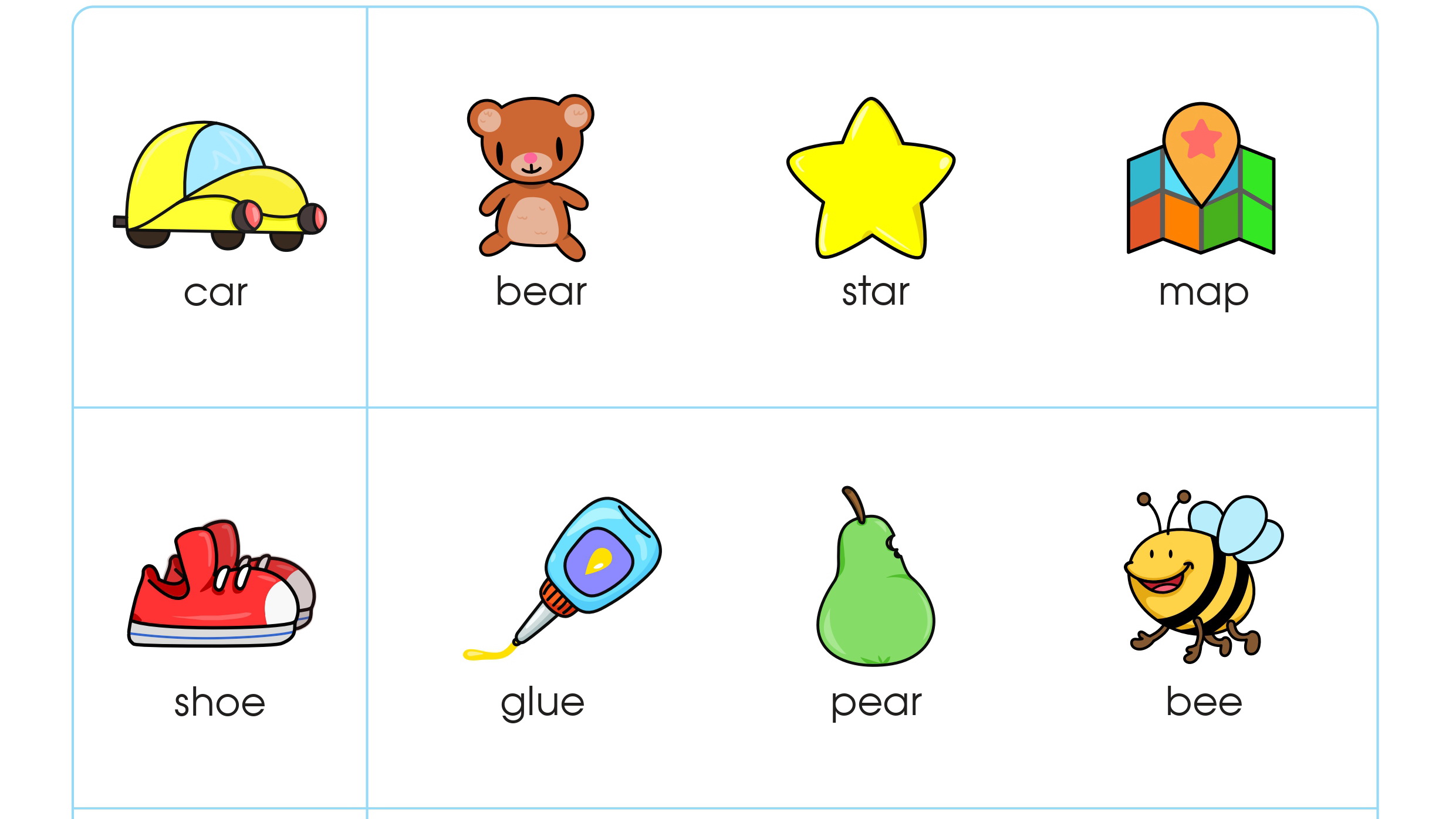


Phonics recognition is a fundamental skill that significantly impacts reading abilities for children aged 7-9. This age group is in a critical developmental stage for literacy as they transition from learning to read to reading to learn. Phonics involves understanding the relationship between letters and sounds, enabling kids to decode new words independently and accurately.
For parents and teachers, focusing on phonics recognition lays a solid foundation for literacy. When children grasp phonics, they can read more fluently, leading to better comprehension. This skill enhances their ability to enjoy reading and boosts their confidence. A strong phonics foundation facilitates learning across subjects since so much curriculum content at this age involves reading.
Additionally, early phonics instruction can prevent future reading difficulties. Phonemic awareness, a key aspect of phonics, can help identify kids who may struggle with reading, allowing for early intervention.
Moreover, proficient reading skills influenced by strong phonics knowledge contribute to broader academic success, positively impacting vocabulary acquisition, spelling, and writing abilities. When parents and teachers support phonics learning, they are essentially equipping children with lasting tools for academic achievement and lifelong learning, fostering a love for reading that benefits them in all areas of life.








