Vocabulary Building Reading Comprehension Worksheets for Ages 7-9
15 filtered results
-
From - To
Enhance your child’s literacy skills with our engaging Vocabulary Building Reading Comprehension Worksheets designed for ages 7 to 9. These worksheets focus on enriching vocabulary through interactive and age-appropriate reading passages that captivate young minds. Each exercise encourages your child to explore new words, develop comprehension strategies, and improve their reading fluency. With a variety of topics and formats, these worksheets make learning fun and effective, ensuring that children can grasp essential vocabulary concepts. Perfect for at-home learning or classroom activities, our resources support educational growth while fostering a love for reading. Get started today to empower your child’s language skills!
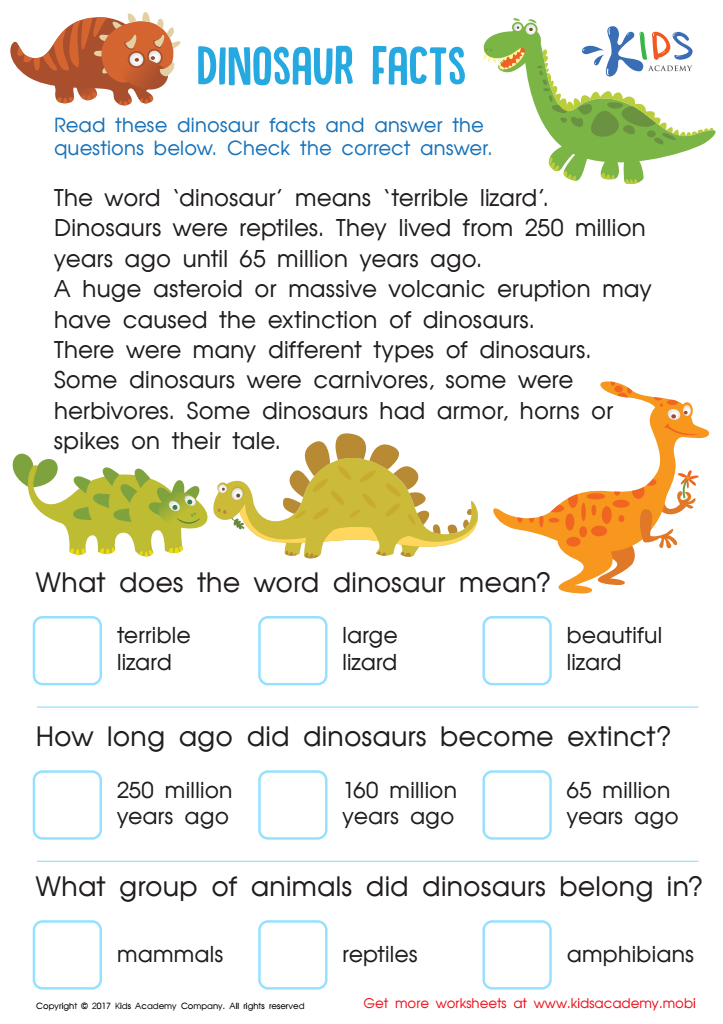
Dinosaur Facts Worksheet
 Assign to My Students
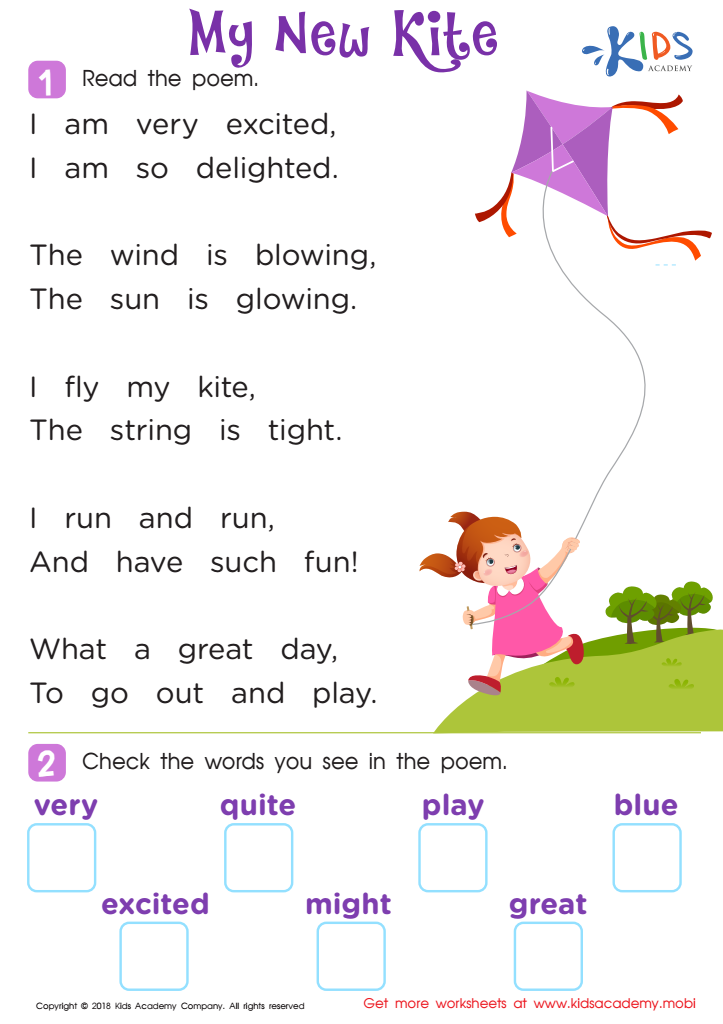
Poem: My New Kite Worksheet
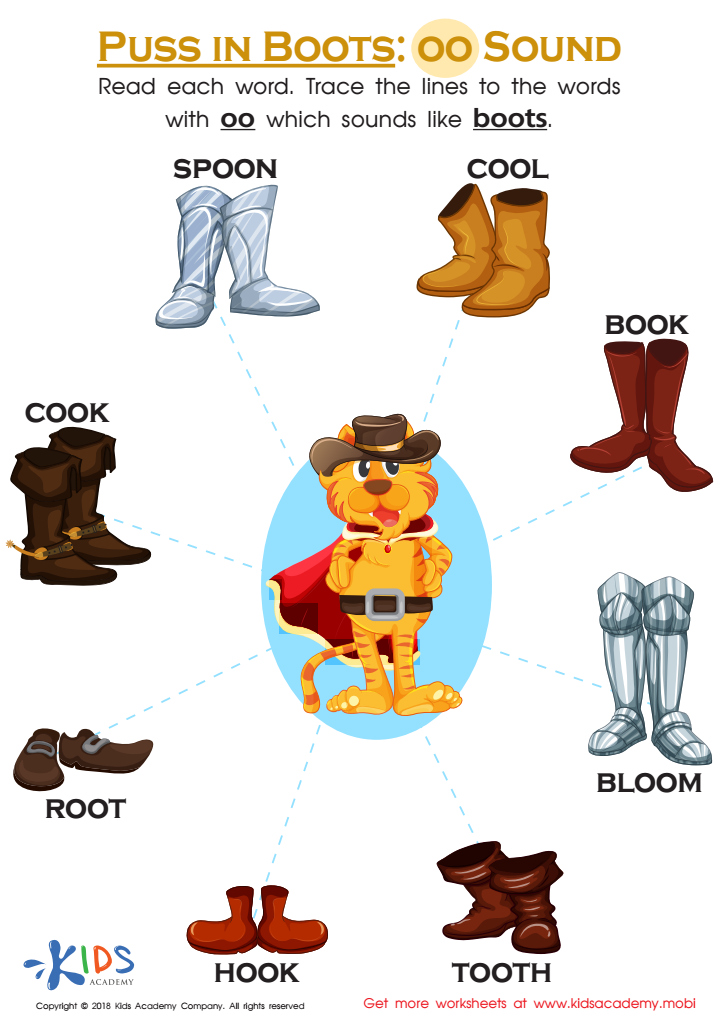
Puss in Boots: OO Sound Worksheet
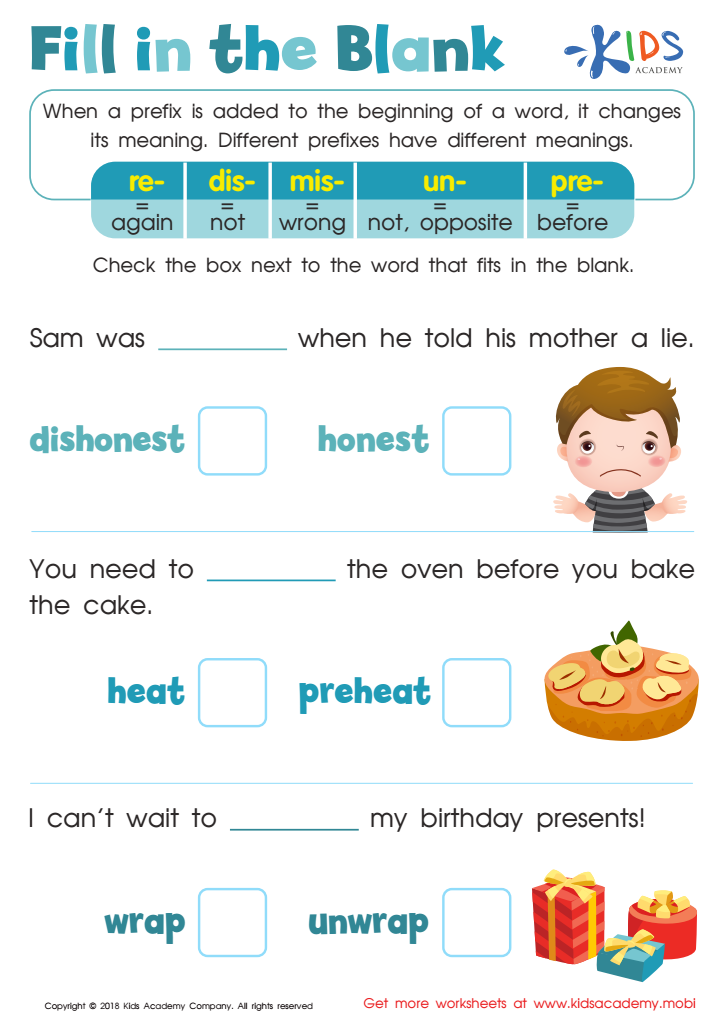
Reading: Fill in the Blank Worksheet
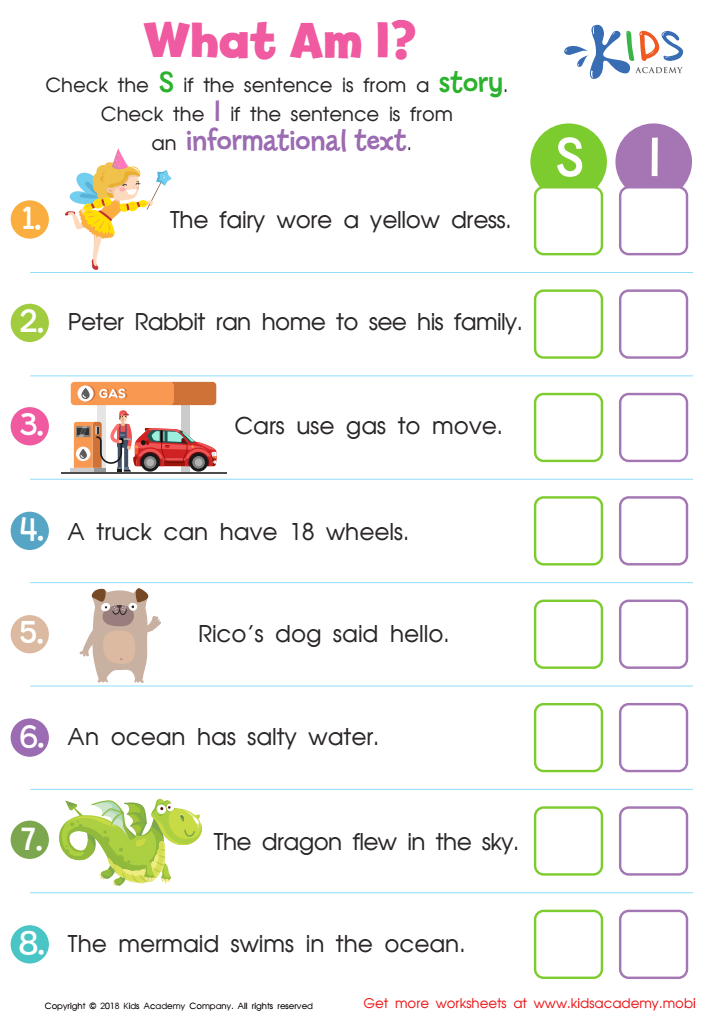
What Am I? Worksheet
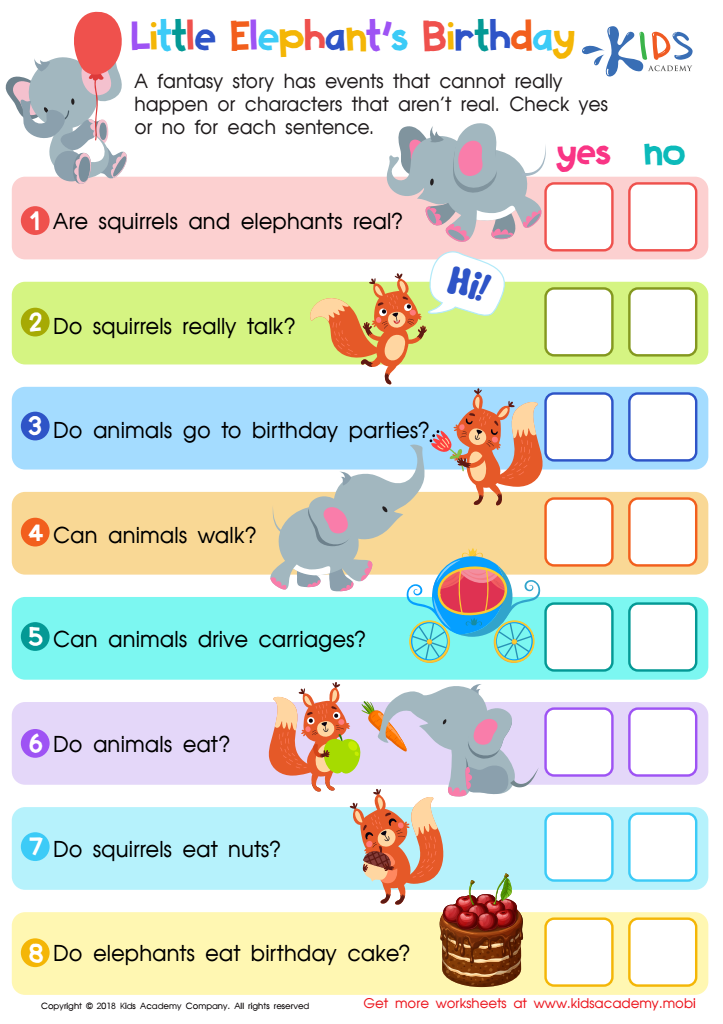
Little Elephant's Birthday Worksheet
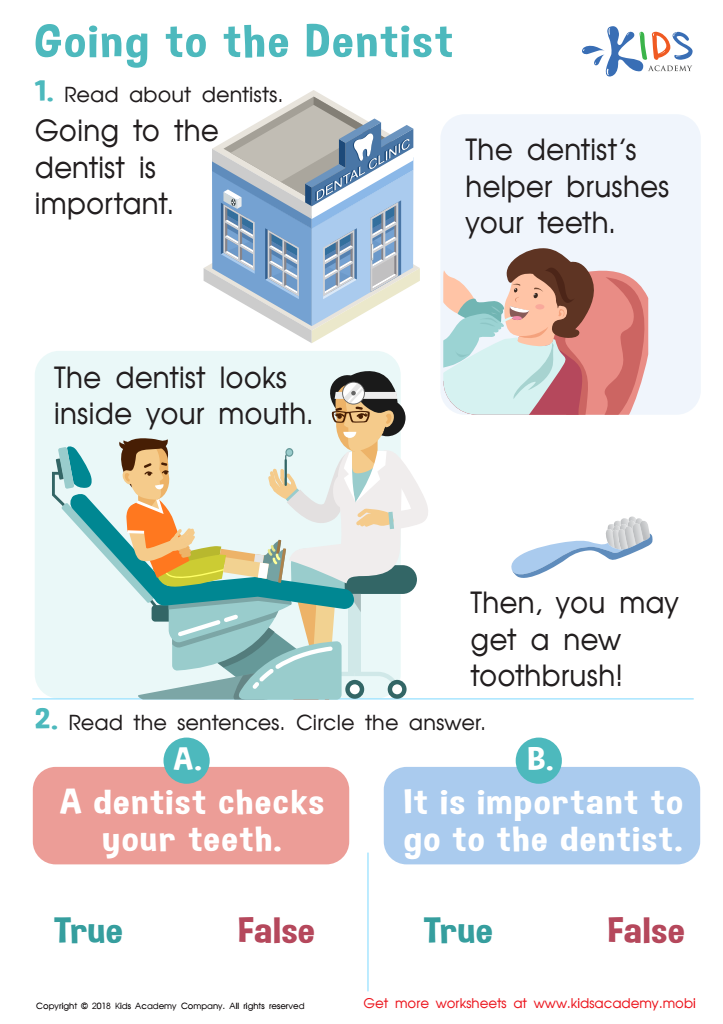
Going to the Dentist Part 2 Worksheet
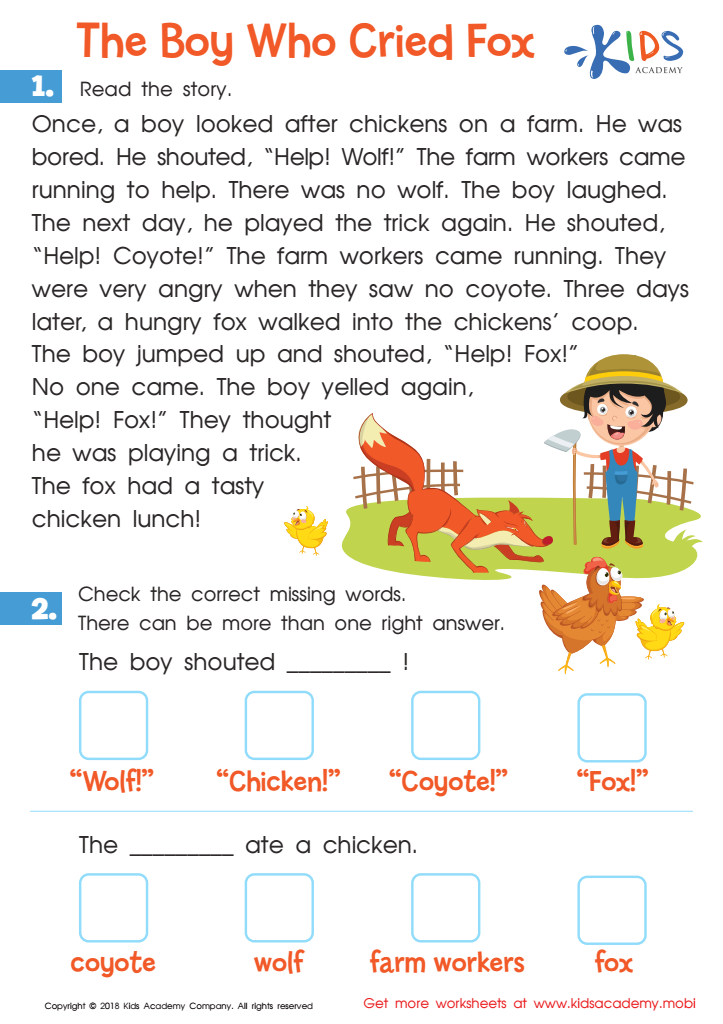
The Boy Who Cried Fox Worksheet
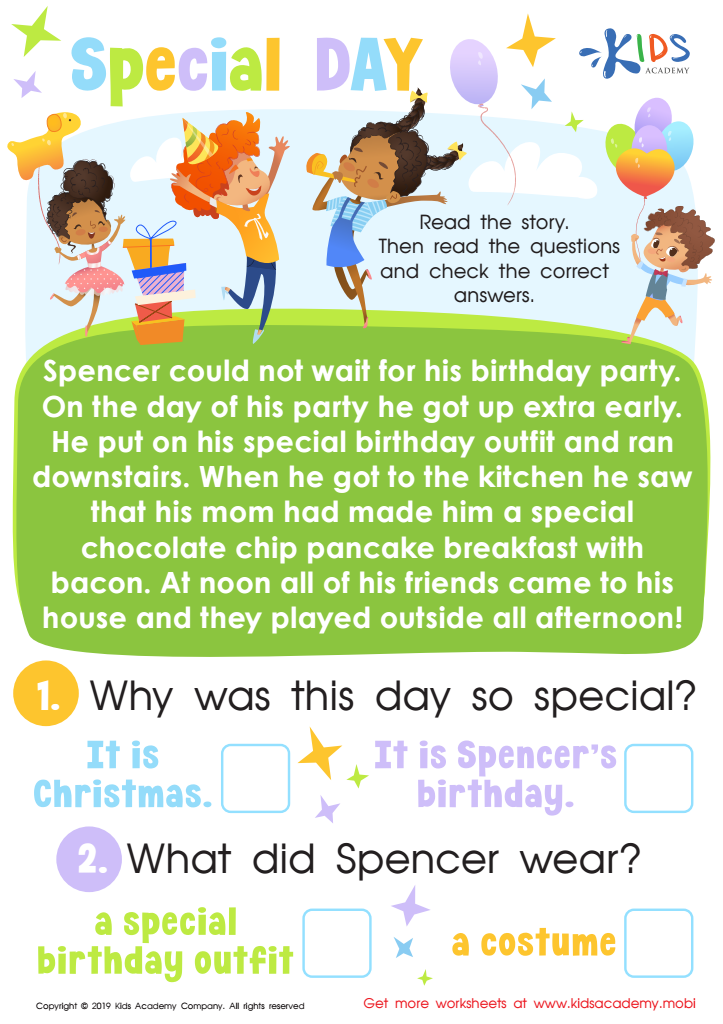
Special Day Worksheet

Golden Eagles Worksheet
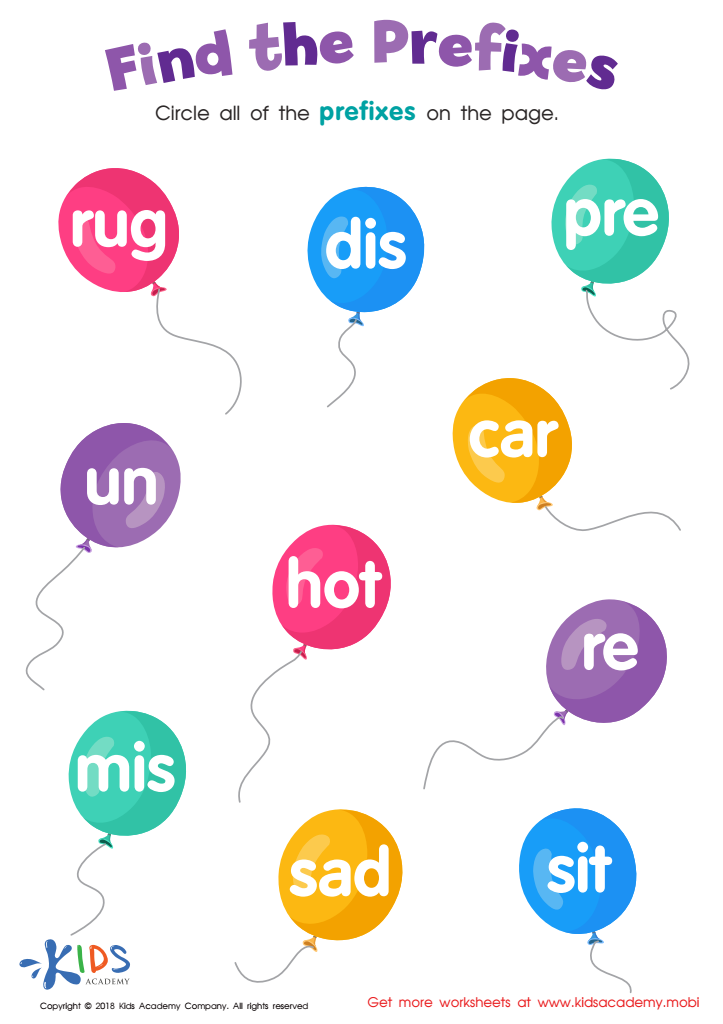
Reading: Find the Prefixes Worksheet
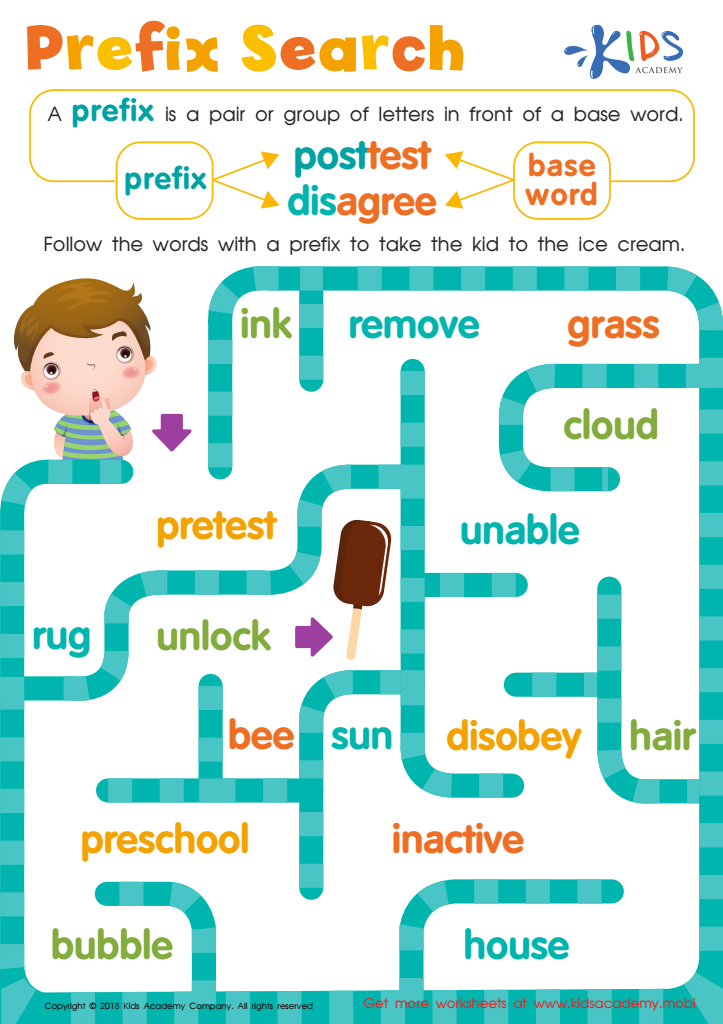
Reading: Prefix Search Worksheet
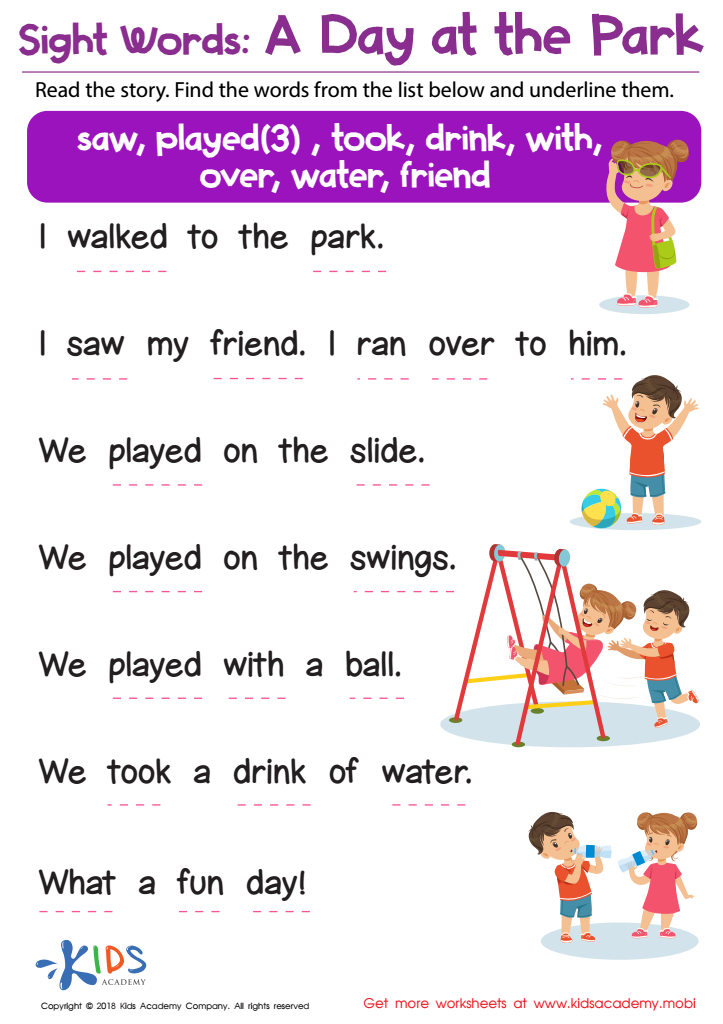
Sight Words: A Day at the Park Worksheet
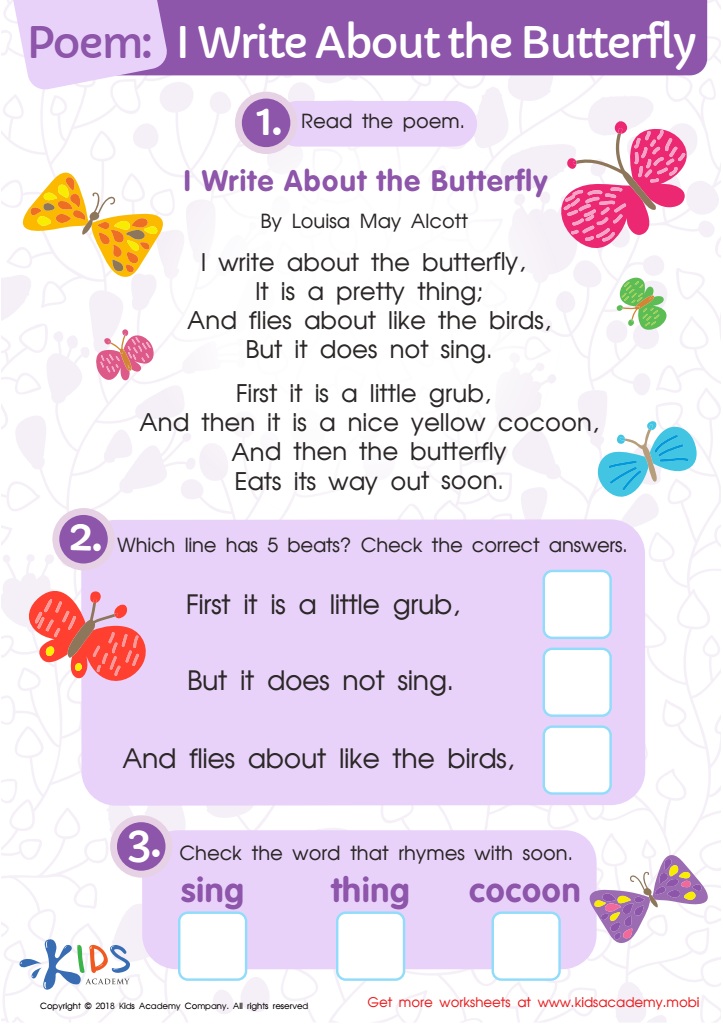
Poem: I Write About The Butterfly Worksheet
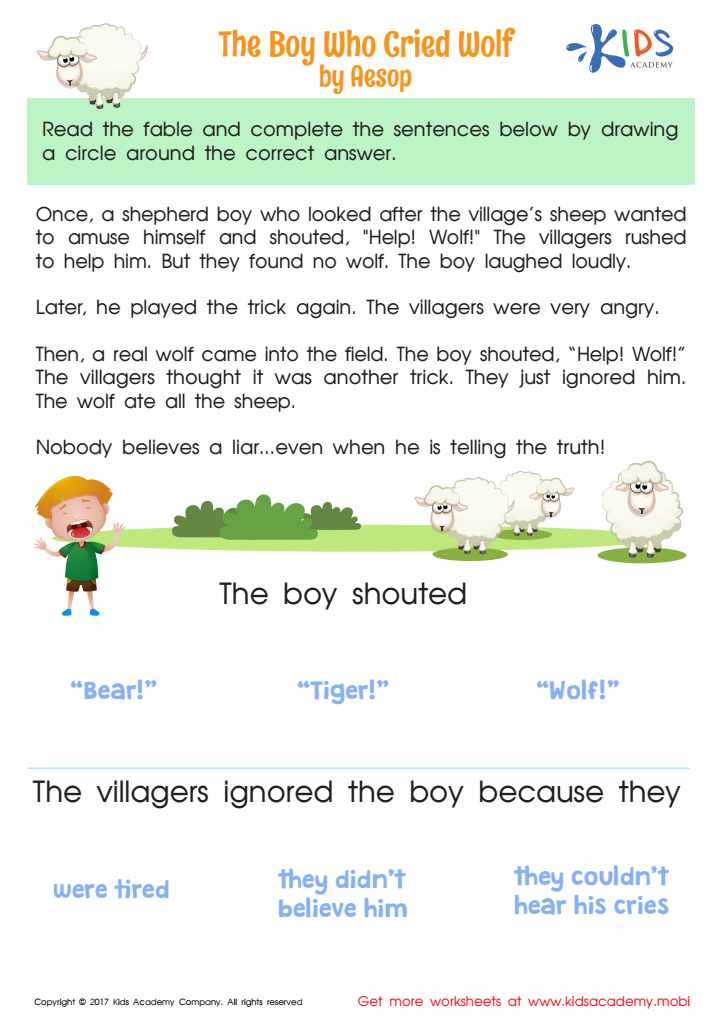
The Boy Who Cried Wolf Worksheet








Vocabulary building and reading comprehension are essential for children aged 7-9, as these skills lay the foundation for lifelong learning. During these formative years, children's cognitive and language abilities develop rapidly. A robust vocabulary enhances their reading comprehension, enabling them to understand, interpret, and analyze text more effectively. This comprehension is not limited to academic success; it fosters critical thinking and promotes effective communication.
Parents and teachers play a vital role in supporting vocabulary development. Engaging children in diverse reading materials—such as stories, informational texts, and poetry—exposes them to new words in varied contexts. Consistent practice with discussions about new vocabulary encourages ownership and retention. Additionally, vocabulary building cultivates a positive attitude toward reading, motivating children to explore books independently.
Improved reading comprehension helps children perform better in school, boosting their confidence and interest in learning. As they encounter challenging texts, well-developed vocabulary prepares them to tackle complex ideas, fostering a sense of accomplishment. In an increasingly literate world, strong vocabulary and comprehension skills also equip children for future academic challenges and successful communication in their personal and professional lives. Prioritizing these skills is essential to ensuring children thrive in and out of the classroom.








