Enhancing categorization skills Science Worksheets for Ages 7-9
3 filtered results
-
From - To
Explore our engaging science worksheets designed to enhance categorization skills for children ages 7-9. These printable activities offer age-appropriate exercises that help young learners classify objects and organisms, improving their critical thinking and scientific understanding. Aligned with educational standards, our worksheets cover a range of topics from living and non-living things to food chains and ecosystems. Each sheet is interactive and visually appealing to keep kids motivated and focused. Whether you’re a teacher or parent, these resources are perfect for reinforcing biological concepts at home or school, promoting a love for science in every young mind.
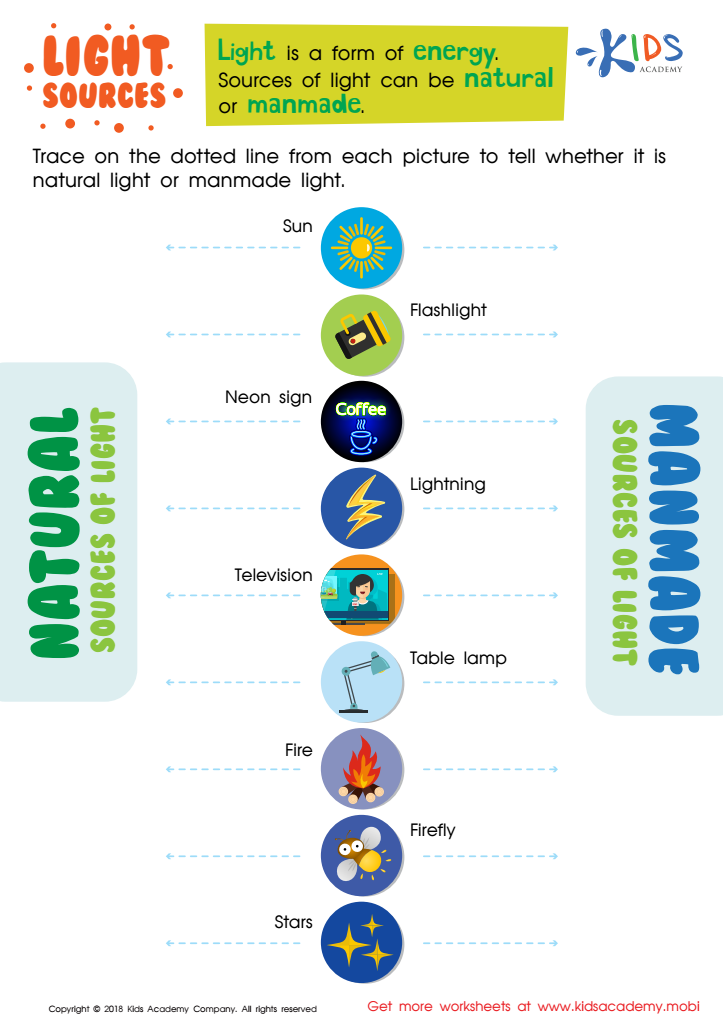
Natural and Manmade Light Sources Worksheet
 Assign to My Students
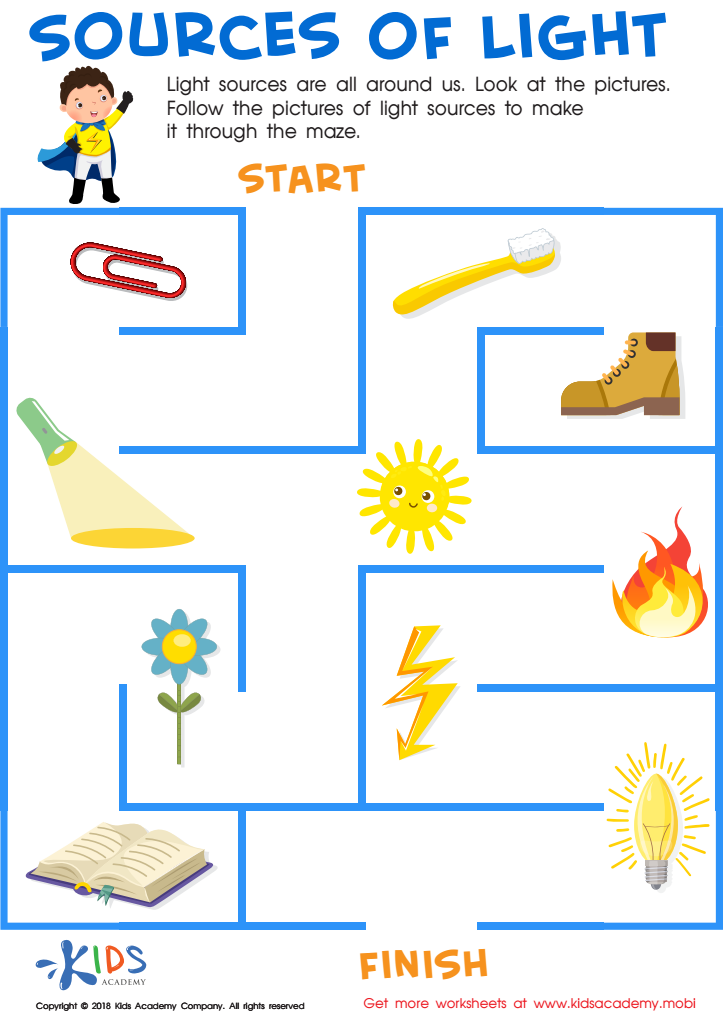
Sources of Light Worksheet
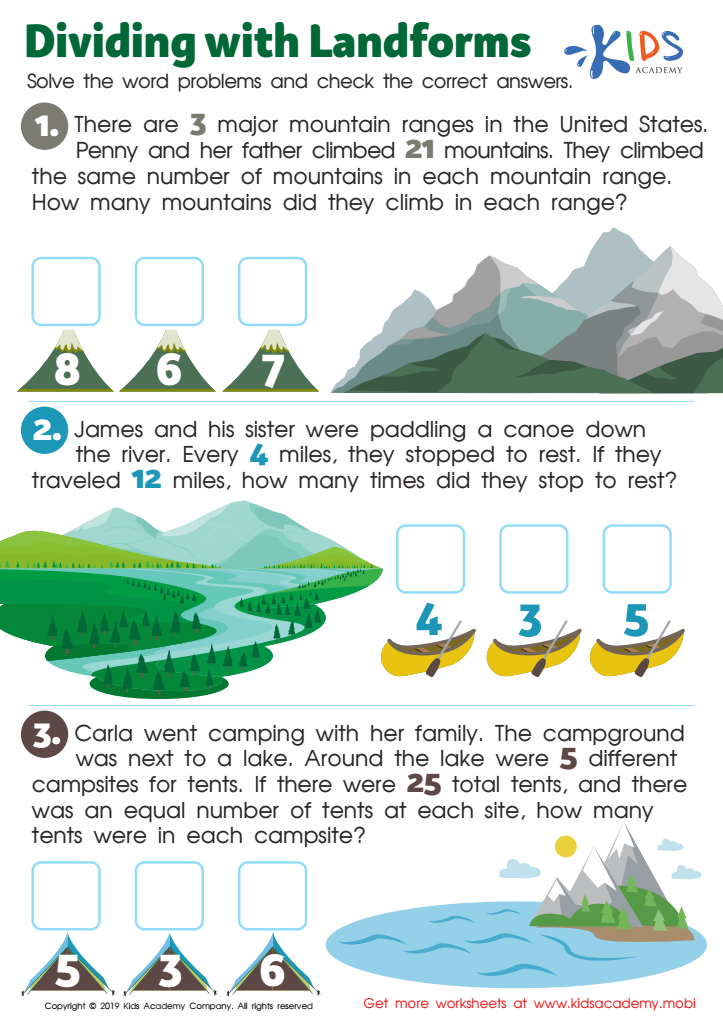
Dividing with Landforms




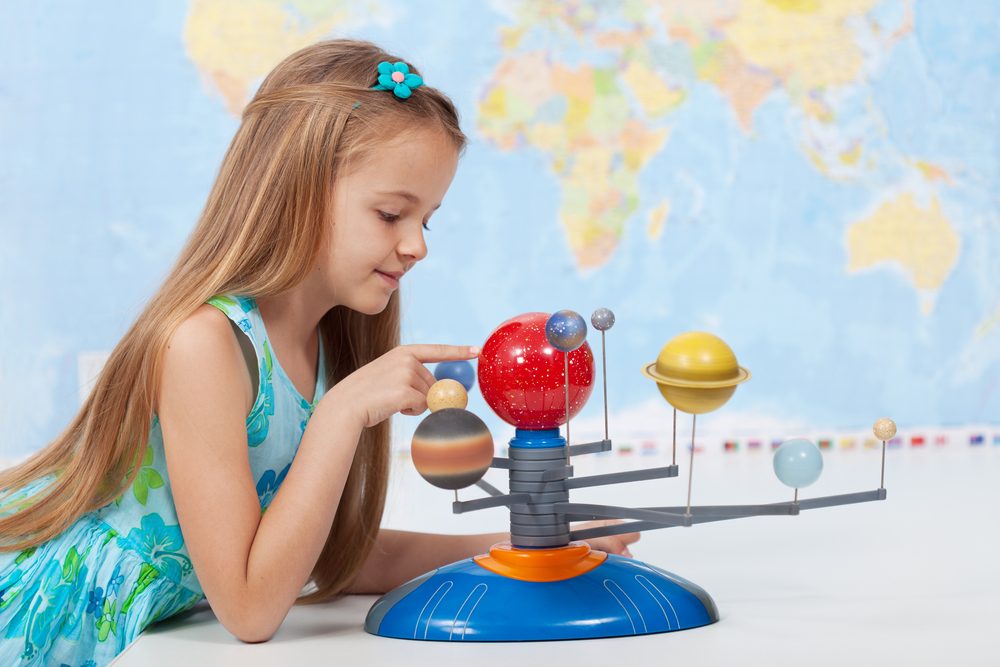


Enhancing categorization skills in science for children ages 7-9 is crucial for their cognitive development and academic success. At this age, children are naturally curious and are developing their ability to observe, compare, and analyze the world around them. Strengthening these skills helps them to better understand and organize information, which is a foundation for almost all learning.
Firstly, categorization is a fundamental cognitive process that allows children to group different items based on shared characteristics. This skill is not only important in science but also in mathematics, reading, and everyday decision-making. When children learn to categorize, they improve their ability to process information more efficiently, aiding memory retention and problem-solving skills.
Additionally, understanding scientific categories, such as distinguishing between living and non-living things or classifying animals and plants, builds a framework for more complex scientific concepts they will encounter in later grades. It encourages them to look for patterns and relationships, fostering critical thinking and inquiry-based learning.
Moreover, strong categorization skills are important in forming a structured approach to learning and discovering the natural world. This nurtures a sense of curiosity and wonder, laying the groundwork for a lifelong interest in science. By focusing on enhancing these skills, parents and teachers help children to develop a more organized, analytical, and inquisitive mindset that will benefit them academically and in daily life.







