Observational skills development Science Worksheets for Ages 7-9
3 filtered results
-
From - To
Our Observational Skills Development Science Worksheets for Ages 7-9 are designed to ignite curiosity and build foundational science abilities in young learners. With engaging activities that encourage detailed observing, these worksheets help children hone their attention to detail, enhance critical thinking, and differentiate between subtle changes in nature and everyday surroundings. Perfect for both in-class or at-home learning, each worksheet integrates fun experiments, vivid illustrations, and thought-provoking questions to stimulate young minds. Inspire your child or students to become keen observers and budding scientists with our expertly crafted worksheets that make learning science an adventure!
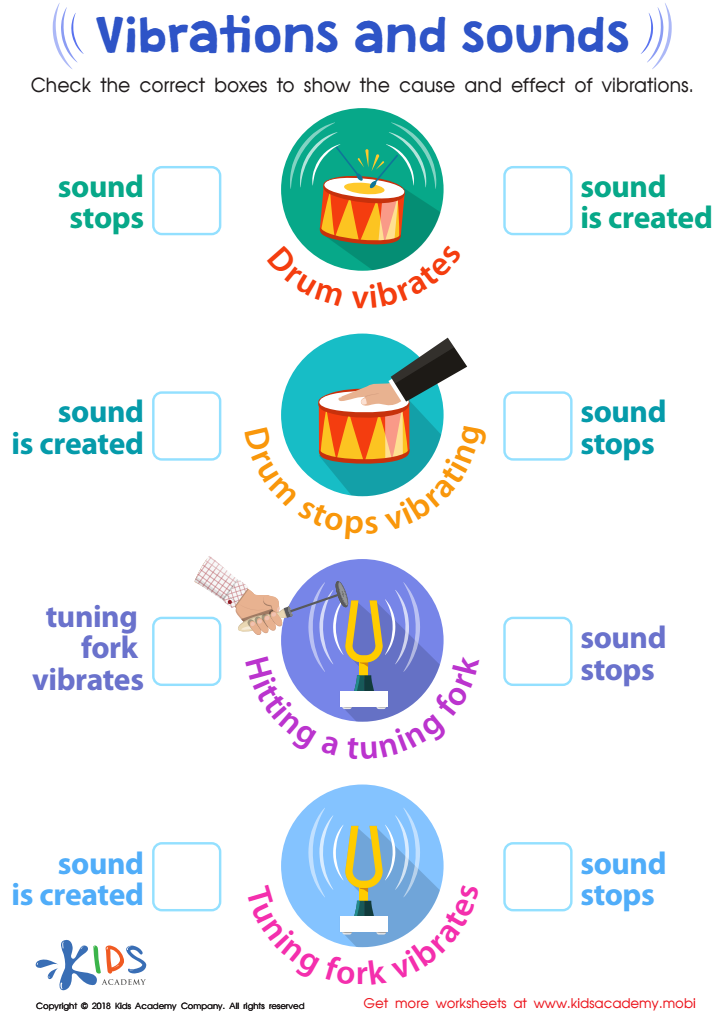
Vibrations and Sounds Worksheet
 Assign to My Students
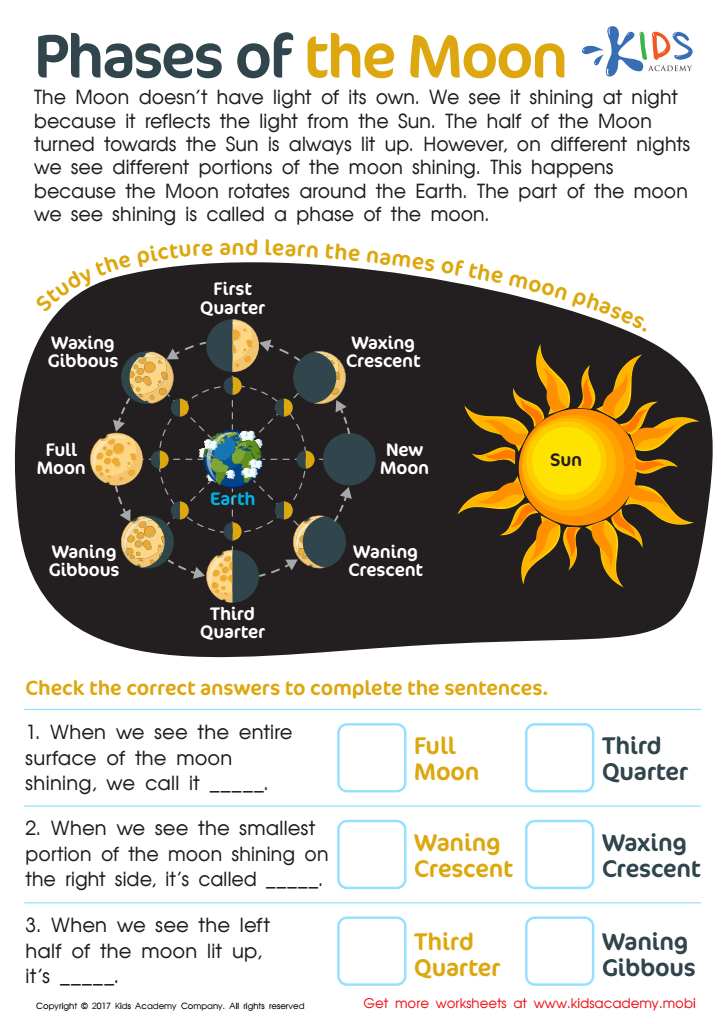
Phases of The Moon Worksheet
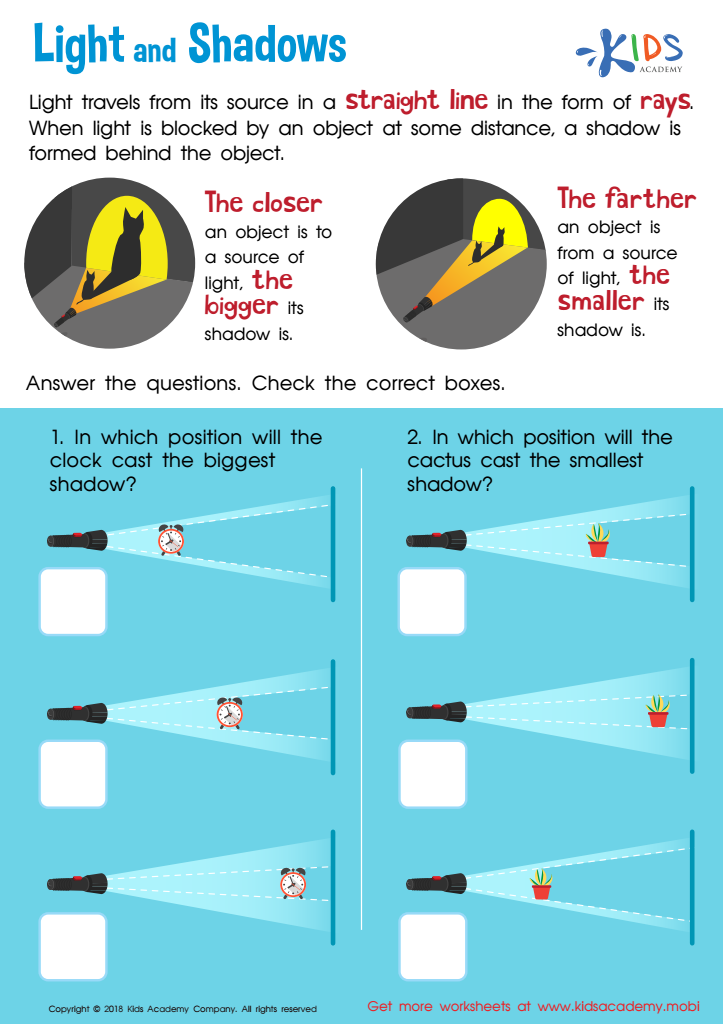
Light and Shadow Worksheet for Grade 3





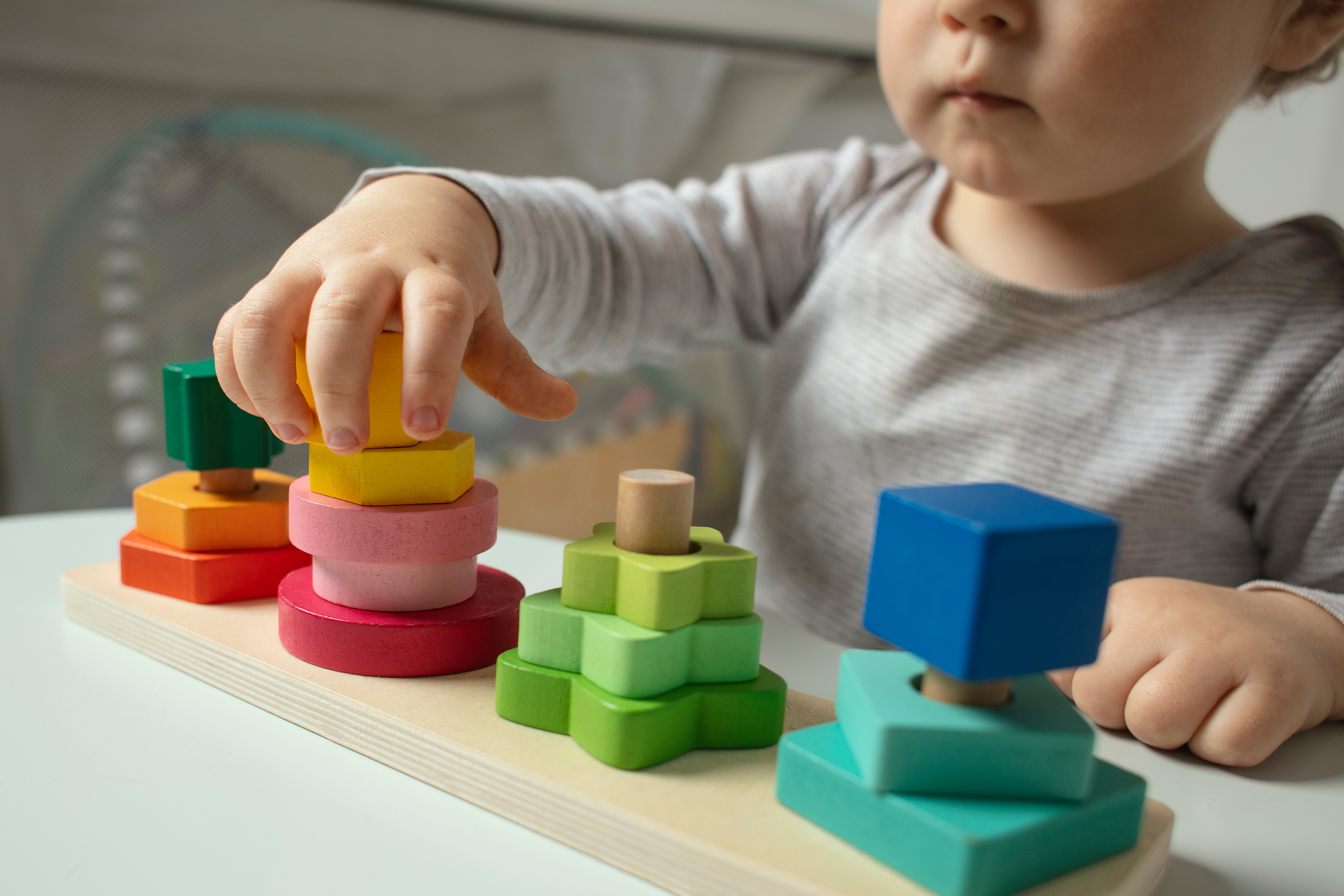

Parents and teachers should prioritize the development of observational skills in science for children aged 7-9 as it lays the foundation for critical thinking and intellectual curiosity. At this key stage in cognitive development, children possess a natural curiosity and eagerness to explore their surroundings. By honing observational skills, they learn to notice details, recognize patterns, and make connections between different phenomena, fostering a deeper understanding of the world.
Engaging in scientific observation enables young students to approach problems methodically and build evidence-based reasoning skills essential for more advanced scientific learning. When children are encouraged to observe, question, and document what they see, they become active learners, promoting a hands-on, inquiry-based approach to education. This process develops patience, attention to detail, and perseverance.
Additionally, continuous practice of observational skills nurtures creativity and equips children with tools to express their findings and hypotheses effectively, enhancing their communication skills. This early foundation not only benefits science proficiency but also supports overall academic growth, critical thinking abilities, and a lifelong appreciation for learning.
Investing in the development of these skills helps young learners thrive academically and equips them with foundational tools essential for future scientific inquiry and problem-solving across various disciplines.







