Understanding habitats Science Worksheets for Ages 7-9
3 filtered results
-
From - To
Explore the fascinating world of habitats with our engaging Science Worksheets designed for ages 7-9! These printable resources help young learners understand the various environments that different organisms inhabit. Each worksheet features fun activities and questions that promote critical thinking and enhance comprehension of ecosystems, food chains, and welfare of plants and animals. Perfect for enhancing classroom learning or home study, our worksheets are crafted to spark curiosity about the natural world. Foster a deep appreciation for biodiversity and the importance of habitats with easy-to-follow lessons that make science enjoyable and accessible! Start your adventure in learning today!
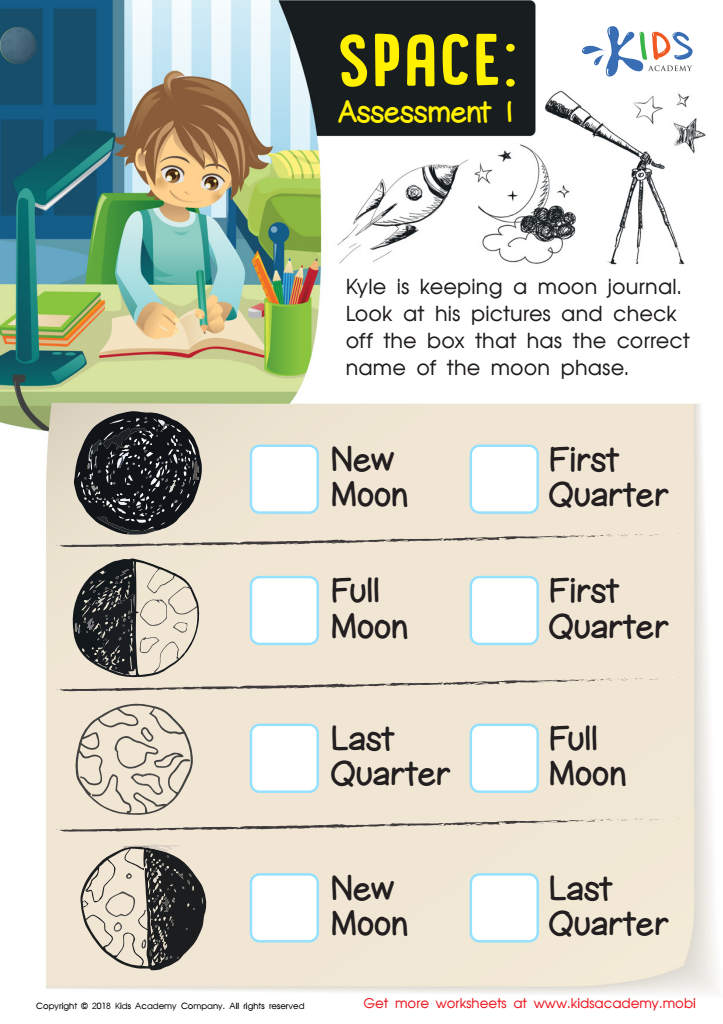
Space: Assessment 1 Worksheet
 Assign to My Students
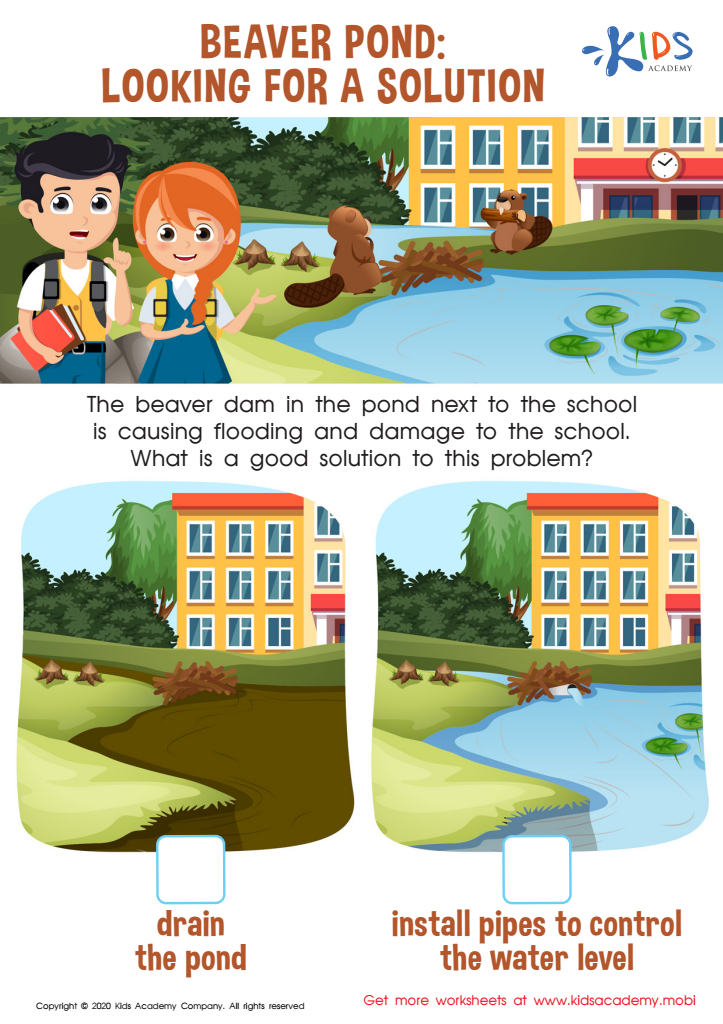
Beaver Pond: Looking for a Solution Worksheet
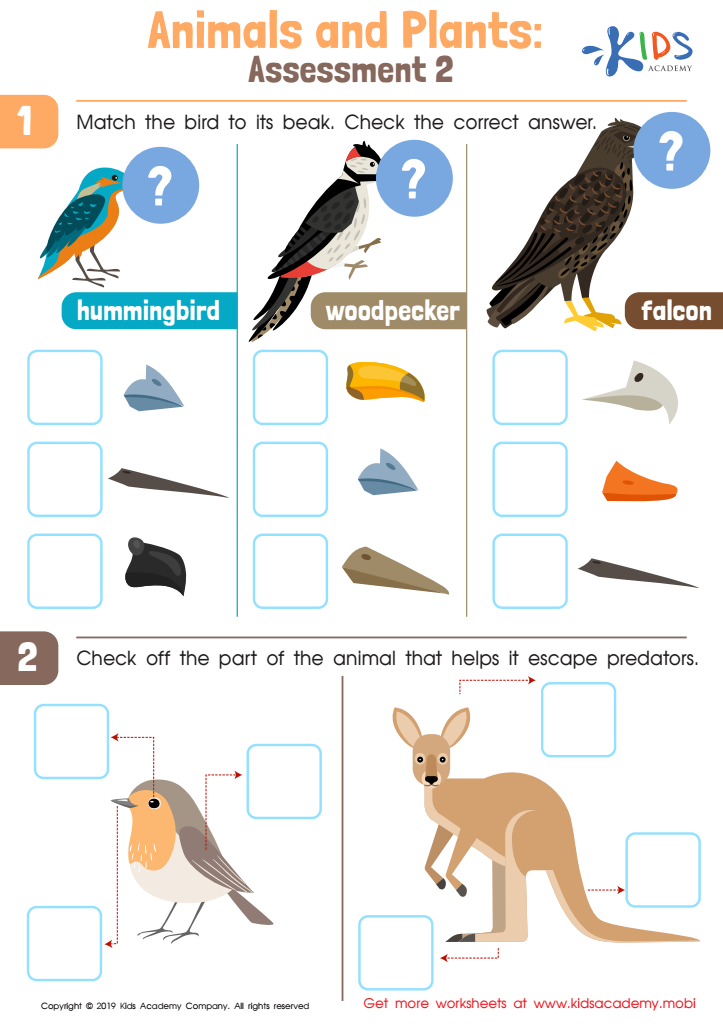
Animals and Plants: Assessment 2 Worksheet








Understanding habitats is crucial for children aged 7-9, as it lays the foundation for their appreciation of nature and the environment. During this age, children are naturally curious about the world around them, making it an ideal time to introduce concepts about habitats—regions where plants and animals interact. Engaging in habitat science helps children understand the delicate balance of ecosystems and the interdependence of living organisms. This knowledge fosters empathy and stewardship, encouraging them to care for their surroundings.
Parents and teachers play a pivotal role in shaping children’s environmental consciousness. By integrating habitat studies into lessons, they can inspire a sense of wonder and spark discussions about biodiversity, conservation, and the impacts of human activity. Such knowledge promotes critical thinking skills, as children learn to observe, ask questions, and develop hypotheses about the nature of different habitats.
Additionally, understanding habitats can have practical benefits; children learn about the importance of clean air, water, and conservation. By fostering a strong connection to nature, we empower the next generation to become informed advocates for environmental issues, ensuring a healthier planet for the future. Committing to habitat science education is an investment in both children's personal growth and planetary stewardship.







