Critical Thinking Physical Science Worksheets for Ages 7-9
3 filtered results
-
From - To
Explore our engaging Critical Thinking Physical Science Worksheets designed specifically for ages 7-9! These educational resources encourage young learners to enhance their analytical skills while diving into the fascinating world of physical science. Each worksheet features thought-provoking questions and interactive activities that stimulate curiosity and promote problem-solving abilities. From investigating the properties of matter to exploring force and motion, these worksheets combine fun and learning. Perfect for home or classroom use, these materials help children develop essential critical thinking skills necessary for their academic journeys. Discover a vibrant way to inspire your child's love for science and analytical thinking today!
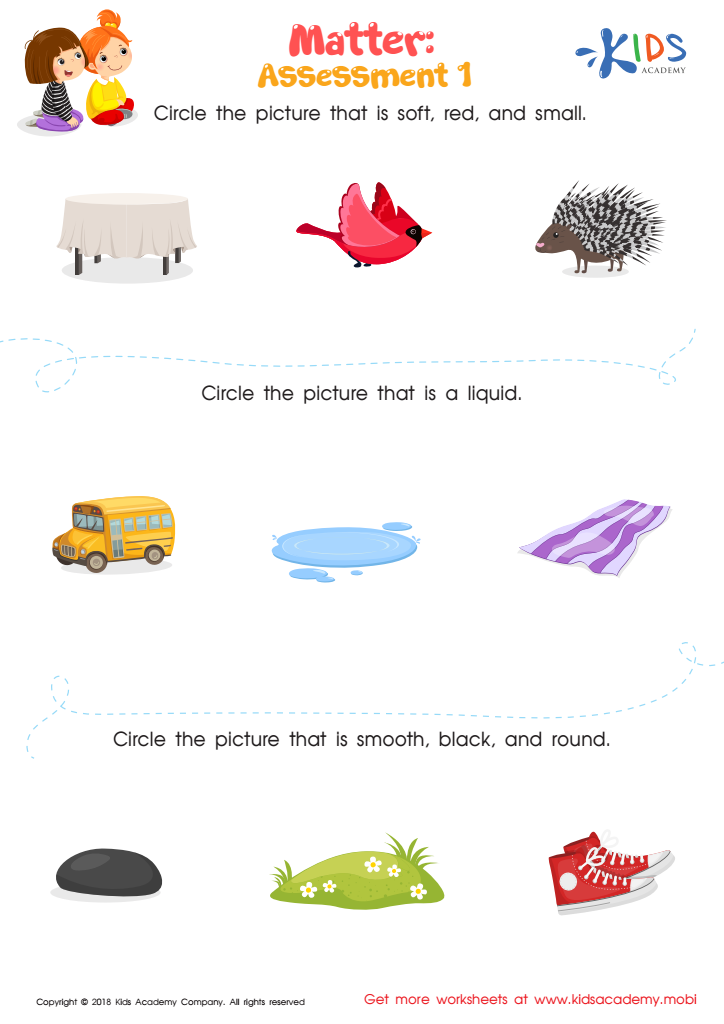
Matter: Assessment 1 Worksheet
 Assign to My Students
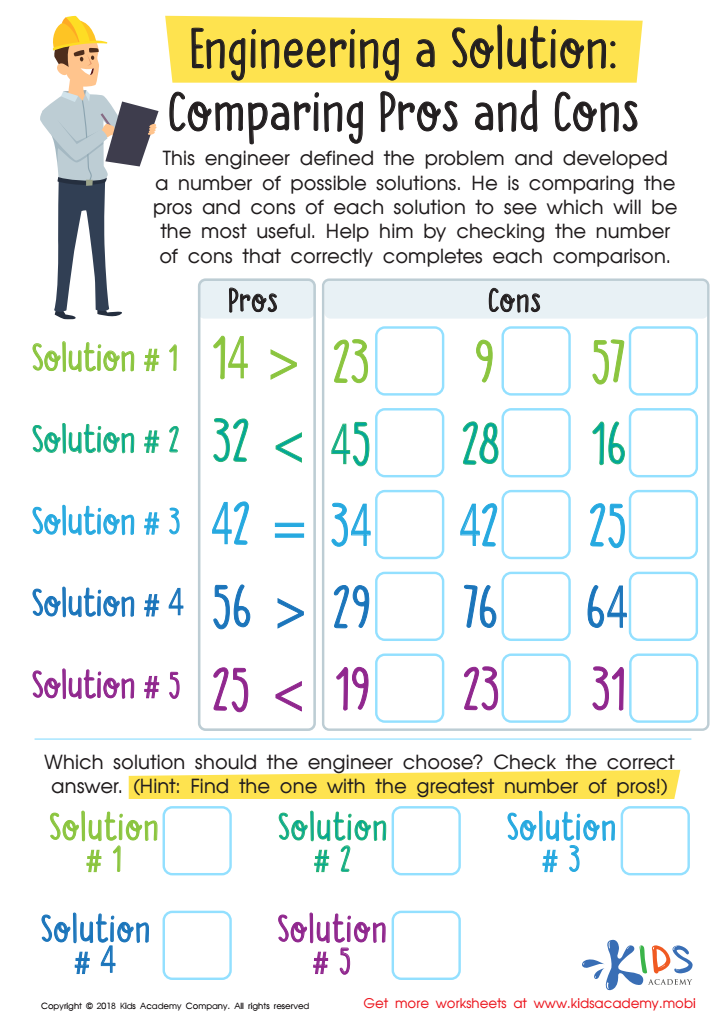
Engineering a Solution: Comparing Pros and Cons Worksheet
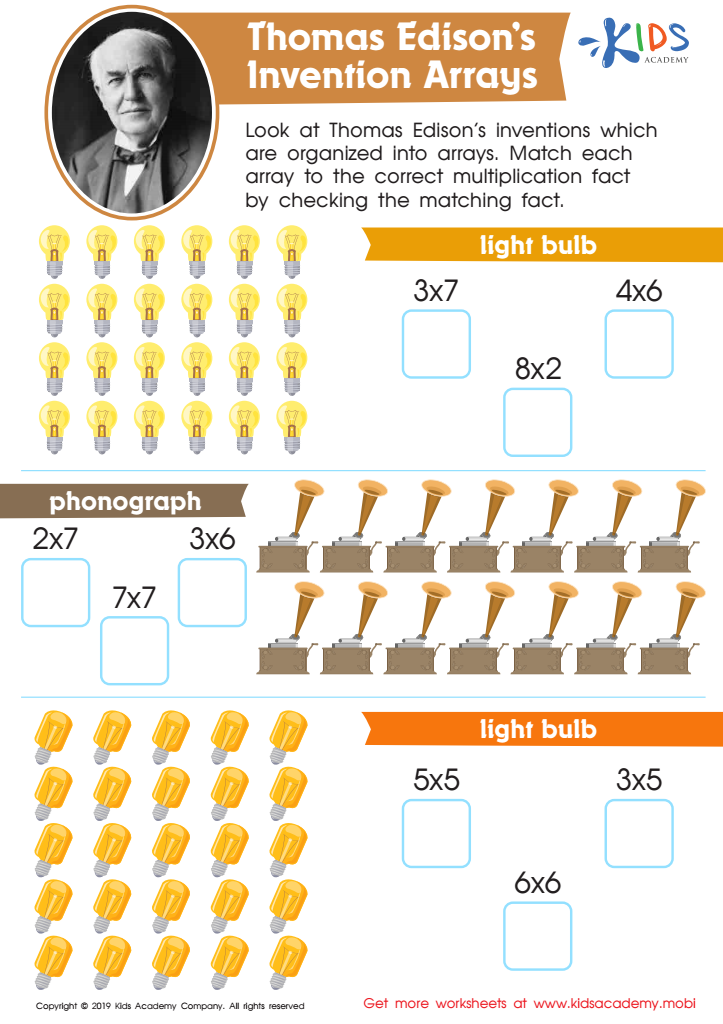
Thomas Edison’s Invention Arrays Worksheet







Critical Thinking Physical Science for ages 7-9 is vital for parents and teachers because it lays the foundation for scientific inquiry and problem-solving skills that children will use throughout their lives. At this developmental stage, children are naturally curious, and integrating critical thinking into physical science helps to harness that curiosity, encouraging them to ask questions, make observations, and draw conclusions based on evidence.
Engaging with physical science promotes analytical skills, teaching children to approach problems methodically and evaluate information critically. This discipline fosters creativity by challenging students to come up with multiple solutions to a problem, boosting innovative thinking. In a world increasingly reliant on technology and scientific understanding, instilling a solid grounding in these skills is essential for preparing children for future challenges.
Moreover, critical thinking in physical science promotes collaboration and communication. Students learn to discuss their ideas, consider different perspectives, and work together to explore scientific concepts. Parents and teachers play a key role in nurturing these skills through hands-on activities, discussions, and practical experiments, enhancing students' enjoyment of learning. Ultimately, fostering critical thinking in young learners not only enhances their understanding of science but cultivates responsible, informed citizens who can contribute positively to society.







