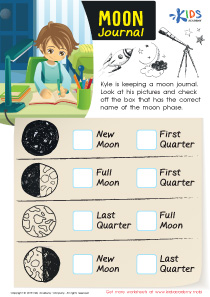
Logical Reasoning Plants and Animals Worksheets for Ages 7-9
4 filtered results
-
From - To
Discover our engaging "Logical Reasoning Plants and Animals Worksheets" designed for children ages 7-9! These meticulously crafted worksheets incorporate fun activities that help young learners develop critical thinking and logical reasoning skills through the fascinating world of plants and animals. Kids will enjoy exploring classification, comparisons, and problem-solving challenges that enhance their understanding of biodiversity. Perfect for classroom use or at-home learning, these worksheets promote interactive learning while aligning with educational standards. Encourage curiosity about nature and nurture your child's cognitive abilities today with our vibrant and educational resources! Start empowering young minds to think logically and creatively!
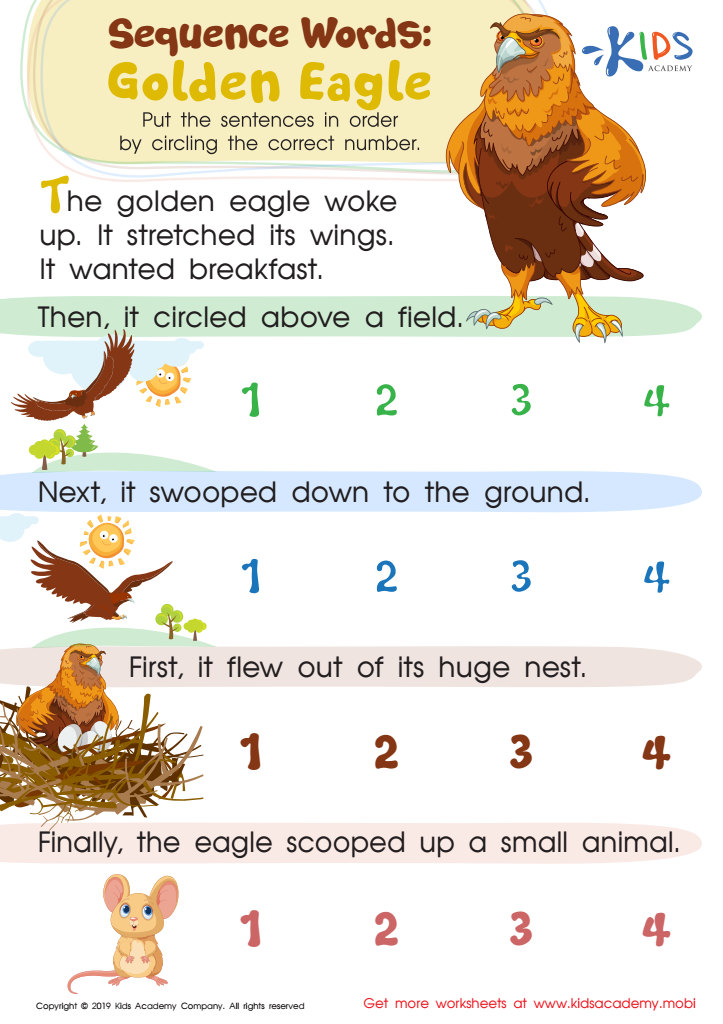
Sequence Word Eagle Worksheet
 Assign to My Students
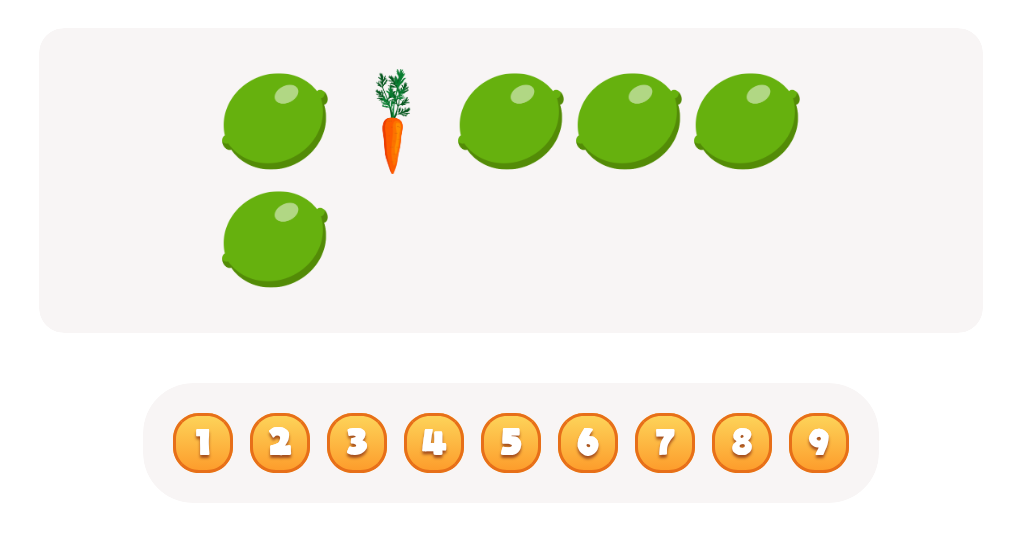


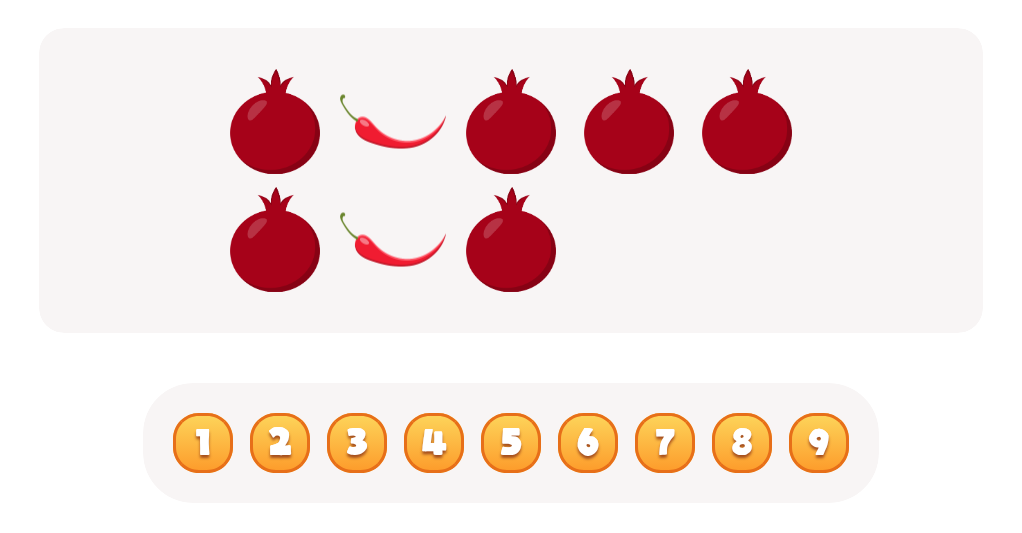
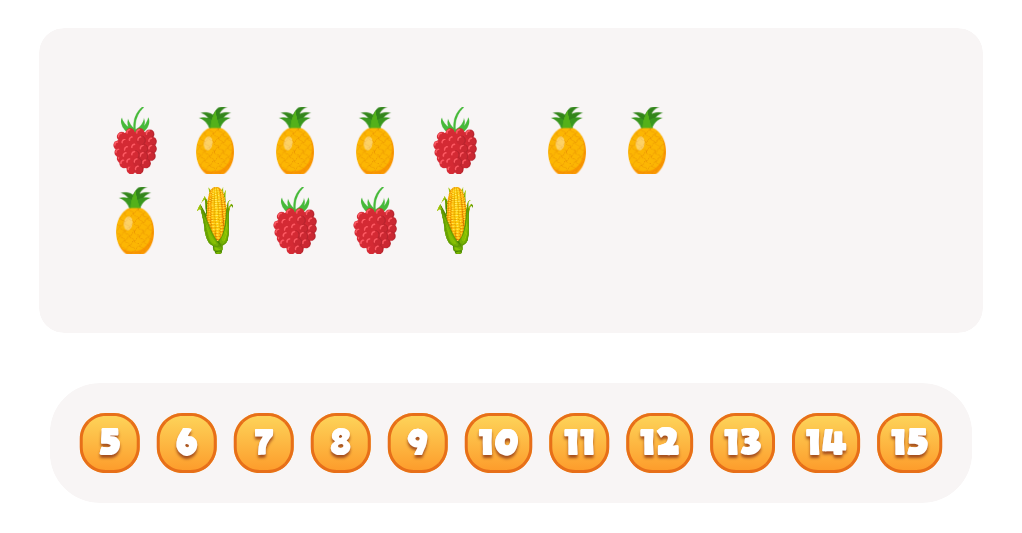

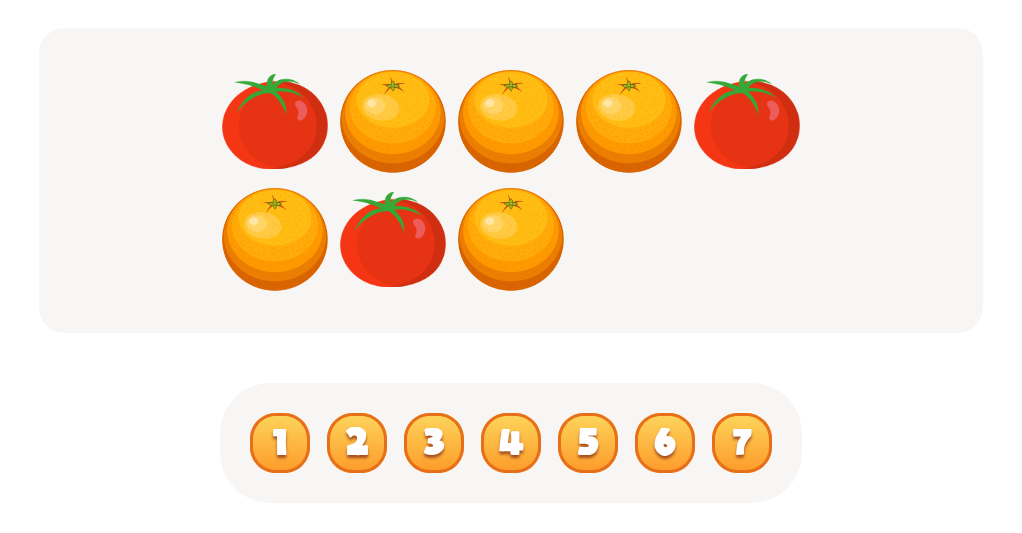
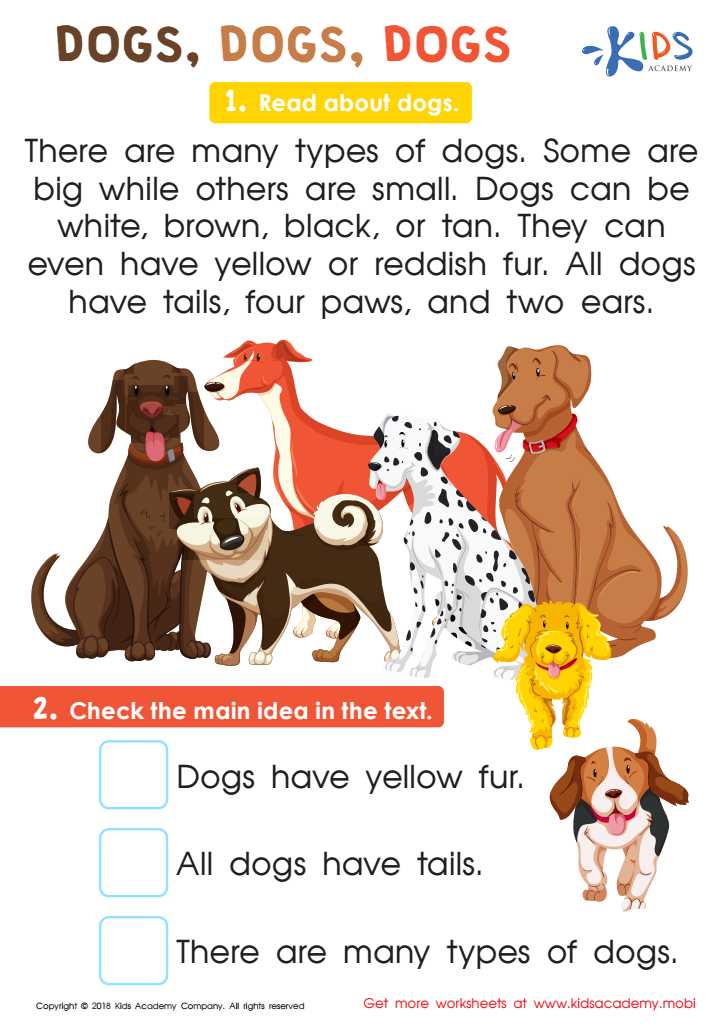
Dogs, Dogs Worksheet
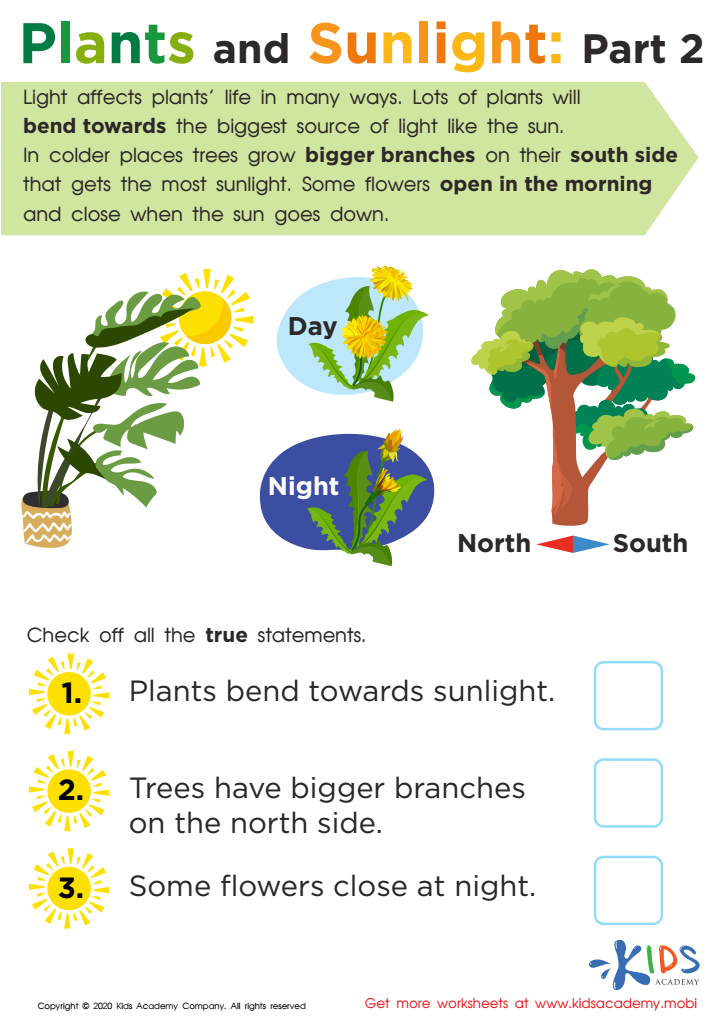
Plants and Sunlight: Part 2 Worksheet
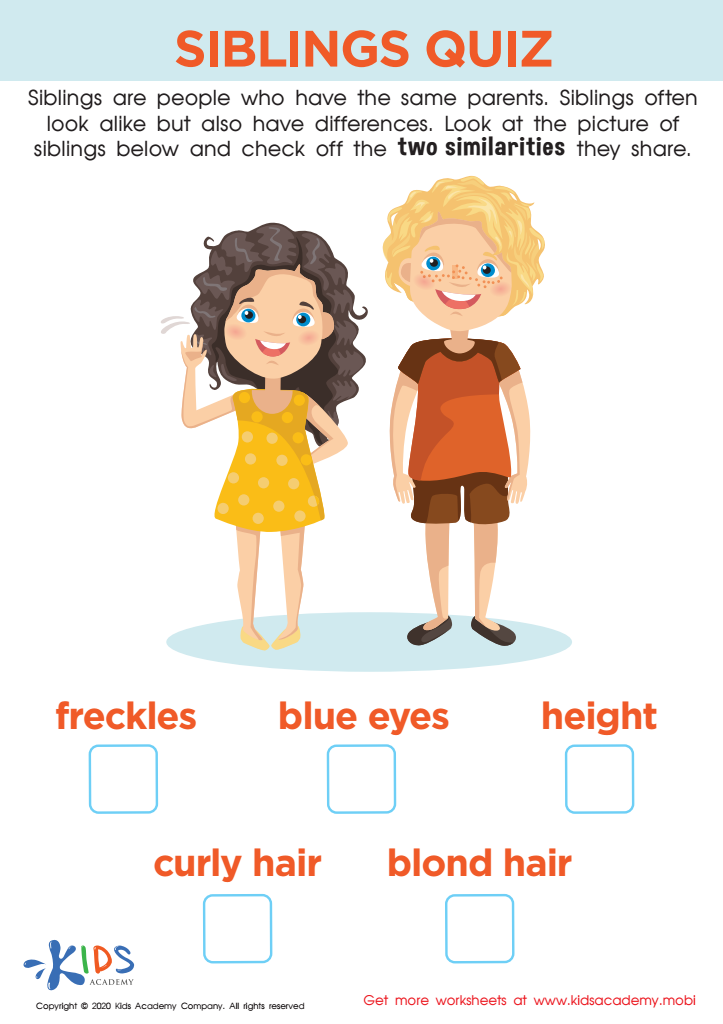
Siblings Quiz Worksheet







Parents and teachers should prioritize Logical Reasoning in the context of Plants and Animals for children ages 7-9 for several important reasons. At this age, children are naturally curious, and engaging them with logical reasoning helps cultivate critical thinking skills. Understanding the connections between plants and animals fosters a more profound appreciation for ecosystems and biodiversity. By exploring these relationships, children learn to observe, hypothesize, and draw conclusions based on evidence, skills fundamental to science and many other subject areas.
Additionally, the integration of logical reasoning in learning about plants and animals can enhance problem-solving abilities. For instance, considering how specific plants provide food or shelter for animals can boost cognitive skills that contribute to curriculum learning and real-world situations. Moreover, instilling a sense of environmental responsibility is essential for cultivating stewardship among young learners, preparing them to think critically about their actions and the impact on biodiversity.
Finally, the engaging nature of logical puzzles related to plants and animals can make learning enjoyable. It encourages collaborative learning through discussions and debates, which fosters social and emotional development while nurturing a classroom environment where continuous inquiry is valued. Emphasizing logical reasoning ultimately enriches children's educational journeys and prepares them for lifelong learning.