
Understanding food chains Plants and Animals Worksheets for Ages 7-9
3 filtered results
Difficulty Level
Grade
Age
-
From - To
Subject
Activity
Standards
Explore our engaging "Understanding Food Chains: Plants and Animals Worksheets" for ages 7-9. Designed to make complex science concepts accessible, these worksheets help young learners grasp the interconnected roles of plants and animals in ecosystems. Through a variety of fun and educational activities, students will learn about producers, consumers, and decomposers, and how energy flows within a food chain. Perfect for classroom use or at-home learning, these printable worksheets are a great resource to enhance ecological literacy and foster a love for nature. Equip your child with essential knowledge and skills in an enjoyable, approachable way!
Favorites
With answer key
Interactive
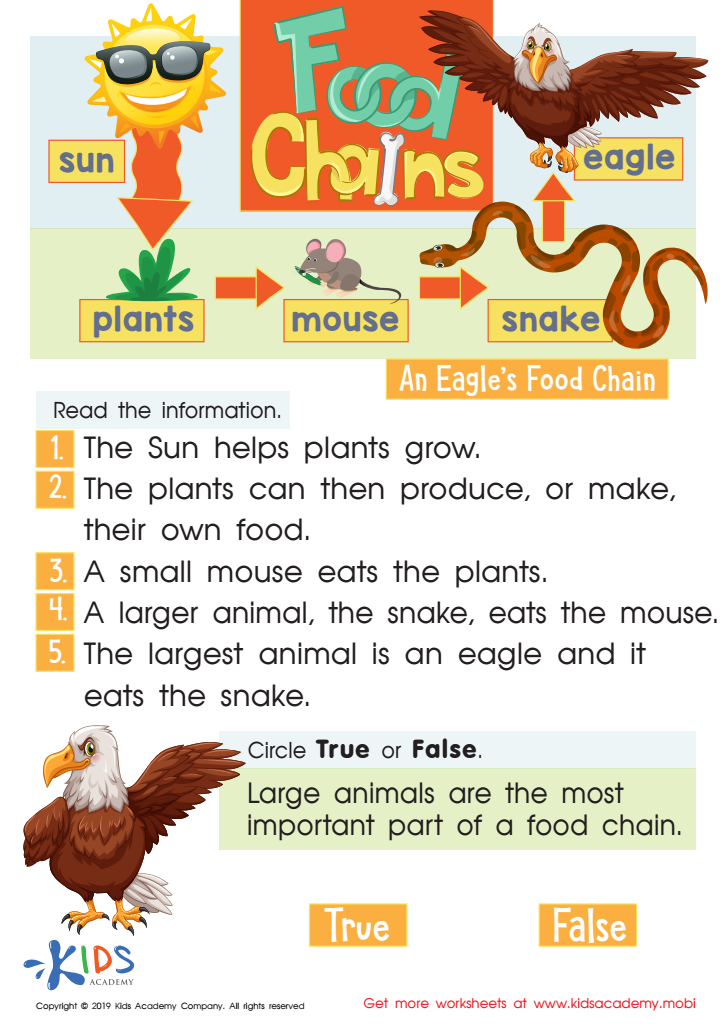
Food Chains Worksheet
This worksheet gets your child thinking about the sun's key role in the food chain. Read the info on the page, then discuss the true/false question. Are large animals the most important? Explain that without the sun, the other organisms would not exist. Have them circle the correct answer to finish.
 Assign to My Students
Food Chains Worksheet
Worksheet
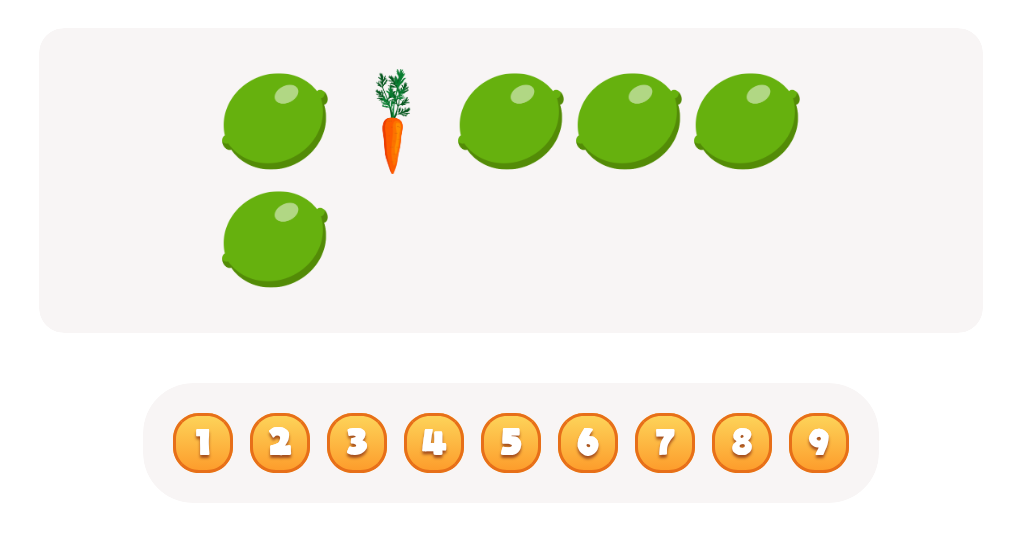

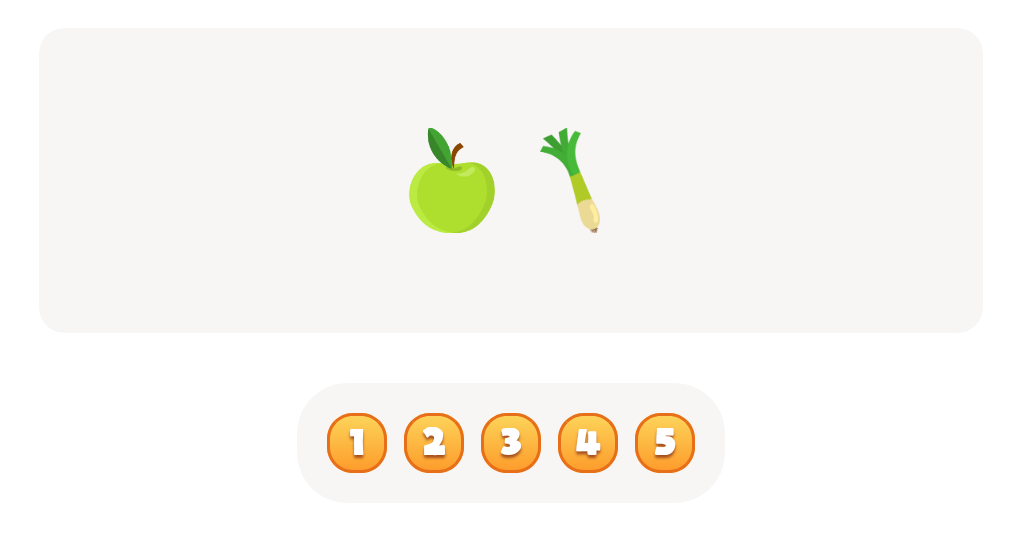
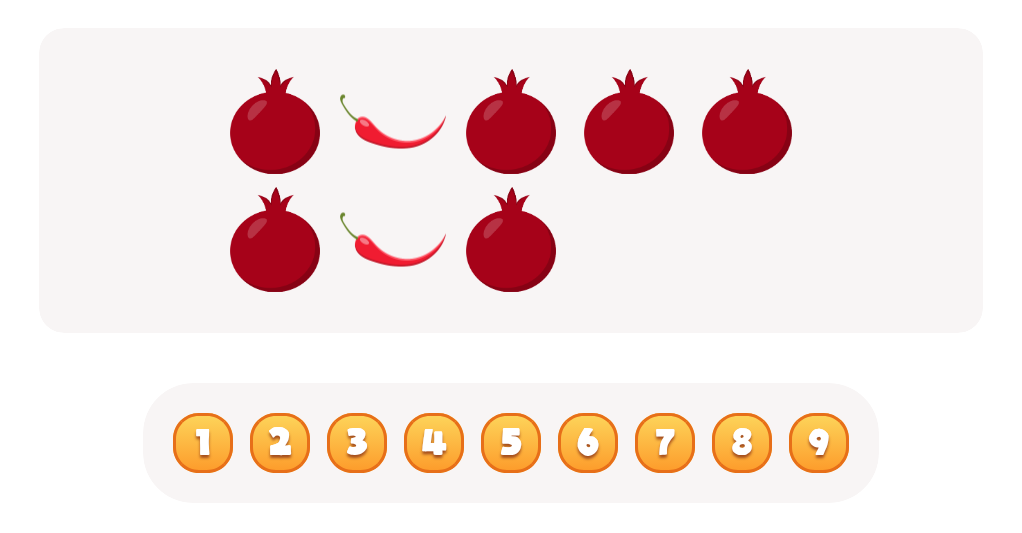
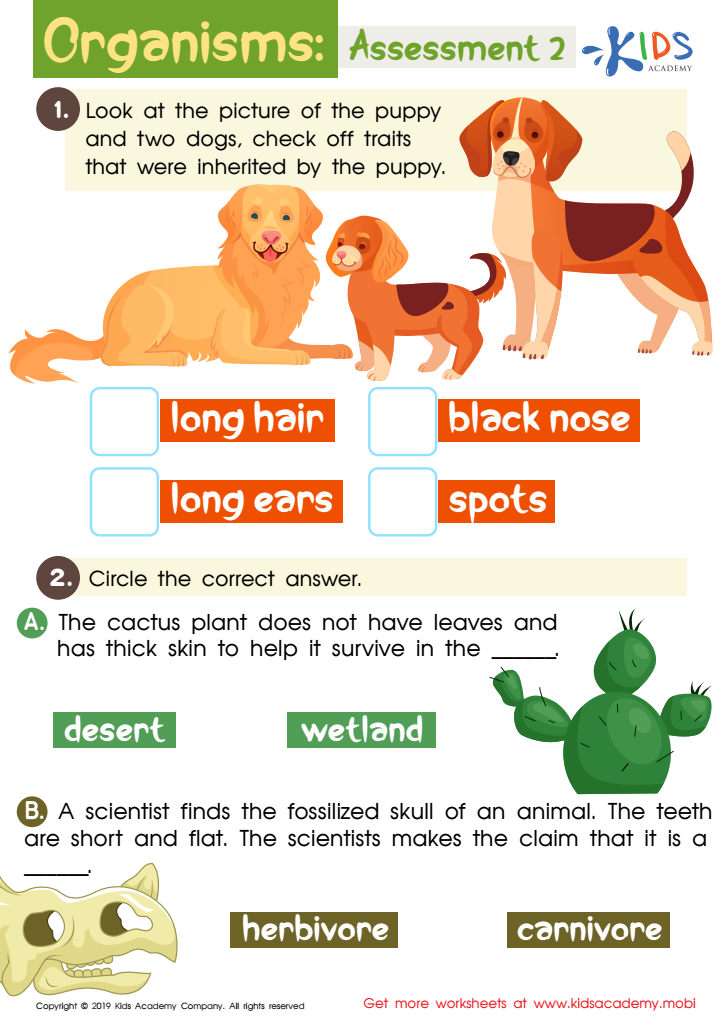
Organisms: Assessment 2 Worksheet
This free assessment helps you measure your child's science knowledge. They can check off traits a puppy inherited, identify a cactus's habitat, and review a dinosaur's diet. It's an efficient way to assess their skills.
Organisms: Assessment 2 Worksheet
Worksheet
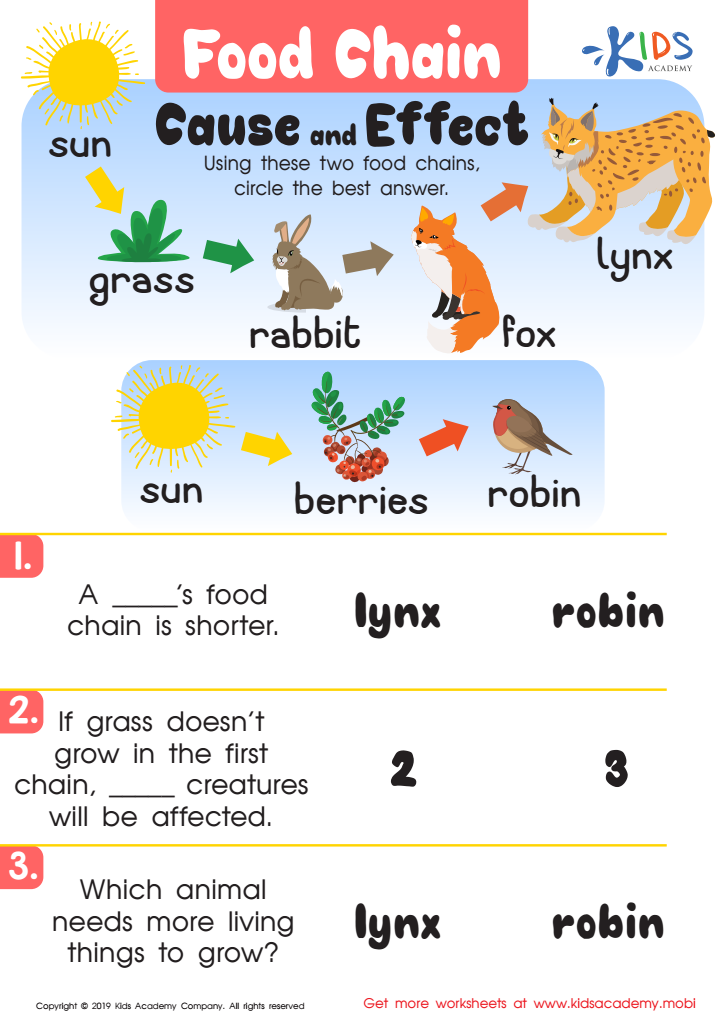
Food Chain Cause Worksheet
Help your little learner analyze ecosystems and compare food chains with this Kids Academy worksheet! Kids will compare a carnivore's and herbivore's food chain; which is longer and why? Questions at the bottom of the page will help them compare and circle the best answers. A great way to understand animal food chains!
Food Chain Cause Worksheet
Worksheet
Learning Skills
Understanding food chains
Learning about ecosystems
Comprehending energy transfer
Identifying animal diets
Recognizing predator-prey relationships
Identifying organisms
Analyzing organisms relationships
Understanding organisms interactions
Identifying cause and effect
Analyzing ecological relationships
Join Kids Academy for Free
Who is primarily going to use this learning content?







Understanding food chains is essential for young students, and parents and teachers should prioritize this knowledge for several compelling reasons.
Firstly, learning about food chains helps children grasp foundational concepts of ecosystems and the interconnectedness of living organisms. By recognizing how plants, herbivores, carnivores, and decomposers interact, students develop an appreciation for biodiversity and the delicate balance of natural habitats. This understanding fosters a sense of responsibility toward the environment and promotes conservation efforts.
Secondly, comprehending food chains enhances a child's critical thinking and scientific inquiry skills. It encourages them to ask questions such as how changes in one part of a food chain can affect others, fostering analytical and problem-solving abilities that are crucial across all subjects.
Thirdly, teaching food chains can have practical applications in daily life, like understanding where food comes from and making healthier eating choices. For example, recognizing the role of plants as the primary producers can highlight the importance of plant-based foods in our diet, potentially guiding children toward better nutritional habits.
Finally, lessons on food chains can be highly engaging and interactive, using real-life examples, hands-on activities, and educational games. This creates a fun learning experience that can inspire lifelong curiosity and passion for nature and science. By emphasizing this topic, adults can nurture informed, environmentally-conscious, and inquisitive minds.








