Vocabulary Building Plants and Animals Worksheets for Ages 7-9
5 filtered results
-
From - To
Enhance your child's language skills with our engaging "Vocabulary Building Plants and Animals Worksheets" designed for ages 7-9. These worksheets focus on enriching vocabulary through fun activities centered around the fascinating world of plants and animals. Interactive exercises, matching games, and captivating visuals help learners connect new words with their meanings, making vocabulary acquisition enjoyable. By exploring various species and ecosystems, kids will not only expand their language proficiency but also develop a deeper understanding of science. Perfect for home or classroom use, these worksheets support educational growth while instilling a love for nature and learning. Transform vocabulary practice into an exciting adventure!
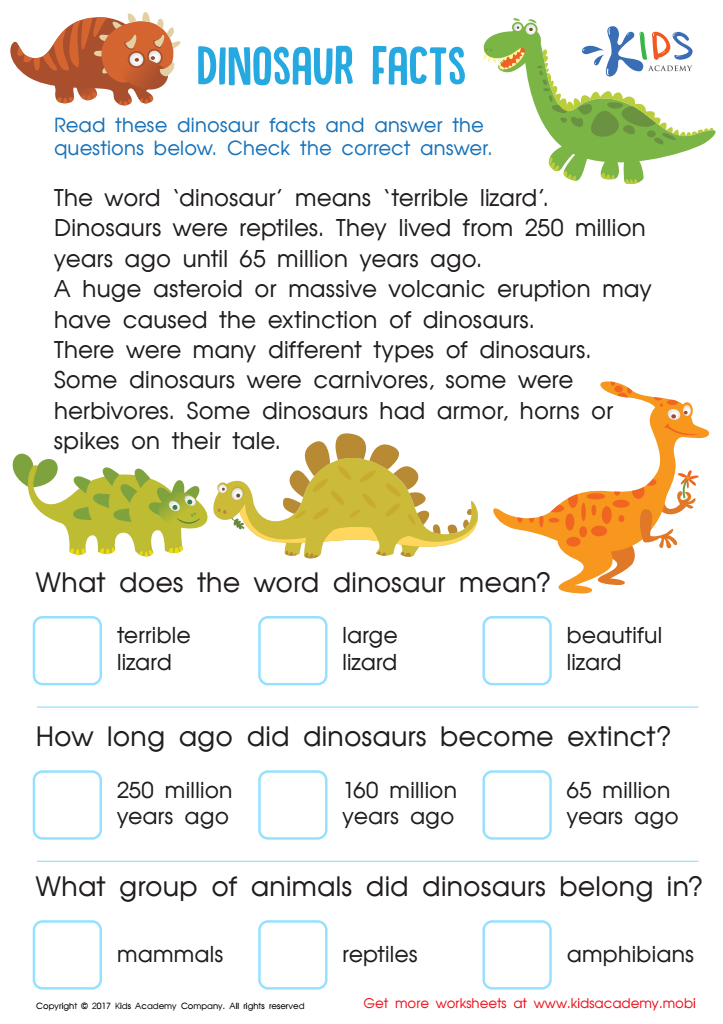
Dinosaur Facts Worksheet
 Assign to My Students











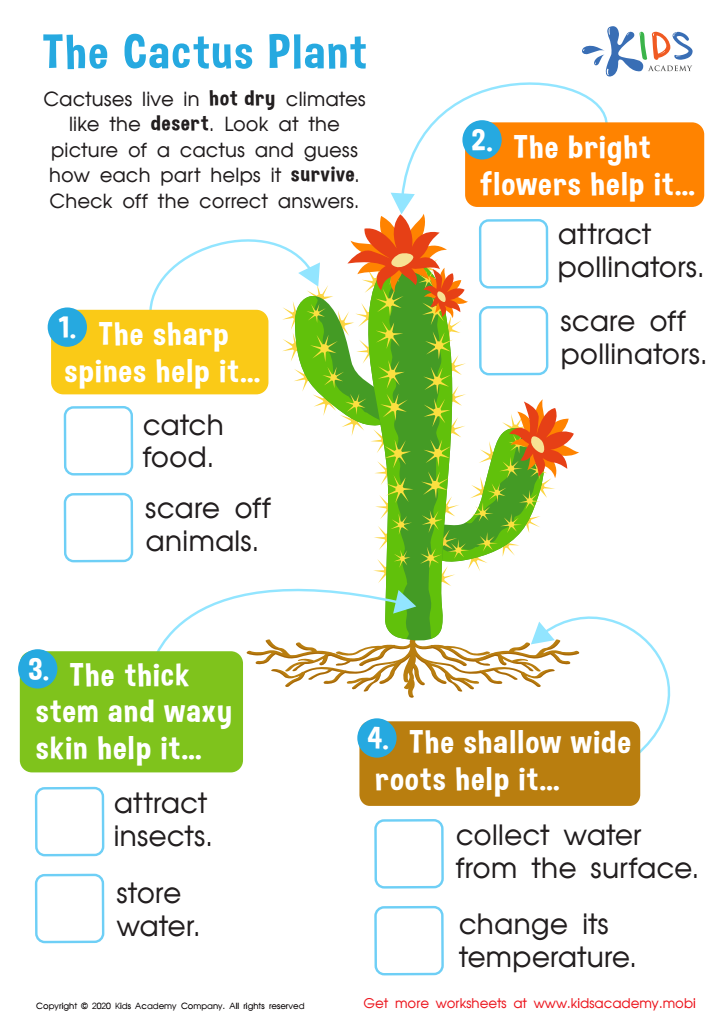
The Cactus Plant Worksheet
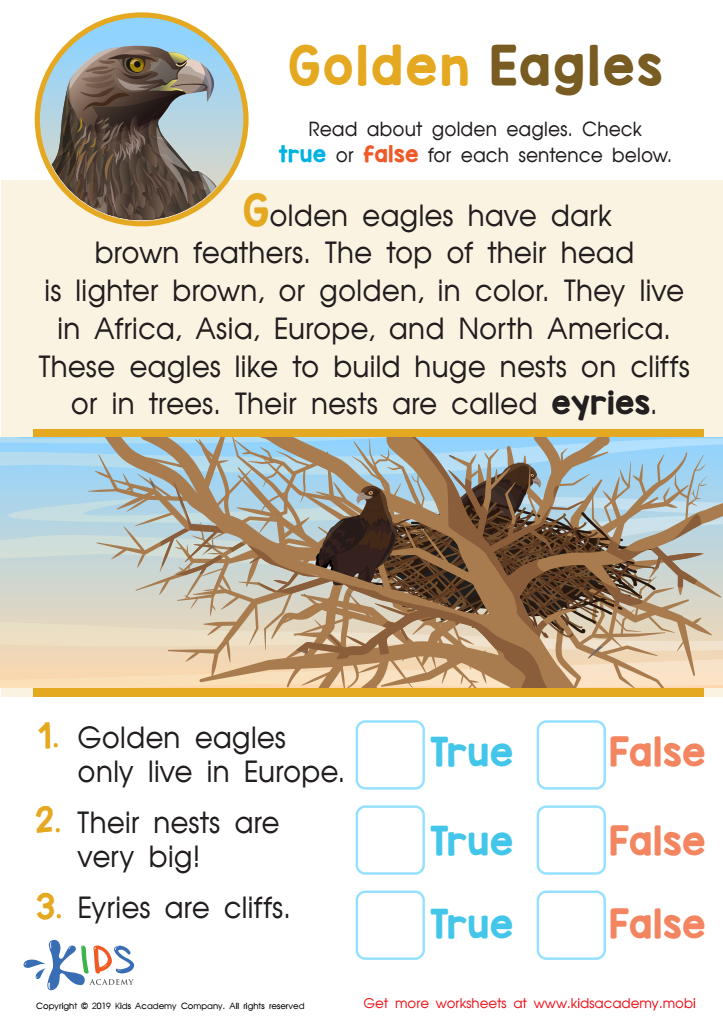
Golden Eagles Worksheet
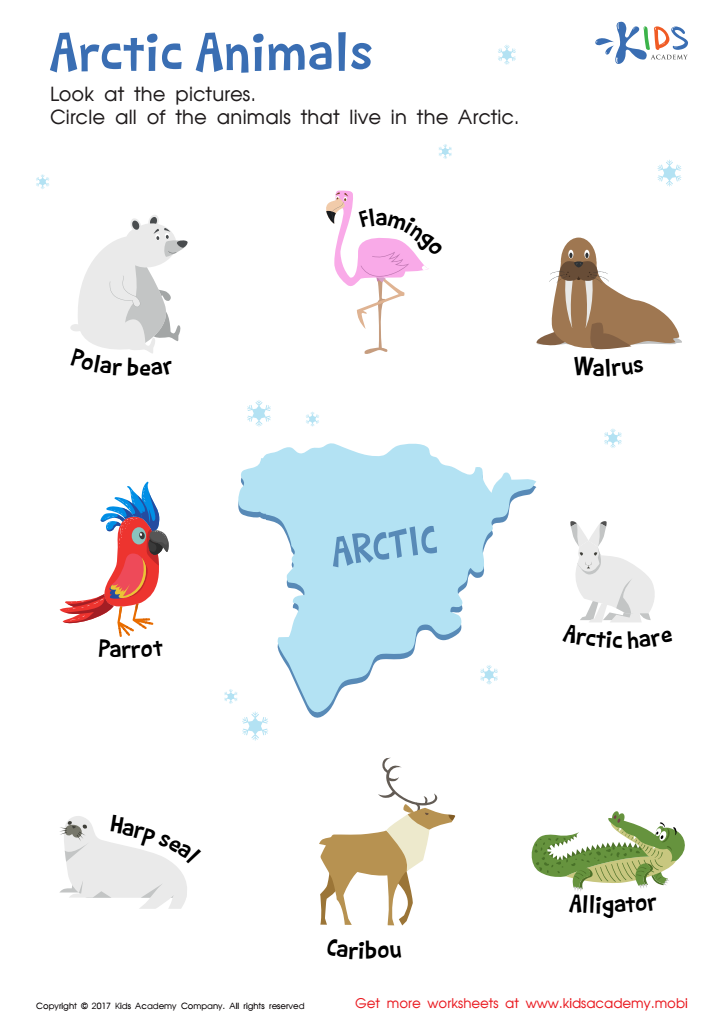
Arctic Animals Worksheet
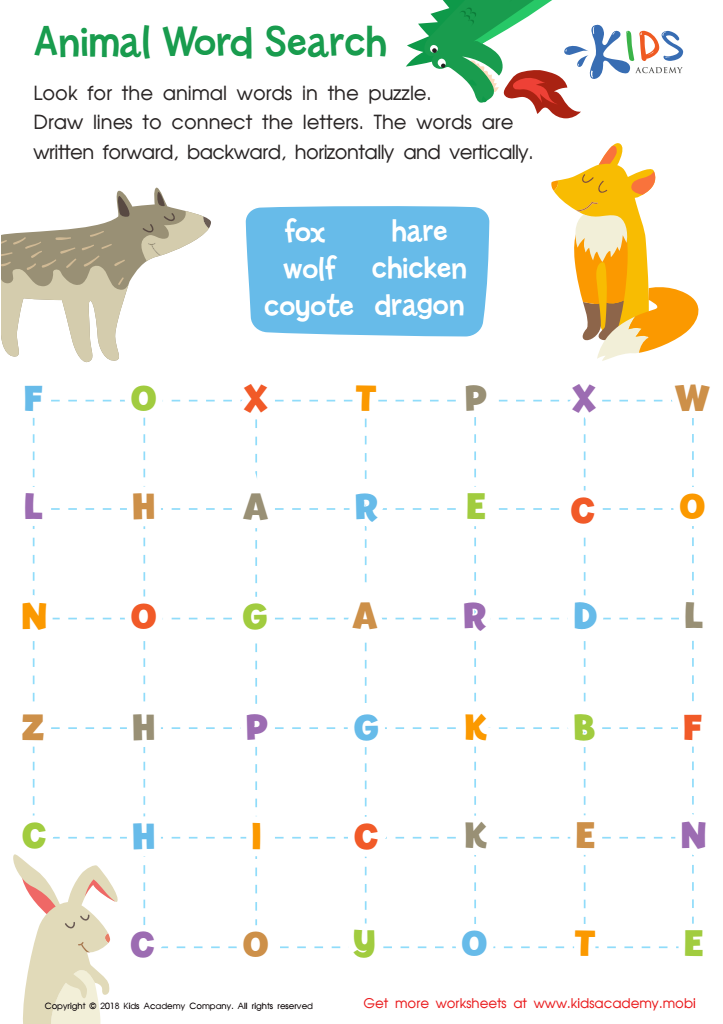
Animal Word Search Worksheet







Vocabulary building related to plants and animals is crucial for children aged 7-9. At this age, children's literacy and comprehension skills are developing rapidly. Introducing specific vocabulary related to plants and animals enhances their understanding of the natural world, an area that sparks curiosity and engagement.
Fostering a rich vocabulary on this topic enables children to effectively express their thoughts and observations about their environment, encouraging critical thinking and scientific inquiry. It aids in improving reading comprehension, as children encounter texts that discuss biodiversity and ecological systems. A strong vocabulary allows them to connect these concepts with stories and information, making learning more meaningful.
Moreover, vocabulary building creates opportunities for interdisciplinary learning across subjects such as science, art, and even language arts, enhancing overall academic performance. Teachers and parents play vital roles in this development; by incorporating educational activities—like nature walks, discussions about local habitats, or reading books that highlight various species—they can inspire a love for learning.
Additionally, understanding plants and animals is fundamental for instilling a sense of responsibility towards the environment, promoting conservation, and appreciating biodiversity. By prioritizing vocabulary building in this area, adults can help nurture informed, curious, and engaged future citizens.








