Understanding constellations Space Worksheets for Ages 7-9
3 filtered results
-
From - To
Explore the wonders of the night sky with our Understanding Constellations Space Worksheets designed for ages 7-9. These engaging and educational printables help young astronomers identify and learn about various star patterns, fostering curiosity and scientific thinking. Our worksheets feature fun activities and captivating illustrations, making it easy for children to grasp the concept of constellations. Perfect for classroom or home use, these resources support STEM learning, enhance problem-solving skills, and inspire a lifelong love for space exploration. Download now and embark on an astronomical adventure with your budding stargazer!
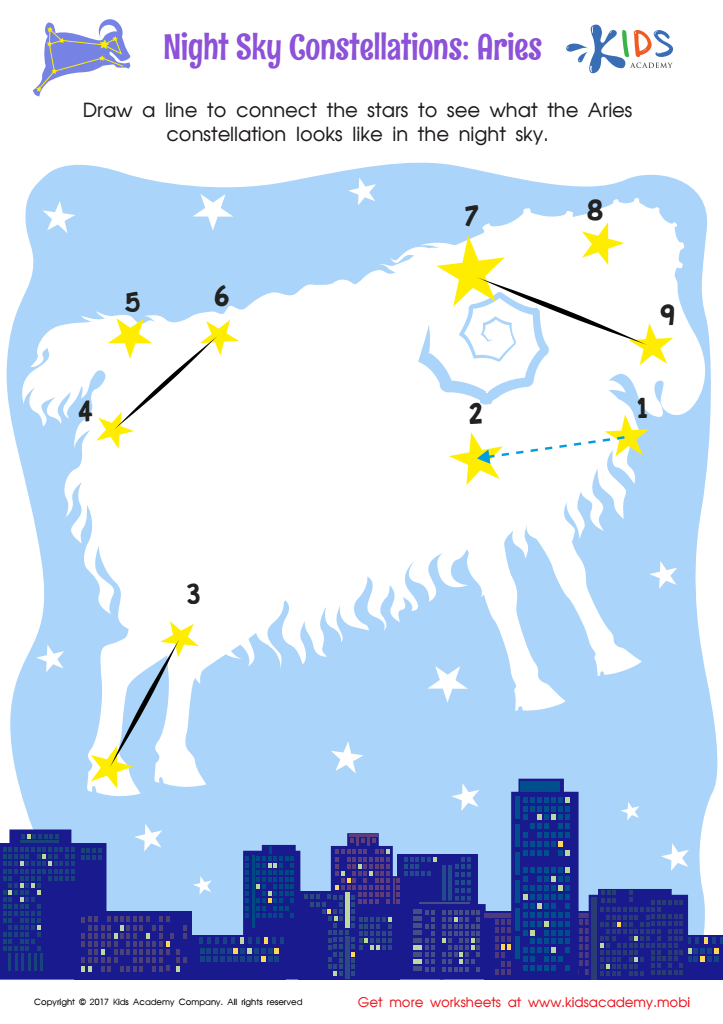
Night Sky Constellations: Aries Worksheet
 Assign to My Students
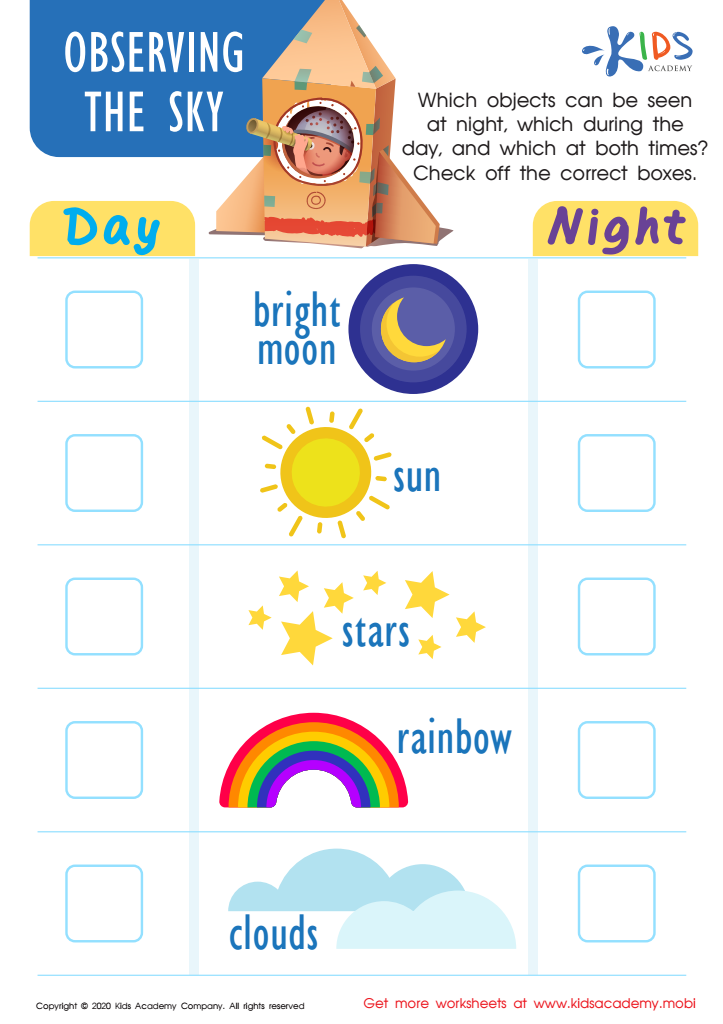
Observing the Sky Worksheet
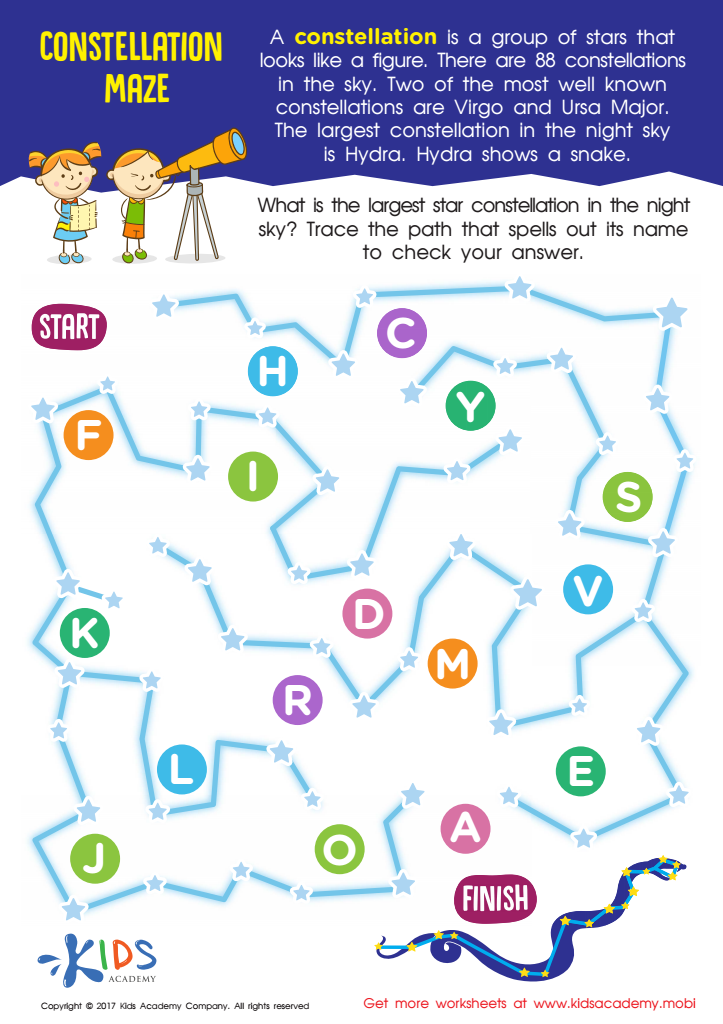
Constellations Worksheet






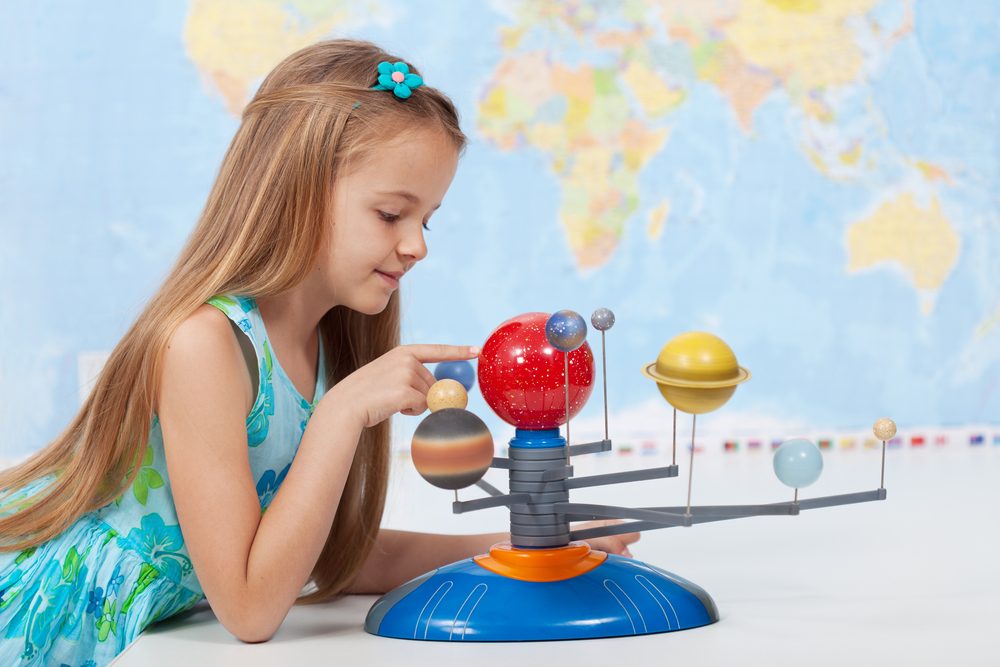

Understanding constellations and space at the ages of 7-9 fosters a sense of curiosity and wonder in children, laying a solid foundation for lifelong learning in science, technology, engineering, and mathematics (STEM). At this young age, children are naturally curious, and engaging them with captivating topics like space nurtures their imagination and allows them to grasp abstract concepts in a more tangible way. Learning about constellations helps children make connections between what they see in the night sky and stories or patterns, honing their observational skills and critical thinking abilities.
For parents and teachers, introducing children to celestial wonders cultivates an appreciation for the universe and a broader understanding of Earth's place within it. This knowledge can inspire respect for nature and the environment, making them more conscientious world citizens. It also provides a gateway to discuss important topics such as space exploration, gravity, and the vastness of the universe, encouraging kids to ask questions and seek answers.
Moreover, studying constellations involves history, mythology, and science, offering a multidisciplinary approach to learning. This holistic educational experience can make subjects like mathematics and physics more engaging by showing their relevance in explaining the night sky. Thus, nurturing an interest in constellations at an early age enriches a child's overall educational journey.







