Reading comprehension History Worksheets for Ages 7-9
38 filtered results
-
From - To
Welcome to our engaging collection of Reading Comprehension History Worksheets for ages 7-9! Designed to spark curiosity and enhance learning, these worksheets provide young learners with the opportunity to explore fascinating historical topics while developing critical reading skills. Each worksheet features age-appropriate texts accompanied by questions that challenge comprehension and encourage critical thinking. These activities are perfect for reinforcing classroom lessons or as fun, educational at-home practice. With colorful designs and relatable content, our worksheets ensure that kids are not only learning about history but also enjoying the process. Start your child's reading journey with our interactive history worksheets today!
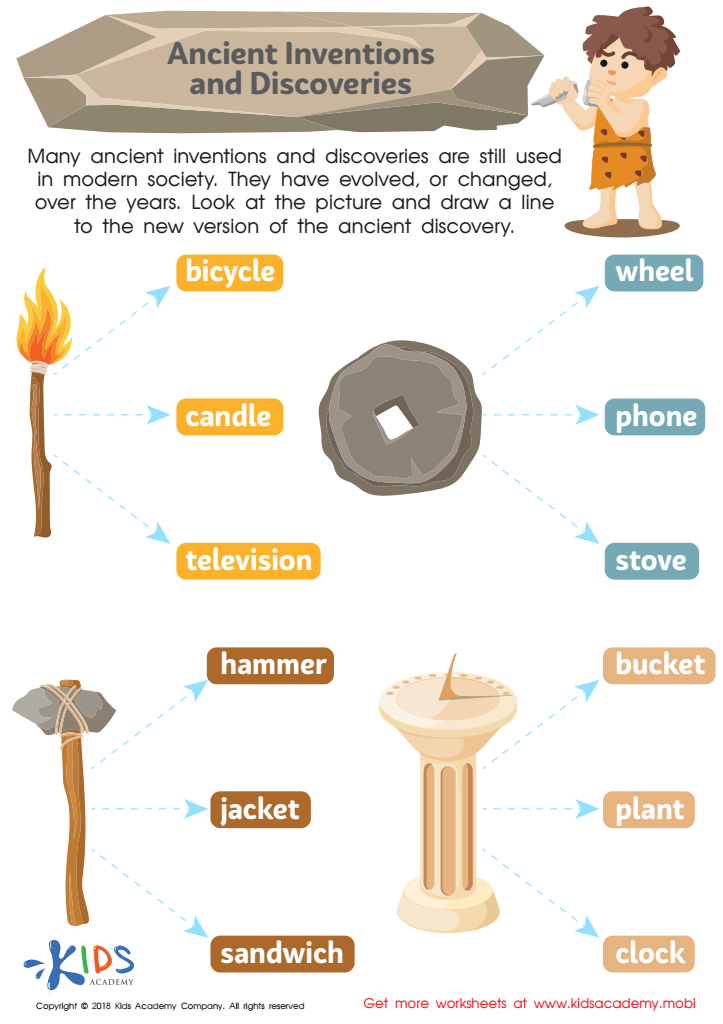
Ancient Inventions and Discoveries Worksheet
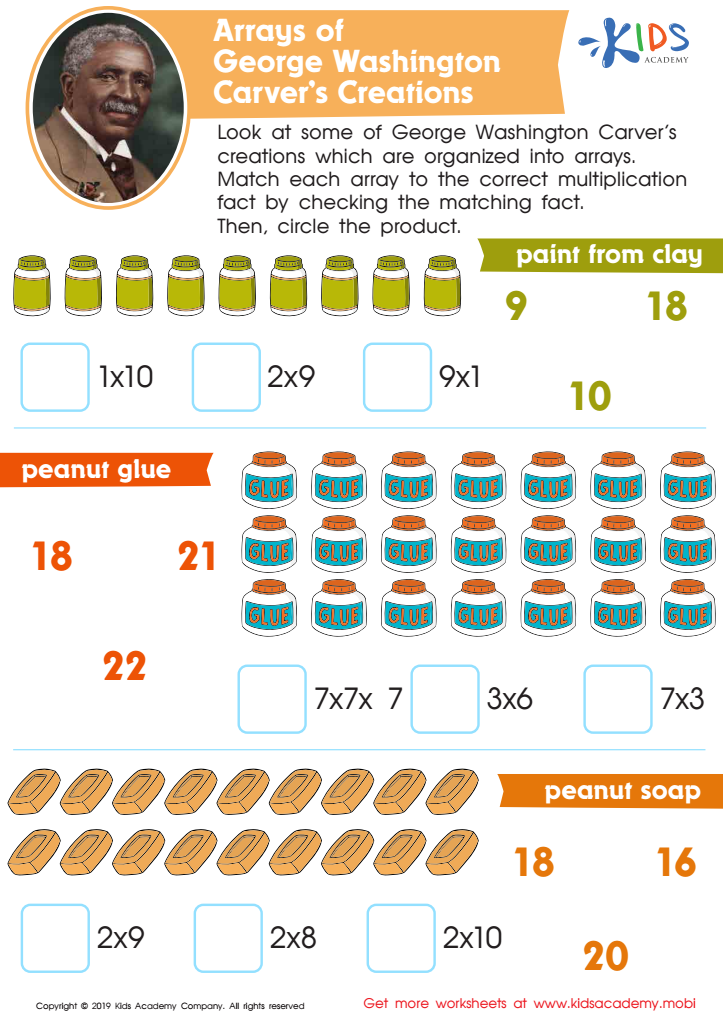
Arrays of George Washington Carver’s Creations Worksheet
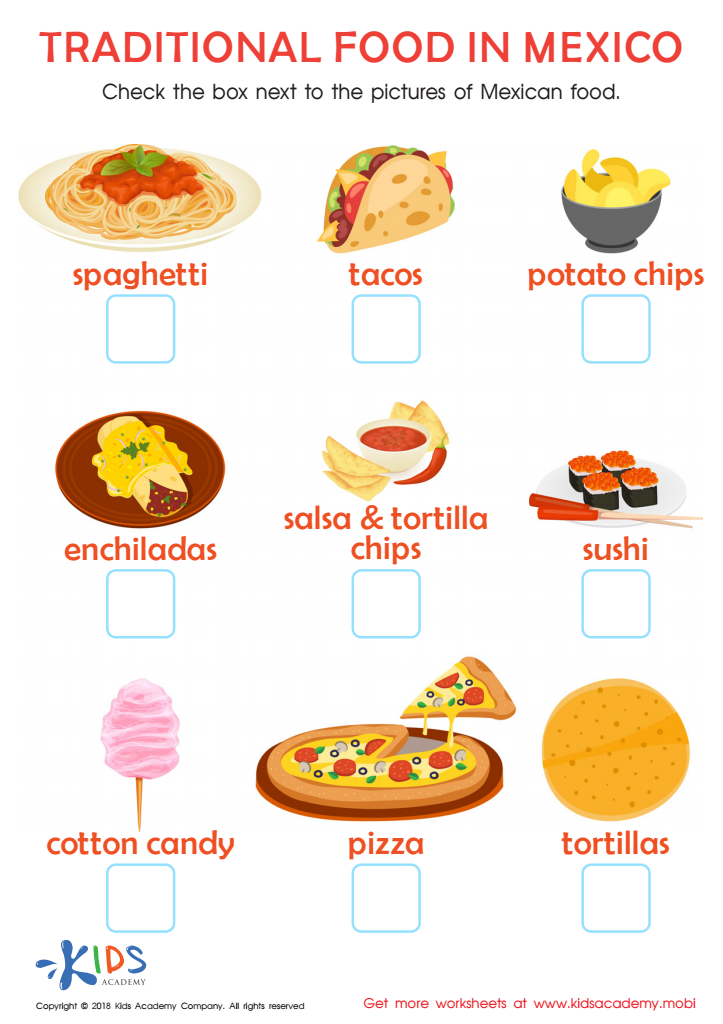
Traditional Food in Mexico Worksheet
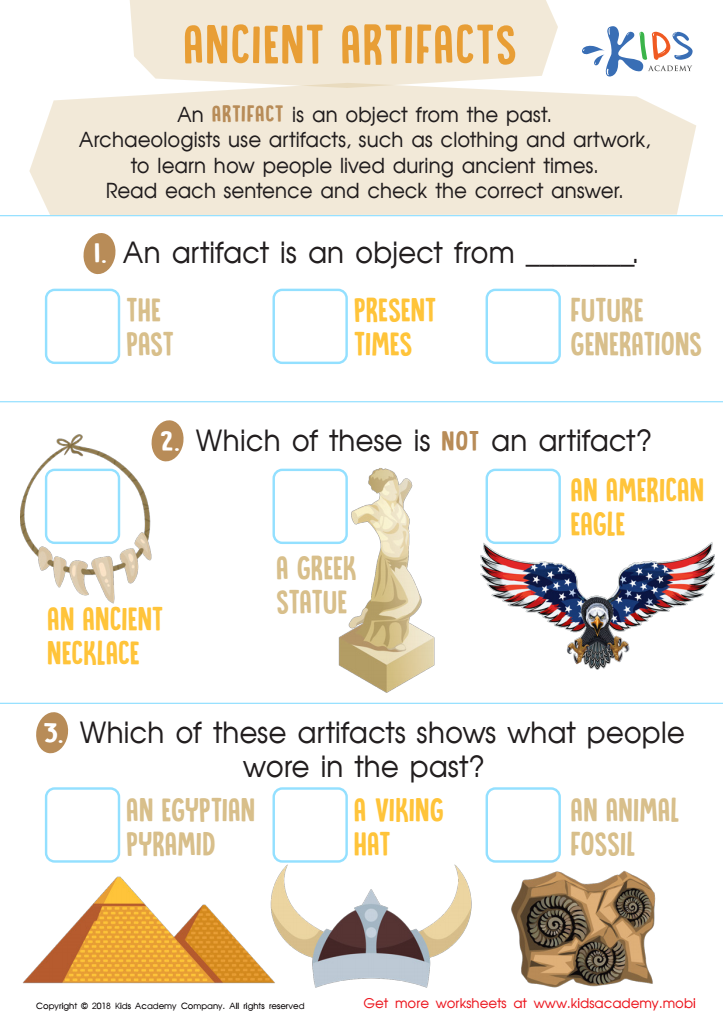
Ancient Artifacts Worksheet
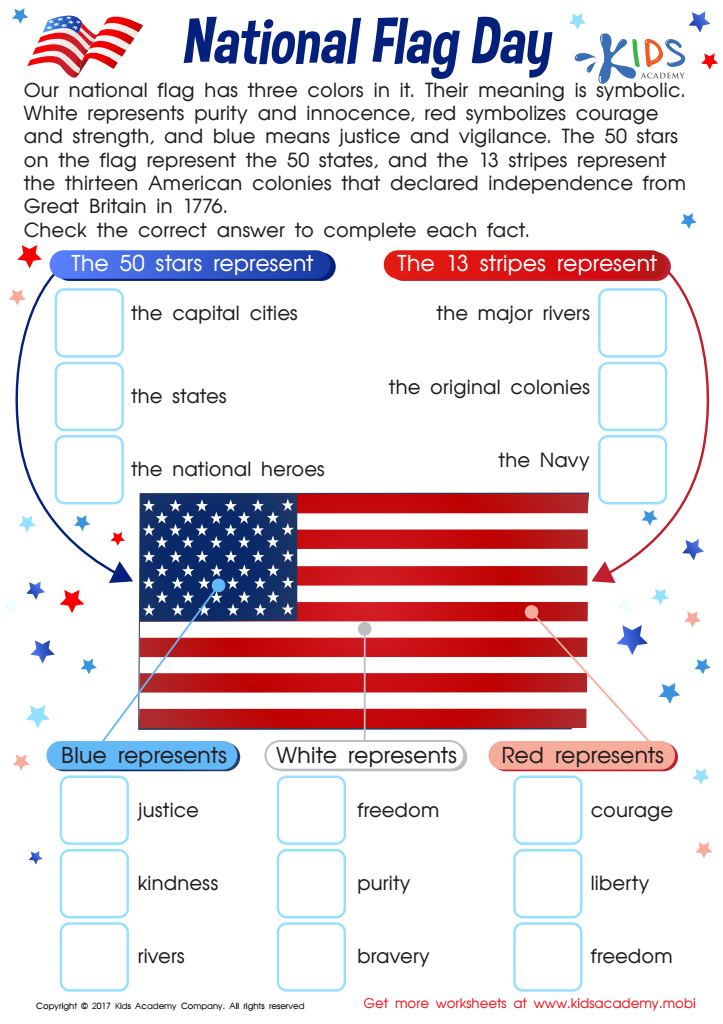
US National Flag Day Worksheet
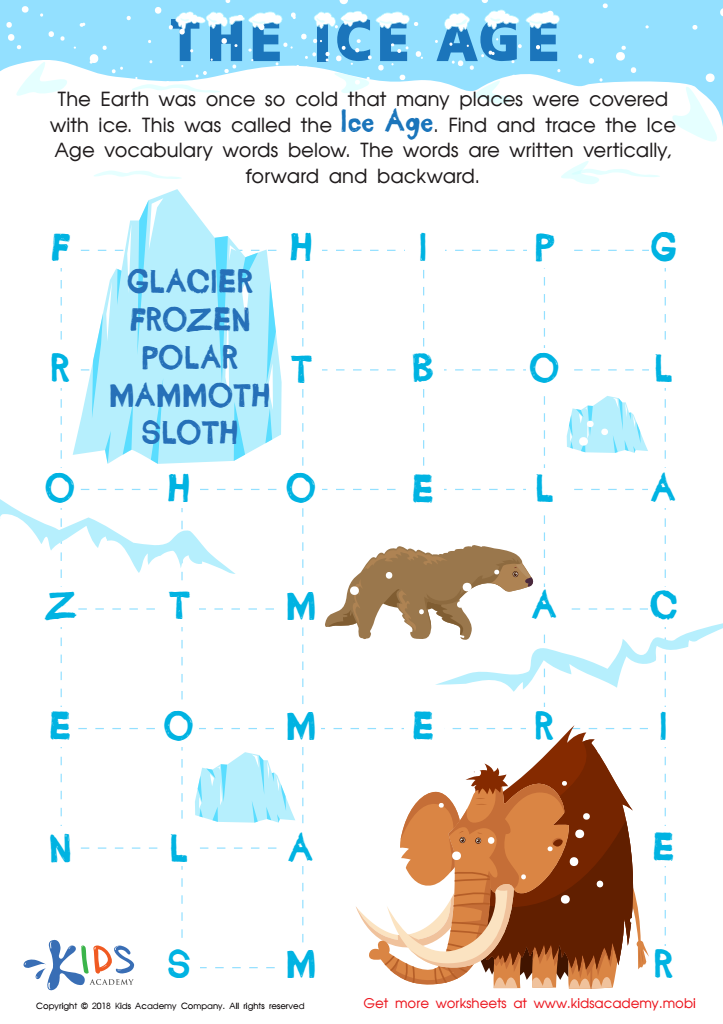
The Ice Age Worksheet
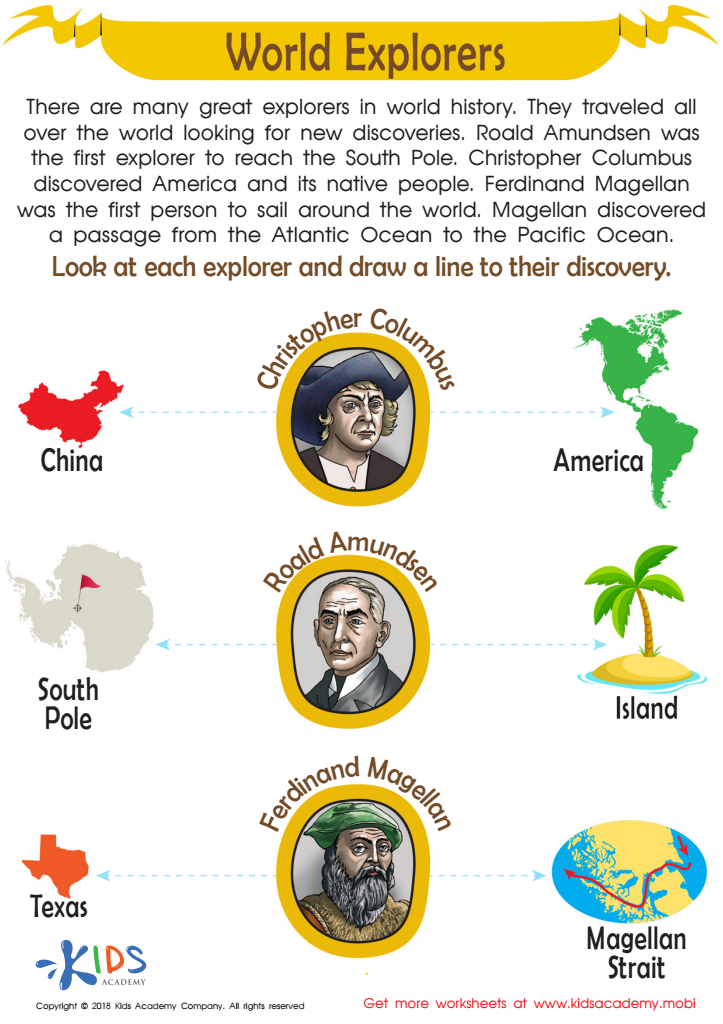
World Explorers Worksheet
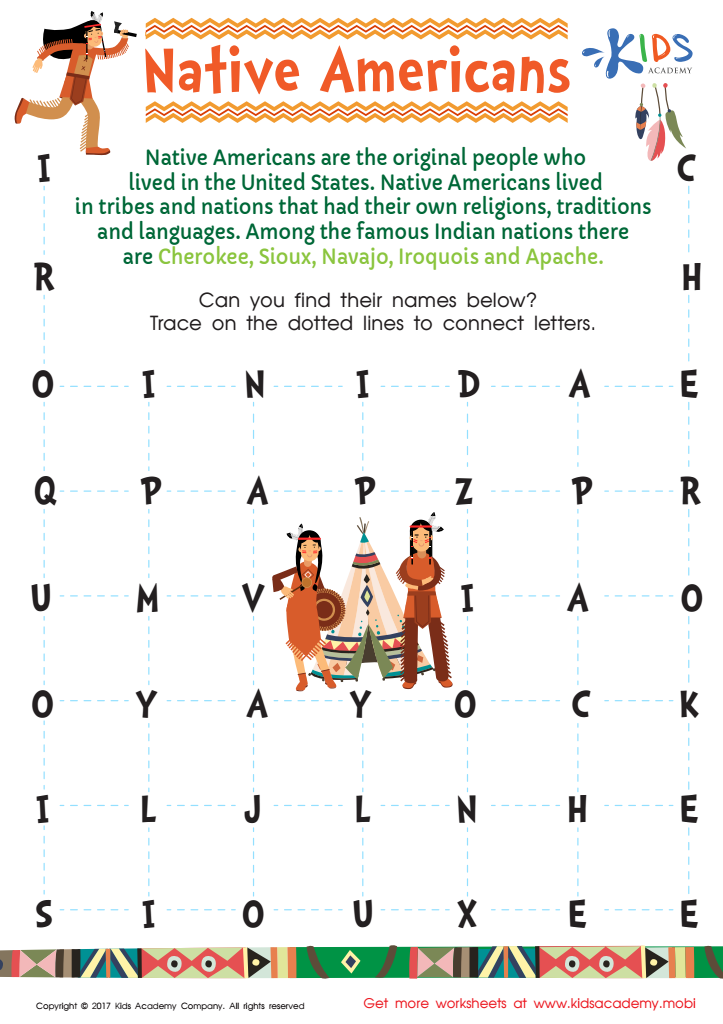
Native American Word Search Printable
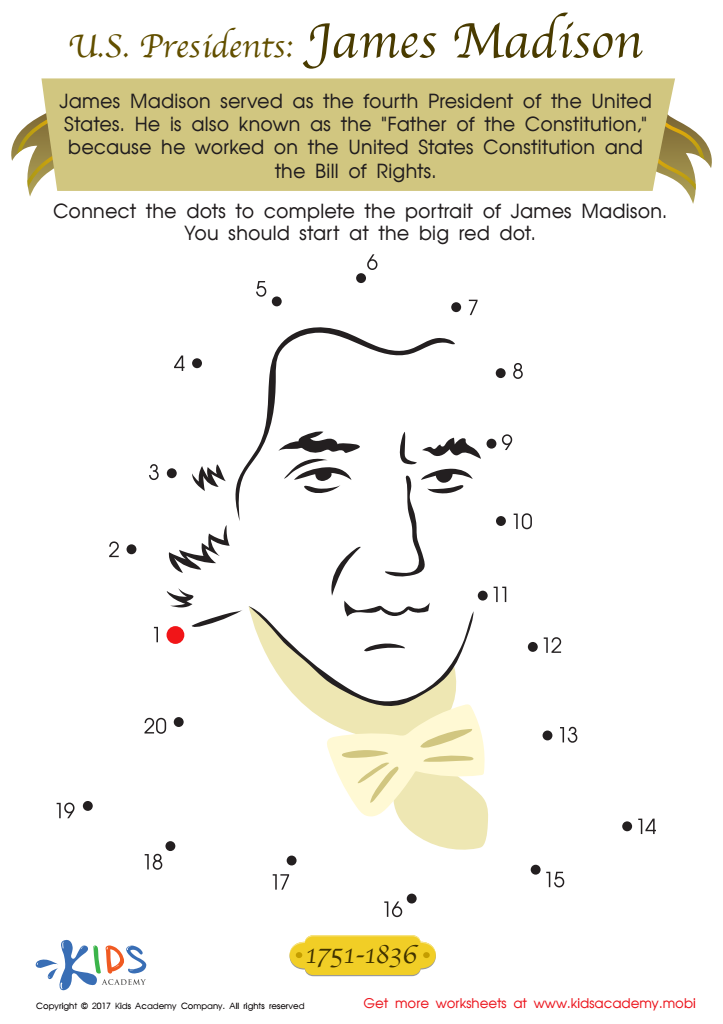
President Madison Printable
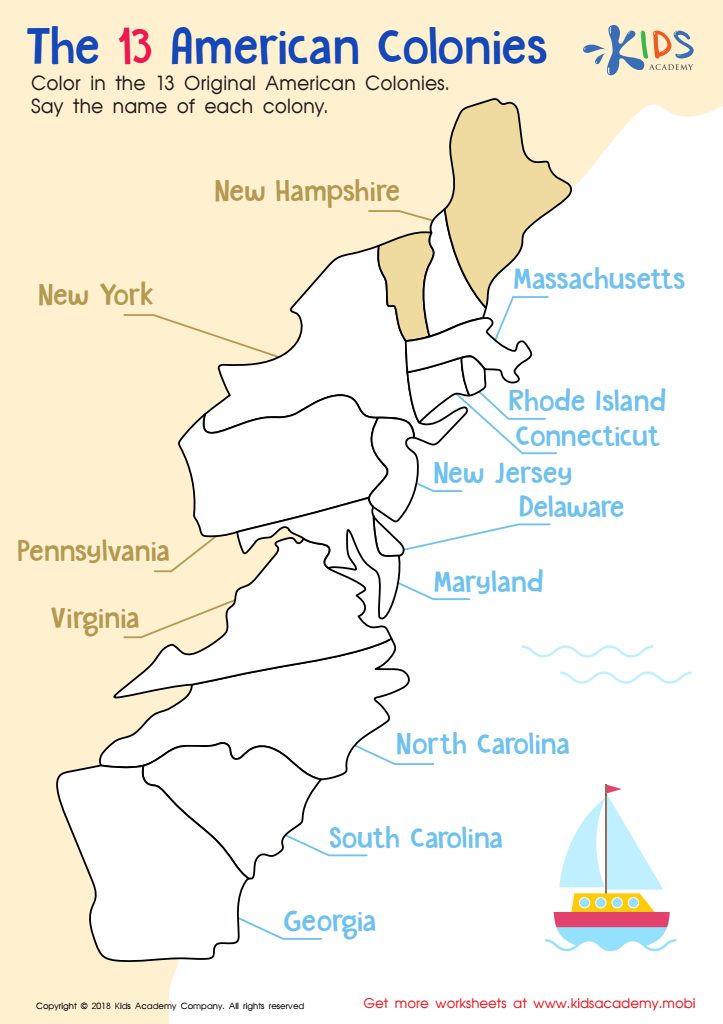
The 13 American Colonies Worksheet
 Assign to My Students
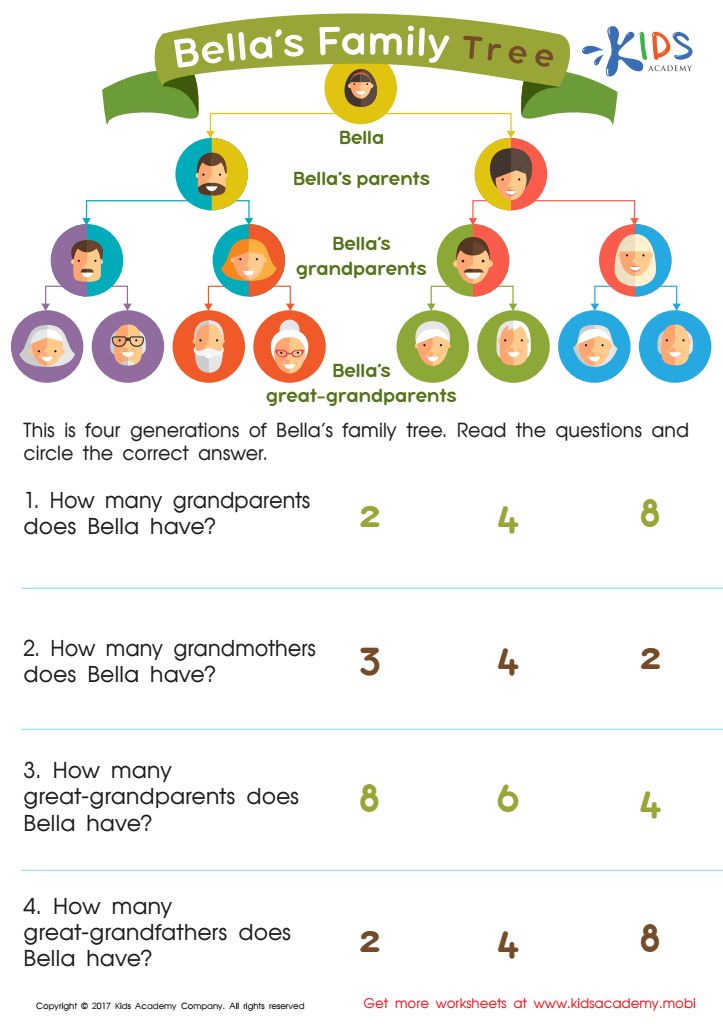
Bella's Family Tree Worksheet
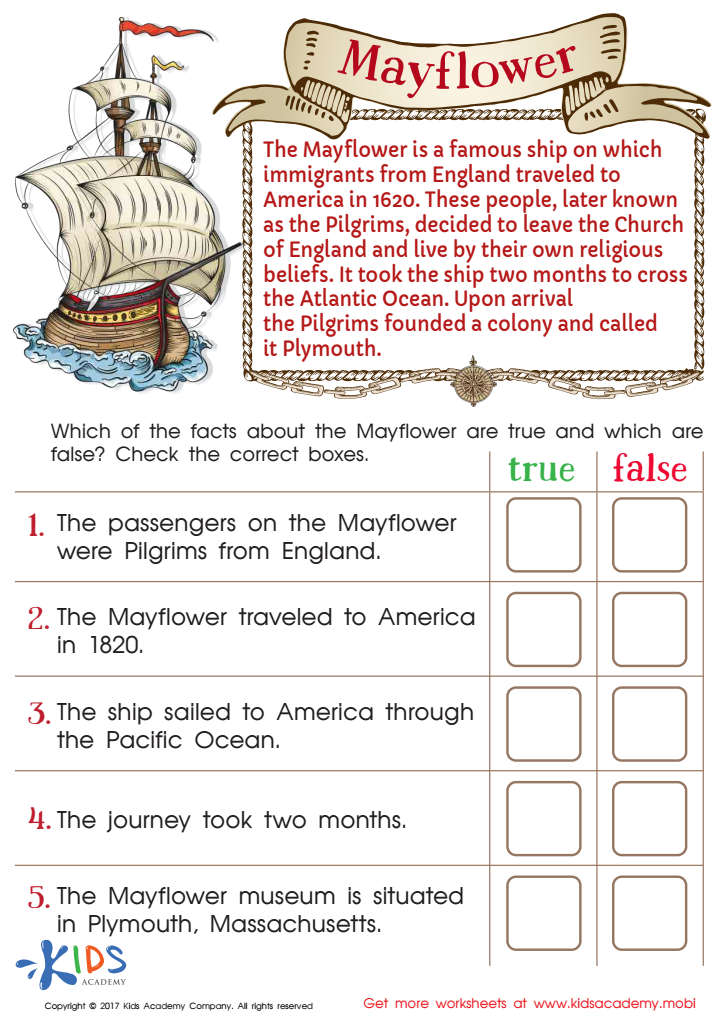
Free Mayflower Worksheet
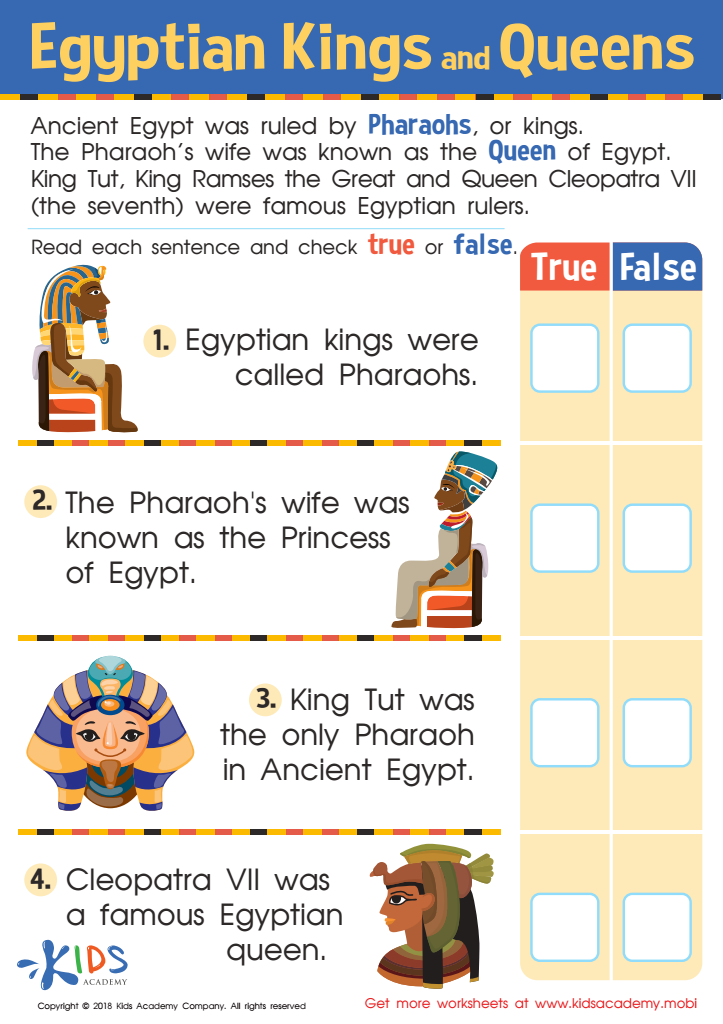
Egyptian Kings and Queens Worksheet
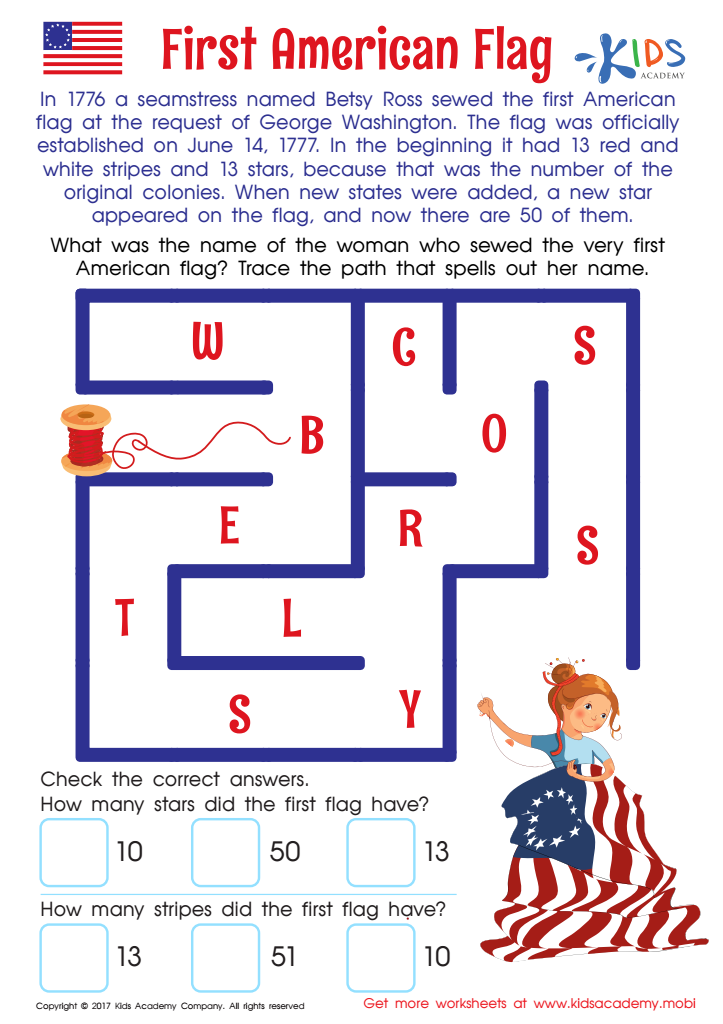
First American Flag Worksheet
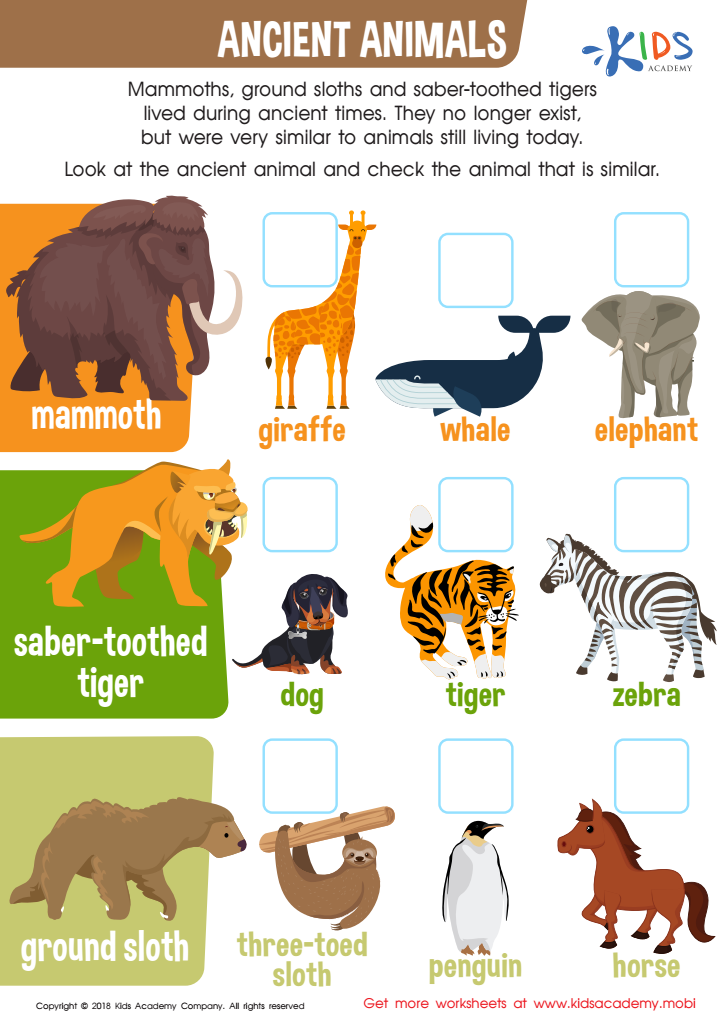
Ancient Animals Worksheet
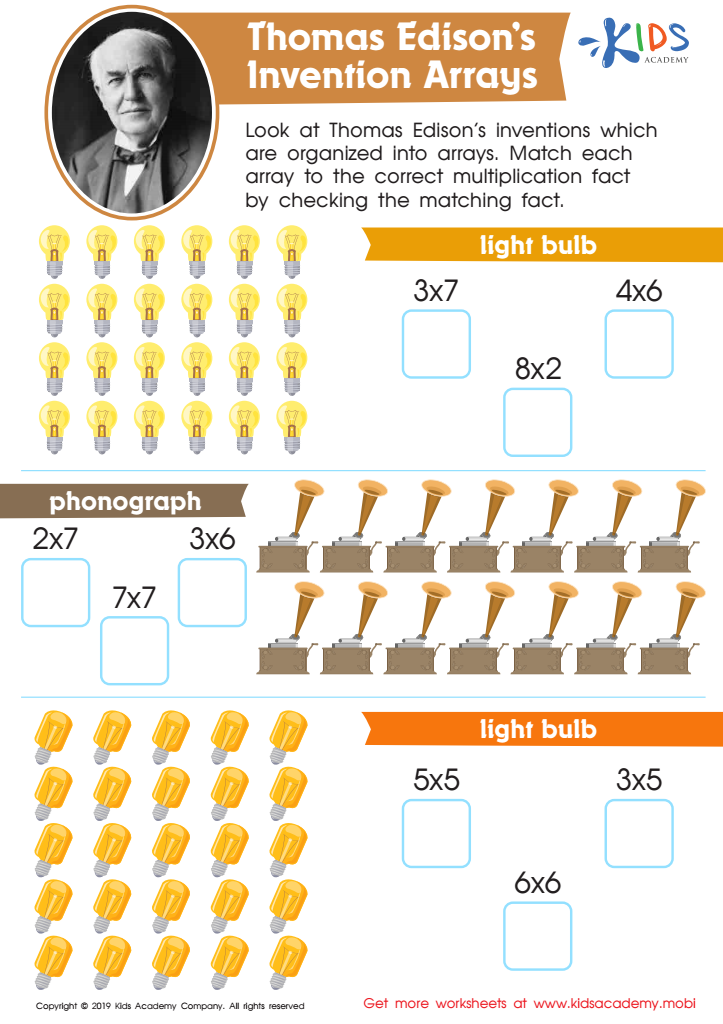
Thomas Edison’s Invention Arrays Worksheet
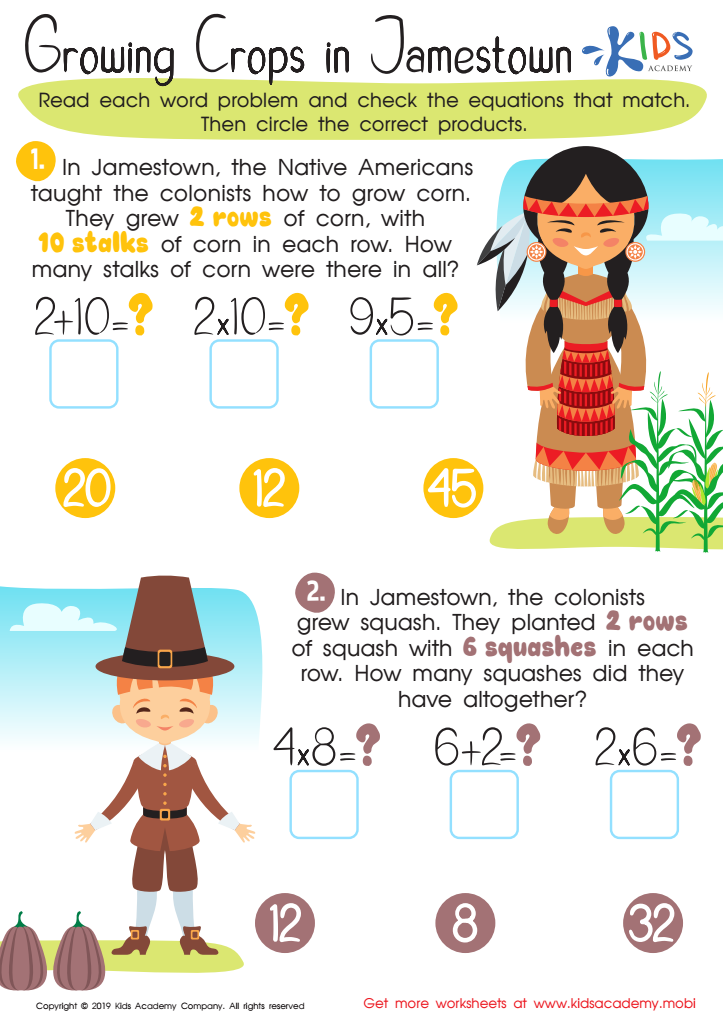
Growing Jamestown Worksheet
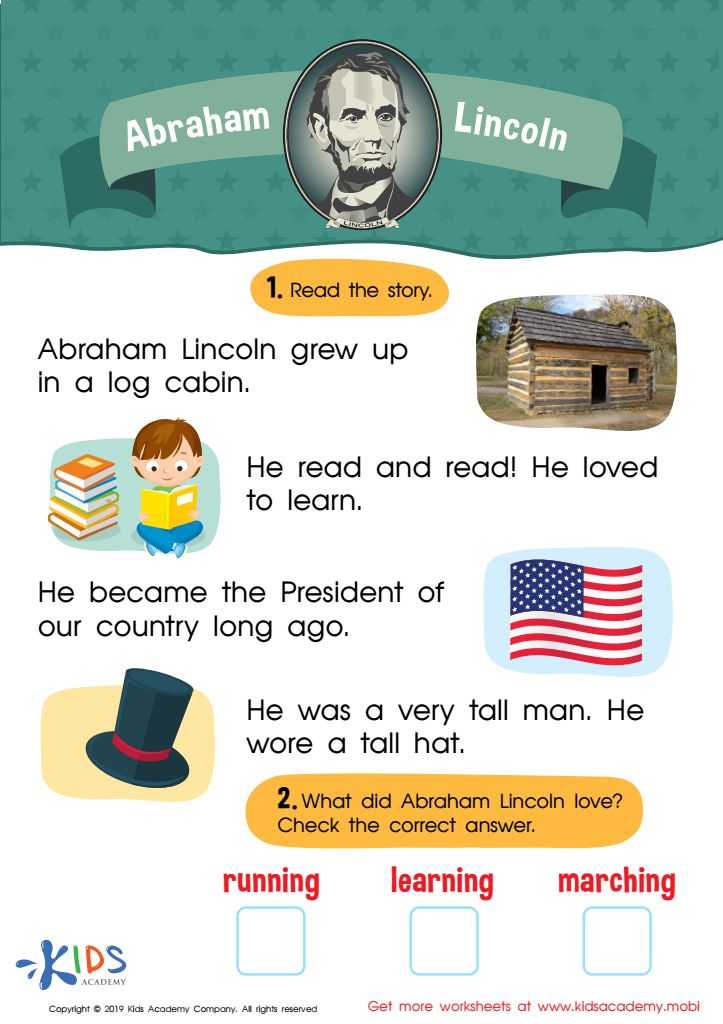
Abraham Lincoln Worksheet
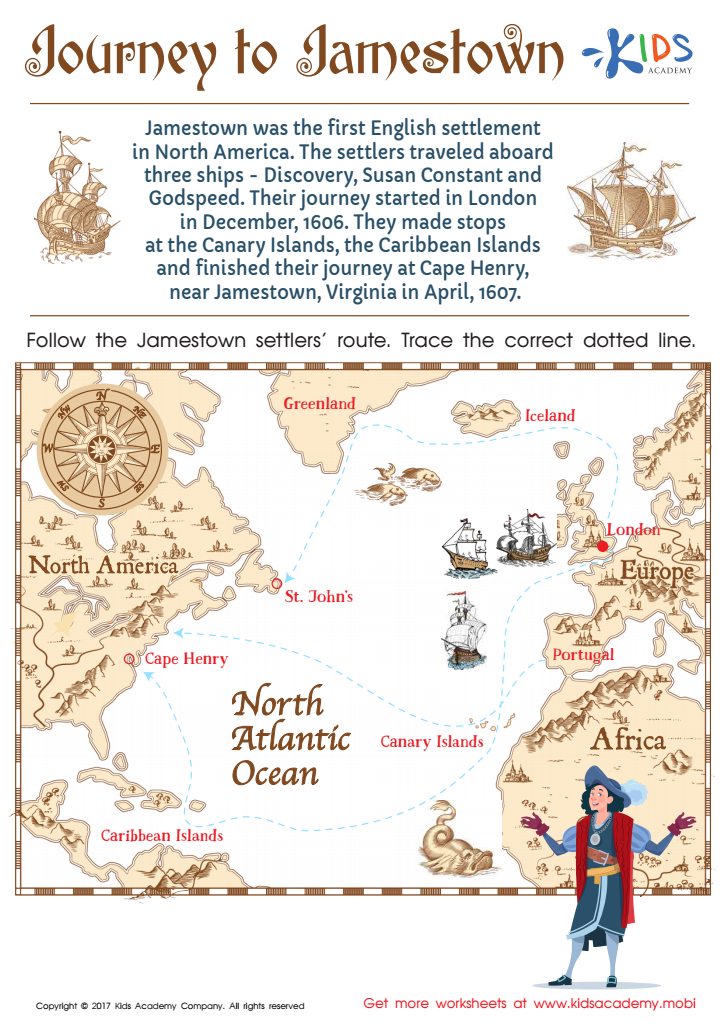
Journey to Jamestown Worksheet
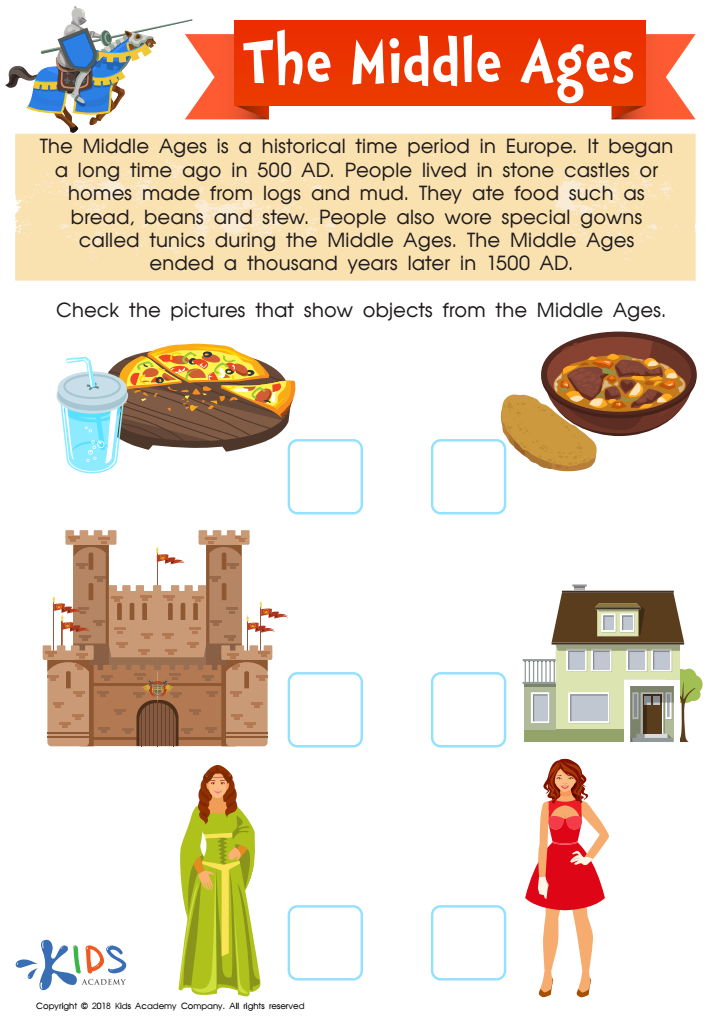
The Middle Ages Worksheet
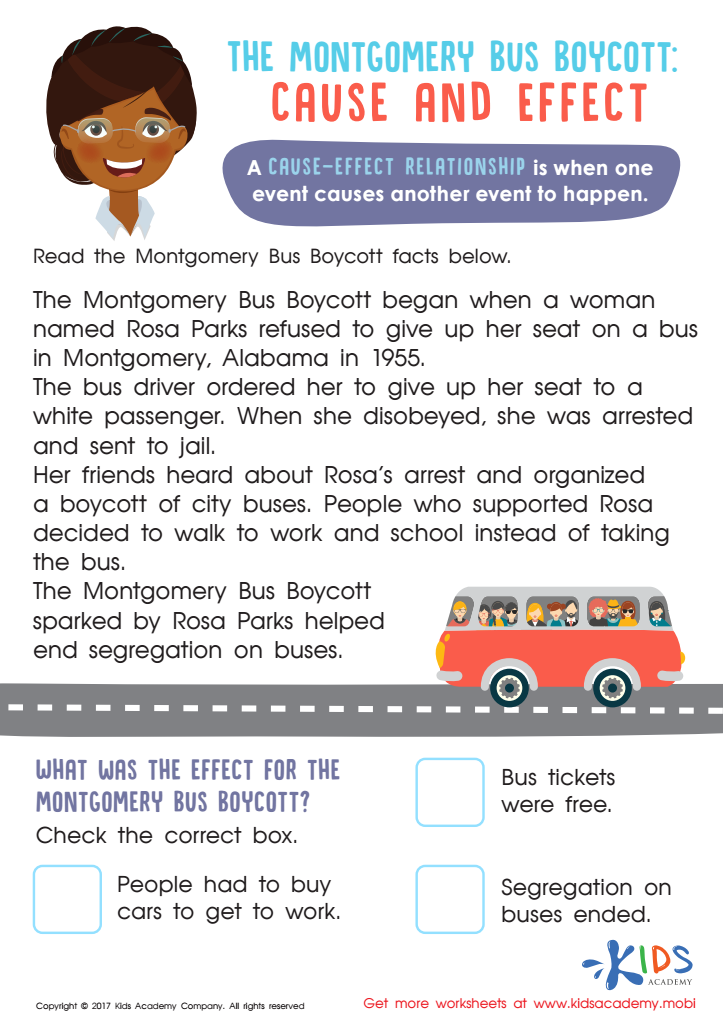
The Montgomery Bus Boycott Cause and Effect Worksheet
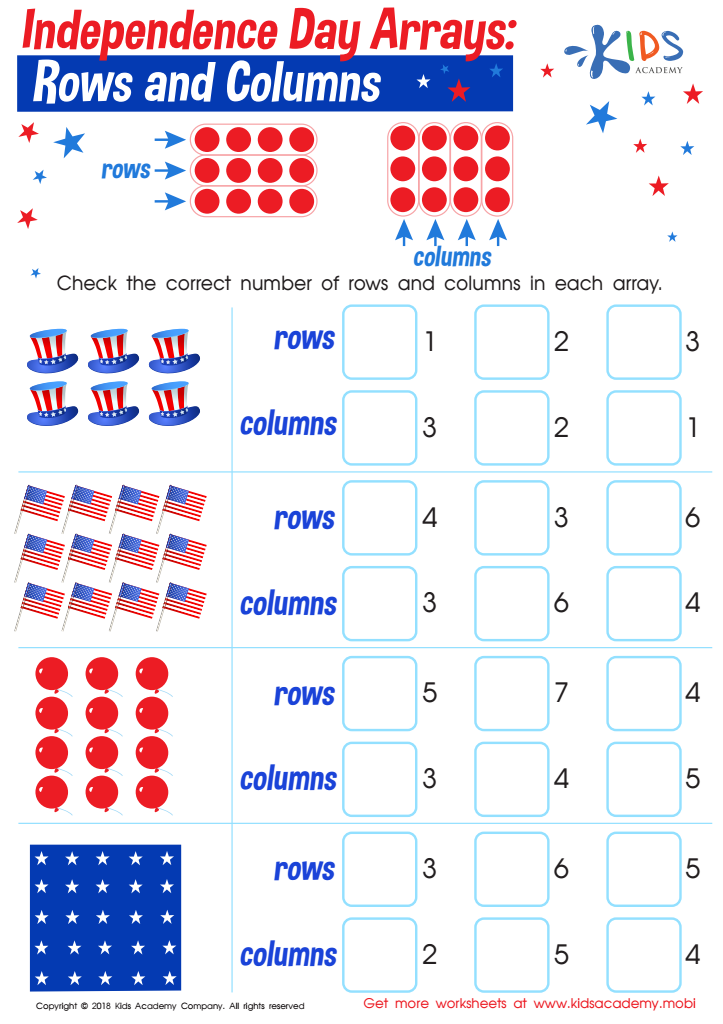
Independence Day Arrays: Rows and Columns Worksheet
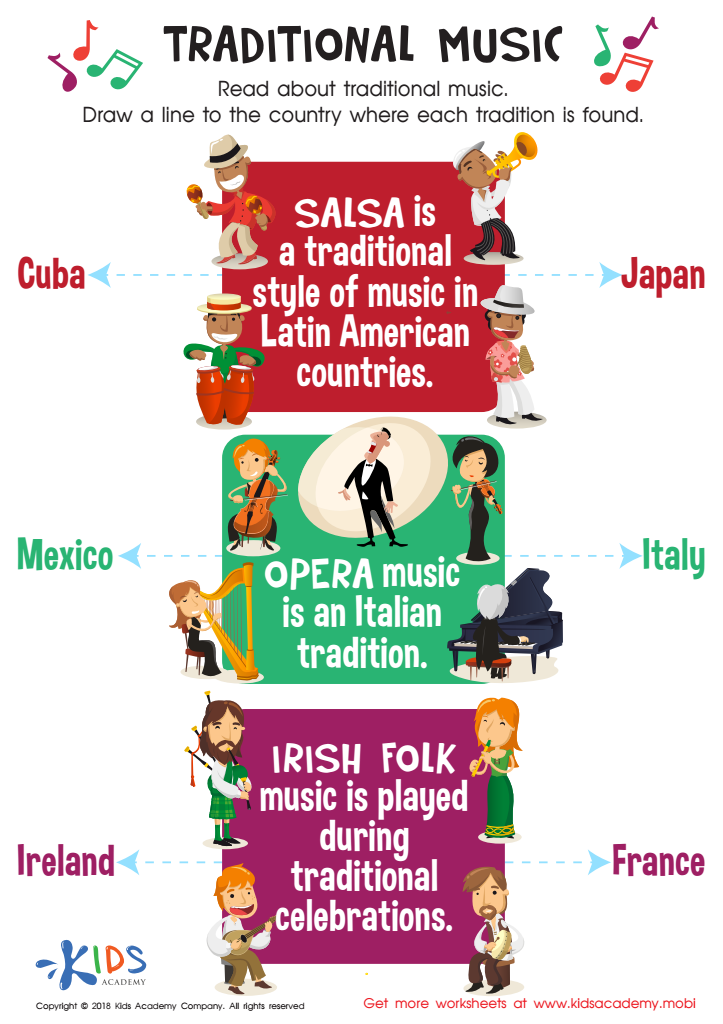
Traditional Music Worksheet
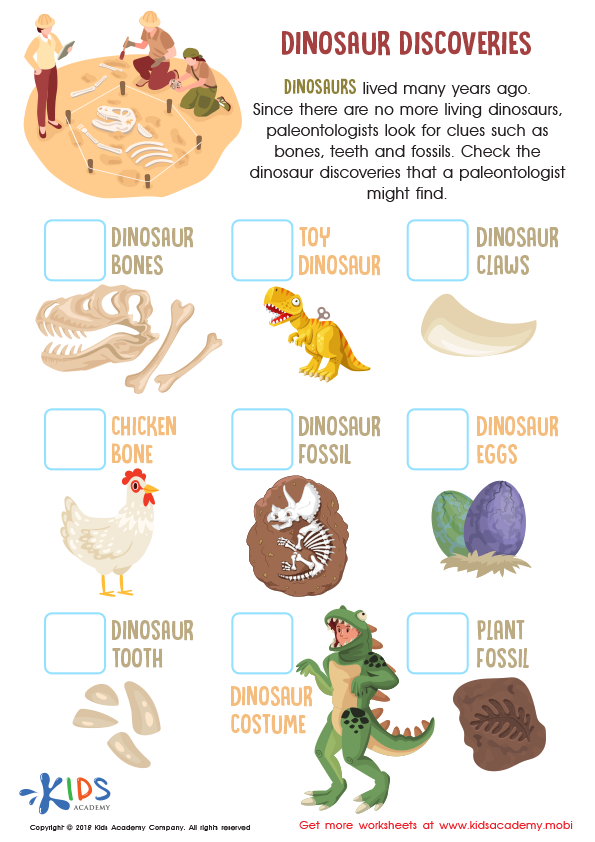
Dinosaur Discoveries Worksheet








Reading comprehension is essential for children ages 7-9 as it serves as the foundation for their overall academic success and critical thinking ability. During this developmental stage, children begin to move from learning to read, to reading to learn, making comprehension skills crucial for all subjects, including history. For parents and teachers, understanding the historical context within reading helps children relate to past events, societies, and cultures, enabling them to draw connections to the present.
Furthermore, nurturing comprehension skills allows children to engage more deeply with texts. It fosters independent thinking and creativity by empowering them to analyze characters, motivations, and historical significance. By integrating history into reading comprehension efforts, educators can equip young learners with the tools to interpret not only historical narratives but also the lessons and values embedded in them, fostering a sense of historical empathy.
Moreover, strong comprehension skills lay the groundwork for high literacy levels, impacting a child's confidence and enjoyment of reading. In an age where storytelling constructs much of our understanding of the world, helping children grasp these narratives will enrich their learning journeys and cultivate lifelong learners. Thus, prioritizing reading comprehension in history becomes a pivotal role for parents and teachers.








