Reading comprehension History Worksheets for Ages 7-9 - Page 2
38 filtered results
-
From - To
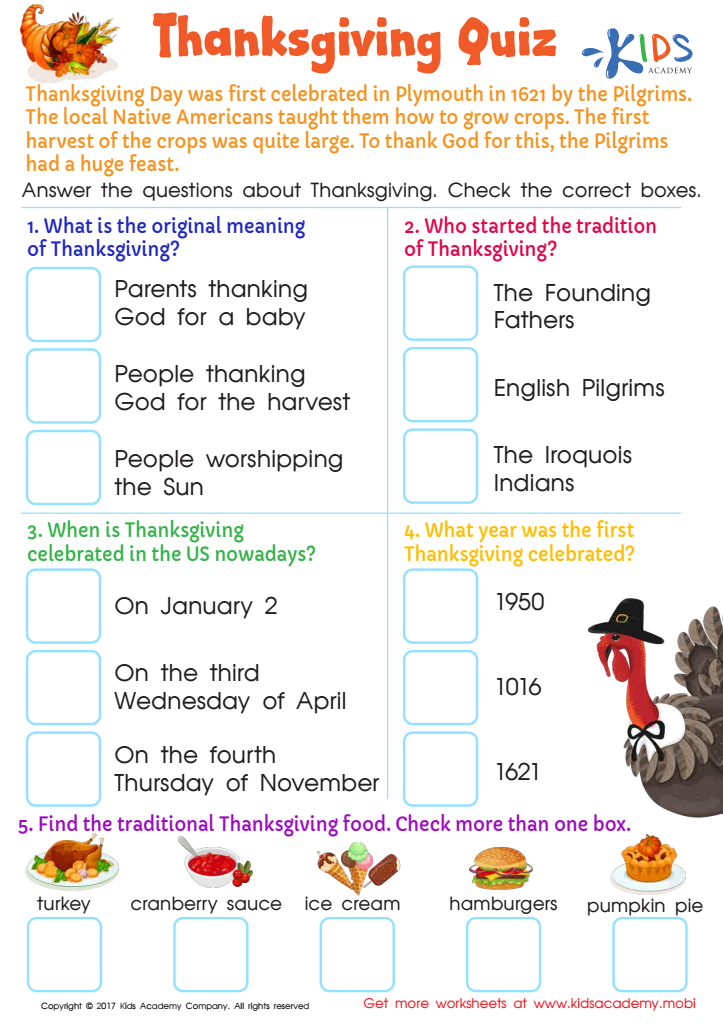
Thanksgiving Quiz Worksheet
 Assign to My Students
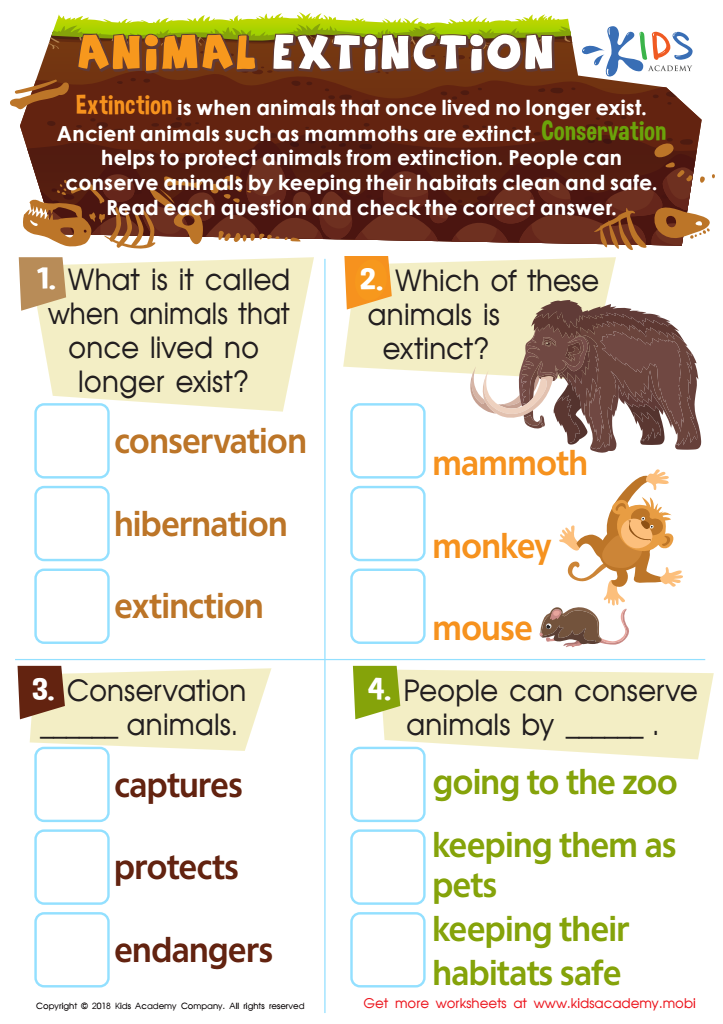
Animal Extinction Worksheet
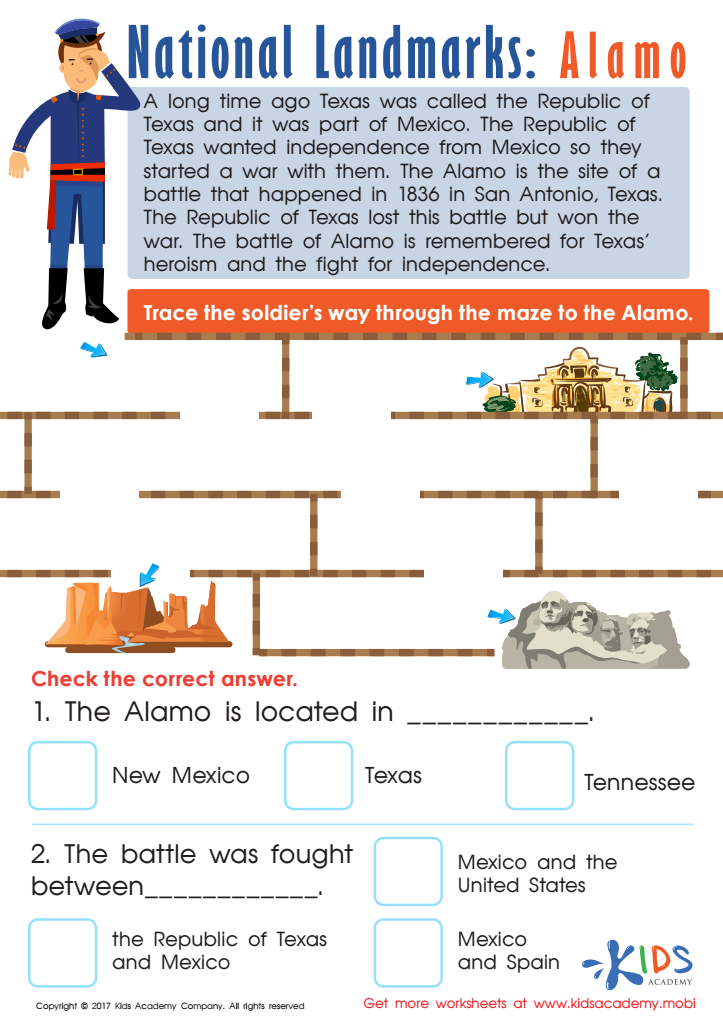
Alamo Printable Worksheet
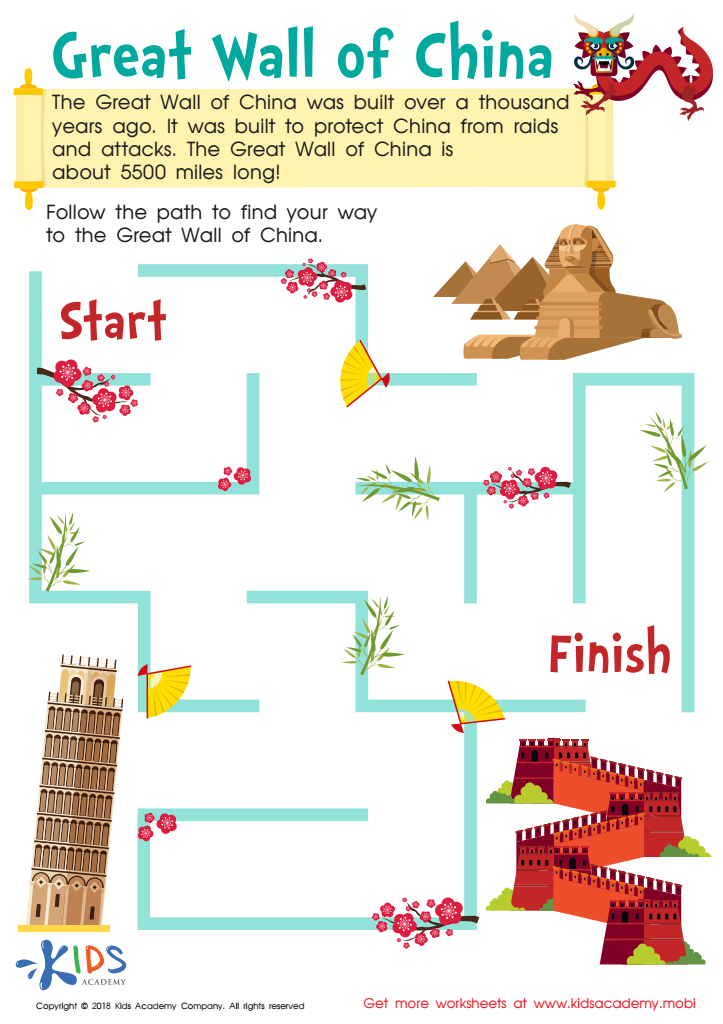
Great Wall of China Worksheet
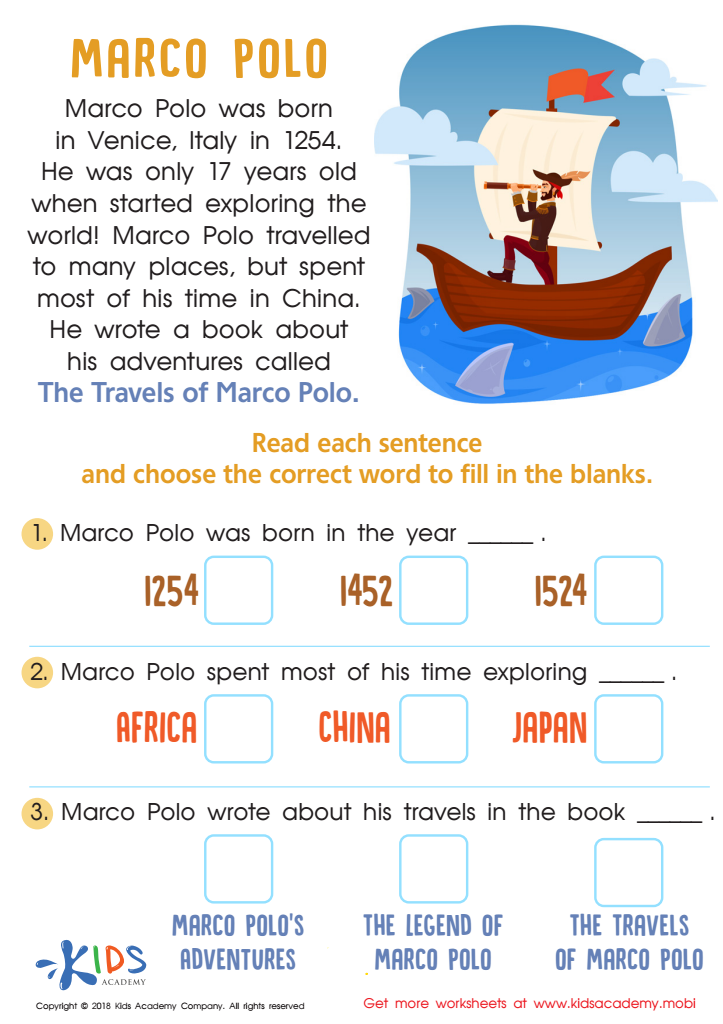
Marco Polo Worksheet
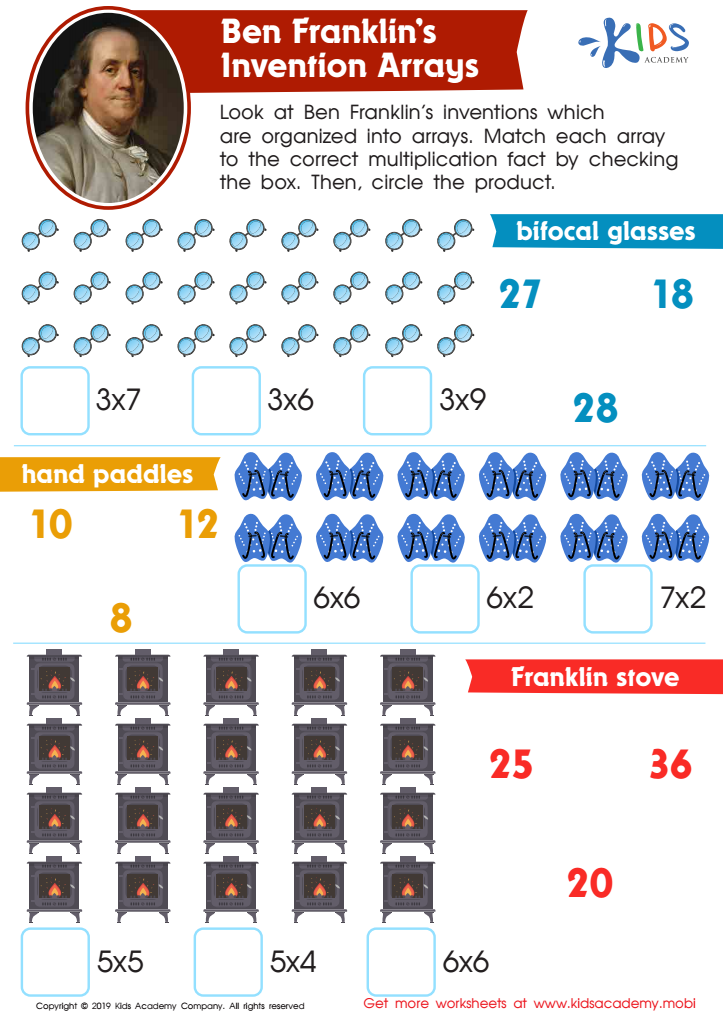
Ben Franklin’s Invention Arrays Worksheet
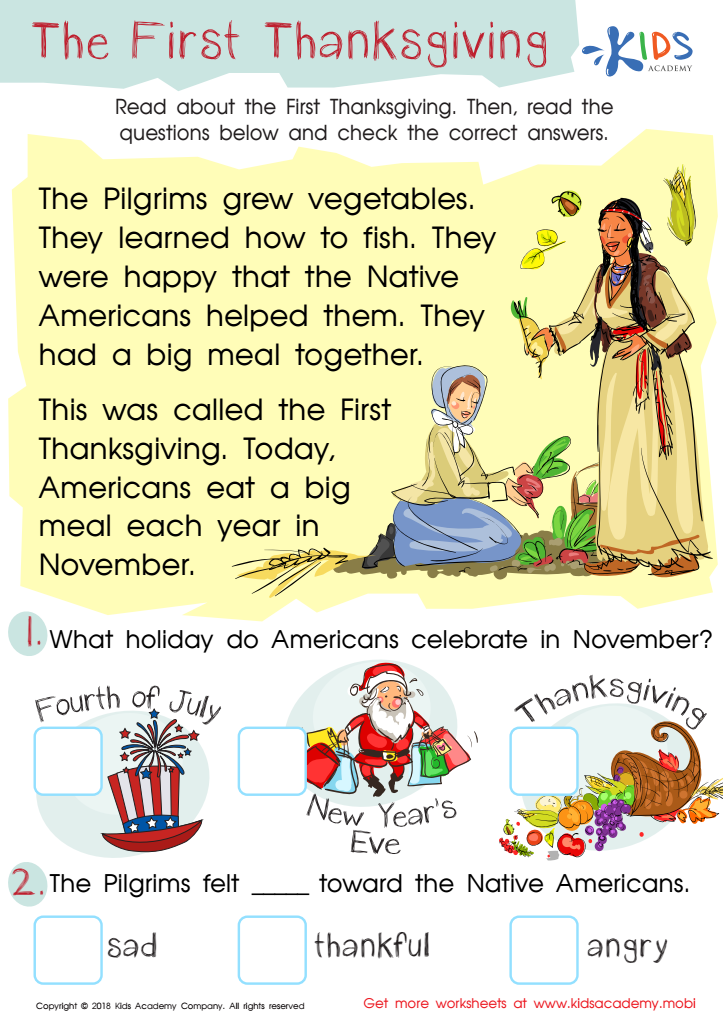
Assessment: First Thanksgiving Worksheet
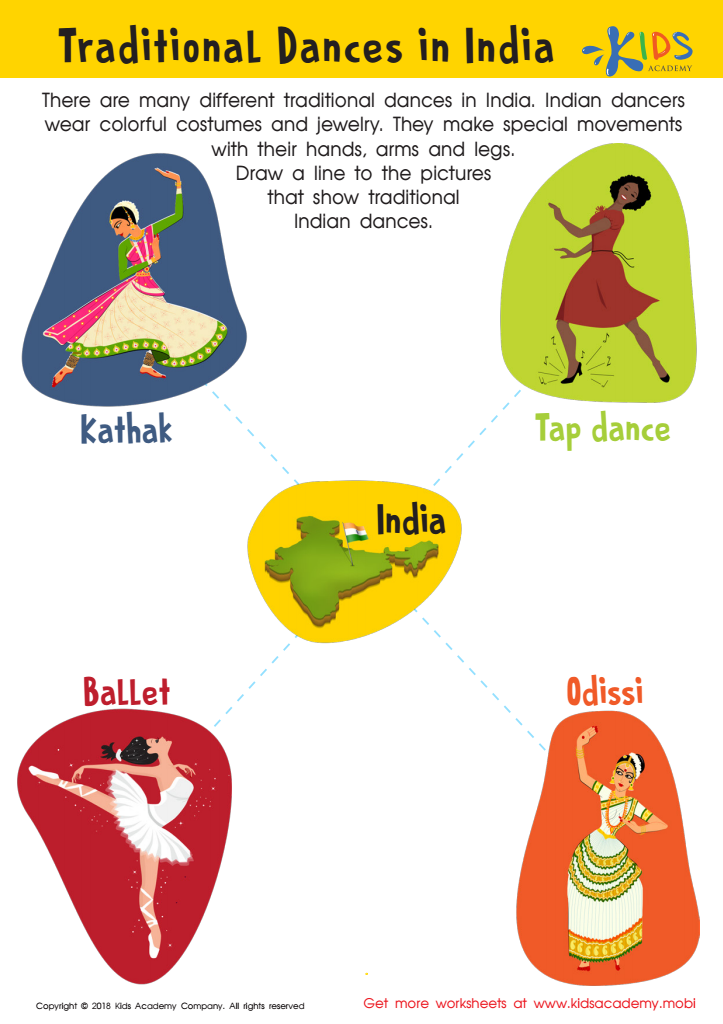
Traditional Dances in India Worksheet
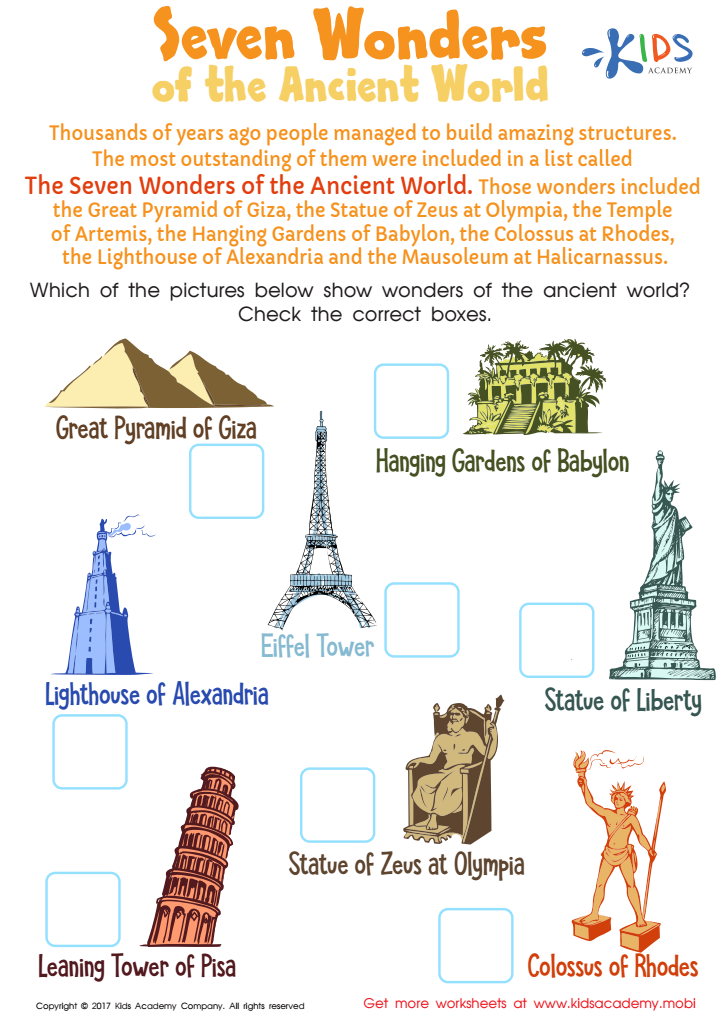
Seven Wonders of the Ancient World Worksheet
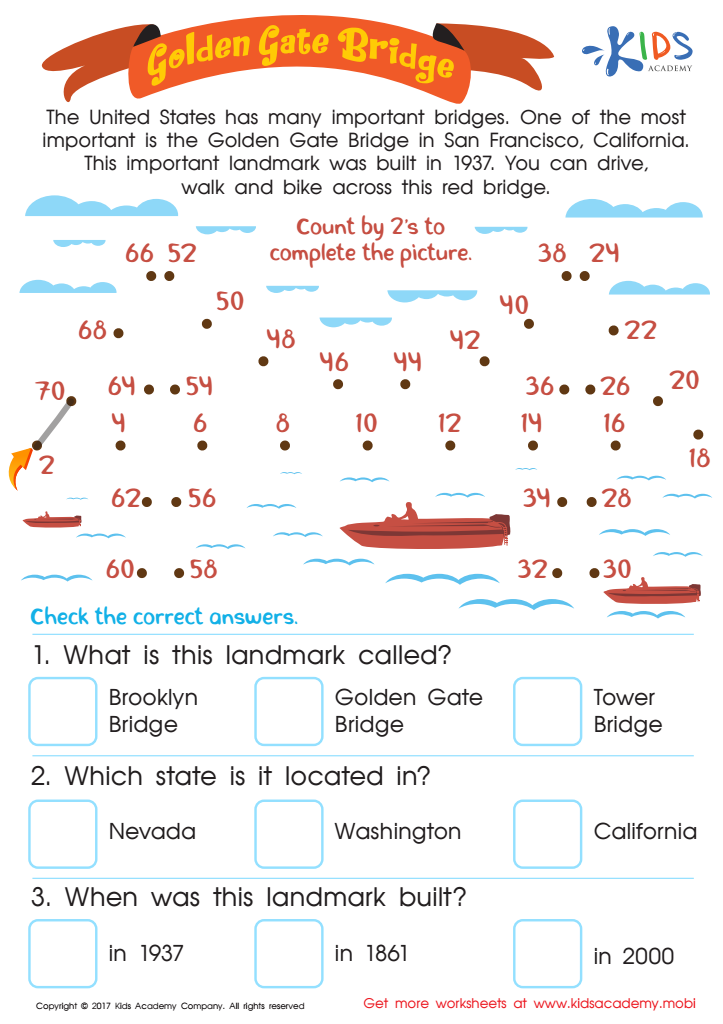
Golden Gate Bridge Worksheet
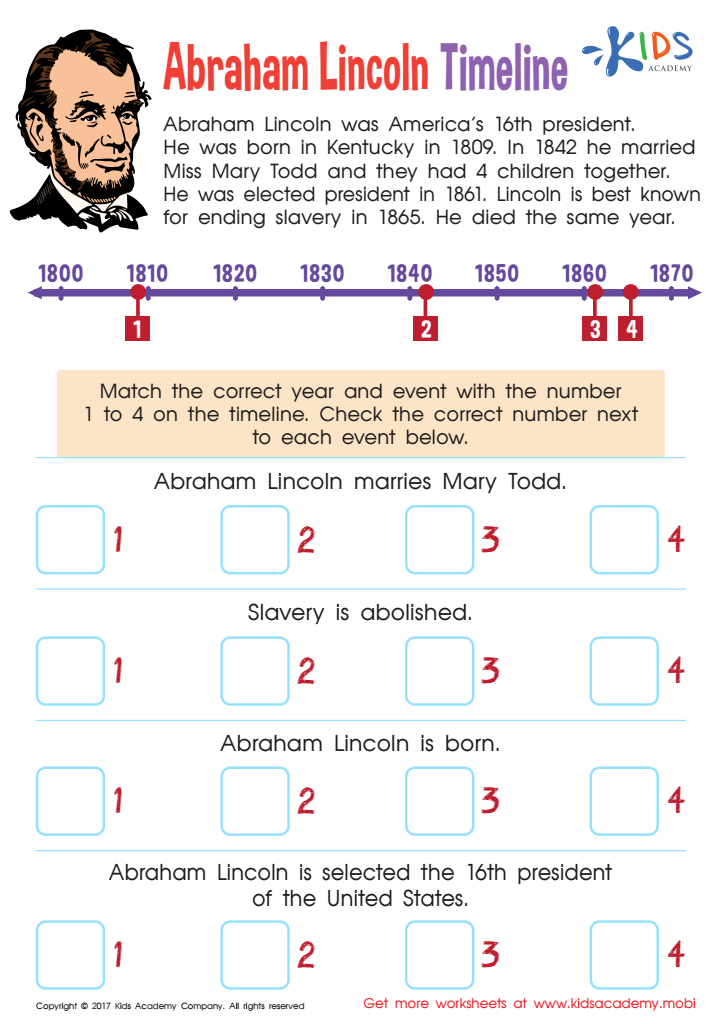
Abraham Lincoln Timeline Worksheet
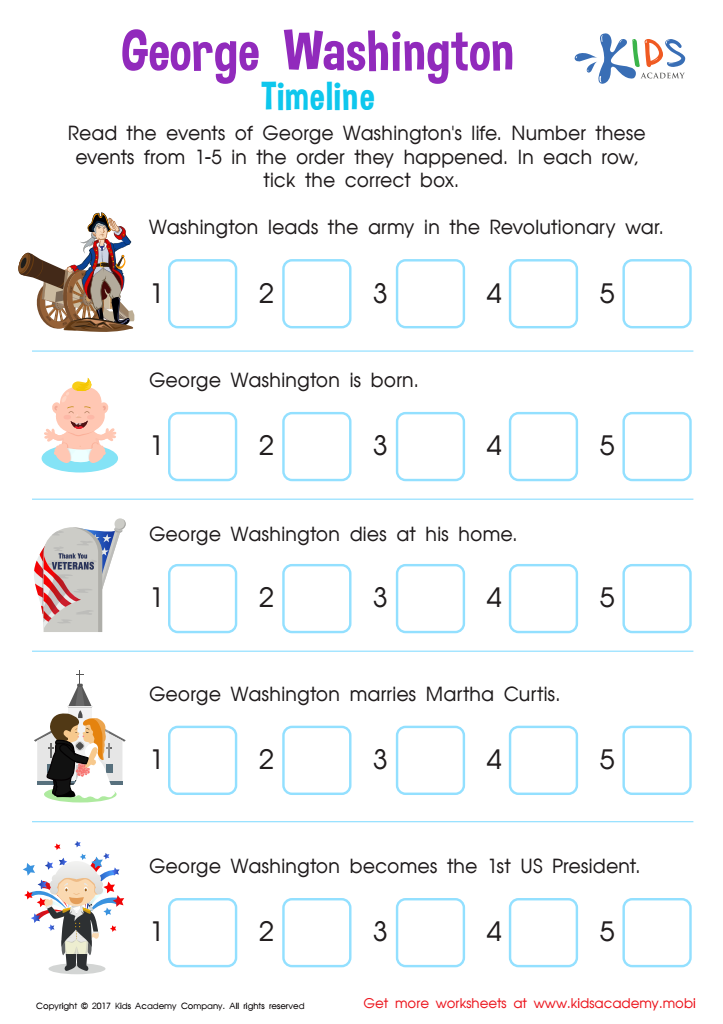
George Washington Timeline Worksheet
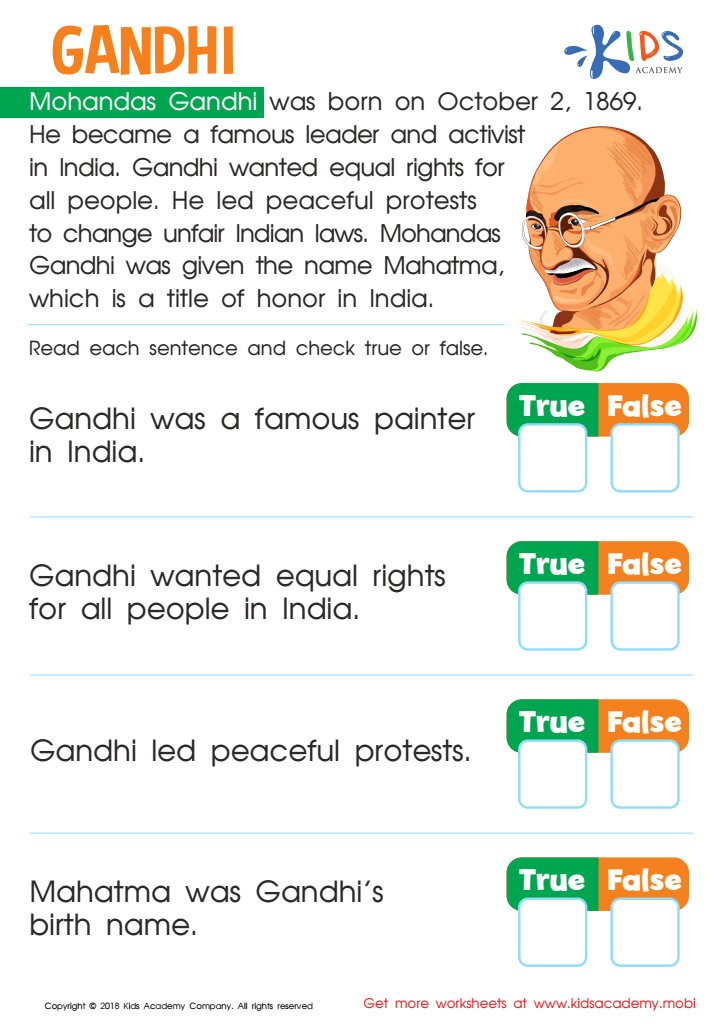
Gandhi Worksheet
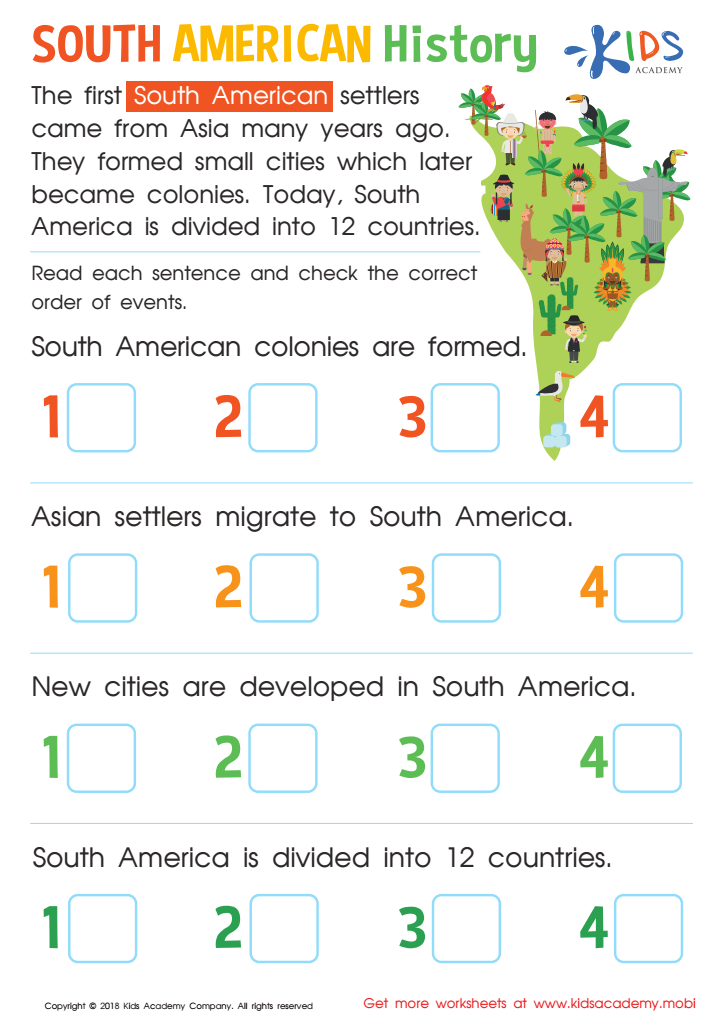
South American History Worksheet








Reading comprehension is essential for children ages 7-9 as it serves as the foundation for their overall academic success and critical thinking ability. During this developmental stage, children begin to move from learning to read, to reading to learn, making comprehension skills crucial for all subjects, including history. For parents and teachers, understanding the historical context within reading helps children relate to past events, societies, and cultures, enabling them to draw connections to the present.
Furthermore, nurturing comprehension skills allows children to engage more deeply with texts. It fosters independent thinking and creativity by empowering them to analyze characters, motivations, and historical significance. By integrating history into reading comprehension efforts, educators can equip young learners with the tools to interpret not only historical narratives but also the lessons and values embedded in them, fostering a sense of historical empathy.
Moreover, strong comprehension skills lay the groundwork for high literacy levels, impacting a child's confidence and enjoyment of reading. In an age where storytelling constructs much of our understanding of the world, helping children grasp these narratives will enrich their learning journeys and cultivate lifelong learners. Thus, prioritizing reading comprehension in history becomes a pivotal role for parents and teachers.