Color recognition Social Studies Worksheets for Ages 7-9
5 filtered results
-
From - To
Discover our engaging Color Recognition Social Studies Worksheets designed specifically for ages 7-9! These interactive resources help young learners develop essential color recognition skills while exploring their world. Through fun activities, students will identify colors in various cultural contexts, enhancing their understanding of diversity. Our worksheets combine educational content with lively illustrations, ensuring that kids stay engaged and motivated. Perfect for classroom use or home learning, these thoughtfully crafted worksheets encourage critical thinking and vibrant creativity. Help your child enjoy the journey of learning about colors in social studies and the significance of color in different cultures. Download and start today!

Happy Diwali Printable

Easter Holiday Printable

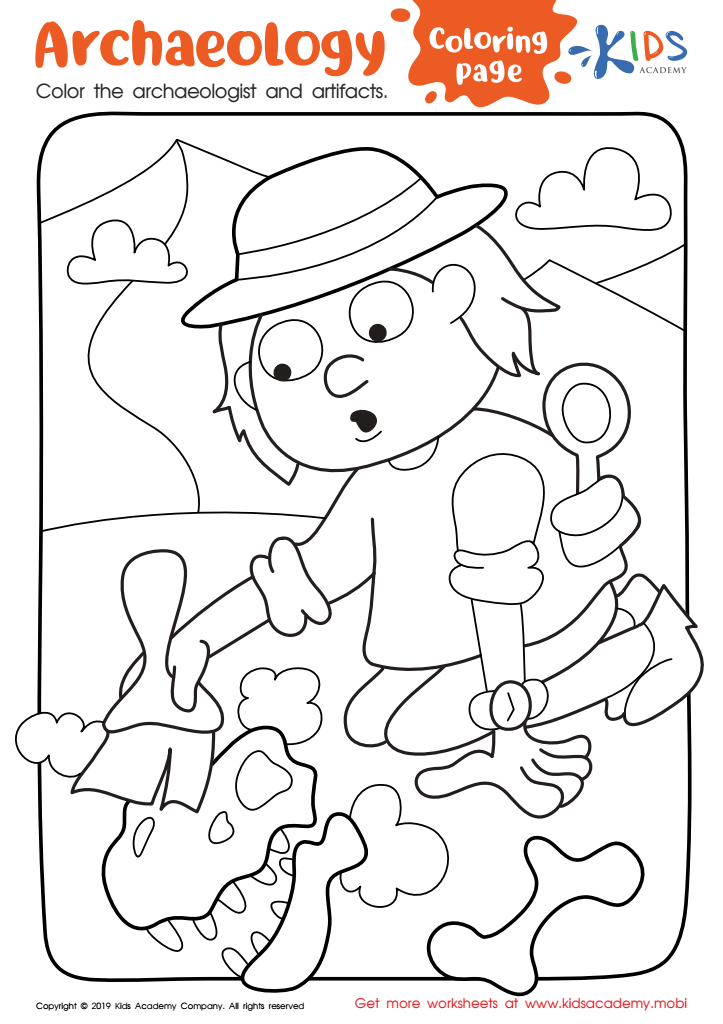
Archaelogy Coloring Page Worksheet
 Assign to My Students
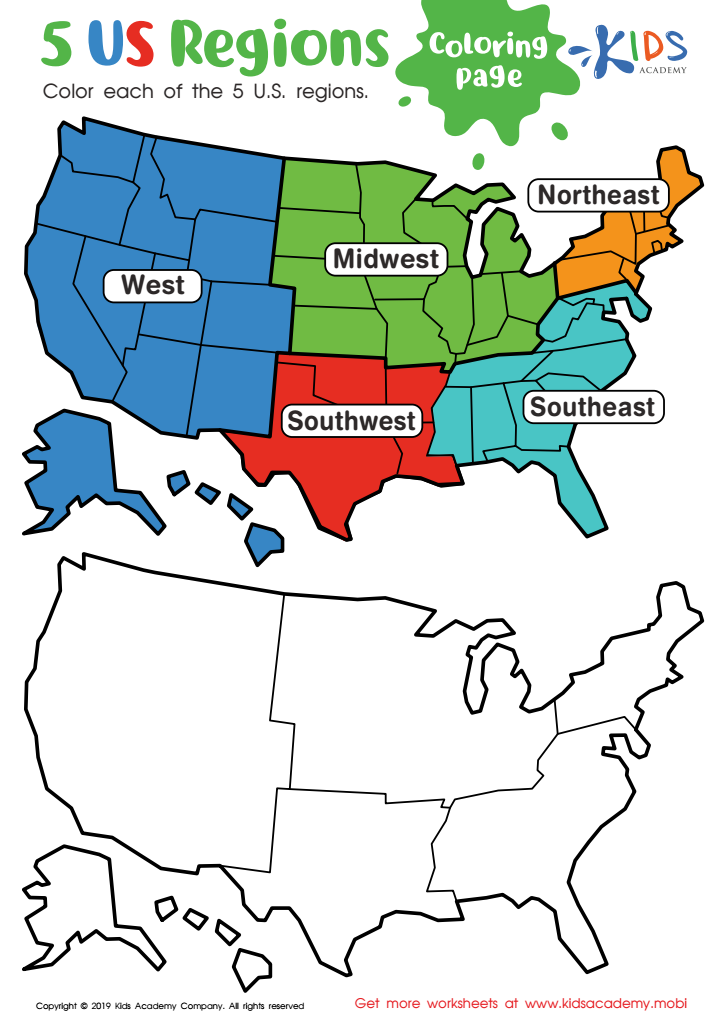
US Regions Coloring Page Worksheet
Assign to My Students








Color recognition is a crucial aspect of early childhood education, especially within the context of Social Studies for children aged 7-9. Understanding colors transcends mere identification; it enhances cognitive development and helps children make sense of the world around them. Colors are inherently tied to cultural symbolism, aiding students in grasping diverse societal norms and practices. When children learn about colors in Social Studies, they enrich their understanding of various themes such as geography, history, and community.
Moreover, color recognition aids in developing critical thinking skills. For instance, discussions around how different colors represent feelings, organizations, or nations can foster a richer dialogue about identity and belonging. Teachers and parents who emphasize color recognition can help children enhance their observational skills and attention to detail, both of which are vital for effective learning.
Additionally, engaging activities that involve colors can promote social interaction, collaboration, and communication among peers, thereby nurturing social skills. As children explore their surroundings through the lens of color, they build empathy and appreciation for diversity. Thus, color recognition serves not only as a foundational skill in education but also as a bridge to understanding the complex, colorful world of social relationships and cultural values. Encouraging it is invaluable for holistic development.