Problem-Solving Skills World Around Us Worksheets for Ages 7-9
7 filtered results
-
From - To
Explore our engaging "Problem-Solving Skills World Around Us Worksheets" designed specifically for children ages 7-9. These printable activities provide a fun and interactive way to enhance logical thinking and decision-making abilities. Covering real-world scenarios, the worksheets help children grasp essential skills such as critical thinking, creativity, and reasoning. Perfect for home or classroom use, our resources support kids in becoming confident problem-solvers while fostering a deeper understanding of the world around them. Encourage cognitive development and curiosity with our expertly crafted problem-solving worksheets for young learners. Download now from Kids Academy and watch your child thrive!
 Assign to My Students
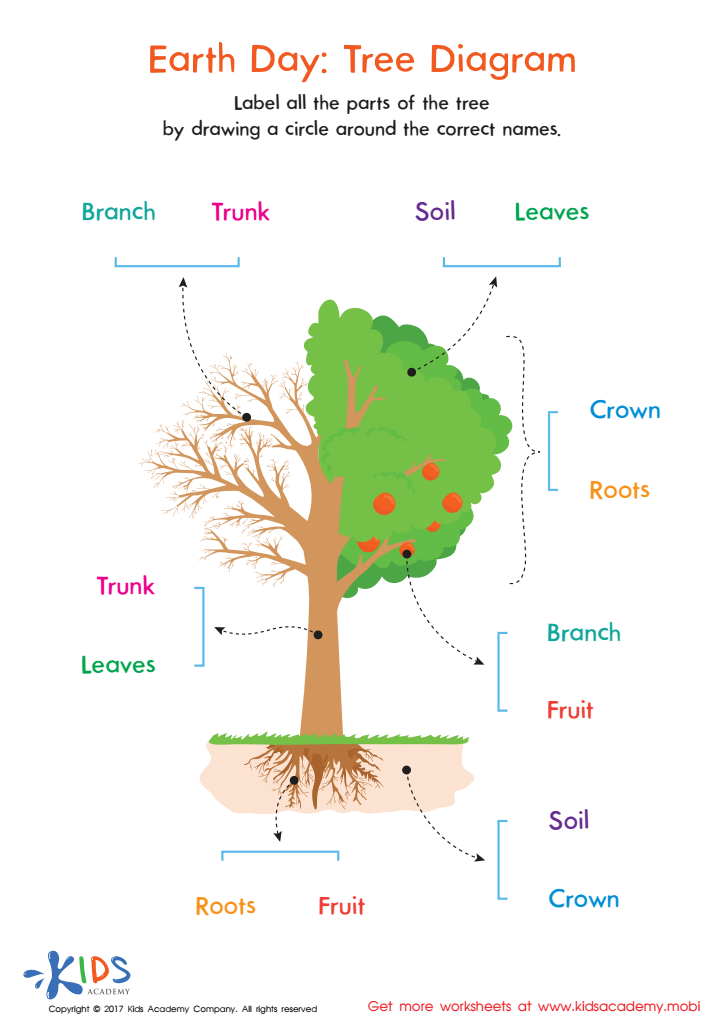
Earth Day: Tree Diagram Worksheet
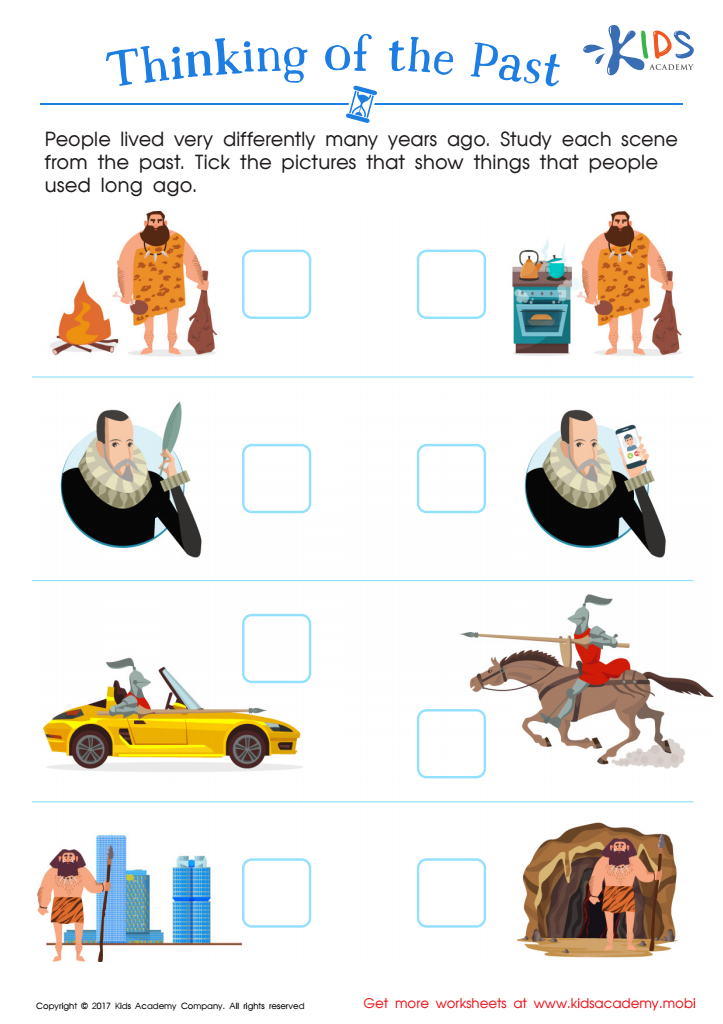
Thinking Past Printable
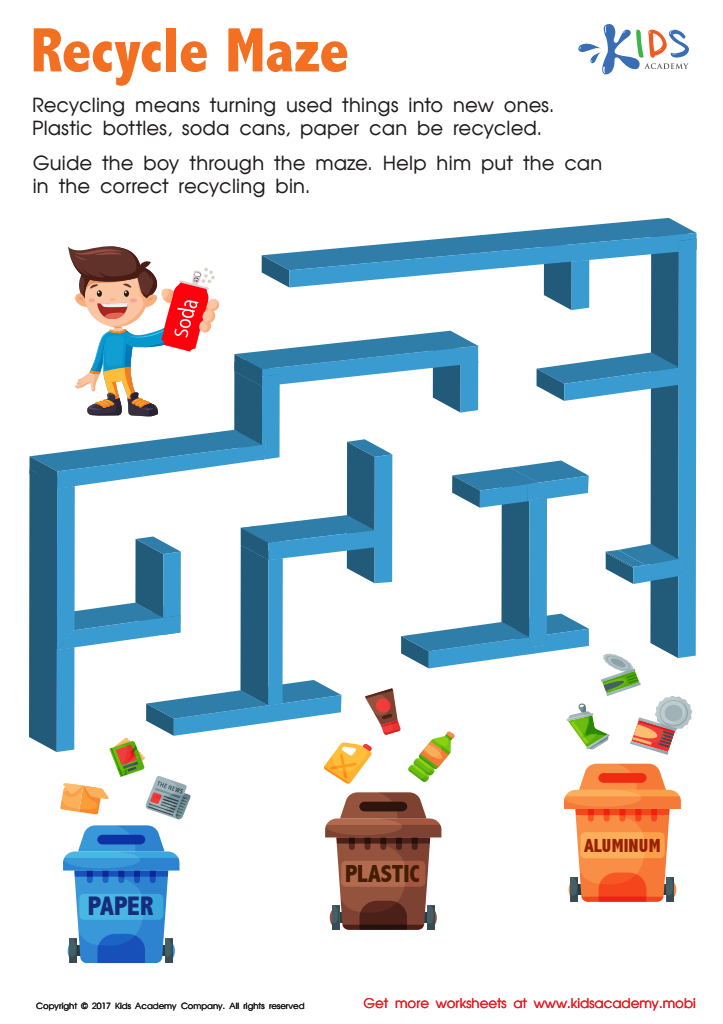
Recycle Maze Worksheet
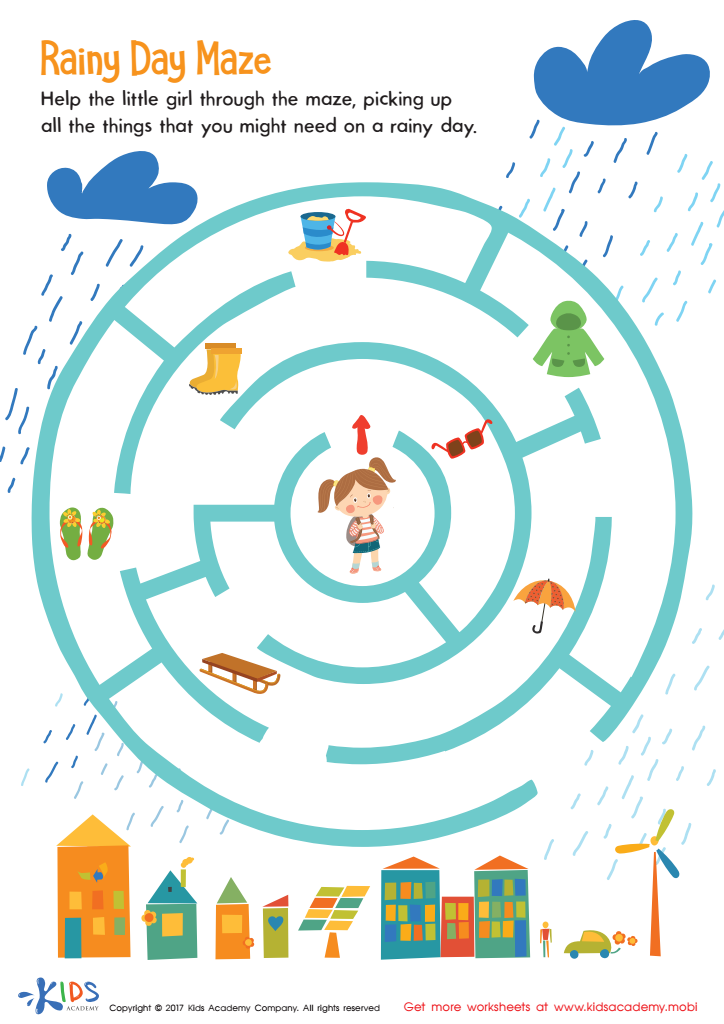
Rainy Day Maze Worksheet
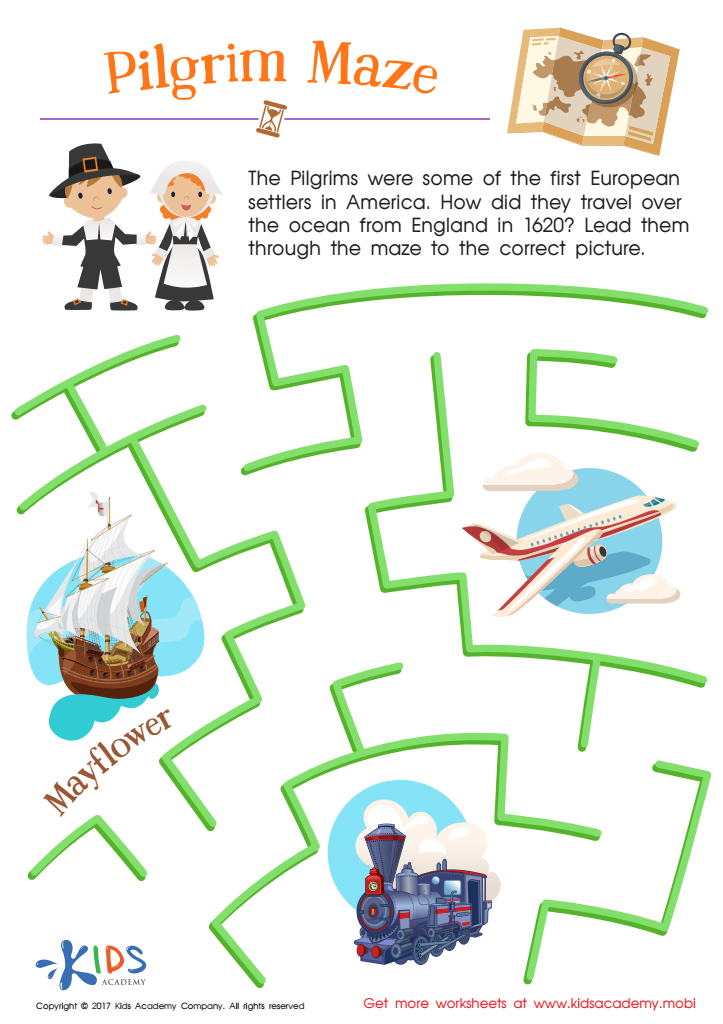
Pilgrim Maze Worksheet









Problem-solving skills are essential for young children, especially those aged 7-9, because this is a crucial developmental period where they establish foundational cognitive abilities. Cultivating these skills early on sets the stage for critical thinking, adaptability, and creativity in real-world situations. During this age, children's brains are highly receptive, making it an optimal time to introduce problem-solving techniques, which help them learn how to analyze situations, consider multiple solutions, and make informed decisions.
For parents, teaching problem-solving skills equips their children to independently handle challenges, fostering confidence and resilience. It also creates opportunities for meaningful interactions, as they guide their kids through everyday problems coherently, helping to strengthen their parent-child bonds. Teachers, on the other hand, play a pivotal role in integrating problem-solving into the curriculum. By doing so, they help students develop a love for learning and the ability to think outside the box. Classroom environments that encourage problem-solving can also boost collaboration among students, promoting social skills and empathy.
In summary, emphasis on problem-solving skills in early education molds children into autonomous thinkers and proficient learners, preparing them for more complex future endeavors. Both parents and teachers investing in these skills significantly enhance a child's overall developmental trajectory.