Understanding life cycles Plants and Animals Worksheets for 7-Year-Olds
6 filtered results
-
From - To
Explore the fascinating world of life cycles with our engaging worksheets designed specifically for 7-year-olds! Our "Understanding Life Cycles: Plants and Animals" resources provide children with vibrant activities that deepen their knowledge of how living organisms grow and change. Through fun illustrations and easy-to-follow prompts, kids will learn about the different stages of life in various plants and animals. These worksheets enhance critical thinking and observational skills while making science enjoyable. Perfect for home or classroom use, our materials promote interactive learning and encourage young explorers to connect with nature. Discover, learn, and grow with our worksheets today!
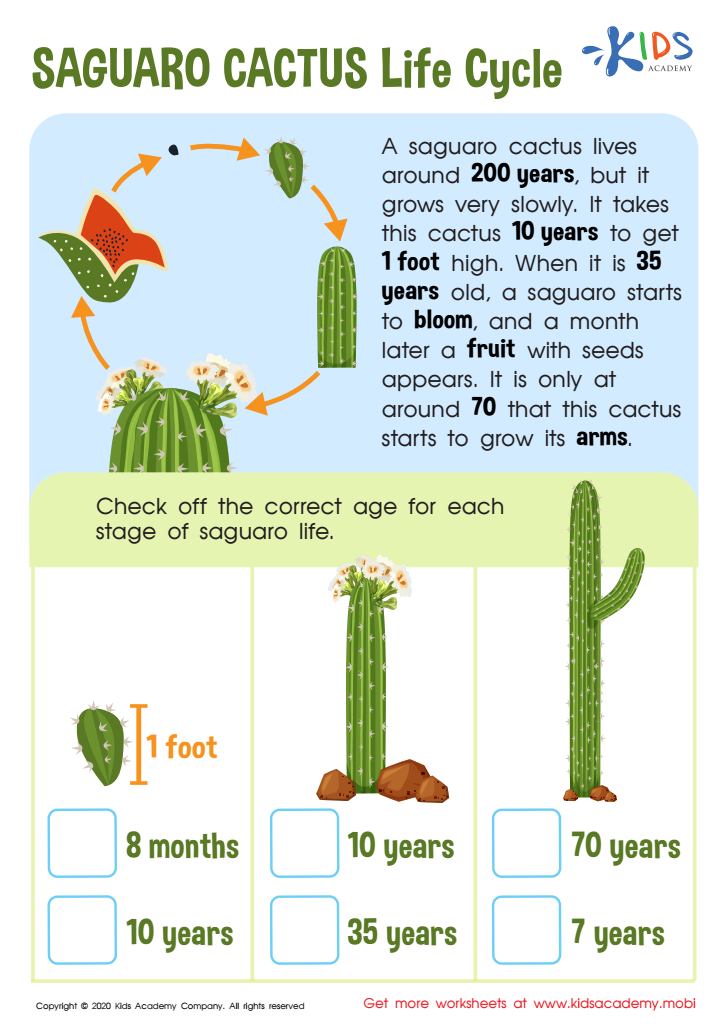
Saguaro Cactus Life Cycle Worksheet
 Assign to My Students











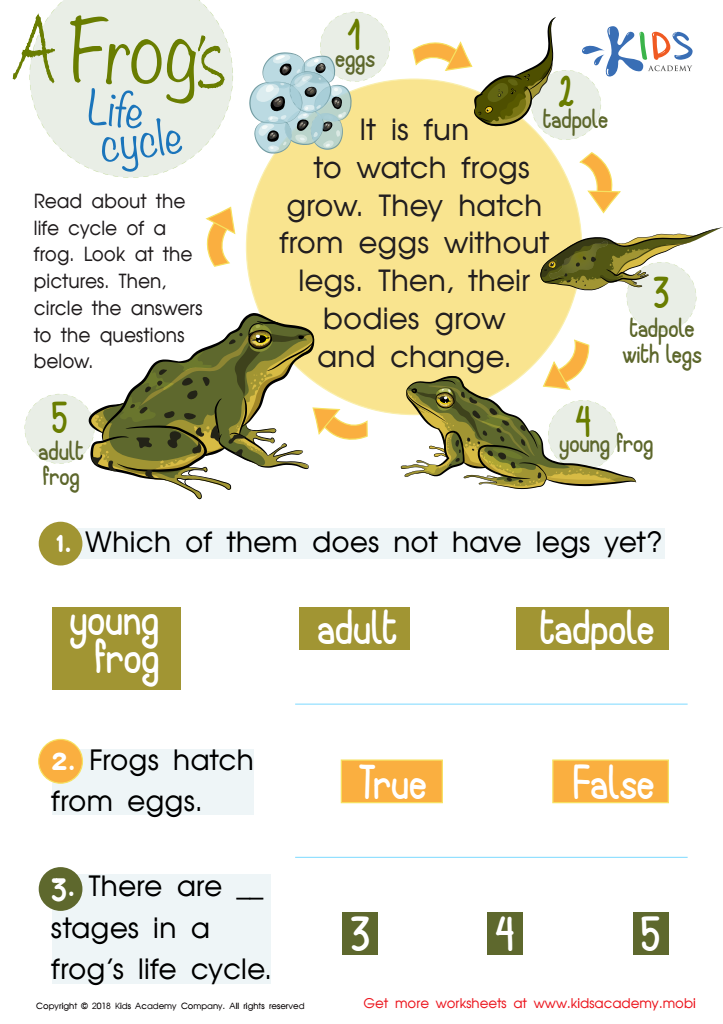
A Frog’s Life Cycle Worksheet
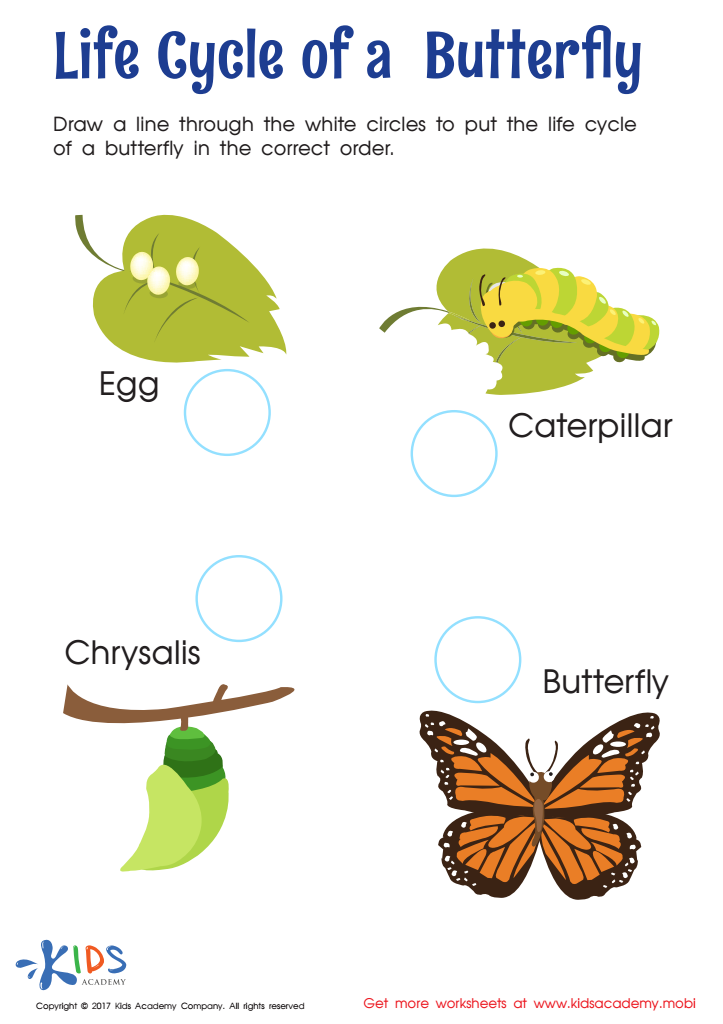
Life Cycle of Butterfly Worksheet
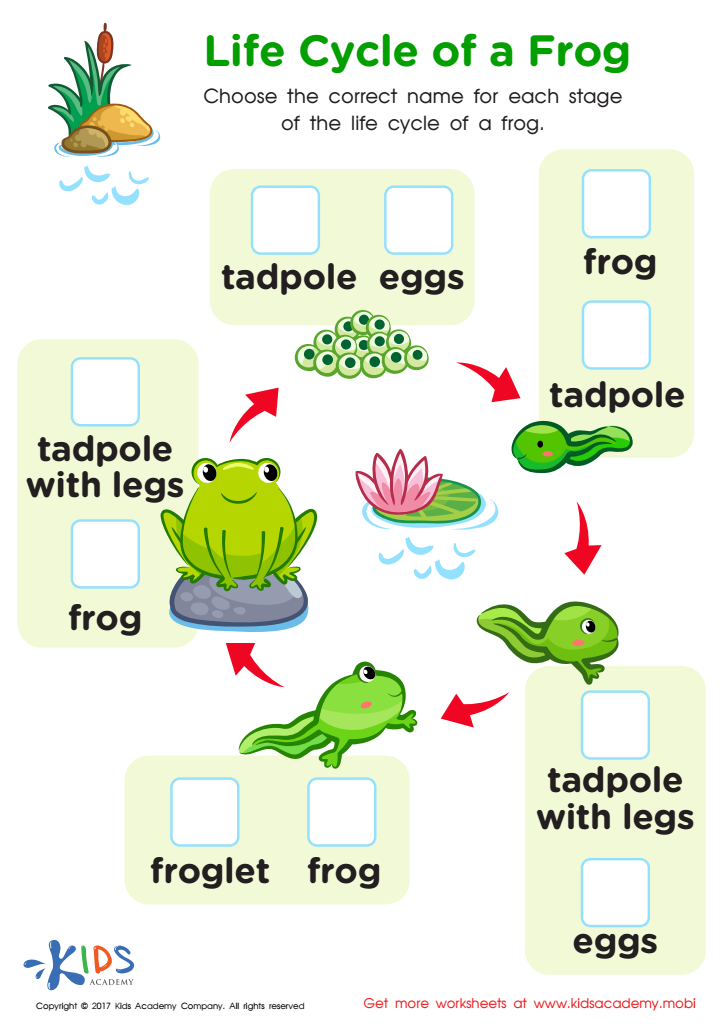
Life Cycle Frog Printable
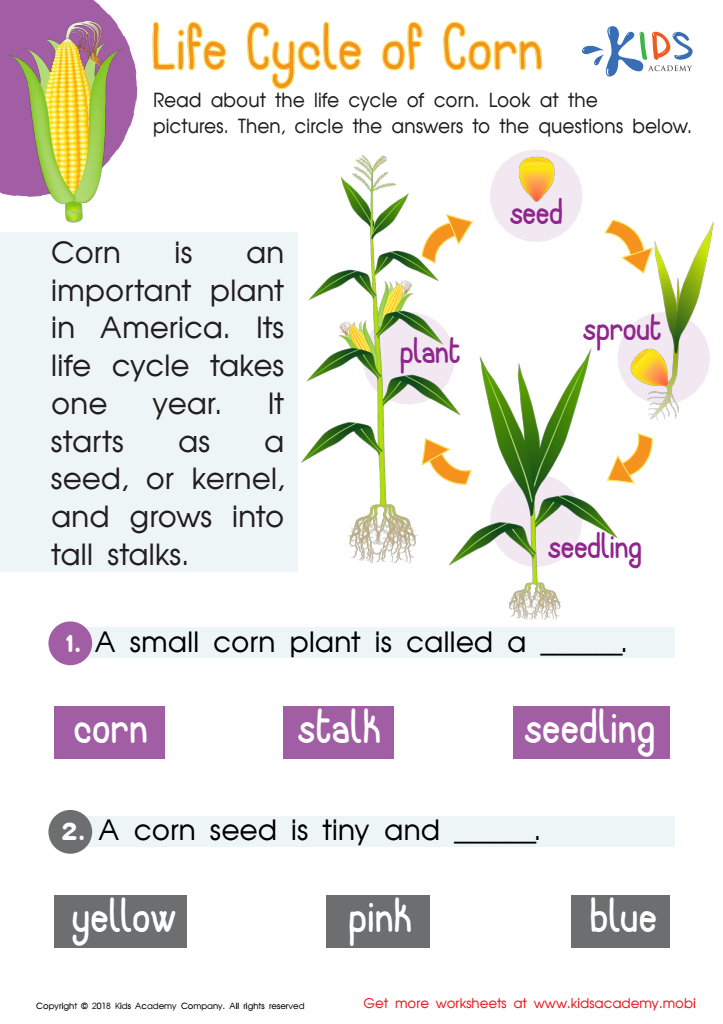
Life Cycle of Corn Worksheet
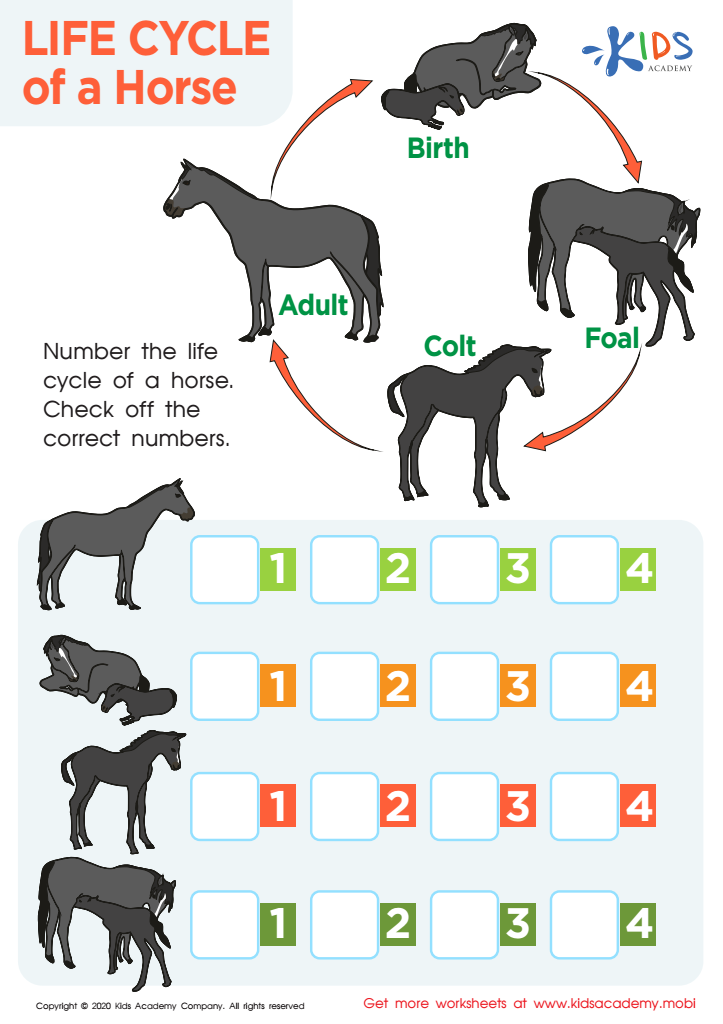
Life Cycle of a Horse Worksheet








Understanding life cycles of plants and animals is crucial for 7-year-olds as it lays the foundation for their scientific knowledge and fosters a deeper appreciation for nature. For parents and teachers, teaching this concept helps children develop critical thinking and observational skills. Life cycles help children learn about various stages of growth, from birth to maturity, and the processes involved, such as reproduction and adaptation.
Moreover, understanding life cycles encourages stewardship of the environment. As children learn how plants and animals depend on each other, they begin to appreciate the importance of biodiversity and ecosystems. This knowledge can instill a sense of responsibility towards nature, fostering an early appreciation for conservation efforts.
Additionally, life cycles can integrate interdisciplinary learning, connecting topics from science, math, and even art. This approach promotes holistic learning, making it engaging and enjoyable. Furthermore, discussing life cycles provides a perfect opportunity for deeper conversations about change, growth, and the interconnectedness of life, resonating with children's curiosity about the world around them. By focusing on life cycles, parents and teachers not only enhance academic learning but also nurture emotionally intelligent and environmentally conscious future generations.








