Fine Motor Skills Letter I Worksheets for Ages 8-9
3 filtered results
-
From - To
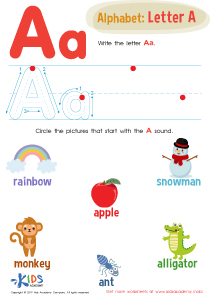
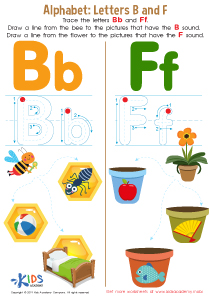
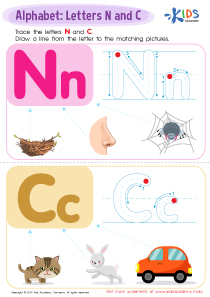
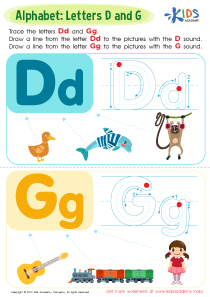
Enhance your child's fine motor skills with our engaging "Letter I Worksheets" designed for ages 8-9. These printable activities are carefully crafted to reinforce letter formation while offering exercises that boost dexterity, hand-eye coordination, and muscle strength. Each worksheet features fun, interactive tasks that make learning enjoyable, such as tracing, cutting, and coloring around the letter I. Perfect for both classroom and home use, these worksheets provide a balanced blend of education and creativity, ensuring your child develops essential skills needed for writing and future academic success. Explore our collection today and give your child a hands-on learning experience!
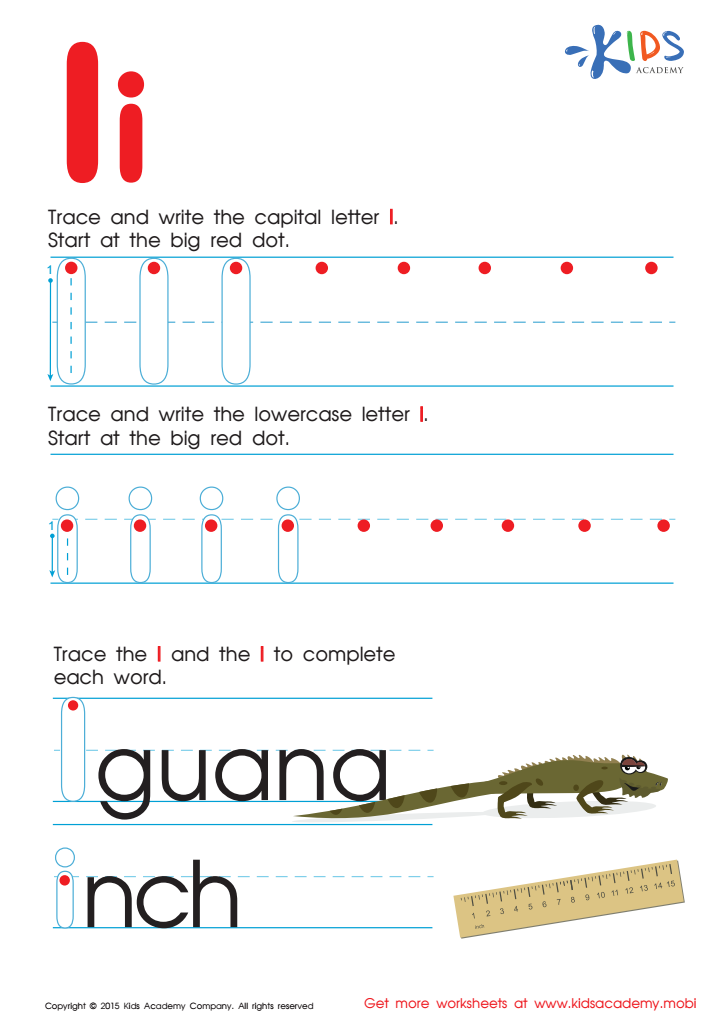
Letter I Tracing Page
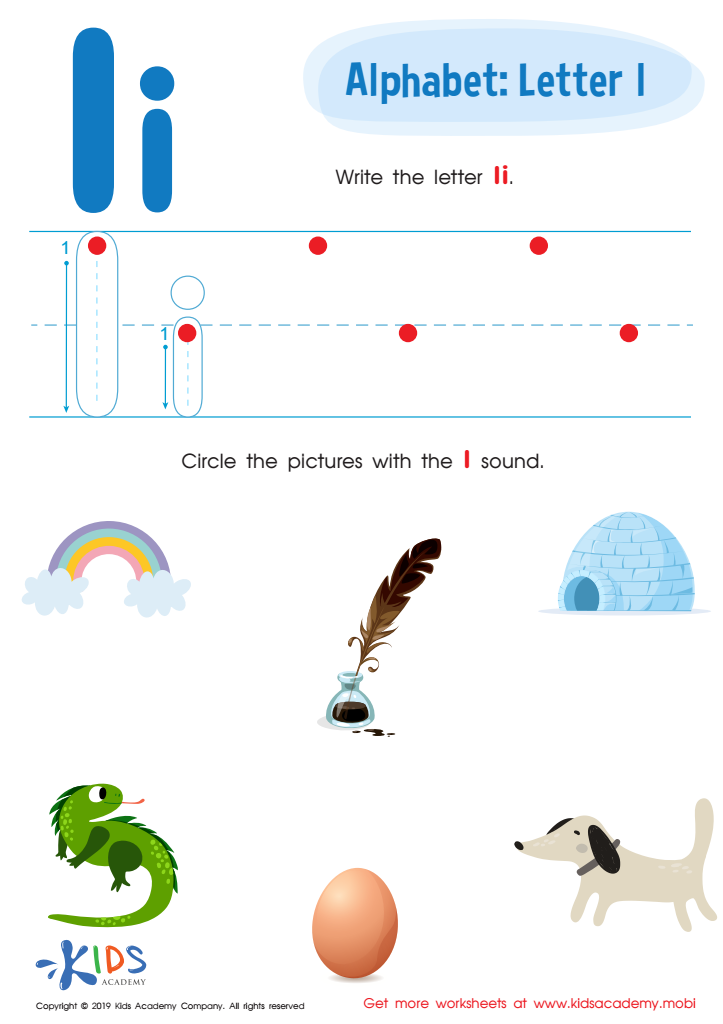
Letter I Tracing Worksheet
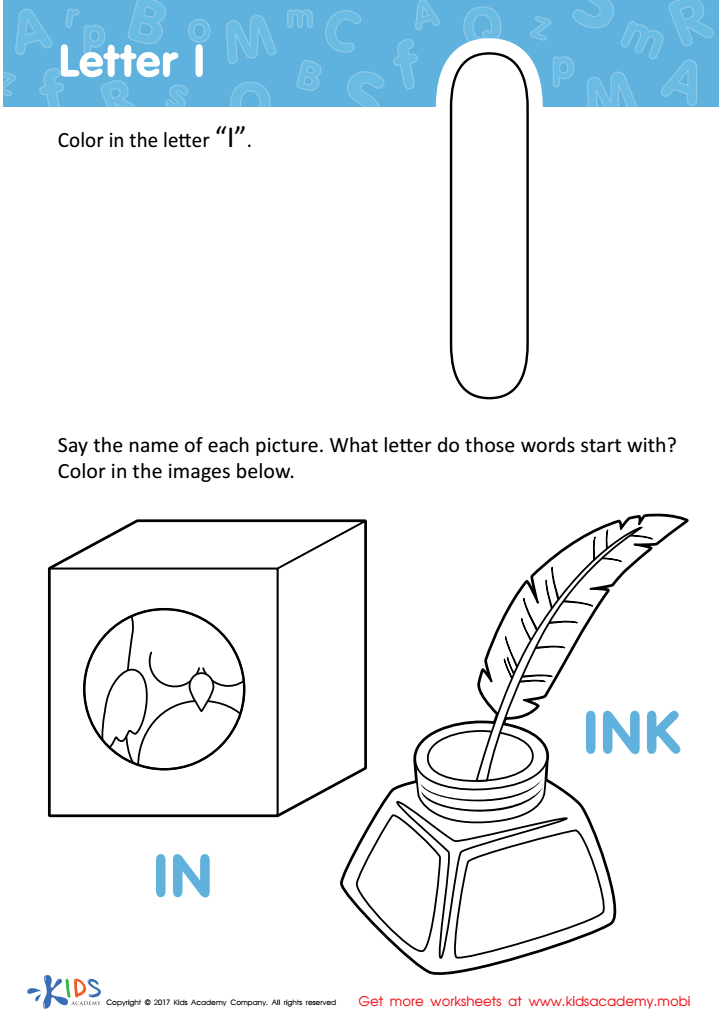
Letter I Coloring Sheet
 Assign to My Students







Fine motor skills involve the use of small muscles in the hands, fingers, and wrists and are essential for performing tasks such as writing, typing, and buttoning clothes. By the age of 8-9, children are expected to have developed a solid foundation of these skills, as they impact academic performance and everyday activities. Focusing on fine motor skills, particularly when learning letters like 'I', is crucial for several reasons.
First, the letter 'I' incorporates vertical lines which are basic yet pivotal in handwriting. Practicing it helps in mastering pencil control and hand-eye coordination. Improved pencil grip and controlled movement translate to neater handwriting, which is vital for legibility and overall academic success.
Second, fine motor skill development fosters independence. Children with refined motor skills can perform personal tasks like zipping jackets or tying shoelaces, boosting their confidence and self-reliance.
Third, these skills correlate with cognitive development. Engaging in fine motor activities stimulates brain areas involved in planning, attention, and spatial awareness, thereby enhancing overall cognitive functions.
Parents and teachers should prioritize fine motor skills because they fundamentally support a child's ability to express their ideas on paper, accomplish daily tasks independently, and thrive in both academic and social environments. Providing targeted activities for fine motor development, such as forming the letter 'I', will yield long-term benefits for children's growth and confidence.