Phonics Skills Vowel Diphthongs Worksheets for Ages 8-9
8 filtered results
Difficulty Level
Grade
Age
-
From - To
Subject
Activity
Standards
Discover engaging Phonics Skills Vowel Diphthongs Worksheets tailored for children ages 8-9! These worksheets provide a fun and interactive way to enhance phonics understanding through vowel diphthongs. Designed to develop reading and spelling skills, our resources are perfect for reinforcing classroom learning or supporting at-home education. Each worksheet features colorful illustrations and captivating exercises that challenge students to identify, practice, and apply diphthong sounds. By transforming learning into an enjoyable experience, our worksheets encourage kids to build confidence and excel in language arts. Start exploring our exciting worksheets today and empower your child's literacy journey!
Favorites
With answer key
Interactive
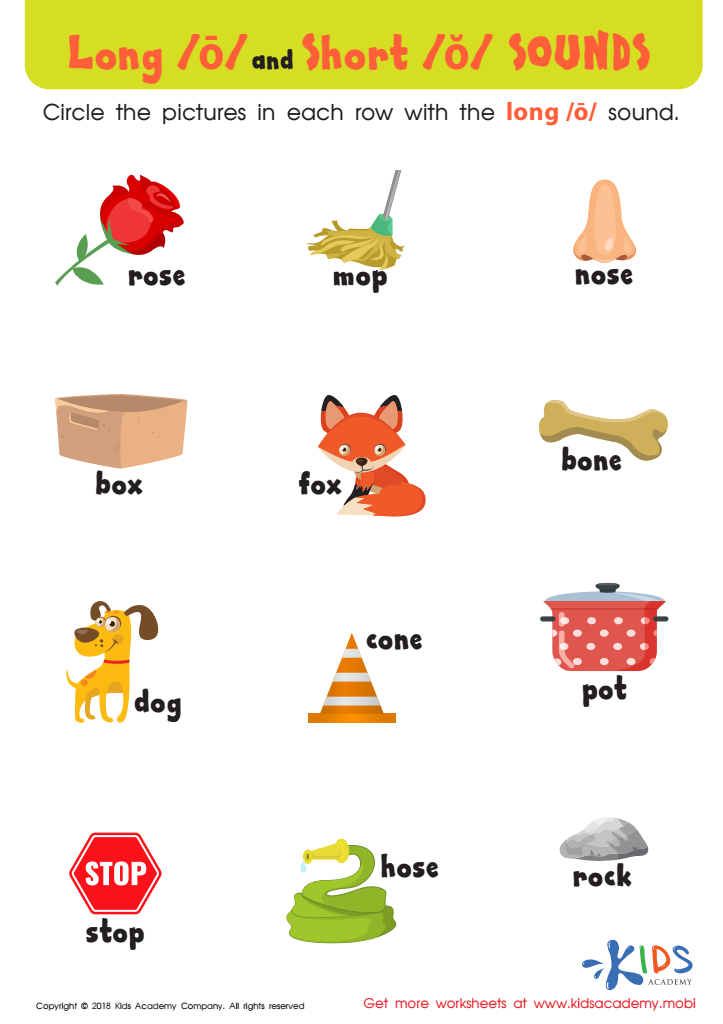
Reading: Long O and Short O Sounds Worksheet
Students practice distinguishing between short and long O sounds with this reading worksheet. They sound out each word, then circle the pictures with the long O sound. Perfect for individual practice or to work with peers! Improves understanding of this skill and helps avoid confusion.
 Assign to My Students
Reading: Long O and Short O Sounds Worksheet
Worksheet
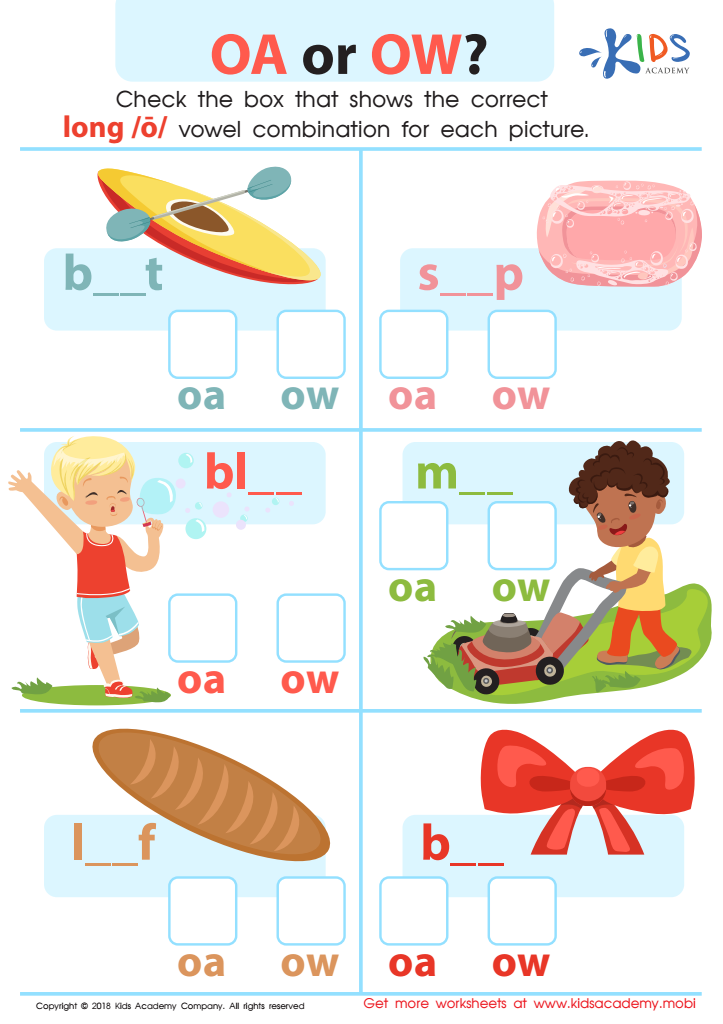
Reading: OA or OW Worksheet
This printable worksheet helps young and emergent readers with decoding words and understanding digraphs (two letters with one sound). It requires students to complete the spelling for each word based on the picture, focusing on /oa/ and /ow/ spellings. It's ideal for a reading classroom and for spelling practice.
Reading: OA or OW Worksheet
Worksheet
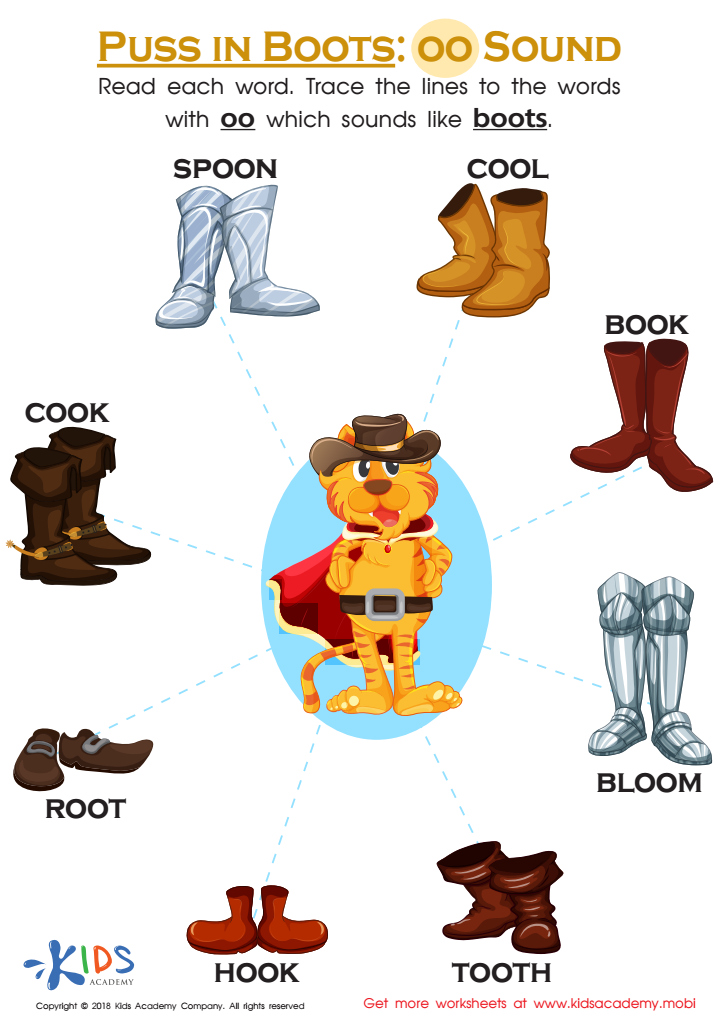
Puss in Boots: OO Sound Worksheet
Read out the words in this printout with the correct pronunciation. Have your child repeat each word after you. Then have them read the words and identify the ones with the "oo" sound. Guide their hands as they trace the lines to the right words.
Puss in Boots: OO Sound Worksheet
Worksheet
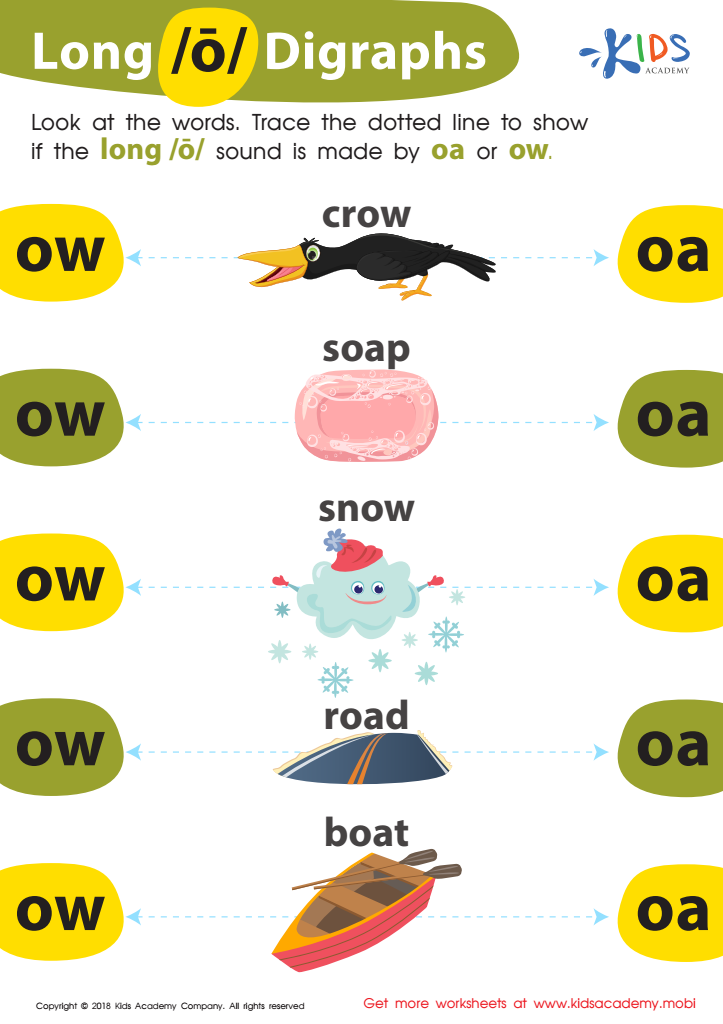
Reading: Long O Digraphs Worksheet
Reading and decoding words can be complex for learners when they start studying digraphs, two letters that make one sound. This worksheet focuses on the long O sound, /oa/ and /ow/. With the understanding of digraphs, students can decode more words and build their reading confidence.
Reading: Long O Digraphs Worksheet
Worksheet
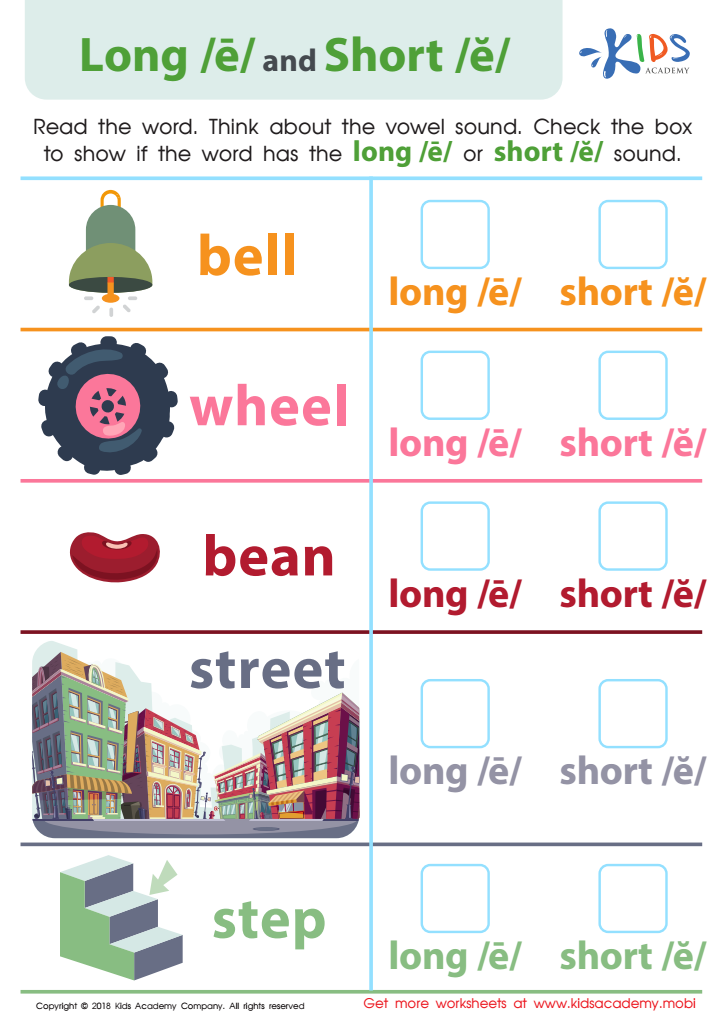
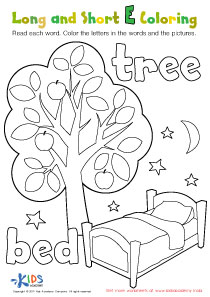
Reading: Long E and Short E Worksheet
Provide your students with valuable practice in distinguishing long and short E sounds with this worksheet. They'll look at pictures and read the words, then decide which sound is being used. It's an effective tool to help them master a difficult concept.
Reading: Long E and Short E Worksheet
Worksheet
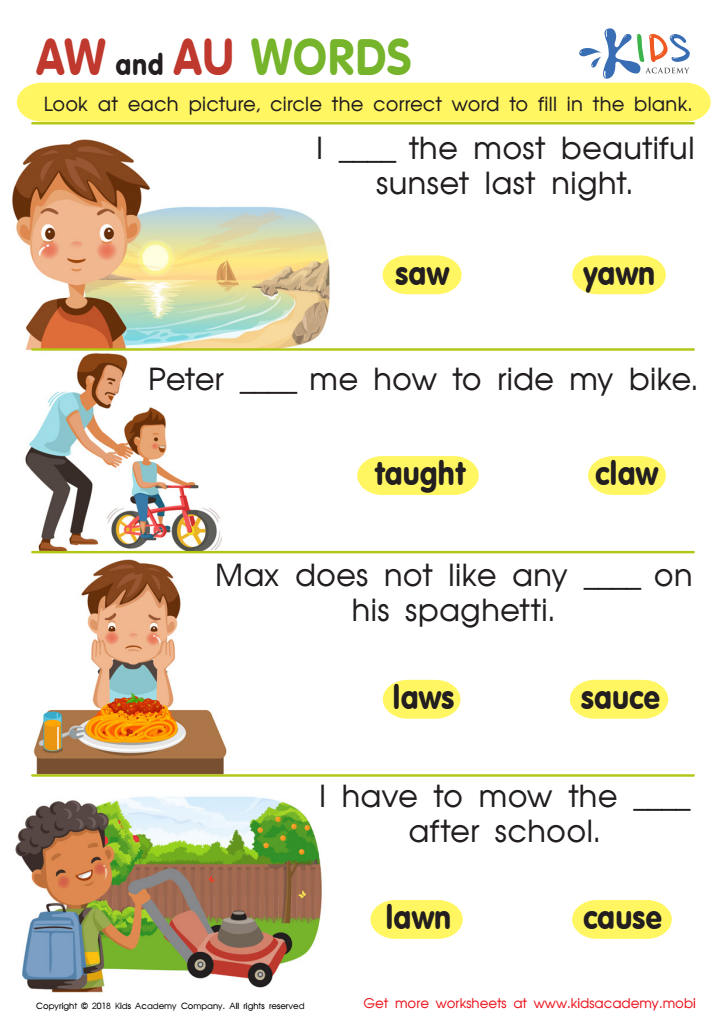
Reading: AW and AU Words Worksheet
This worksheet helps kids recognize that /au/ and /aw/ can make the same sound. Students read sentences and pick the correct word with one of the digraphs. Understanding digraphs improves decoding and reading fluency. Perfect for reading and phonics classes.
Reading: AW and AU Words Worksheet
Worksheet
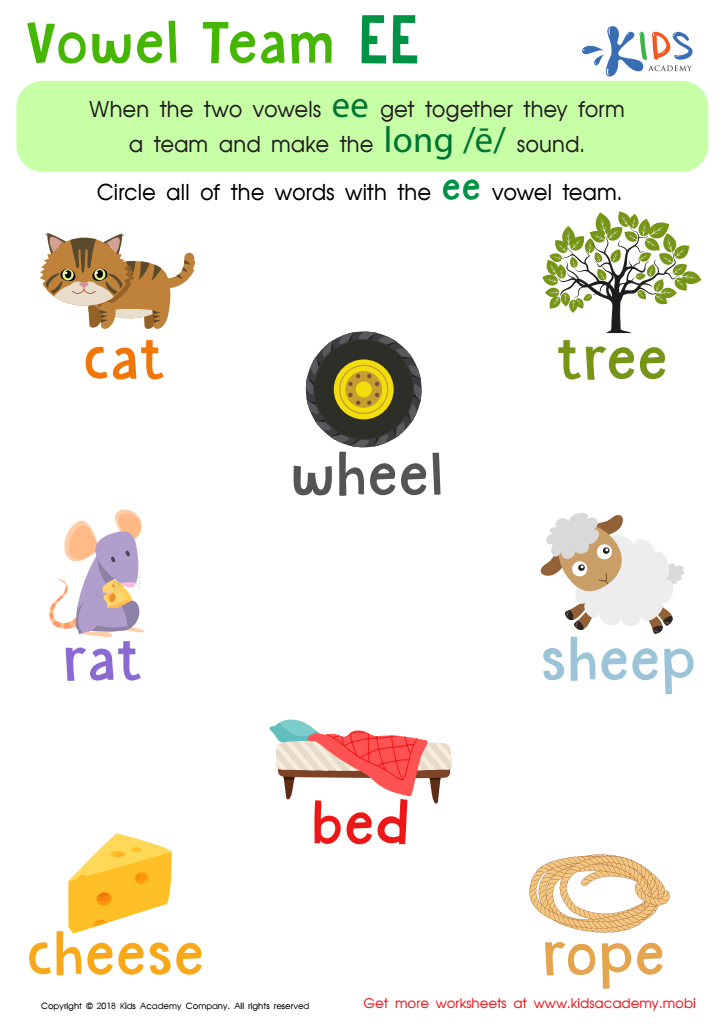
Reading: Vowel Team EE Worksheet
This worksheet is perfect for helping young learners master the /ee/ vowel team. It shows the first vowel with a long sound and the second vowel silent. It also provides pictures for unfamiliar words for readers of all levels. It's an ideal resource for teaching phonics skills.
Reading: Vowel Team EE Worksheet
Worksheet
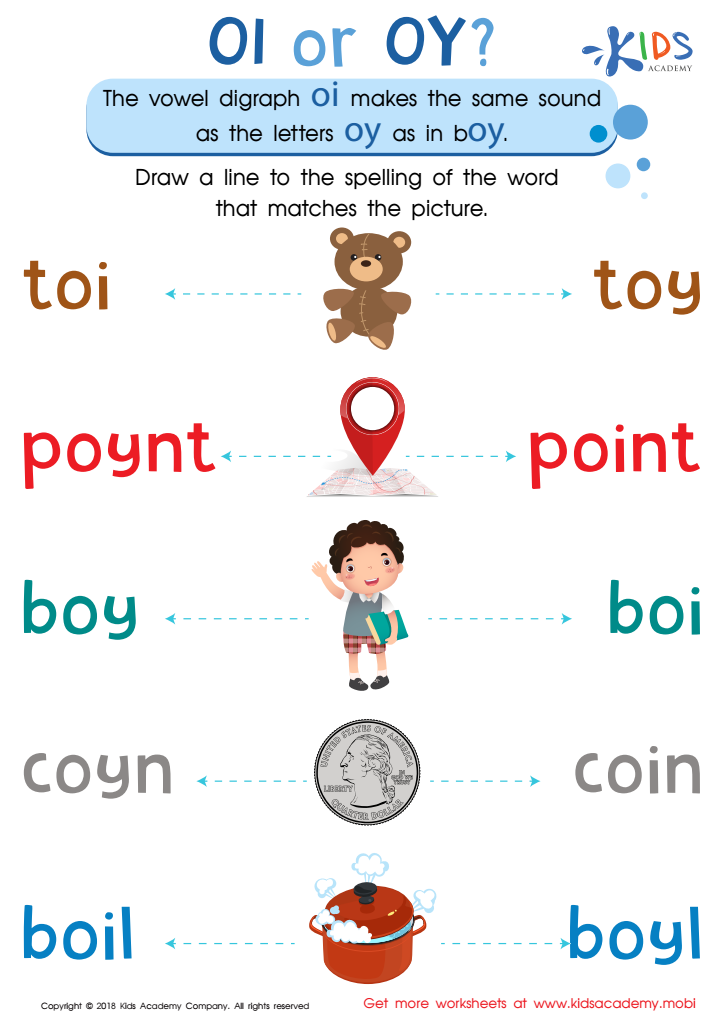
Reading: OI and OY Worksheet
Ask your students if they know the rule for words with /oi/ or /oy/ sound. If not, it's easy to learn! Rule: If /oy/ at end of word, spell with 'oy'; if /oi/ in middle of word, spell with 'oi'. Use this worksheet to help them master these digraphs and improve their ability to decode.
Reading: OI and OY Worksheet
Worksheet
Join Kids Academy for Free
Who is primarily going to use this learning content?


Phonics skills, particularly vowel diphthongs, are essential for children aged 8-9 as they constitute a crucial part of reading and language development. At this age, children begin to tackle more complex texts, and understanding diphthongs – combinations of two vowel sounds within the same syllable – greatly enhances their decoding abilities. Effective phonics instruction enables students to recognize and pronounce unfamiliar words, fostering fluency and confidence in their reading.
Moreover, proficient grasp of vowel diphthongs supports spelling skills. When children learn to identify diphthongs, they are better equipped to spell words accurately, as these sounds often feature in many vocabulary commonly encountered at this age. This foundational knowledge contributes to their overall literacy development, helping to cultivate a love for reading and writing.
Additionally, phonics skills can significantly impact students' academic performance across subjects. When children's reading improves, they can better comprehend math problems, science texts, and literature, leading to increased engagement and success. Therefore, both parents and teachers should prioritize phonics instruction, emphasizing vowel diphthongs, to ensure children develop the necessary skills for independent learning and future academic achievements. By nurturing these abilities, adults play a pivotal role in equipping children for lifelong success.