Number Recognition English for Beginners Worksheets for Ages 8-9
12 filtered results
-
From - To
Welcome to our Number Recognition English for Beginners Worksheets designed specifically for children aged 8-9! These engaging resources are perfect for helping young learners develop crucial number skills while enhancing their English vocabulary. With a variety of interactive activities, including matching, counting, and tracing exercises, children will practice recognizing numbers in both written and visual formats. Our worksheets are tailored to meet the needs of ESL learners, making learning fun and accessible. Ideal for classroom settings or homeschooling, these printable materials will foster confidence in number recognition while supporting language development. Start the journey toward numerical fluency and language mastery today!
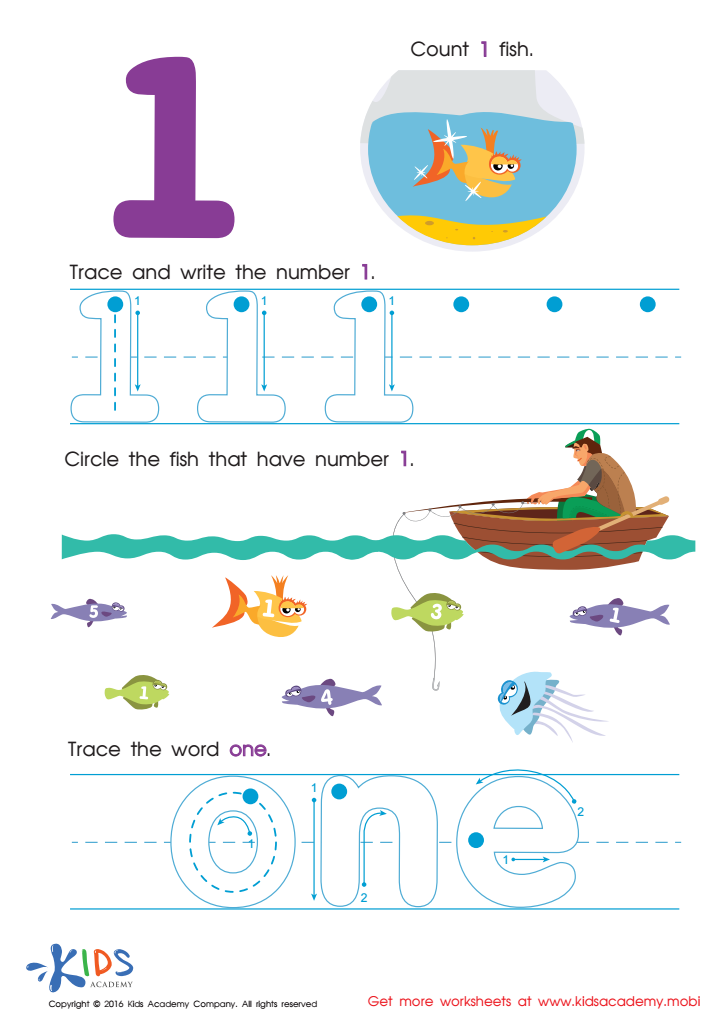
Learning to Write 1 Worksheet
 Assign to My Students
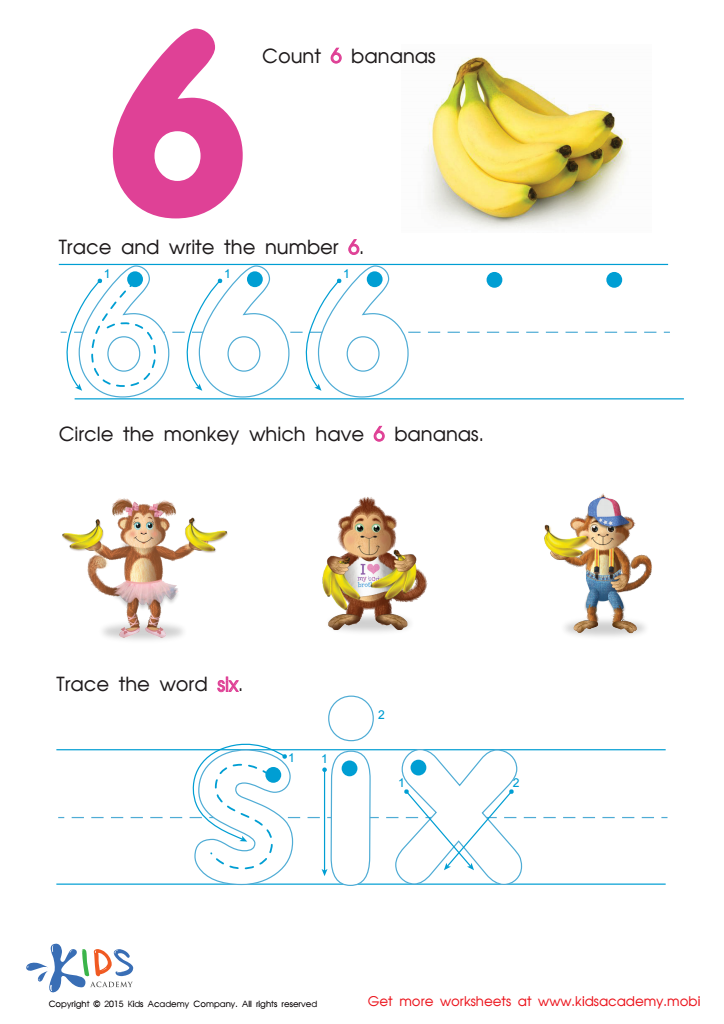
Tracing And Writing Number 6 Worksheet
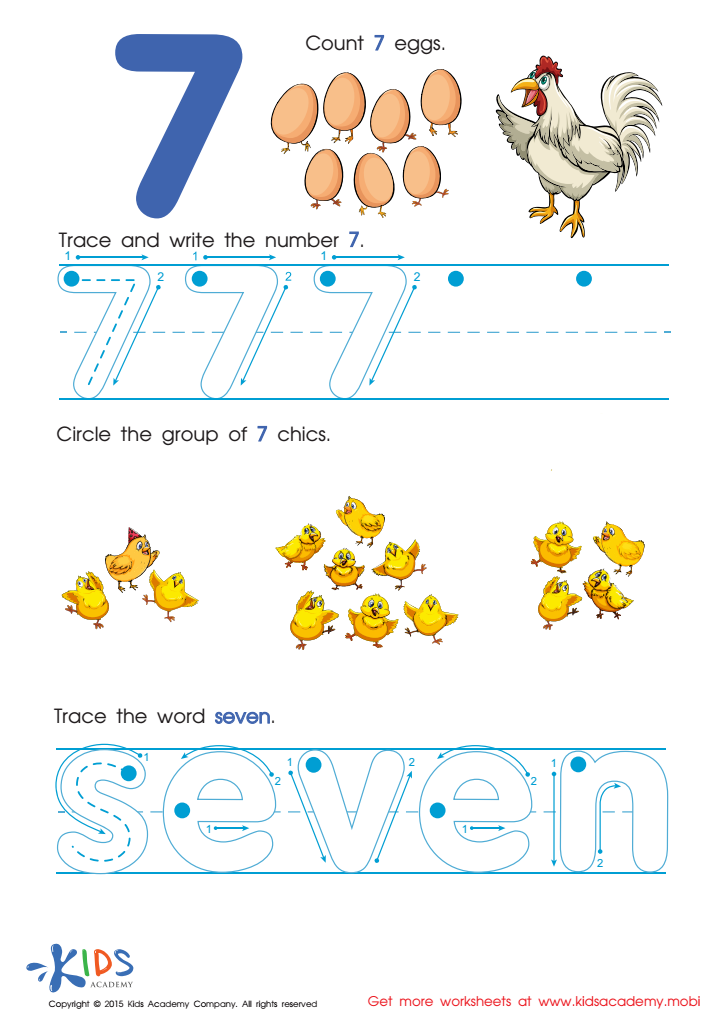
Trace And Write Number 7 with Fun Worksheet
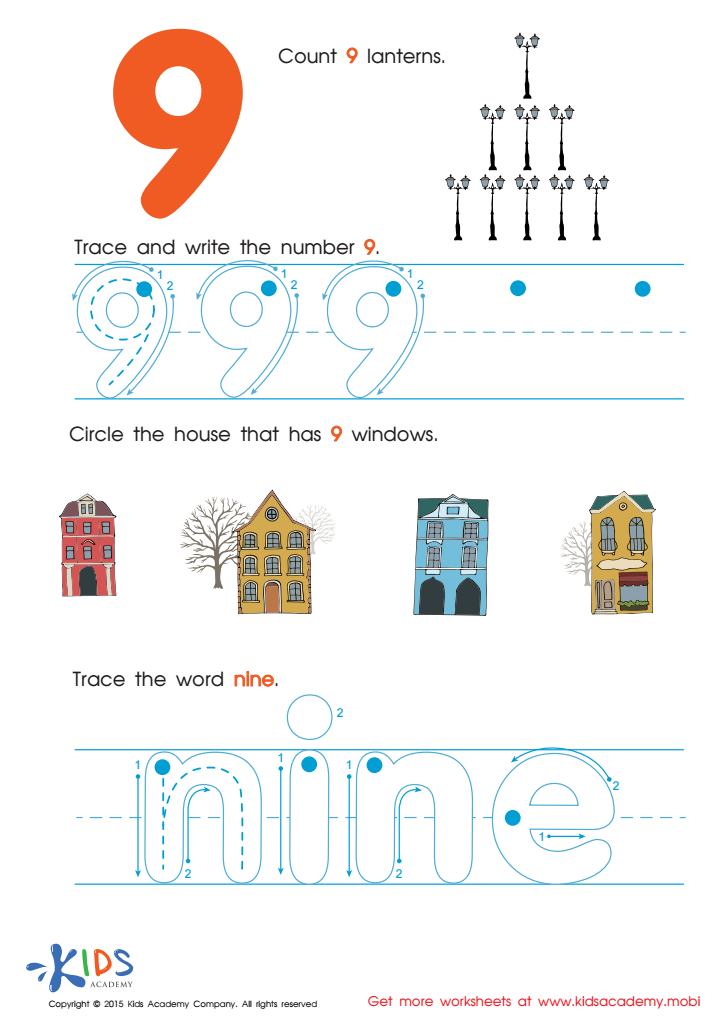
Tracing And Learning to Write Number 9 Worksheet
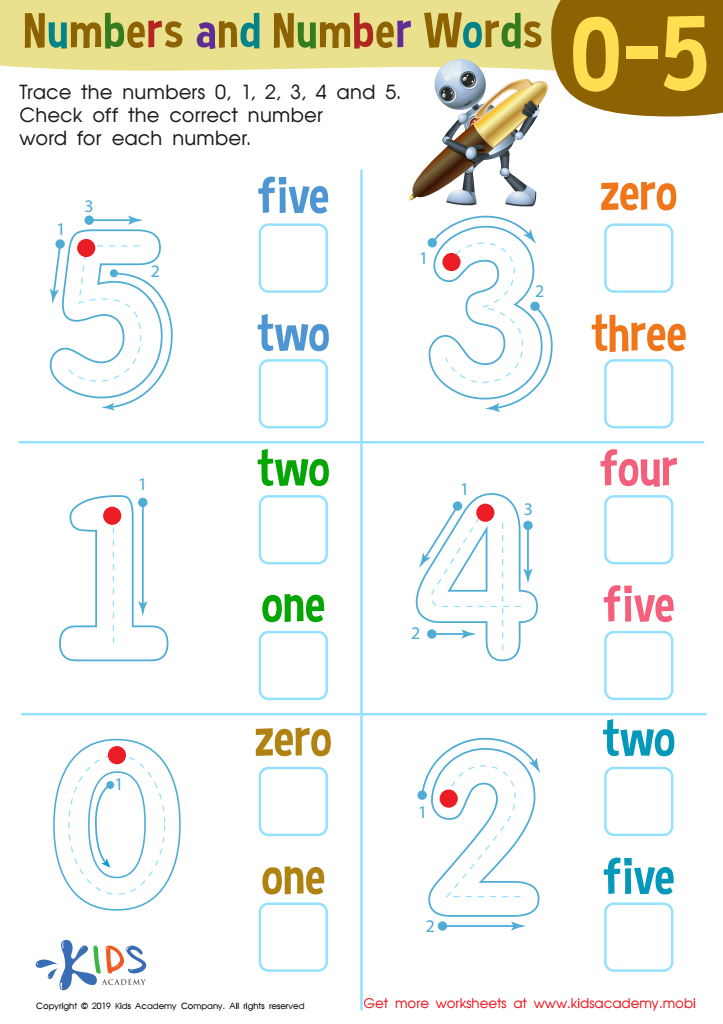
Numbers and Number Words Worksheet
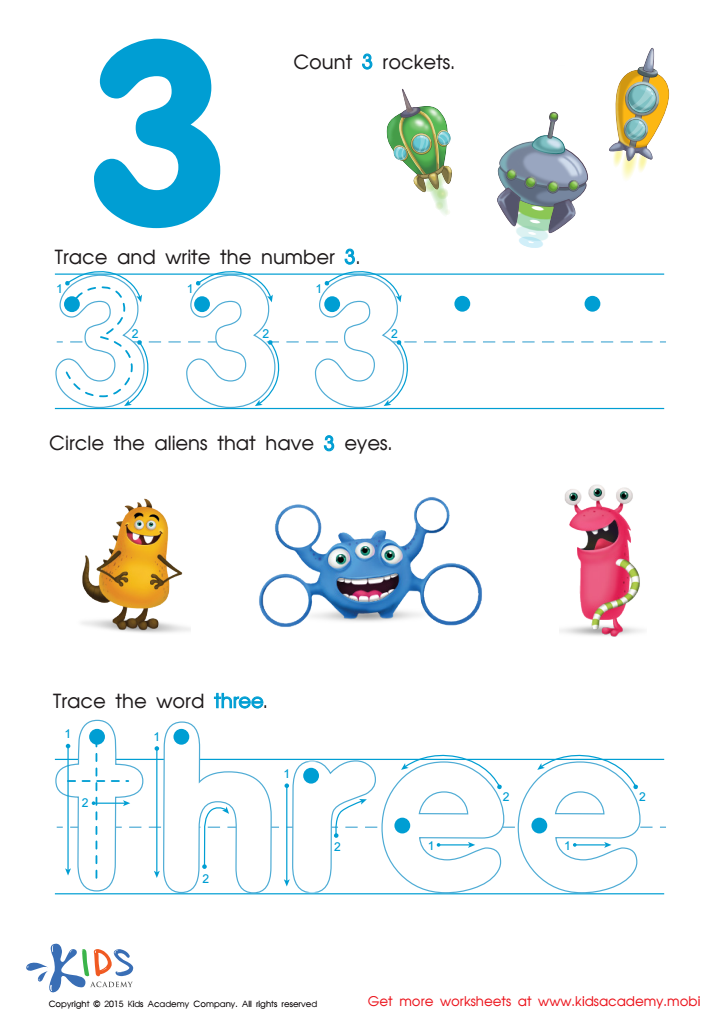
Learning Number Three Worksheet
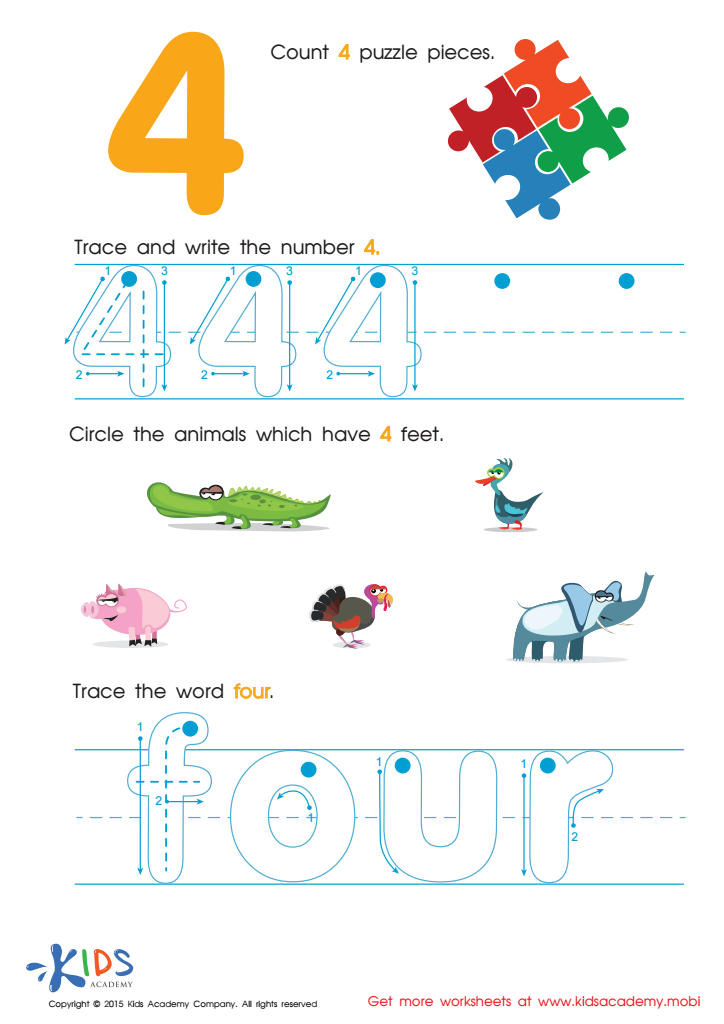
Teaching Children to Write Number 4 Worksheet
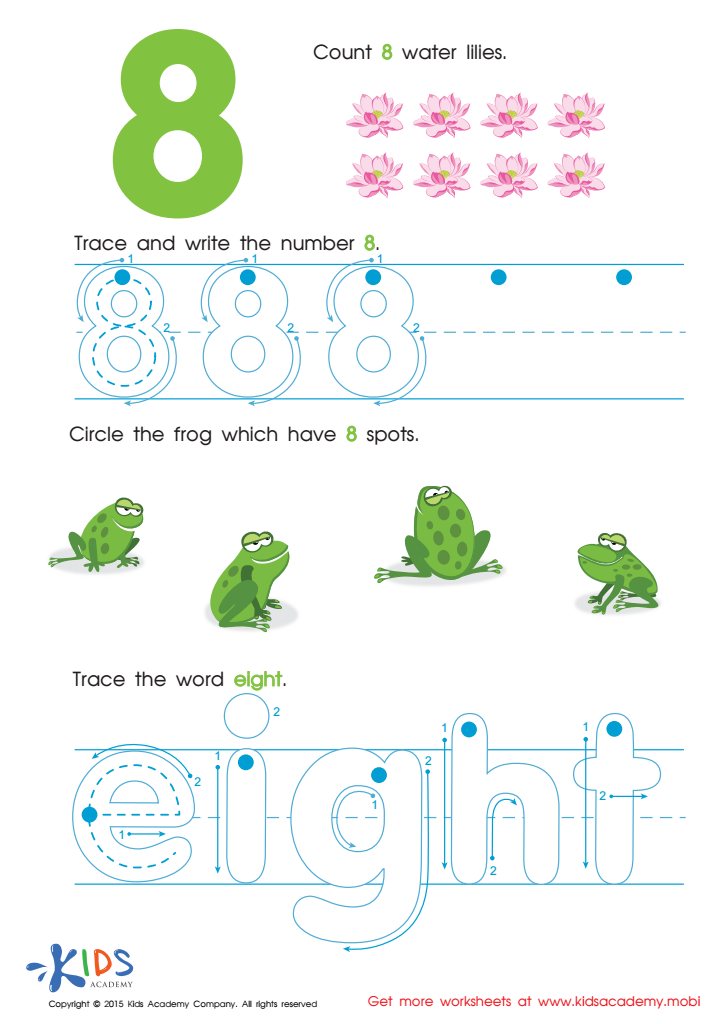
Learn Number 8 Easily Worksheet
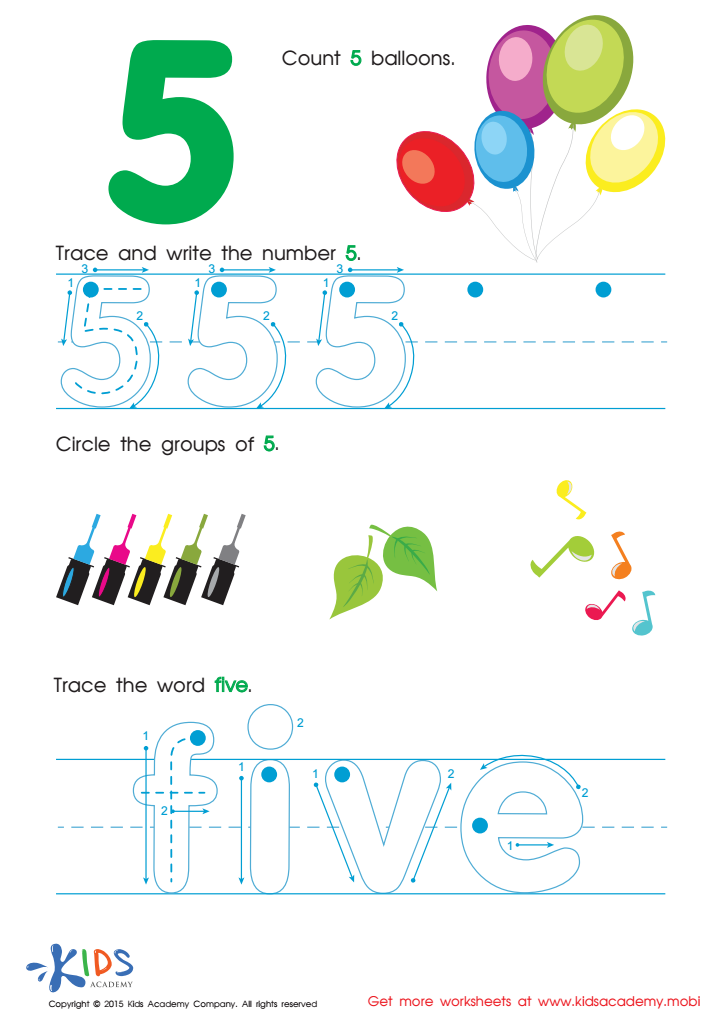
Practice Writing Number 5 Worksheet
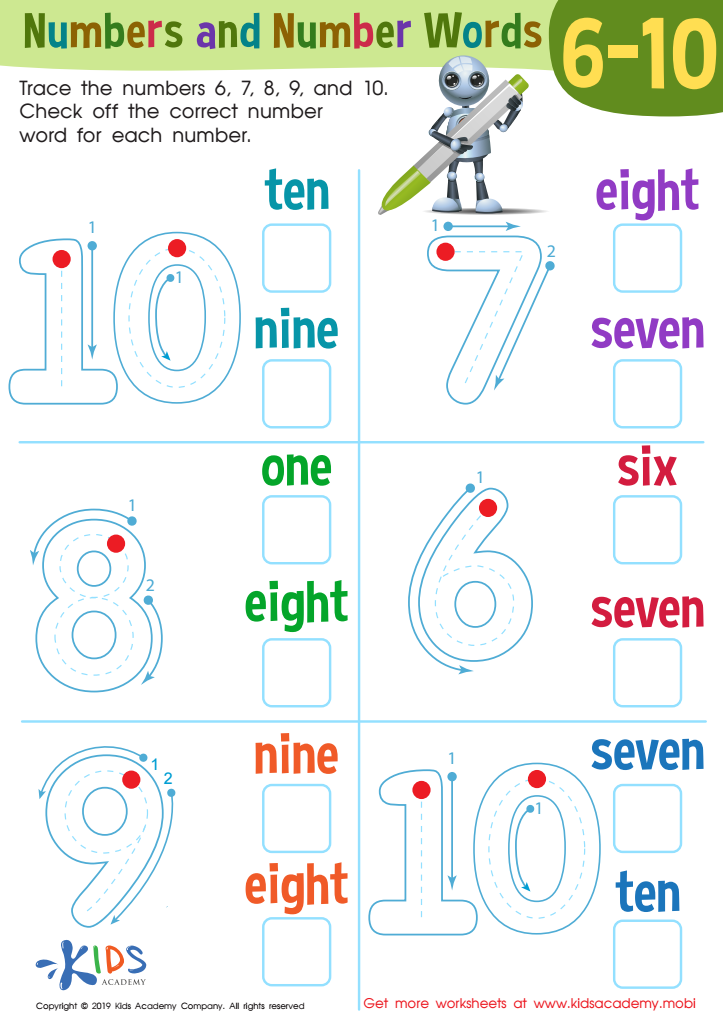
Numbers and Number Words 6–1 Worksheet
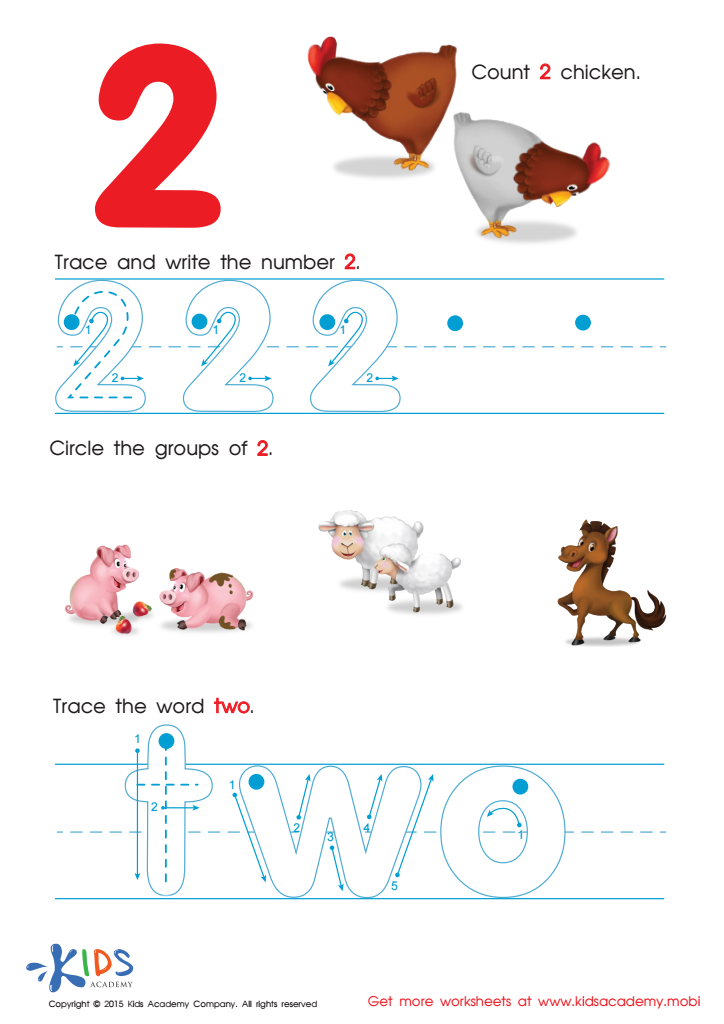
Learn to Write the Number 2 Worksheet
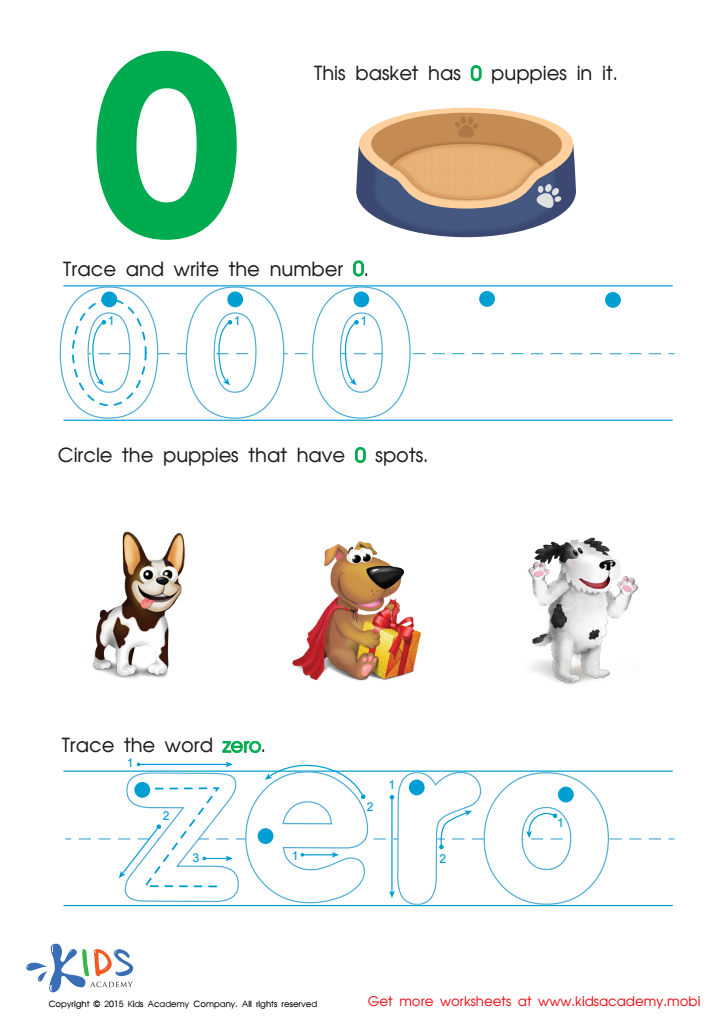
Trace And Write Number 0 Worksheet





Number recognition is a foundational skill crucial for children aged 8-9, significantly impacting their mathematical fluency and overall academic success. For parents and teachers, fostering this skill is essential for several reasons. First, recognizing numbers enables children to understand basic math concepts, including addition, subtraction, and place value. Mastery of these concepts builds confidence in young learners and lays the groundwork for more advanced mathematical operations.
In today's increasingly data-driven world, proficiency in number recognition not only supports academic achievements but also prepares children for real-world applications. Everyday activities such as shopping, cooking, or budgeting require an understanding of numbers. By cultivating this skill early, we equip children to navigate their environments effectively.
Moreover, learning number recognition through engaging and interactive methods enhances cognitive development. Activities that involve games, songs, and visual aids make learning enjoyable, promoting a positive attitude toward math. This enjoyment can help mitigate math anxiety, a common issue among students as they progress in their studies.
Ultimately, parents and teachers should prioritize number recognition, recognizing its vital role in developing critical thinking, problem-solving skills, and a lifelong interest in learning, providing children with the tools they need to succeed in school and beyond.