
Develop critical thinking Worksheets for Ages 8-9
13 filtered results
Difficulty Level
Grade
Age
-
From - To
Subject
Activity
Standards
Unlock your child's potential with our "Develop Critical Thinking Worksheets for Ages 8-9." Tailored for young learners, these engaging worksheets encourage analytical reasoning and problem-solving skills fundamental for cognitive growth. Children will delve into fun activities such as puzzles, logic games, and open-ended questions designed to stimulate their imagination and promote independent thought. Each worksheet is crafted to complement classroom learning while fostering creativity and curiosity. Perfect for home or school use, these resources are an excellent way to enhance your child's educational journey. Explore our collection today and watch them develop essential thinking skills for future success!
Favorites
With answer key
Interactive
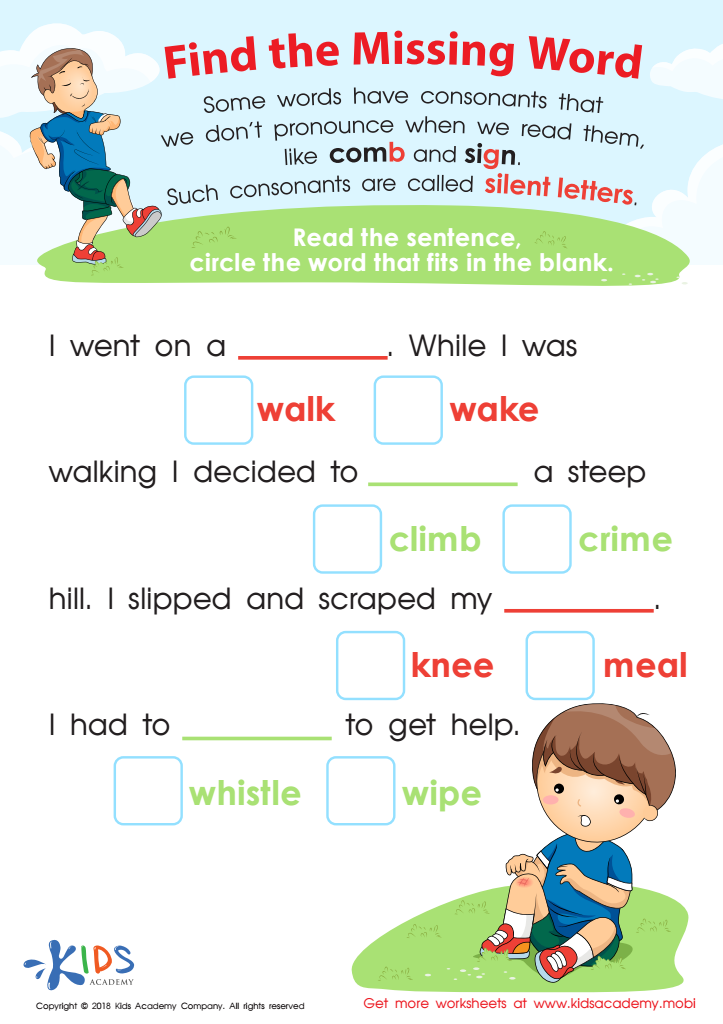
Find The Missing Word Worksheet
Master silent letters like "b" and "k" with this illustrated worksheet! Read the sentences and fill in the blanks with the correct word, checking the box. Read all the way to the bottom and review words containing silent letters. A great way to help your little learner tackle a tough topic!
 Assign to My Students
Find The Missing Word Worksheet
Worksheet
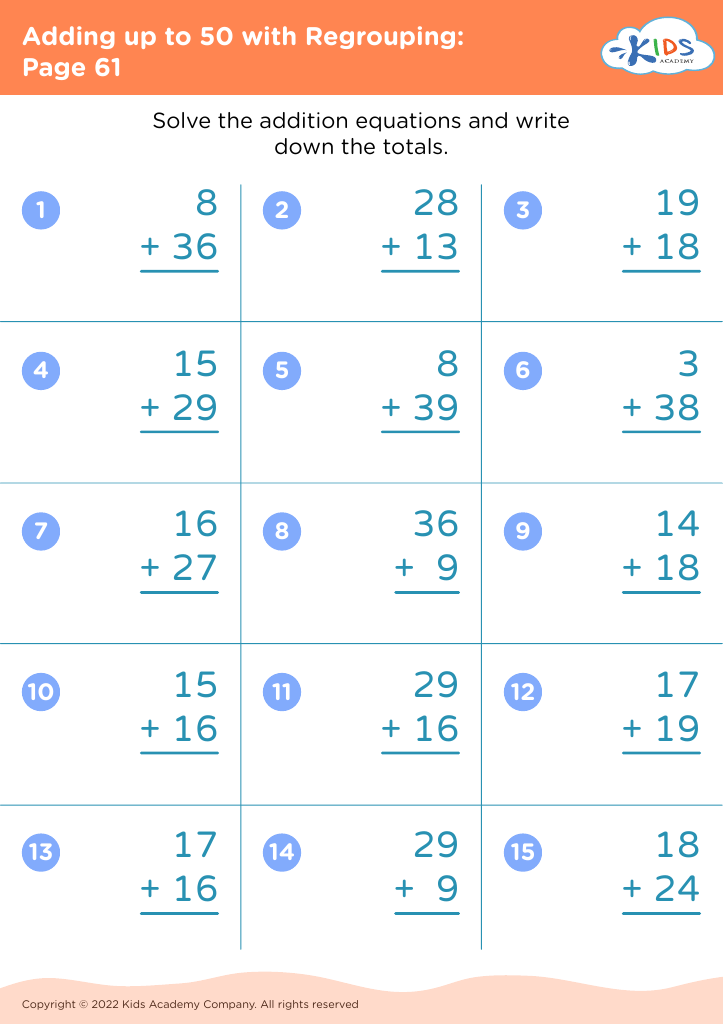
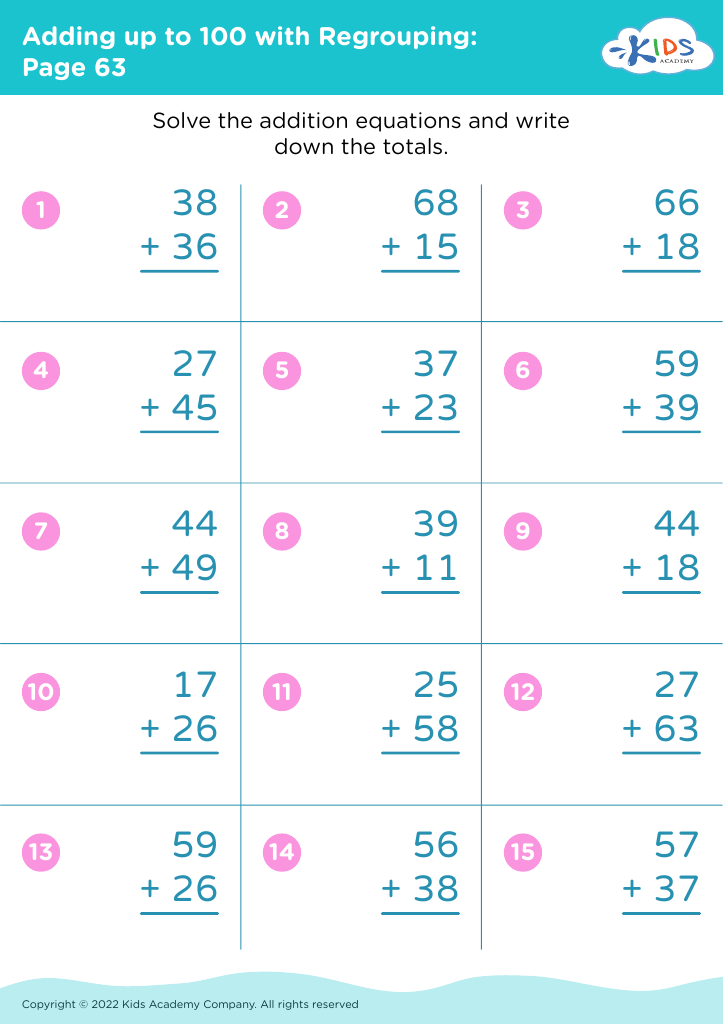
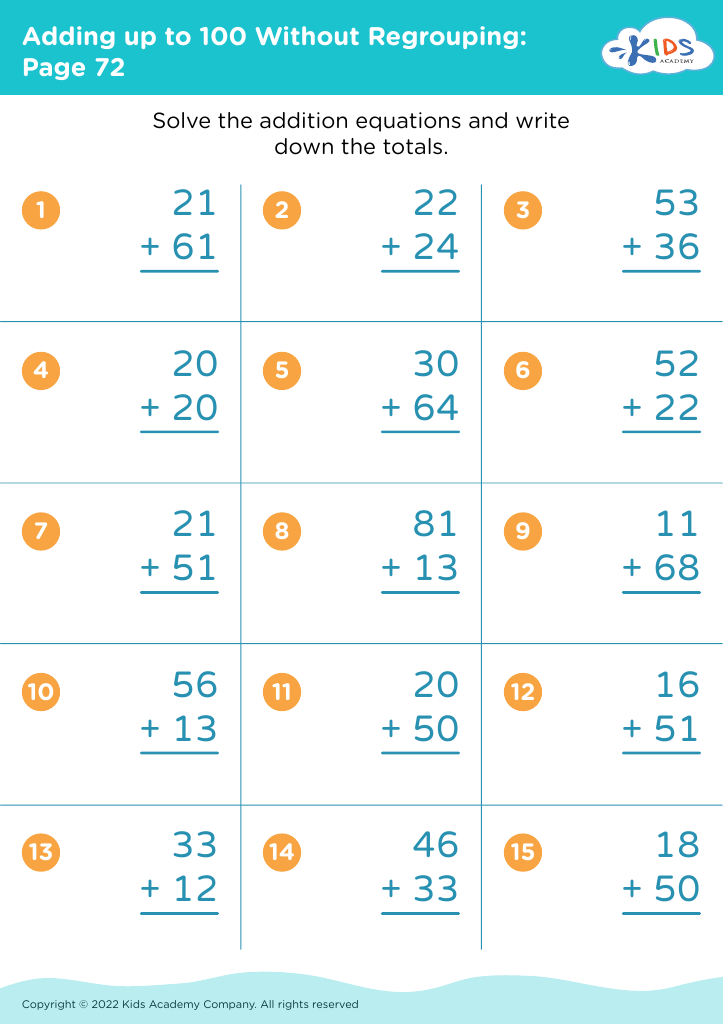
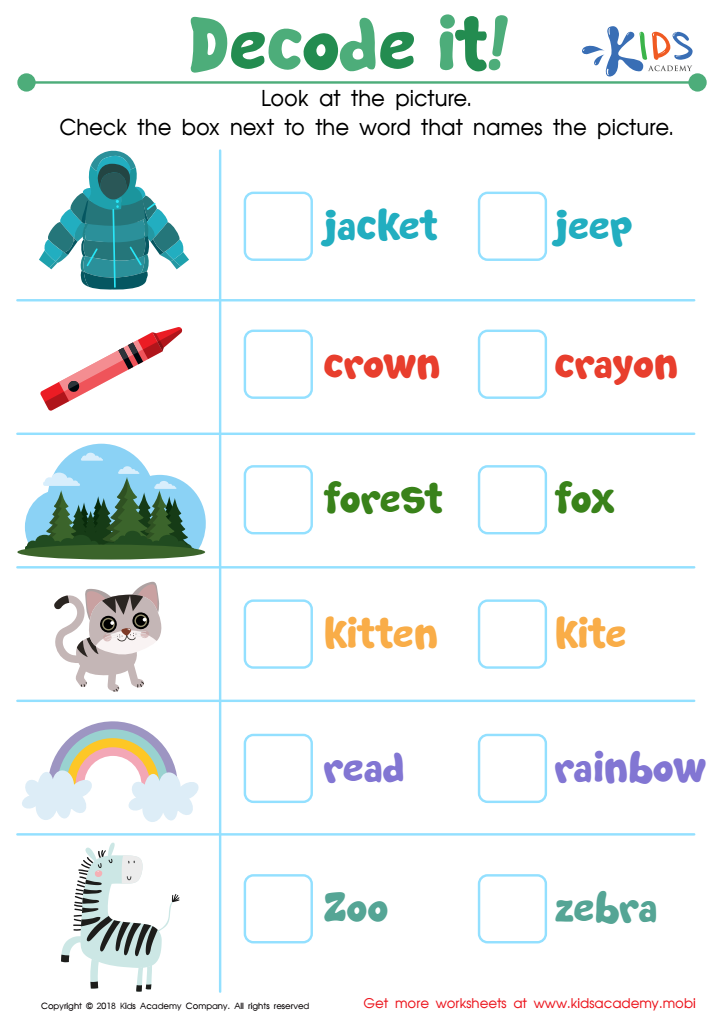
Reading: Decode It Worksheet
Look at the picture and circle the word that names it. This exercise helps kids practice picture cues and decoding words, with the same beginning sound. It builds their fluency and comprehension, giving them the skills to read unfamiliar words.
Reading: Decode It Worksheet
Worksheet
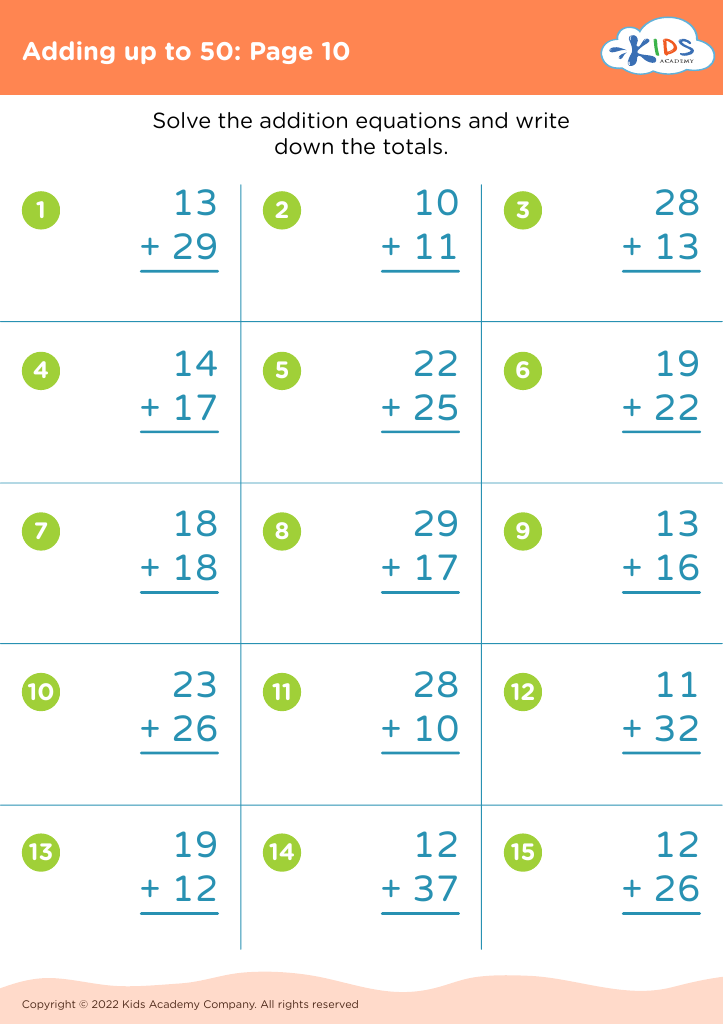
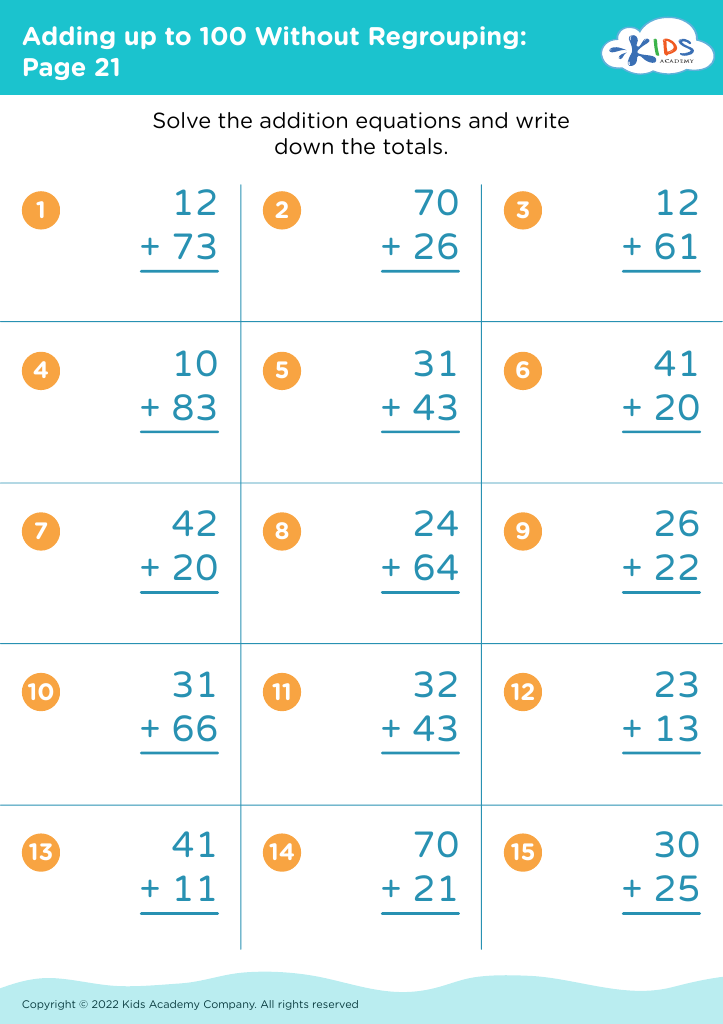
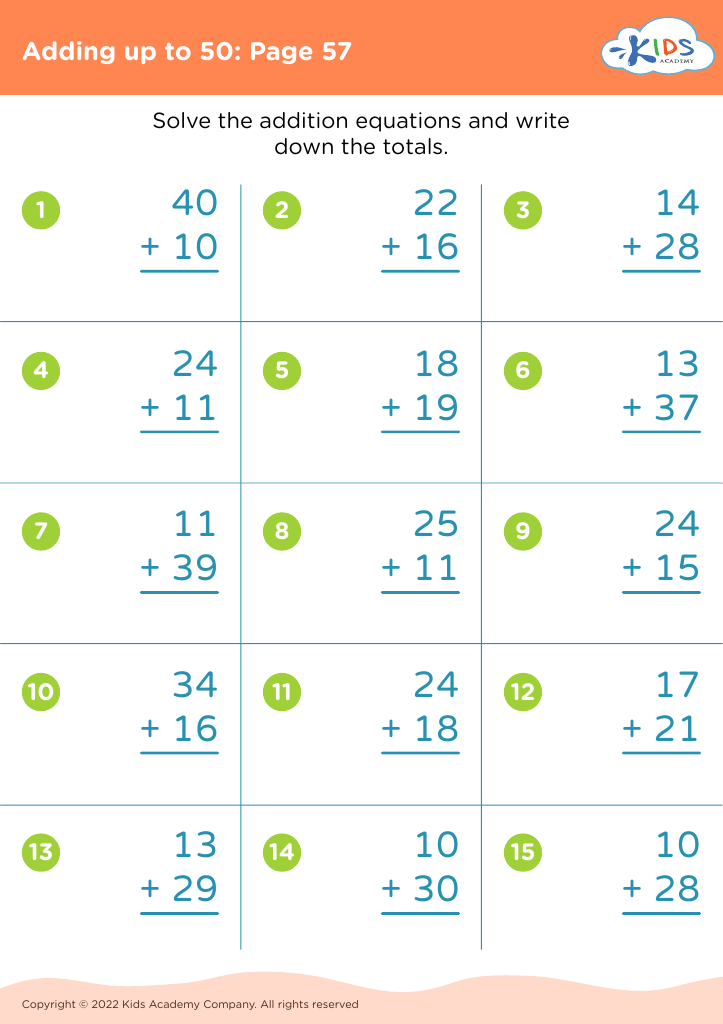
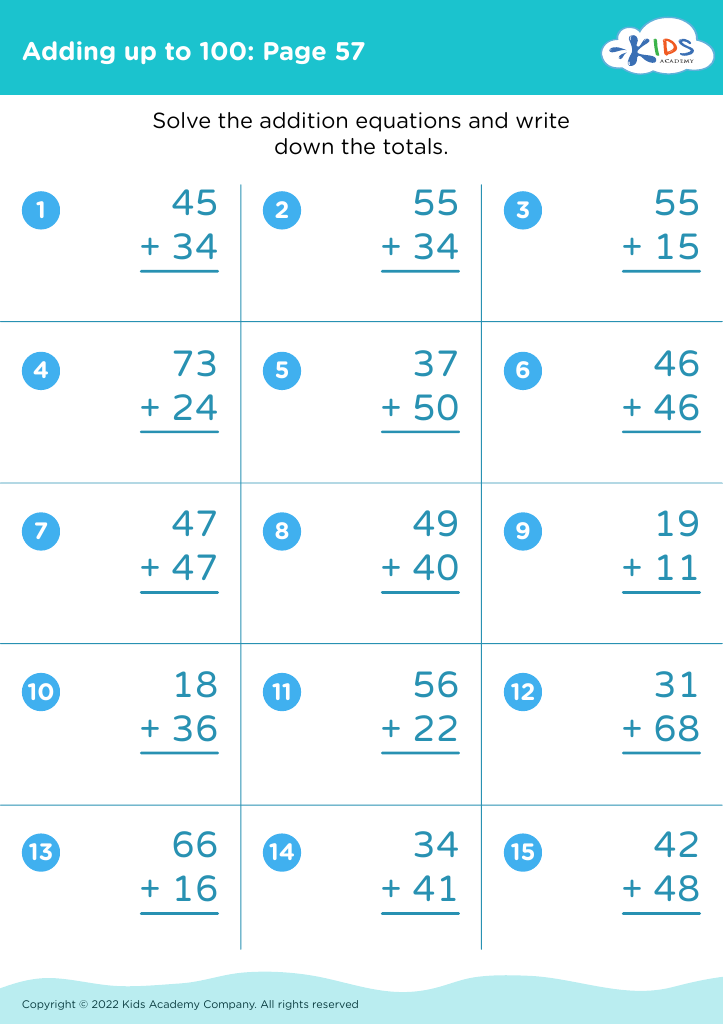
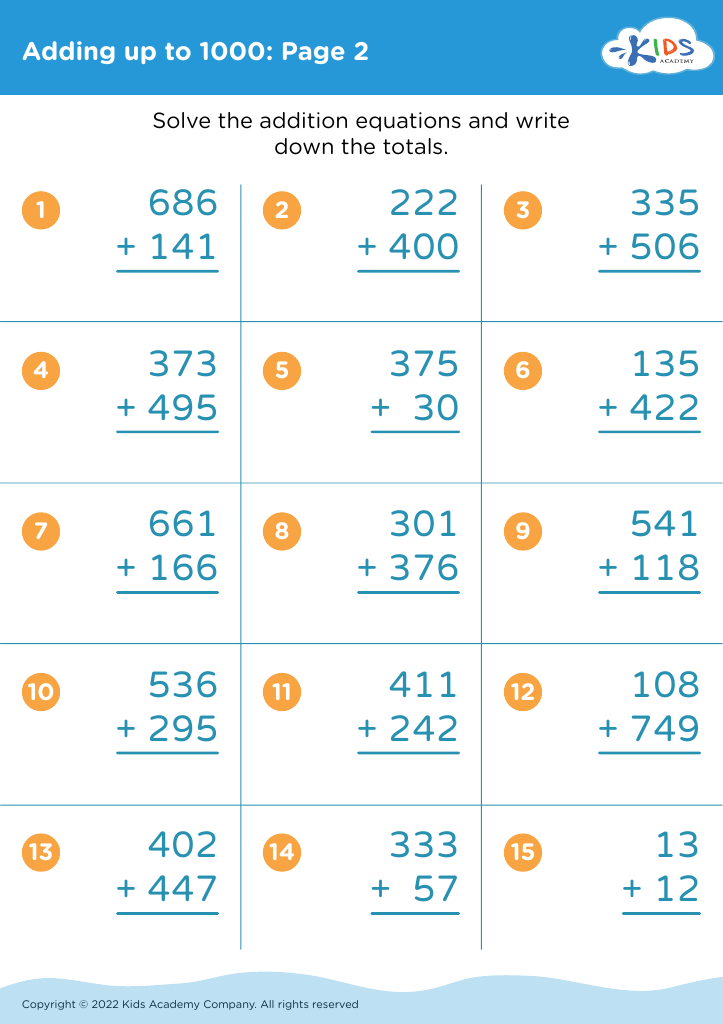
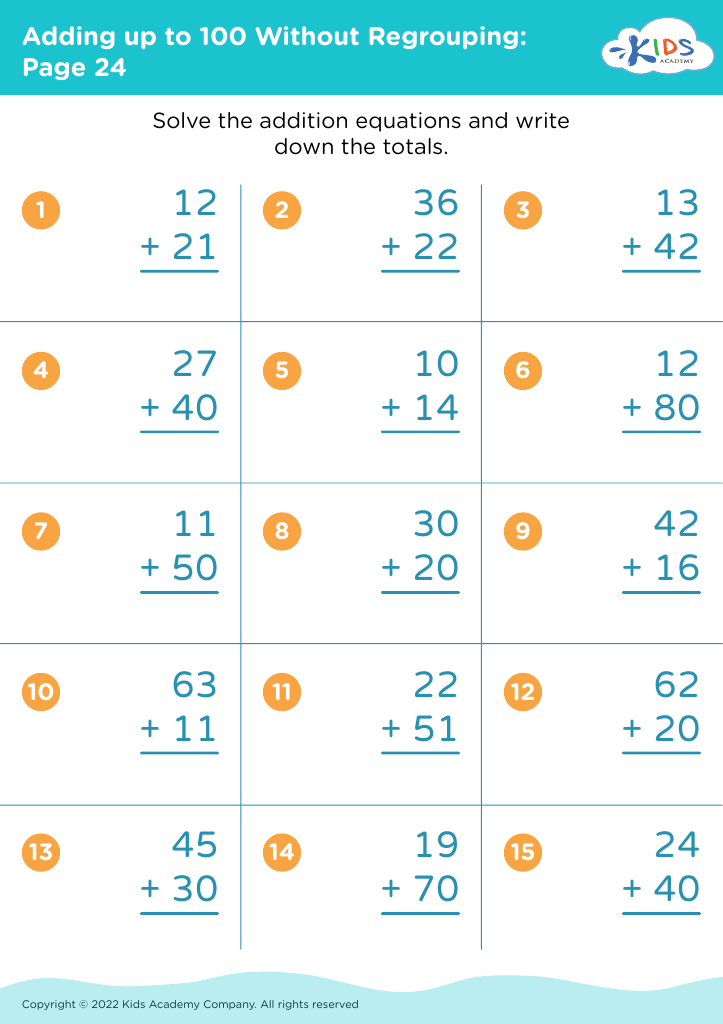
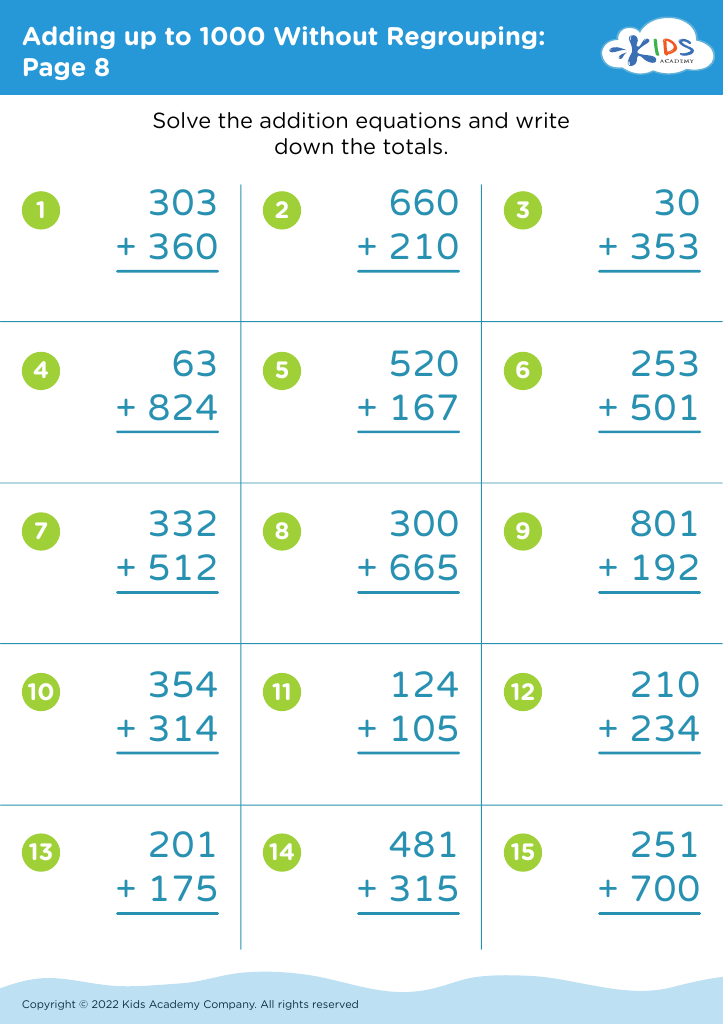
Join Kids Academy for Free
Who is primarily going to use this learning content?



.jpg)


Developing critical thinking skills in children aged 8-9 is crucial as this is a formative period in their cognitive development. At this age, children are beginning to think more independently and ask complex questions about the world around them. Encouraging critical thinking helps them analyze information, make informed decisions, and solve problems effectively. This skill set is essential for academic success, allowing children to engage thoughtfully in subjects like mathematics, science, and humanities.
Moreover, critical thinking fosters creativity. It empowers children to explore different viewpoints and think outside the box, promoting innovation. As they learn to evaluate sources of information, they become more discerning consumers of media—an invaluable skill in an age of information overload.
For parents and teachers, nurturing these skills means preparing children for future challenges, both in school and in everyday life. Equipped with critical thinking abilities, children are more likely to become responsible citizens who can navigate social issues, understand diverse perspectives, and collaborate with others. Ultimately, investing time in developing critical thinking in young learners nurtures a generation capable of meaningful contribution to society, capable of shaping a better future.








