
Visual perception Worksheets for Ages 8-9
8 filtered results
Difficulty Level
Grade
Age
-
From - To
Subject
Activity
Standards
Enhance your child’s cognitive development with our Visual Perception Worksheets for Ages 8-9. Designed to boost critical thinking and observation skills, these activities are perfect for young learners. Children will engage with puzzles, matching games, and pattern recognition tasks that challenge their visual processing abilities. Ideal for classroom use or at-home practice, our worksheets make learning fun and effective. Prepare your child for academic success by improving their ability to observe, analyze, and interpret visual information. Visit our website now to discover a range of resources tailored to enrich your child's learning journey.
Favorites
With answer key
Interactive
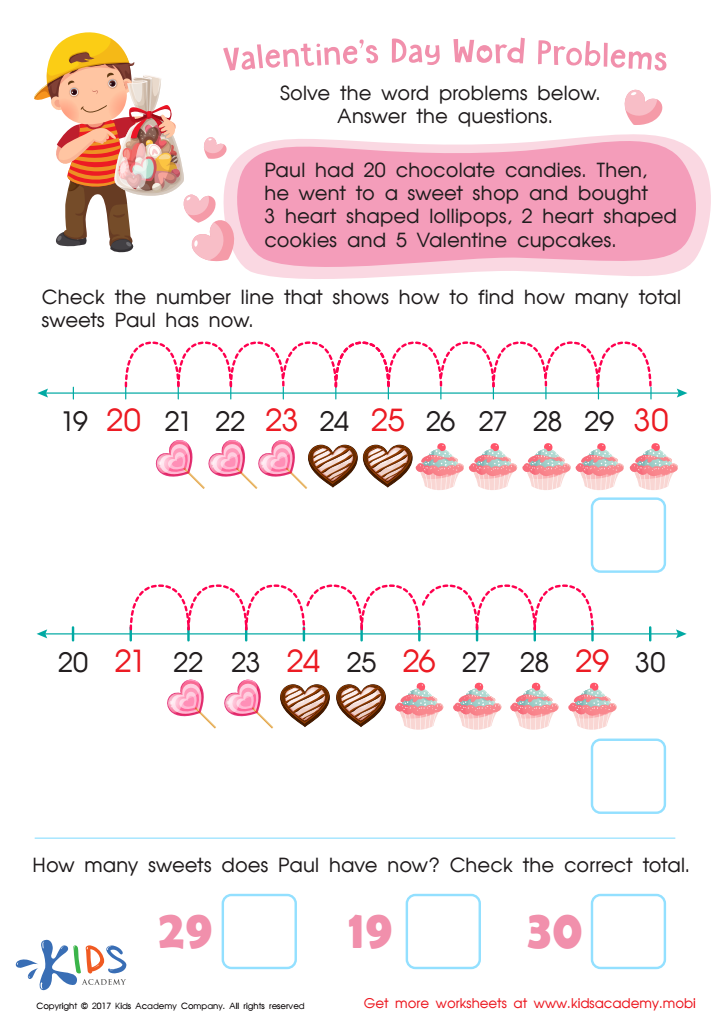
Valentines Day 2 Printable
This PDF worksheet uses a number line to help solve the problems. Your child will be ready for Valentine's Day after completing it. Counting and adding from 20 is also reinforced.
 Assign to My Students
Valentines Day 2 Printable
Worksheet
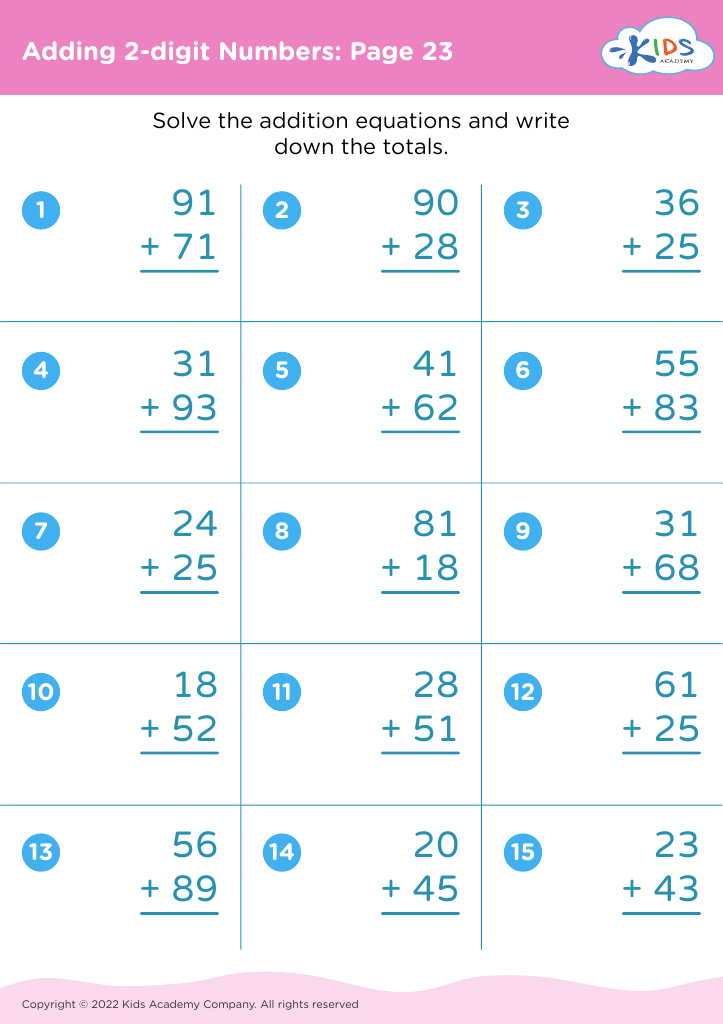
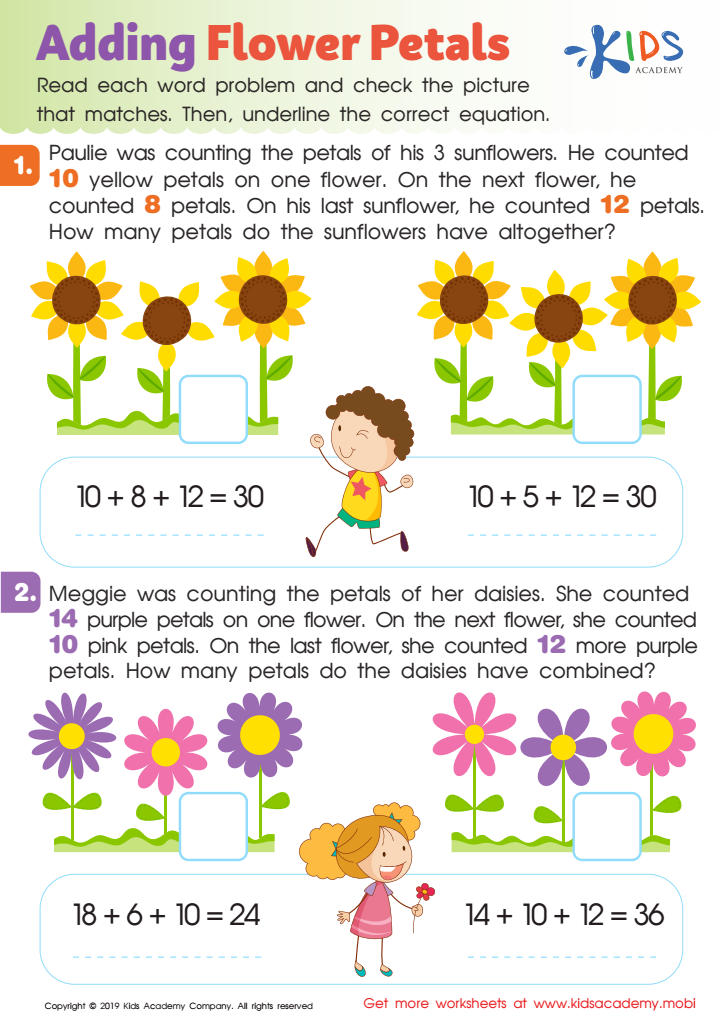
Adding Flower Petals Worksheet
This free worksheet helps little mathematicians learn to understand word problems. They'll read each one and match it to the corresponding picture. Important info is highlighted, teaching kids to look for key info when solving problems. Then they'll underline the correct number equation that matches the picture. A great way to practice problem-solving skills!
Adding Flower Petals Worksheet
Worksheet
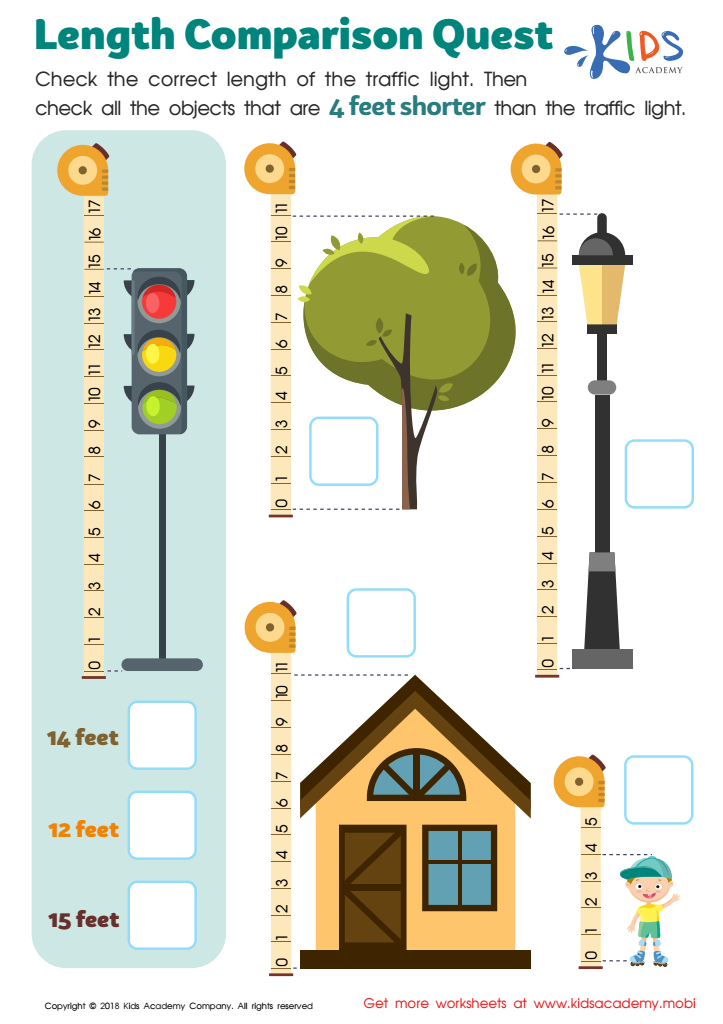
Length Comparison Quest Worksheet
Knowing measurement tools and how to use them is just the start. To be proficient, your kid must be able to accurately compare objects and their lengths. With the 'Length Comparison Quest' worksheet, they will check the correct length of the traffic light in the picture and then compare other objects to it, marking those that measure 4 feet shorter.
Length Comparison Quest Worksheet
Worksheet
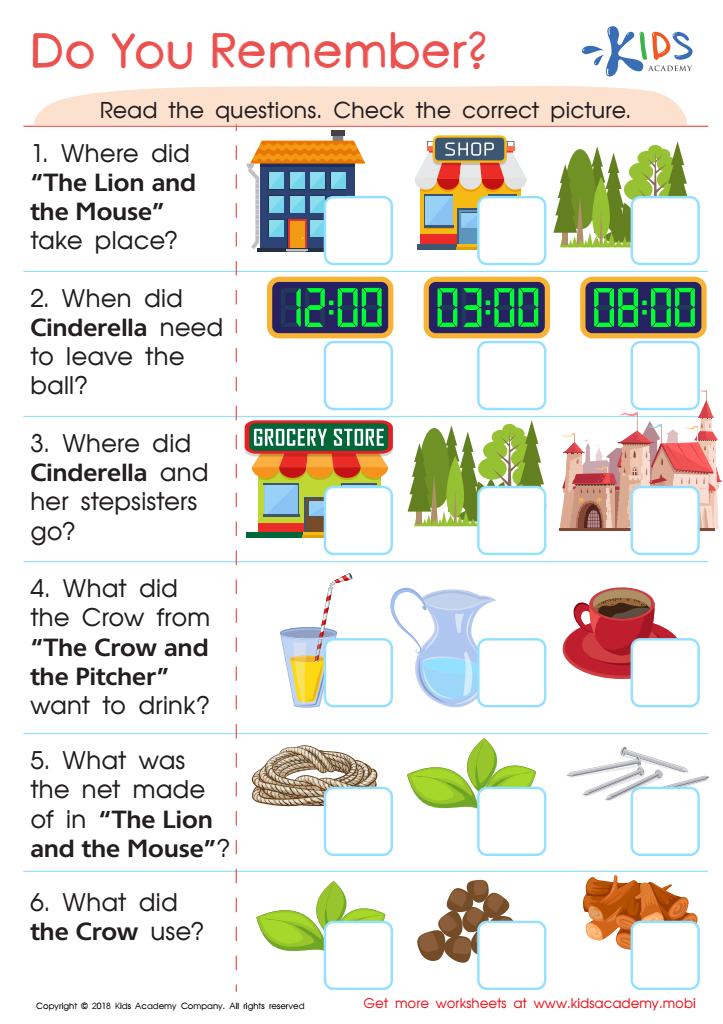
Do You Remember? Worksheet
Read "Cinderella", "The Crow and the Pitcher" and "The Lion and the Mouse" to your child. Discuss the plot and characters, and how their choices shape the story. Use this worksheet to check their comprehension and memory. Read the questions and have them select the correct picture answer.
Do You Remember? Worksheet
Worksheet
Join Kids Academy for Free
Who is primarily going to use this learning content?


.jpg)


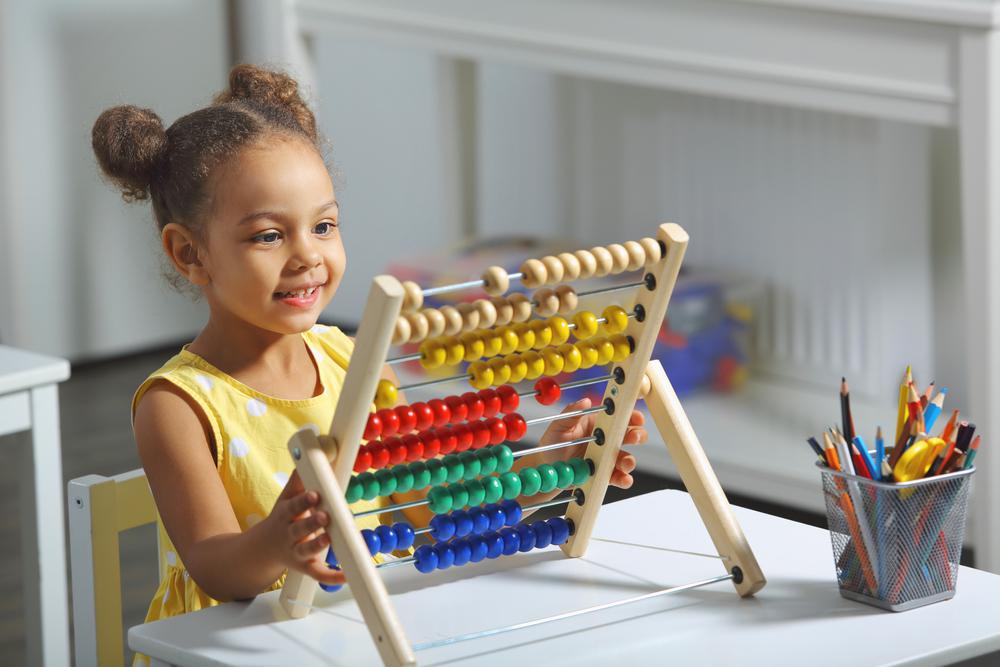
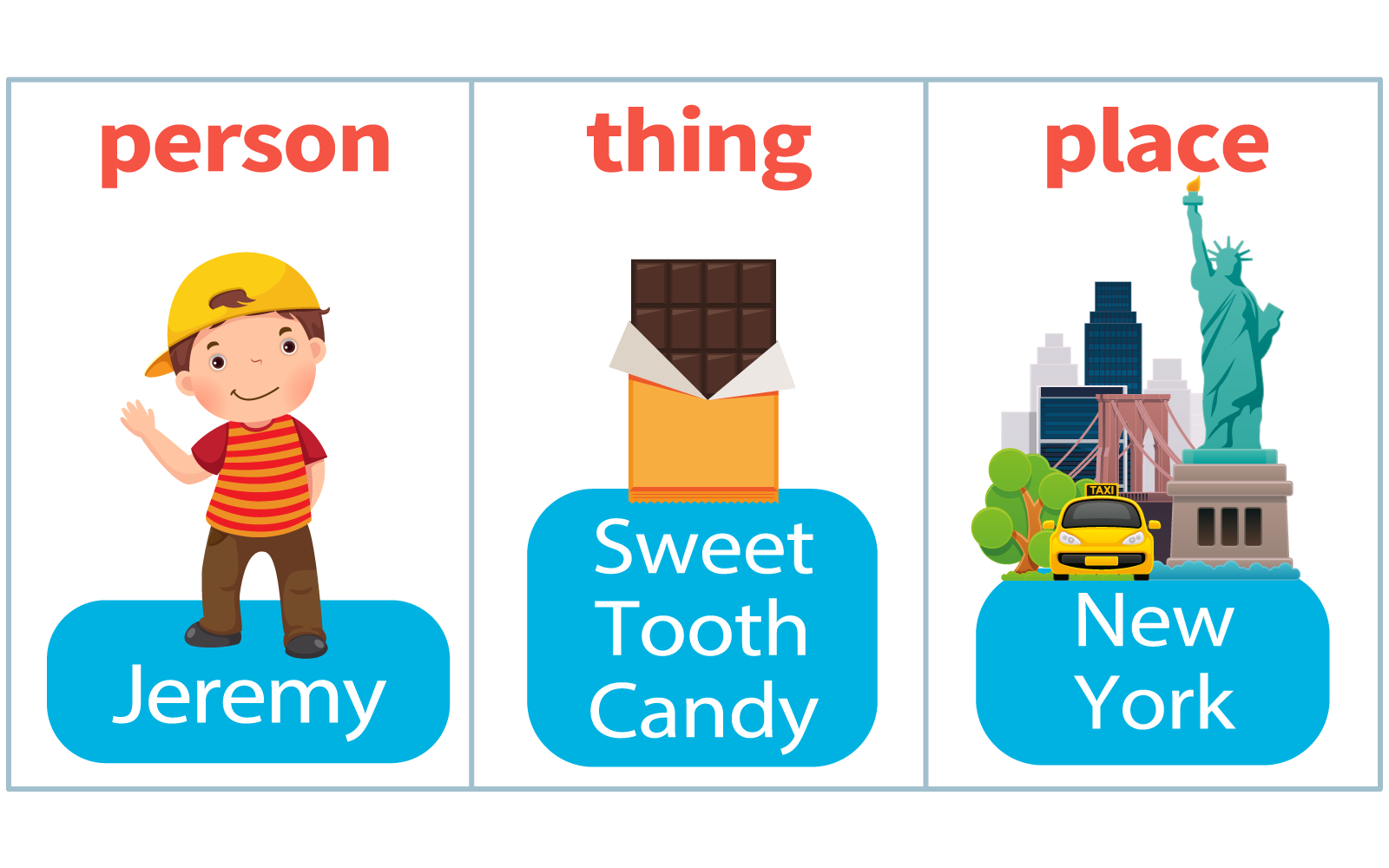

Visual perception is fundamental for children aged 8-9 as it significantly impacts their learning and development. During these formative years, kids rely on visual information to comprehend their environment and process new information effectively. Strong visual perception skills enable children to distinguish between different shapes, letters, and numbers, which is essential for reading, writing, and math.
When visual perception is well-developed, children can better understand spatial relationships, which improves their handwriting, fine motor coordination, and organizational skills. They begin to see connections between different pieces of information, facilitating problem-solving abilities and critical thinking.
For educators and parents, focusing on enhancing visual perception can lead to improvements in academic and daily activities. Children with strong visual skills can follow detailed instructions, complete puzzles, and participate in classroom activities more confidently. On the contrary, children with underdeveloped visual perception might struggle with basic tasks, leading to frustration, low self-esteem, and academic challenges.
Investing time in activities that boost visual perception—like drawing, puzzles, and memory games—can make a notable difference. This diligent focus champions a well-rounded educational approach, thereby preparing children for future complex learning and social interactions, ensuring they develop into confident, capable individuals.








