Vocabulary Building Worksheets for Ages 8-9 - Page 2
34 filtered results
-
From - To
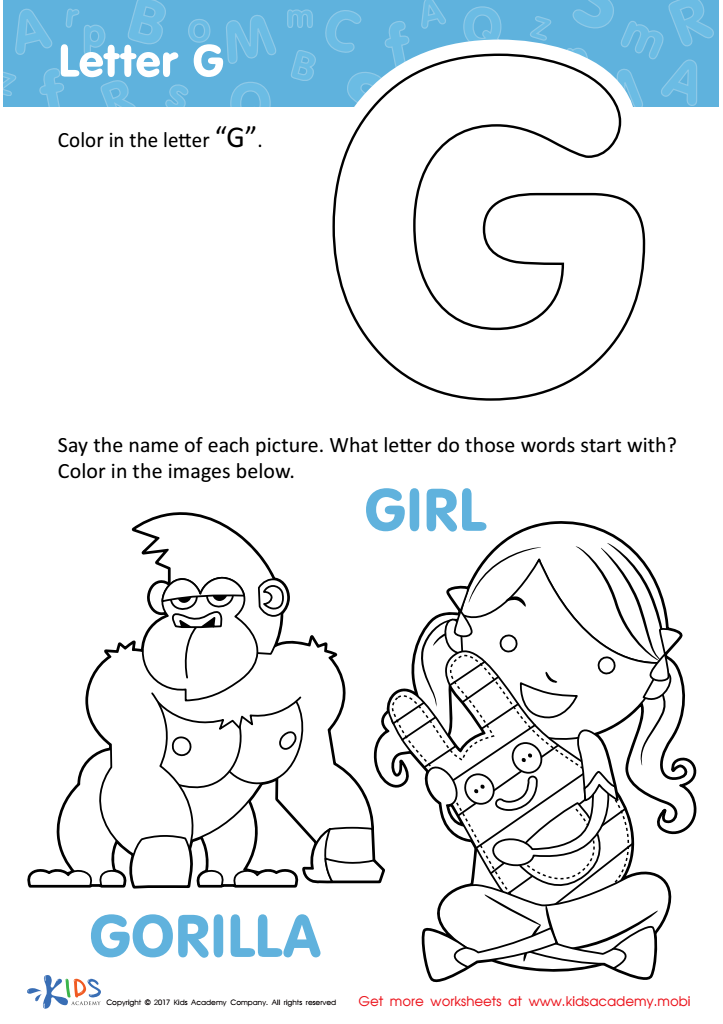
Letter G Coloring Sheet
 Assign to My Students
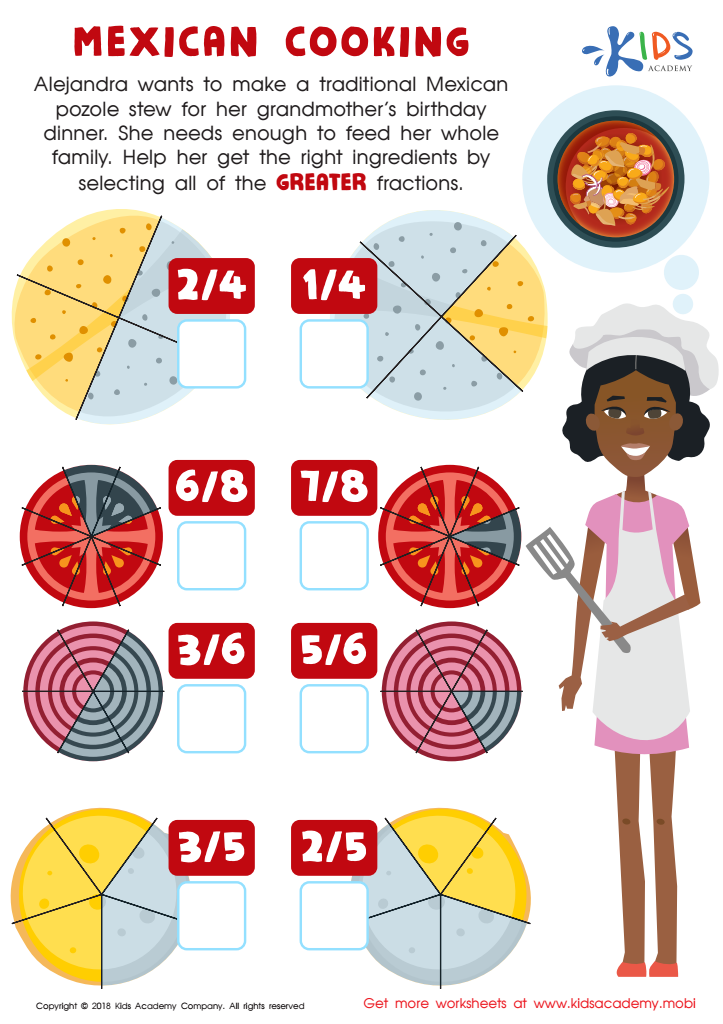
Mexican Cooking Worksheet
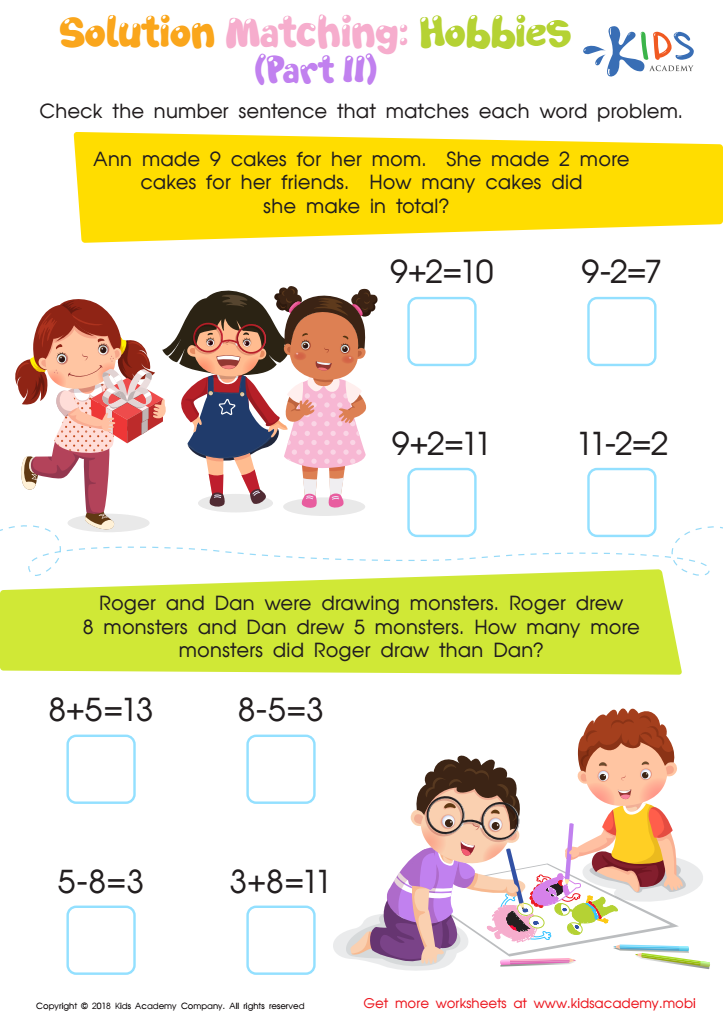
Solution Matching: Hobbies. Part 2 Worksheet
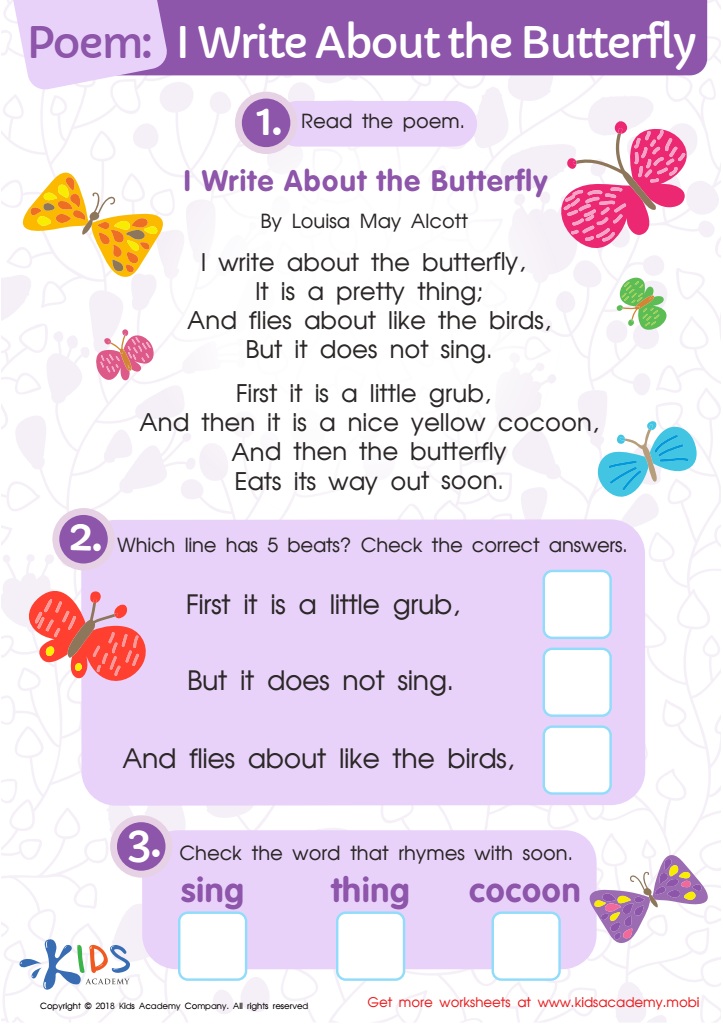
Poem: I Write About The Butterfly Worksheet
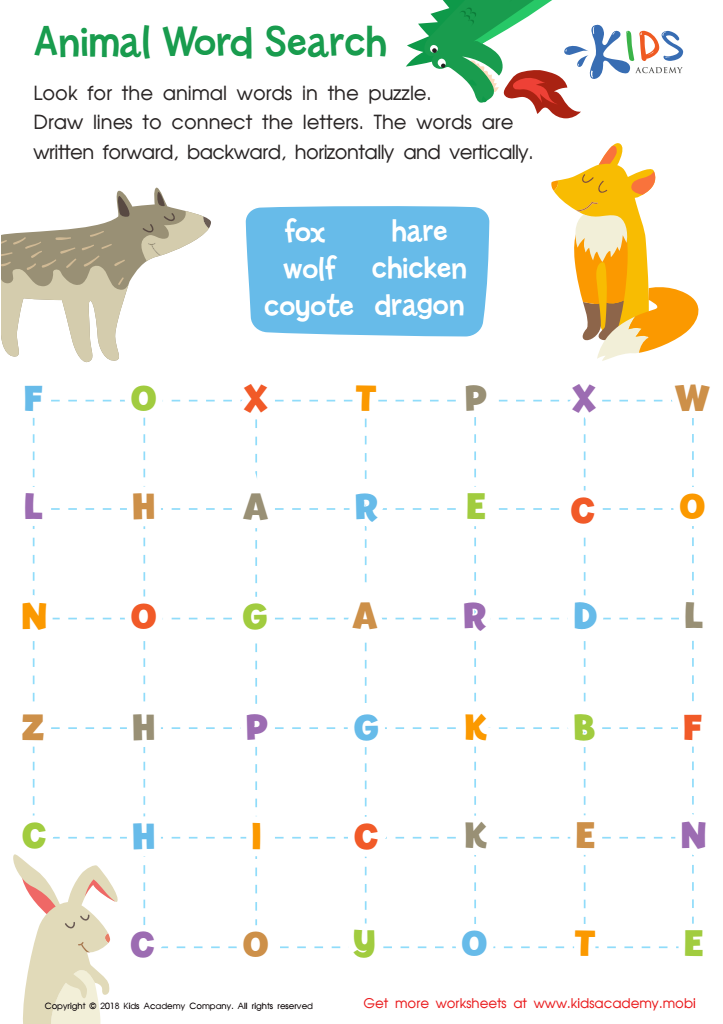
Animal Word Search Worksheet
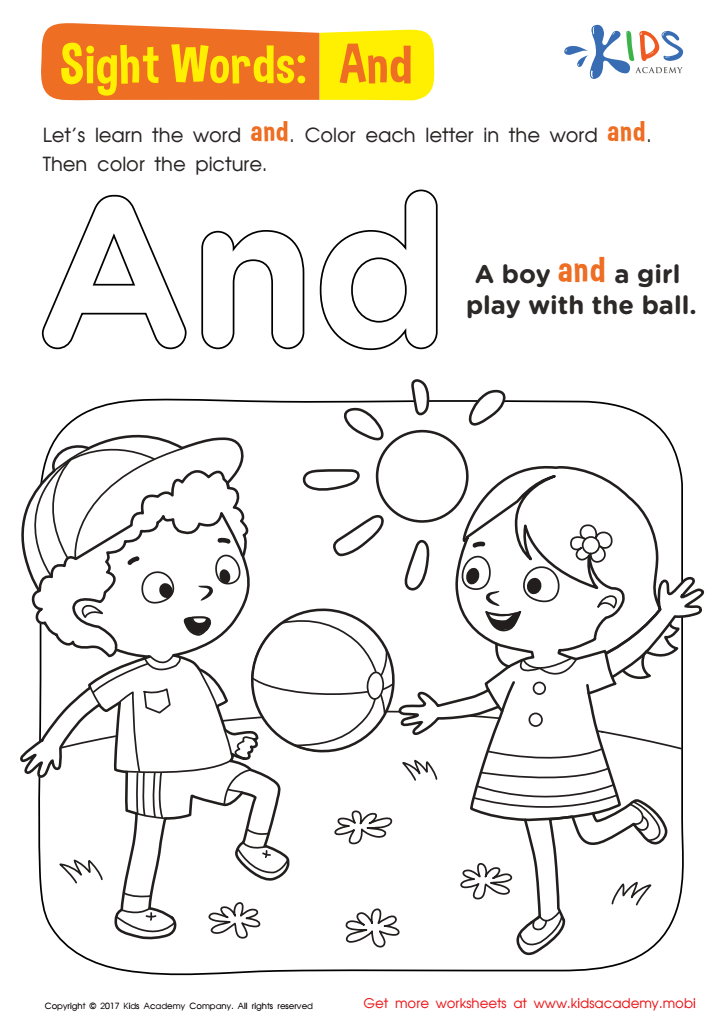
And Worksheet Sight Words Worksheet
Assign to My Students
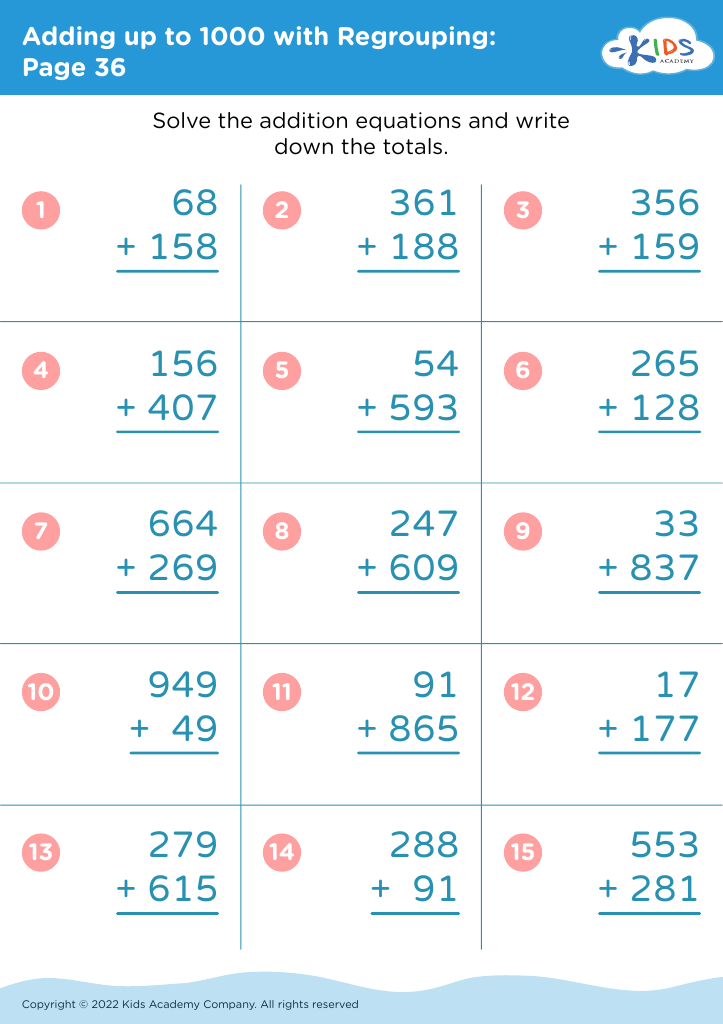
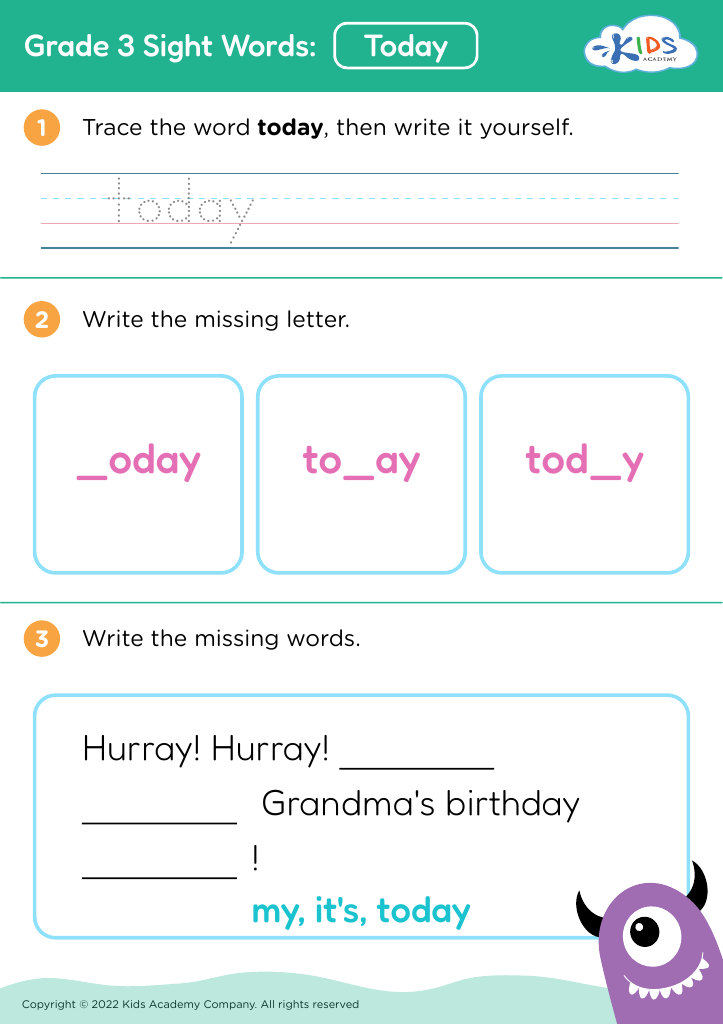
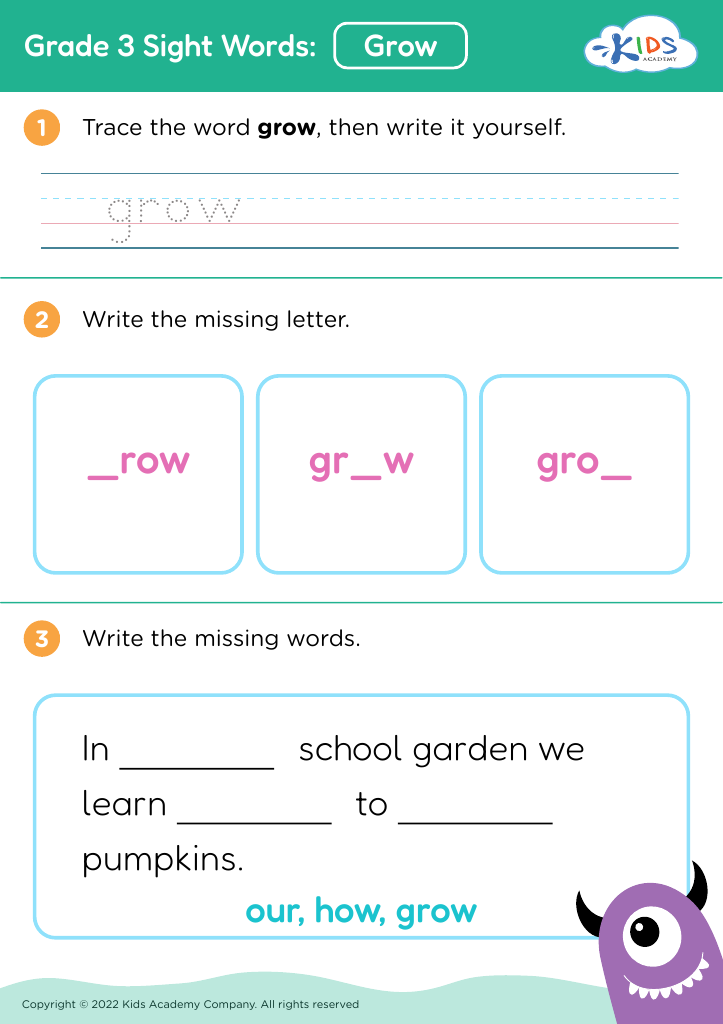








Parents and teachers should prioritize vocabulary building for children aged 8-9 because it serves as a cornerstone for literacy development. At this age, children's brains are particularly receptive to learning new words, which significantly enhances their reading comprehension and communication skills. A robust vocabulary empowers children to articulate their thoughts more clearly and engage more effectively in academic and social settings.
Reading skills are foundational for educational success, and a strong vocabulary helps children decode and understand complex texts more easily. This competency results in improved academic performance across all subjects, including science, social studies, and mathematics, where subject-specific terminology is essential.
Furthermore, vocabulary building at this formative stage boosts children's confidence and motivation to learn. It fosters curiosity and a love for reading, creating lifelong learners. Through storytelling, discussions, and reading diverse texts, children can significantly expand their vocabulary.
Enhanced vocabulary also equips children to better express their emotions and ideas, promoting social and emotional development. They are able to foster meaningful relationships and navigate social complexities more effectively.
Ultimately, investing time and effort in vocabulary building lays the groundwork for children’s future success, both in school and in their personal lives. By making this a priority, parents and teachers prepare children for a lifetime of effective communication and intellectual growth.








