Problem-Solving Skills Addition & Subtraction Worksheets for Ages 8-9 - Page 4
128 filtered results
-
From - To
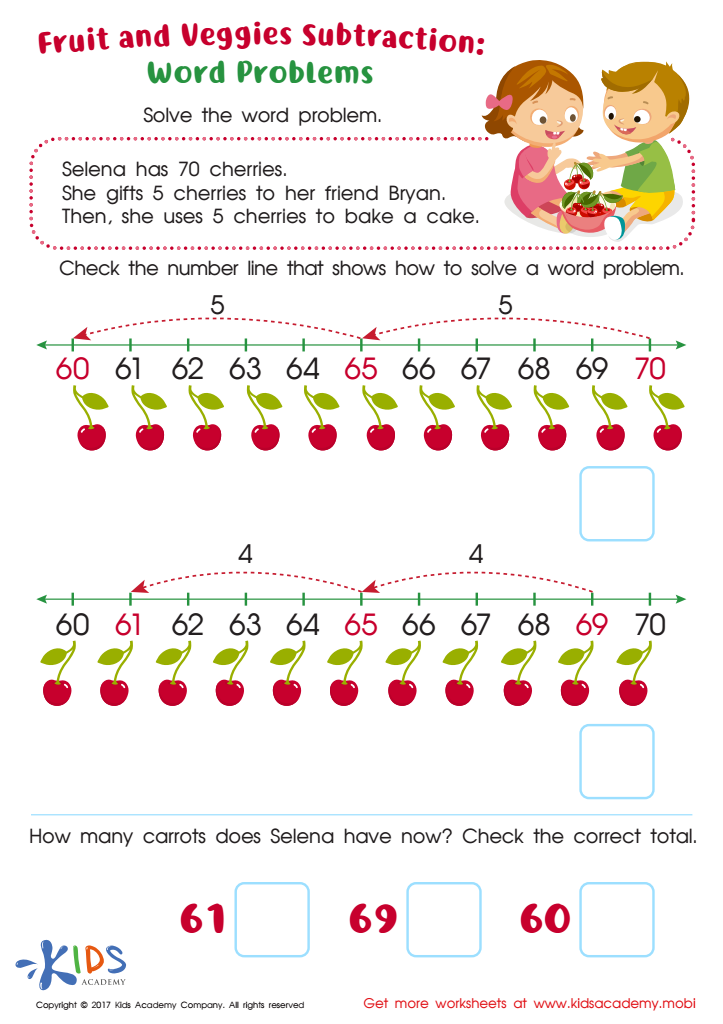
Subtraction Word Problems Free Printable
 Assign to My Students
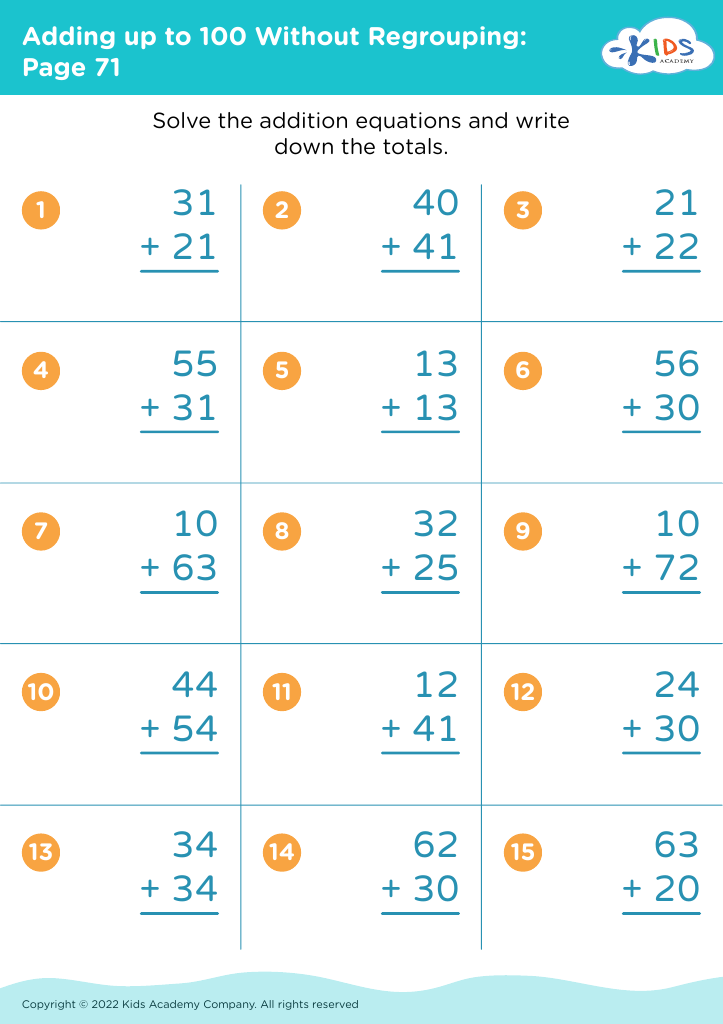
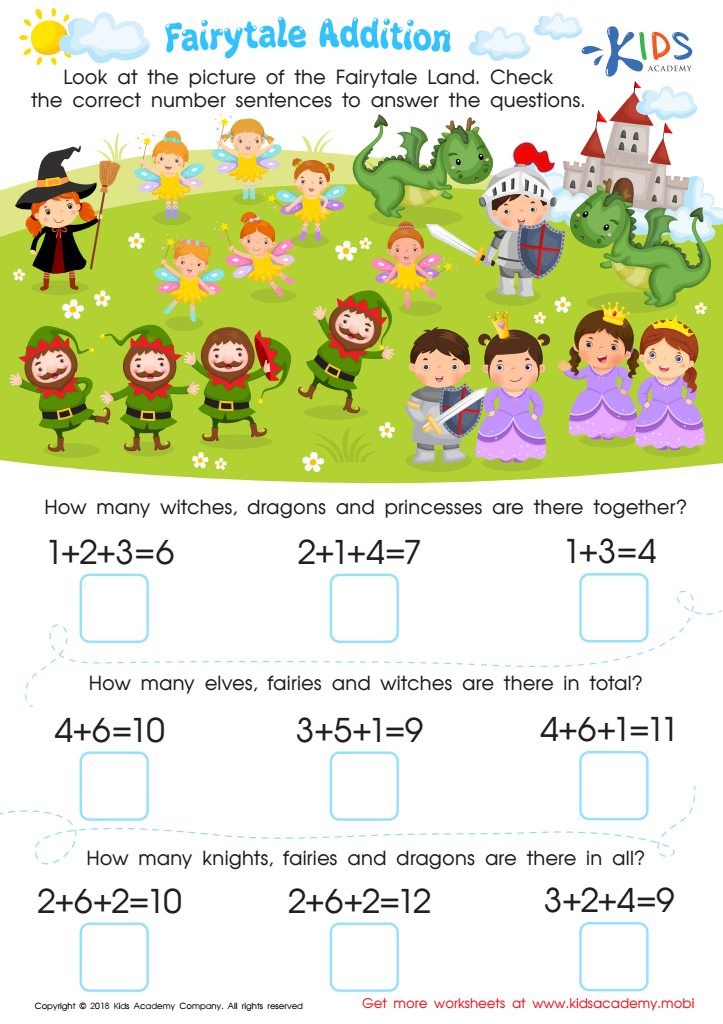
Fairytale Addition Worksheet
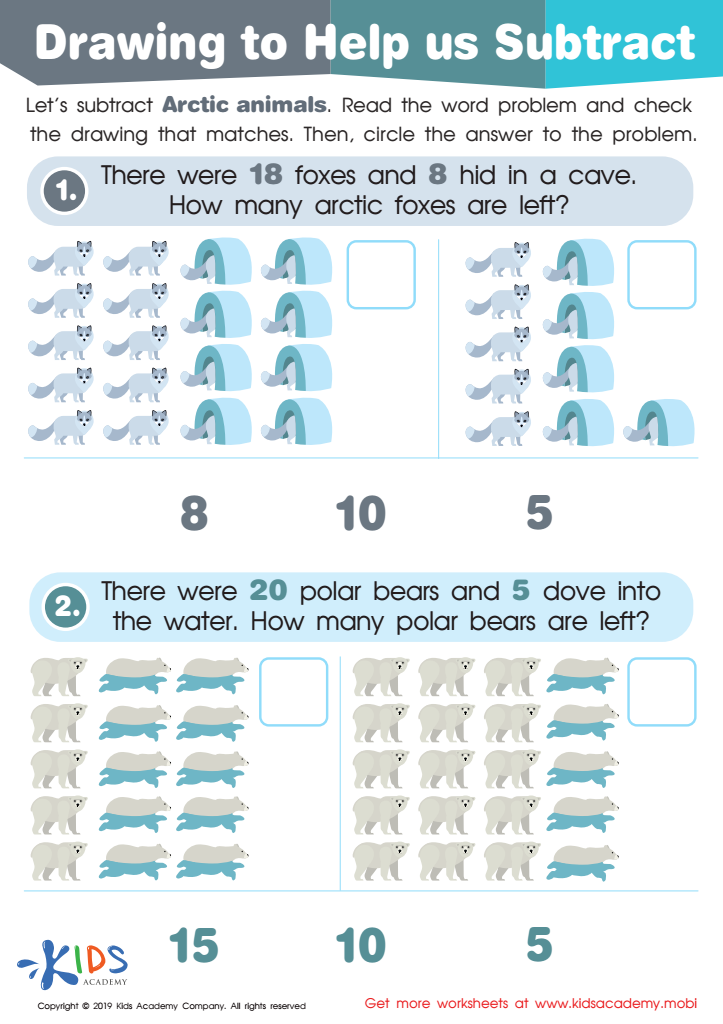
Drawing to Help Us Subtract Worksheet
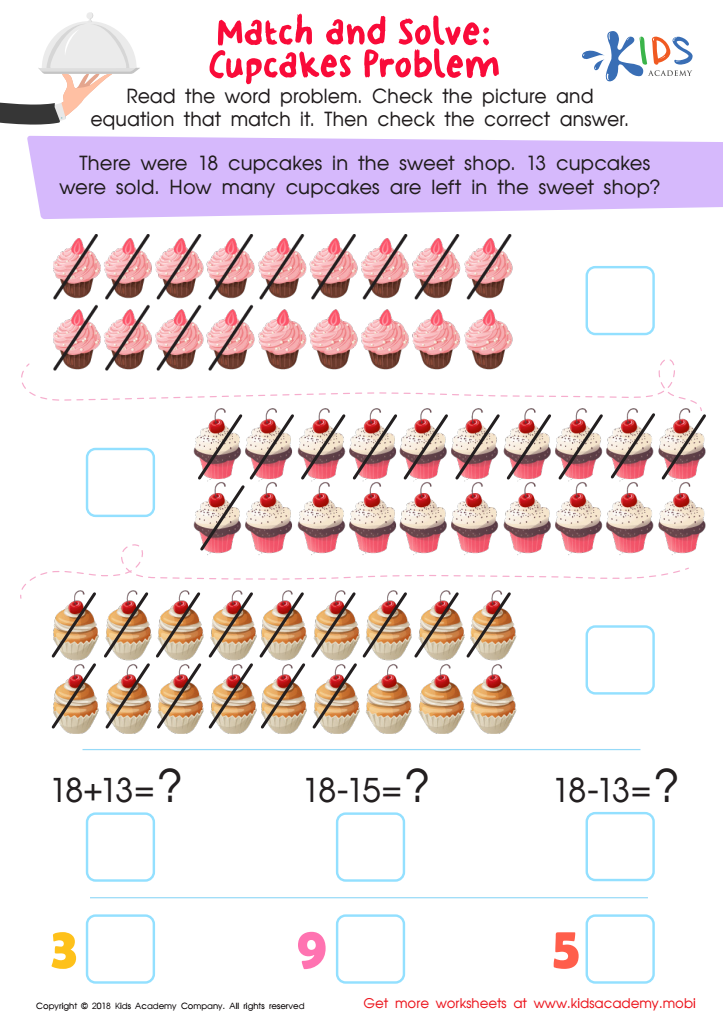
Match and Solve: Cupcakes Problem Worksheet
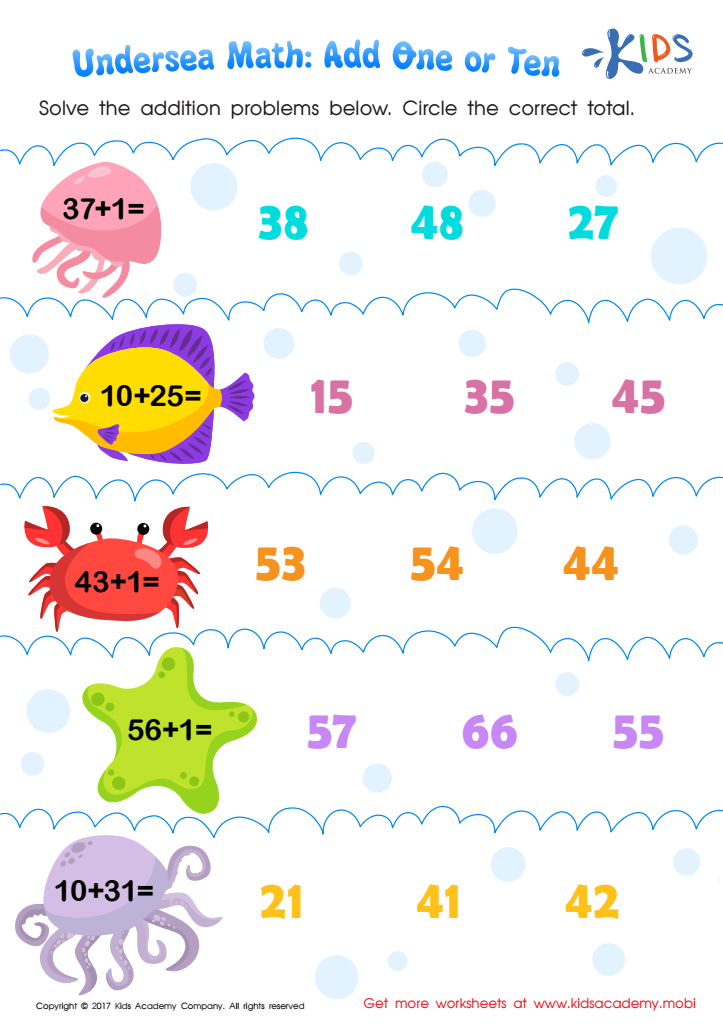
Undersea Math Worksheet
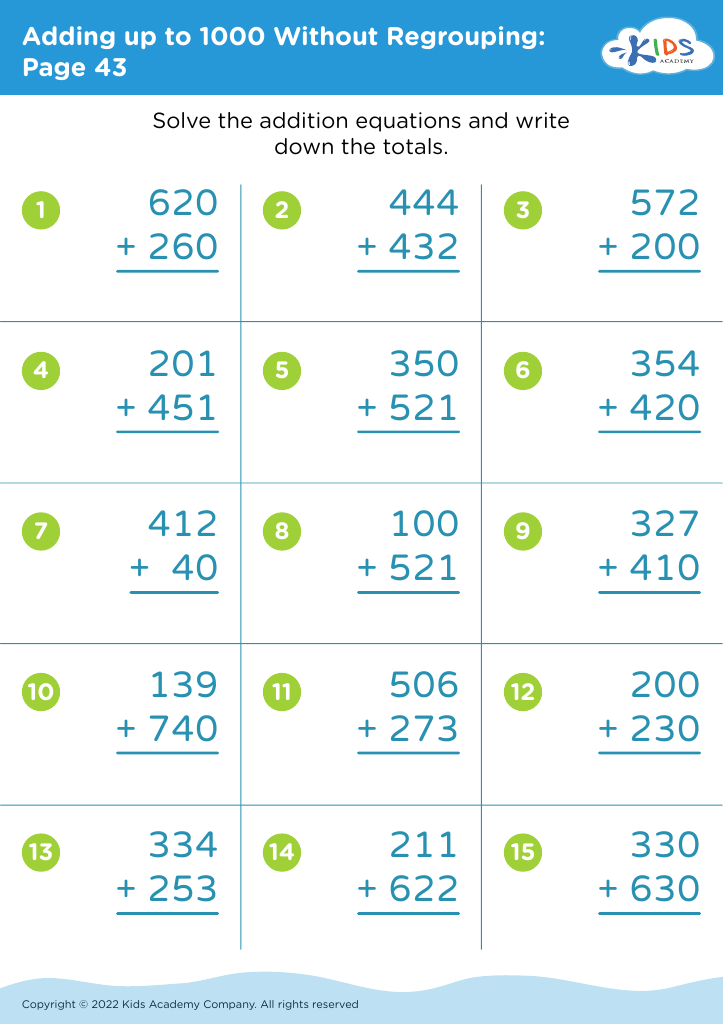
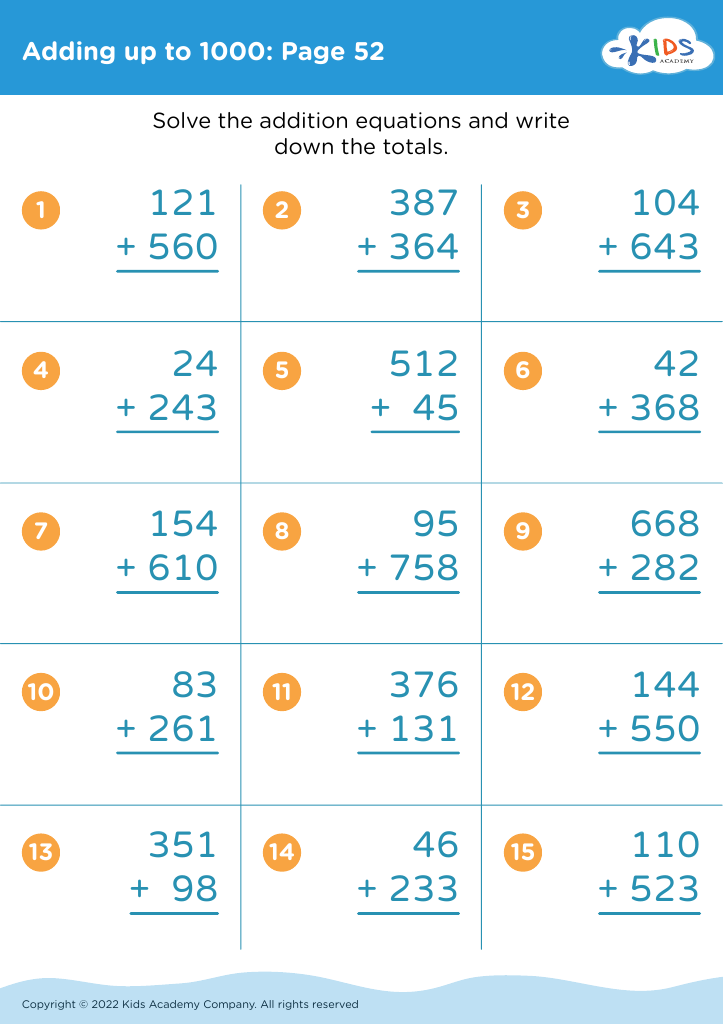
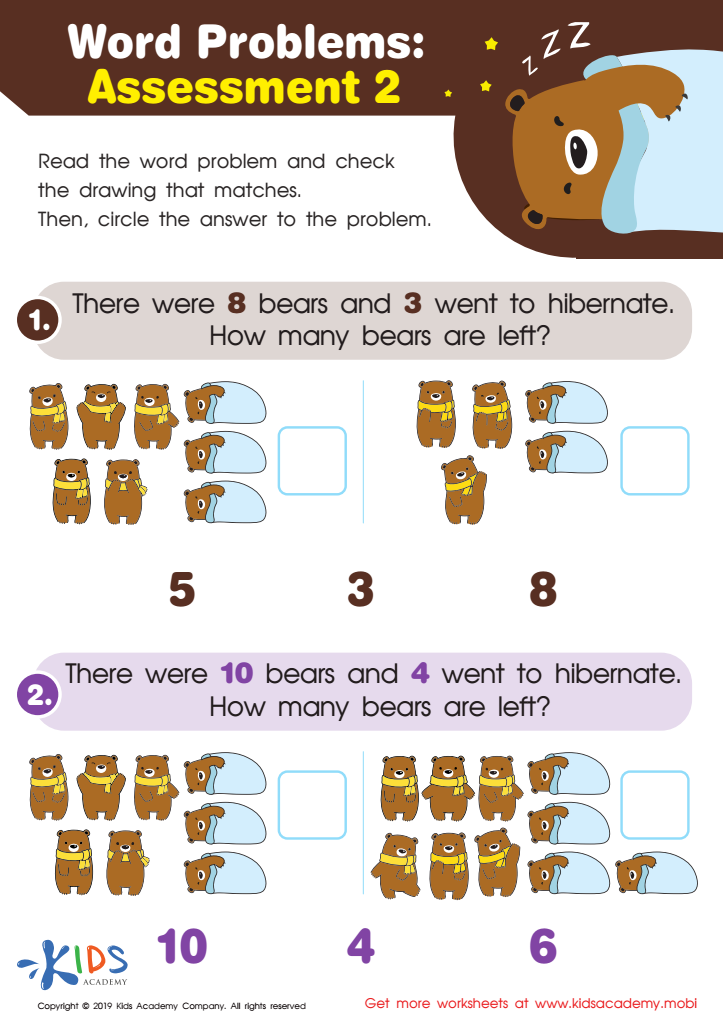
Word Problems: Assessment 2 Worksheet
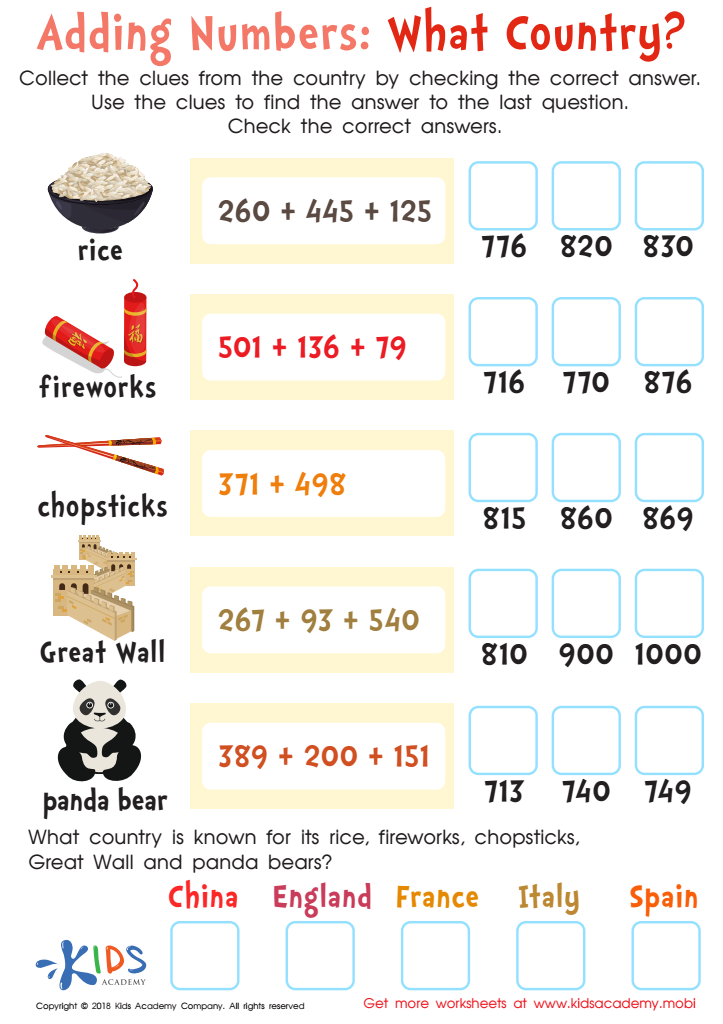
Adding Numbers: What Country Worksheet
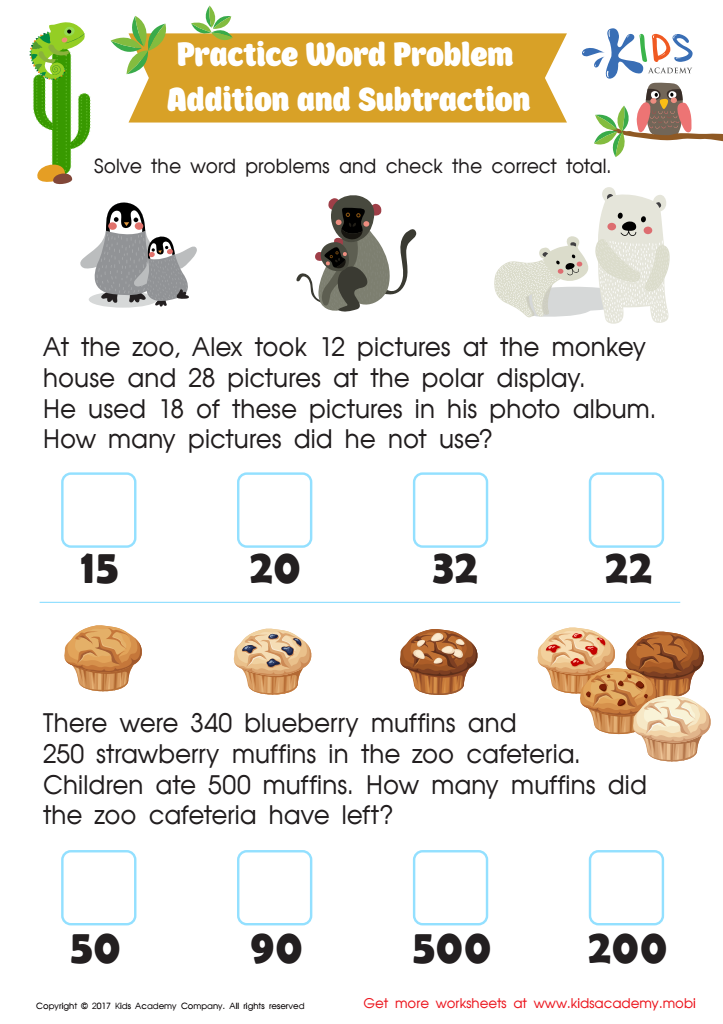
Addition and Subtraction: Word Problems Worksheet
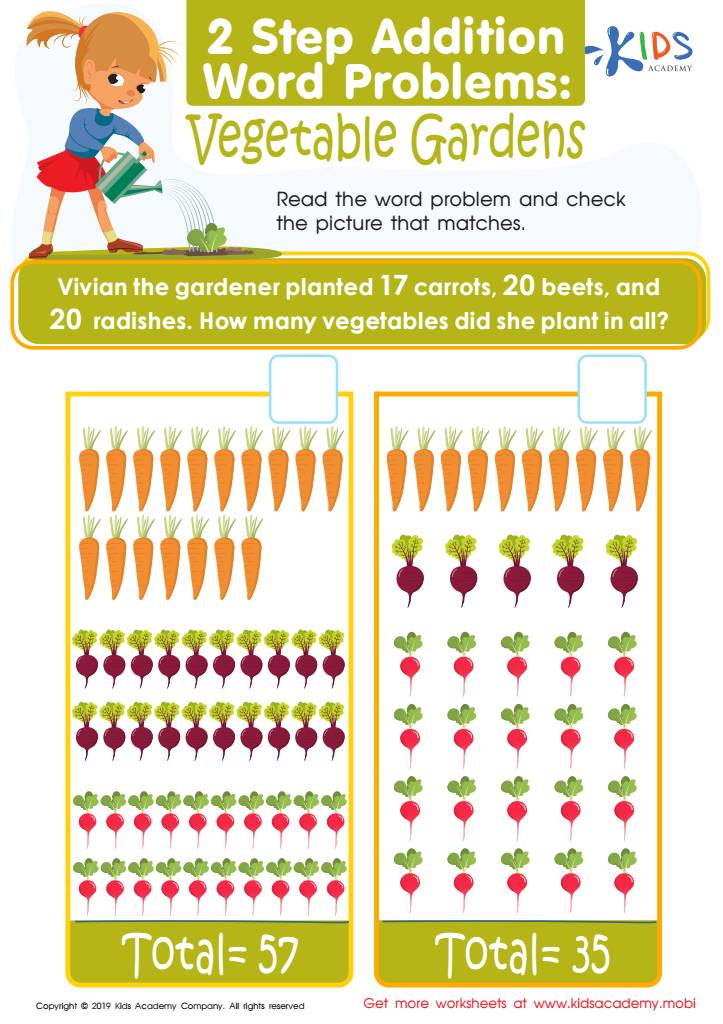
Vegetable Gardens Worksheet
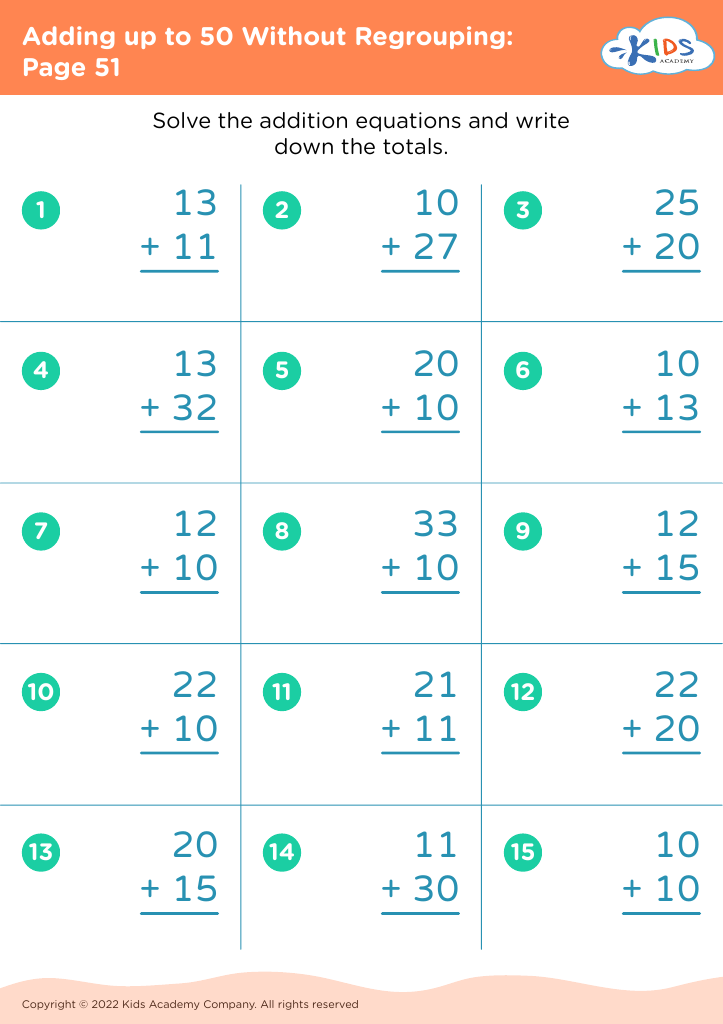
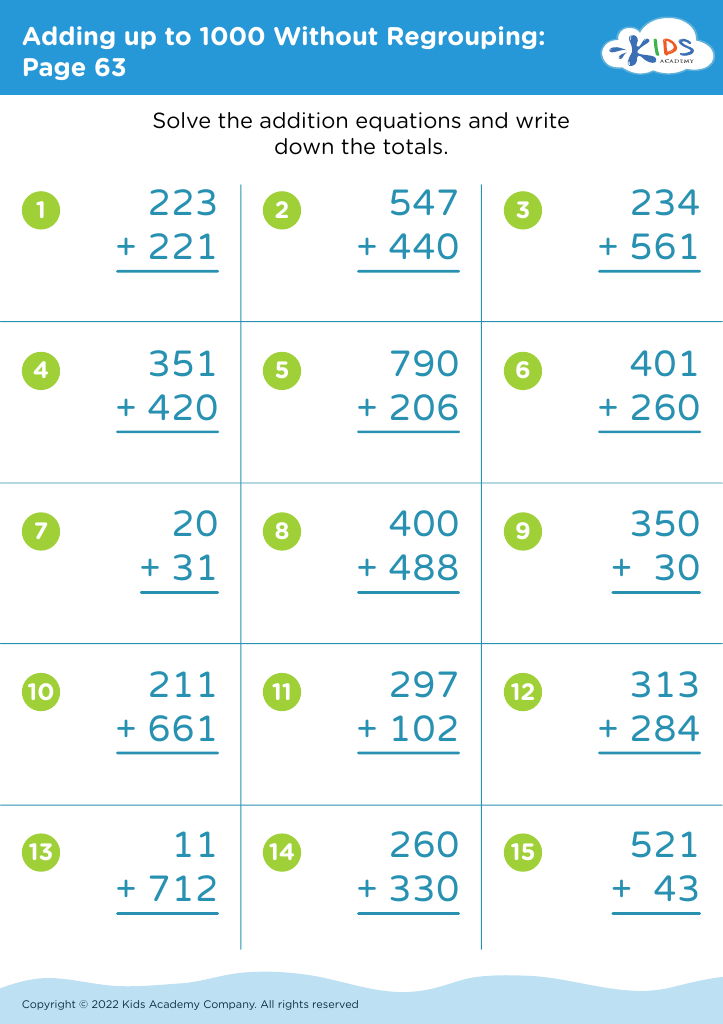
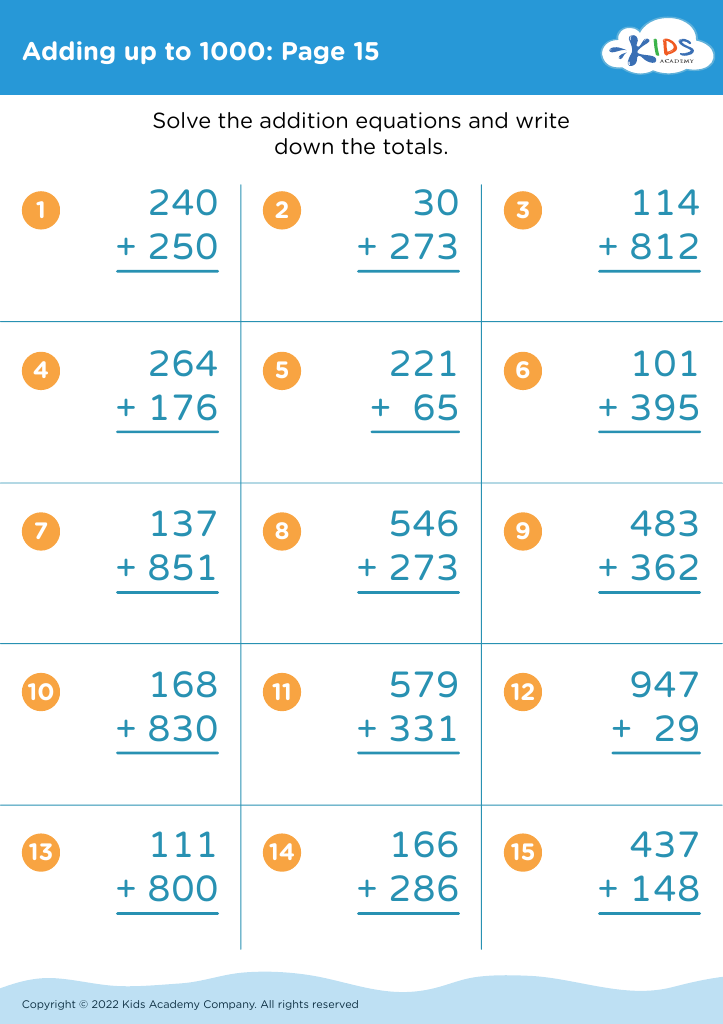
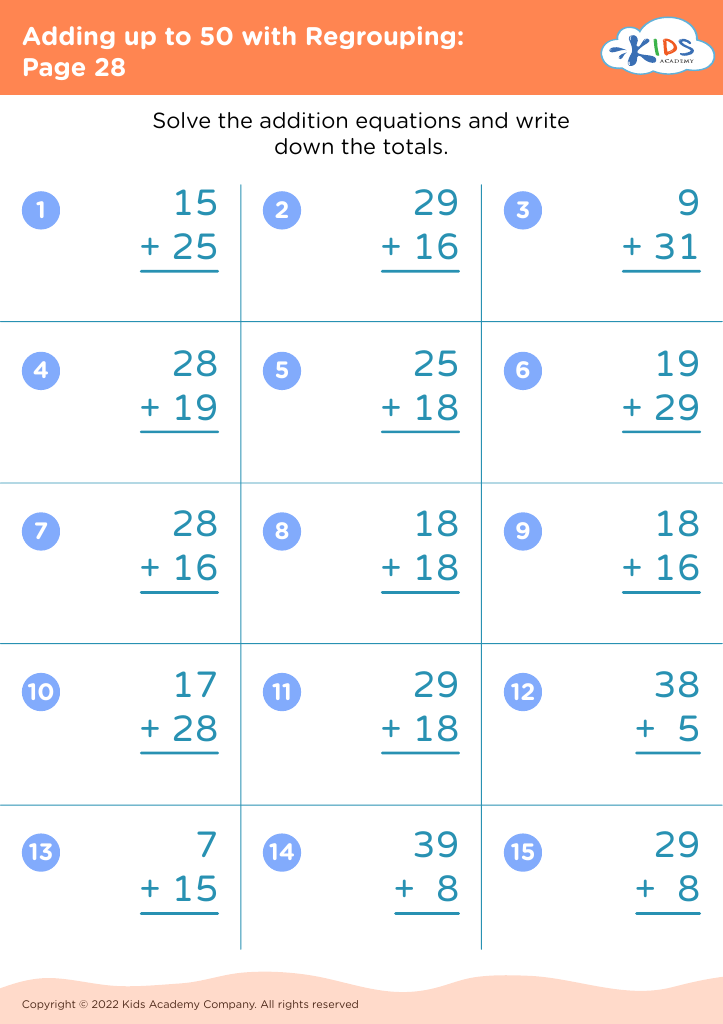








Parents and teachers should prioritize the development of problem-solving skills in addition and subtraction for children aged 8-9, as these foundational skills significantly impact a child's academic success and overall cognitive development. At this age, children are shifting from learning basic operations to applying them in complex scenarios. Problem-solving skills enhance critical thinking, enabling students to analyze, reason, and derive solutions effectively, which are vital not only in mathematics but across all subjects.
Moreover, the ability to tackle mathematical problems cultivates perseverance and resilience. As children face challenges, they learn to navigate obstacles, develop strategies, and seek alternative solutions, fostering a growth mindset. This skill is invaluable as it prepares them for real-life situations, encouraging them to tackle everyday challenges with confidence.
Incorporating problem-solving in math lessons also makes learning interactive and enjoyable, nurturing a positive attitude toward math. By encouraging children to reason through problems rather than rote memorization, parents and teachers instill a deeper understanding of math concepts.
Ultimately, investing in problem-solving skills during this critical learning phase empowers children not just to excel in mathematics, but also to become resourceful thinkers and effective problem solvers in their future endeavors.








