Problem-solving abilities Numbers Worksheets for Ages 8-9
3 filtered results
-
From - To
Enhance your child's math skills with our engaging Problem-Solving Abilities Numbers Worksheets designed for ages 8-9. These worksheets encourage critical thinking and help young learners tackle various mathematical challenges with confidence. Tailored to stimulate creativity and analytical skills, each worksheet presents fun, real-world problems that promote practical understanding of numbers. Through interactive exercises, children will develop essential problem-solving abilities, fostering a love for math. Perfect for classroom or home learning, our resources provide endless practice opportunities and support a well-rounded education. Equip your child with the tools they need to thrive in mathematics and beyond! Explore our collection today!
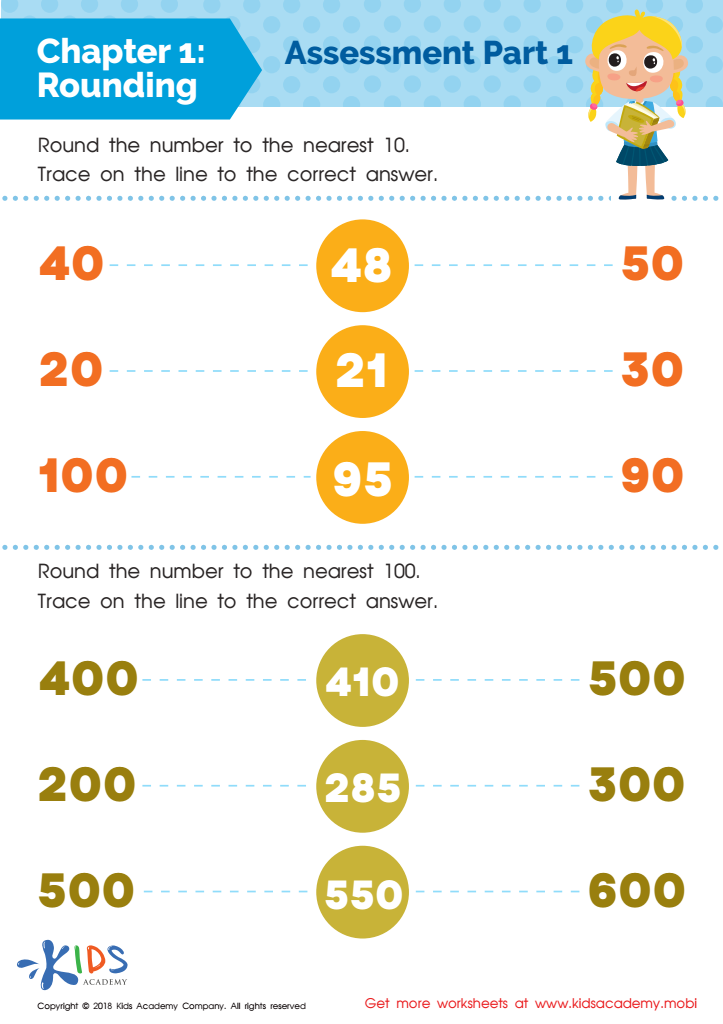
Rounding Worksheet 3rd Grade
 Assign to My Students
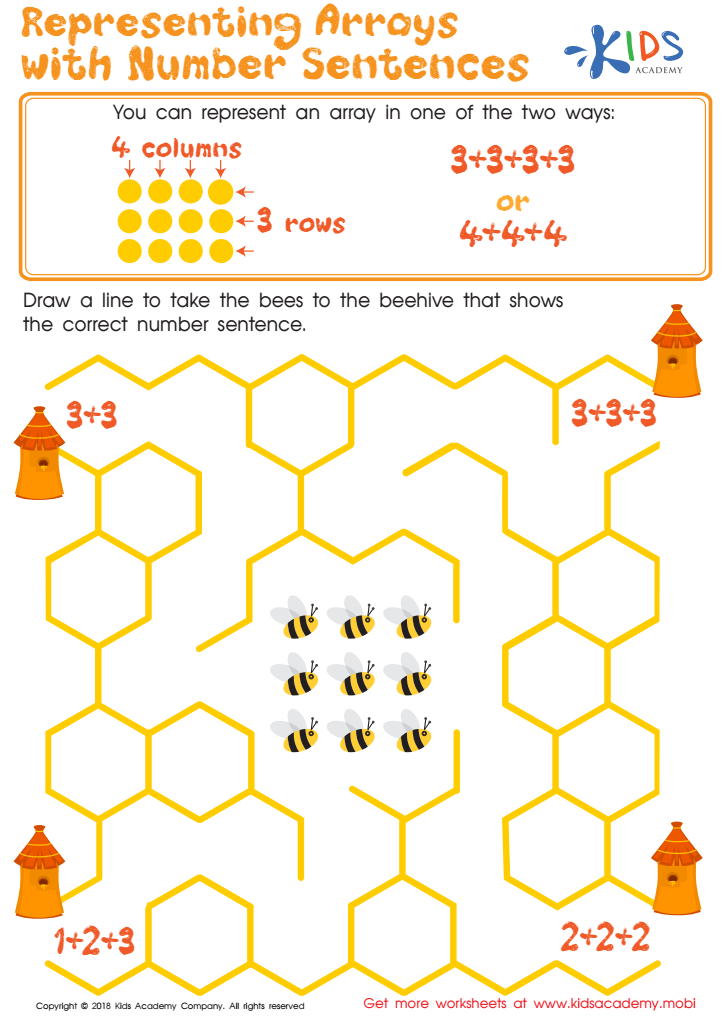
Representing Arrays with Number Sentences Worksheet

Sweet Shop – Counting Coins Worksheet








Problem-solving abilities in mathematics, particularly for children aged 8-9, are crucial for their cognitive development and overall academic success. At this developmental stage, children begin to encounter more complex mathematical concepts and multi-step problems. Fostering strong problem-solving skills equips them with the tools to navigate these challenges effectively.
Parents and teachers should care because these abilities encourage critical thinking and the application of mathematical reasoning to real-world situations. By learning to solve problems, children develop perseverance, creativity, and confidence in their capabilities. These skills not only facilitate academic performance in math but also enhance their reasoning and analytical skills in other subjects.
Moreover, problem-solving fosters collaboration and communication if done in group settings, teaching children how to work with others and consider different perspectives. As these children approach upper grades and high school, their ability to tackle problems with a systematic approach will be essential, especially in STEM fields.
Ultimately, nurturing problem-solving skills at this age lays the foundation for lifelong learning, helping children to become adaptable, resourceful learners prepared for the challenges of the future. Providing encouragement and opportunities for practice strengthens these crucial skills, benefiting children well beyond the classroom.








