Counting practice Math Worksheets for Ages 8-9 - Page 3
75 filtered results
-
From - To
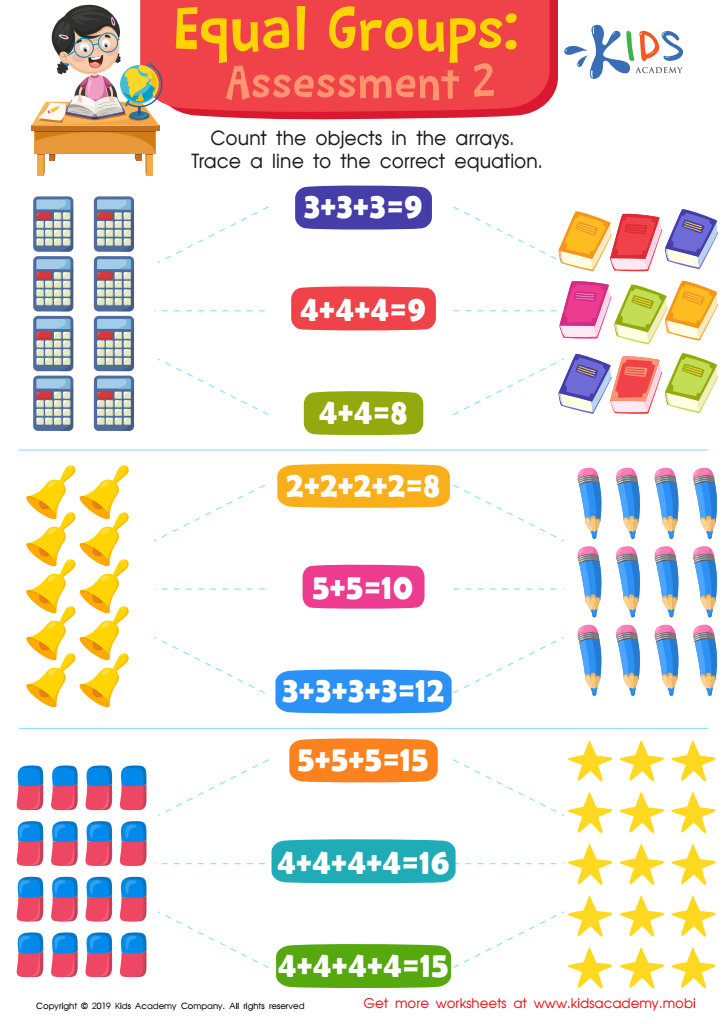
Equal Groups: Assessment 2 Worksheet
 Assign to My Students
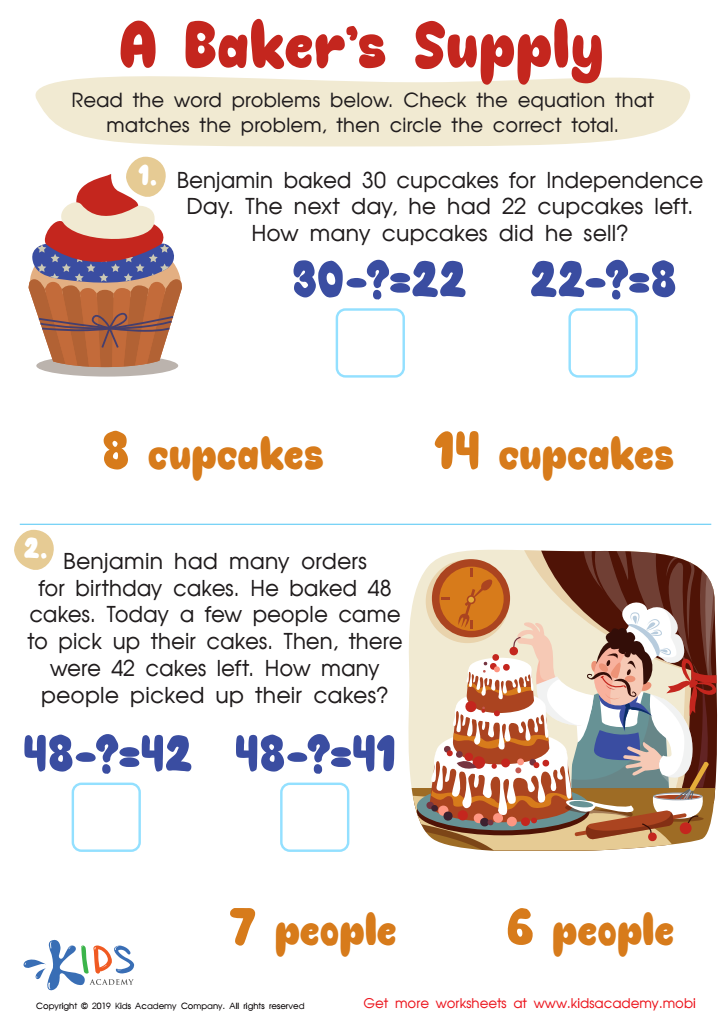
A Baker's Supply Worksheet
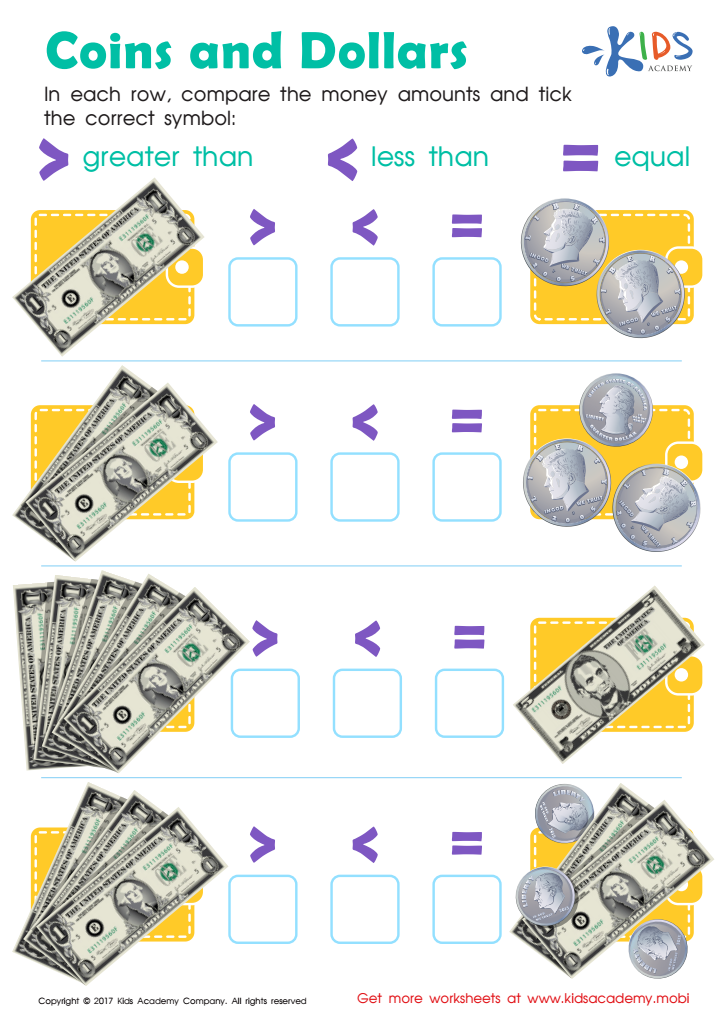
Money: Coins Dollars Printable
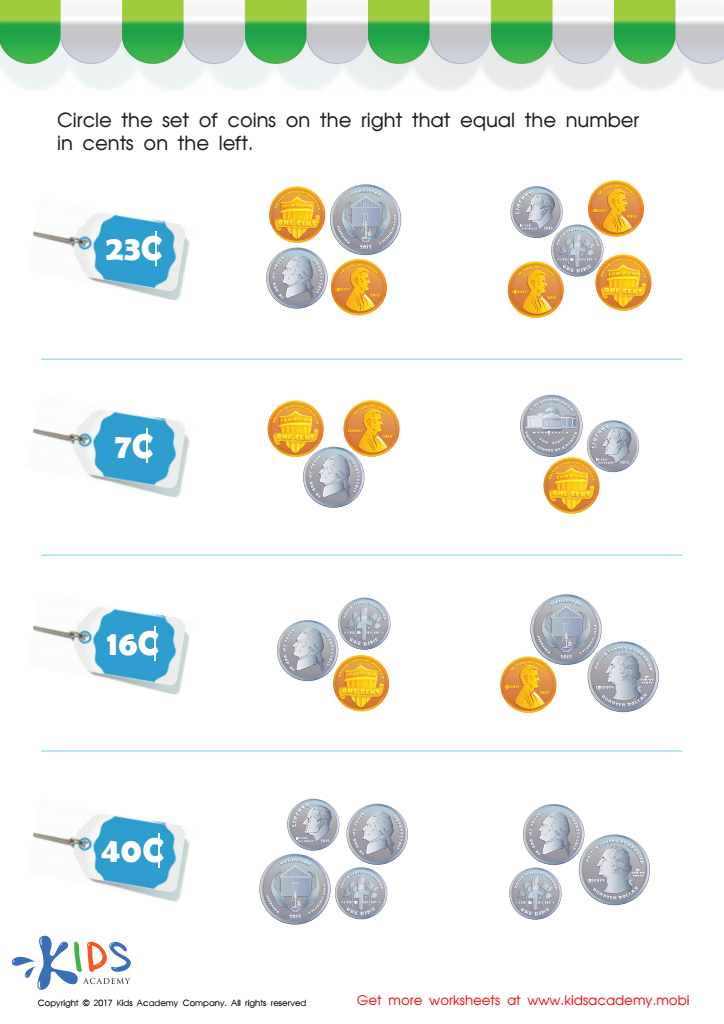
Picking the Coins You Need Money Worksheet
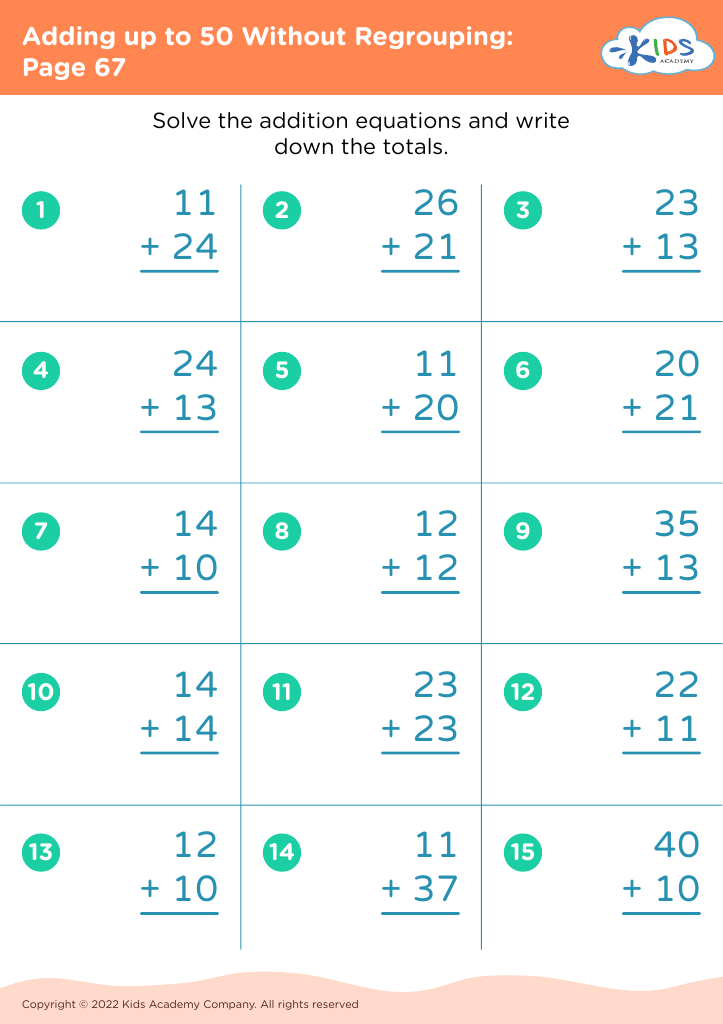
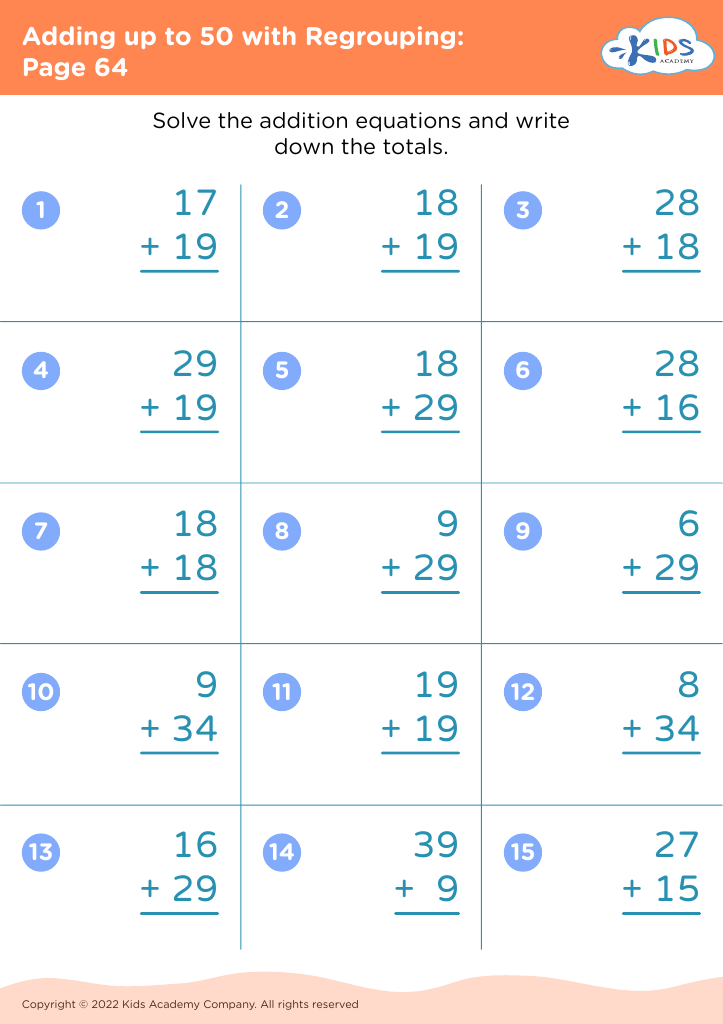
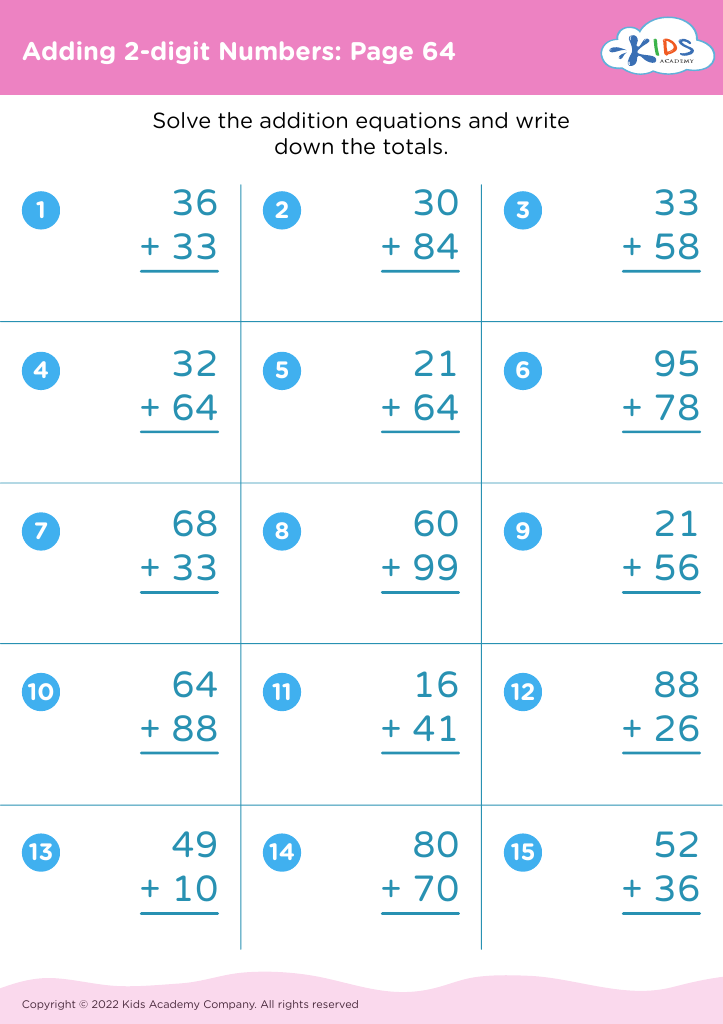
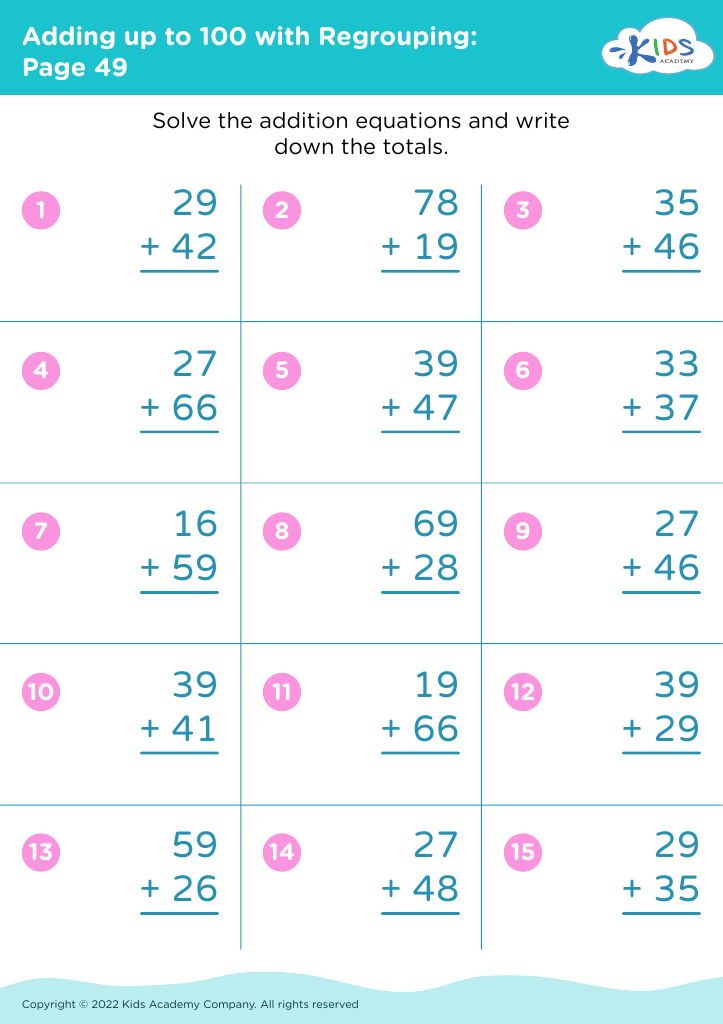
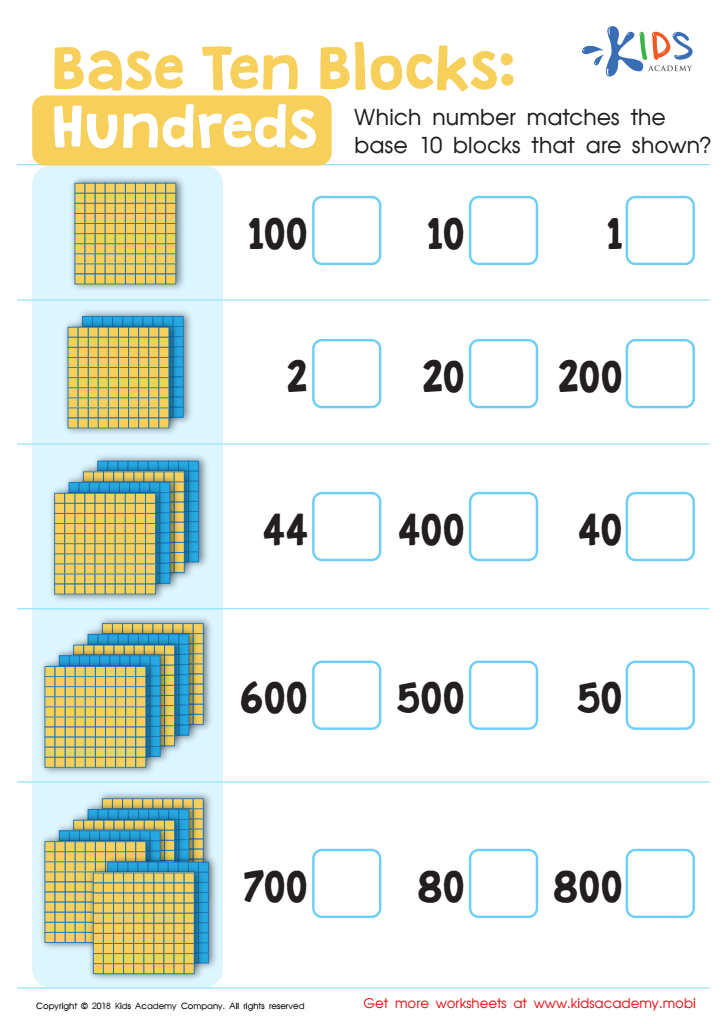
Base Ten Blocks: Hundreds Worksheet
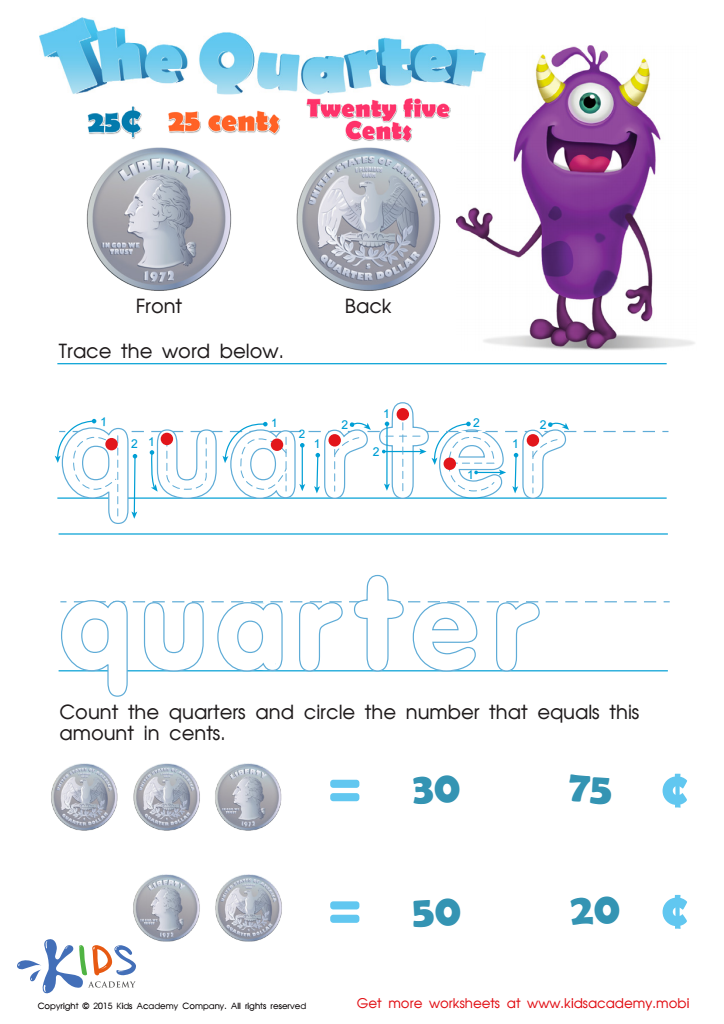
Twenty Five Cents or the Quarter Money Worksheet
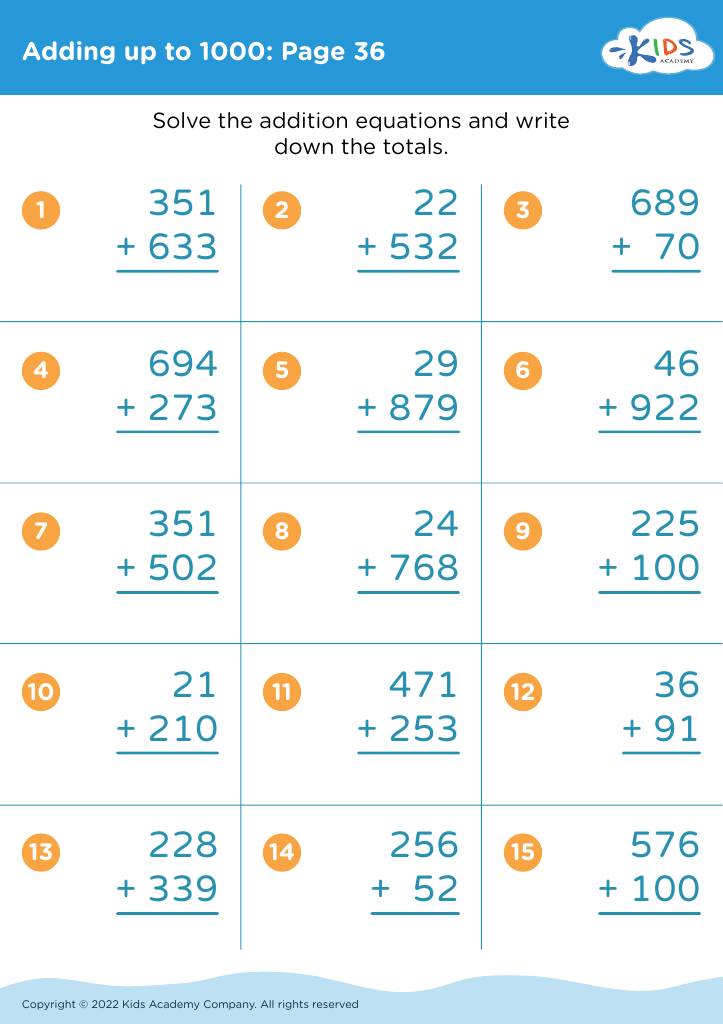
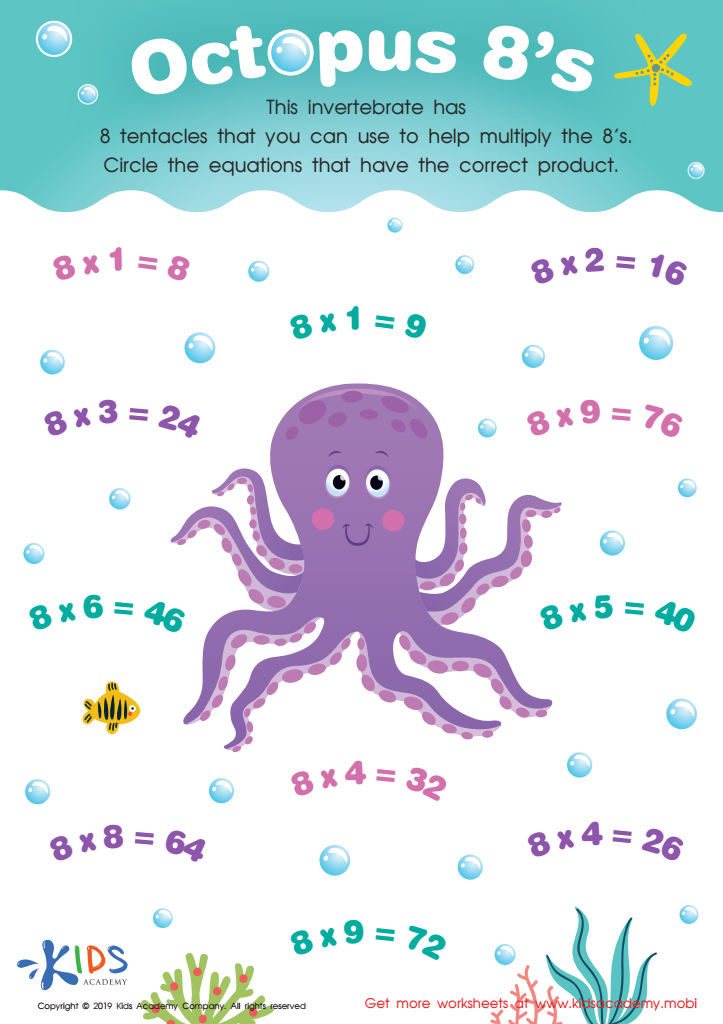
Octopus 8’s Worksheet
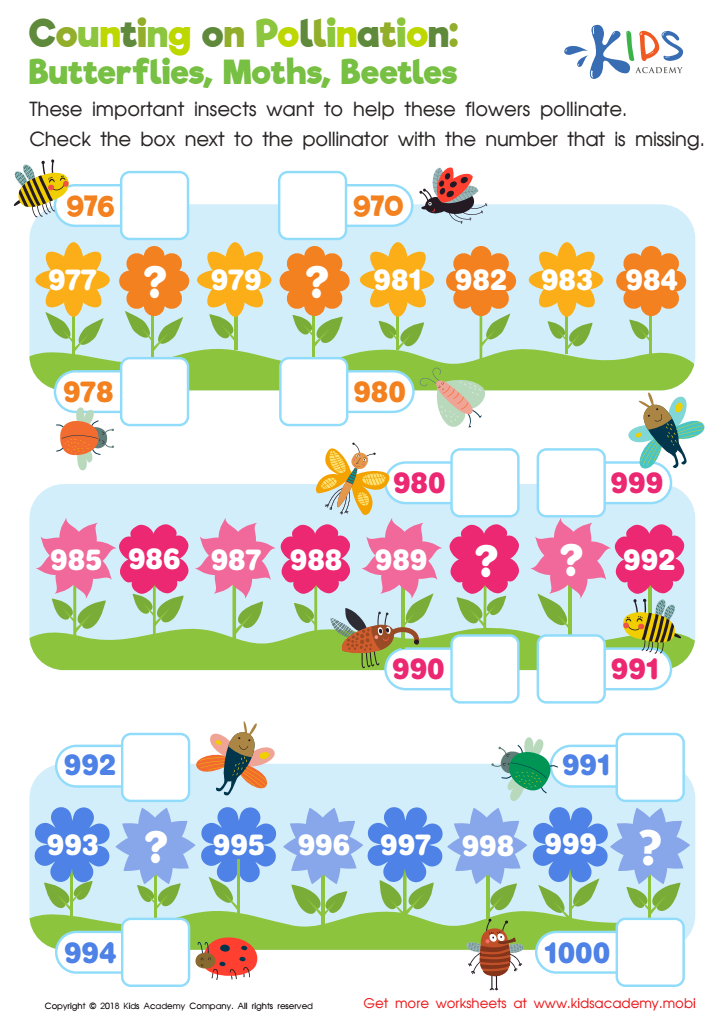
Counting on Pollination: Butterflies, Moths, Beetles Worksheet
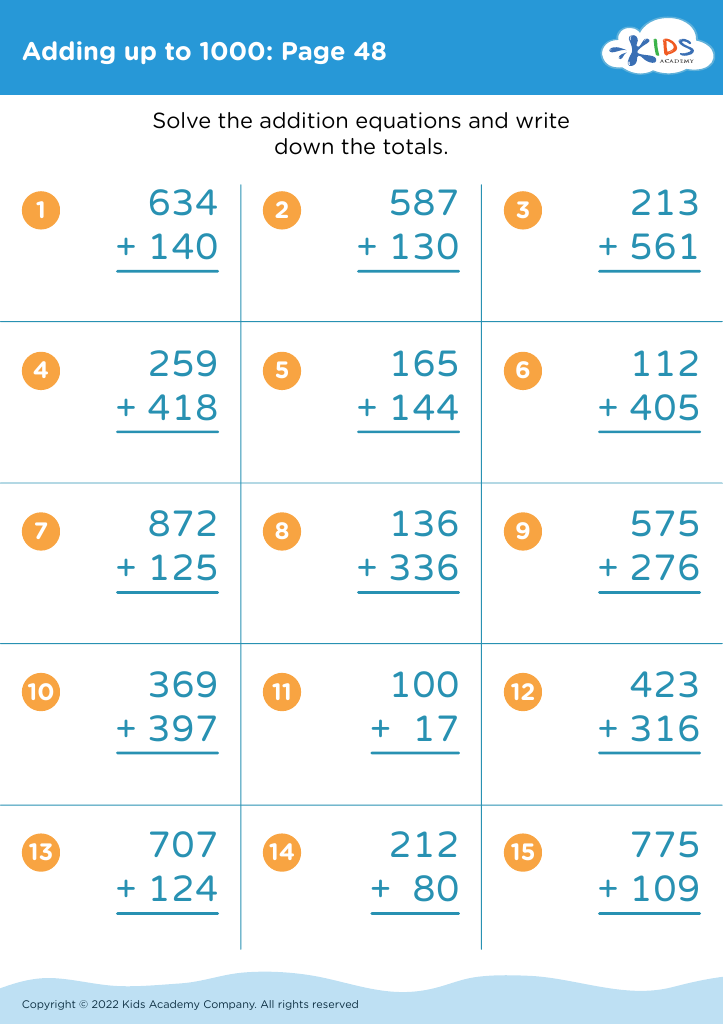







%20(1).jpg)
Counting practice is crucial for children ages 8 to 9 as it lays the foundation for more advanced mathematical concepts. At this age, students are transitioning from basic arithmetic to more complex operations, including addition, subtraction, multiplication, and division. Mastery of counting helps them develop number sense, allowing them to understand relationships between numbers and how they are used in everyday situations.
Parents and teachers should care about counting practice because it enhances children's cognitive abilities and problem-solving skills. Regular counting exercises can improve children's ability to estimate and compare quantities, which is integral for handling real-life scenarios like budgeting, shopping, or measuring.
Moreover, consistent counting practice engages children and boosts their confidence in math. This age is critical for developing a positive attitude towards mathematics, which is linked to future academic success. When students feel competent in counting, they are more likely to embrace challenges and pursue further STEM (science, technology, engineering, and mathematics) opportunities.
Finally, providing support in counting during these formative years encourages a collaborative learning atmosphere, builds essential mathematical habits, and fosters a learning environment both at home and in school that prioritizes numeracy skills.








