Mathematical reasoning Math Worksheets for Ages 8-9 - Page 2
39 filtered results
-
From - To
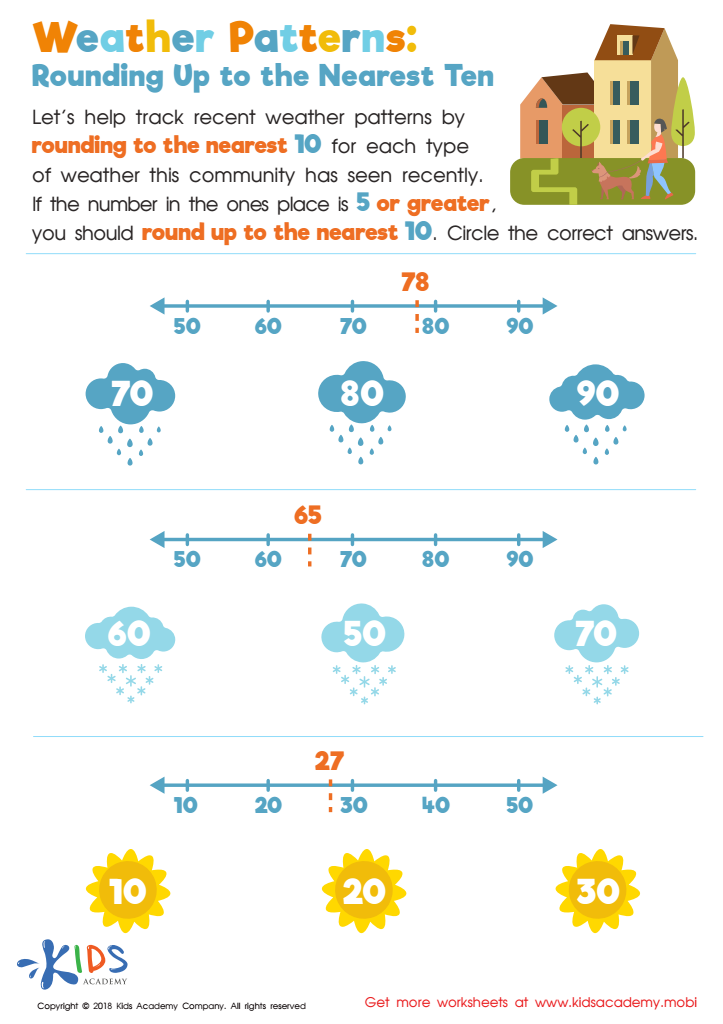
Weather Patterns Worksheet
 Assign to My Students
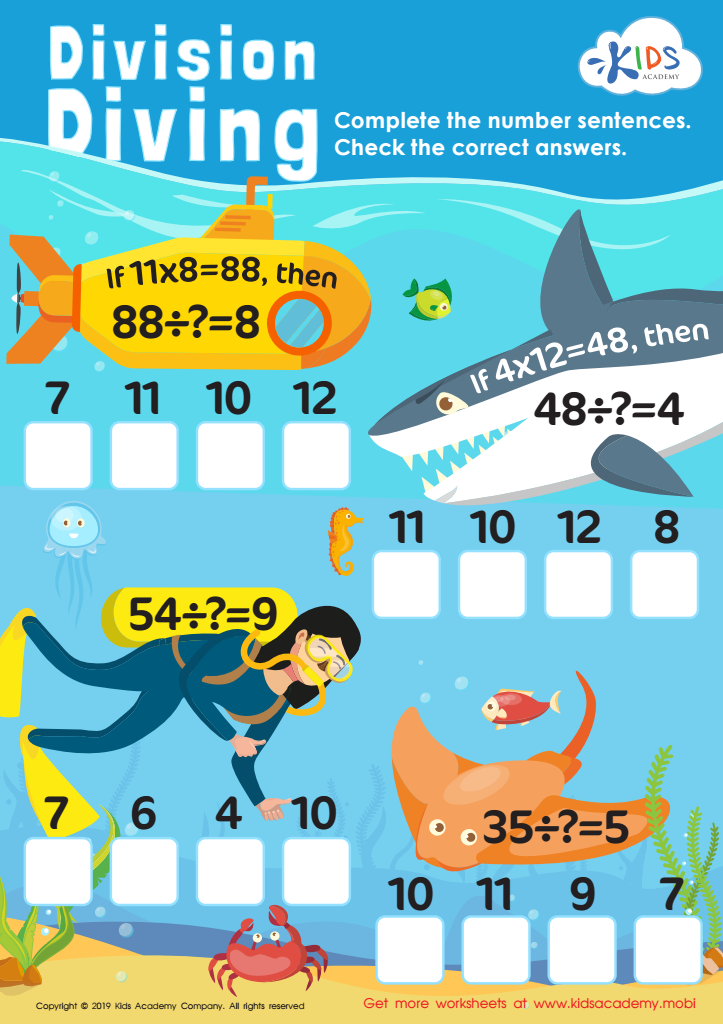
Division Diving Worksheet
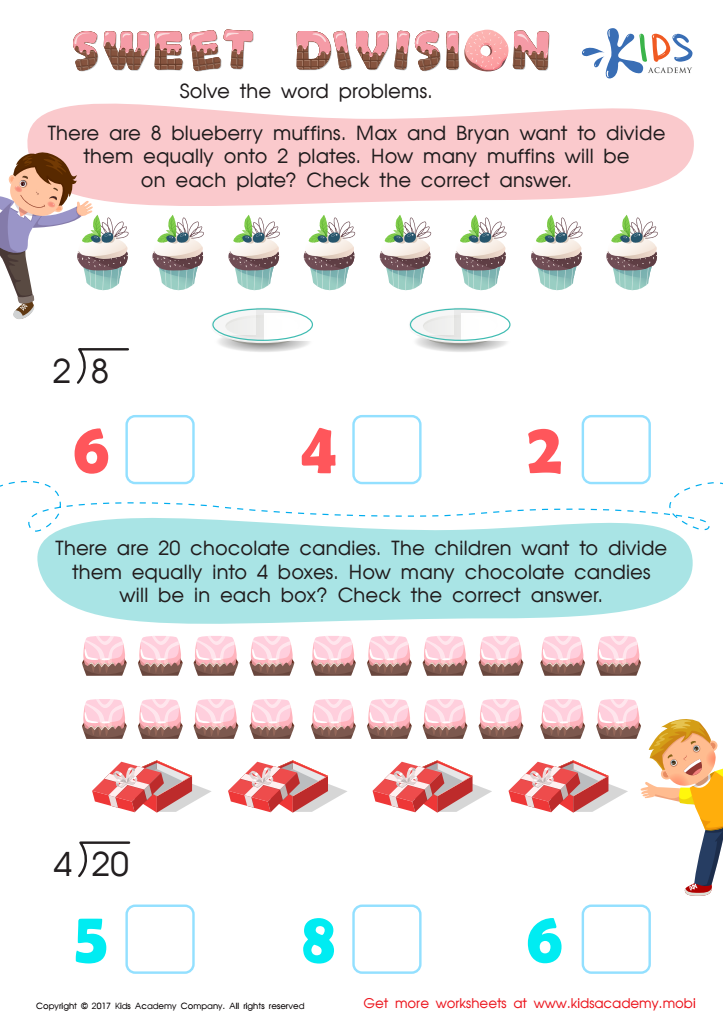
Division Word Problems Worksheet
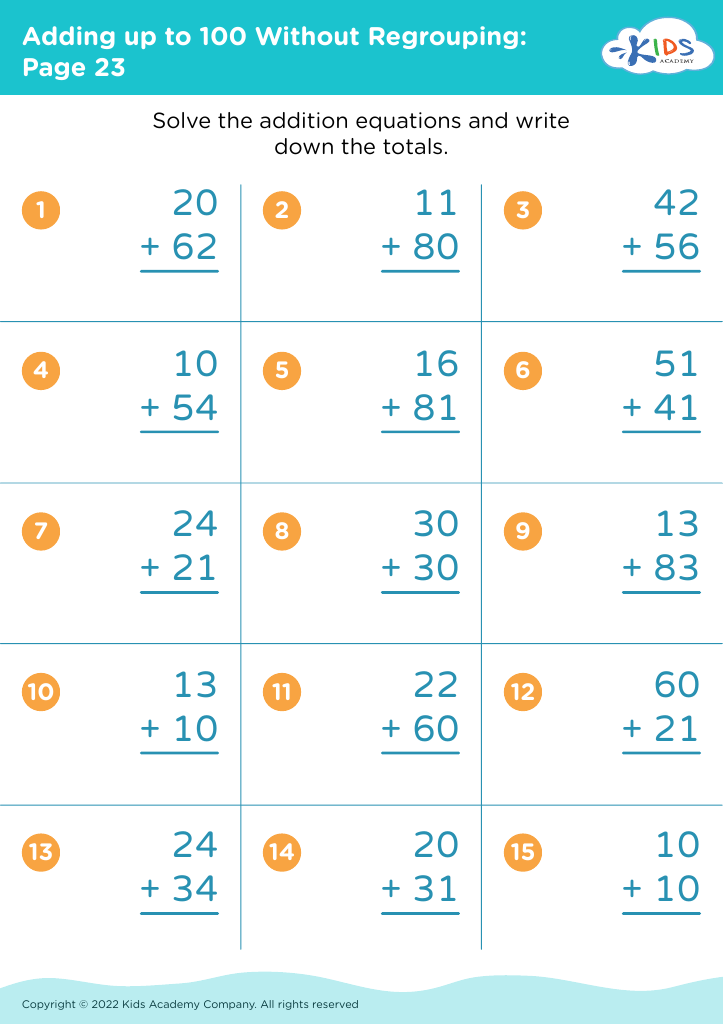
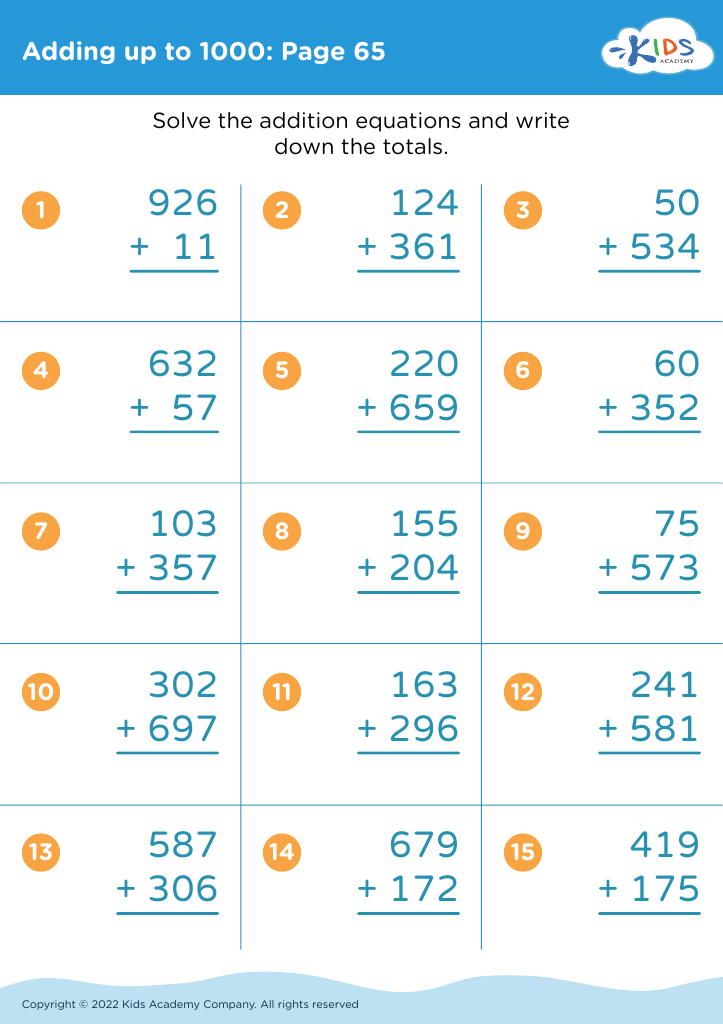
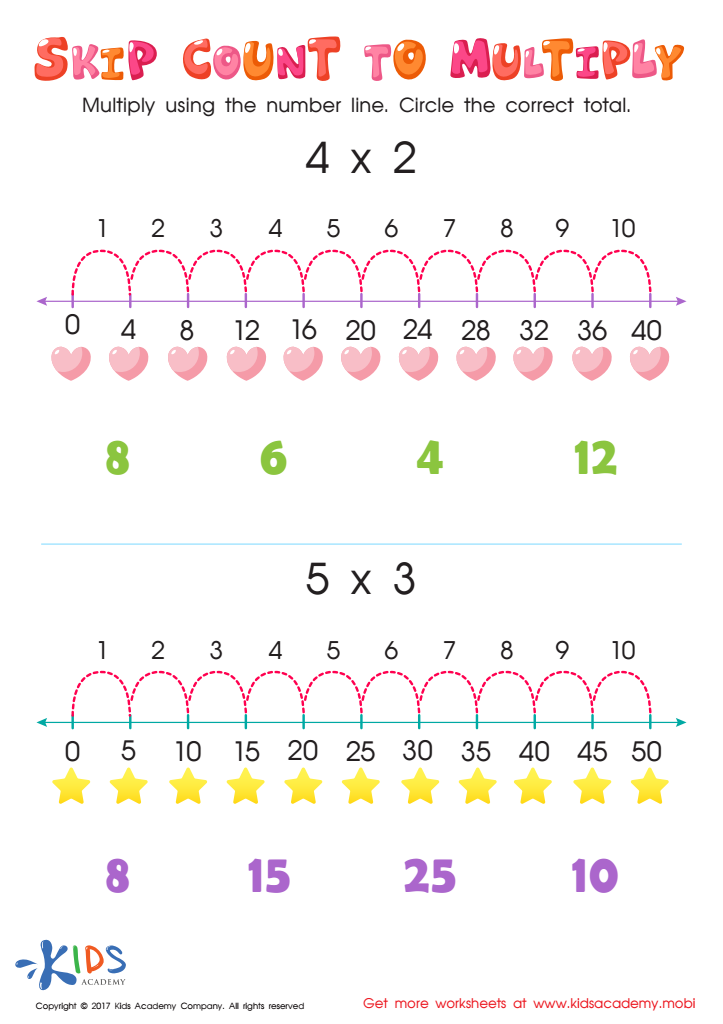
Skip Count Multiplication Worksheet
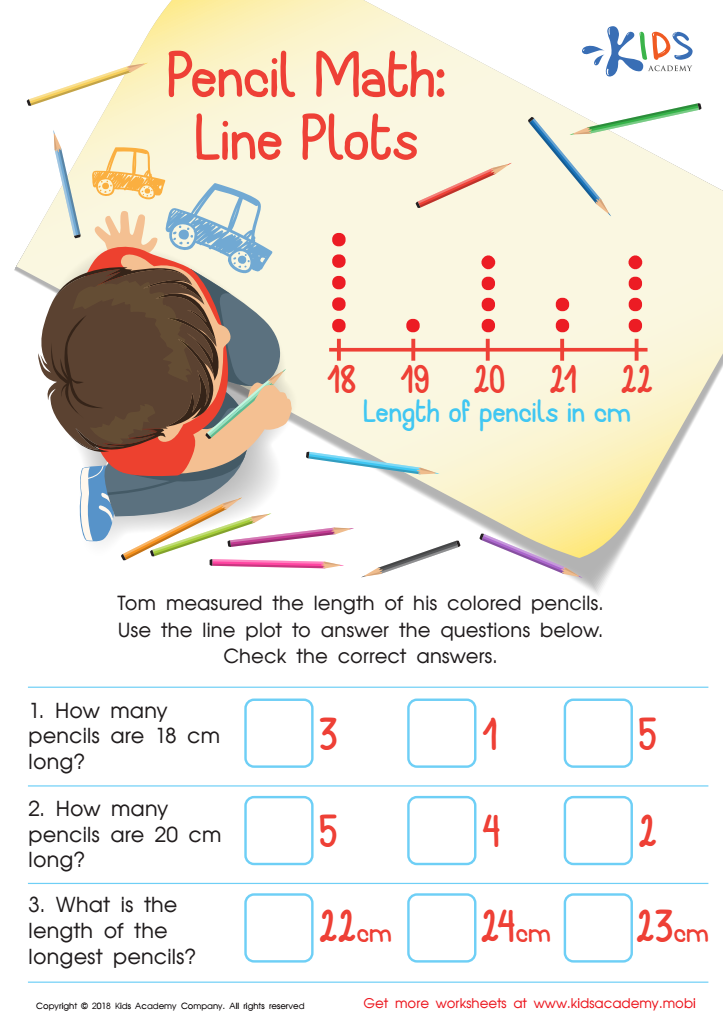
Pencil Math: Line Plots Worksheet
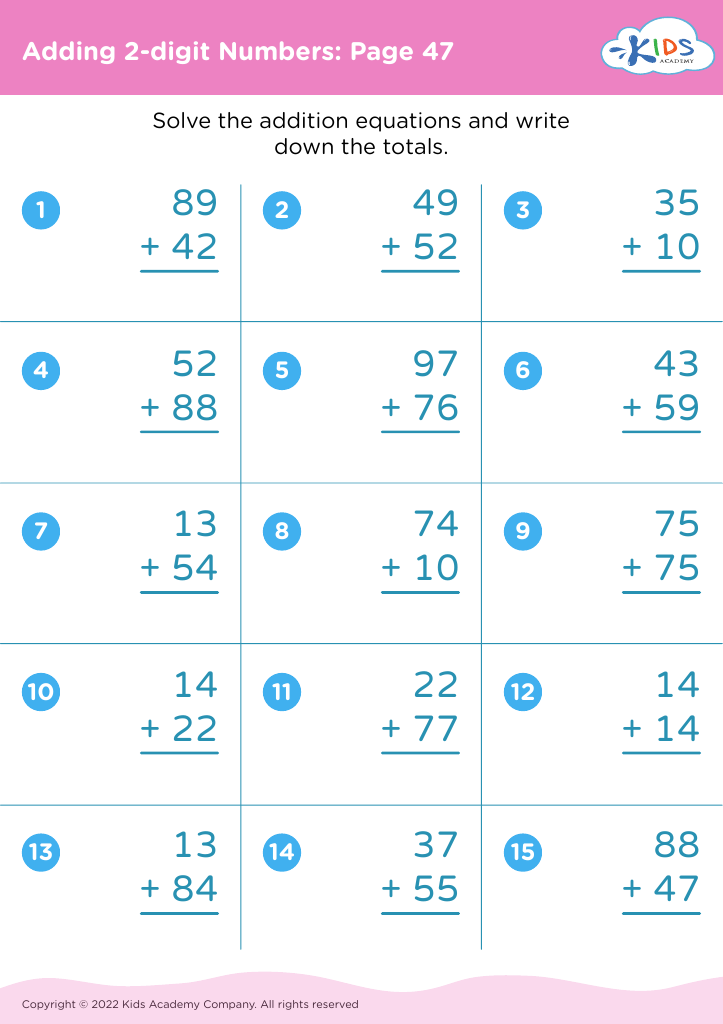
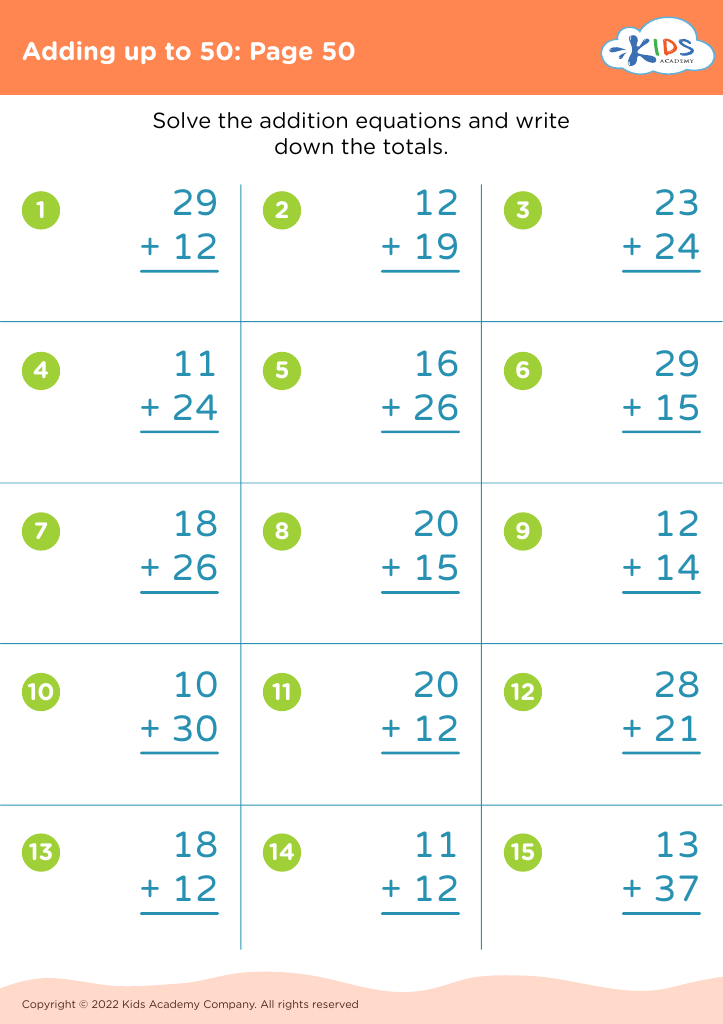
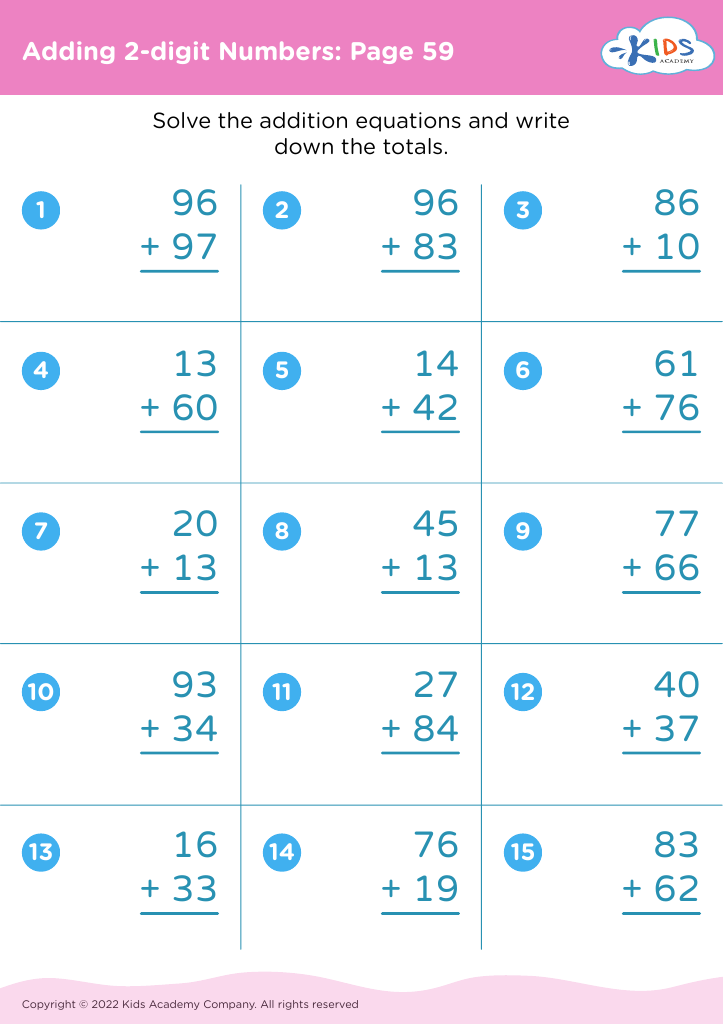
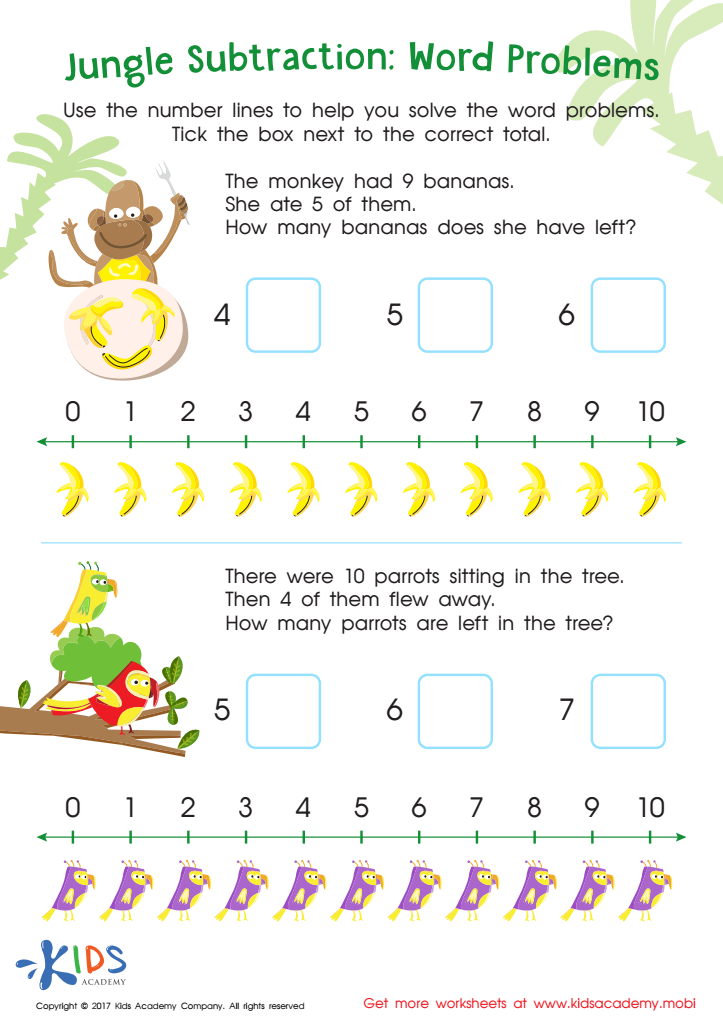
Jungle Subtraction Word Problems Substraction Worksheet
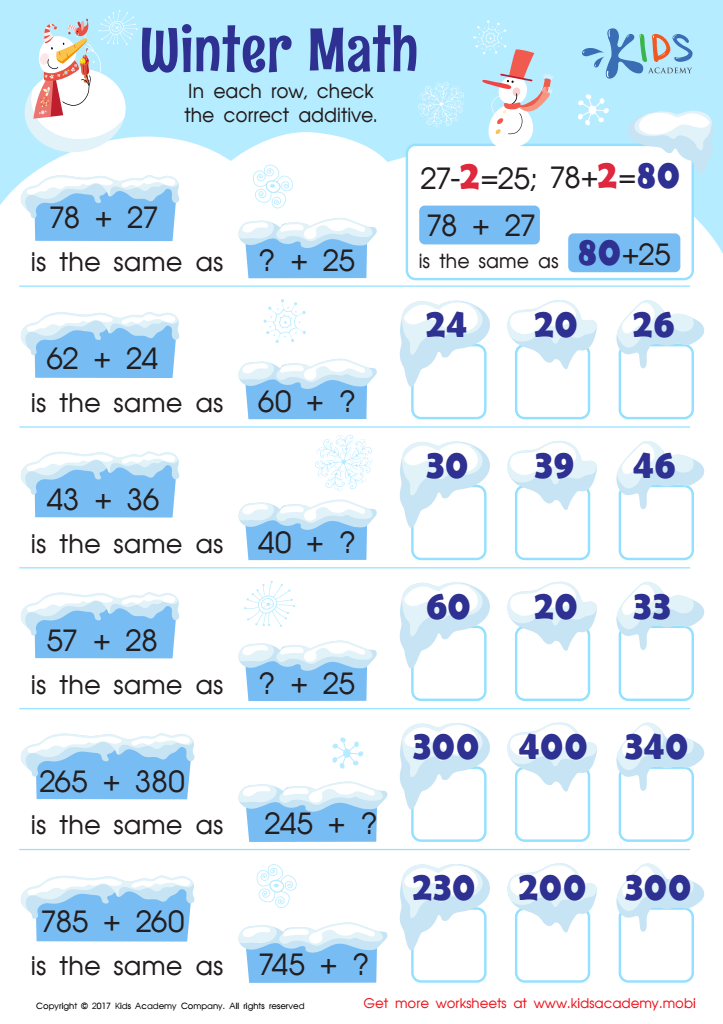
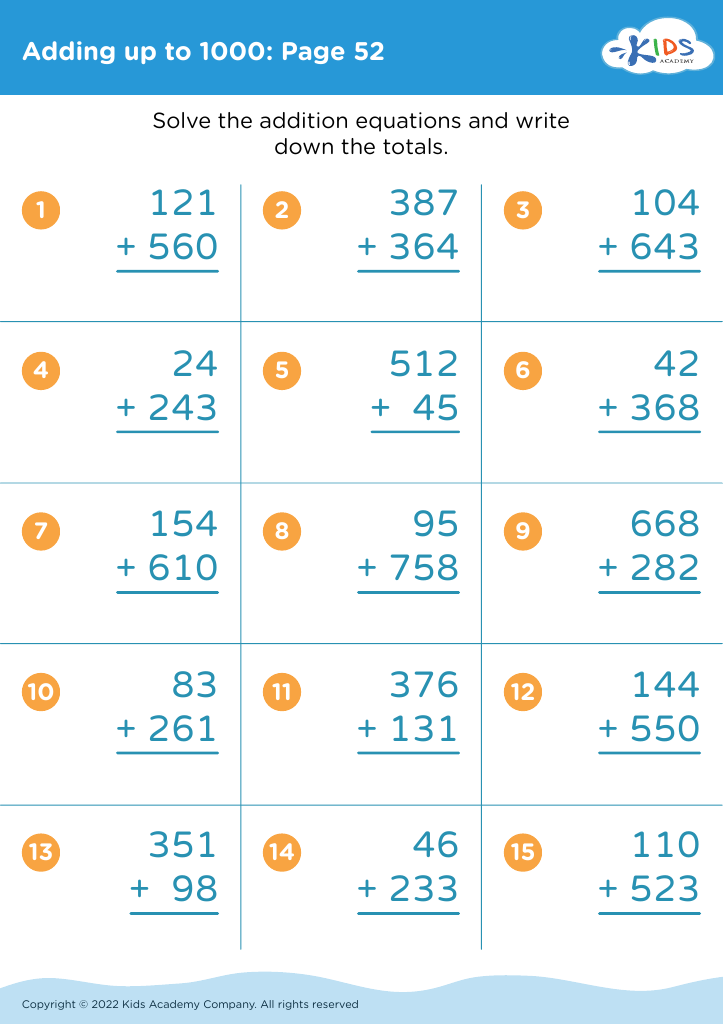
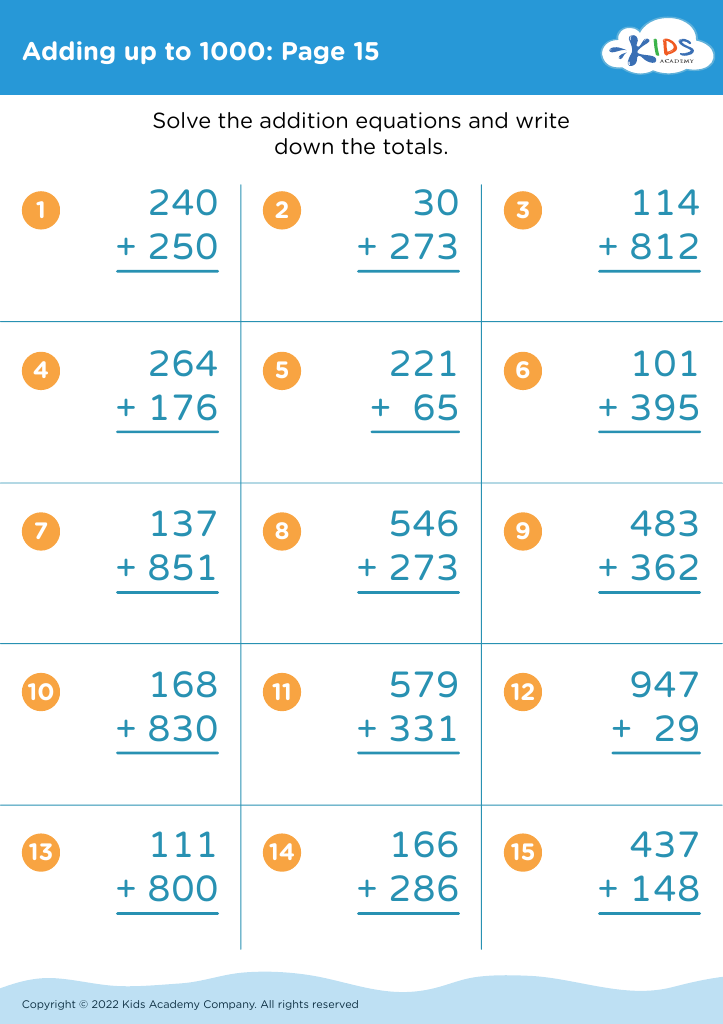
Free Addition Worksheet
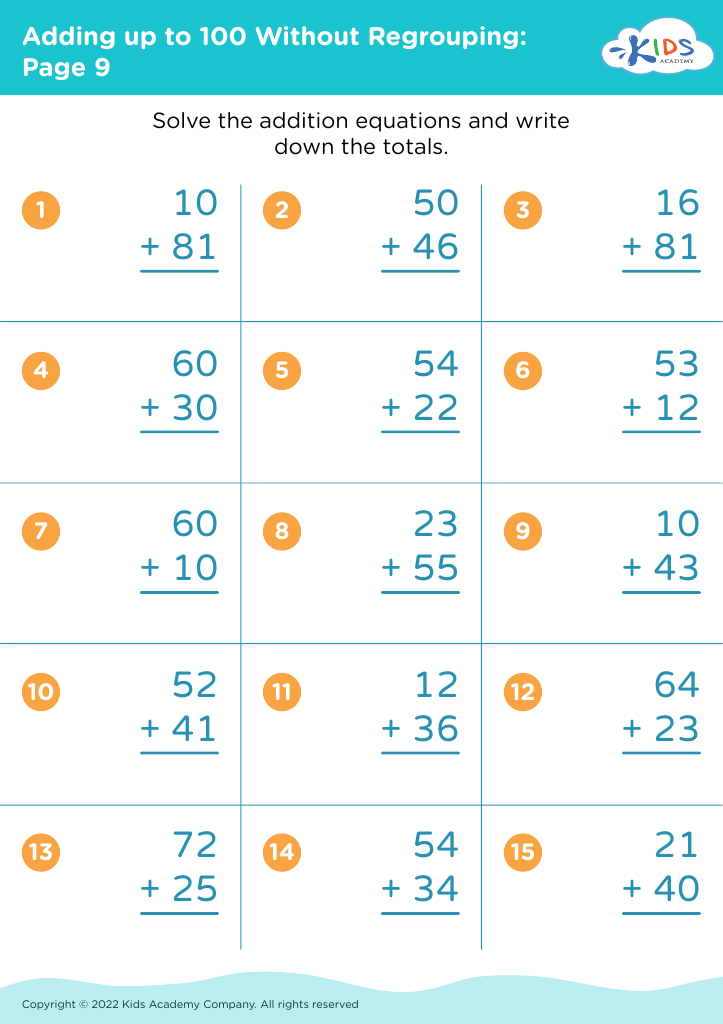








Mathematical reasoning is a foundational skill that is crucial for children aged 8 to 9, as it significantly influences their overall academic success and everyday problem-solving abilities. At this stage, students are developing their cognitive skills, and strong reasoning helps them apply mathematical concepts to real-world scenarios, from budgeting allowance to understanding measurements in cooking.
Teachers and parents should care about fostering mathematical reasoning because it cultivates critical thinking and analytical skills. When children learn to reason mathematically, they become comfortable with concepts such as patterns, logic, and relationships between numbers, which reinforces their capability to tackle more complex mathematics in later grades. Furthermore, reasoning enhances persistence and resilience—qualities essential in facing challenges, not just in mathematics but across various disciplines.
Encouraging conversations around mathematical reasoning nurtures a growth mindset, helping children see mistakes as learning opportunities. In today's data-driven world, competencies in reasoning are linked to future career opportunities in science, technology, engineering, and mathematics (STEM) fields. By prioritizing mathematical reasoning in the early years, parents and teachers equip children with the tools they need to succeed academically and navigate everyday situations effectively.








