Understanding patterns Math Worksheets for Ages 8-9
42 filtered results
-
From - To
Discover the engaging world of patterns with our "Understanding Patterns Math Worksheets for Ages 8-9". Specifically designed to hone young minds, these worksheets offer a variety of activities that promote critical thinking and problem-solving skills. Students will explore repeating patterns, number sequences, and geometric shapes to strengthen their mathematical understanding. Ideal for reinforcing classroom learning or enriching homeschool curricula, these printables are both fun and educational. Each worksheet is crafted to be visually appealing and age-appropriate, ensuring an enjoyable learning experience. Equip your child with the tools they need to master patterns and build a strong foundation in math.
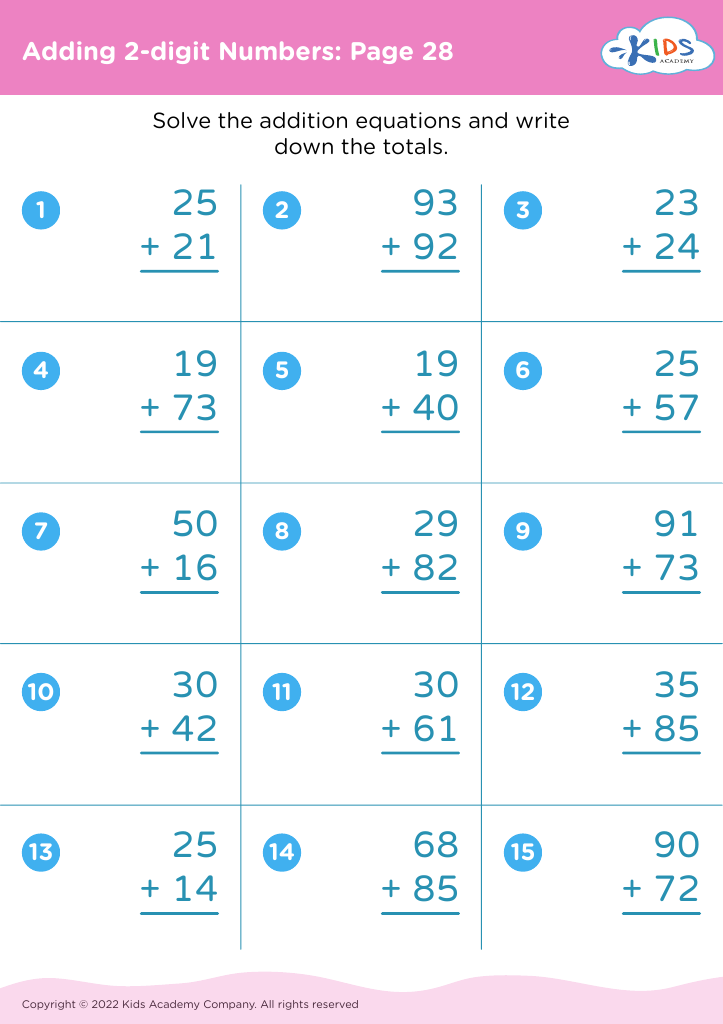
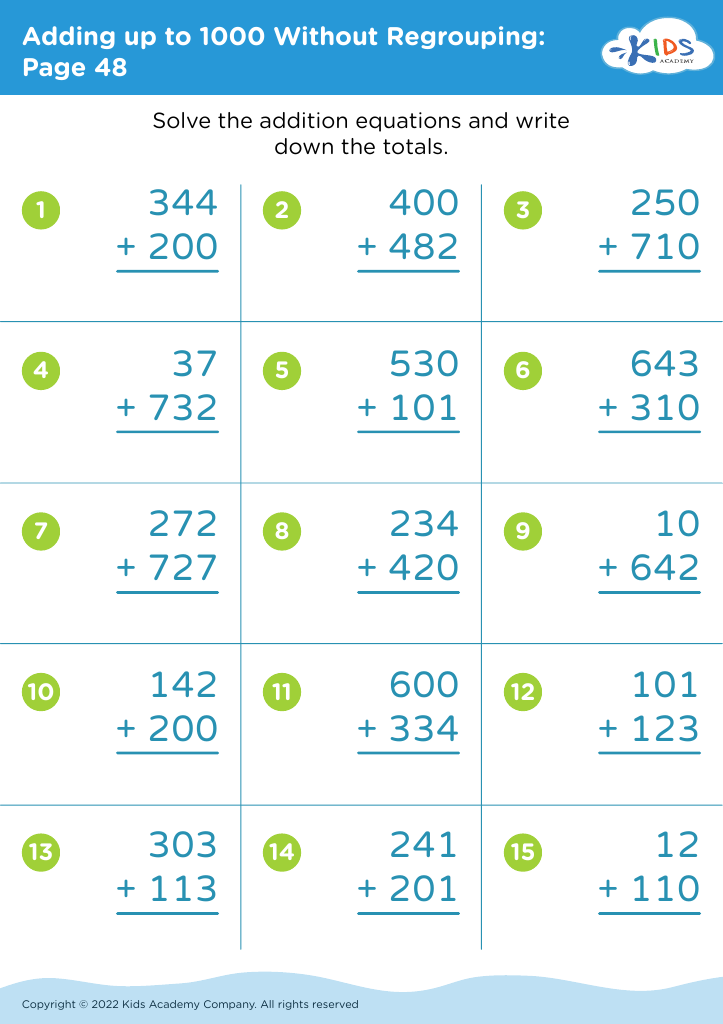
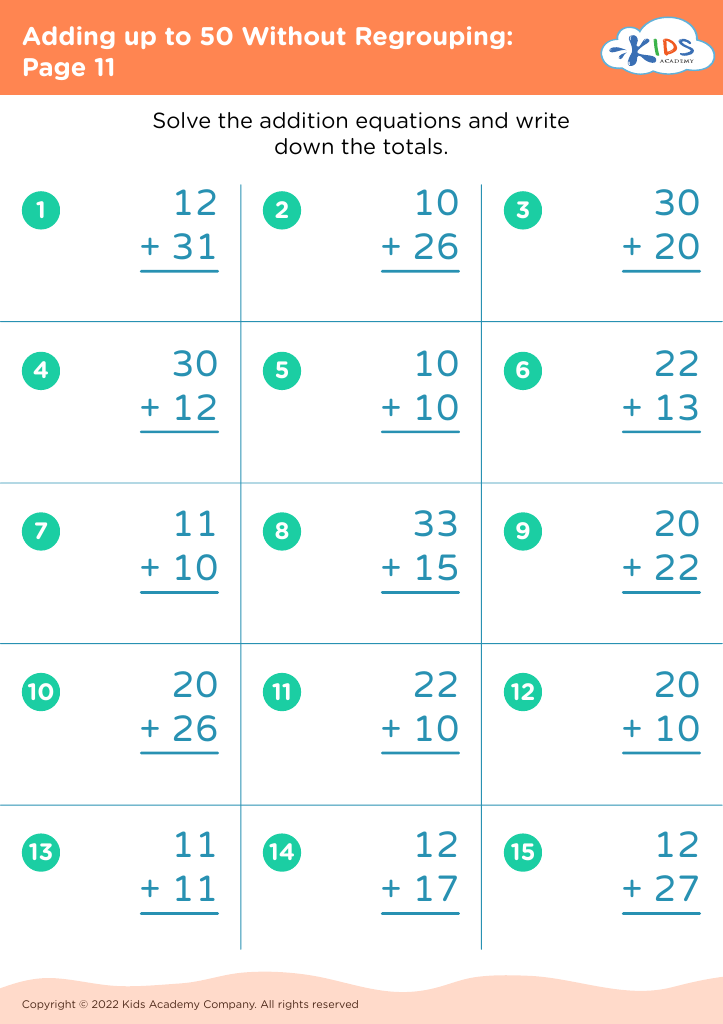
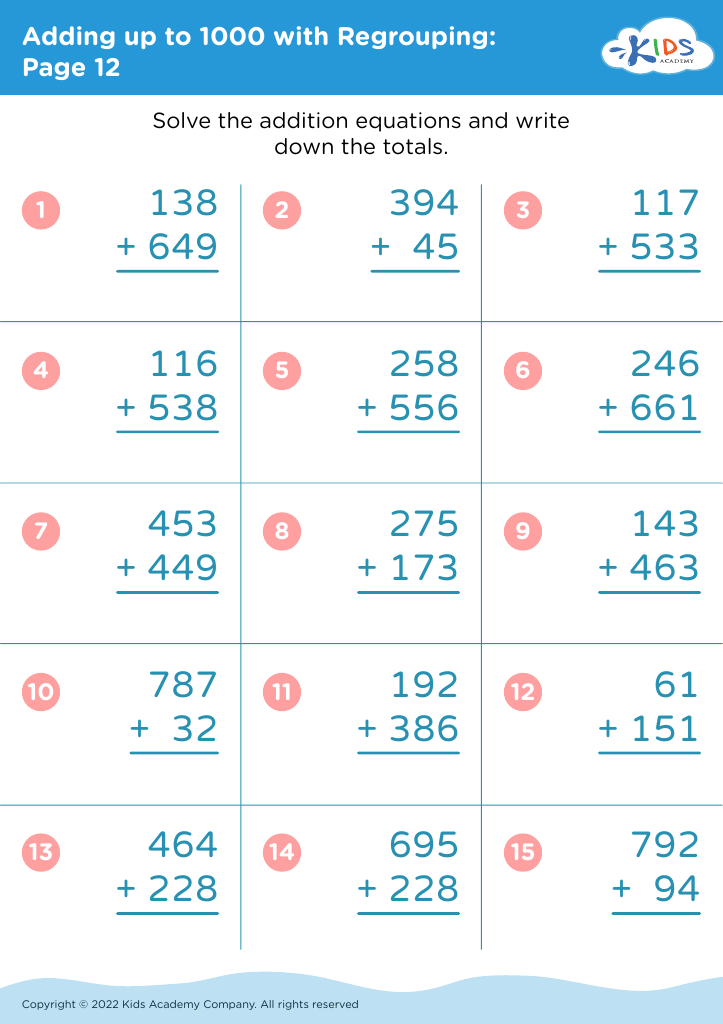
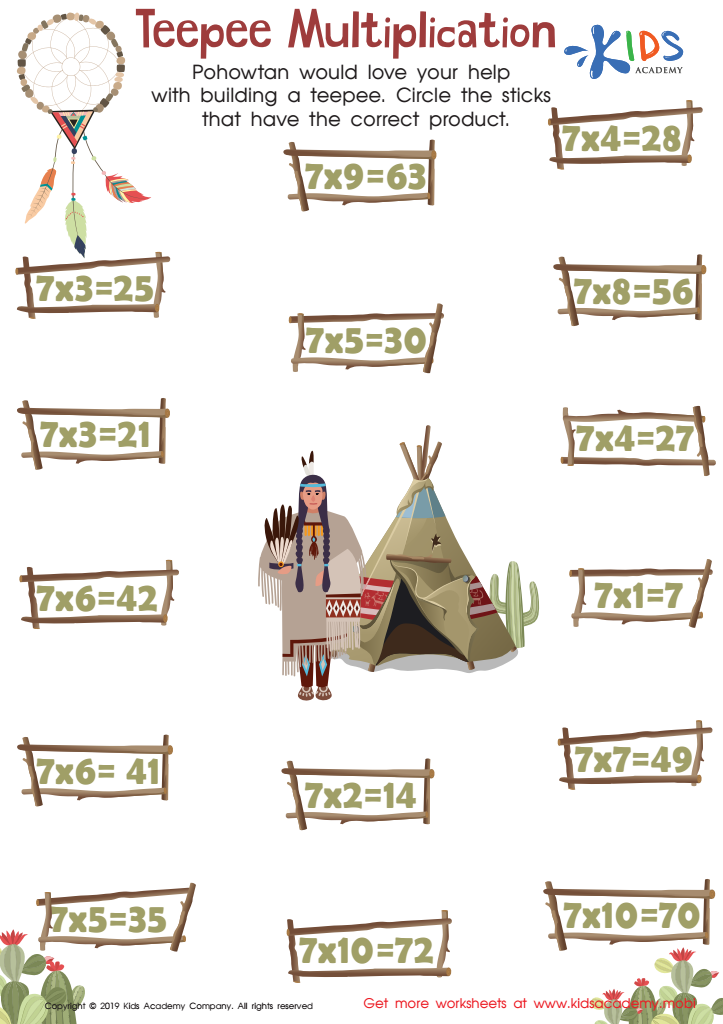
Teepee Multiplication Worksheet
 Assign to My Students
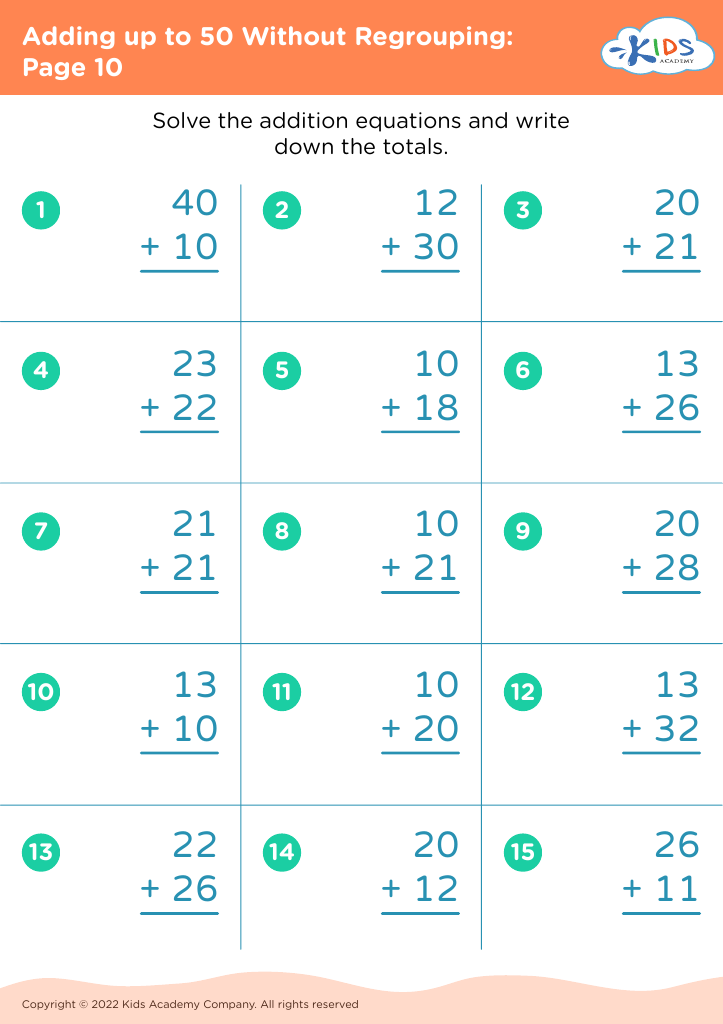
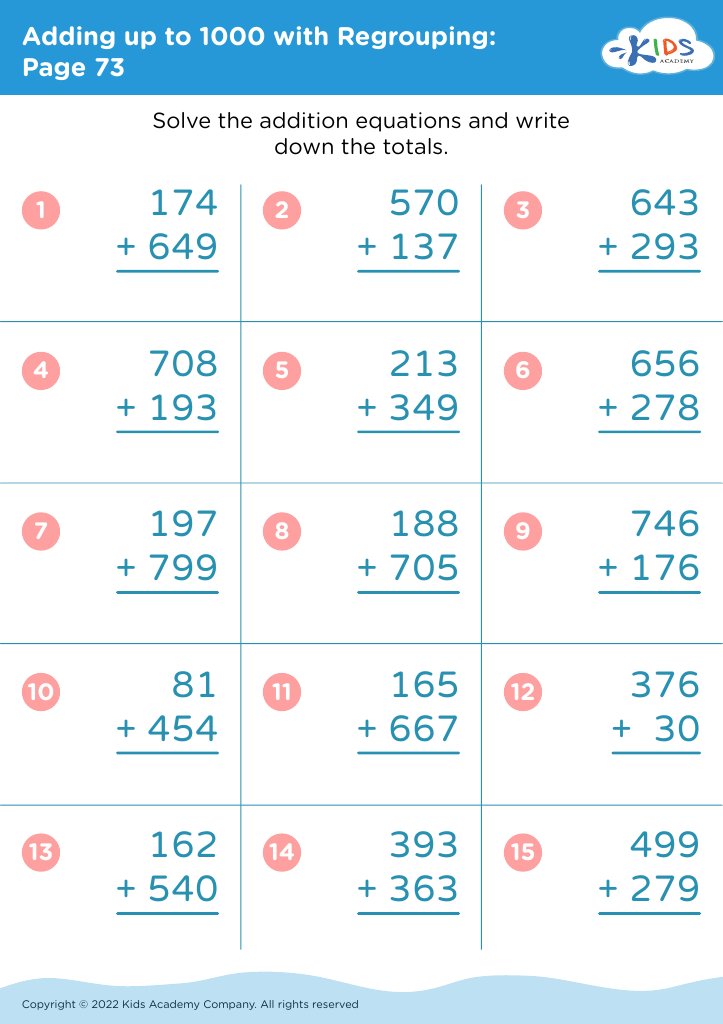
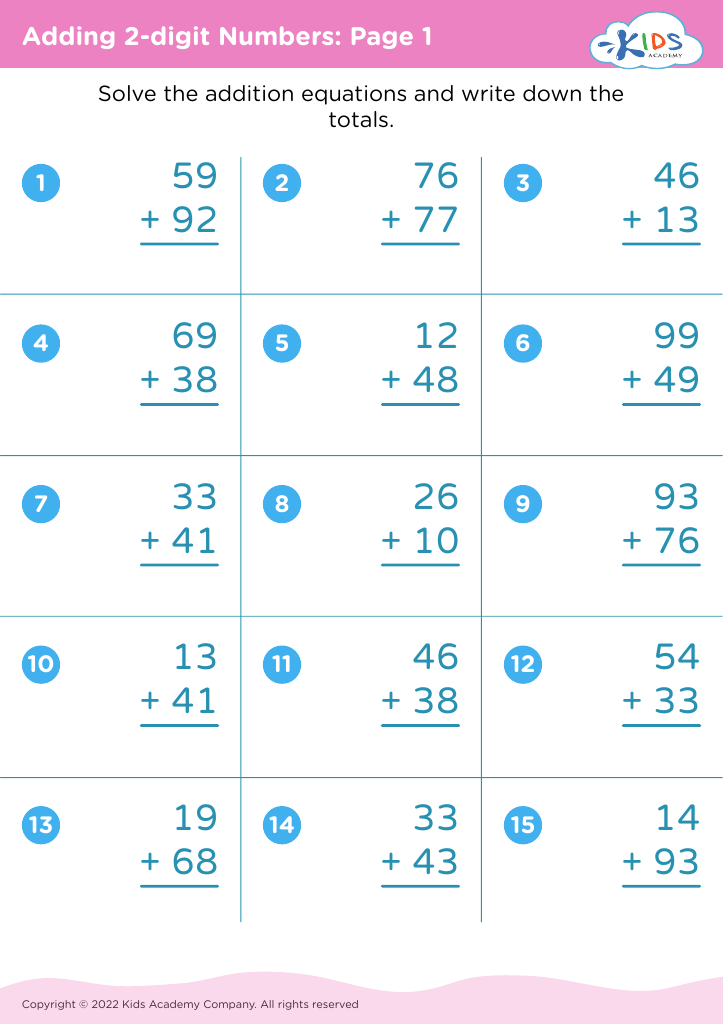
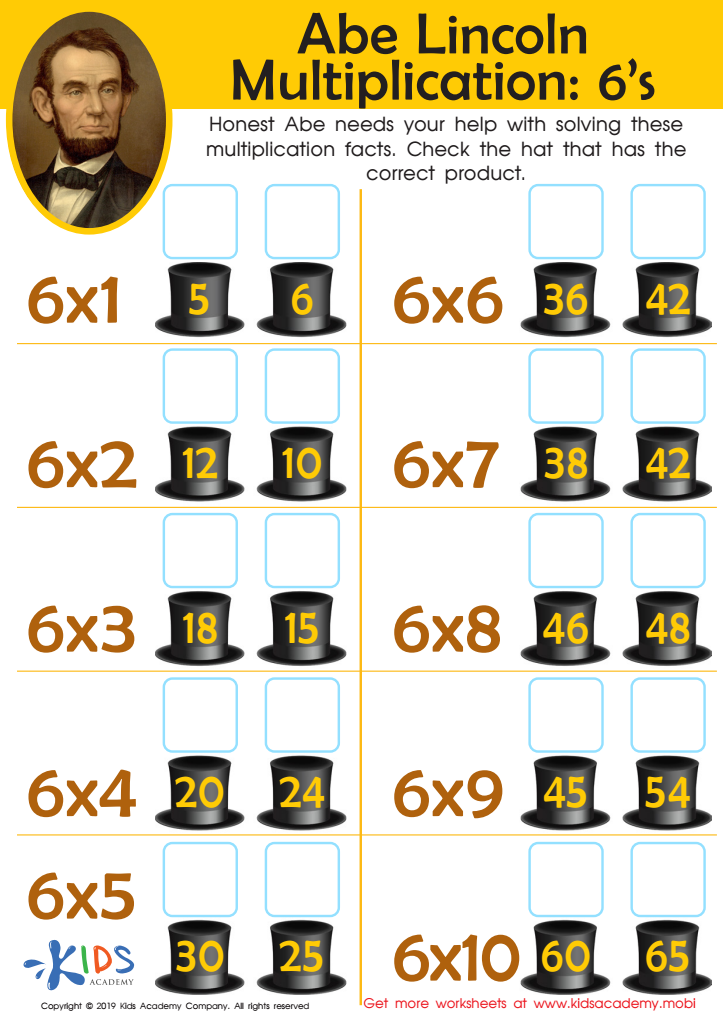
Abe Lincoln Multiplication: 6’s Worksheet
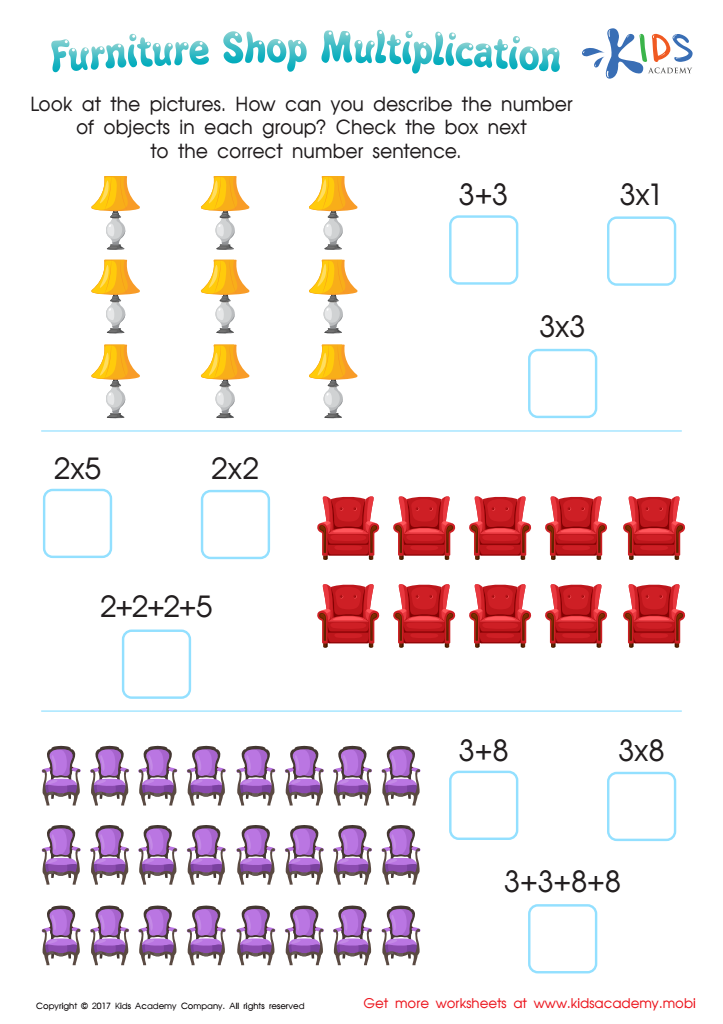
Furniture Shop Worksheet
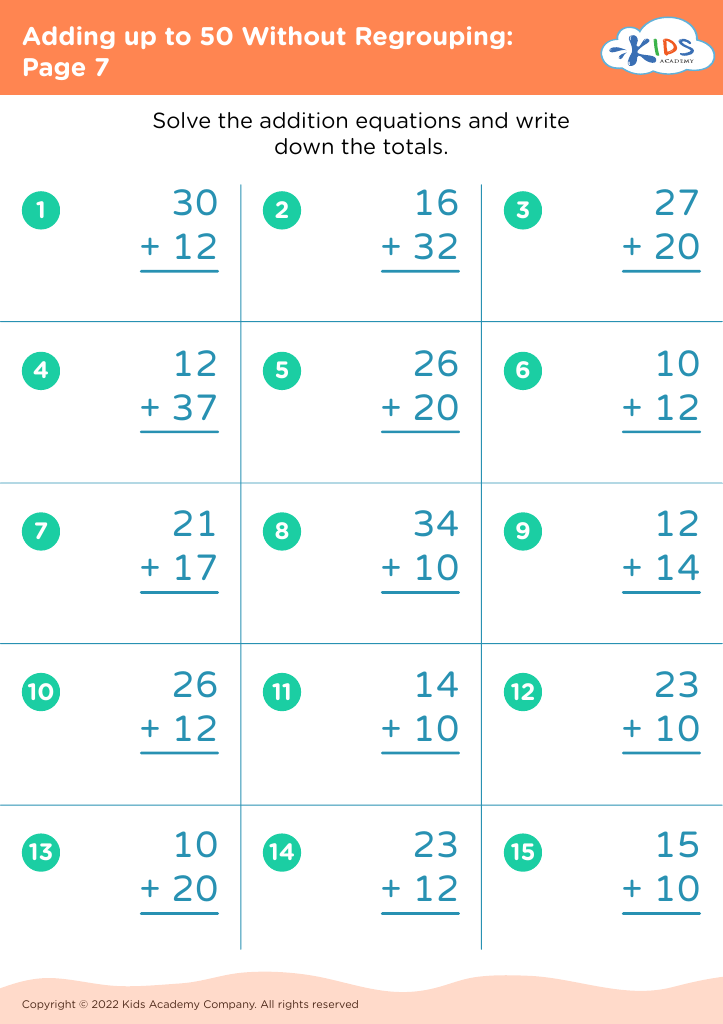
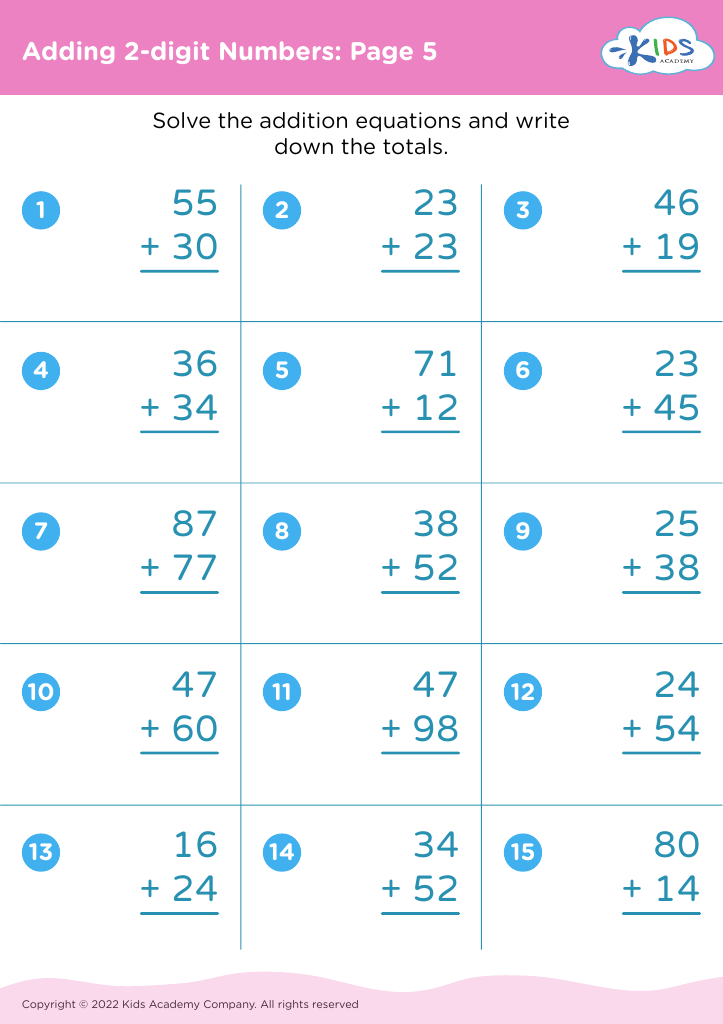
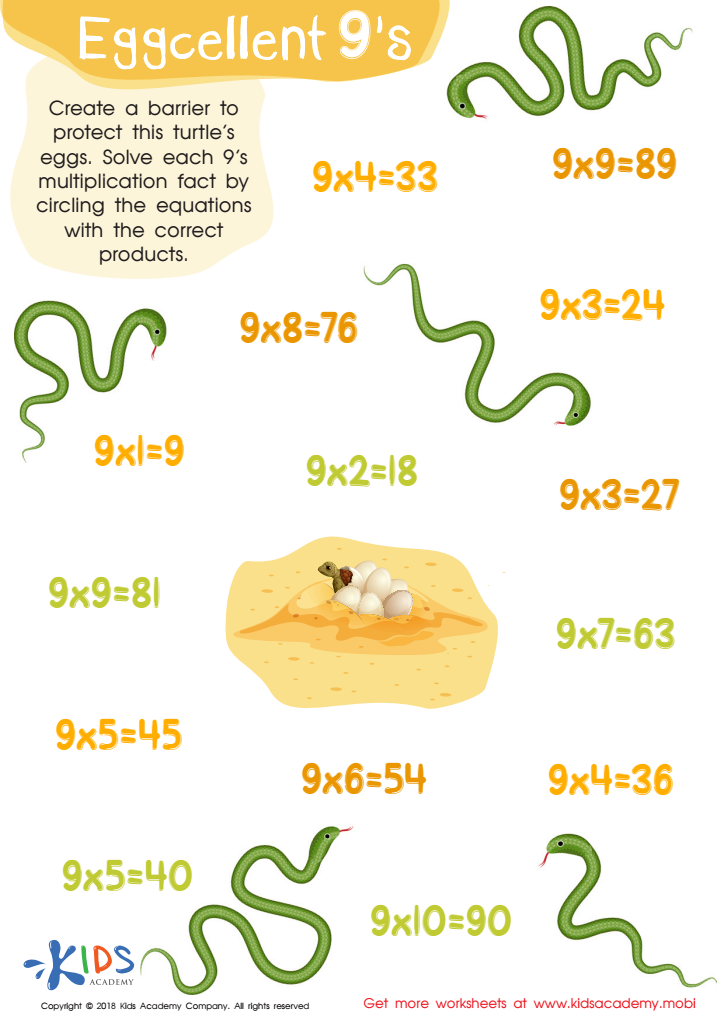
Eggcellent 9’s Worksheet
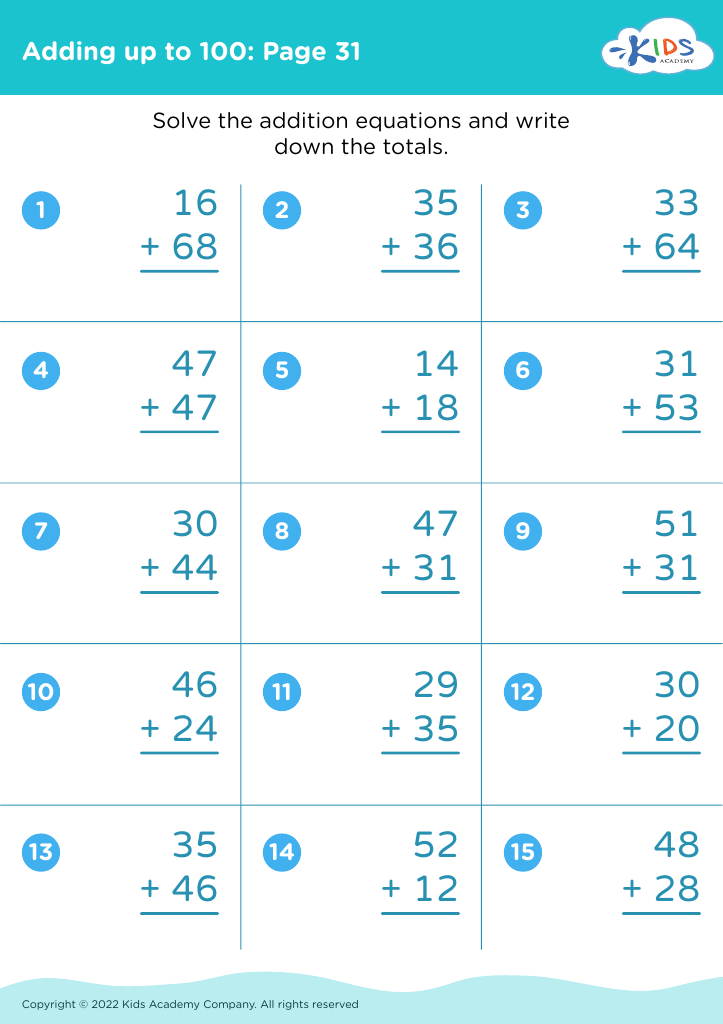
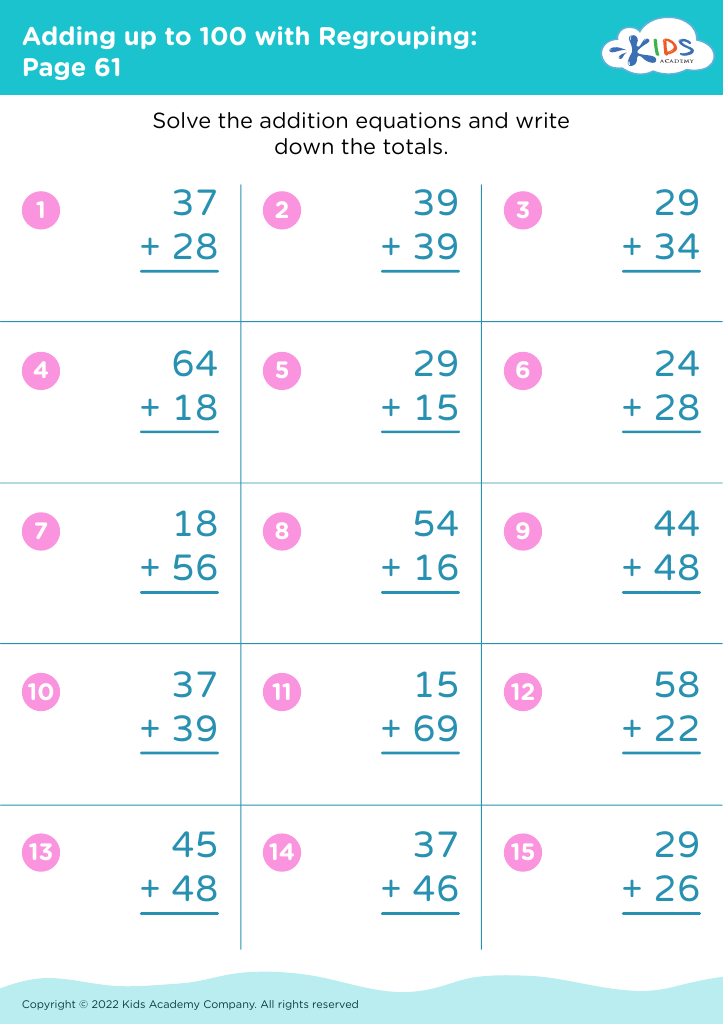
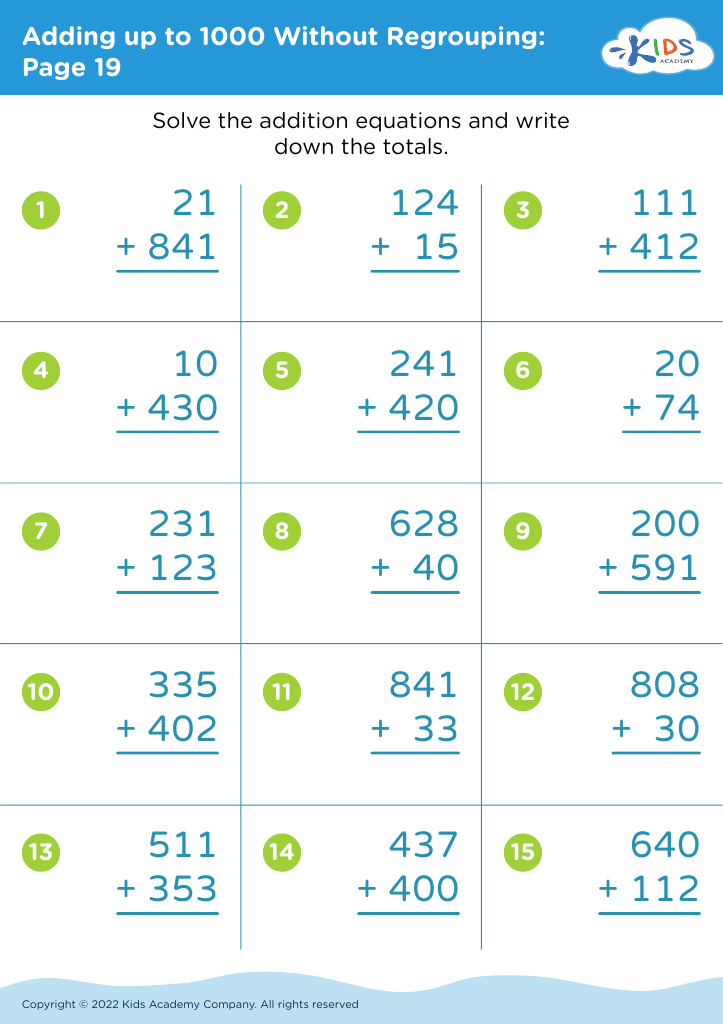
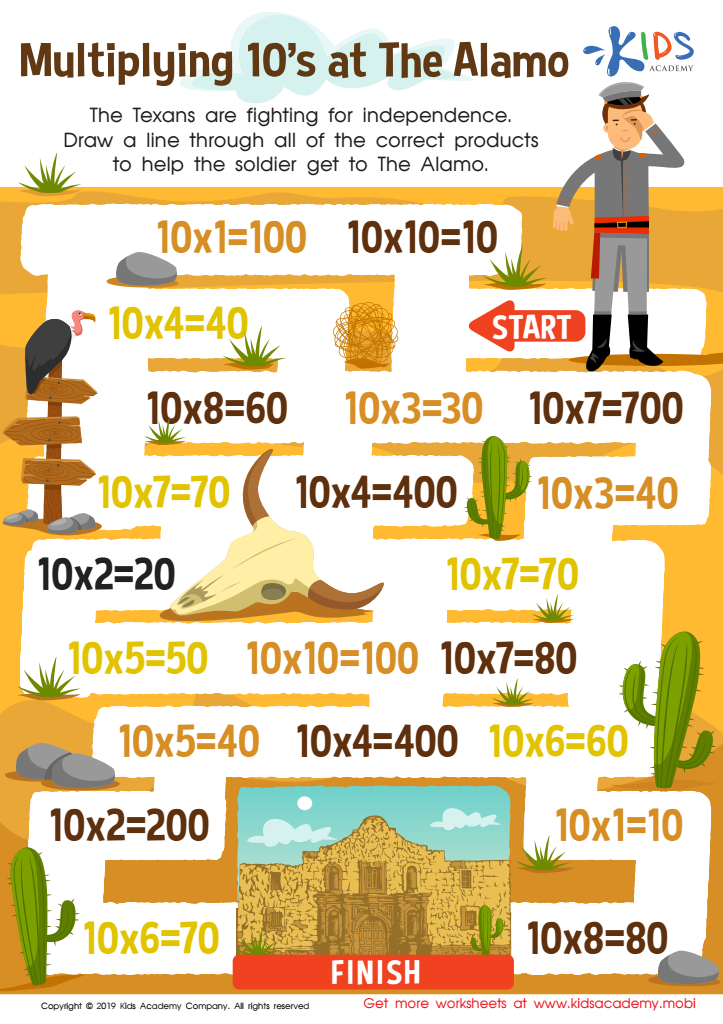
Multiplying 10’s at The Alamo Worksheet
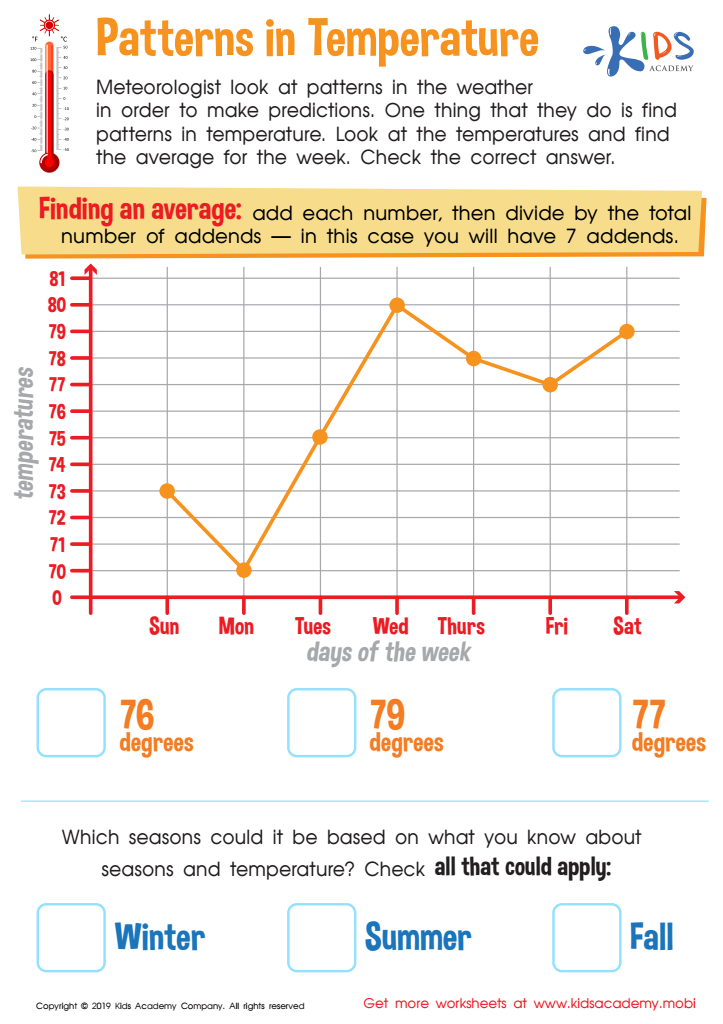
Patterns in Temperature Worksheet








Understanding patterns in math for ages 8-9 is crucial for several reasons. Firstly, recognizing patterns is foundational to mathematical thinking, promoting critical thinking and problem-solving skills. Patterns help children predict what comes next, fostering a more organized and logical approach to both math and everyday situations.
Patterns also enable students to grasp complex concepts more easily. For instance, understanding number patterns can simplify learning multiplication tables and arithmetic sequences. This forms a solid groundwork for future math topics like algebra, geometry, and calculus.
Moreover, patterns extend beyond math. They are evident in reading, music, and nature, aiding children's comprehension of the world around them. Recognizing rhythmic patterns contributes to language learning, while spotting visual patterns helps with spatial awareness and art.
Parents and teachers should promote pattern recognition because it boosts cognitive abilities and encourages curiosity and exploration. It also provides a fun and engaging way to learn math, making children more inclined to enjoy and excel in the subject. By integrating patterns into early education, we not only enhance math skills but also nurture versatile thinkers prepared for diverse challenges.
Ultimately, caring about pattern understanding at this age sets children up for academic success and enriches their overall intellectual development.








