Fine Motor Skills Reading Worksheets for Ages 8-9 - Page 2
31 filtered results
-
From - To
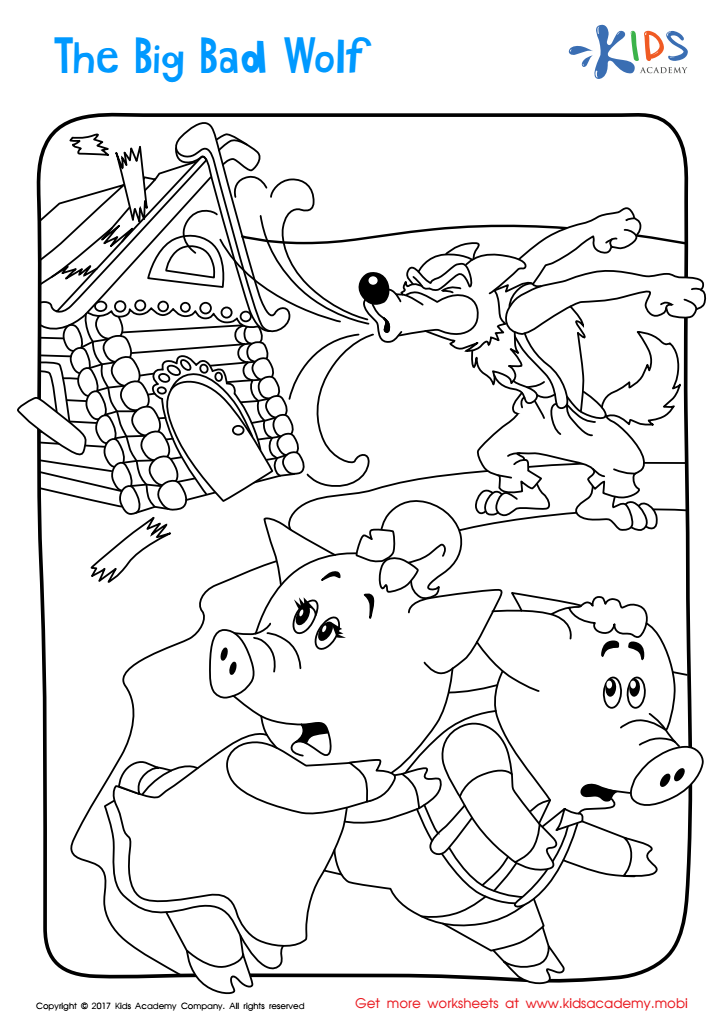
Big Bad Wolf Printable Coloring Page
 Assign to My Students

The Bingo Song: Coloring The Dog Worksheet
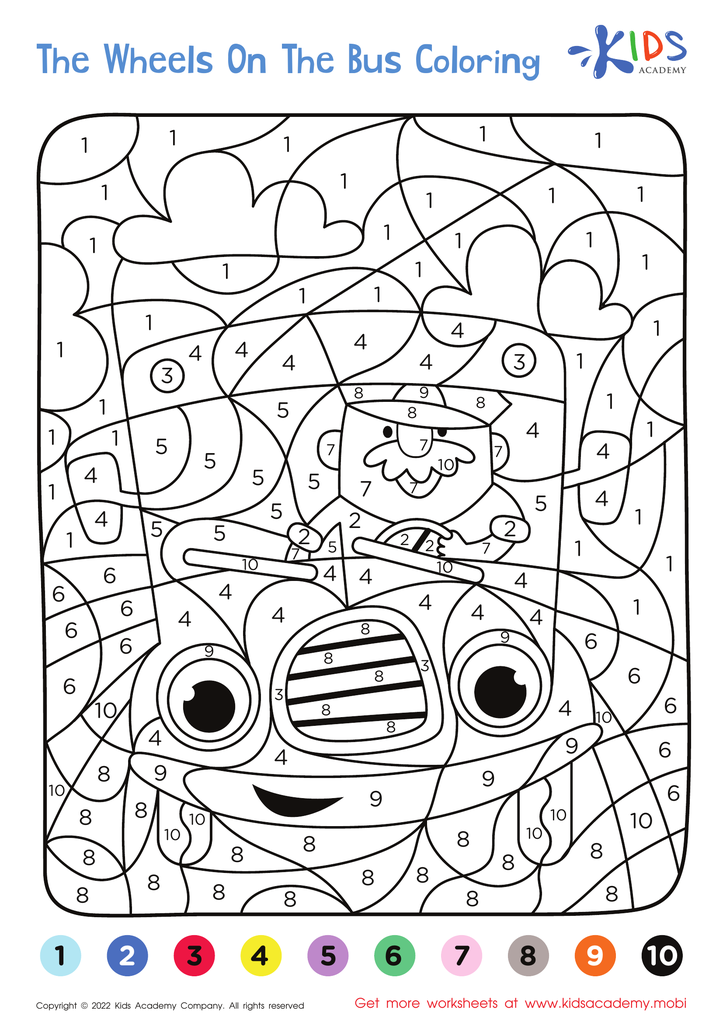
Wheels on the Bus – Coloring by Numbers






.jpg)

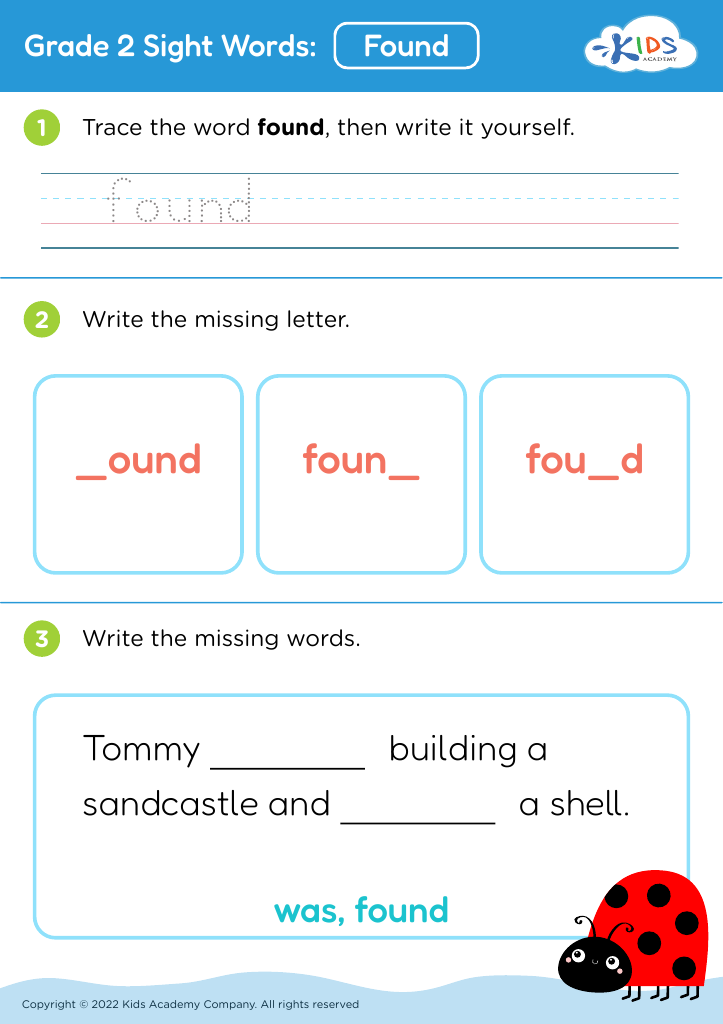
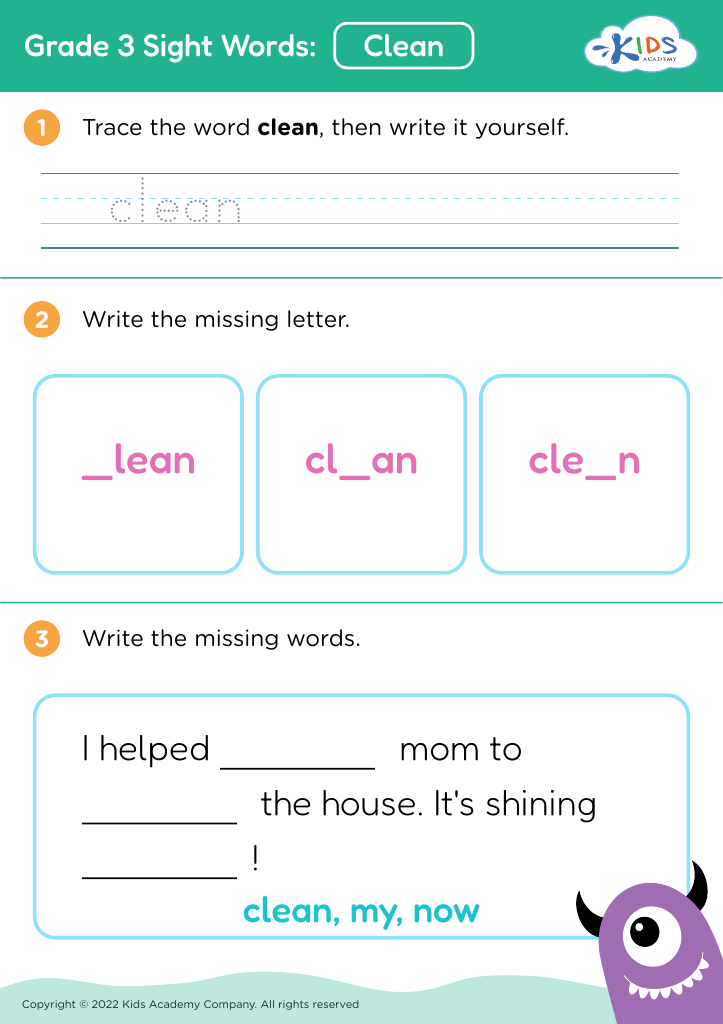
Fine motor skills are crucial for children aged 8-9 because they significantly impact a child's ability to engage in daily activities, both academic and personal. These skills involve the use of small muscles in the hands and fingers, which are essential for writing, cutting with scissors, and manipulating small objects. For children in this age group, competent fine motor skills make tasks such as handwriting, which is critical for taking notes and completing assignments, more efficient and less frustrating. This can bolster a child's confidence and overall academic performance.
Moreover, fine motor skills are linked to cognitive development. Activities that enhance these skills, such as drawing, playing with building blocks, or typing, also foster hand-eye coordination, spatial awareness, and problem-solving abilities. Parents and teachers who nurture fine motor development through supportive, hands-on activities can thus enhance a child's reading skills. Books and worksheets with comprehension questions often require children to underline or circle answers, tasks that depend on dexterity and precision.
Investing time in fine motor skill development allows children to become more self-sufficient and to participate fully in classroom activities, supports learning across other subjects, and contributes to their overall academic and personal growth.








