Comparative analysis Science Worksheets for Ages 8-9
3 filtered results
-
From - To
Discover the ideal science worksheets for ages 8-9 with our comprehensive comparative analysis guide. Dive into expertly-created resources designed to complement various learning styles and educational needs. Our guide helps parents and educators find the best worksheets to enhance analytical thinking and foundational science skills. Compare popular options based on criteria such as topic coverage, complexity, visual appeal, and user reviews. Make an informed decision to ensure young learners stay engaged and inspired while mastering essential scientific concepts. Explore the best resources to empower your child’s science journey with Kids Academy!
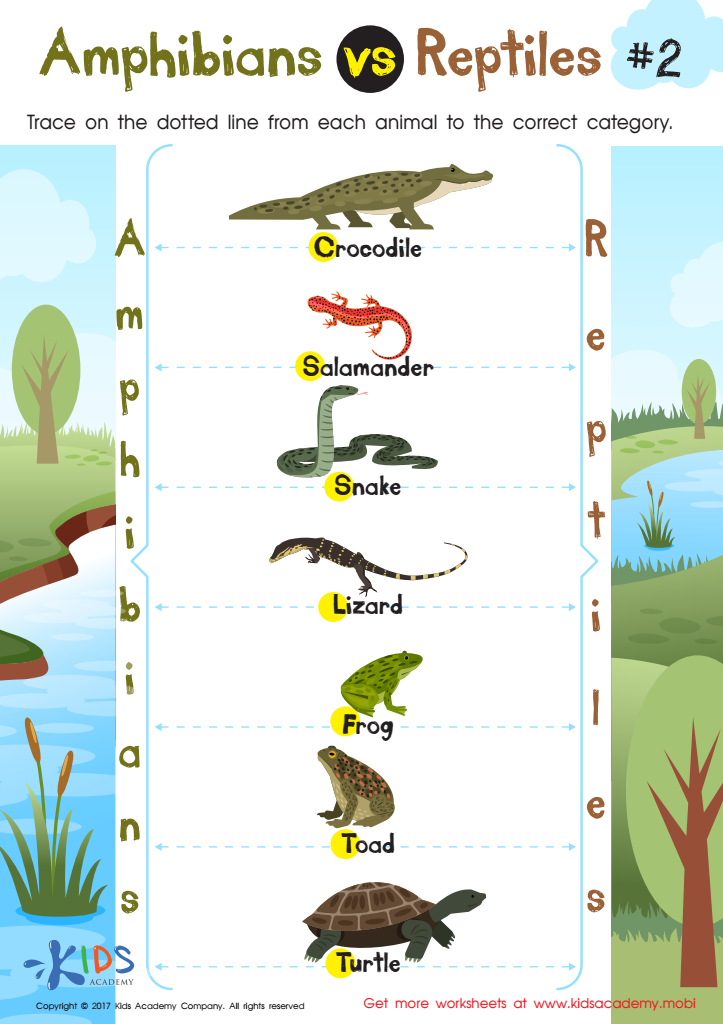
Amphibians vs Reptiles Worksheet for 3rd Grade
 Assign to My Students
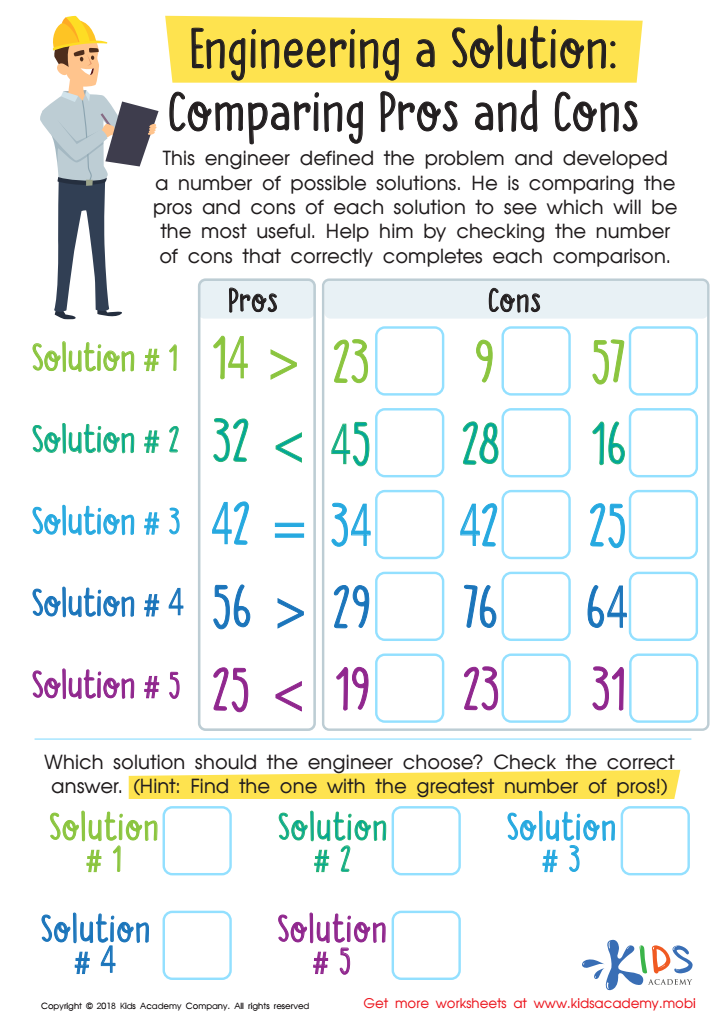
Engineering a Solution: Comparing Pros and Cons Worksheet
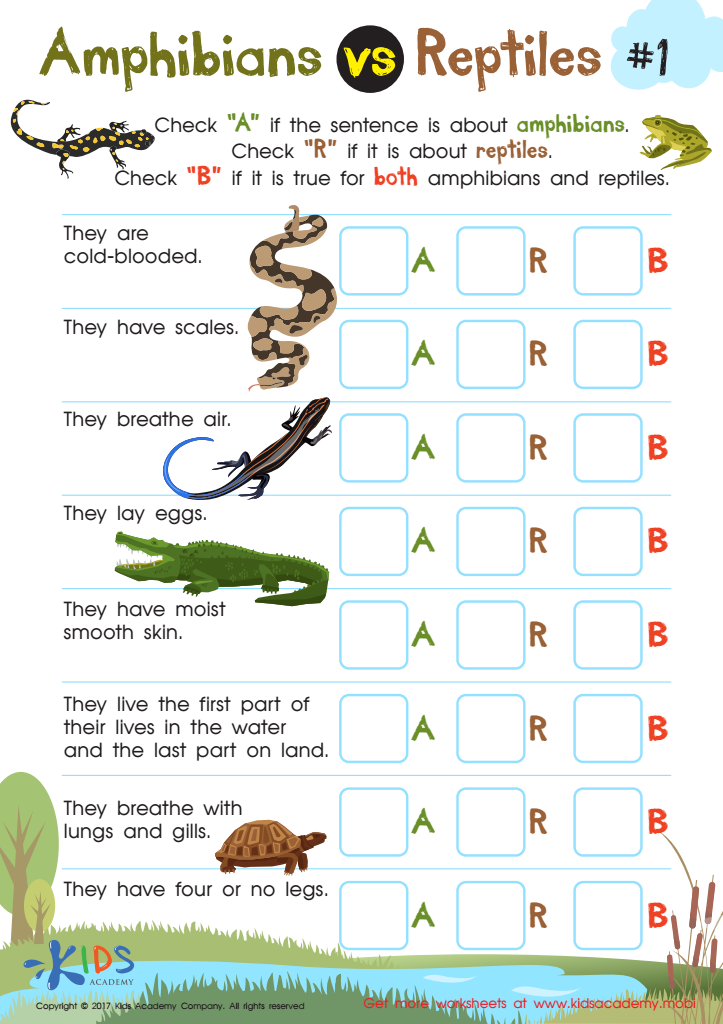
Amphibians vs Reptiles Worksheet



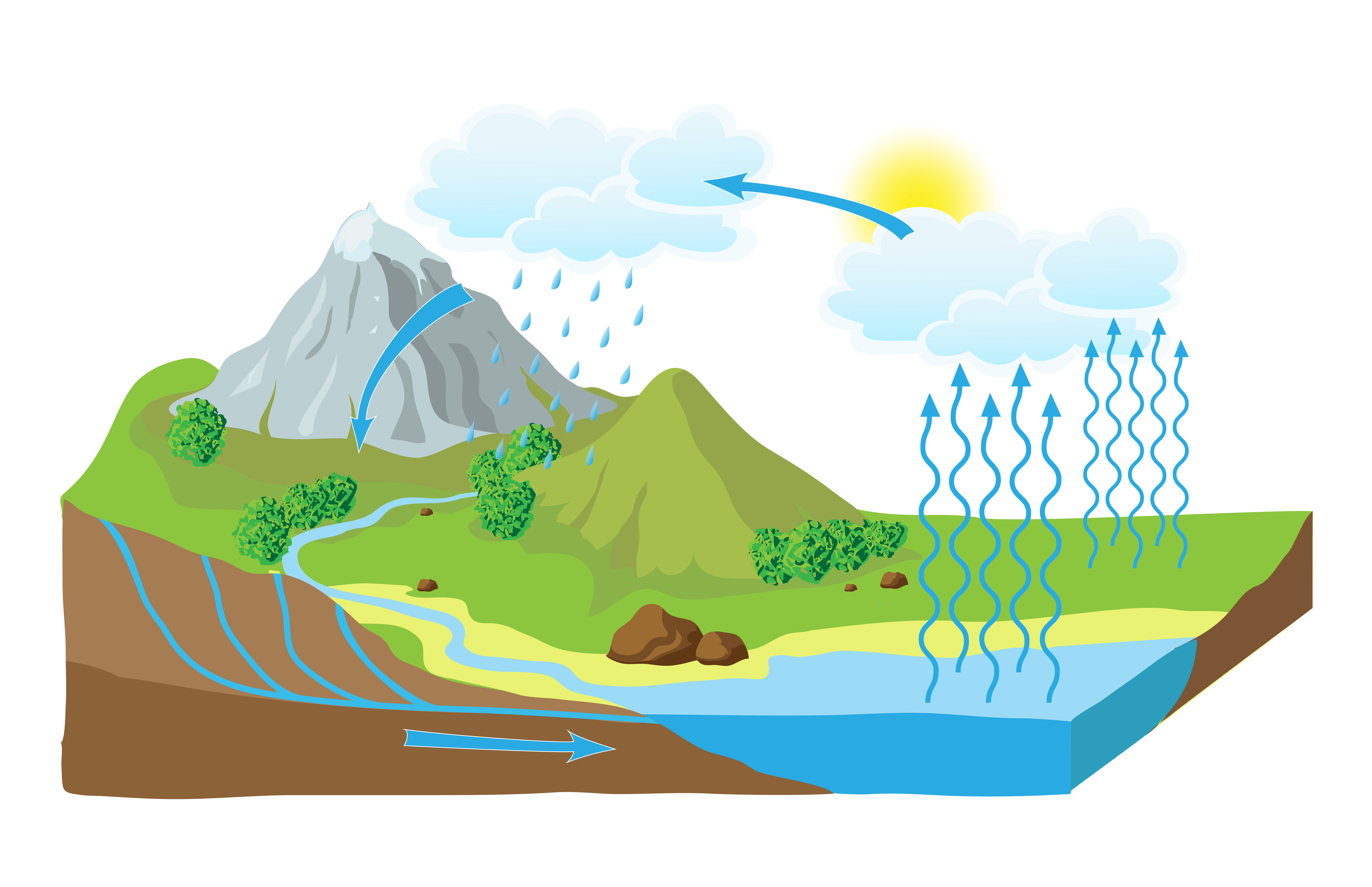
.jpg)



Comparative analysis science for ages 8-9 is vital as it nurtures critical thinking and foundational scientific inquiry, essential skills for young learners. Children at this age are naturally curious, and learning to compare and analyze stimulates their curiosity and problem-solving abilities. By engaging in comparative analysis, students learn to observe differences and similarities among organisms, materials, and phenomena, leading to a deeper understanding of the natural world.
For parents and teachers, fostering these skills early helps cultivate a scientific mindset, encouraging kids to ask questions and seek evidence-based answers. This cognitive development supports academic success across subjects, including math and literacy, as it promotes logical reasoning and clear communication.
Moreover, comparative analysis promotes independent thinking. It shifts children from passive absorption of information to active learners who evaluate and draw conclusions. This prepares them for more complex scientific studies and real-world problem-solving in the future.
In a rapidly changing world, the ability to think critically and adaptively is invaluable. By prioritizing comparative analysis science education, parents and teachers equip children with the tools to not just understand their environment, but also to influence it positively, fostering innovative and resilient future generations.







